


- Words
- Olivia Hingley
- —
- Date
- 27 February 2026
- Tags
Get in, loser! Dinamo’s auto-inspired typeface has arrived, with 108 fonts in the boot
Six years in the making, ABC Schengen packs in the strong, fast-paced energy of industrial fonts as seen on cranes, cars and cargo.
Share
Share
Any good type nerd knows that letter-based inspiration is anywhere you look for it. Your local cornershop, shop signs on your little jaunt abroad, the shelves of a fusty old library, and even behind the wheel on the open road. This is where Dinamo’s latest release, Schengen, began – a multi-weight masterpiece that’s named after Europe’s border-free zone and draws on the aesthetics of vehicles, industry, trade and manufacturing. Or, as summarised in the words of its designer Seb McLauchlan: “everything you find in industrial parks and ports”.
Designed by Seb alongside designer Luke Charsley, the project is a lengthy six years in the making, and marks something of a full circle moment for Dinamo. Its co-founders Johannes Breyer and Fabian Harb first met Seb in a pub in London nearly a decade ago and hit it off over a shared passion for fonts; a foundry in infancy and a designer at the start of his career, Seb became the first artist to release a typeface (Ginto) through Dinamo. The following ten years has seen the growth of the foundry and Seb’s partnership, as well as their dual dedication to purposefulness and intentionally, building worlds and concepts for typefaces that go beyond mere visual appeal.
Such a mammoth project (Schengen has a whopping 108 fonts, three companion revival typefaces, and an immensely fun, vehicle-filled campaign) calls for many hands, and numerous creative minds got stuck into the rendering, graphic creation and more to bring it to life. Below, Seb and Johannes discuss the benefits of collaborating with so many people, as well as touching on the classic typefaces that provided the basis for Schengen, messy reference collecting, the catharsis of releasing work and the excitement of seeing your fonts pop up where you least expect them. So buckle up, and enjoy!
It’s Nice That (INT):
What first inspired ABC Schengen?
Seb McLauchlan (SM):
It started pretty simply as a lot of type projects do, with a key reference. In this case it was two really classic and quite obvious typefaces within the canon of European type, which is Helvetica and Eurostile. Europeans call it ‘Euro-st-ee-lay’. I don’t know if you do that, Johannes, do you say ‘Euro-st-ee-lay’?
Johannes Breyer (JB):
No! But yesterday I was thinking about it. I should change the pronunciation.
SM:
I think that’s how the Italians do it…
So the question was how do we kind of describe these references within one width? But then, within a few different widths, how do we try to evolve the tension between those two references across the width? As Schengen gets wider, the reference to Eurostile becomes clearer. The width axis, the widening of the forms, isn’t just for the sake of widening the actual structure – the typeface actually gets flatter – the x-height gets larger and the spacing gets more graphic. There’s an attempt to change the dynamic of what usually happens – which is you extend the width of a typeface and it’s the same consistency – which is a very valid way to go about it, because there are functional needs that graphic designers have for wide, compressed typefaces. But we wanted something different.
INT:
When was its first iteration?
SM:
I laid down a sketch and a pretty convincing plan back in 2020. I sat on it for a while because other things came up and Rom got published. But I realised it was a really big project and I confessed to Johannes that I didn’t think I could do a project of this scale by myself anymore – I was missing a bit the ability to collaborate and bounce ideas back and forth.
INT:
Who came on board?
SM:
Via the recommendation of Johannes and Fabian it was Luke Charsley. Luke is just simply the nicest, most dedicated, hardworking, thoughtful guy. He took the design and he sort of became a custodian of it. He drove the bus in some ways – I certainly had the map and was responsible for the standards and key decisions – but Luke was in the hot seat. It’s the first kind of major release that he’s worked on of this scale and he’s done an incredible job.
Dinamo: ABC Schengen
Dinamo: ABC Schengen
“I’m a really big fan of having typefaces that give the ability for people setting type to get an exact vibe.”
Seb McLauchlan
Dinamo: ABC Schengen
INT:
Tell us a little bit about Zone, Line and Core. Why did you want to make accompanying typefaces for ‘thematic and aesthetic’ reasons?
SM:
After talking with Luke, the most exciting part evolved. It started with wanting to draw a serif accompaniment for Schengen, and I was trying to find a way to justify it. I went into the design like: what if we did a similar thing within the serif whereby at the normal width it’s a classic bookish serif, something that feels not out there – an analogue to what Helvetica kind of brings within the serif space. But then, when it gets really wide, it turns into something really wacky.
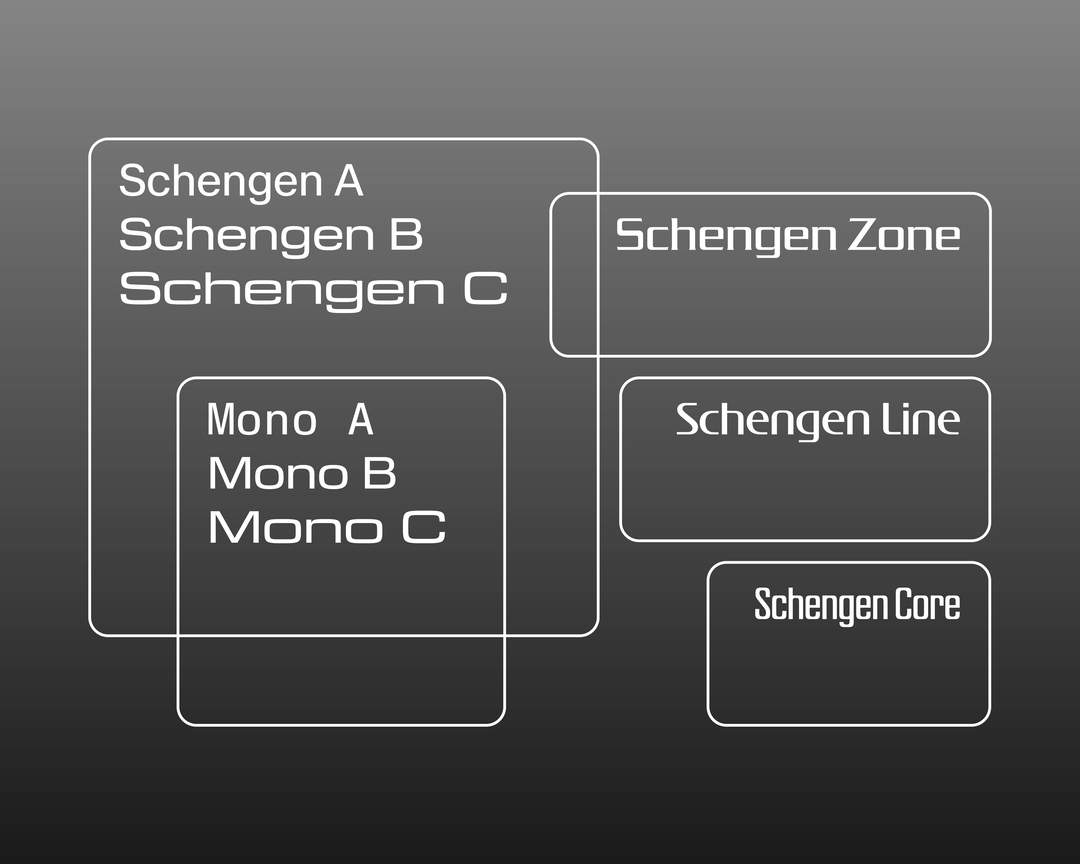
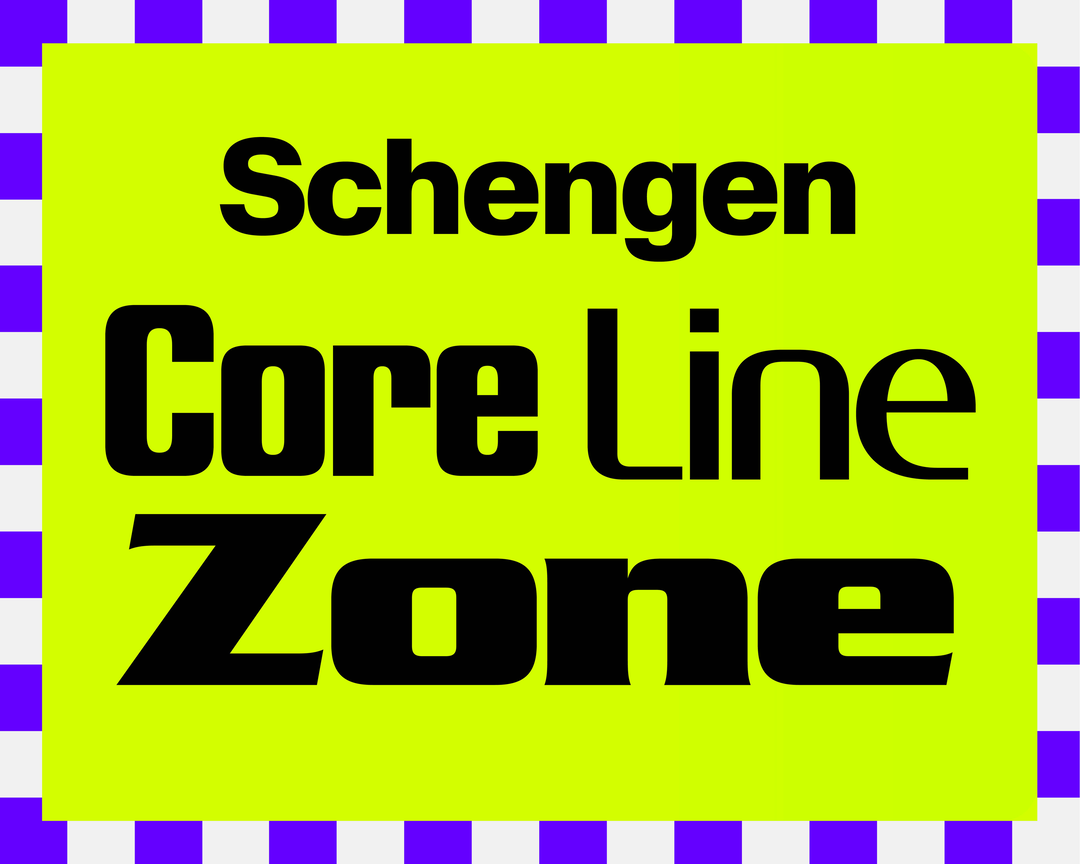
You also always have a typeface sitting around you want to use. That was Serpentine by Dick Jensen for me, a photo-type from the mid-century. It’s very rare to see anyone use it outside of transport, construction, and light industry; if you pay attention on the road, you’ll always see a typeface like Serpentine. I realised I wanted to revive it, and to me the design relates to the key design of Schengen, not through its structure, but through a certain ‘rhythm’. It felt ‘Schengeny’ to me. So this became the Schengen Zone, and I also created homages to two other typefaces: Schengen Line, which is a revival of Cassandre’s Peignot – which also had this huge life of its own within like cement companies and crane rental companies – and Schengen Core, a Haettenschweiler reinterpretation which is like the brutal, hardcore design.
INT:
When did this aesthetic world of transport and the Schengen Zone solidify?
SM:
I realised all of these typefaces (Helvetica, Eurostyle and Serpentine, etc), all share common usage within the world of industry, commerce, trade and manufacturing – everything you find in industrial parks and ports. I wanted to call it Schengen because it’s concerned with the Eurozone, all of the places I’d see driving around Europe or the UK. I arrived in the UK when Brexit had just gone through, the political rhetoric and then the timing of this is funny because it feels like Europe is under the kind of pressures and threats that it hasn’t faced in a long time.
INT:
With a project that is five or six years in the making, how much has changed along the way, and how do you stay motivated?
SM:
Luke, Johannes and Chris Lawson (who I share a studio with and who’s working on a book for Schengen), I couldn’t have done it without them, that’s what motivated me, that’s what gave me structure. Conversations with Luke were just exciting, he brought a great energy and curiosity to things.
JB:
Seb has been orchestrating a symphony with lots of different instruments, lots of different players. In this long process he’s been synchronising the fonts over and over, refining and changing proportions, and I think one of the things that’s also special about Schengen is that you can interchangeably use the fonts. The wishful thinking is that somebody would combine Schengen – different Schengens – like we see on the reference vehicles. In terms of drawing and managing this monster project, you had moments where you had to suddenly rethink a structure or proportion, maybe two years in, and you had to keep updating. How did you go about that, and keep going?
SM:
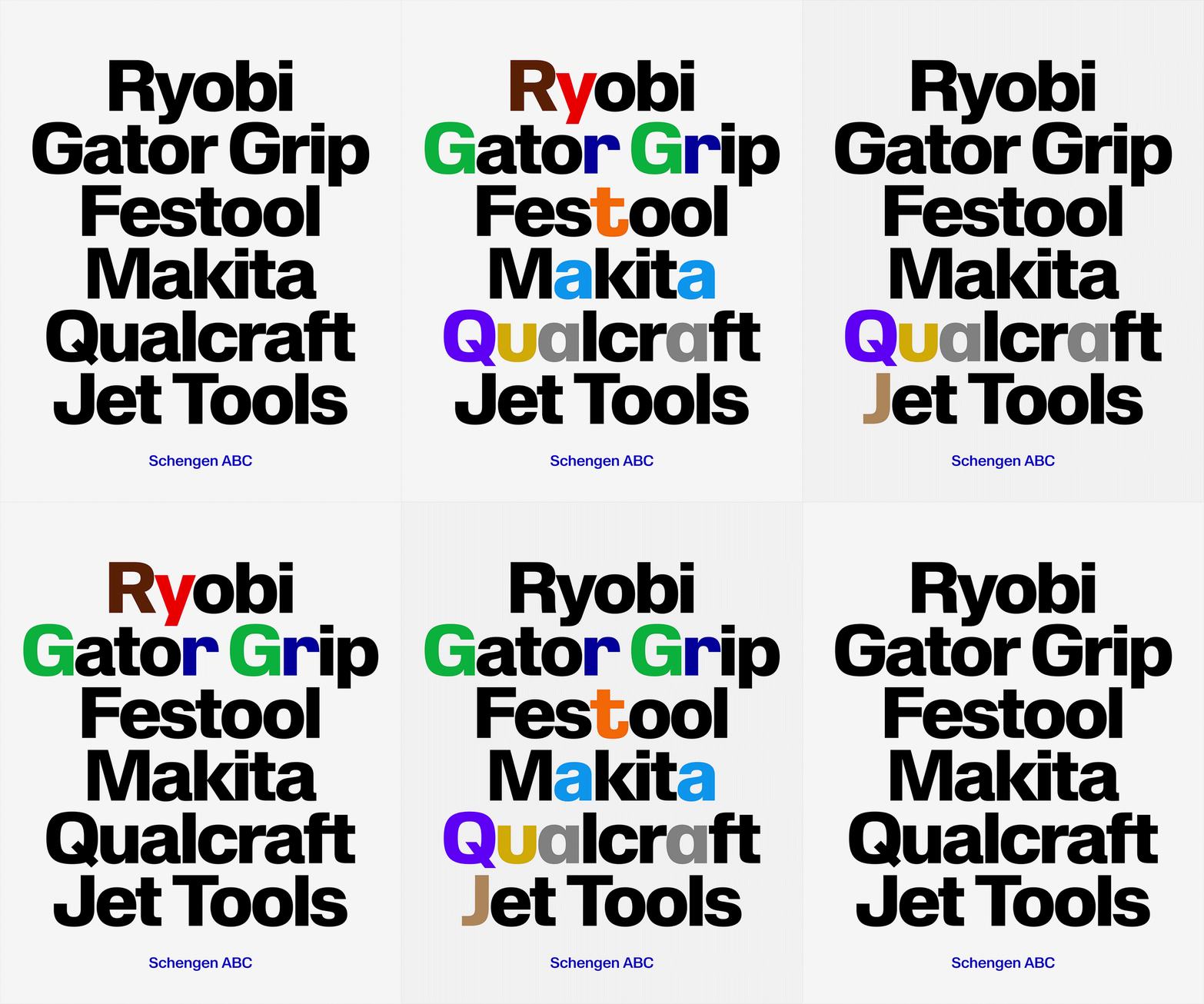
We had to constantly look at the designs in relation to each other, questioning what these different typographic voices are good at, and how they should communicate. Schengen A is really concerned with capturing the tension between Helvetica and Eurostile, but also logically it’s probably the easiest typeface that you’d set in long form, so the spacing and the proportions should work in that space. When we went up to C, the idea was that the spacing got tighter and the proportions and the rhythm got more uniform because when you widen a typeface – if you have very large differences in proportion – then they stop working as well at large widths.
Figuring out that side of the A, B, and C typeface allowed us to move on to Line, Zone and Core because we had a kind of more graphic side and a more usable bookish side. Soon, it became clear that Zone, Line and Core should complement Schengen B and C in their usage.
At a certain point we stopped thinking about making a set of alternates, or a set of shapes that could be used to make everything feel consistent. Like, ‘should the capital of G, of A, B and C be the same as the capital G in Zone, Line and Core in terms of the structure and base form’ – it was quite tempting in terms of driving a really clear line through the design. But it was really freeing, the admission that it doesn’t actually matter whether these are exactly the same form, because it’s about the spirit. Each sub-family, or each family, has its own alternates that relate to its own design. In some ways they’re really their own typefaces, but they’ve been designed in relationship to each other.
Dinamo: ABC Schengen
Dinamo: ABC Schengen
“108 fonts is a lot, but it kind of had to be?”
Seb McLauchlan
1 of 5
Dinamo: ABC Schengen
1 of 5
Dinamo: ABC Schengen
INT:
So there’s 108 fonts. I’d love to know, at what point do you know like that’s enough, it’s time to stop?
SM:
It’s probably too much to be honest, Olivia! That’s always the feeling when the typeface gets released. But it’s a good question, and I think that’s based around this idea of like purposefulness. I’m a really big fan of having typefaces that give the ability for people setting type to get an exact vibe. There will be some student or a small studio that just wants Schengen A Book because they really like it, and I believe that’s valid. I find Francois Rappo’s releases at Optimo very inspirational because he’s very generous in the amount of weights, giving designers a very specific feeling if they want it.
I come from within graphic design – I worked at OK-RM for three or four years – and Ollie and Rory have developed their own way of looking at setting type, which is a dying art with how easy it is to set things within InDesign and so forth. When I look at the book weight or the semi-bold weight, those are in there for the people that really want them. They want to set a paragraph of text, but want to give it a slightly warmer colour. Or they want to set a headline, something for a poster, but a medium is too light and a bold is too bold. So yeah, 108 fonts is a lot, but it kind of had to be?
INT:
It’s simply about making it more accessible to anyone who wants to use it?
SM:
Yeah, that’s it. And, you know, there’s going to probably be some crazy person that will license the whole project. We need to know who the first person is going to be, Johannes, we should send them a handwritten letter, or a postcard.
JB:
Absolutely.
Dinamo: ABC Schengen
Dinamo: ABC Schengen
INT:
I loved taking a look at the initial references, and obviously there are so many for this one. What’s your process for sorting and sourcing references as a team and how long do you spend doing that? Is it a constant process?
SM:
It’s a constant process for me and it’s very messy… I wish that I was good at taking a photo on my iPhone, immediately uploading that to a references folder, and putting it within the Schengen subfolder, but it’s a lot more messy. The reference gathering in some ways becomes formalised when it needs to be.
JB:
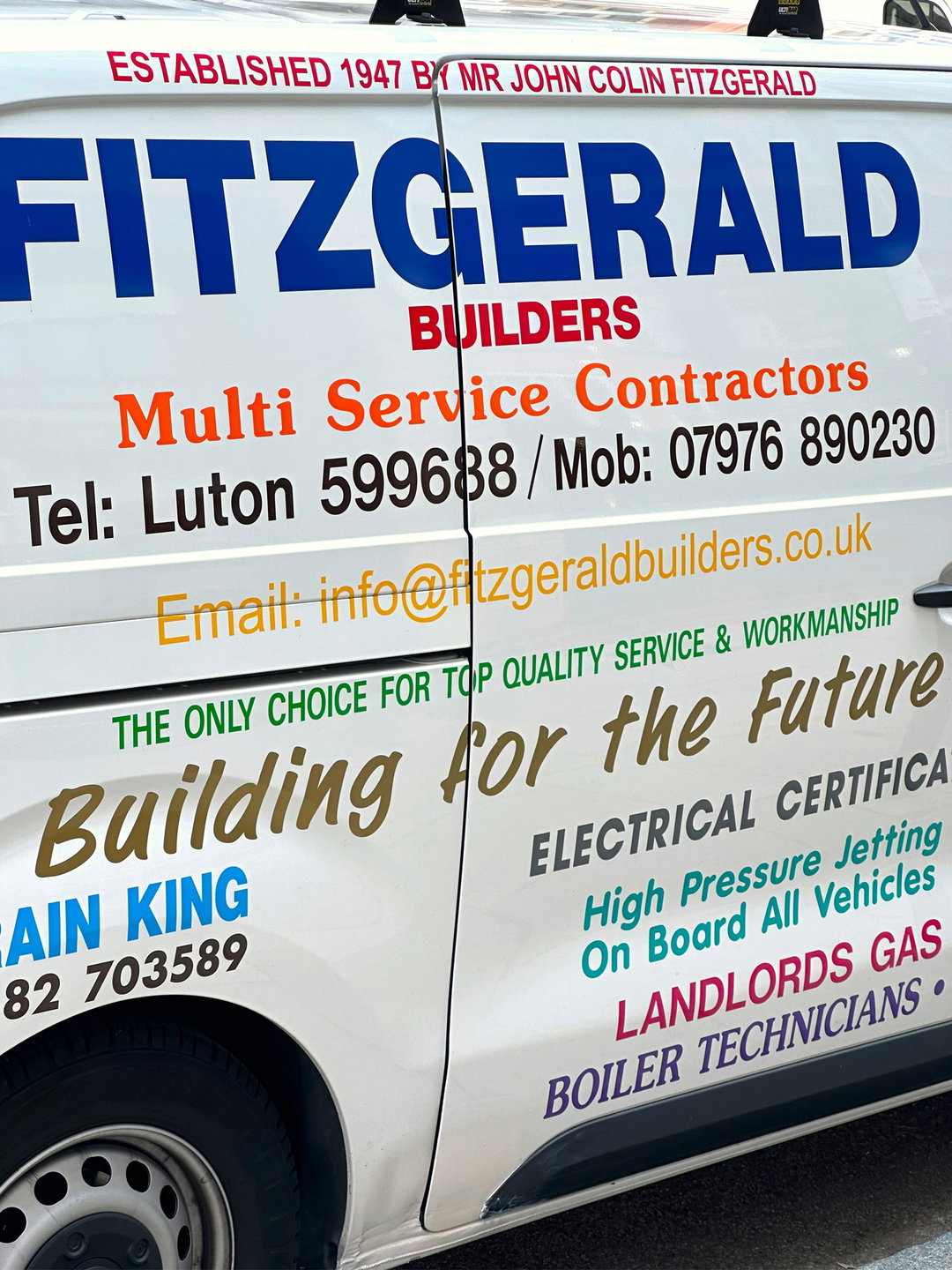
At Dinamo it’s always been interesting for us to imagine how fonts are being used, to think of them almost like people who move as if they had their own lives. We try to imagine the world the fonts live in, and also the world the designers live in when they come across them. Schengen had this really evocative second layer of commentary about things like movement, logistics, nationalities, borders, which relates to all of our lives. At our core we’re not trained type designers, we’re graphic designers so thinking about things graphically and aesthetically, about connotations and this kind of world-building has maybe been our excuse, our way of dealing with maybe not knowing too much about type design and type history itself.
At the beginning I felt deeply insecure about it – and still do at times – but now see it as something very enjoyable, to really create these worlds. As Seb said, these references are being formulated, but are mainly in our heads. Then, when making a campaign we definitely rethink it as kind of a sister project to the typeface. Creating this world of logistics, movement and cargo lent itself a more humorous angle – fonts being shipped around – which also gives it this physicality, which doesn’t happen as much now everything is digital.
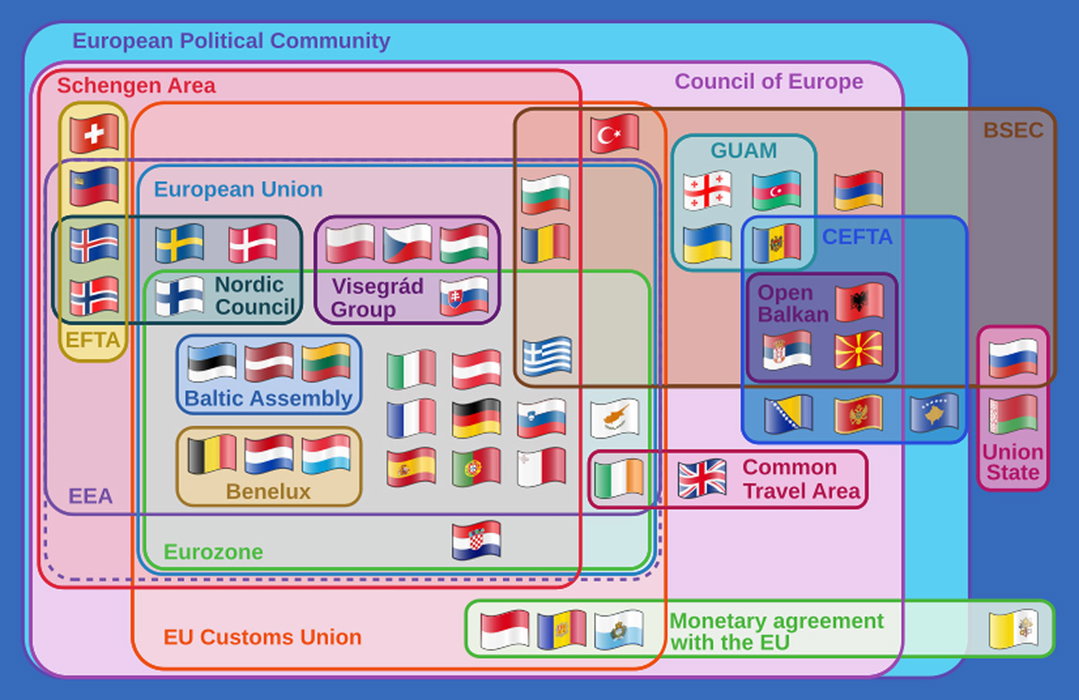
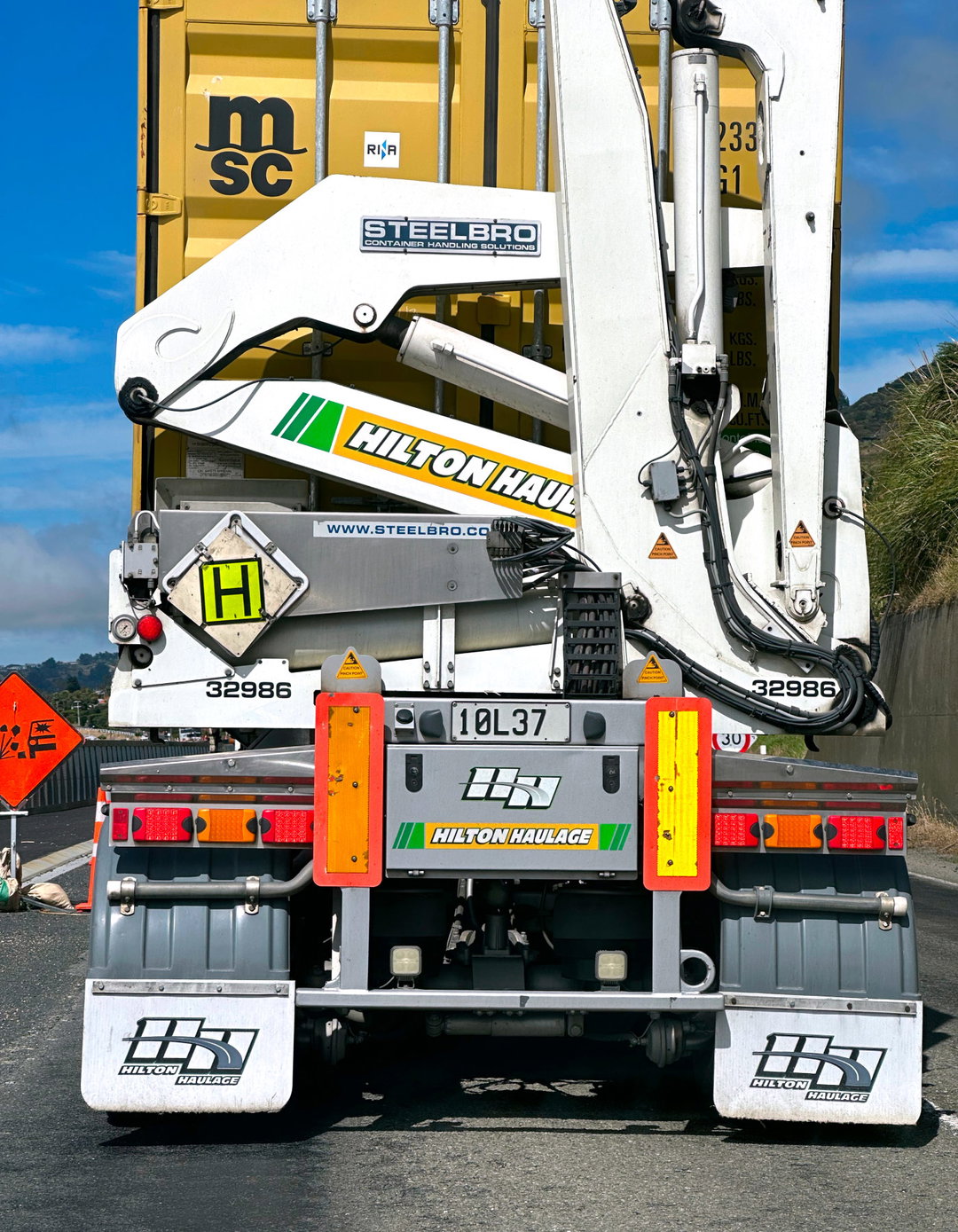
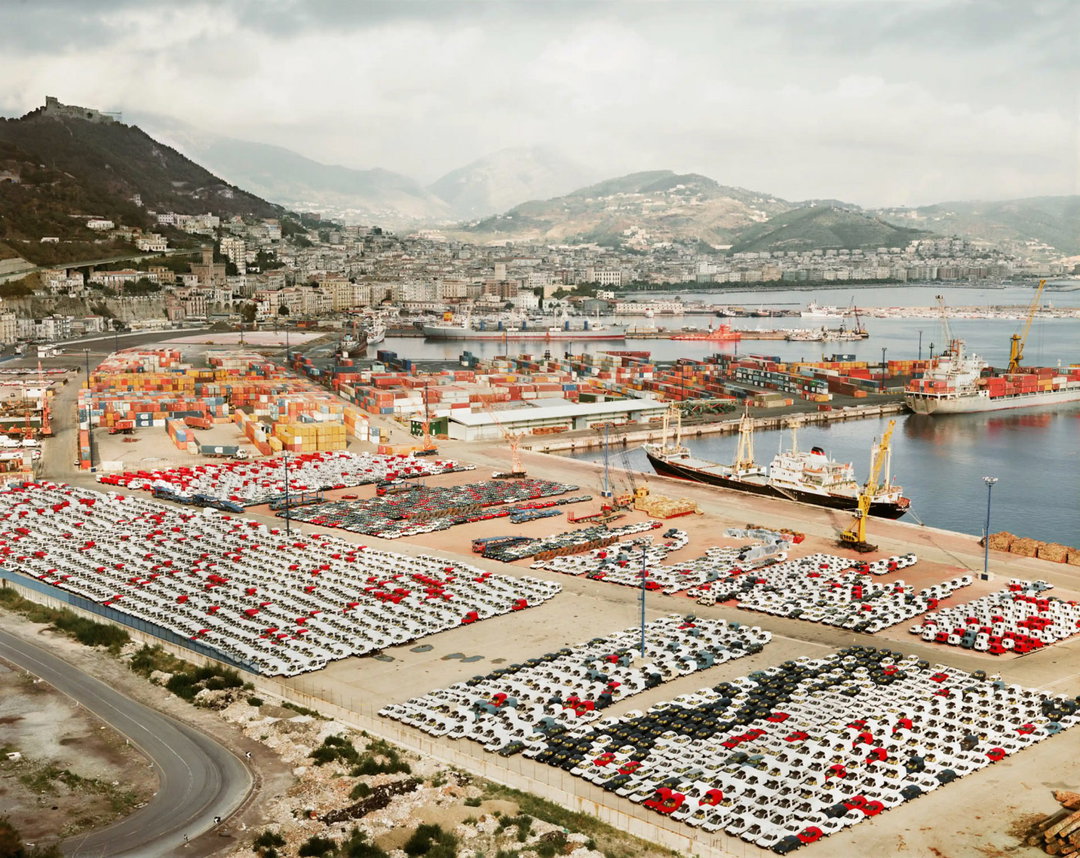
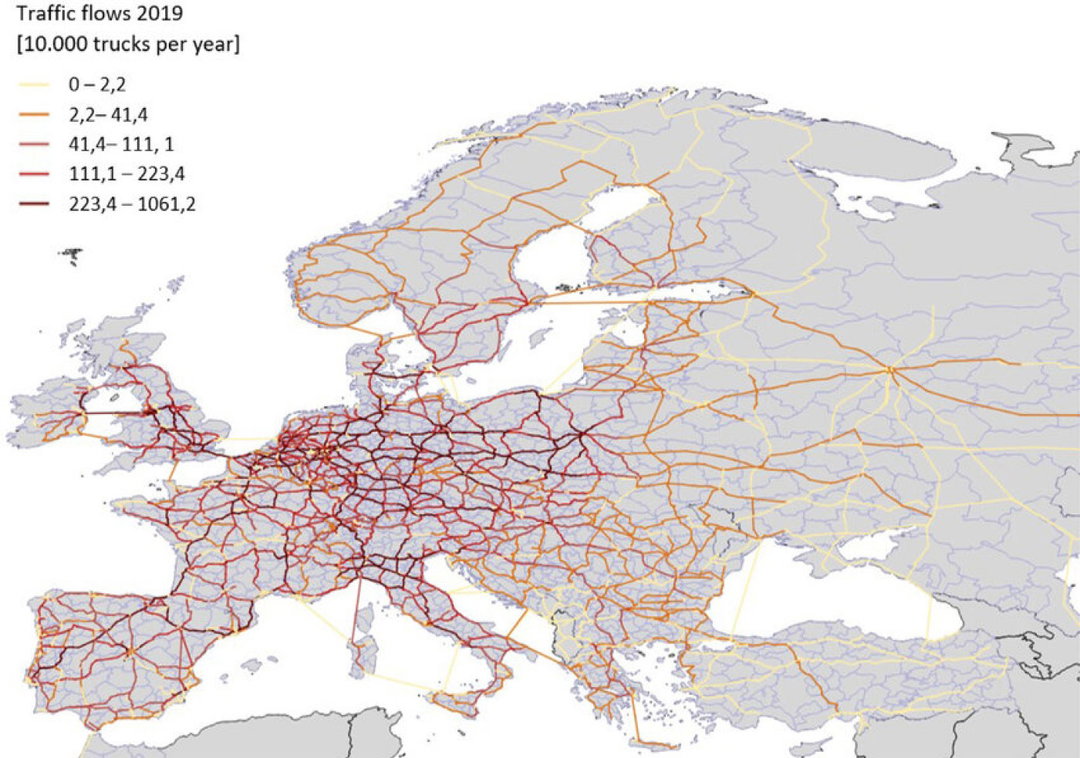
1 of 5
ABC Schengen Reference – Country Diagram
1 of 5
ABC Schengen Reference – Country Diagram
“There’s this productive chaos – like going out onto the street.”
Johannes Breyer
INT:
It seems like you have so much fun creating the campaigns.
JB:
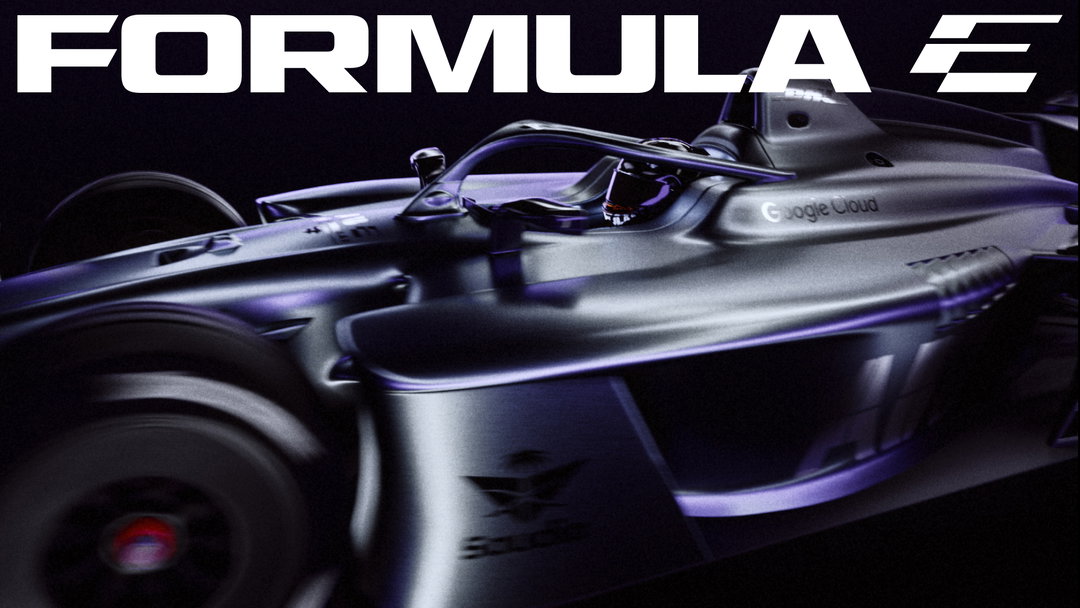
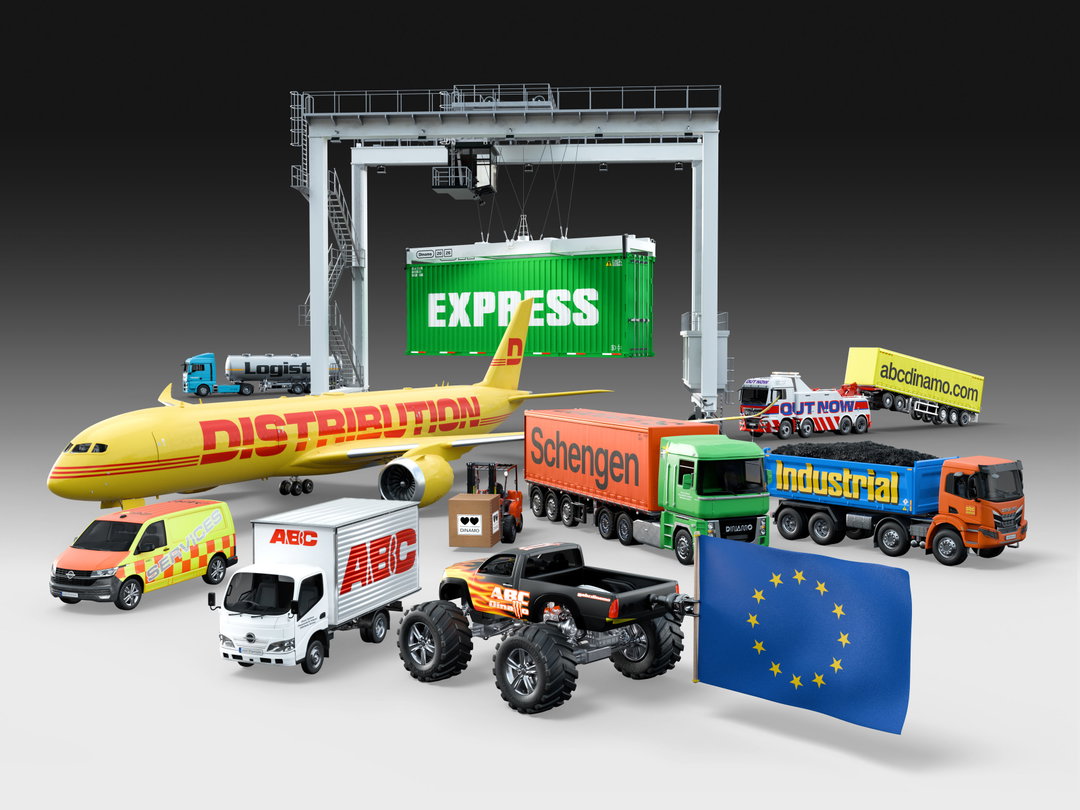
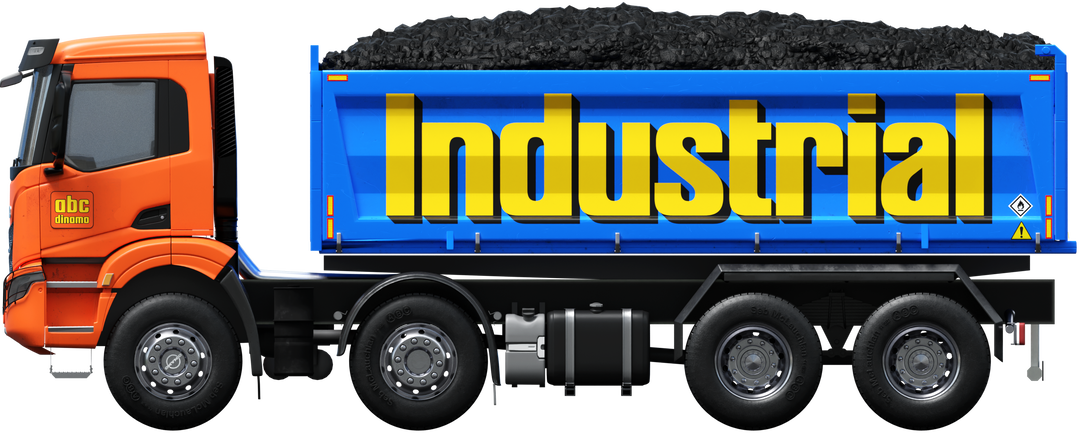
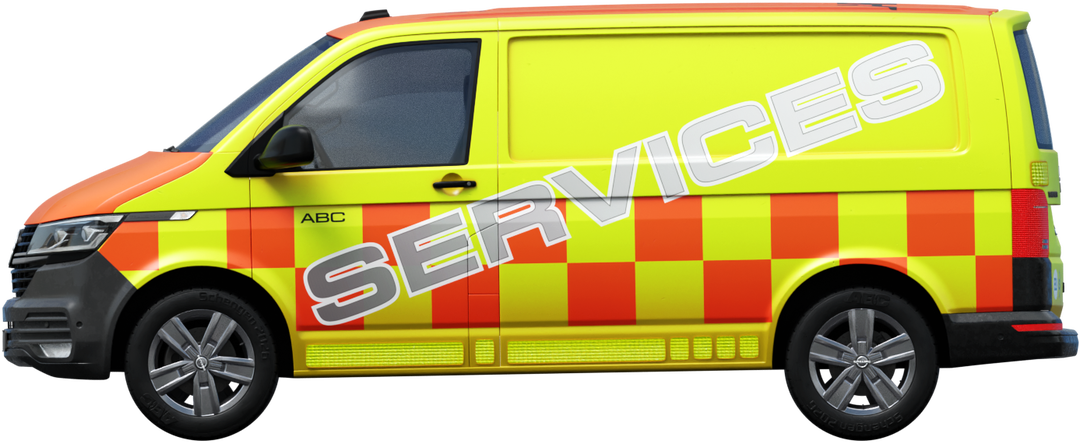
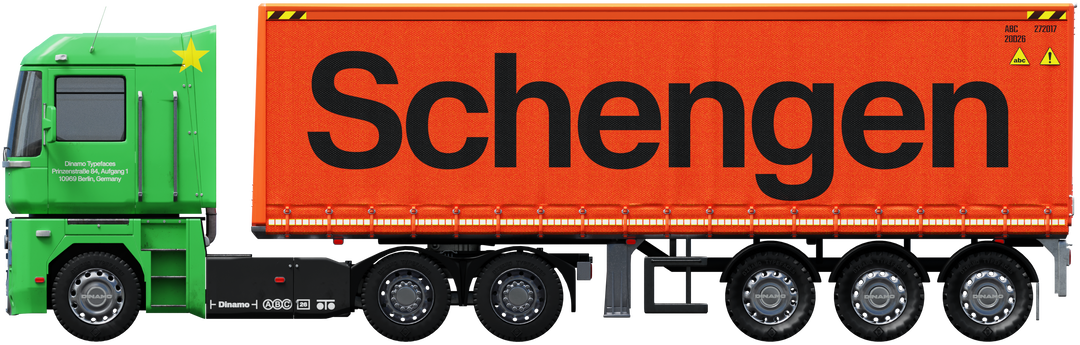
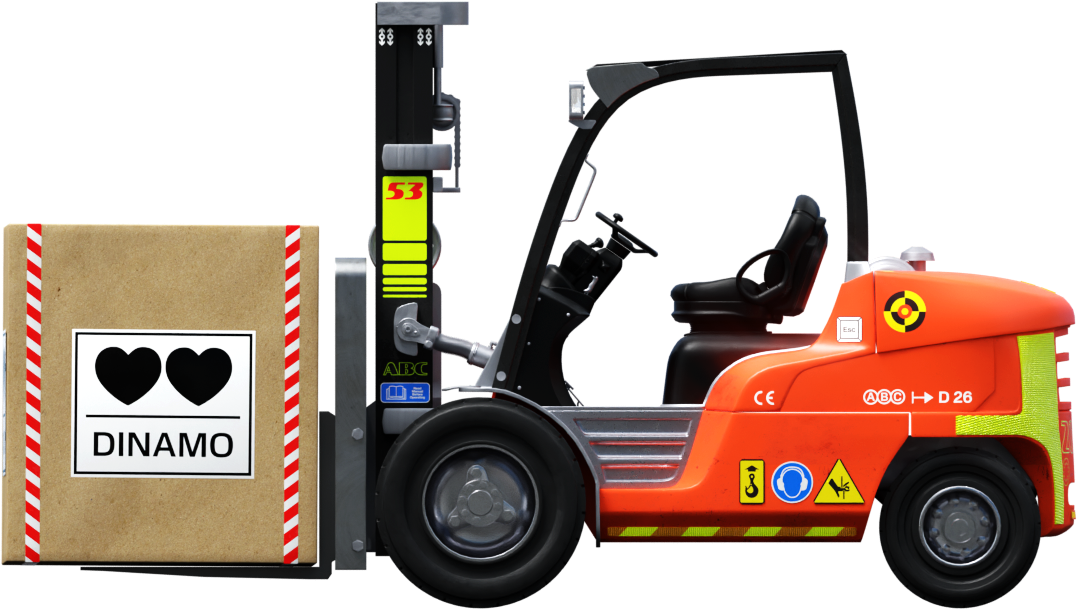
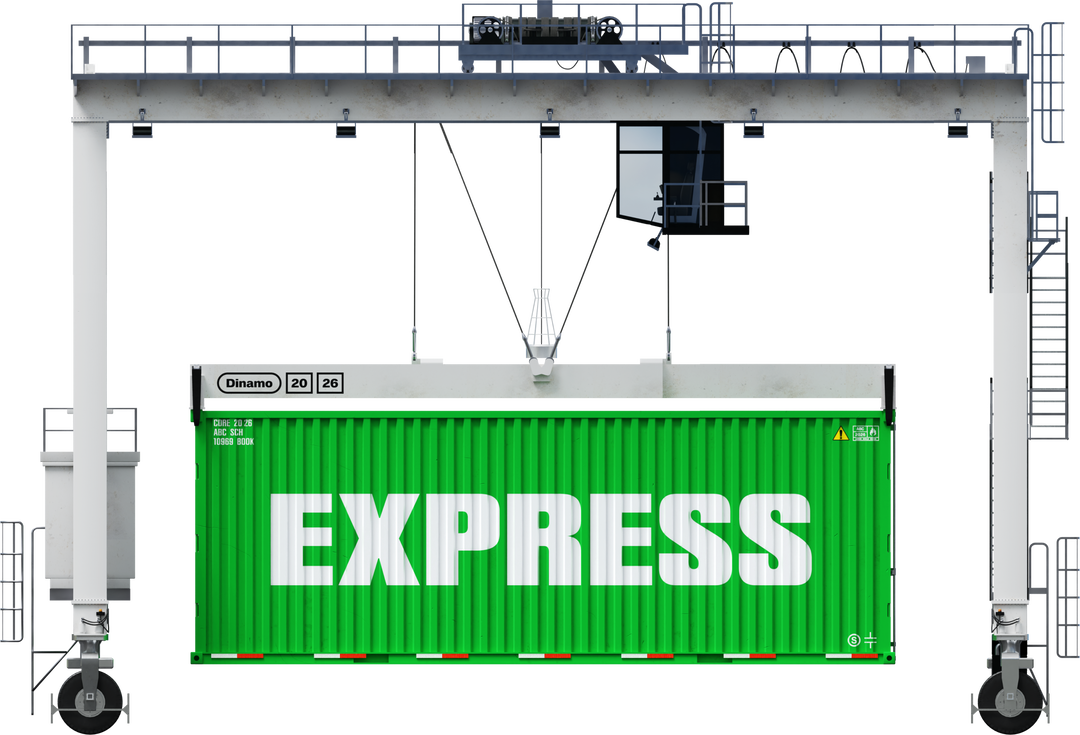
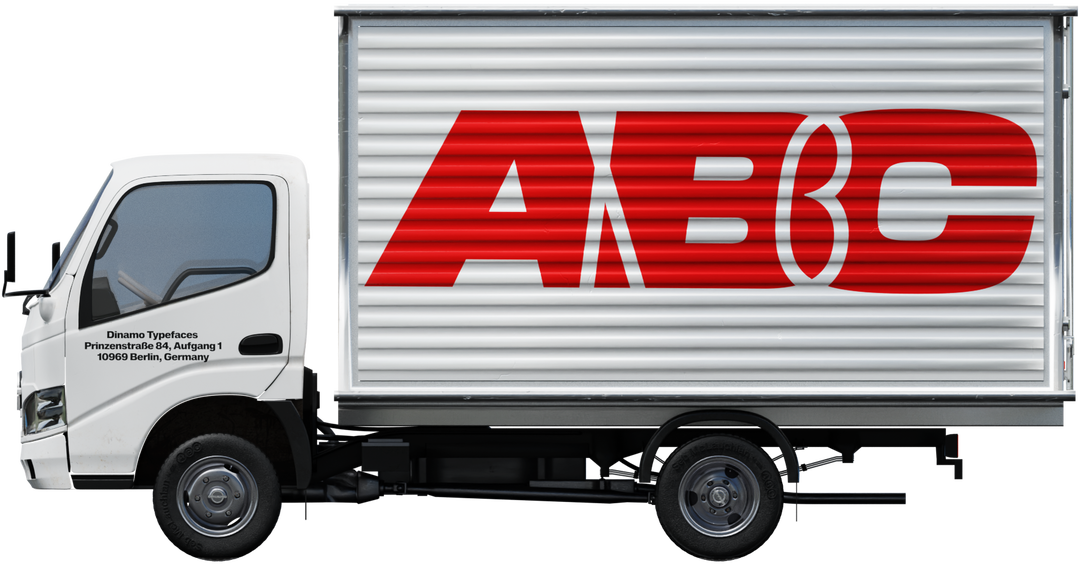
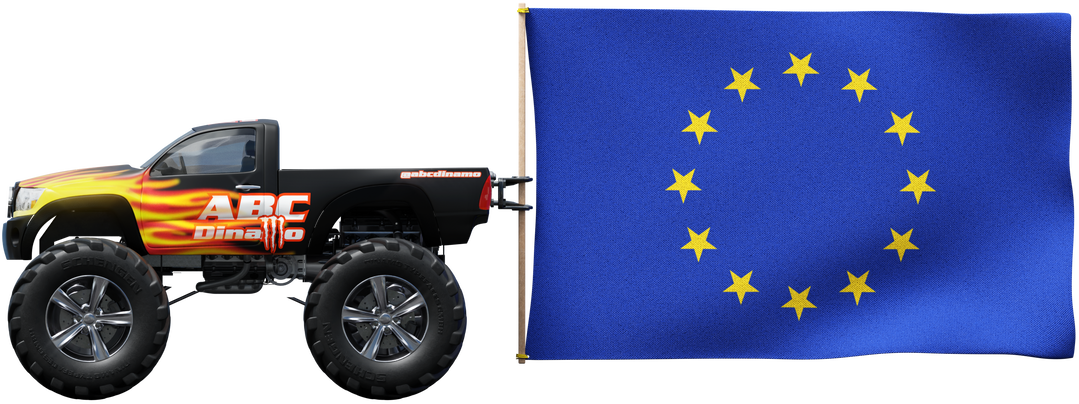
Yes! Mimi Schmidl on the team is an amazing renderer and a sweet visual artist too – an artist first, 3D person second. We pitched this logistics world to them and they really loved it, and immediately started rendering some trucks. It was an internal brief for us to cast vehicles – we wanted a broad spectrum that you can find on the streets of the Schengen Zone, big and small. Some are more funny, like the monster truck. But then there’s the service van that I see in front of my house that my landlord uses, bringing that everyday aesthetic.
We then commissioned Asel Tambay and Barnaby Ward to design the graphics on the vehicles. That was an interesting process, giving Schengen to somebody and then being like: go, run with it! We had some fun deciding what should go on the trucks. It’s almost like a logistics poem. You can read through the vehicles and it kind of makes little sense: it says things like ‘Schengen Express Service’ or like ‘Logistics Distribution Services’. We really do involve a lot of people, it’s just the way of working that we like. I think on one hand, type design is so much about control and precision, so on the other hand, I like to balance it with getting people and their opinions, making something really rich.
SM:
There’s this feeling of trying to have a lot of chaos, a lot of aesthetics clashing together that somehow sort of makes sense. This is the closest I’ve worked on a campaign – it’s been really fun trying to formalise the exact story of this typeface. Without the campaign, I don’t think it would be possible to communicate it properly.
JB:
Yeah, there’s this productive chaos – like going out onto the street. You hear noise, you have a very clean street next to a messy road. It’s really diverse and this is a good mirror I think for the whole project and times that we live in.
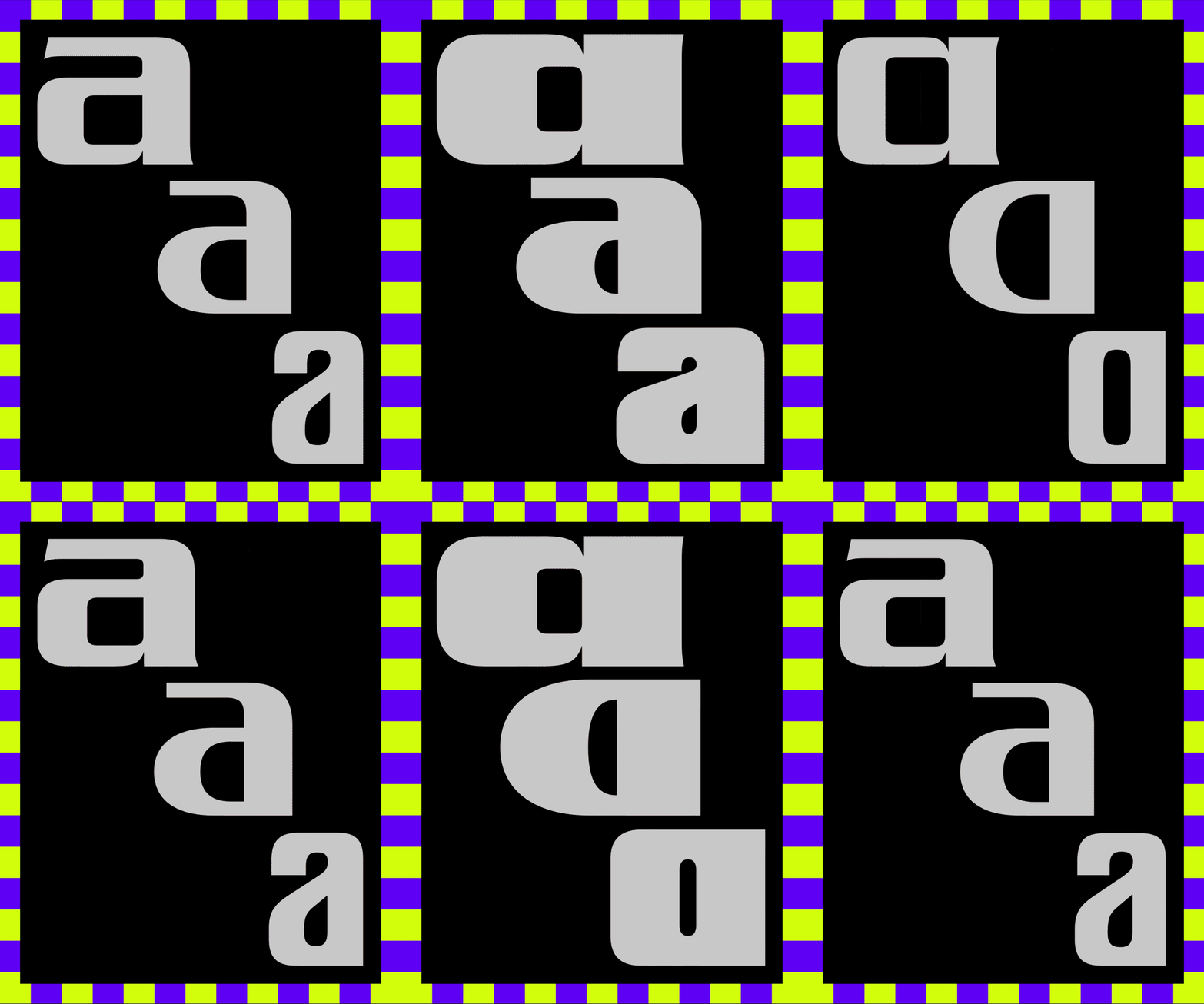
Dinamo: ABC Schengen
Dinamo: ABC Schengen
INT:
Is it cathartic to finish the typeface, have a bit of fun and then release it into the world?
SM:
It’s certainly cathartic. When you release a typeface, it’s very rare to be physically together and to pop a bottle of champagne, or sparkling water, whatever anyone is drinking. To properly celebrate, and go out to dinner. When a typeface gets released, you might get a flurry of notifications, but you don’t get to really feel that there’s this thing that’s been released, a lot of the time you finish working on the typeface weeks or months before it actually gets released.
JB:
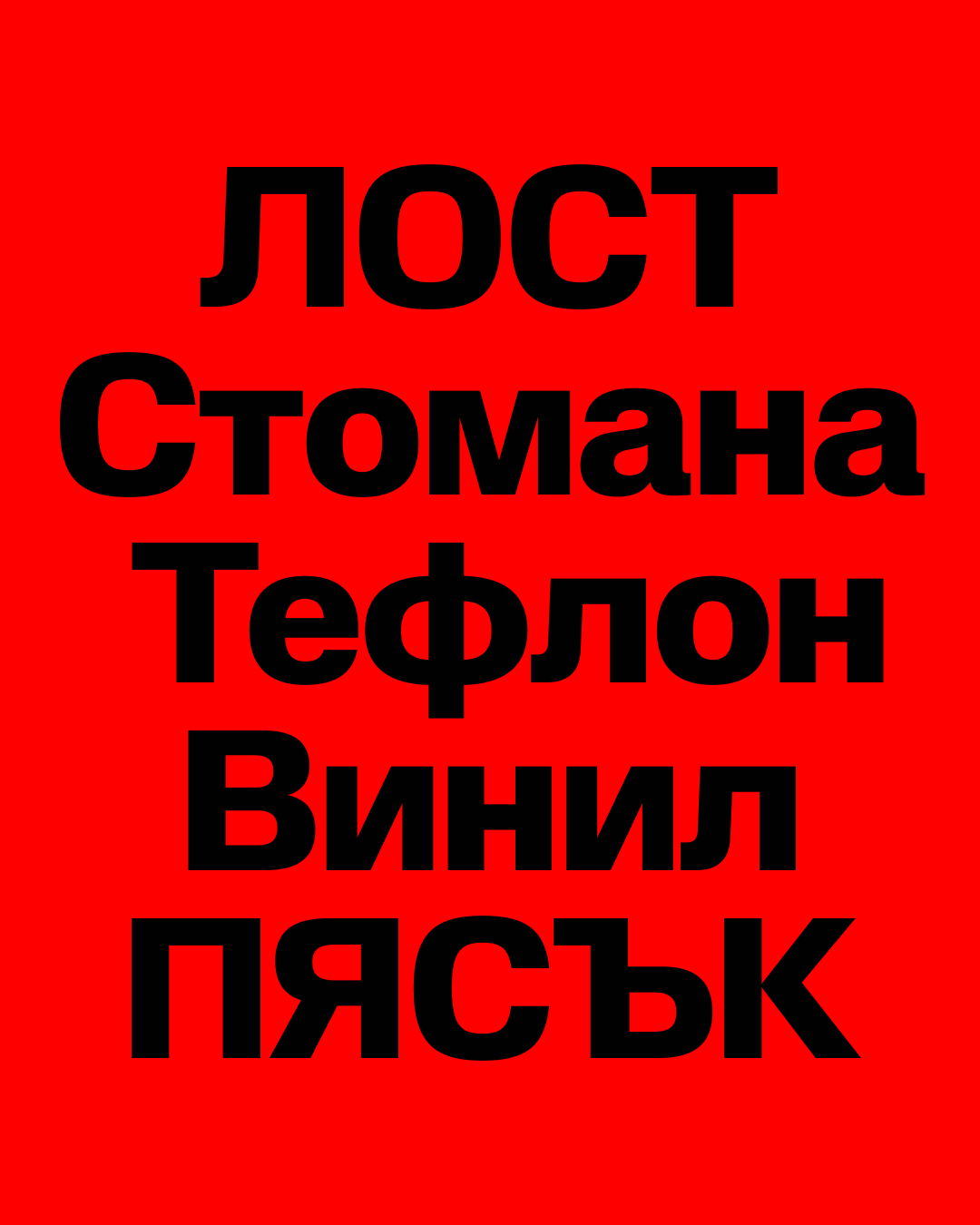
I mean, after making the campaign we immediately jumped into developing different scripts for Schengen because we had the feeling that it makes sense for Schengen to speak and write the languages of the Schengen zone. Fabian and Jovana Jociić created Greek and Cyrillic extensions, which is something that usually you’d maybe do just a couple of years later, once everybody recovered from the big push.
When publishing a font and the communication around it, it’s almost like a proposal to the community. You know, a serviervorschlag [serving suggestion] as you would say in German – like in a cookbook when it says ‘you could serve it like this’ with a photo of the plate. I think the exciting part is just to let it go and be happy to see what people will do, and with this one I’m particularly excited because there’s so many possibilities really. I’m moving house next week and I already used Schengen A as my little doorbell sign.
SM:
Wow! That’s amazing.
JB:
Yeah! I think we’re all looking forward to just seeing what happens. It’s like throwing boomerangs and then they come back one after another, some hit you on the head with something unexpected, you know?
INT:
When designing, did you ever have ideas for the sort of projects Schengen might work well in, or is it something that you can only know when you see it in situ, when you see it come to life in someone else’s vision?
JB:
I see big party posters using Zone and Core, and maybe books set entirely in Schengen B.
SM:
I think you have dreams, right, like Johannes is saying; dreams of Core being used for a techno music festival poster campaign. But yeah the crucial part of type design that’s really fun and sometimes really curious is how it gets used. I think one of the first times I saw Ginto was back when I was living in London on the side of a massive scaffolding for a food delivery service. I would never have guessed that a food delivery service would use that font, and to come across it in that particular way at such a massive scale was really strange. It's not something you expect and that’s what’s so fun.
Dinamo: ABC Schengen
INT:
Dinamo is known for its brilliant hardware... anything in the works for Schengen?
JB:
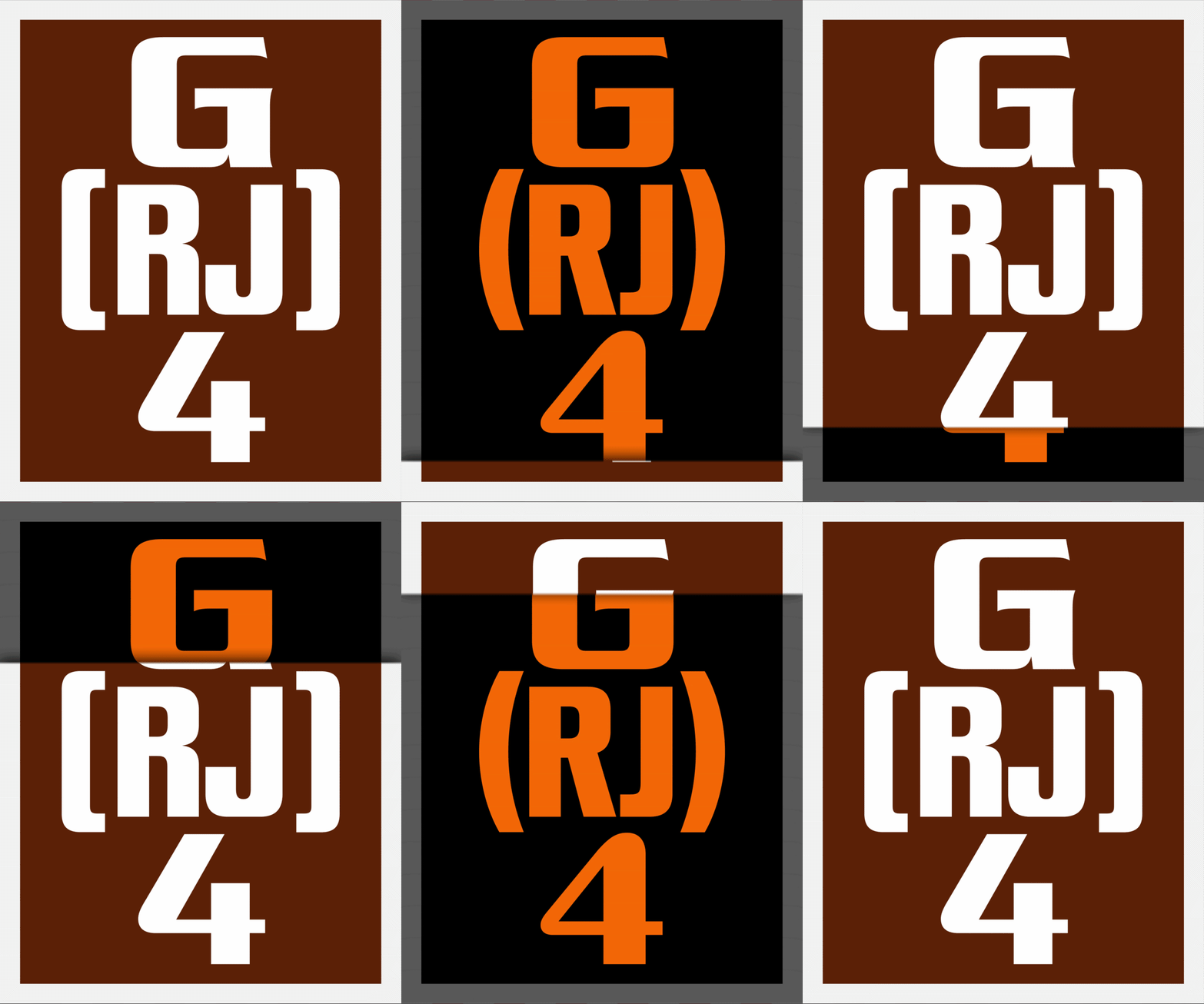
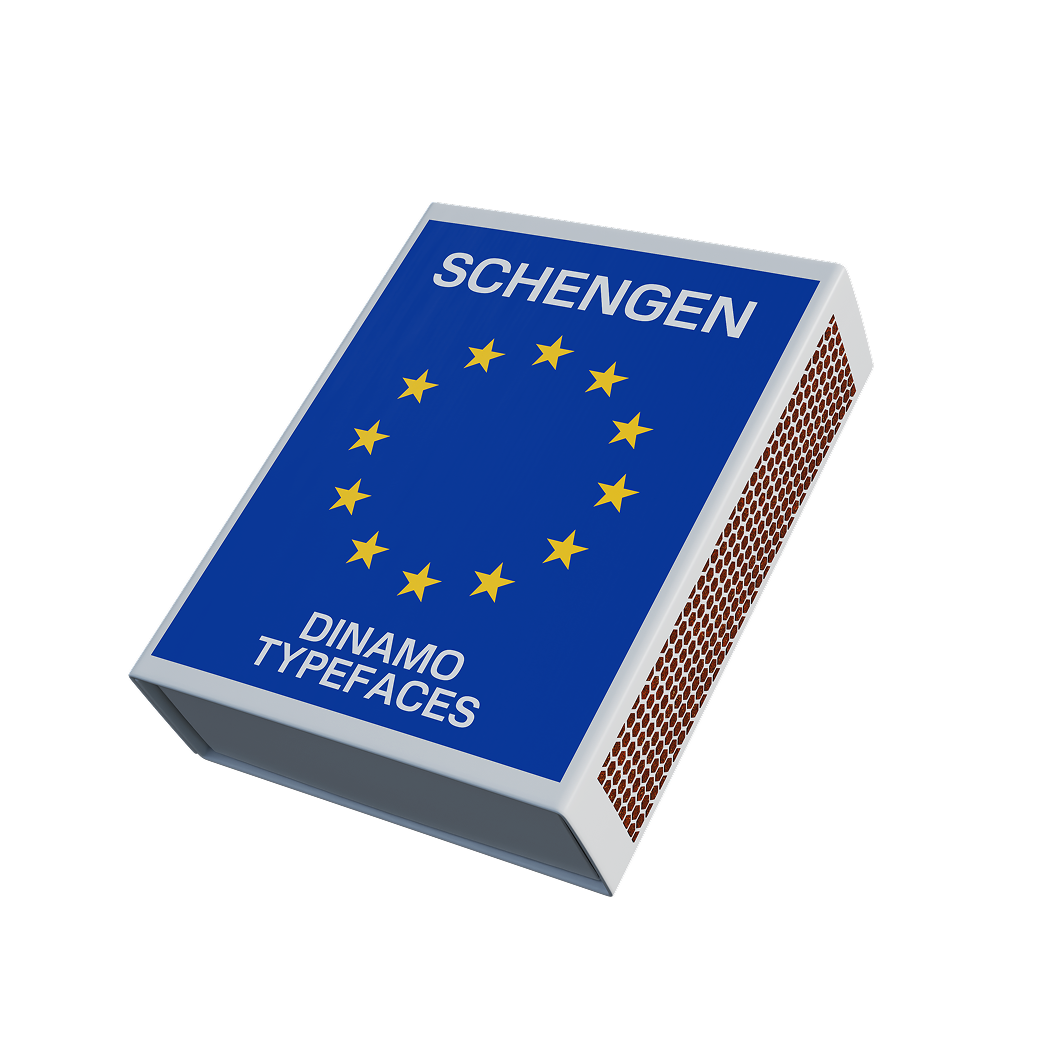
We’re always thinking about the life of these fonts out in the world, and that’s how something like the match packet has come about. The original, Europa Matches, have the European flag in the middle and you can buy them at gas stations, so a little bit of visual culture and bootlegging has come into play.
For us at the foundry it’s always important to use fonts, because we began as graphic designers using fonts, before then making them for fun. Maybe we have this silly, slightly pretentious notion that the thing you need doesn’t exist yet and that’s why you need to make it, right. Then making it is so rewarding, something you can share with other friends and designers, like a book or a fingerboard, which they can then interpret themselves by the way they’re using it. We enjoy making different forms for the font to travel. I think that’s why we put fonts together and publish them – to see how it allows for a retranslation back into the physical world.
Dinamo: ABC Schengen
NT:
I have one final question from my colleague Ellis, she’s convinced that you need to do a Freitag bag collaboration – everyone would buy it! Anything like that in the works?
JB: That’s a fantastic idea! A very good idea. Ok – tell her thank you, great idea. We should absolutely do that. Definitely want to make the matches, and the bag… absolutely!
Hero Header
Dinamo: ABC Schengen
Share Article
Further Info
About the Author
—
Olivia (she/her) is associate editor of the website, overseeing the day-to-day editorial projects as well as Nicer Tuesdays events. She joined the It’s Nice That team in 2021. ofh@itsnicethat.com
To submit your work to be featured on the site, see our Submissions Guide.