




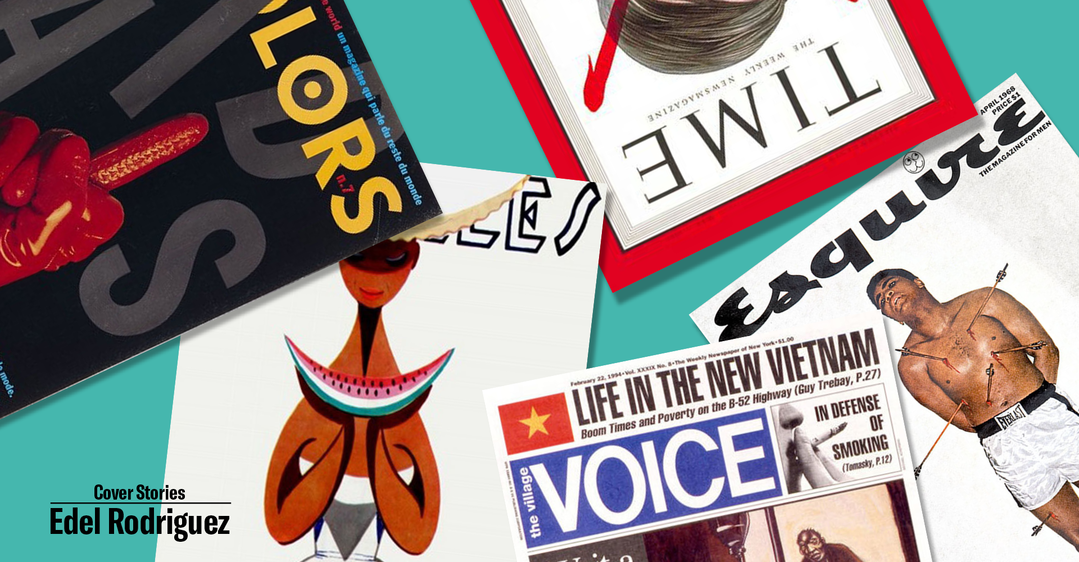
In the run-up to the release of Printed Pages SS18, we’ve asked a selection of influential people in creative publishing to choose three seminal magazine covers that they loved, and made an impact on them and their work. The magazines could be from any time, place or niche of the publishing world. In this series, they’ll tell us why these particular covers left a lasting impression.
Cuban-born American artist and illustrator Edel Rodriguez won a scholarship at Time when he was still in high school. After graduating from Pratt Institute, Edel joined the magazine’s staff and rose through the ranks as art director, where he stayed on full time for 13 years. He was the youngest art director to work on the magazine’s Canadian and Latin American editions at just 26.
In his commercial and personal work for The New Yorker, Rolling Stone, Fortune, The New York Times, MTV and Der Spiegel which spans pastel, printmaking, paint, line-drawing and digital illustration, Edel Rodriguez has never been afraid to confront politics head on. In June 2005, he illustrated a Time magazine cover for China’s New Revolution depicting Mao Zedong dressed in Louis Vuitton, while a May/June 2006 cover for Communication Arts showed Che Guevara donning Apple earphones and a beret with a Nike tick.
To celebrate the launch of Printed Pages SS18 which features a cover illustrated by Edel Rodriguez and an interview with the artist, we asked Edel to pick out six of his all-time-favourite magazine covers and tell us why they hold such a special place in his heart.
Carteles
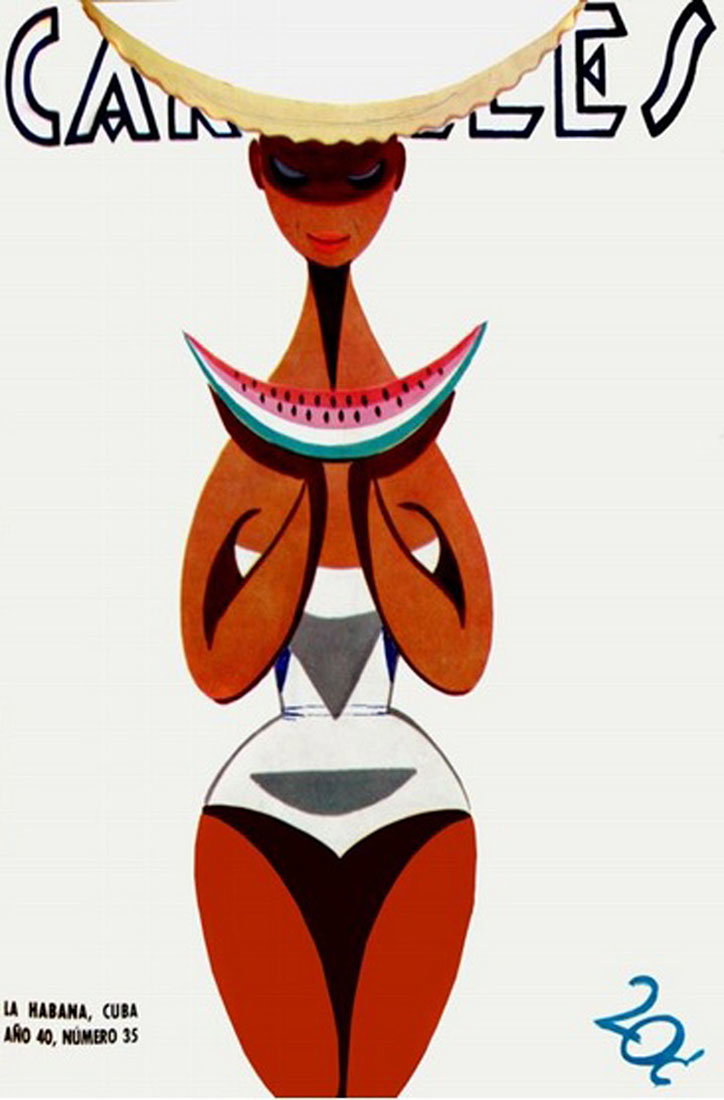
Edel Rodriguez: Carteles magazine was a well known magazine in 1940s Cuba. It always showcased beautiful, colourful illustrations on its covers, mostly without headlines or text. It’s worth spending some time looking online at their entire catalog of covers, they are very inspiring.
Colors
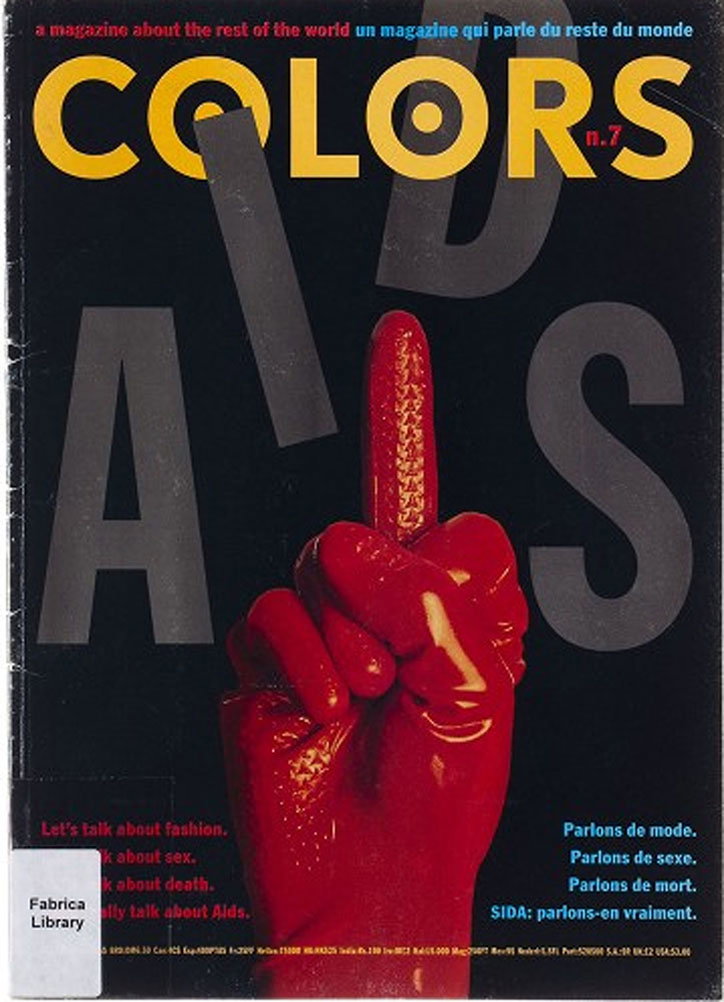
ER: Colors magazine, published by the Benetton foundation, struck a chord with me back in the 1980s-90s. Their entire issue topics, from the AIDS Crisis to religion and war, shocked the viewer into paying attention. Many of these issues were not discussed in public at the time. The magazine, and the media coverage that came along with it, made everyone pay attention. The magazine made a lot of impact at that time.
Ray Gun
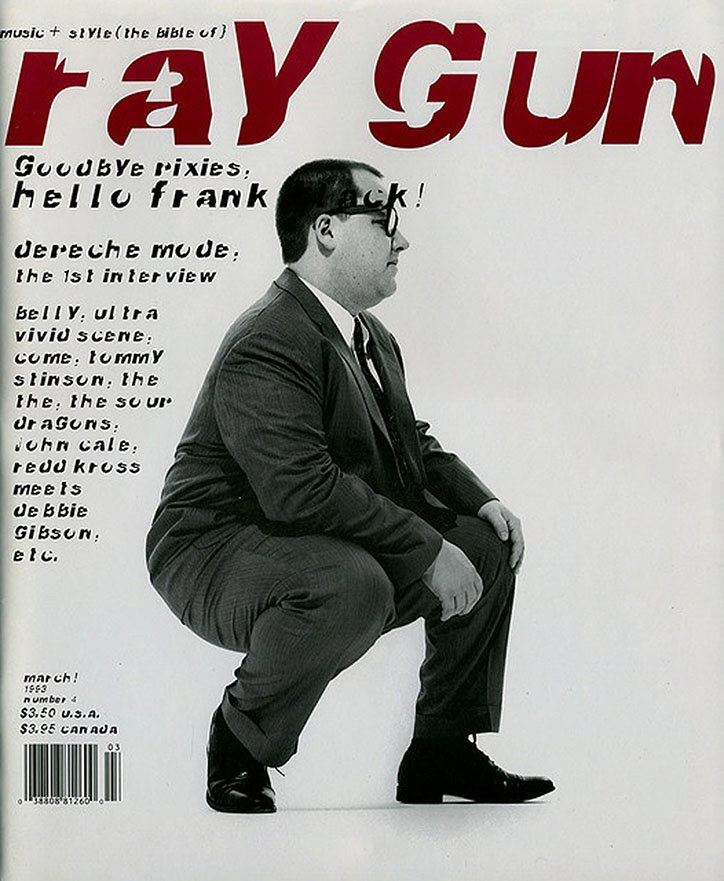
ER: When Ray Gun, art directed by David Carson, arrived on the scene in the early 1990s, I was working as a designer at the college newspaper, with several other friends who were painters as well. This magazine broke all the rules of design. It made us believe that we could apply what we were doing in the painting studio to our design jobs. It really freed us to experiment and try new things.
The Village Voice
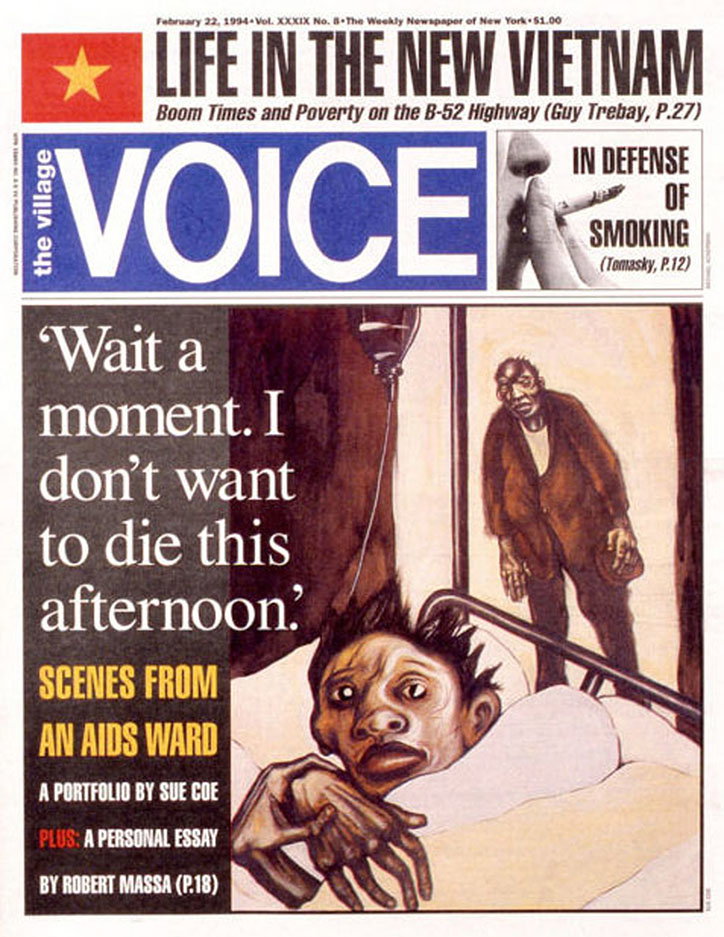
ER: The Village Voice newspaper arrived at my college dormitory in Pratt Institute every week. I pored over its pages, looking at the illustrations they used, the design, and reading the art reviews. The art director at the time, Robert Newman, used a lot of artists that dealt with political themes, such as Sue Coe, the illustrator on this cover. I was working on some of these ideas myself, so it was great to see that there was a venue for my work. My first published illustration was in The Village Voice in 1993.
George Lois for Esquire
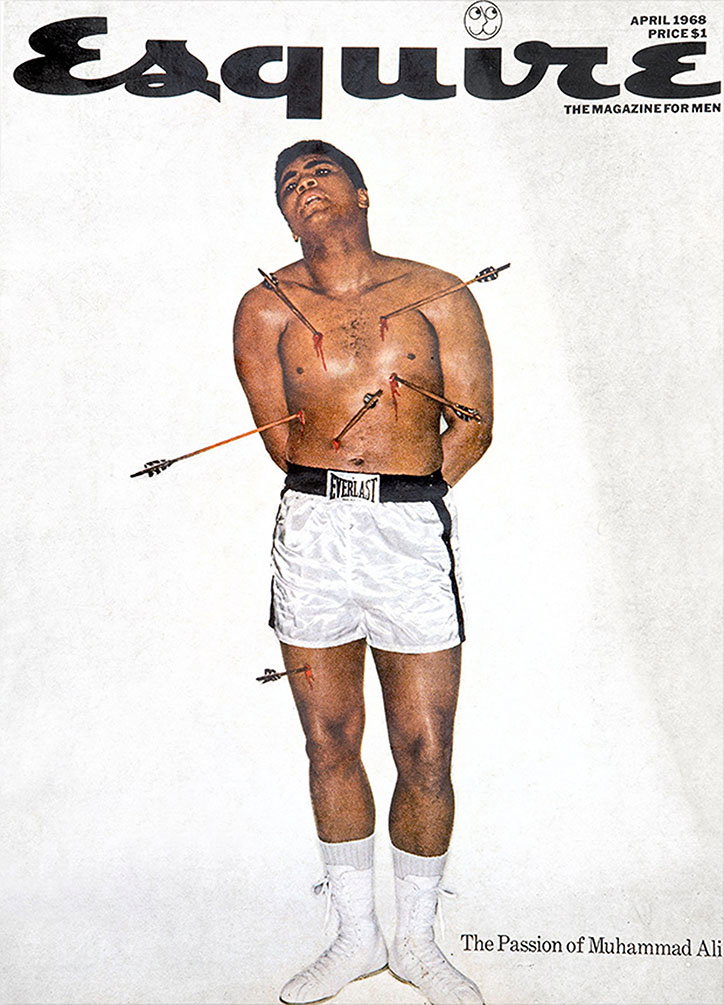
ER: George Lois’ Esquire magazine covers are legendary. He always managed to create a direct image that grabbed and held the viewer, which is what the best covers do. These covers, their ideas and clarity, still have resonance today.
Time
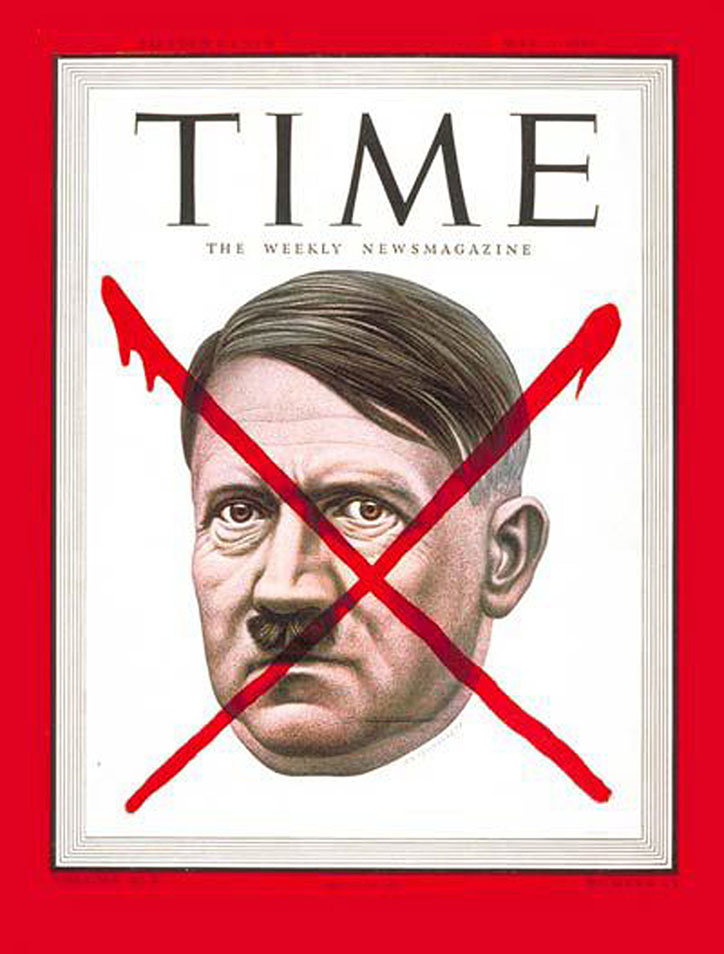
ER: While in high school, I applied for a scholarship run by Time magazine. I won the scholarship, and along with it came a free magazine subscription. My parents had never subscribed to a magazine, so this was a first for me. I became fascinated by the Time covers, photography, and stories, and hoped to work there one day. After college, I got a job at the magazine and worked there as an art director from 1994–2008. While in the offices, I spent a lot of time looking at past covers. This cover of Hitler, published after his army was defeated, has always stayed with me for its graphic strength.
Share Article
Further Info
About the Author
—
Bryony joined It's Nice That as Deputy Editor in August 2016, following roles at Mother, Secret Cinema, LAW, Rollacoaster and Wonderland. She later became Acting Editor at It's Nice That, before leaving in late 2018.