The Casca Archive is a treasure trove of vernacular design from Northeast Brazil
Turning his creative obsession into something to collaborate on and be shared, designer Victor Yves has created a “living organism rather than a static repository”.
The designer and educator Victor Yves originally began collecting design ephemera from Northeast Brazil for what he describes as “eye exercises”, using pieces of design history to inspire and inform his projects today. He had found himself increasingly drawn to the folk-infused work of the region, and became obsessed with the wide array of festival posters, vernacular prints and zine-like pamphlets – and it’s not hard to see why.
Before long, he realised that he had developed something pretty special and important too. He learnt names like Raul Códula, Rubem Valentim and Nise da Silverira, figures who had made massive contributions to Brazilian design, but were absent from the canon. “That absence revealed how narrow Brazilian design education can be,” says Victor. To remedy this, Victor dedicated himself to creating something that would honour their legacy, and make the design of the Northeast region – from the 1950s to today – visible, both locally and globally.
Born and raised in the Arapiraca region of Brazil, Victor was always enamoured by his home country’s rich visual culture, taking note of the design that surrounded him every day: “market posters, tobacco wrappers, cordel booklets (woodcut poetry pamphlets) and the imagery of the cangaço bandits”, he says. This immersion made an indelible impression, and he later went on to study graphic design and open a small digital agency with his father, before moving to São Paulo and working at agencies like F/Nazca, Saatchi & Saatchi, FCB and AlmapBBDO. Since 2022 he’s been based in Toronto, where he’s head of art at Publicis, and a teacher at Miami Ad School.
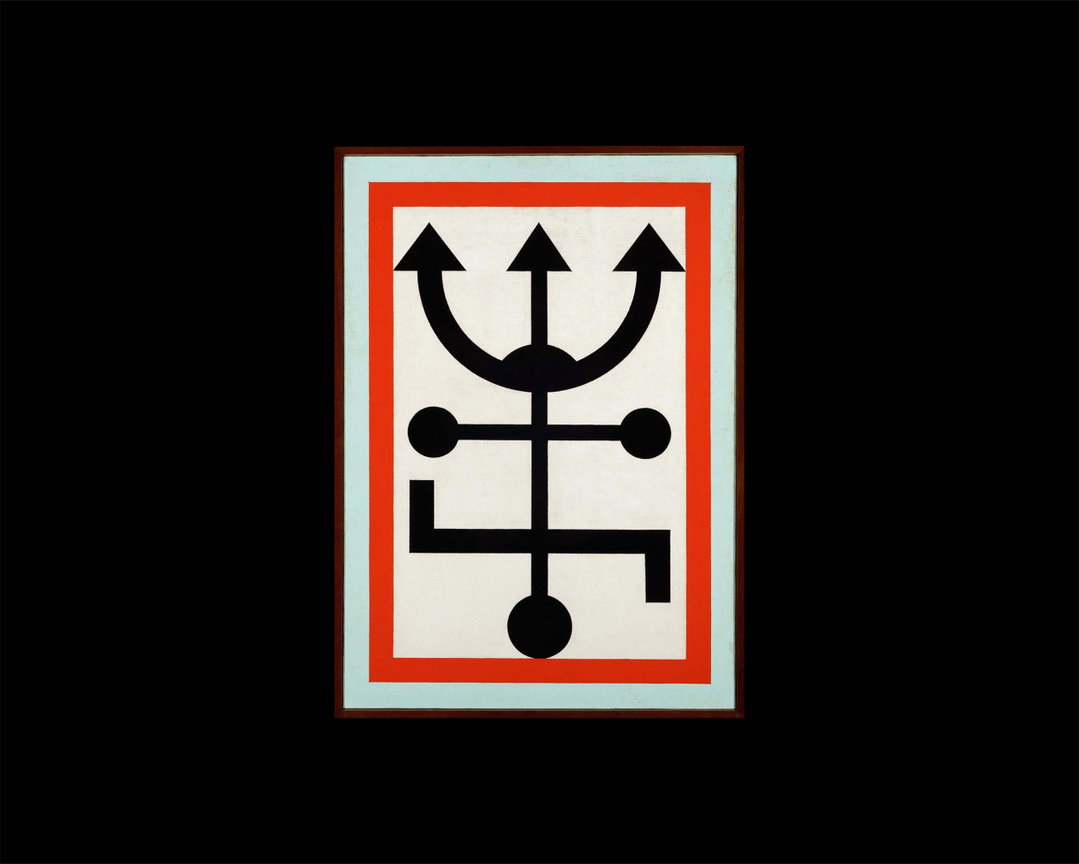
Rubem Valentim: Emblema 78 (Copyright © Rubem Valentim, 1922)
As Victor isn’t based in Northeast Brazil, much of his research happens online and in his free time. But it’s not your standard relaxing hobby – it’s a feat of creative endurance. “These pieces are hard to find: they rarely have proper metadata, so at first it was a handmade collecting process – one by one, search by search,” Victor says. Advancements in technology have come in handy, however, with Victor now utilising AI and automation tools to “filter and refine” searches.
While the work on display is undeniably visually rich, with an array of analogue printing methods, characterful illustrative styles and hand-drawn, vernacular typefaces, what speaks to Victor as equally important is how each collected piece is a window into the specific conventions of Northeastern society and life. Many come under the umbrella of a cordel, “cheap woodcut booklets ranging from humour to social critique,” says Victor – “almost like early zines”. One, Victor outlines, Porque Faz Medo Casar (“Why It’s Scary to Marry”), depicts a man printed in bright red, donning a pair of large antlers, “a metaphor for the fear and betrayal”. Meanwhile, one piece in Victor’s selection requires a double take – a business card from Lampião, an infamous leader of Brazil’s cangaço (group of social bandits) that’s adorned with a type that’s sweeping and soulful. Simultaneously rebellious, folk-infused and sophisticated, “it shows how even figures of resistance shaped the region’s visual culture”, says Victor.
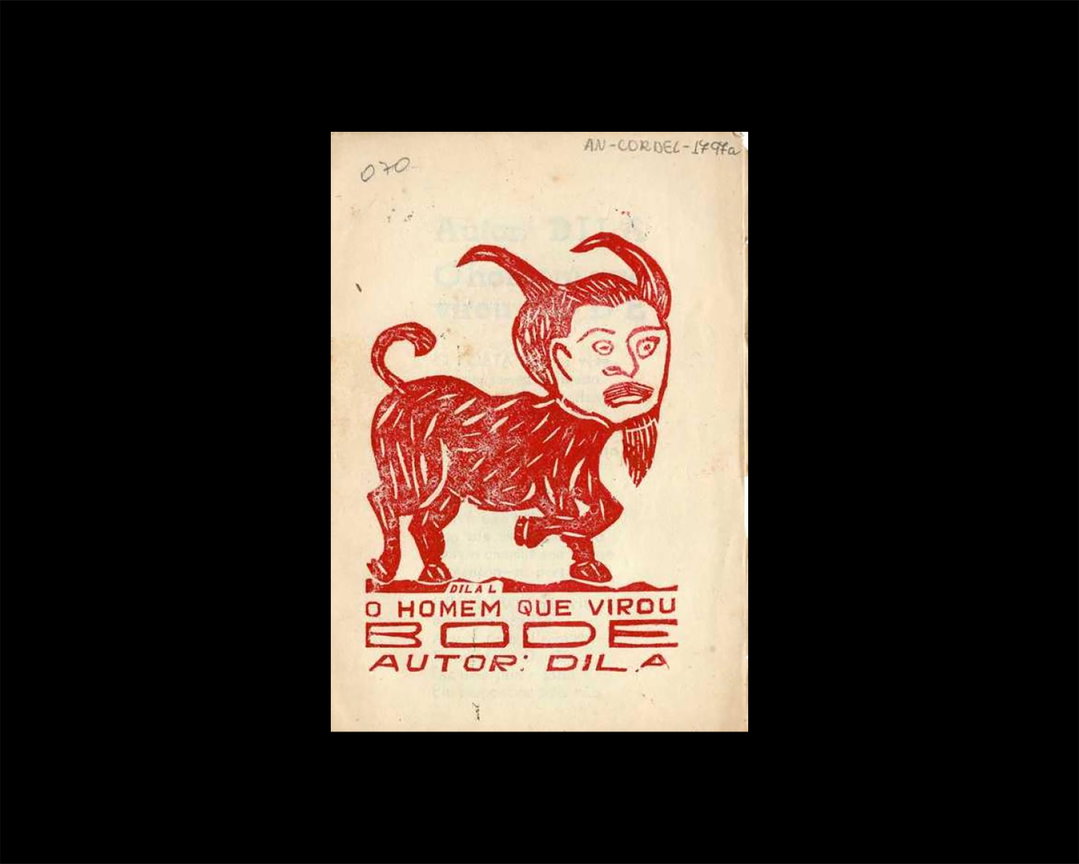
Dila: Cordel (Copyright © Dila, 1979)
After amassing so much, Victor realised he would need something to house this vast archive – he personally crafted an identity and website himself, preserving a DIY spirit so that this visual home “reflects the same resourceful spirit as the vernacular works it preserves”. Victor followed traditional archival grids for clarity which means “it’s structured enough for academic research, with modular navigation and metadata,” he says, “yet open enough to spark inspiration through the textures and imperfections left in the scans.”
As opposed to relying on colours more commonly associated with archives and historical spaces – like browns and reds – Victor instead opted for green to commemorate the lushness of the São Francisco River which runs through the Northeast. Referring back to name of the archive – Casca – which translates in English to ‘bark’ or ‘skin’ which, in Victor’s words, “evokes dryness – like cracked skin, the leather of cangaço clothing, or the rough skin of labourers in the sertão”. He continues: “I wanted the identity to be a protective skin around the archive.”
Victor sees the project as far from a solo one, with collaboration being key to its survival. A large selection of cordel booklets came from a donation from Acervo Antônio Nóbrega, a cultural hub in Recife, and there’s also space for families and collectors to contribute – a nifty button at the bottom of the website takes you directly to the submissions page. “[Casca is] designed to grow collaboratively: a platform that can expand through community contributions, turning the archive into a living organism rather than a static repository,” says Victor. Now, seeing the project as his contribution to “designers worldwide and my heritage”, and following such a positive response, Victor is warmed to know that he’s crafted a community platform that joins together the interest of those, who, like him, get excited by a random sweet wrapper, a pamphlet about marriage, or public service information poster.
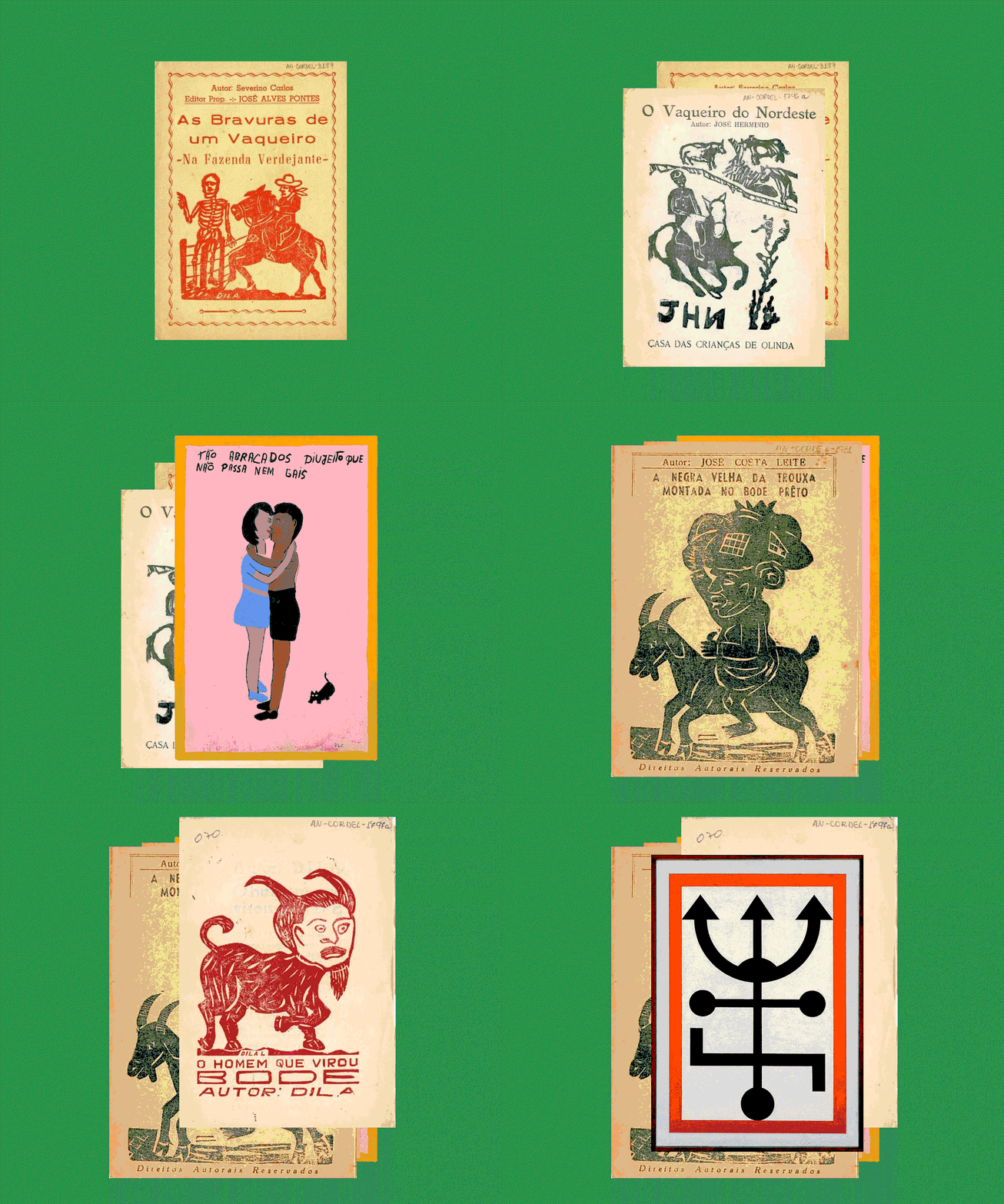
CASCA Archive: Cordel (Copyright ©, Instituto Antonio Nobrega 2025)
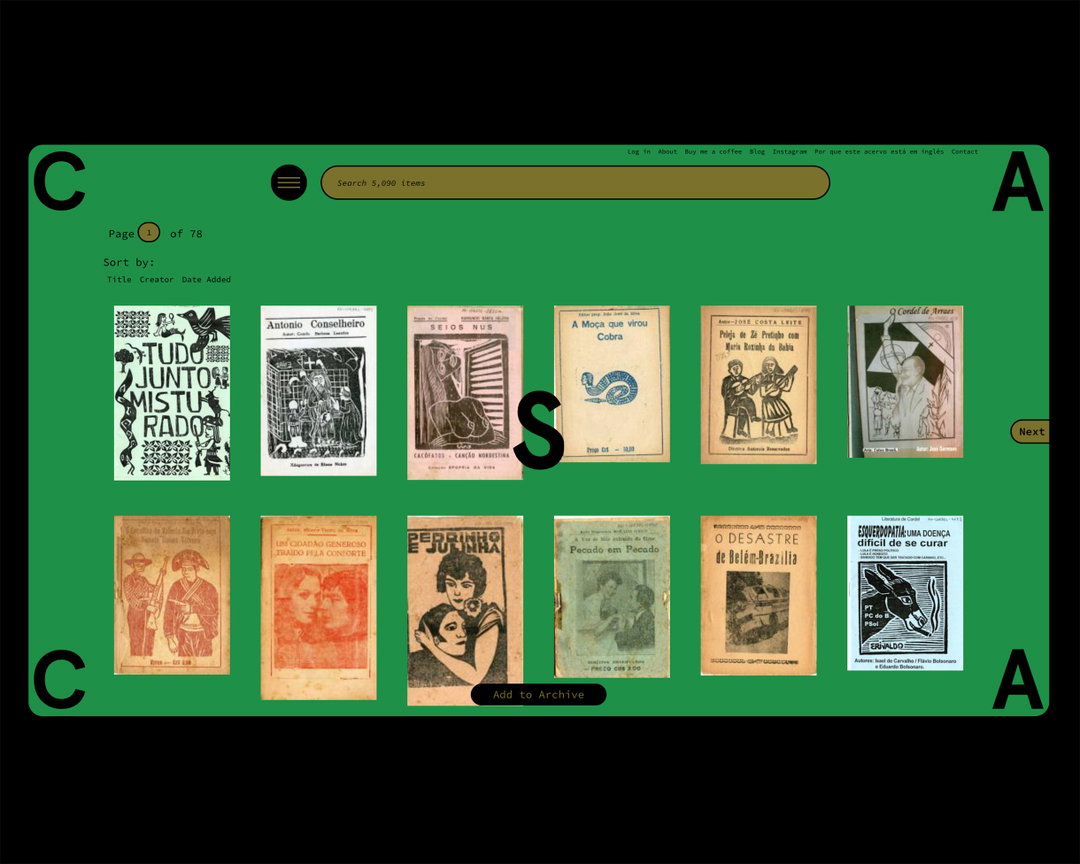
Victor Yves: CASCA Archive (Copyright © Victor Yves, 2025)
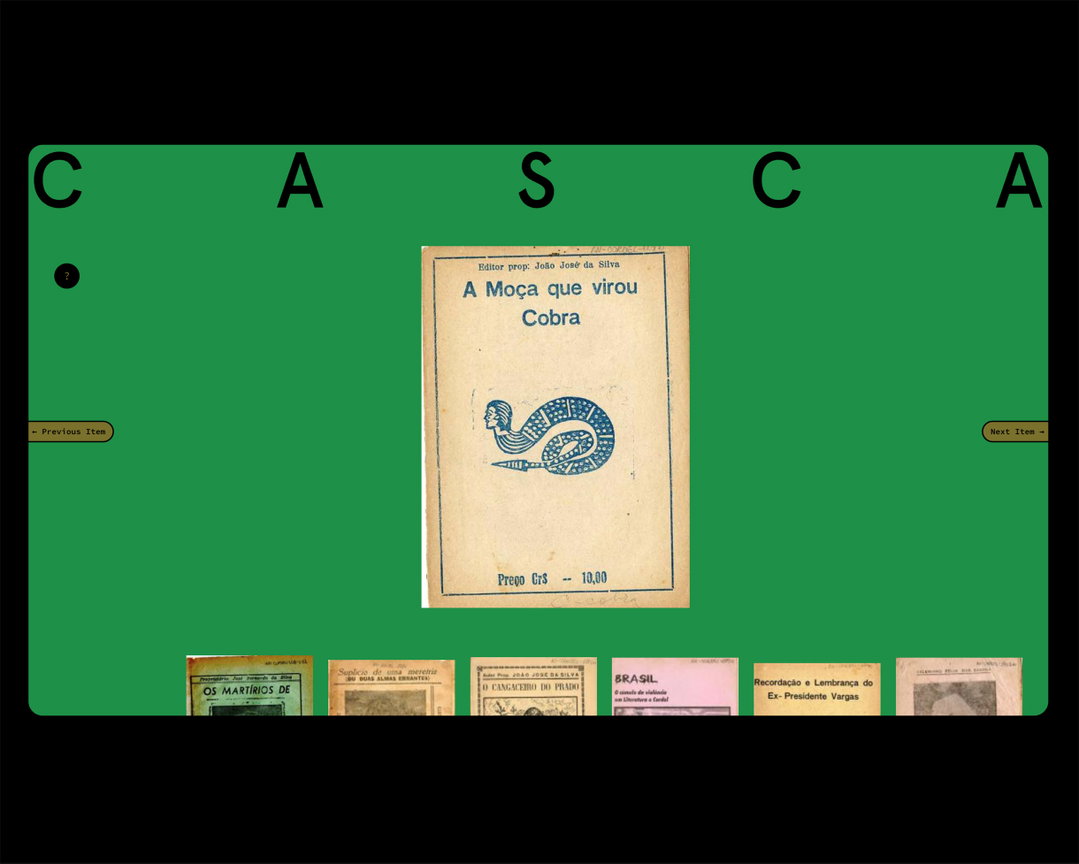
Victor Yves: CASCA Archive (Copyright © Victor Yves, 2025)
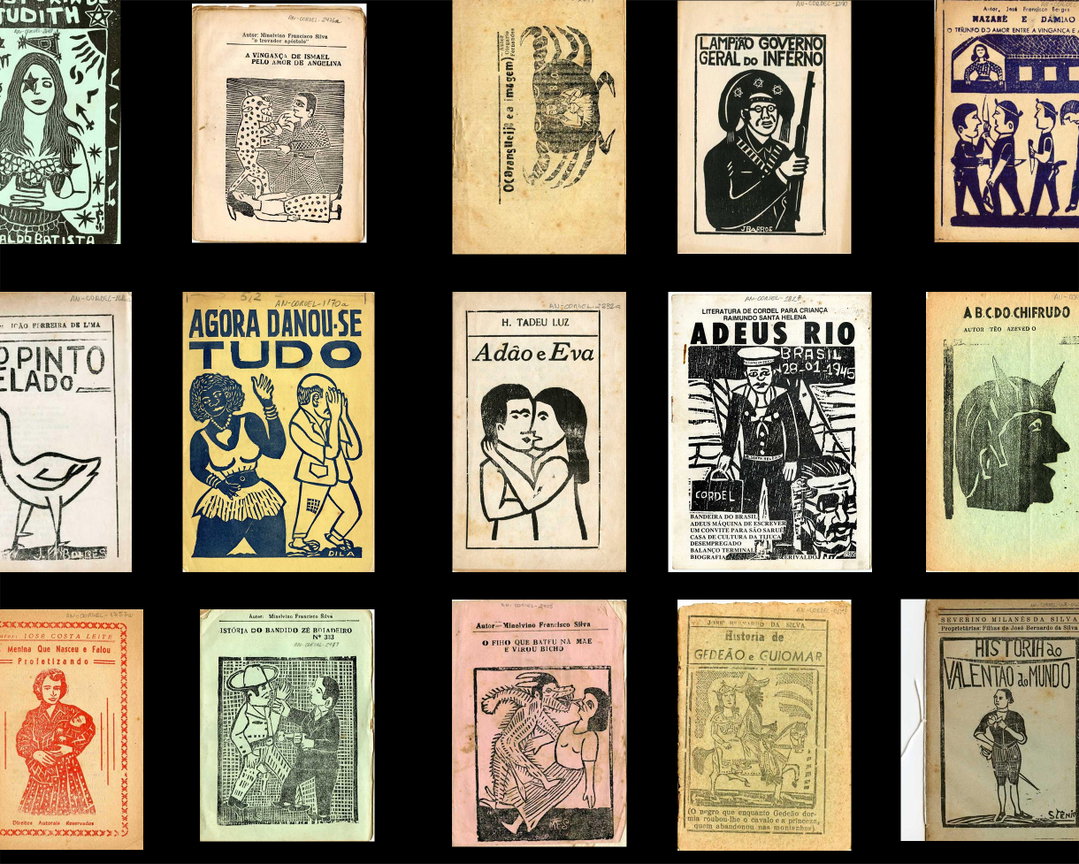
CASCA Archive: Cordel (Copyright ©, Instituto Antonio Nobrega 2025)
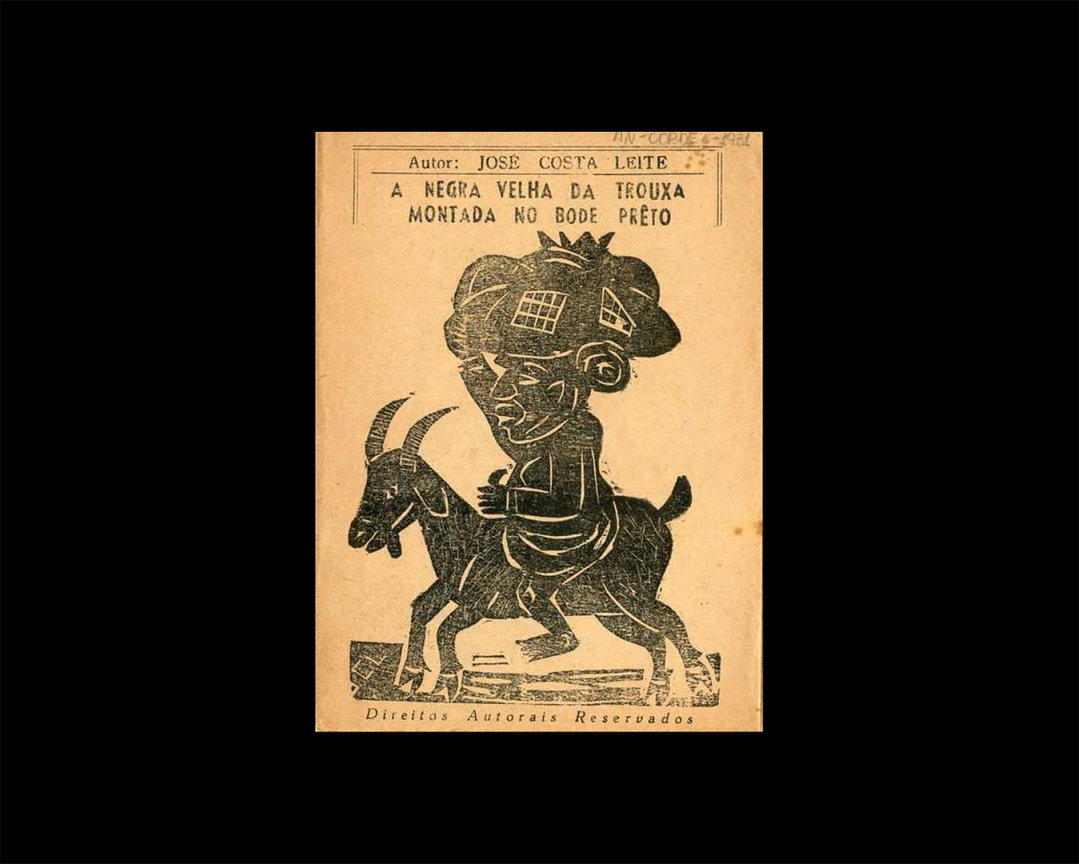
José Costa Leite: Cordel (Copyright © José Costa Leite, 1960)
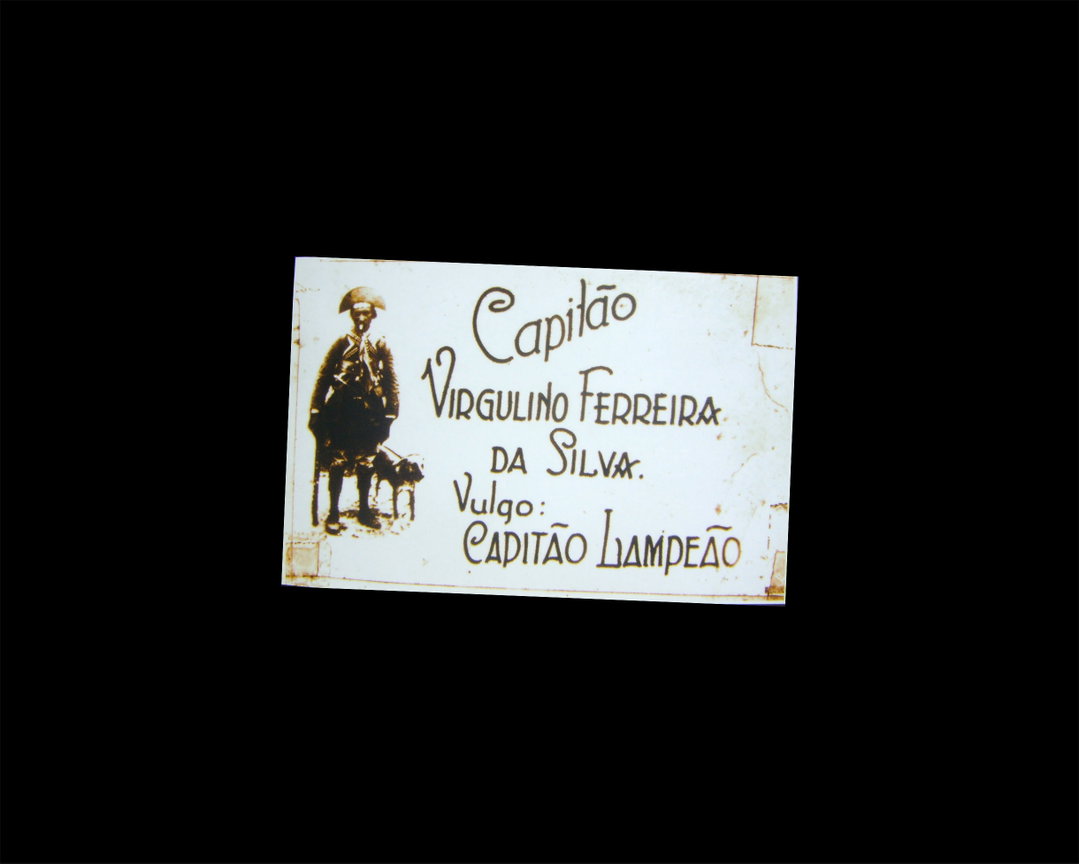
Mariane Gondim and Neuzete Papp: Lampião, O Cangaceiro estilista do Sertão (Copyright © Unknown author, 1926)
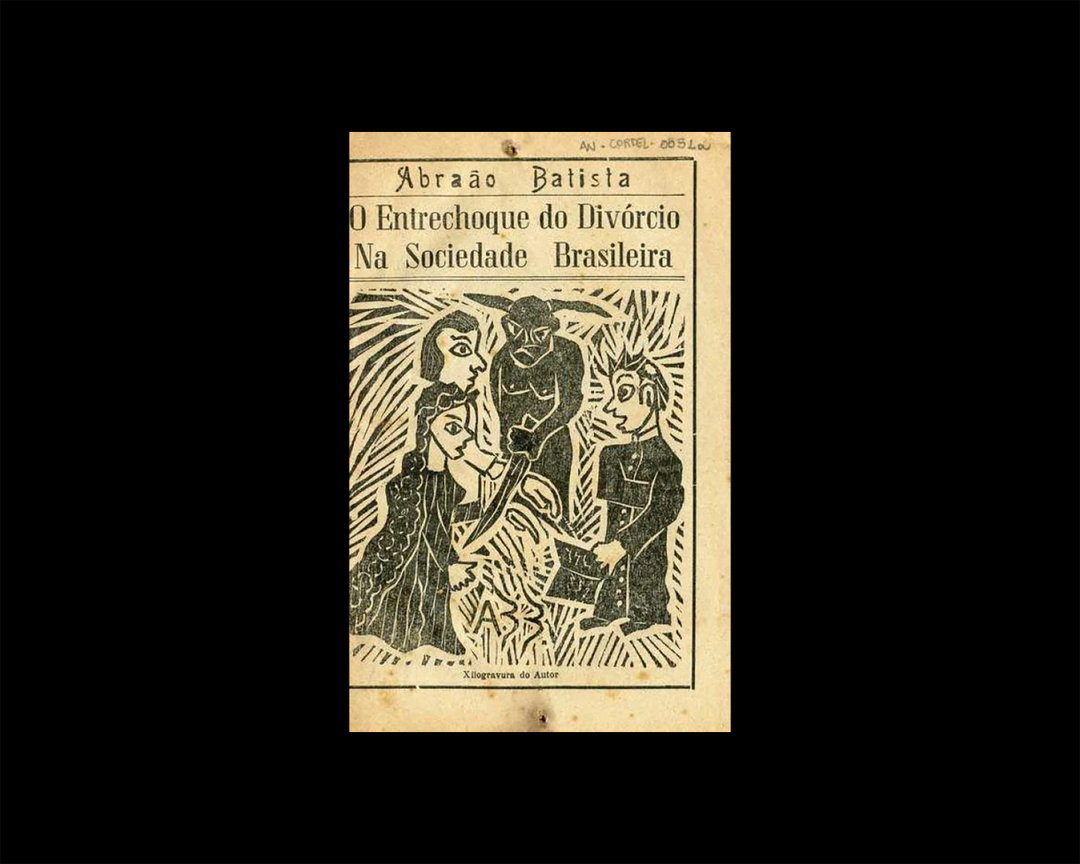
Abraão Batista: Cordel (Copyright © Abraão Batista, 1977)
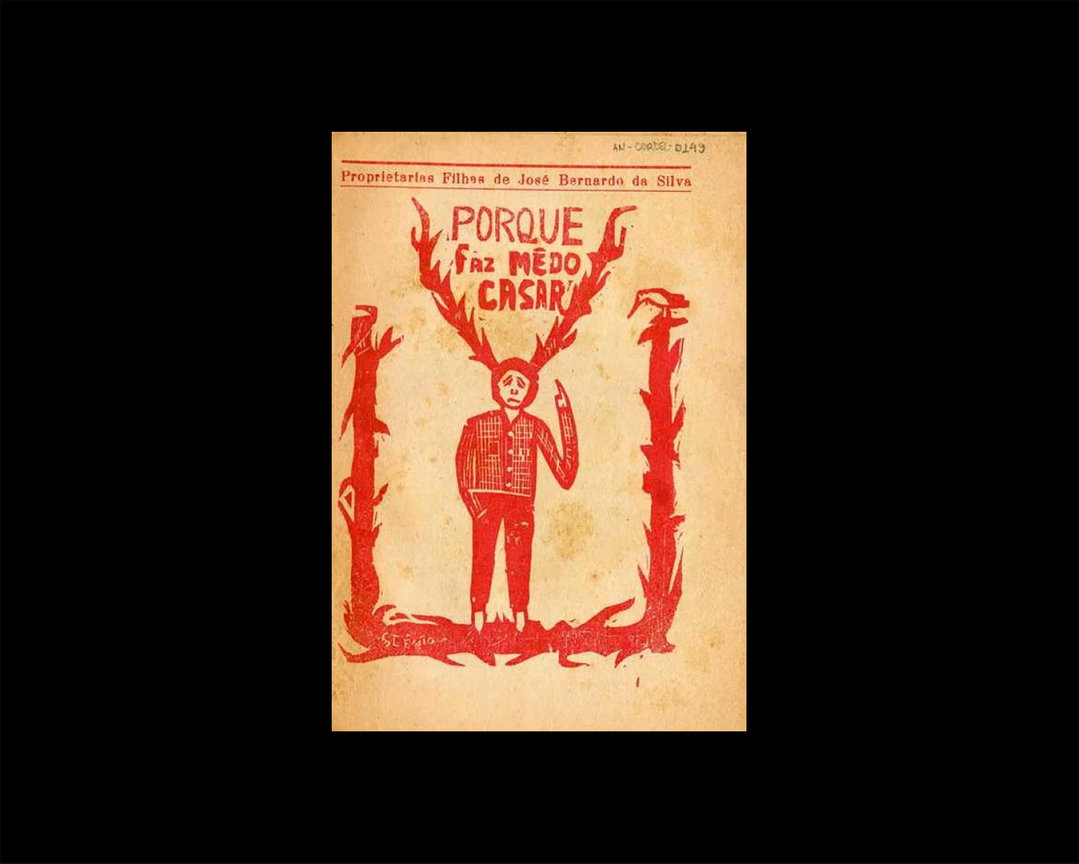
Silvino Pirauá de Lima: Cordel (Copyright © Silvino Pirauá de Lima, 1930)
Hero Header
Roxinha Lisboa: Roxinha: uma vida de novela (Copyright © Roxinha Lisboa, 2023)
Share Article
About the Author
—
Olivia (she/her) is associate editor of the website, overseeing the day-to-day editorial projects as well as Nicer Tuesdays events. She joined the It’s Nice That team in 2021. ofh@itsnicethat.com
To submit your work to be featured on the site, see our Submissions Guide.