Launch Recite Me assistive technology
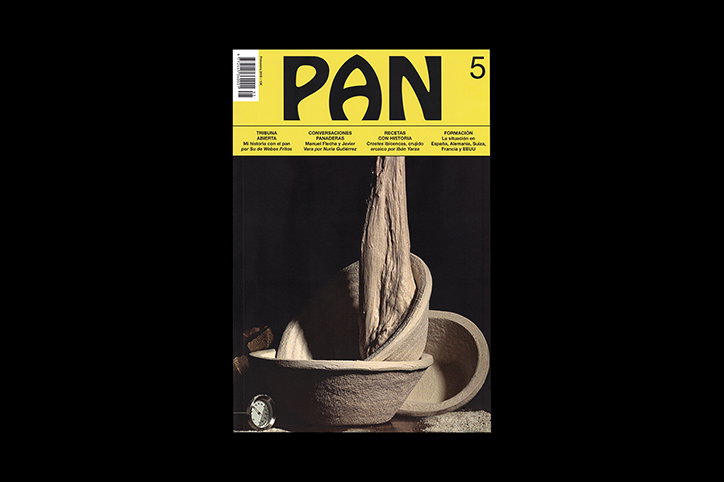
The cover of a magazine titled “PAN” in bold black letters on a yellow background. Below the title, a photograph shows a sculptural, organic form made of textured brown clay or dough.

Tres Tipos Gráficos balances references with ingenuity in its design for printed matter

—
Date
22 January 2019

Madrid-based design office Tres Tipos Gráficos, which translates as three graphic types, has been producing award-winning work for years. The studio doesn’t settle in a particular sector either, producing expertly-done printed matter for food brands, urban projects, exhibition catalogues and journals. Its experimental approach to the relationship between text and image results in the two often being layered over each other, or swapping role; type becoming a visual device, and photography offering more explication.

The studio’s work is both distinctive and rich in references, conveying a confident knowledge of design history. Its recent work for Pan is a great example of this, a magazine centred around “the exciting world of bread”. Wanting this to sit at the forefront of its approach, the two covers the studio has recently designed for the magazine put still life shots of bread in the spotlight, sitting beside a typographic logo for the publication referencing 60s style wordmarks, with an “A” as squidgy and round as a ciabatta loaf.

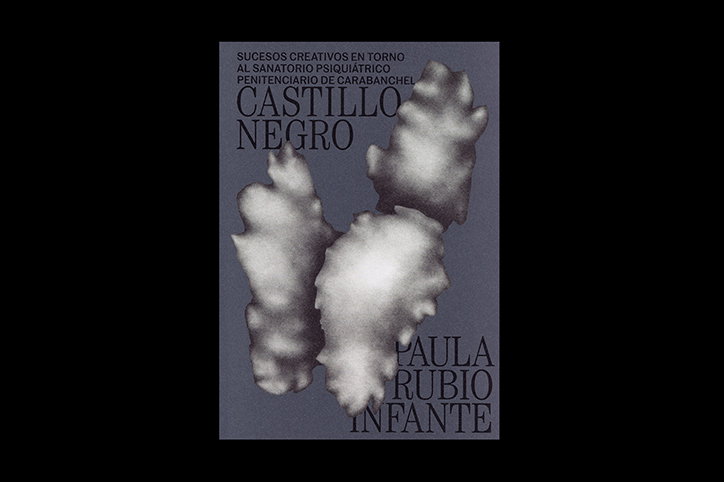
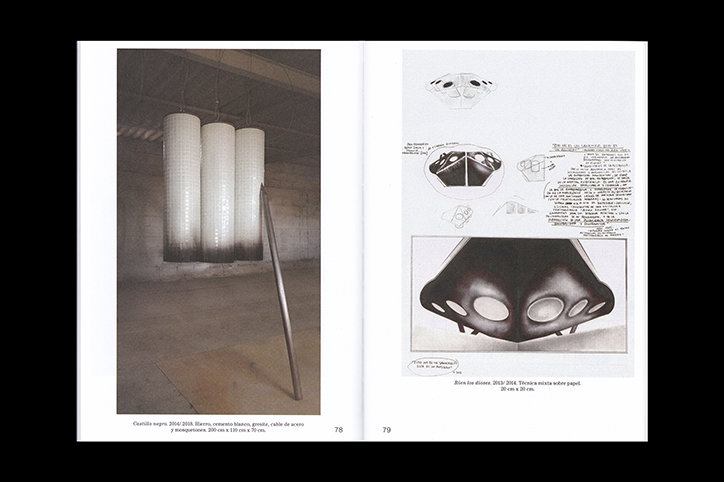
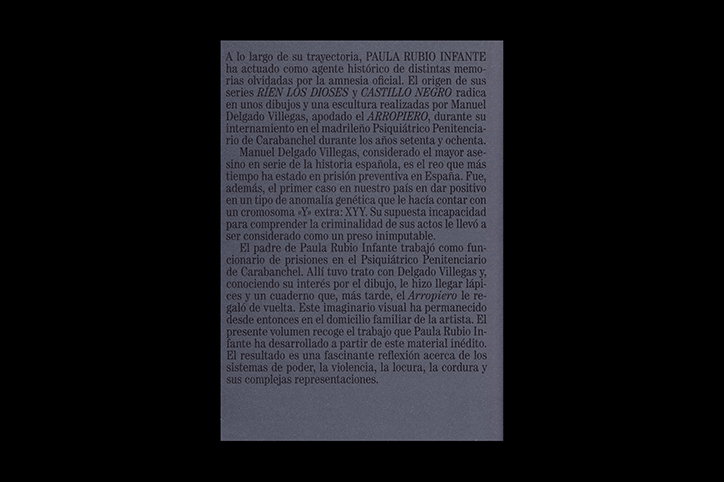
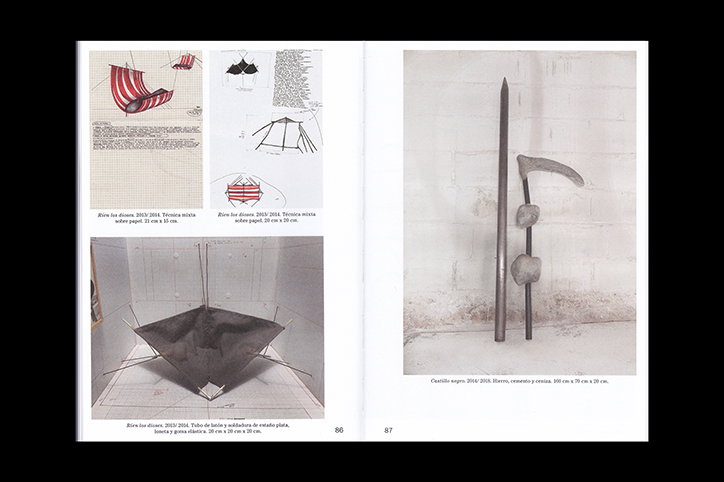
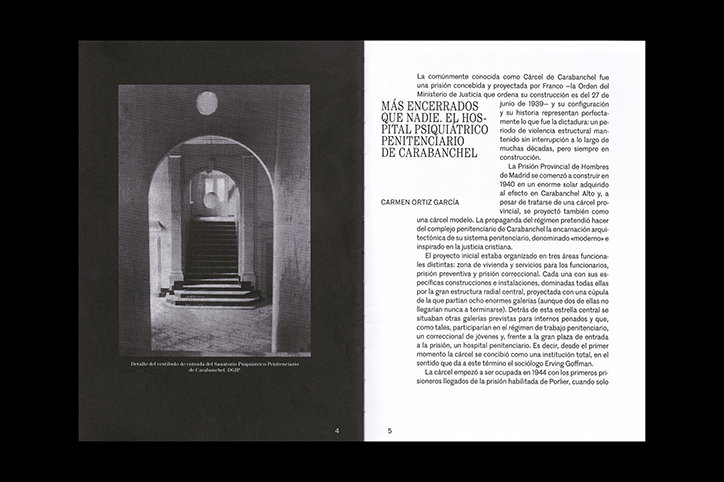
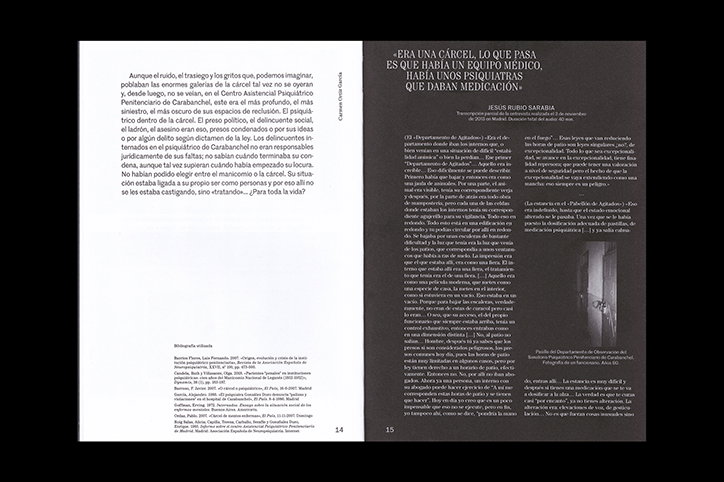
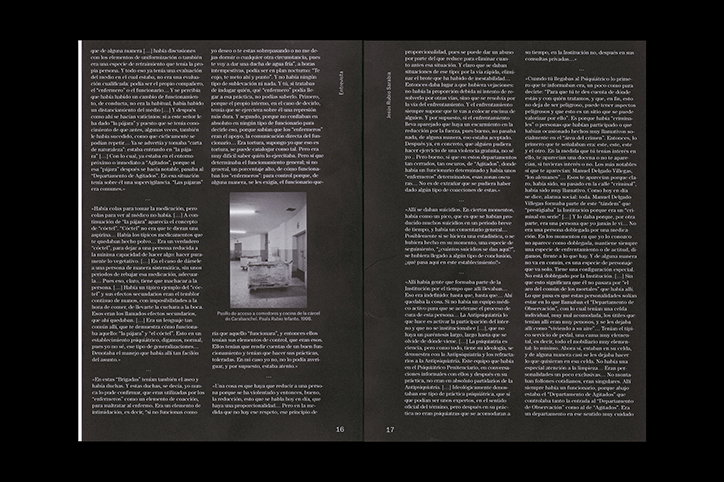
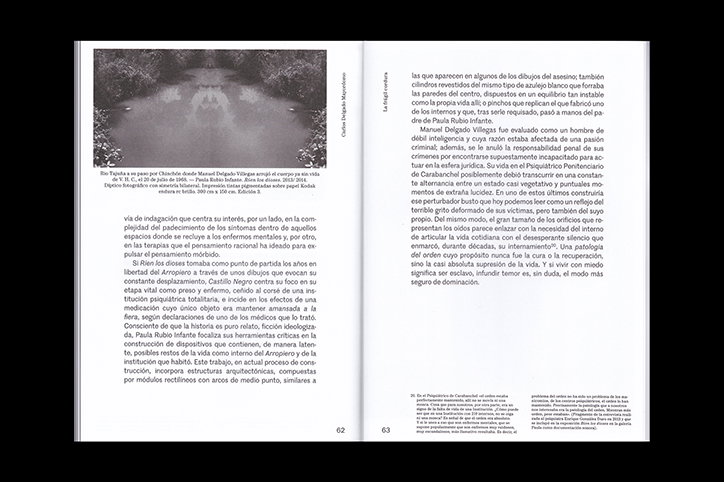
Another project just as thoughtful as Pan is Castillo Negro a publication for artist Paula Rubio Infante, taking a scholarly approach to design in comparison to the previous project’s playfulness. However, both confidently disrupt tradition, with flourishes of contrasting imagery and design details.

In its exploratory approach, Tres Tipos Gráficos shows how rather than wasting time on thinking about whether “print is dead”, you just need to show what it can do, and how far you can push the humble piece of paper.
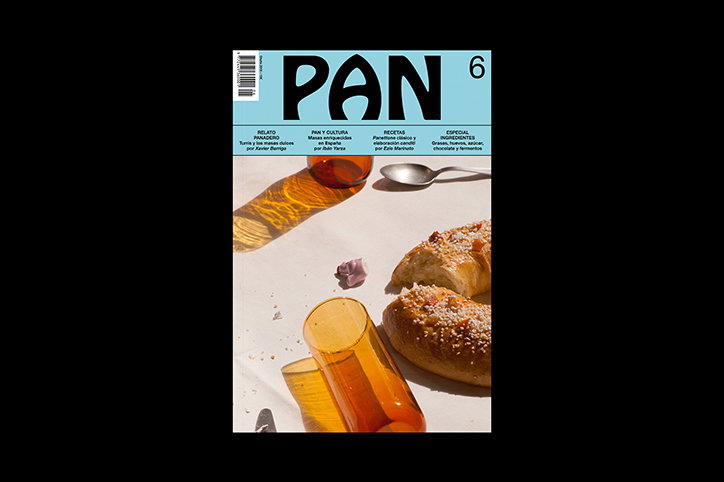
The cover of Pan magazine issue 6 features a high-angle shot of baked goods and honey on a white surface. A large, bold title reads “PAN” across the top, with smaller headlines detailing recipes and culture.
Above

Tres Tipos Gráficos: Pan

A book cover featuring three abstract, organic shapes in shades of grey and white against a dark background. Text at the top reads “Sucesos creativos en torno al sanatorio psiquiátrico penitenciario de Carabanchel” above the title “Castillo Negro”. The name “Paula Rubio Infante” appears in the bottom right.
Above

Tres Tipos Gráficos: Castillo Negro

An open book shows a photograph of a sculpture alongside a page of sketches. The sculpture consists of three white cylindrical columns hanging from a ceiling, supported by a single slanted metal pole. The opposite page features technical drawings and handwritten notes of a dark, organic form with circular openings.
Above

Tres Tipos Gráficos: Castillo Negro

A block of Spanish text printed on a grey background. The text discusses the work of artist Paula Rubio Infante and her research into the drawings of Manuel Delgado Villegas.
Above

Tres Tipos Gráficos: Castillo Negro

An open book shows a series of sketches and a photograph of a sculpture. The left page features technical drawings of a red and white fabric structure, while the right page shows a tall, slender metal sculpture against a white brick wall.
Above

Tres Tipos Gráficos: Castillo Negro

A black and white photograph of a stark, concrete interior is paired with a page of Spanish text. The text features a bold headline that reads “Más encerrados que nadie. El Hospital Psiquiátrico Penitenciario de Carabanchel”.
Above

Tres Tipos Gráficos: Castillo Negro

Two open pages of a book. The left page contains a block of Spanish text, while the right page features a large headline and a black and white photograph of a corridor.
Above

Tres Tipos Gráficos: Castillo Negro

Two open pages of a book filled with dense Spanish text. A black and white photograph at the bottom shows a person sitting on a chair in a sparse room.
Above

Tres Tipos Gráficos: Castillo Negro

An open book shows a black and white photograph of a stark, empty room with a single window. The facing page and the page below are filled with columns of Spanish text.
Above

Tres Tipos Gráficos: Castillo Negro

Share Article

About the Author

Billie Muraben

—

Billie studied illustration at Camberwell College of Art before completing an MA in Visual Communication at the Royal College of Art. She joined It’s Nice That as a Freelance Editorial Assistant back in January 2015 and continues to work with us on a freelance basis.

It's Nice That Newsletters

Fancy a bit of It's Nice That in your inbox? Sign up to our newsletters and we'll keep you in the loop with everything good going on in the creative world.