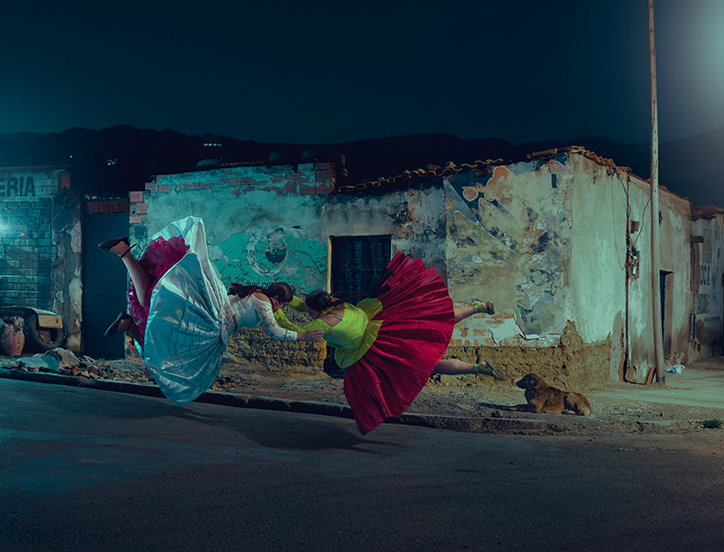
Todd Antony photographs the whirling, wrestling, mountain-climbing Cholitas of El Alto, Bolivia
New Zealand-born photographer Todd Antony creates images in the format of what he calls “stylised documentary.” Having worked and travelled as a cruise ship photographer after completing his photographic studies, Todd now pursues personal projects that lead him across the world, documenting people and cultures who have, in his words, “a unique perspective on life.”
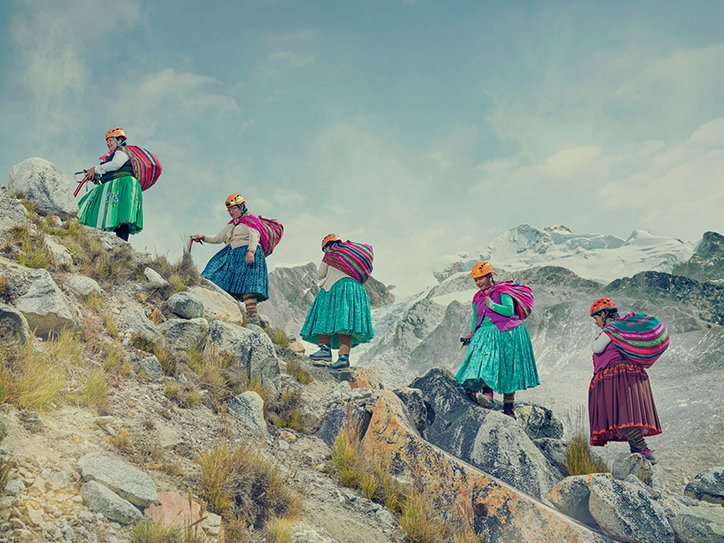
Todd’s recent project, Cholitas, focuses on the Bolivian Cholita climbers and wrestlers of El Alto. With reference to his extensive and engaged research, Todd tells us: “Since the Spanish colonised the region in the 16th century, and up until as little as ten years ago, Bolivia’s indigenous Aymara women were socially ostracised and systematically marginalised. Indigenous people were forced to work as servants for Spanish occupiers and were required to wear certain garments, such as hefty skirts and bowler hats, which are now sources of pride for Cholitas.”
Like the garments, which the women wear while performing their climbing and wrestling stunts in Todd’s photographs, the name “Cholitas” has undergone a process of reclamation. As Todd notes: “The word Cholita comes from the Spanish word ‘cholo’ – or ‘chola’ for women – meaning mixed-race or, pejoratively, ‘halfbreed’ or ‘civilised Indian’. In this case it’s been appropriated as a badge of honour.”
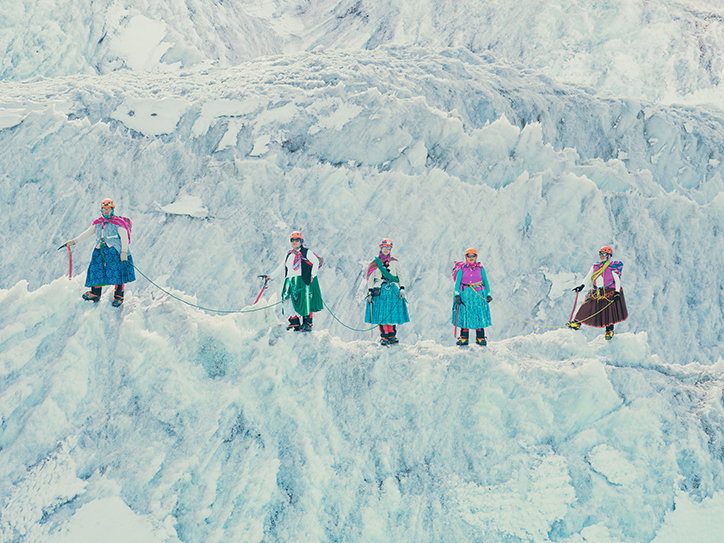
Todd Antony: Cholitas
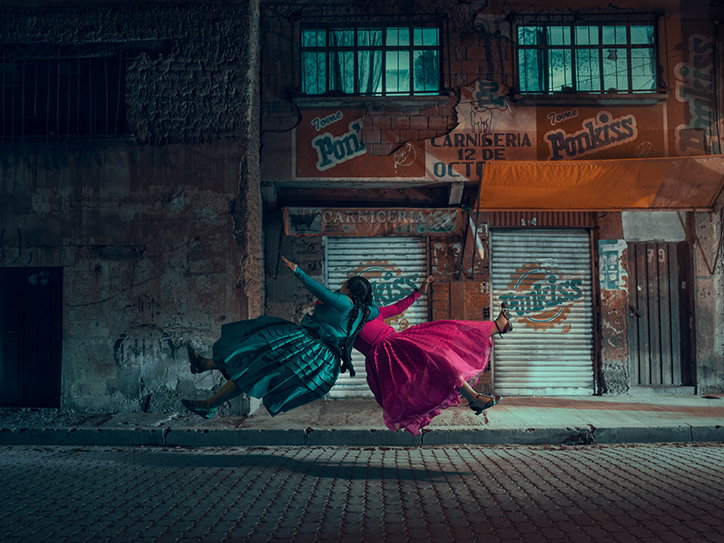
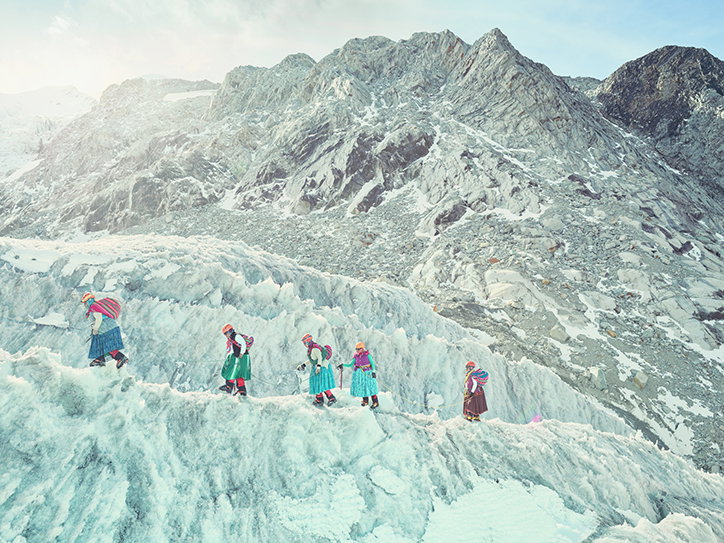
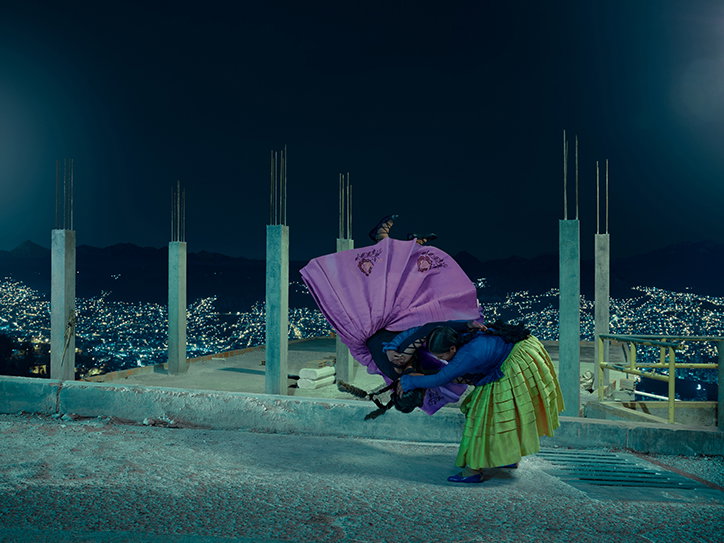
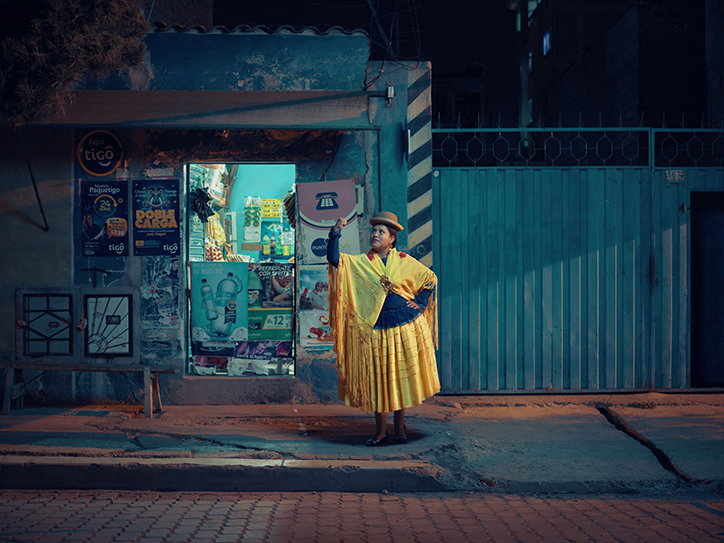
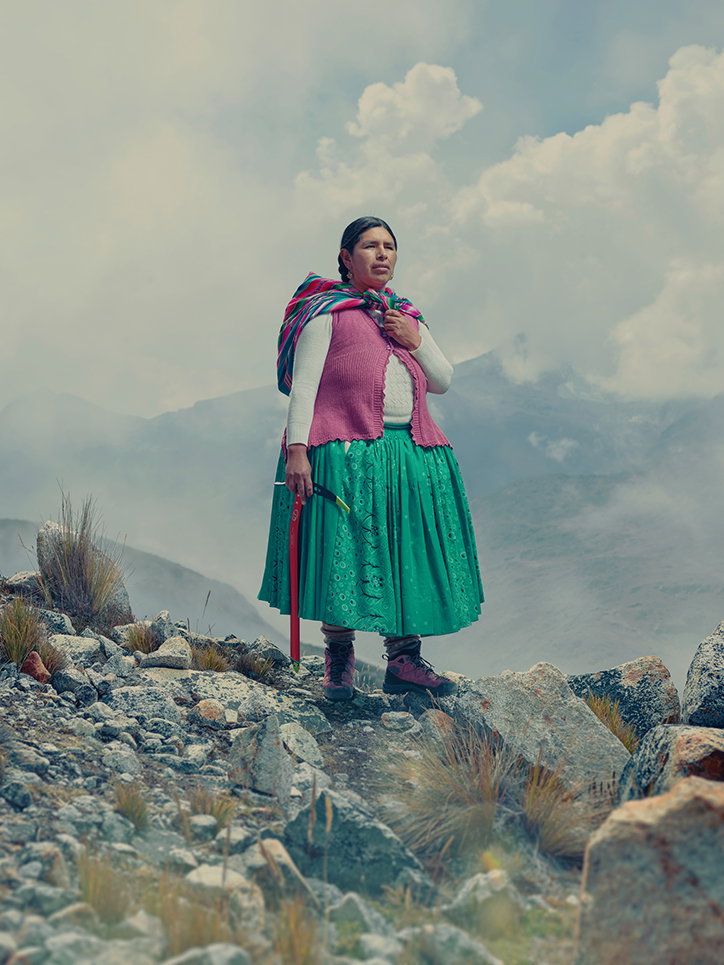
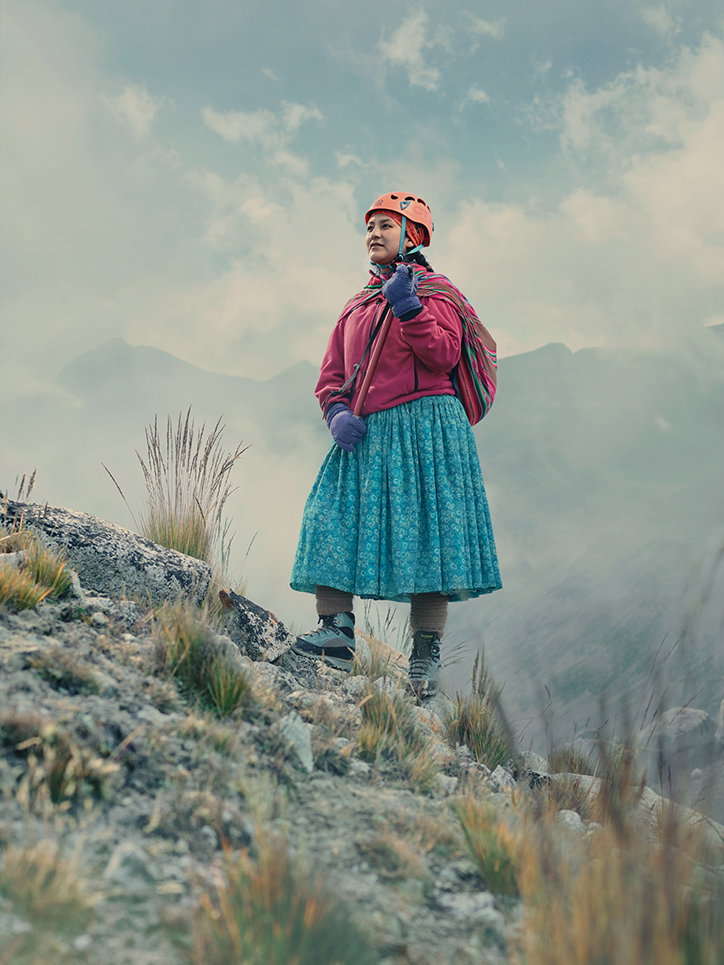
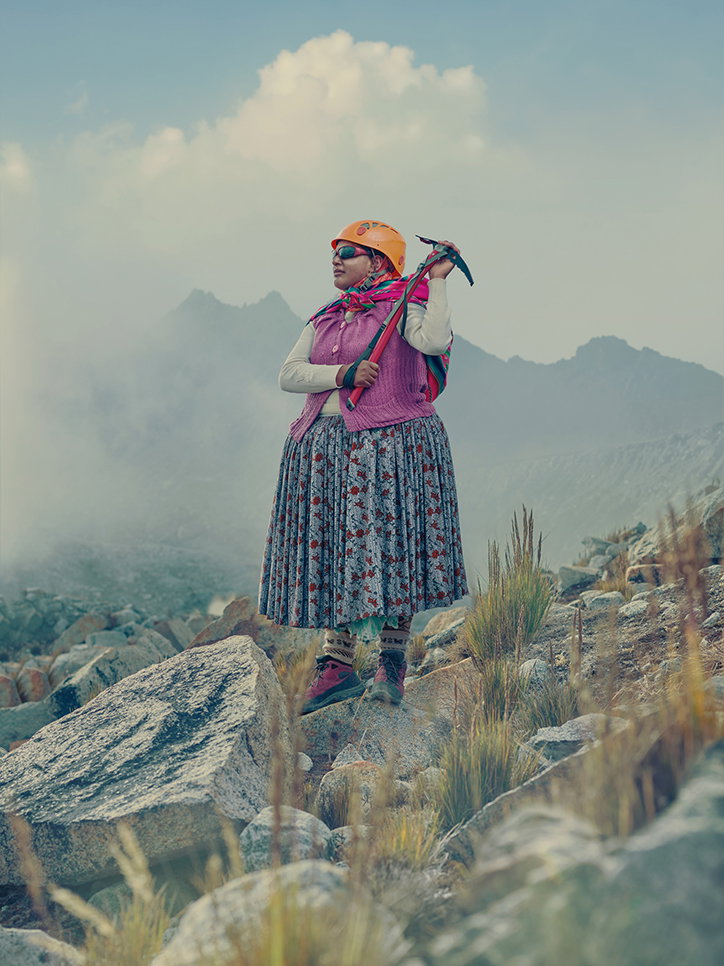
There is, as Todd points out, a “visual incongruity” between the traditional festive Cholita dress and the strenuous physical acts of climbing and wrestling. The sartorial aesthetic lends a dramatic and highly performative aspect to the photographs, augmented by Todd’s use of theatrical lighting and composition. As he says: “The images in my projects tend to be very much planned moments, and nearly always lit to some degree, to stylistically elevate them out of the everyday.” The alternately mountainous and urban backdrops, lit respectively by piercing daylight or florescent lighting against the dark night, provide settings that function as arenas or stages for the Cholitas performance. The women, dressed in long, bright skirts and capes, whirl over one another’s heads and carry out what seem like impossible feats of gravity-denial, caught suspended in mid-air by Todd’s camera.
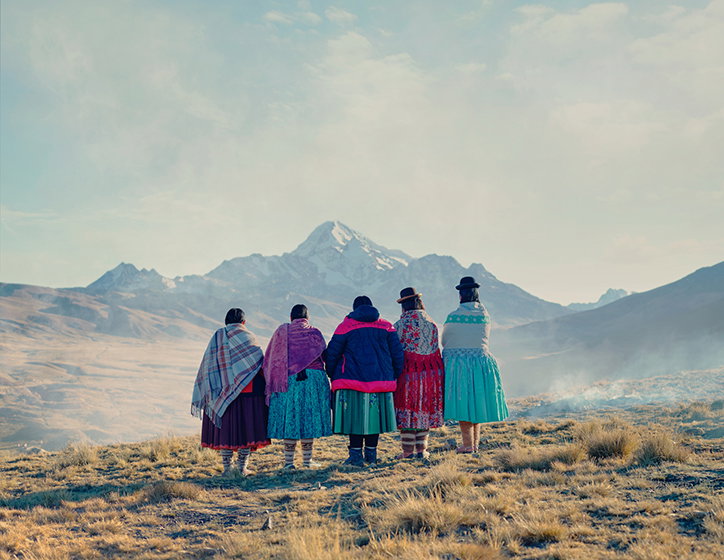
In explanation of his spectacular stylistic choices for the project, Todd states: “We’ve all seen wrestlers in a ring before, and I wanted to create something that leaps out at the viewer. So rather than placing them in the ring, they are airborne, mid-grapple, on the streets of El Alto. I wanted to give the photographs a sense of place, so the mountains that dominate the surroundings of El Alto and La Paz feature in a number of the images as well. When you are there, they are never far from your view.”
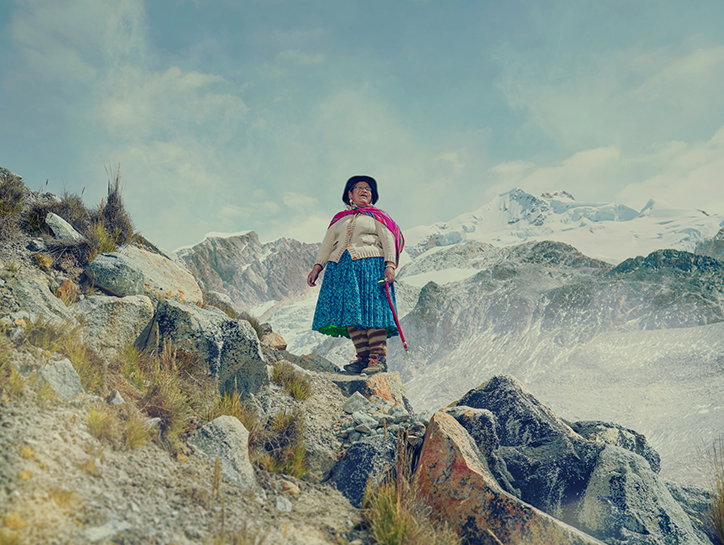
Unsurprisingly, the images that, for Todd, capture the atmosphere he wanted to convey, are the thrilling mid-flight shots. “For the climbers,” he tells us, “the image of Cecilia Llusco Alaña is probably my favourite. There is this amazing quiet strength and pride in her pose and expression which is exactly what I wanted to get across. At first glance you think she is just wearing traditional dress, before looking closer and seeing her hiking boots and ice pick in her hand.” It is details like this that mark the emancipation of the Cholita climbers and wrestlers, in name, aesthetic and occupation, from the marginalisation and servitude experienced under colonial oppression. The dress and name, combined with the tools and physical exploits, become ways of laying claim to their history and reinstating their autonomy.
Todd Antony: Cholitas
Todd Antony: Cholitas
Todd Antony: Cholitas
Todd Antony: Cholitas
Todd Antony: Cholitas
Todd Antony: Cholitas
Todd Antony: Cholitas
Todd Antony: Cholitas
Todd Antony: Cholitas
Todd Antony: Cholitas
Share Article
Further Info
About the Author
—
Rowe joined It’s Nice That in the summer of 2019 as an editorial assistant. She wrote many fantastic stories for us, mainly on hugely talented artists and photographers.