Sophie Barbasch captures her unique and ever-changing family dynamic
The New York-based photographer also explores the use of spontaneity in her series Fault Lines.
Share
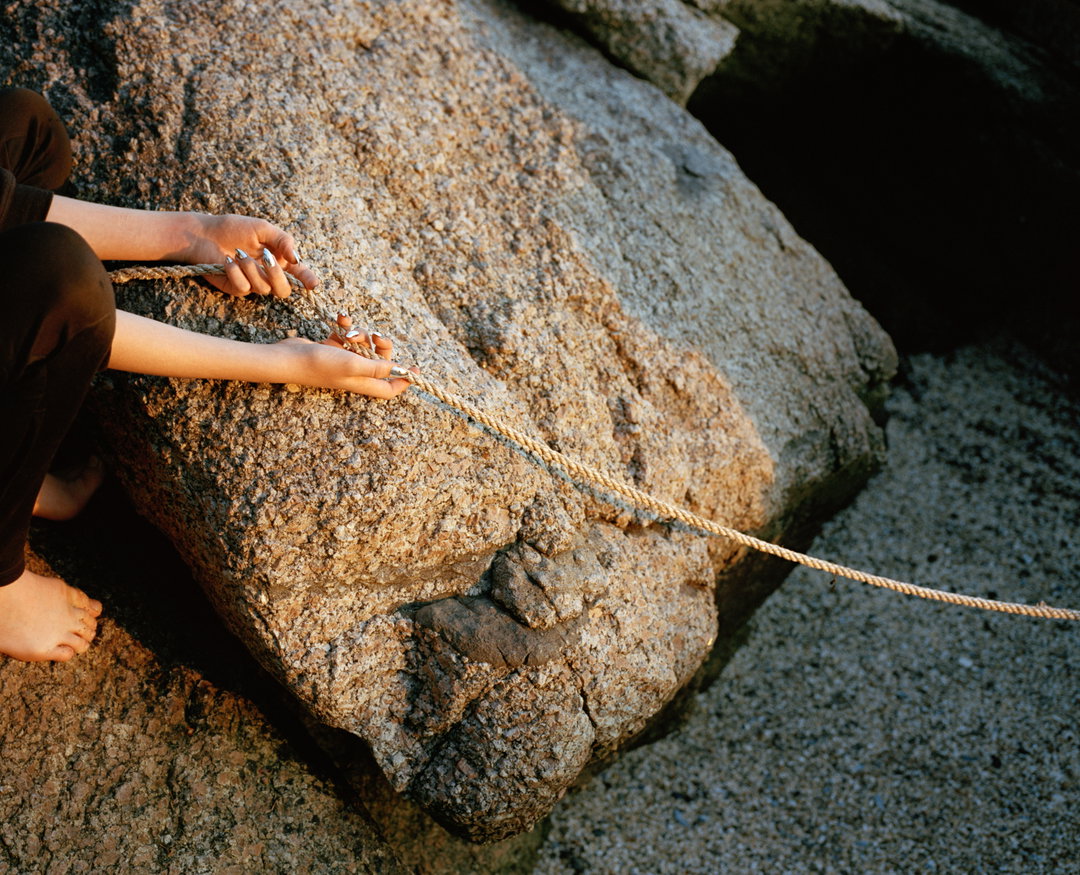
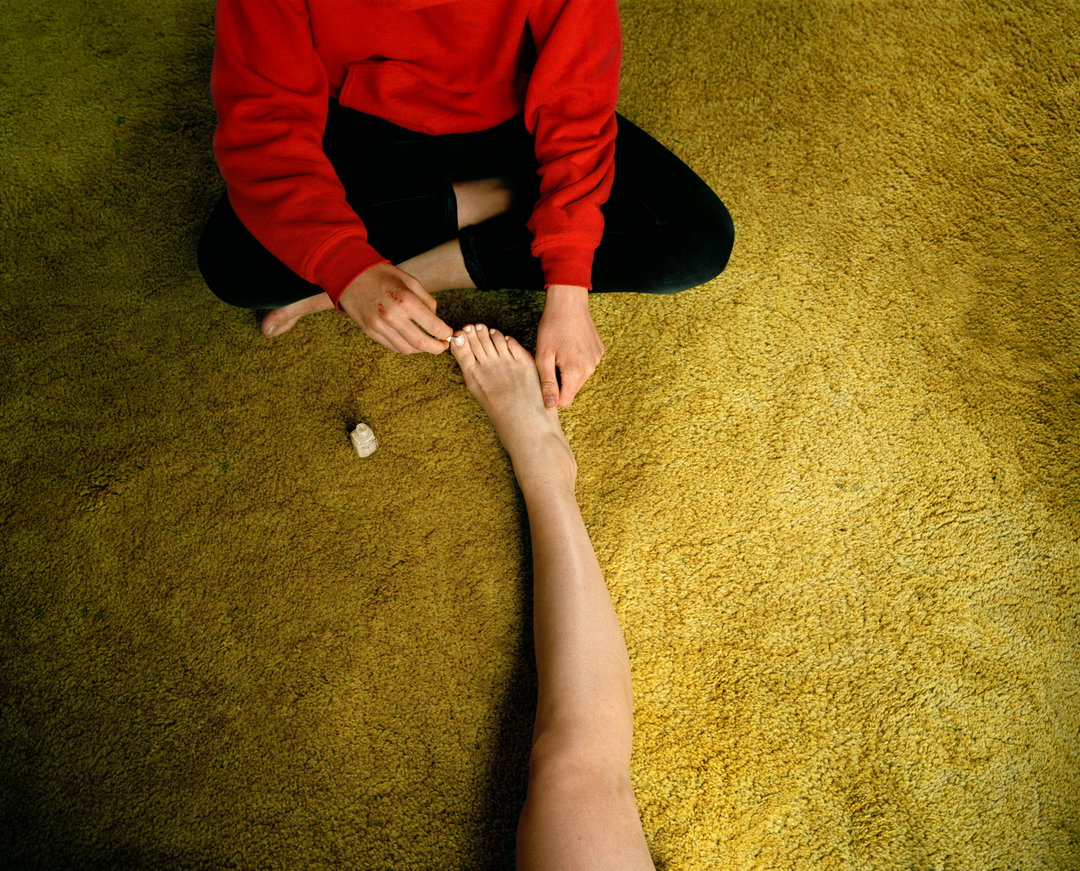
Fault Lines, the latest project by American photographer Sophie Barbasch, turns her lens on the dynamic lives of her family.
Shot as an ongoing project, the most interesting and poignant story follows the development of her younger cousin Adam. “A family is a shifting conglomeration of narratives and feelings, just as each individual is constantly evolving and adapting. After an eight-year estrangement from my father, I let him back into my life,” Sophie tells It’s Nice That. “In the interim, I bonded with my younger cousin Adam, who I could not help but feel was like my double.”
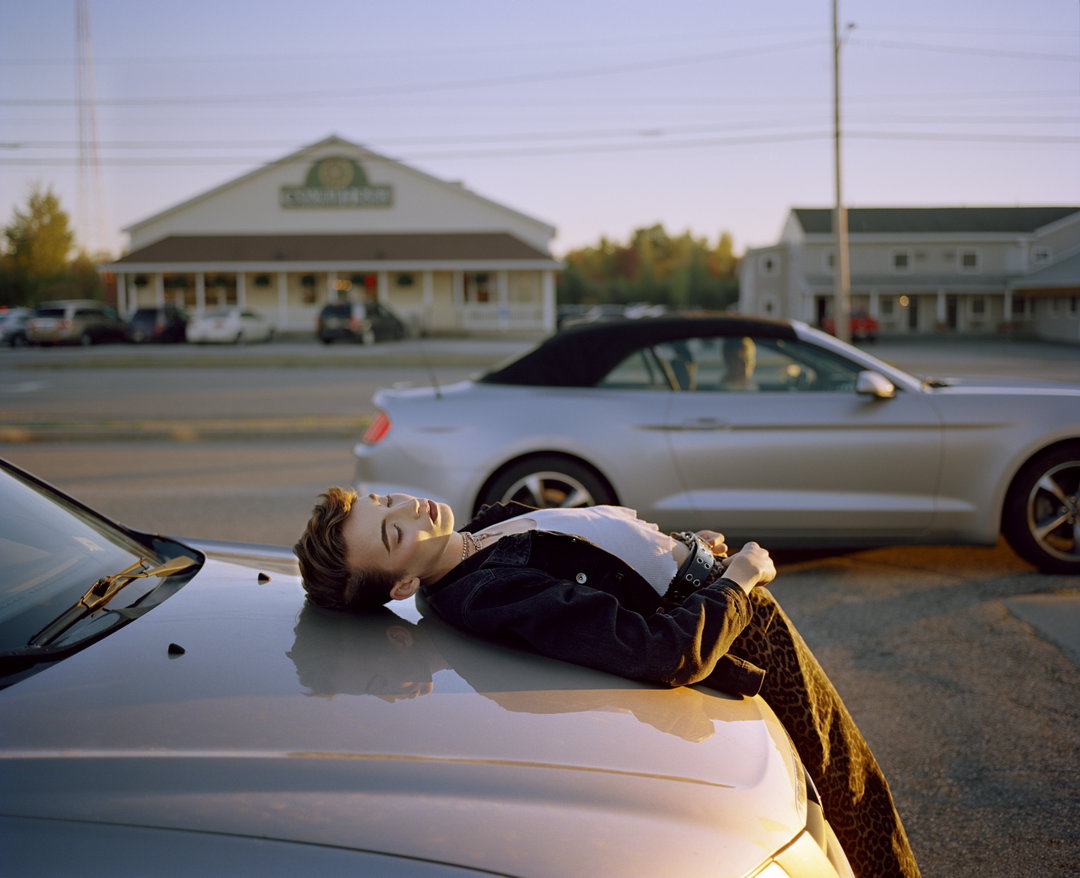
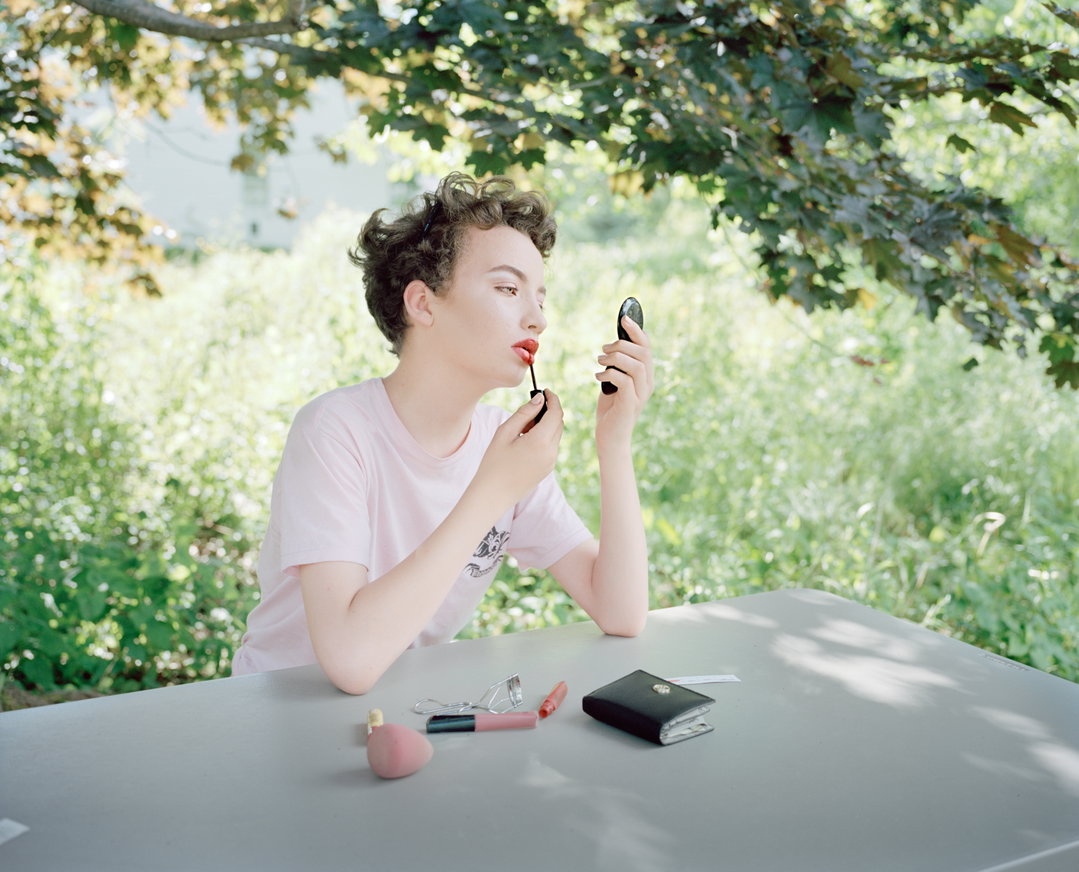
Beginning the project in 2013, she has followed the family through important transitional periods, and uses the project as a way to relate with them too. “As Adam experiments with his gender presentation, making forays into dresses and make-up, I find yet another way to connect with him,” she says. “Growing up in a family of men, I was often the only girl, which influenced power dynamics in both mundane and problematic ways. In the photos, I play with visualising and subverting these dynamics.”
Working with family can obviously blur the boundaries between subject and photographer, and for Sophie, this has definitely been the case. “It keeps morphing. Right now, it feels very collaborative. My family members are used to shooting, so they’re flexible and they help me come up with ideas. My cousin Adam and I do a lot of brainstorming together; we think through every element of the photos. I show him contact sheets and edit with him.”
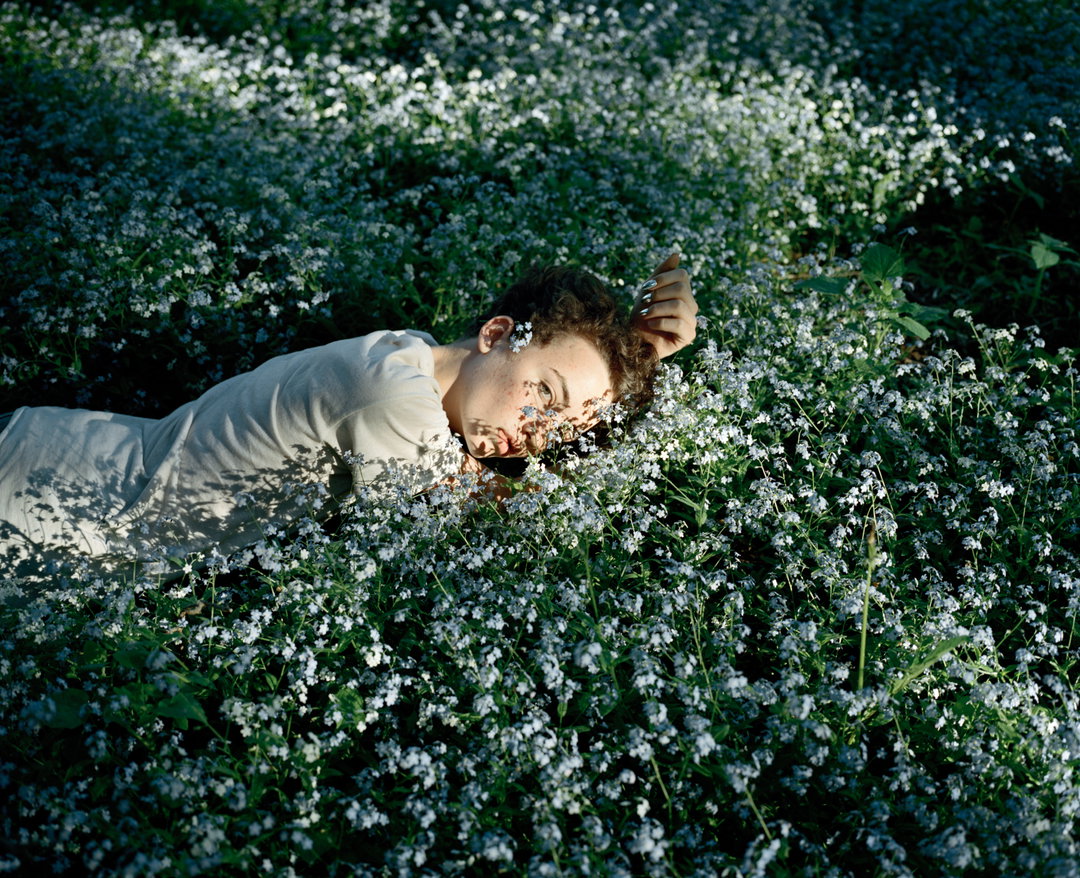
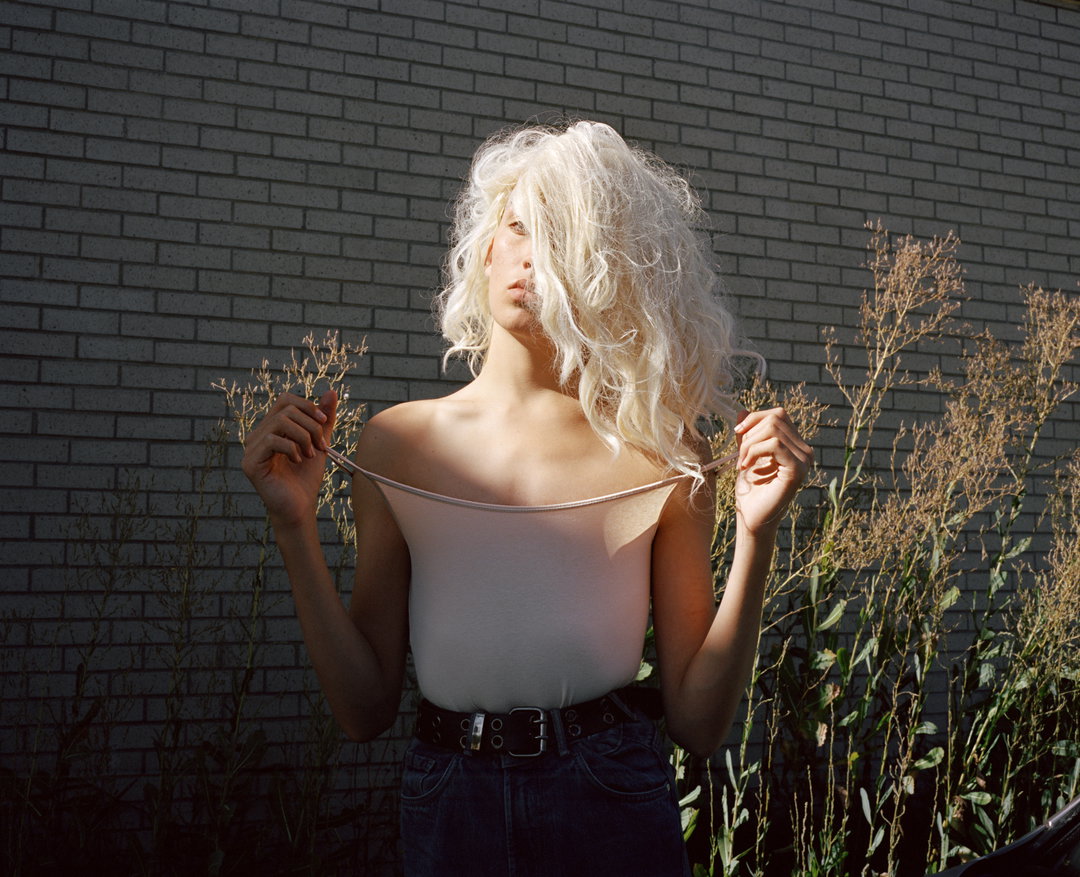
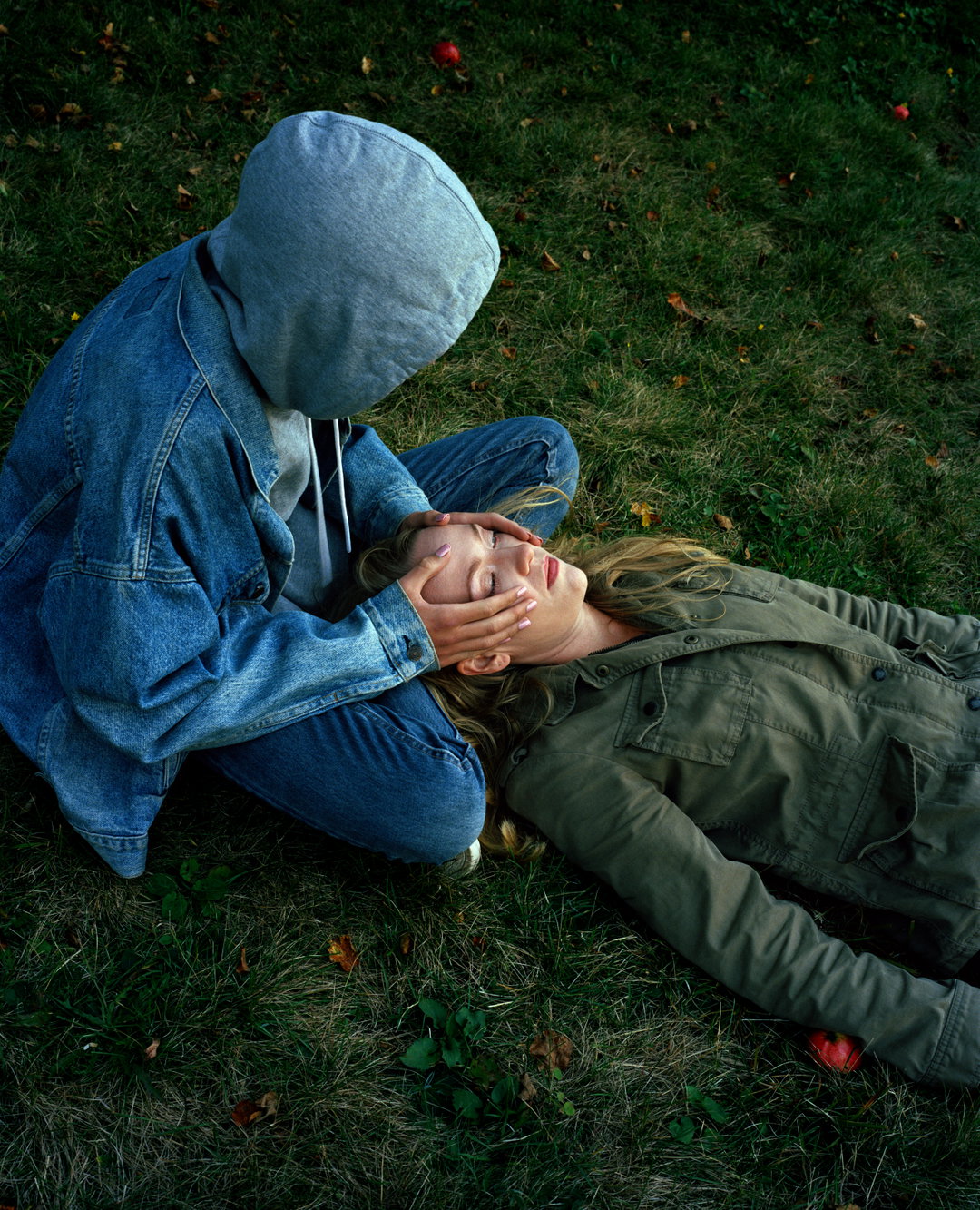
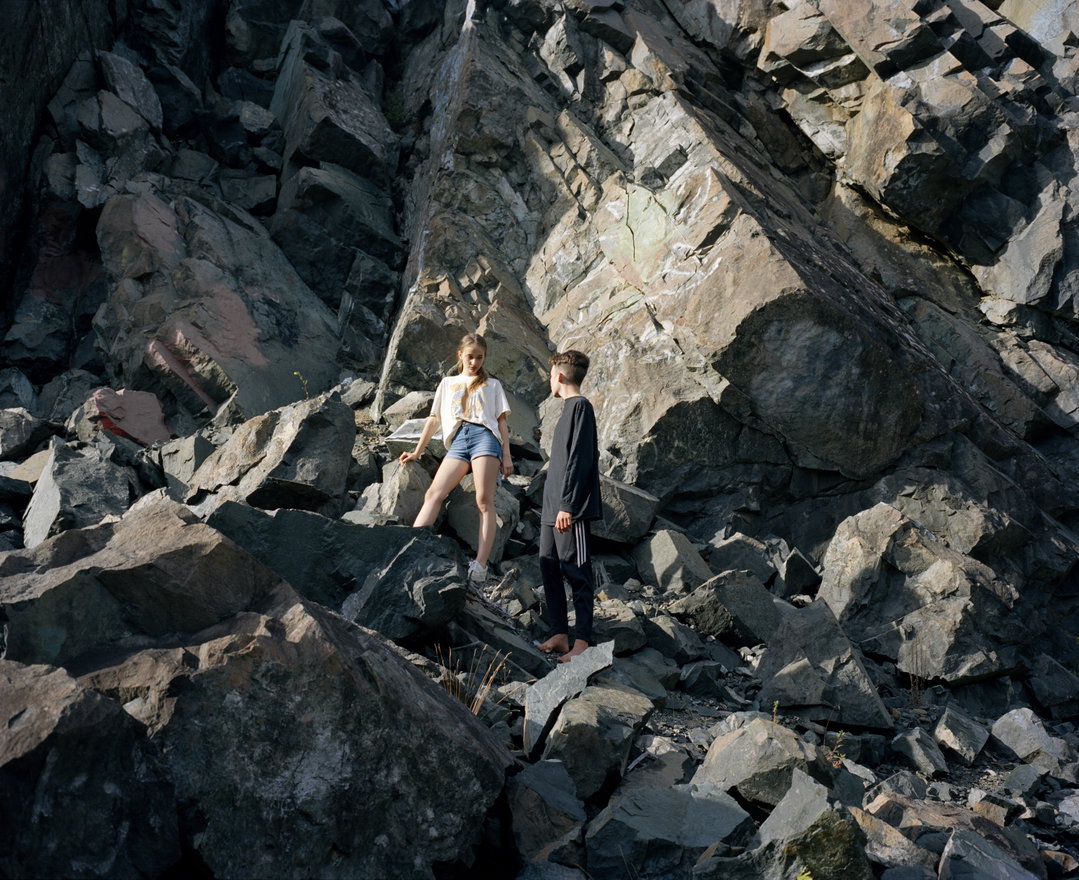
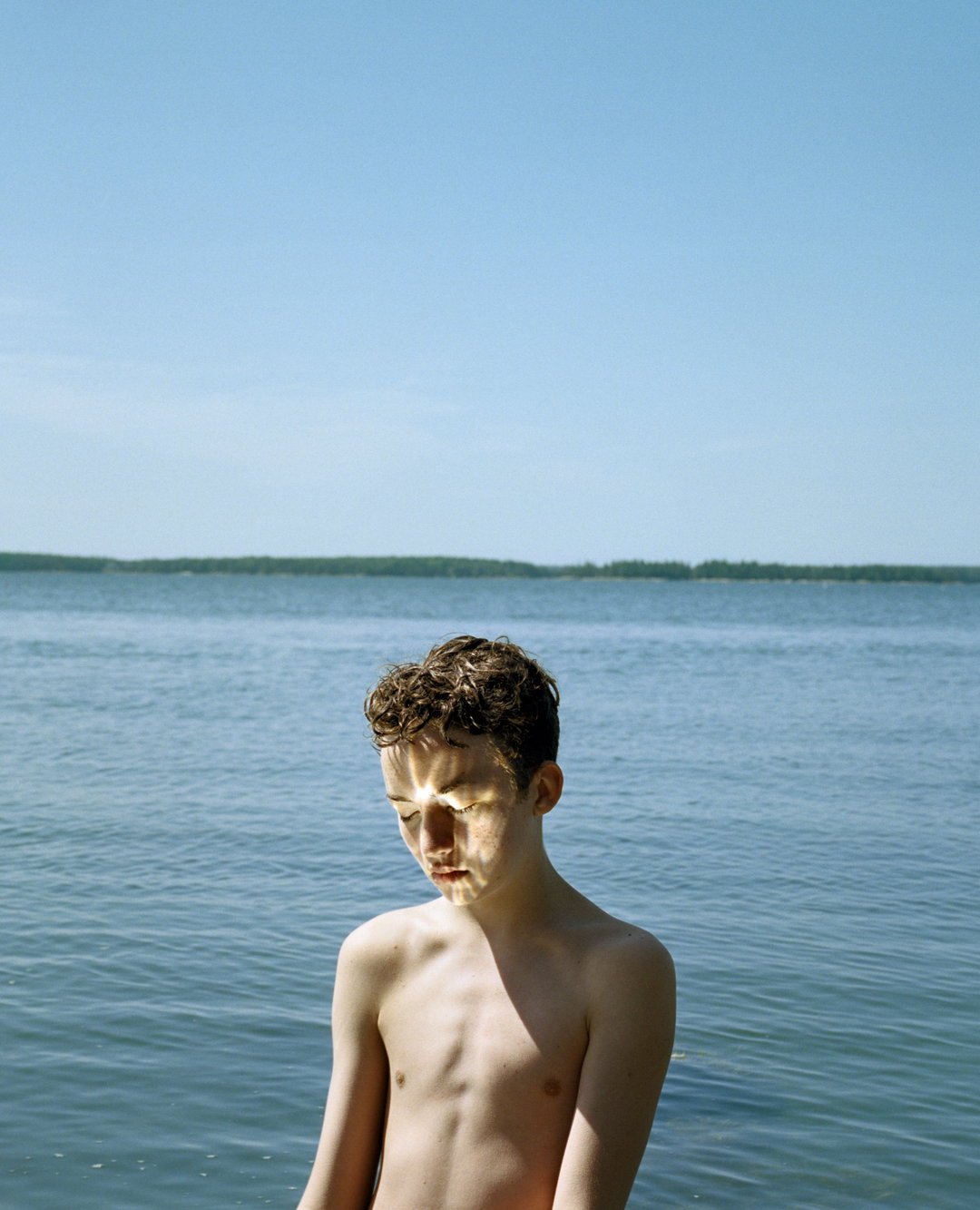
The series utilises a mixture of seemingly candid portraits of Adam with more obviously staged images, ultimately providing a window into his life. The images show an almost dream-like environment within which he is based, with beautiful sunshine, peaceful landscapes and an abundance of light. This was not something that was present in Sophie’s first batch of images in the series: “Up until then, everything was pretty dark and bleak in the photos. It was a challenge for me to address heavy themes with a beautiful, sunlit backdrop. I’ve been working on this formally, and I think it changes the way the images read.”
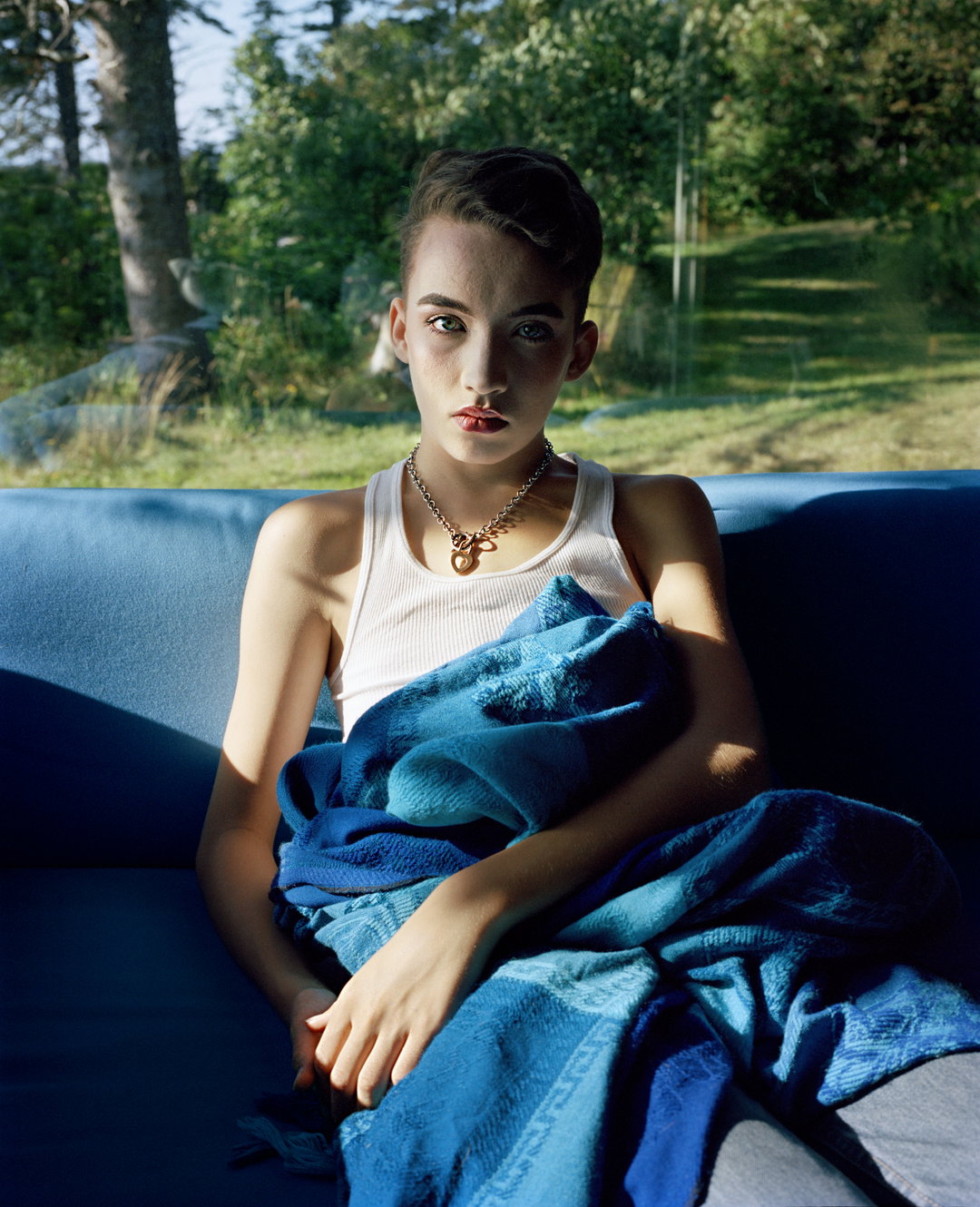
Sophie Barbasch: Fault Line
As well as documenting a transitional period for her family, Sophie has also tried to facilitate changes to her photographic practice within the project. “My motivations have changed a few times. Sometimes when I am photographing, I try to introduce elements that encourage my subjects to be spontaneous,” she says. “Currently, I’m trying to find things that force me to be spontaneous too, so that I also experience surprise and become destabilised. I think this process will help me better understand what I’m trying to do, ie I don’t totally know what I’m looking for, and that is ideal for me. When I know exactly what I want, everything falls flat.”
Having initially studied art, Sophie moved into photography via an MFA in the subject at Rhode Island School of Design. She has since completed residencies and a Fulbright in Brazil, as well as working on her personal projects. Having begun with a more general approach to the arts, her continued specialism is one that she is seemingly pleased with – viewing photography as a medium that suits her outlook on life. “I am drawn to the frozen, suspended moment that simultaneously provides and excludes information,” she says. “This is a metaphor for moving through life and trying to understand your experience – seemingly accessible yet full of undercurrents.”
She has also found that this latest project has helped her to overcome a few of the drawbacks often associated with photography – most notably the isolation and individual nature of it. “It cuts the loneliness of being a photographer, which is usually quite solitary. In that sense, it has been connective,” she says. “The more I work on this project, the more I realise that each relative has a truly different experience of the same family. This fascinates me.”
GallerySophie Barbasch: Fault Line
Share Article
Further Info
About the Author
—
Charlie joined It’s Nice That as an editorial assistant in December 2019. He has previously worked at Monocle 24, and The Times following an MA in International Journalism at City University. If you have any ideas for stories and work to be featured then get in touch.