

Gary Grimes decodes the angsty cultural references within Romain Gavras’ Yung Lean-starring epic, Storm
More Bully, less Busted: It’s Nice That’s culture columnist breaks down the film on everyone’s feeds, and how it’s already earned a place in the teenage rebellion history books.
- Date
- 7 May 2026
- Words
- Gary Grimes
Share
The secondary school setting has long been seen as a fertile ground for visionaries of the music video format. Perhaps it’s because schools are a natural hotbed of teenage angst, or that the teacher/student dynamic lends itself perfectly to tales of pubescent rebellion or unrequited love. The drone-like quality of hoards of students dressed in matching, or occasionally customised, uniforms certainly presents a golden opportunity for a stylist to flex their muscles. Whatever the reasons, for decades now the hallowed hallways of schools have been home to some of the most iconic music videos of all time, from Britney Spears’ first on-screen strut in Baby, One More Time to Charli xcx and Iggy Azalea’s homage to Clueless (the high school movie to end all high school movies).
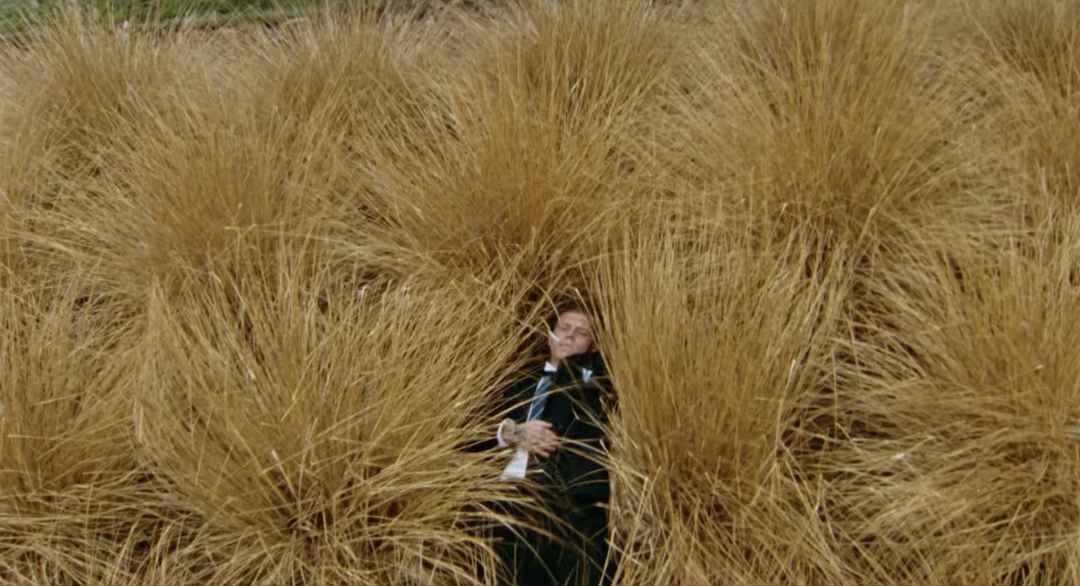
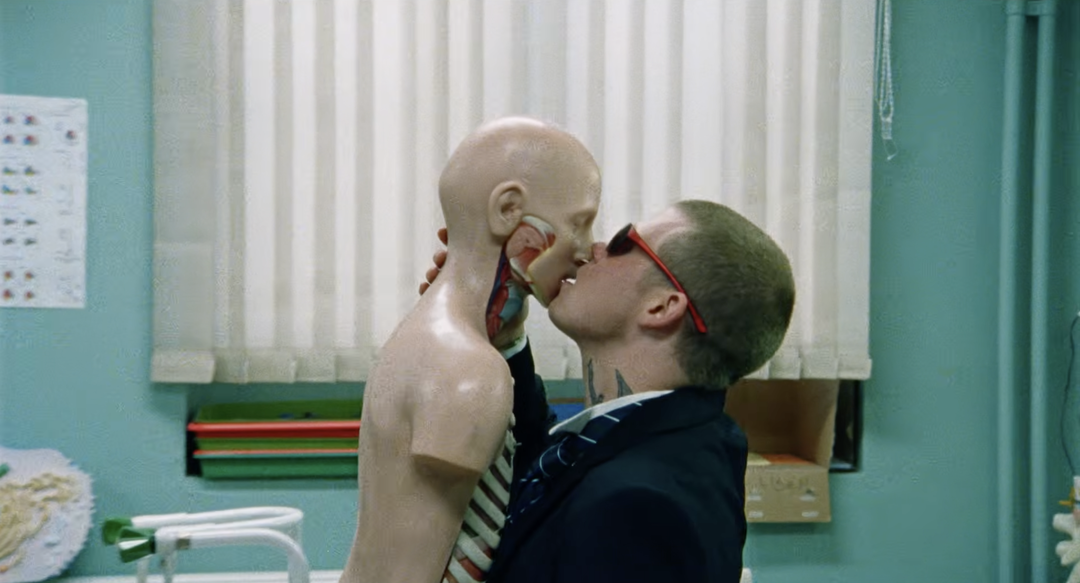
Storm, a two-part short film accompanying the tracks Storm I and Storm II by Gener8tion, a side project of electronic music producer Surkin, helmed by film director Romain Gavras, is the latest entry into the canon of legendary secondary school clips. The video takes a decidedly different tone to the high gloss American dream depicted by Britney and co. Set in a boys’ school in Leeds in the year 2034, it stars Swedish rapper and tastemaker Yung Lean (who also provides vocals on the track) as the defacto head boy in a seemingly teacherless school where class is never in session and every room’s a smoking area.
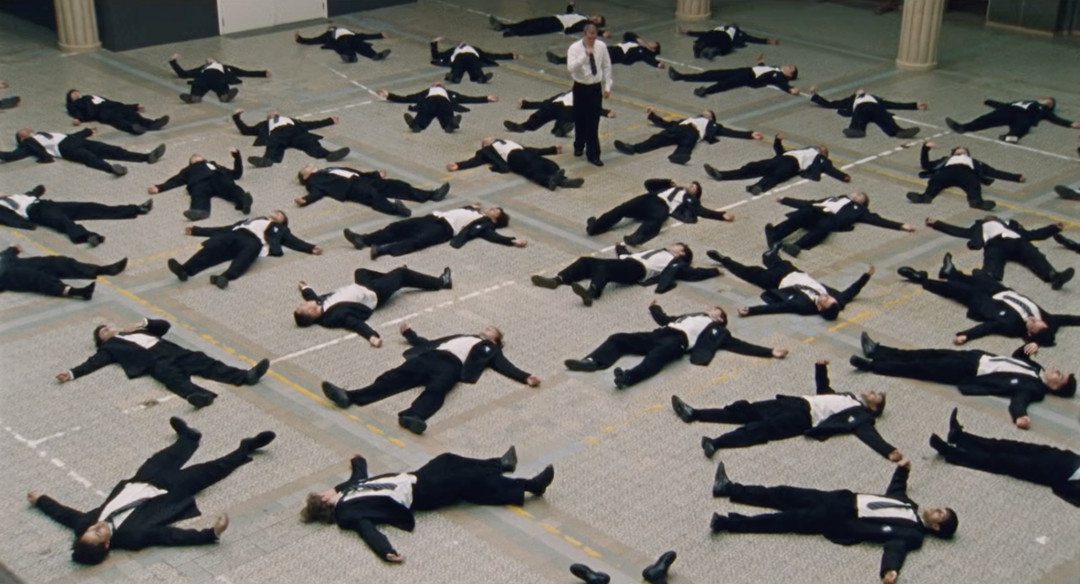
Romain Gavras: Storm (Copyright © Romain Gavras, 2026)
“The hallowed hallways of schools have been home to some of the most iconic music videos of all time.”
Gary Grimes
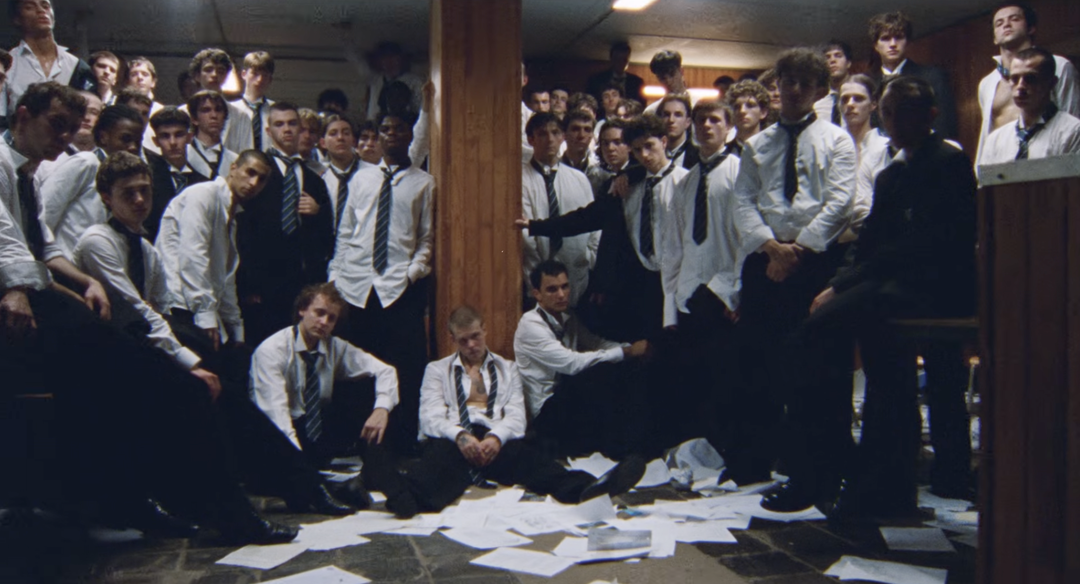
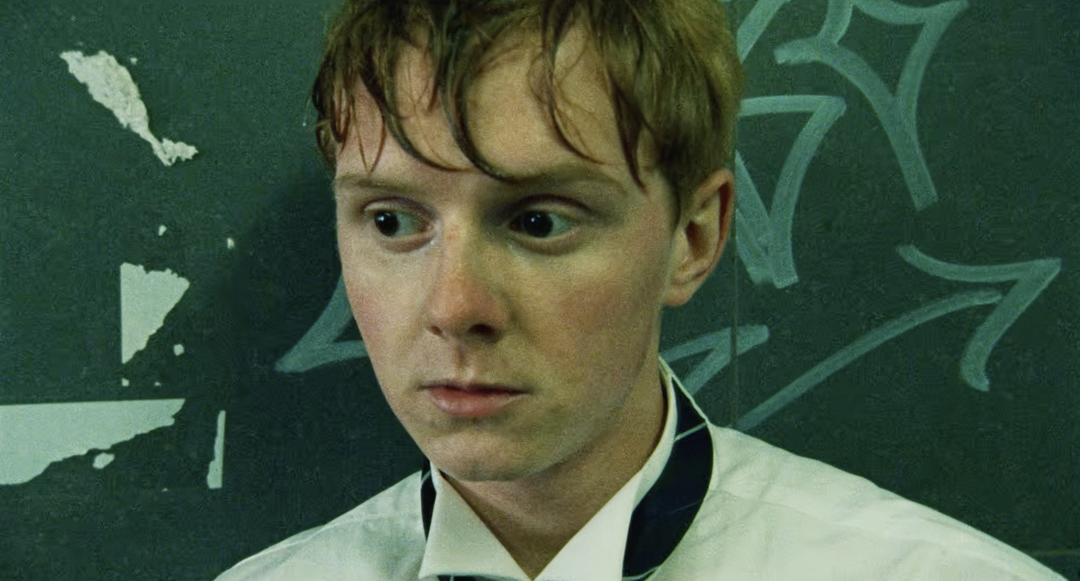
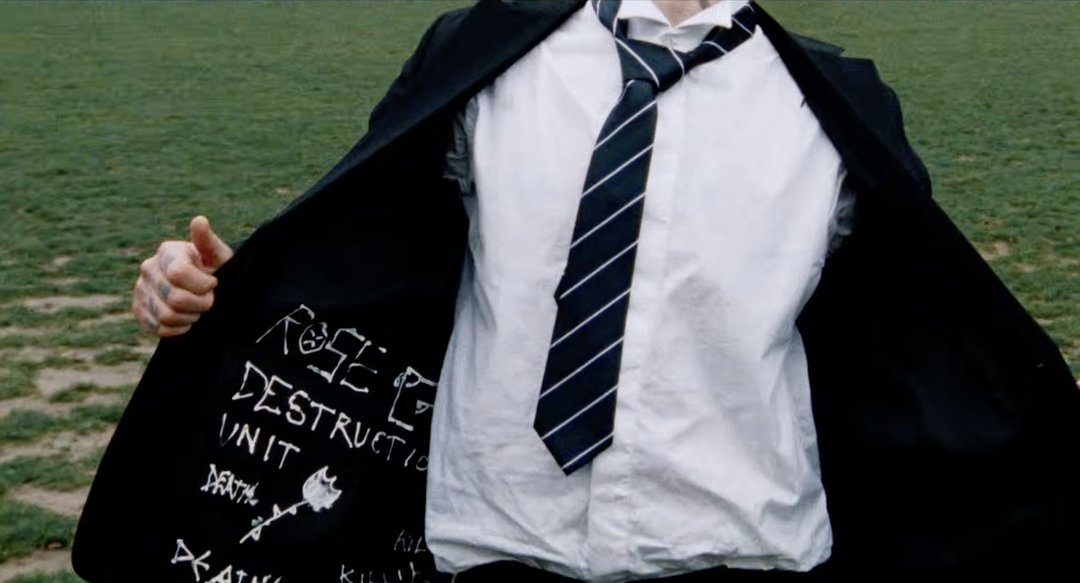
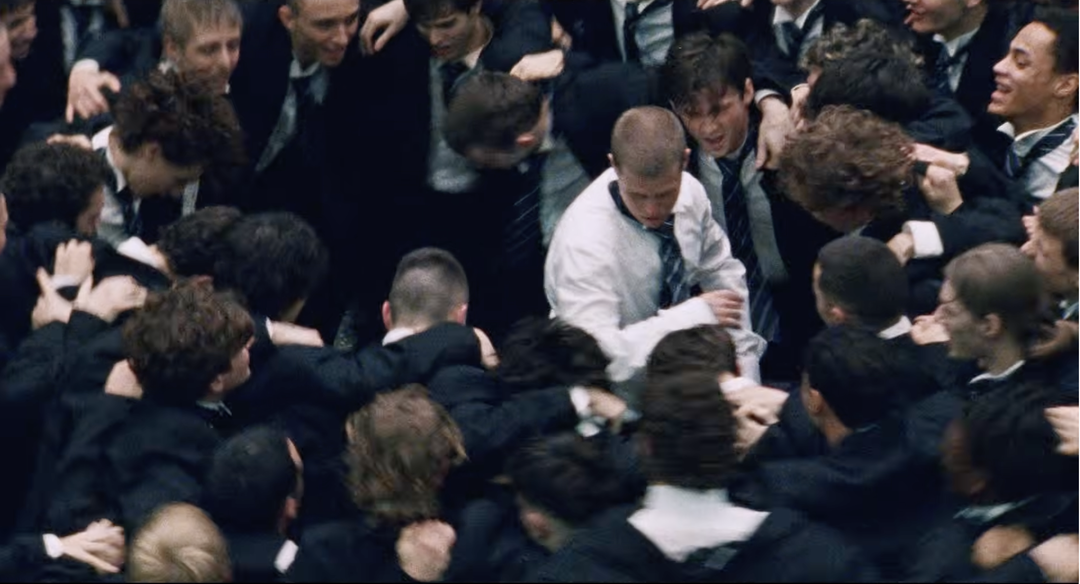
With nothing else to do, we see the rapper spending his school days corrupting his classmates however possible and asserting his dominance, usually through violent means. The male ego is on full display as Lean and his comrades employ typical hazing tactics like swirlies and fisticuffs on the football pitch. The video appears to be Romain’s contribution to the ongoing conversation around the fragility of the teenage boy and the pressures they face to appear rough and tough at all times, a discourse spearheaded by last year’s Netflix hit Adolescence, and explored more recently in Richard Gadd’s Baby Reindeer follow-up Half Man. The director wears his influences on his sleeve, including multiple canny nods to both the Japanese school boy drama Blue Spring and the controversial 2006 anti-bullying themed video game Bully throughout.
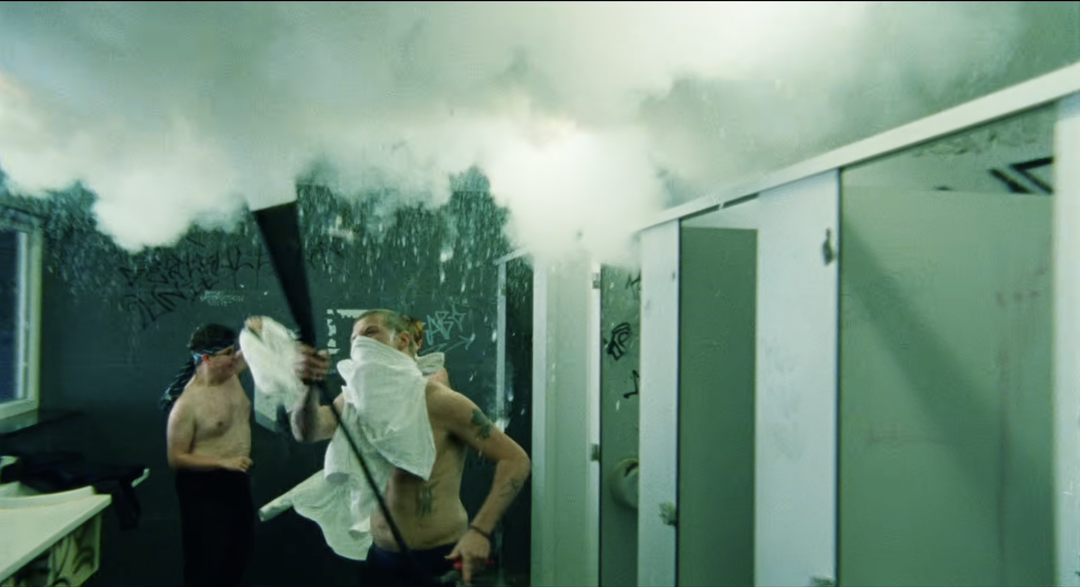
Of course, such extreme misbehaviour is fuelled by a healthy dose of narcotics, placing Storm’ also firmly in the lineage of shows like Euphoria and Skins. Drug culture has always been a key tenet of Yung Lean’s oeuvre, his name alone is a reference to codeine syrup, to which he later admitted he became addicted (in addition to other substances including cocaine, Xanax and marijuana), though the artist since achieved sobriety following an experience of drug-induced psychosis. In Storm, we see the star perform his old tricks a plenty, hotboxing classrooms and using the science room’s lab equipment for decidedly more nefarious purposes. All in all, it’s a far cry from the version of anarchy that saw Busted merely enjoy a raucous jamming session at the end of What I Go To School For.
Romain Gavras: Storm (Copyright © Romain Gavras, 2026)
“The director wears his influences on his sleeve [...] school boy drama Blue Spring and the controversial 2006 anti-bullying themed video game Bully.”
Gary Grimes
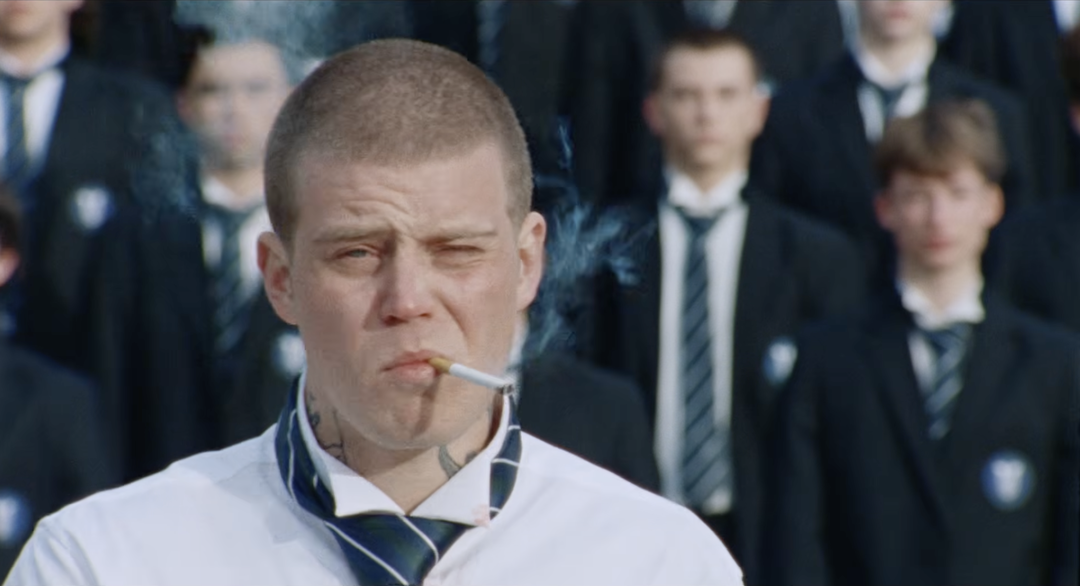
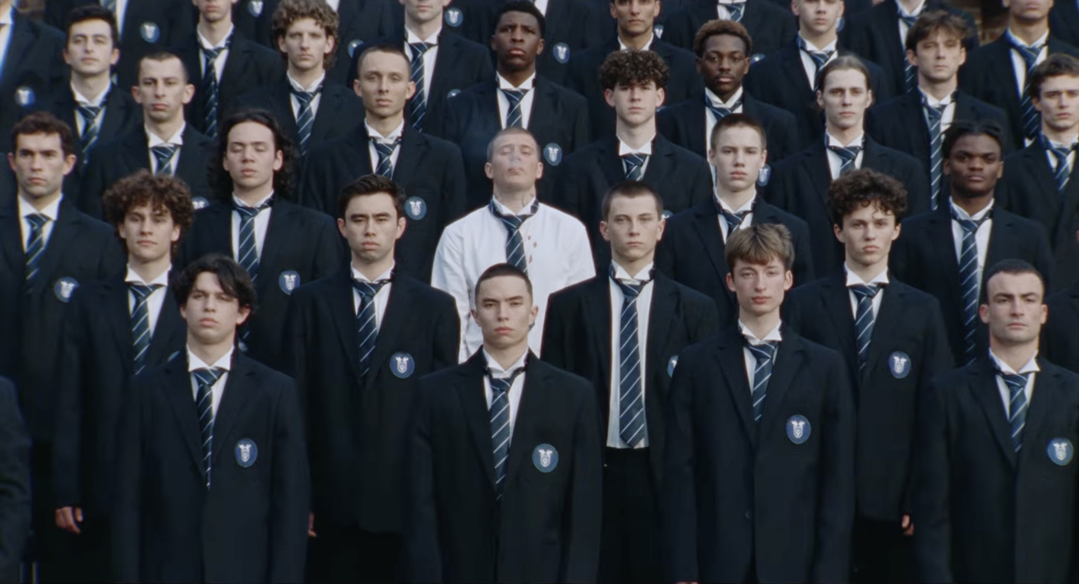
Having said that, the video does culminate in a spectacular group performance of another kind. As the diptych transitions into Storm II, Yung Lean stands in a bloodied school shirt amidst his classmates gathered in a tiered formation, like that of a class photo. The star remains largely static, save for occasional puffs of his cigarette, as his fellow pupils erupt into a breathtaking synchronised dance, choreographed by Damian Jalet, best known for his work on Luca Guadagnino’s 2018 horror film Suspiria. The effect of the boys’ movements, perfectly syncopated to the music, has a genuinely hypnotising quality to it, evoking a strange feeling of both strength and tenderness as they appear united and almost possessed by the soundtrack. Such a memorious crescendo feels reminiscent of the recent BRIT Awards appearance by Rosalia, another trailblazing artist, whose performance of Berghain ended in a similar fashion with her army of dancers breaking into an animalistic display of synchronised writhing. The video also exists in stark contrast to the altogether more childlike and jubilant expression of students dancing seen in the recent music video for the English indie artist Bakar’s single Lonyo! which dropped at the end of last year.
Storm marks the second collaboration between Romain and Yung Lean, following the rapper’s acting debut in Romain’s 2025 action comedy flick Sacrifice (which, in a further mapping of this cinematic universe, also featured the rapper’s good friend and collaborator Charli xcx in one of her first acting roles, and a soundtrack provided by Gener8tion). The French filmmaker is no stranger to crafting conversation-sparking music videos, having previously helmed the highly controversial video for M.I.A.’s Born Free in 2010 which used the depiction of a fictional genocide against red-haired people as an allegory for the extrajudicial killing of Tamil males by the Sri Lankan Army. The video was subsequently banned on YouTube in both the UK and the US.
Romain Gavras: Storm (Copyright © Romain Gavras, 2026)
“He uses a striking combination of unsettling violence and mesmerising dance to comment on the contradictions of the teenage boy experience in 2026.”
Gary Grimes
Romain’s video for Jay-Z and Kanye West’s No Church in the Wild, which focussed on the issue of police brutality against protestors, was similarly divisive, as was his earlier work on the video for Justice’s Stress which depicted a group of mostly Black teenagers committing acts of vandalism and harassment on the streets of Paris. The video drew harsh criticism and accusations of racism, with both anti-racist organisations and the French far-right party the National Front threatening to sue the band.
Storm is the latest offering from a still somewhat undersung director who has consistently pushed the boundaries of what we will both expect and accept from a music video for nearly two decades now. With Yung Lean as his sad boy muse, he uses a striking combination of unsettling violence and mesmerising dance to comment on the contradictions of the teenage boy experience in 2026. The finished product is so compelling, it leaves you feeling like an evangelist wishing to spread the word of its glory – whilst repeatedly hitting that replay button, baby, one more time.
GalleryRomain Gavras: Storm (Copyright © Romain Gavras, 2026)
Hero Header
Romain Gavras: Storm (Copyright © Romain Gavras, 2026)
Share Article
Further Info
About the Author
—
Gary Grimes is a writer and publicist based in London. He typically writes about visual art and pop culture, and his work has appeared in titles including British Vogue, Rolling Stone, W, Interview, The Economist, TimeOut, The Fence, Wallpaper* and more.