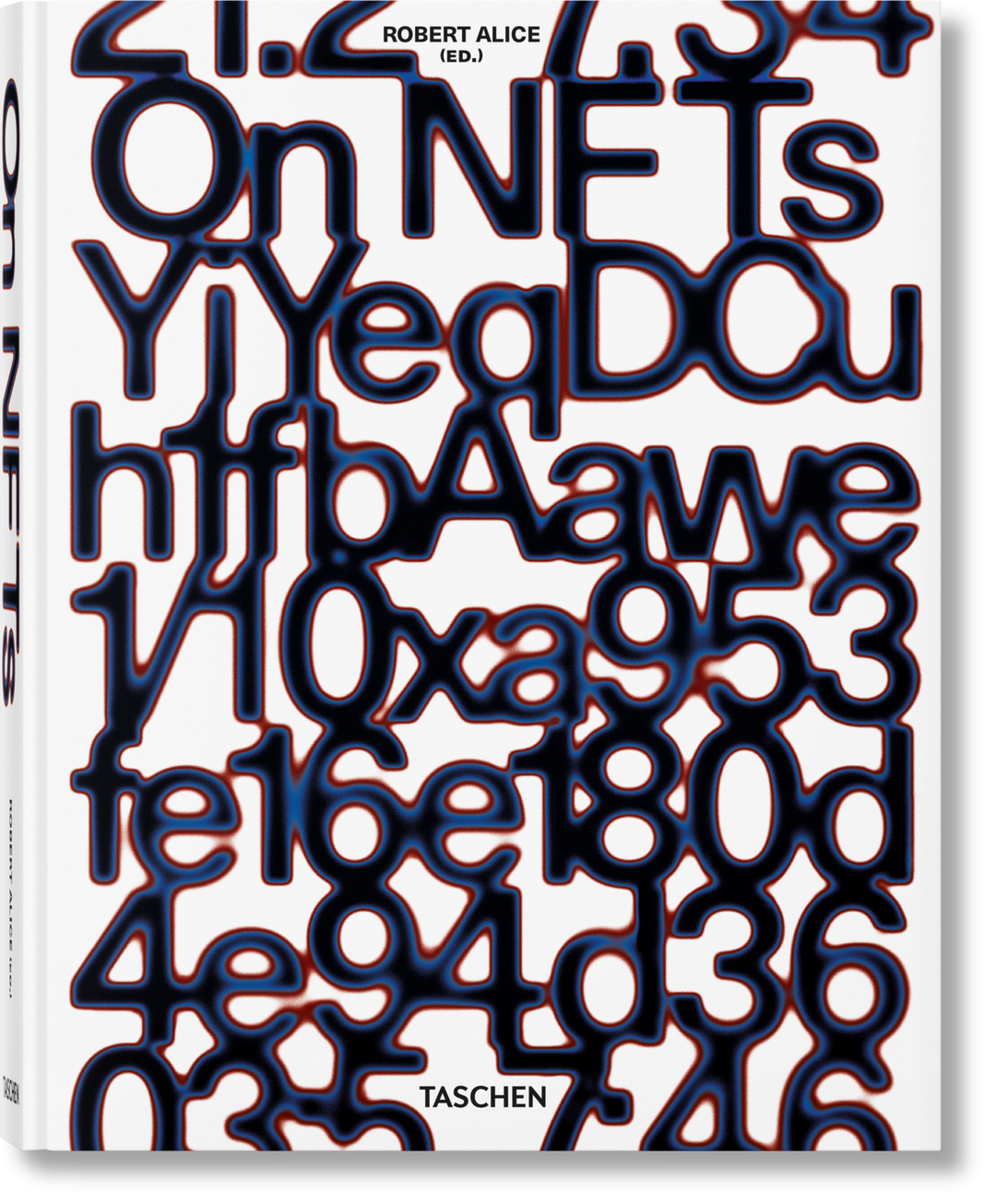
Robert Alice’s 700 page celebration of NFTs is a rousing education on misconstrued technology
NFTs are not just quirky cartoons of apes and anime avatars, argues this new book from Taschen, but an education on the possibility of art, ownership, collecting and trading.
Taschen’s new book On NFTs is catching audiences up on the misconstrued idea of non-fungible tokens. At one point, NFTs were a major talking point in the art world, with a sudden well of opportunity opening up for digital artists and budding art collectors. However, artist and author Robert Alice – a trained art historian who most notably co-produced the first academic conference on NFTs at the University of Oxford in 2022 – is challenging the idea that NFTs are purely synonymous with art (a presumption that ignores their surprising 50 year history). Described as a groundbreaking technology, digital art is only the first chapter in its evolution, as Robert makes a compelling case for how NFTs can expand on ideas of ownership and collectables.
“While it can include digital art, it could also include a house (like a paper deed), a baseball card collectible (also on paper) or a tin of Heinz beans if you like,” says Robert. “The low cost, democratic nature of the medium, like paper and the printing press before, has and will continue to usher in a democratising revolution in terms of publishing.” NFTs used to be a bit of a dirty word that would conjure up stereotypical images of kitsch gorilla drawings, pixel characters and anime avatars, but Robert’s near 700 page artist-led book is filled with striking and alternative images that could only take place in the virtual world of cryptoart.
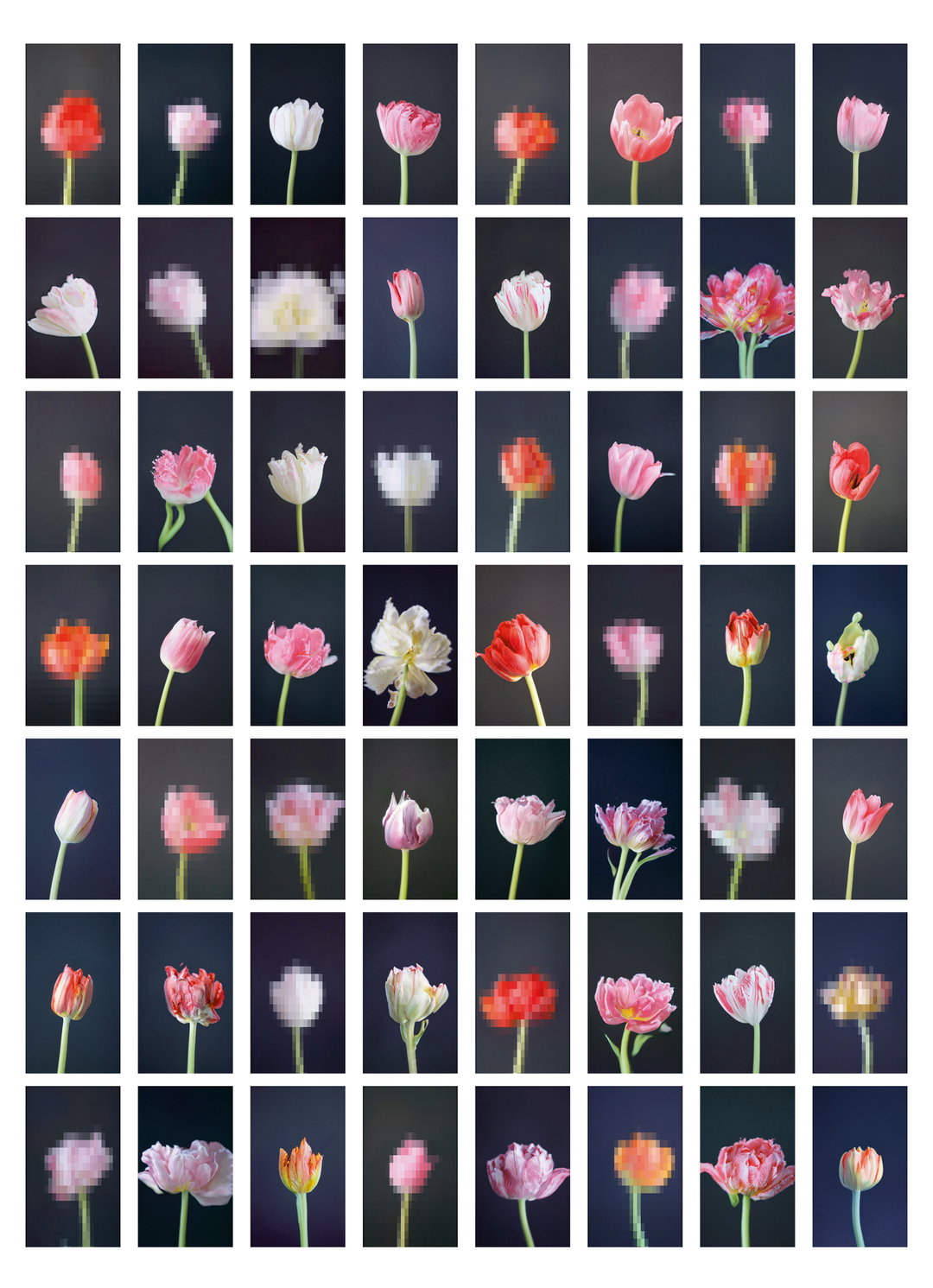
Anna Ridler: Bloemenveiling (Copyright © Anna Ridler., 2019)
Alongside Rutherford Chang, Leander Herzog, Kim Asendorf, Shl0ms, Roope Rainisto and Jack Butcher, the book also includes 60s computer compositions by A. Michael Noll, Rafael Rozendaal’s trippy patchwork art recently shown in MoMa, generative WebGL artworks, and Anna Ridler’s early and important NFTs, all of which share unique relationships with the digital medium and the act of viewing art through the desktop. NFTs can take all sorts of surprising forms – some look like fine art, classical even, whereas others can look distinctly digital.
“Both Herzog and Asendorf in their own respective ways with Infinite Garden and PXL DEX have created technically complex work that uses the blockchain as a medium to create collaborative works that engage the collector,” says Robert. “Speaking of engaging collectors, Sam Spratt’s Monument Game and Butcher’s Checks have both continued to express the convergence of game theory within digital art, alongside the idea of collector as co-creator in the work.” Even poets are on the blockchain now, but this informative book destined for your Metaverse coffee-table argues that the concept, which still escapes the public’s whole-hearted acceptance, is the future.
“There is no world with AI without NFTs. In a world of exponential synthetic image and video generation, where you can’t tell what is real or not, how will you be able to know an image of google is real?” asks Robert. “In a world of AI artists, what system will an AI feel most comfortable with, liaising with a gallery? Or a permissionless blockchain?” With NFT’s unique relationship with provable ownership and digital collecting, they can create a space for artists where they have an intimate connection with how their art is distributed, stored, bought and traded, especially as a more sophisticated digital art market has emerged.
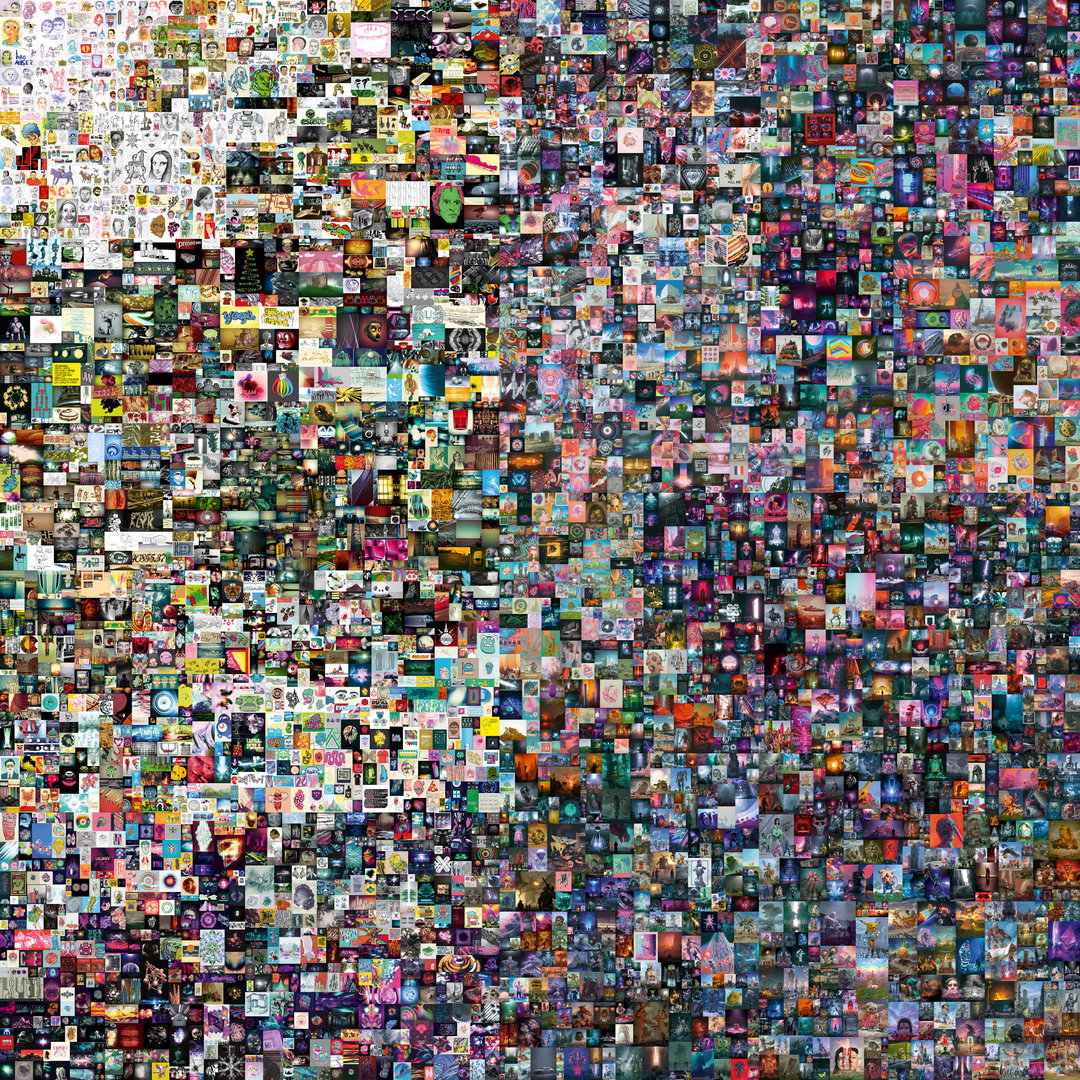
Beeple: THE EVERYDAYS: THE FIRST 5000 DAYS (Copyright © Studio Kevin Abosch, 2021)
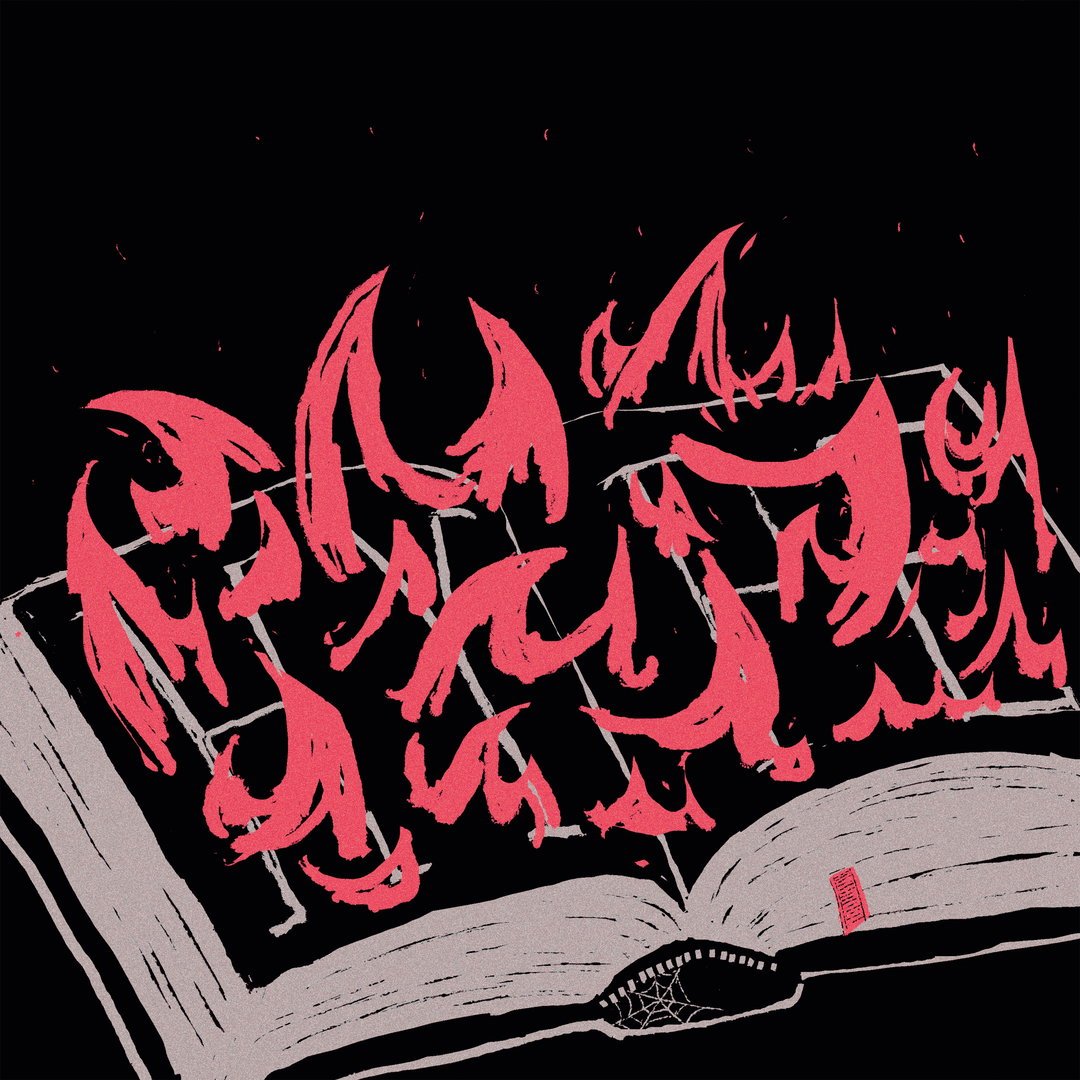
XCOPY: ART HISTORY VOLUMES I–X (Copyright © XCOPY, 2020)
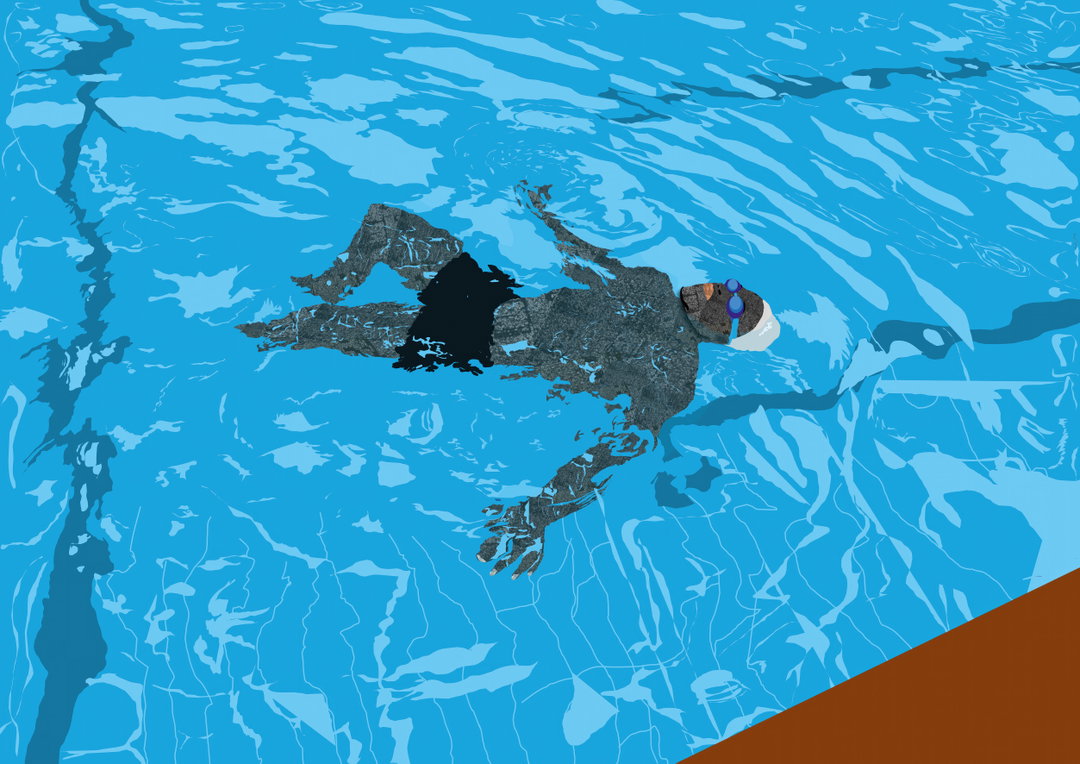
Osinachi: Man in a Pool III (Copyright © Osinachi, 2021)
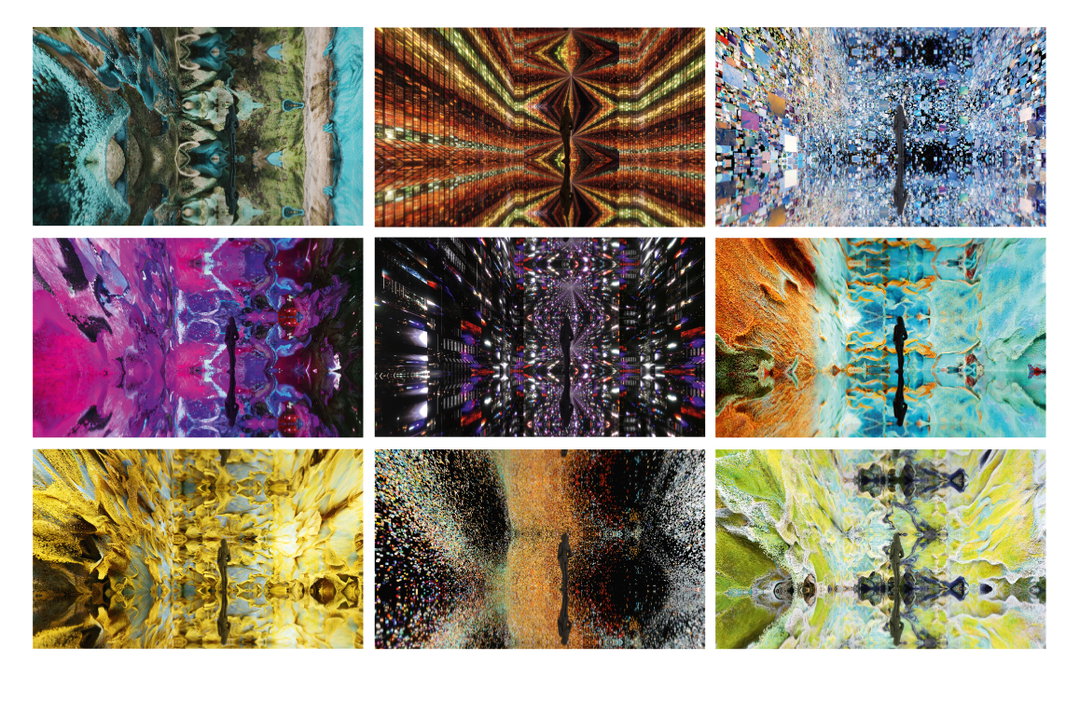
Refik Anadol: Machine Hallucinations (Copyright © Refik Anadol, 2021)
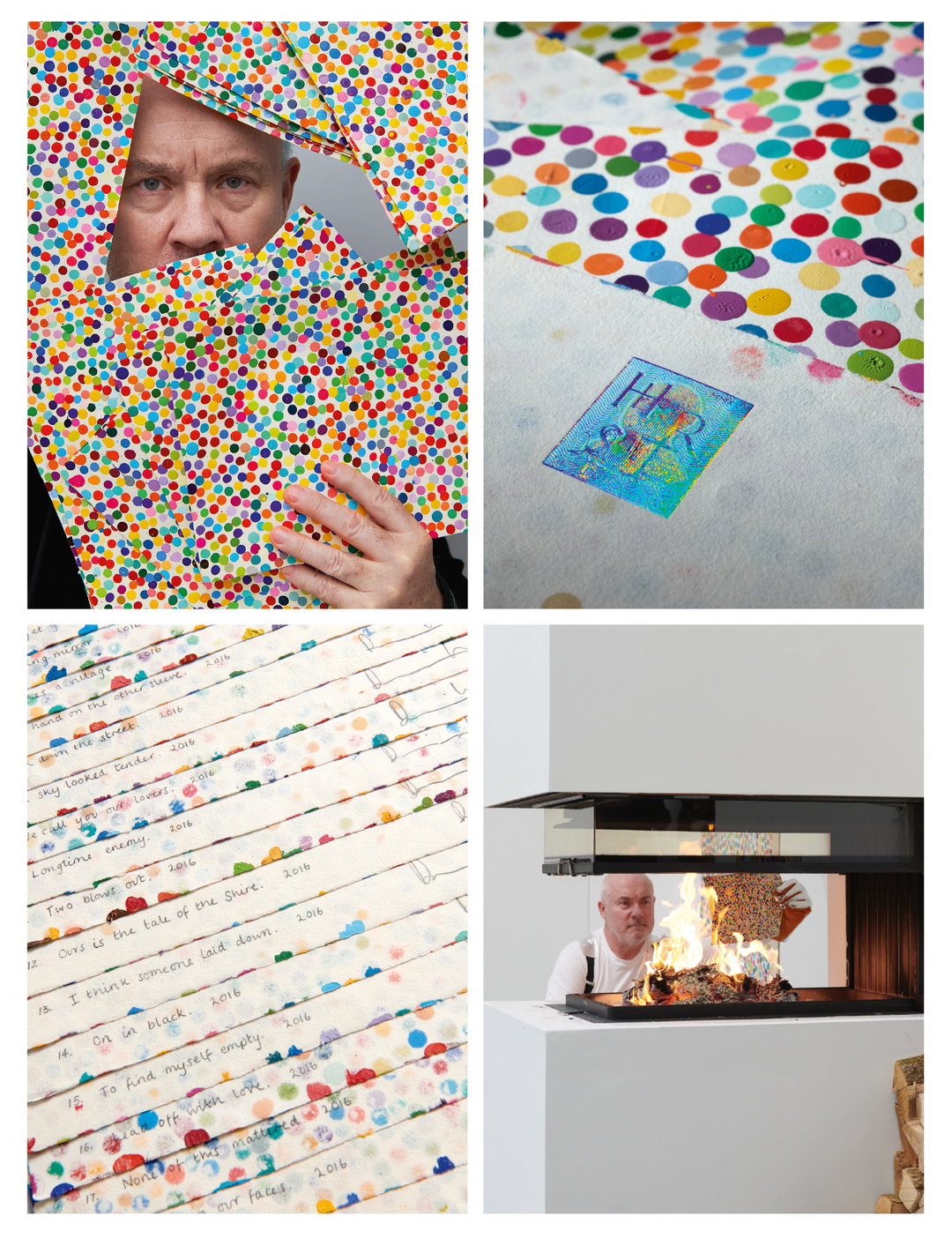
Damien Hirst: The Currency (Copyright © Damien Hirst, 2021)
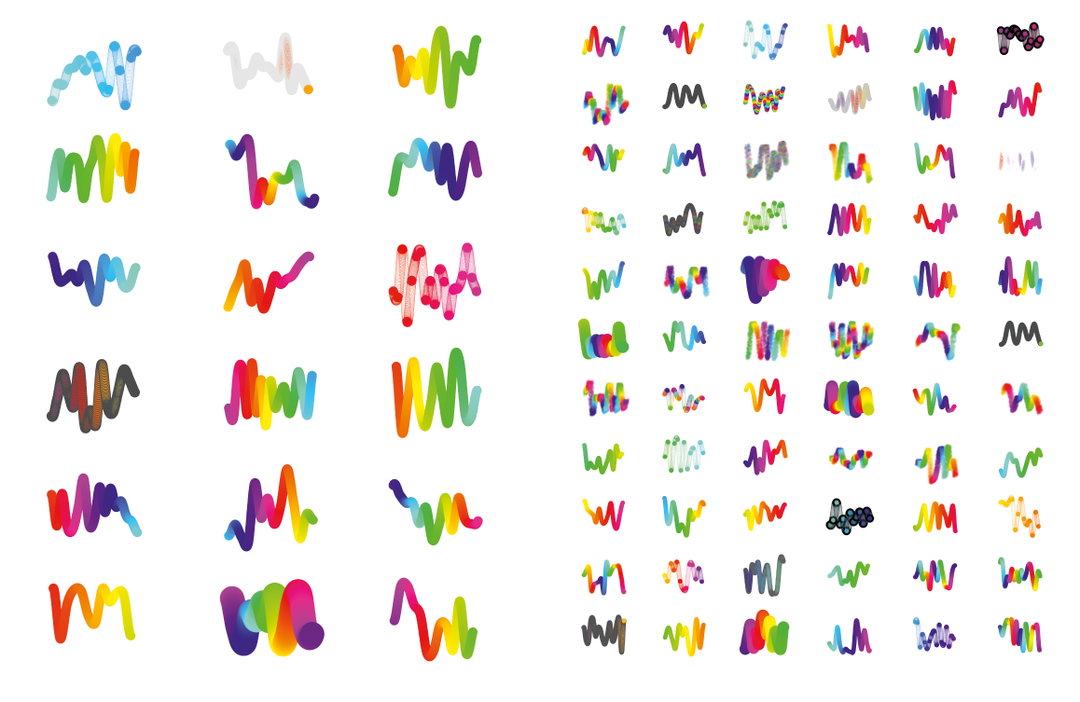
Erick Calderon: Chromie Squiggle (Copyright © Erick Calderon, 2024)
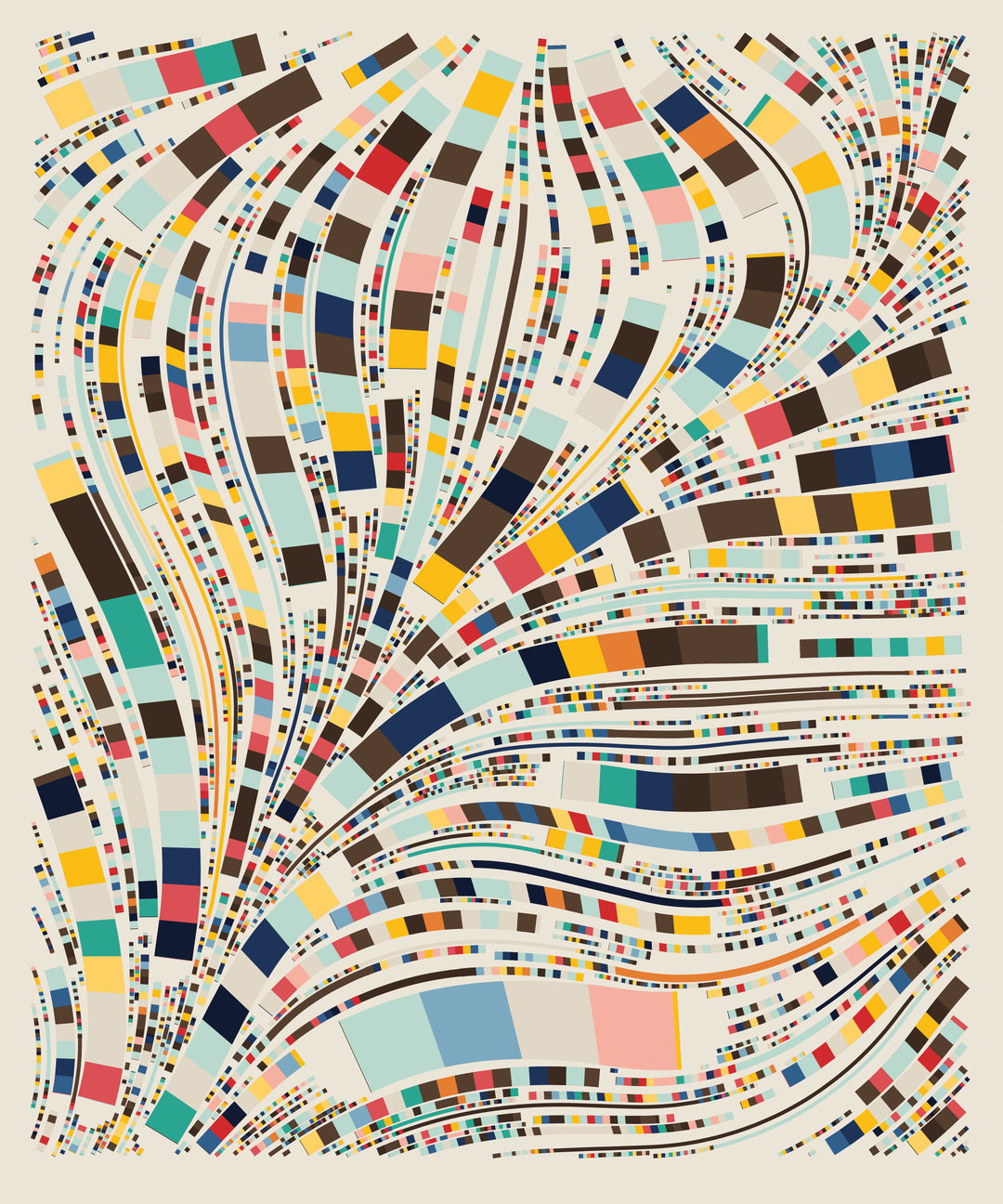
Tyler Hobbs: Fidenza (Copyright © Tyler Hobbs, 2021)
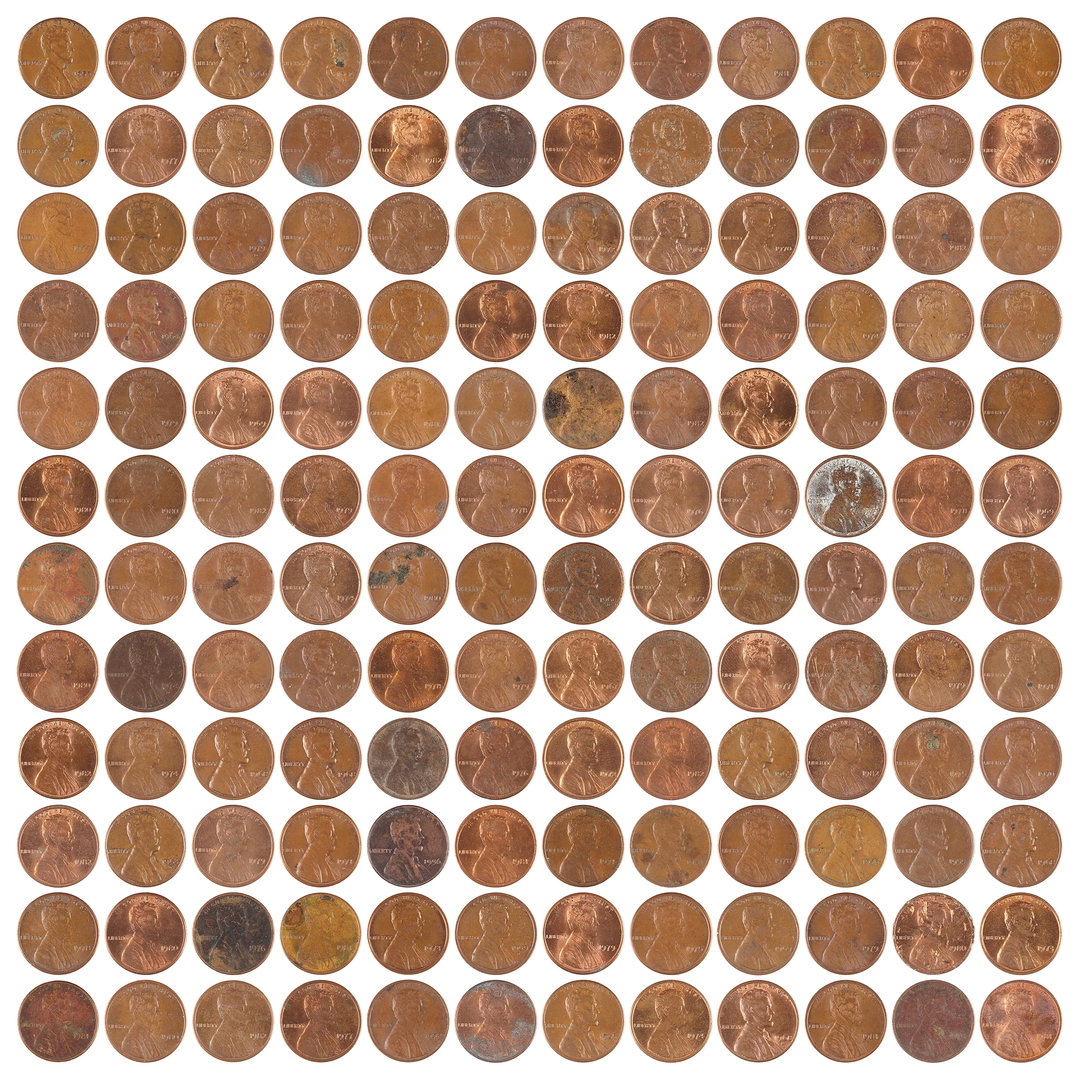
Rutherford Chang: CENTS (Copyright © Rutherford Chang, 2024)
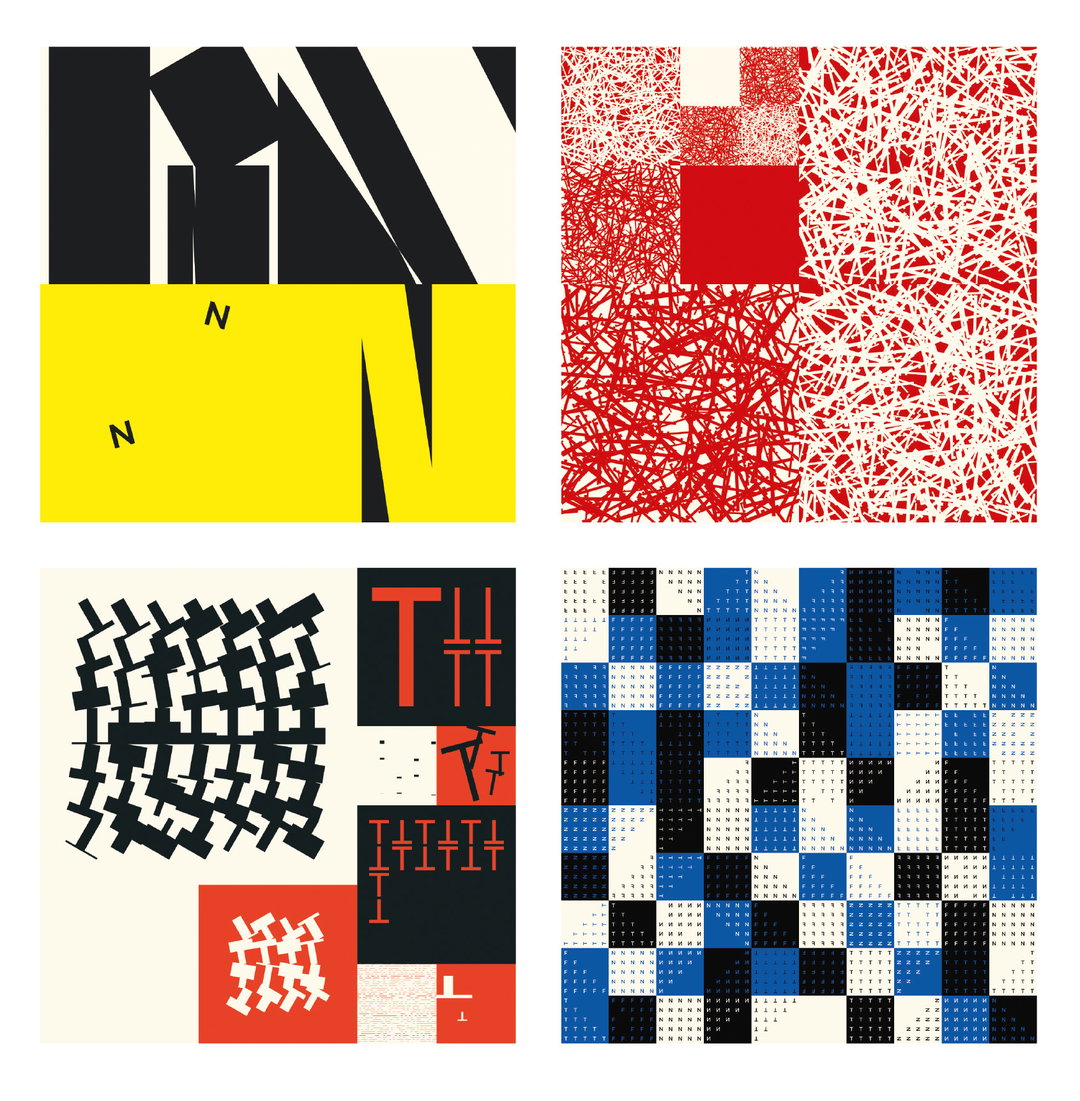
Vera Molnár: Themes and Variations (Copyright © Vera Molnár, 2023)
Hero Header
Zancan: Lushtemples (Ever Uncaged) (Copyright © Zancan, 2021)
Share Article
Further Info
About the Author
—
Paul M (He/Him) is a Junior Writer at It’s Nice That since May 2025. He has a strong interest in graphic design, digital kitsch, multimedia painting, collage, nostalgia, analogue technology and all matters of strange stuff. pcm@itsnicethat.com
To submit your work to be featured on the site, see our Submissions Guide.