


Visual communication that challenges convention: Phantasia on how graphic design can forge true collaboration
This Barcelona-based design studio has been chasing conscious projects that form meaningful connections.
Malva Sawada, Edu Piracés and Laura Santarelli all crossed paths whilst working at the same design studio in Barcelona. Over time, their shared tastes, styles and values all merged into one mixing pot: Phantasia, a branding and design studio entirely of their own. The group of creatives decided to take the leap and go solo in 2021 in order to “have more experimentation with projects, and to be able to make conscious decisions about how we work and who we collaborate with”, says Laura.
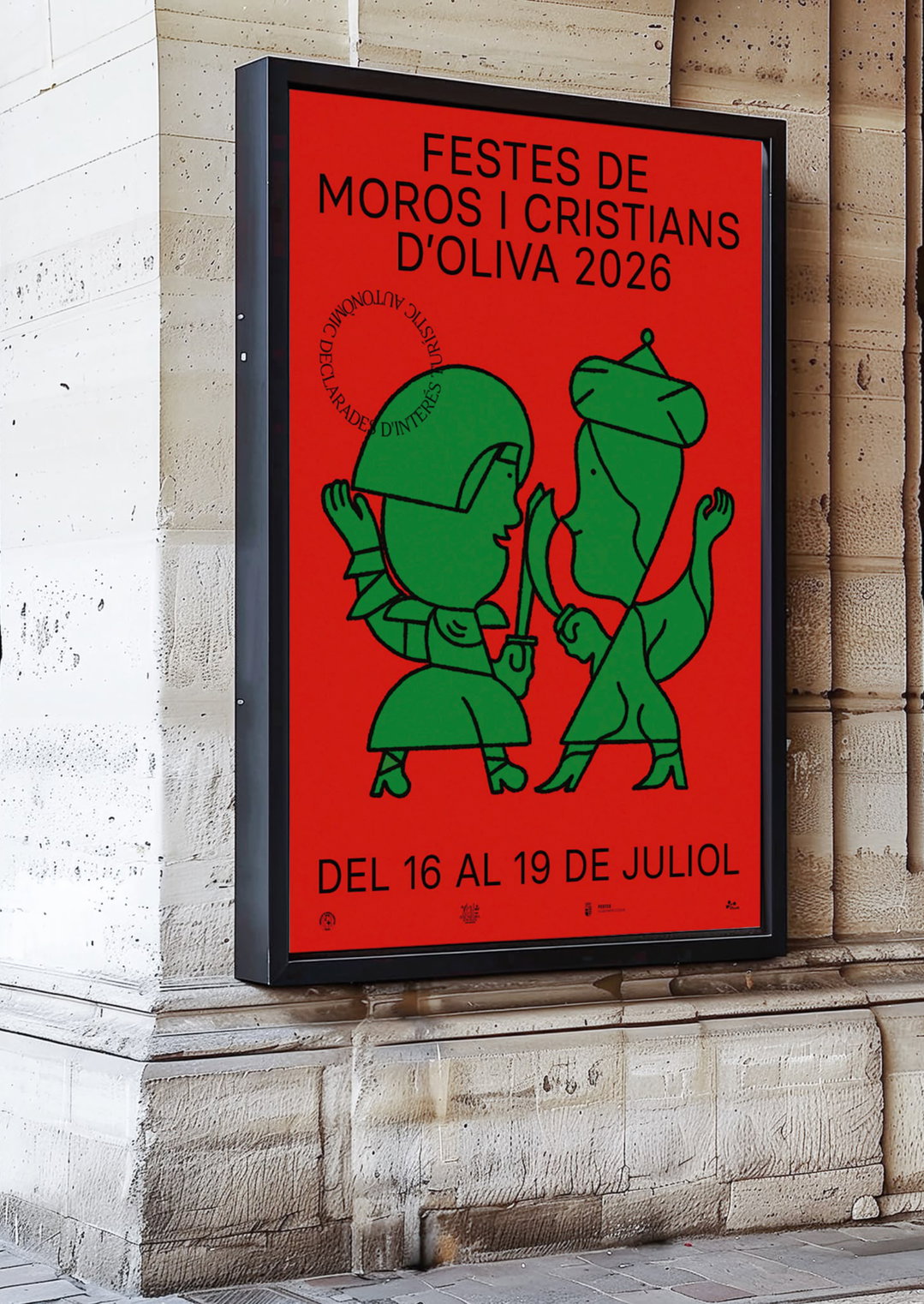
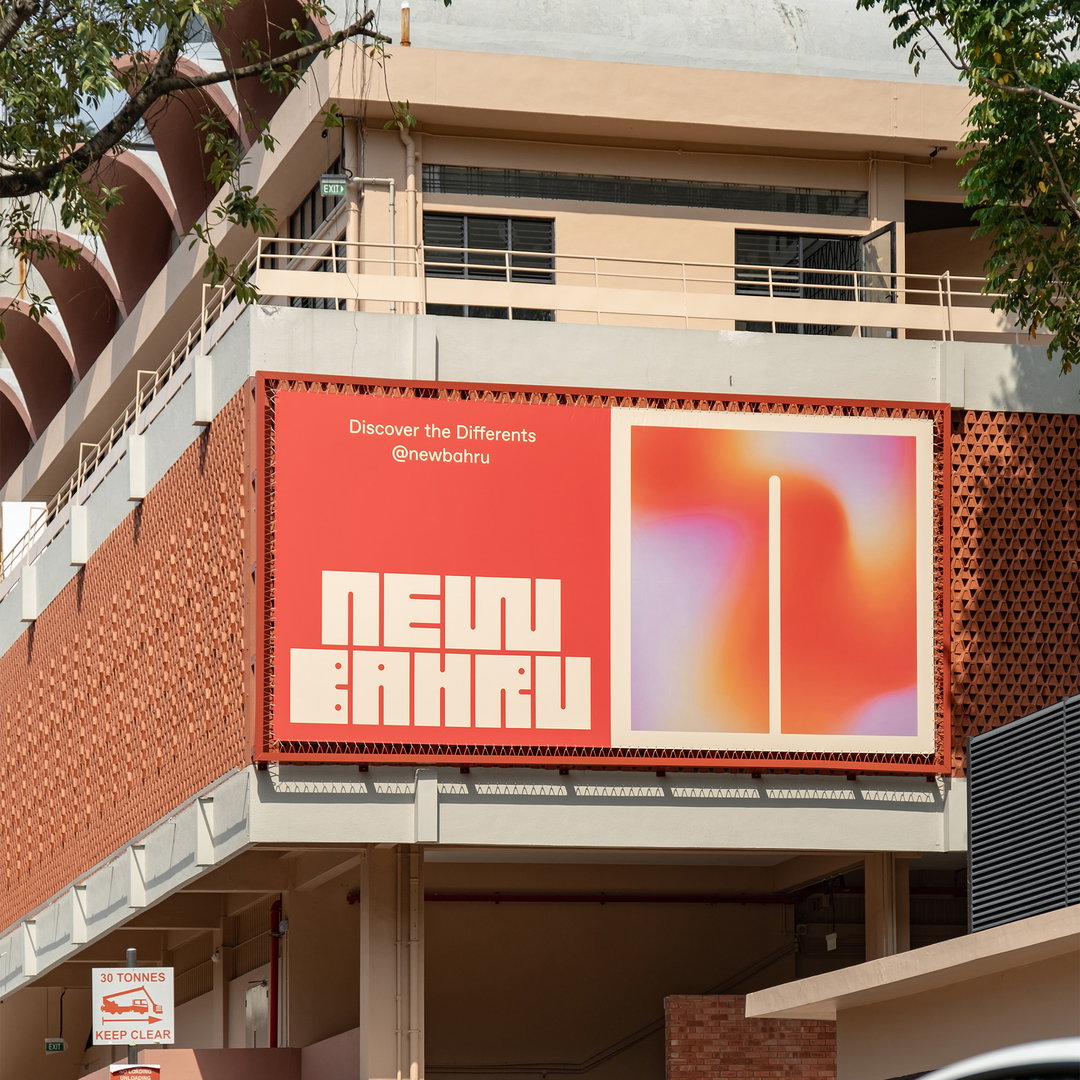
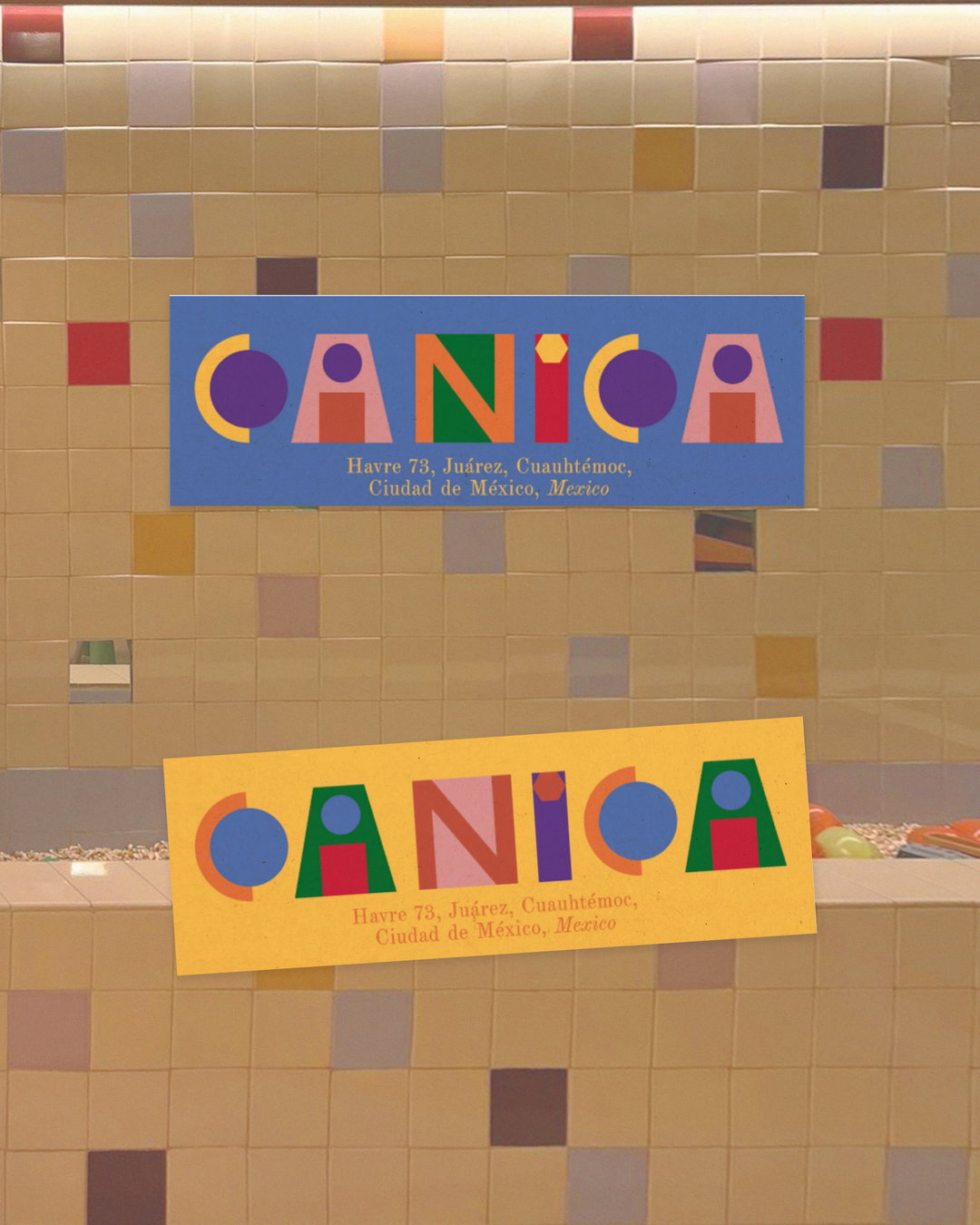
This sense of agency and intention has shaped a number of impressive projects at Phantasia over the past five years – collaborations that have left space for in-depth research and welcomed critical reflection on their position as designers. The studio has worked across a number of fields in this time: art, culture, fashion, lifestyle, architecture and more, but its focus has continuously been on how design can be of service to communities and collaborators. “We care deeply about diversity, inclusivity, and representation. Part of our practice is asking ourselves how we can make communication more accessible, focusing on how to reflect dialogue and collaboration or treat subjects like empathy in our outputs,” shares Malva.
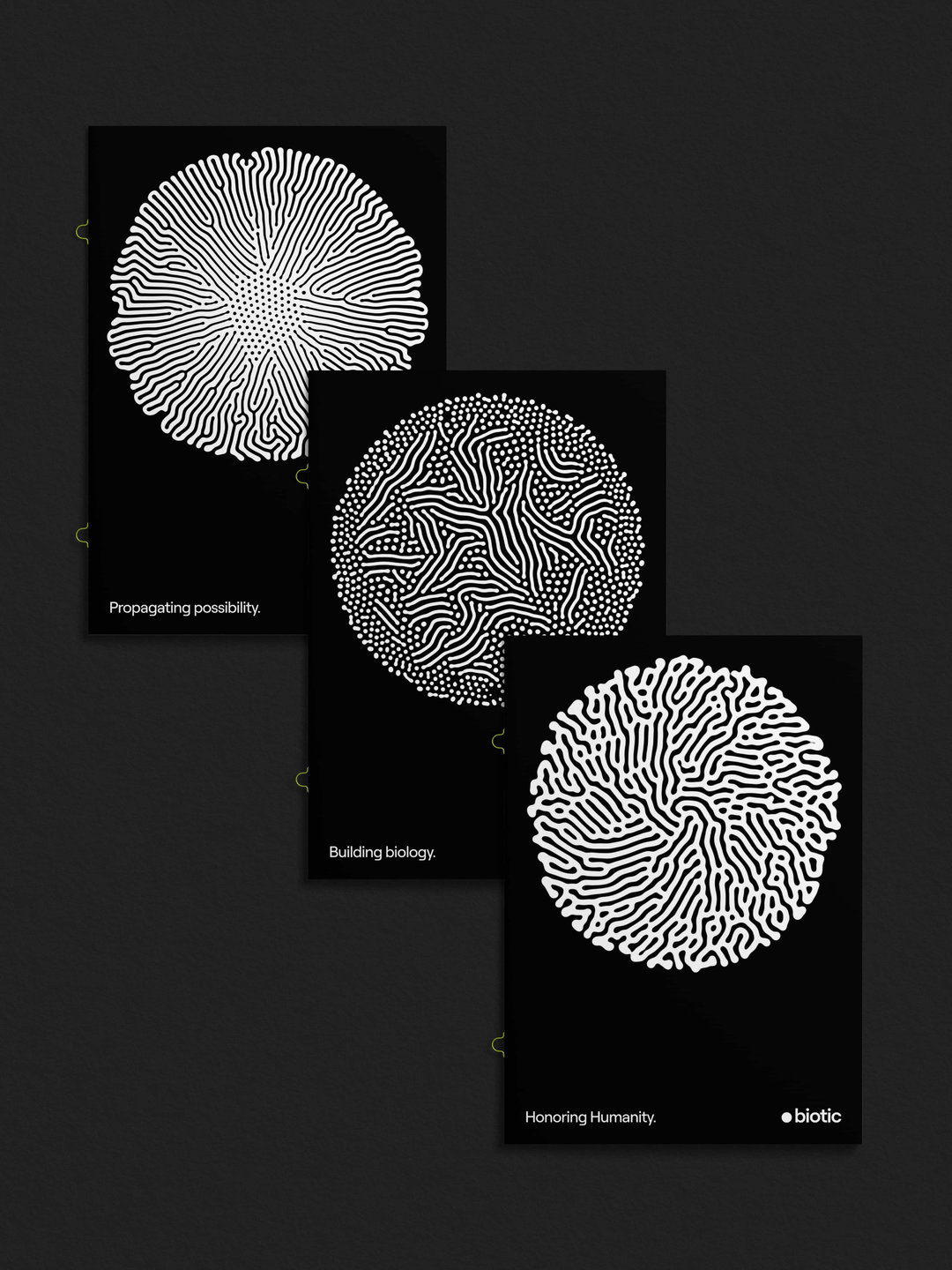
At Phantasia, the team often seek out projects that allow them to think a little differently about design and tackle meaningful causes with their bold visual style. Its campaign for Barcelona pride covered all corners of the city in 2024, and a recent identity for Fabulating Landscapes – a show at Museu Habitat in Barcelona – the team designed a mouldable logo of fluid letterforms to reflect the exhibitions challenging of the museum’s colonial legacy.
It came as no surprise that the most inspiring creative references for co-founders Malva, Edu and Laura are the people and projects that challenge the conventions of communication design altogether. Edu lists: “Irma Boom for her radical approach to books, Enzo Mari and Otl Aicher for their clarity and systems, designer Bea Feitler as one of the first female art directors to co‑create a feminist magazine and use art direction to carry a cultural and social message, and lastly Rei Kawakubo, who transformed how fashion brands communicate.”

Phantasia: Rol Department (Copyright © Phantasia, 2025)
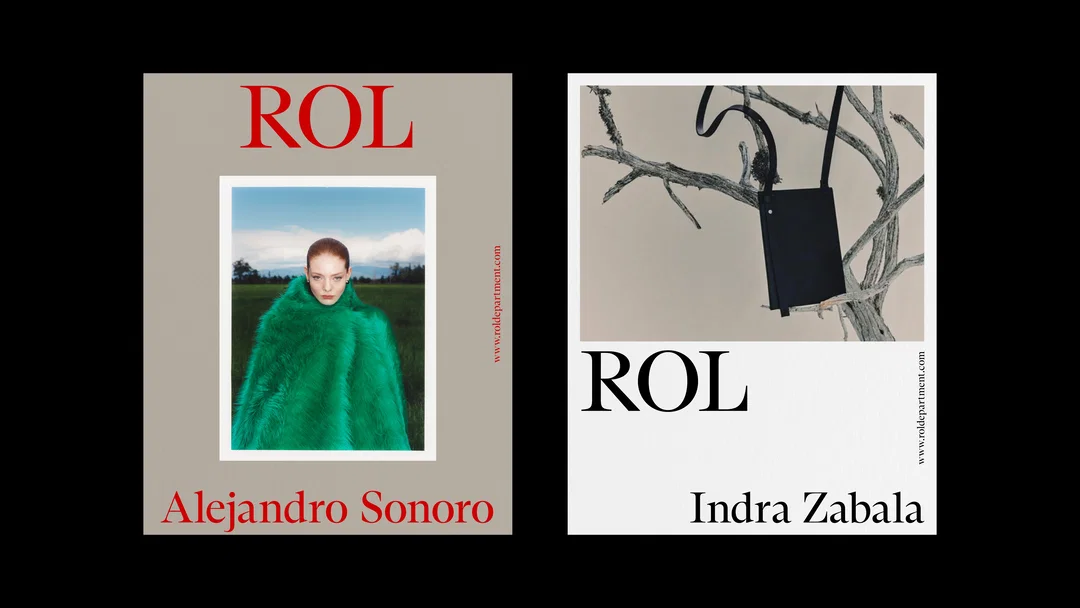
Phantasia: Rol Department (Copyright © Phantasia, 2025)
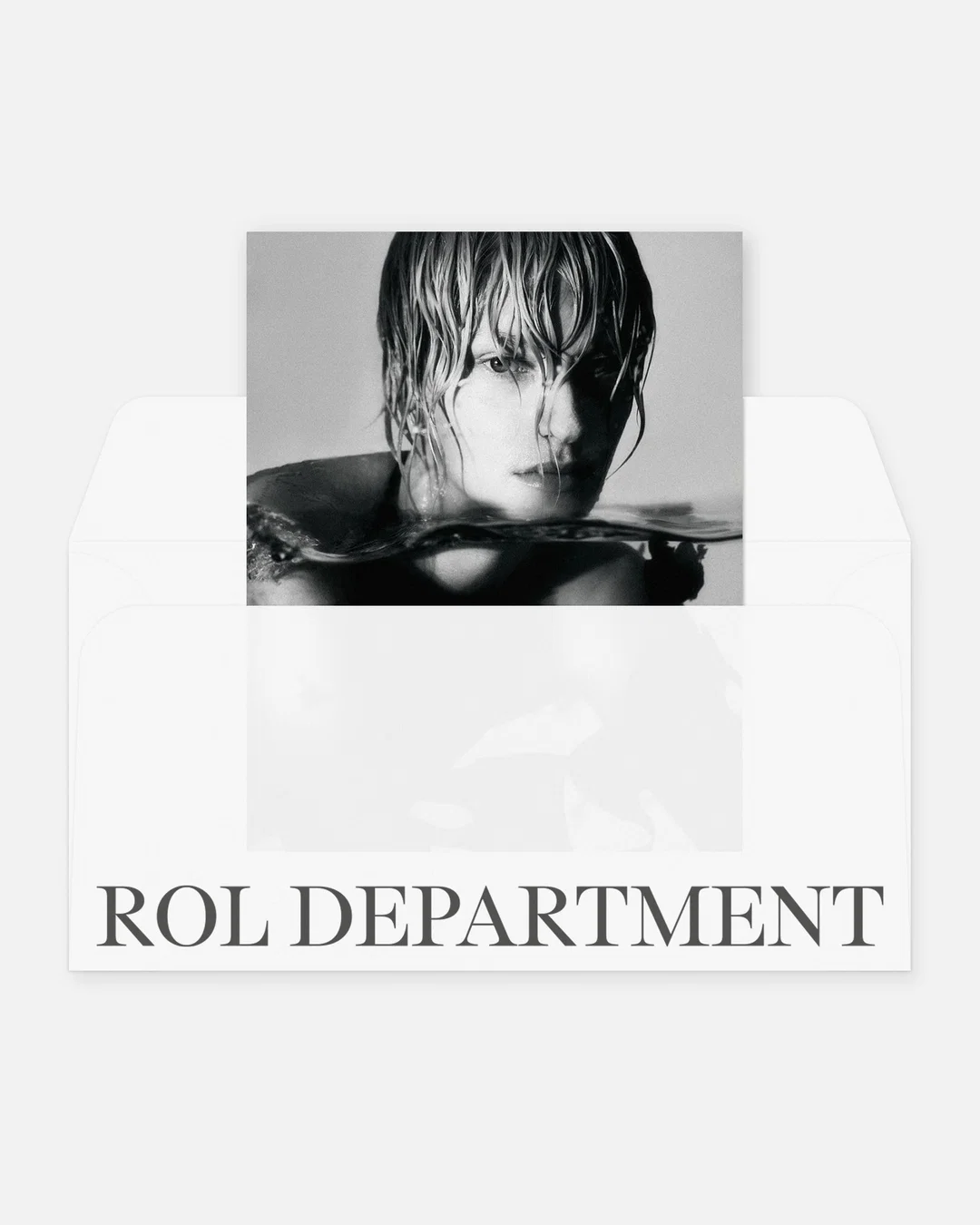
Phantasia: Rol Department (Copyright © Phantasia, 2025)
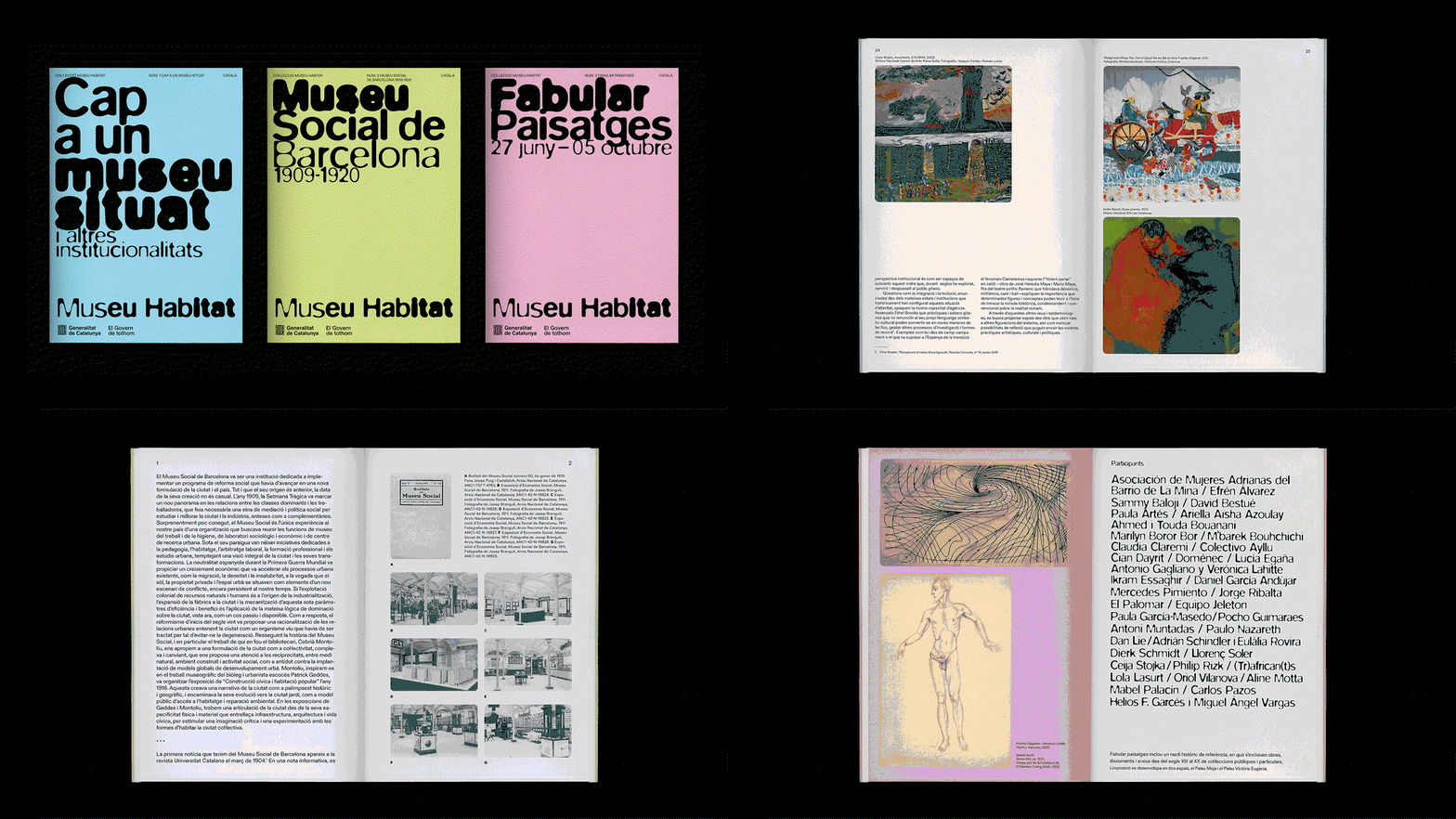
Phantasia: Museu Habitat (Copyright © Phantasia, 2024)

Phantasia: Museu Habitat (Copyright © Phantasia, 2024)
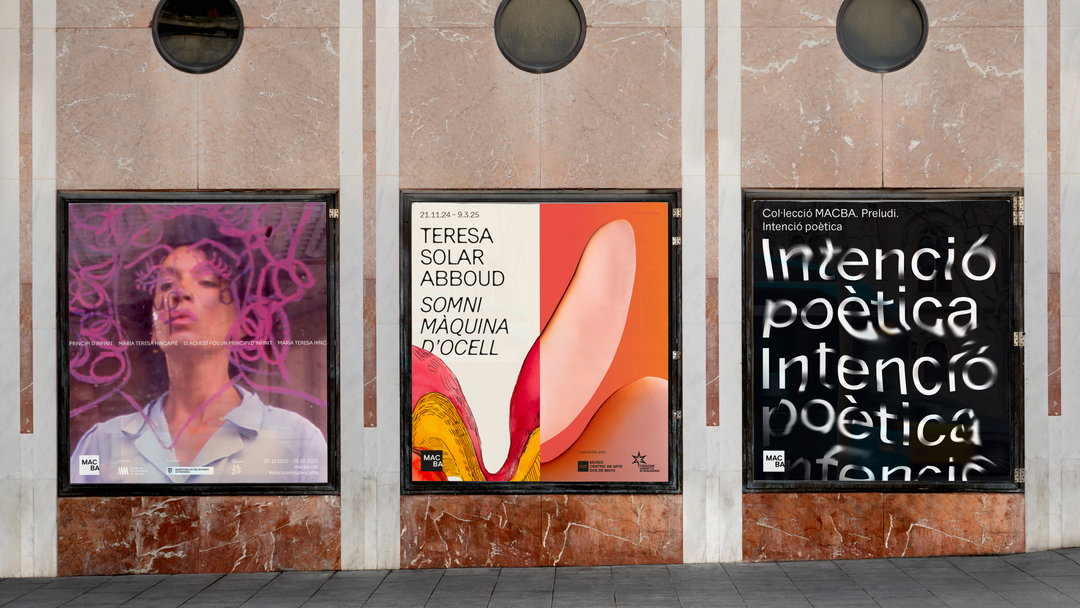
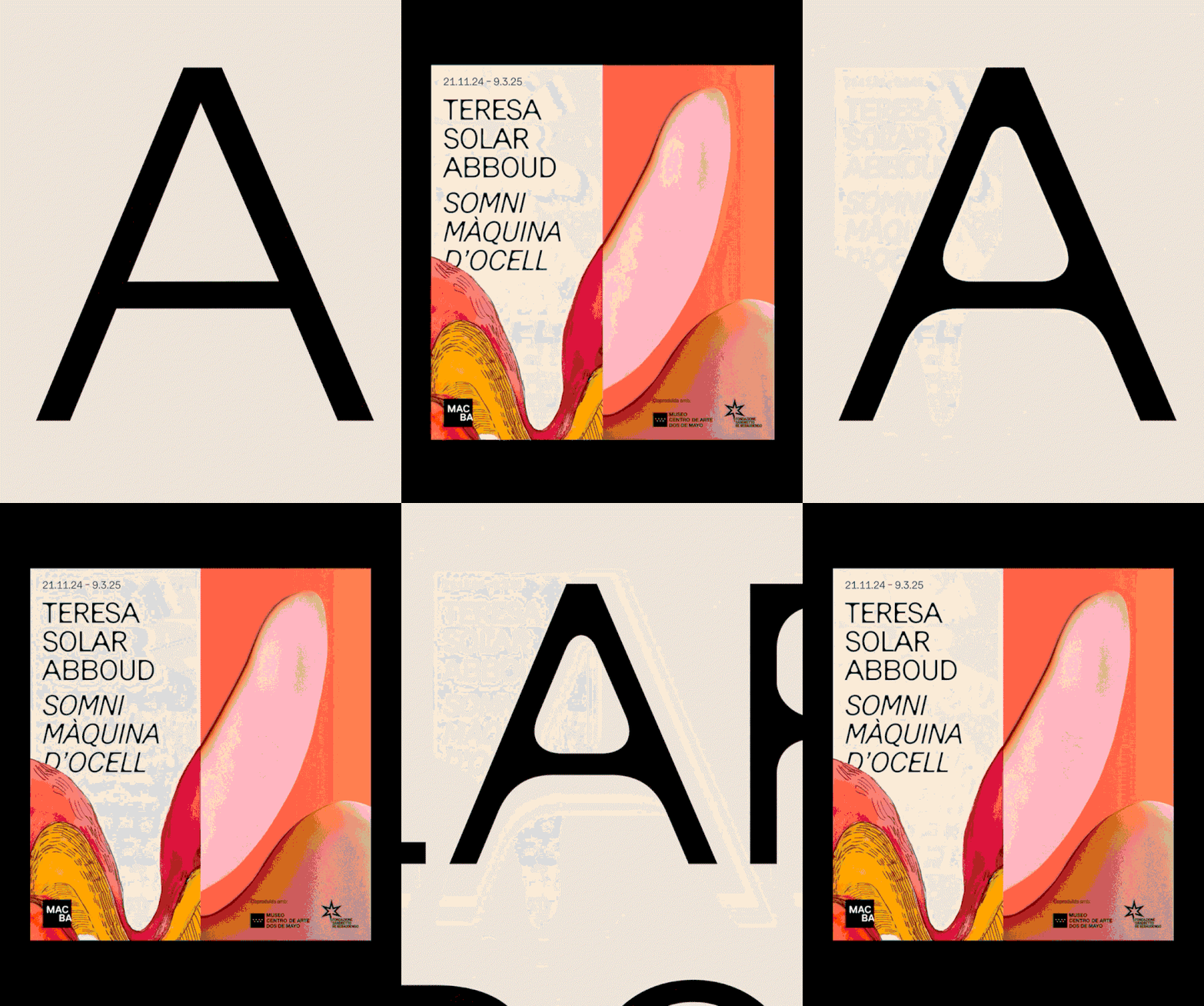
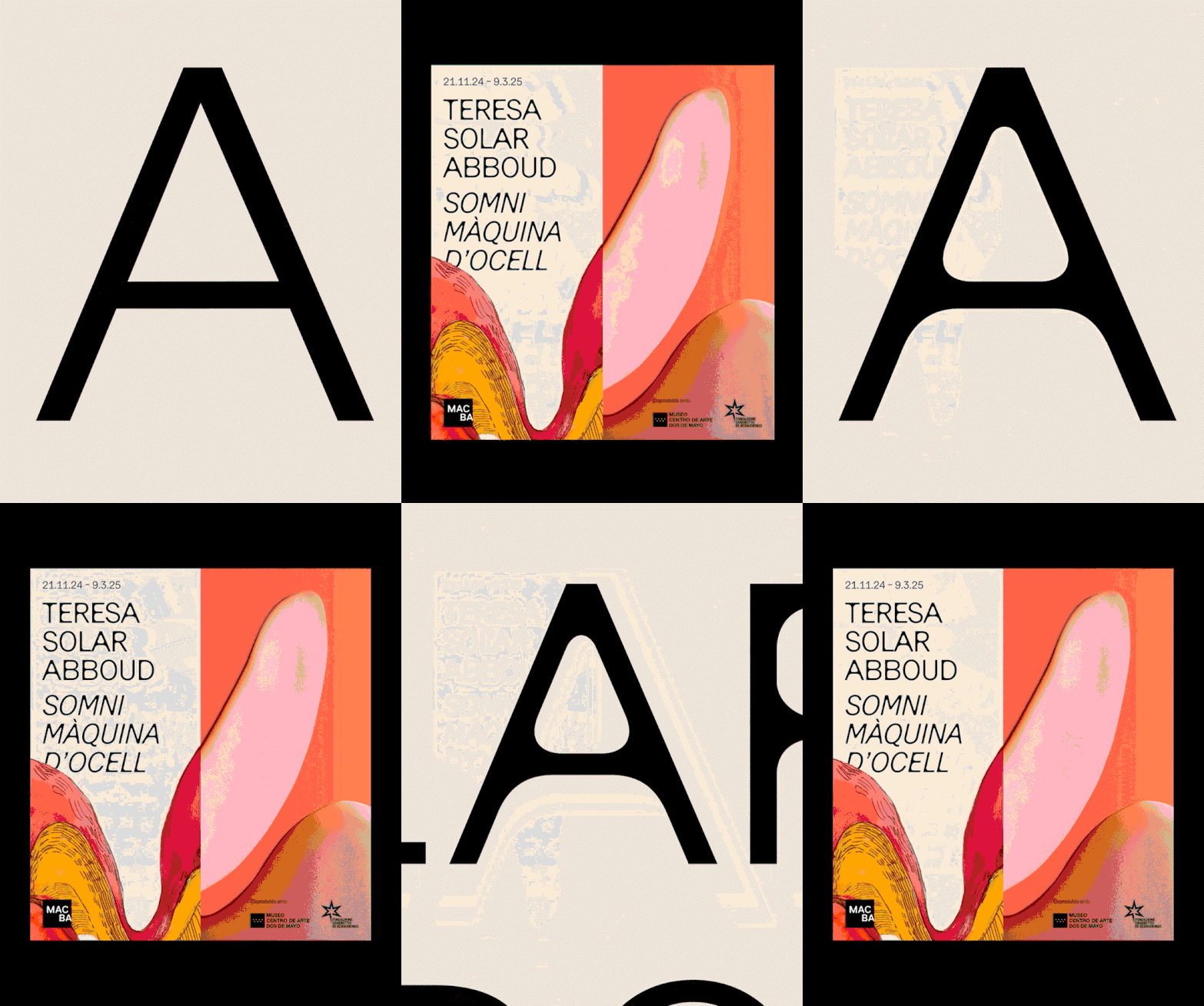
Phantasia: MACBA – Teresa Solar (Copyright © Phantasia, 2025)
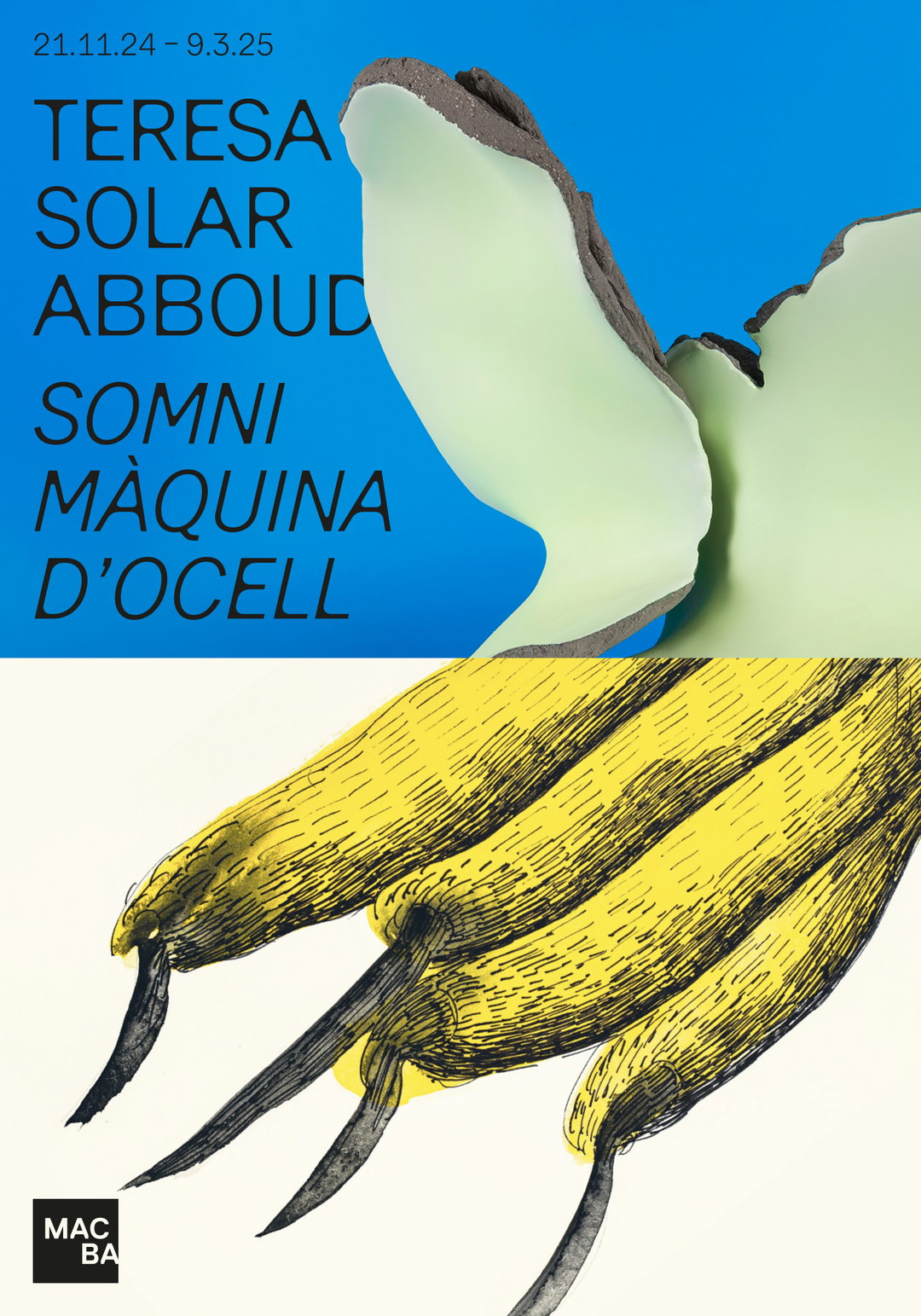
Phantasia: MACBA – Teresa Solar (Copyright © Phantasia, 2025)
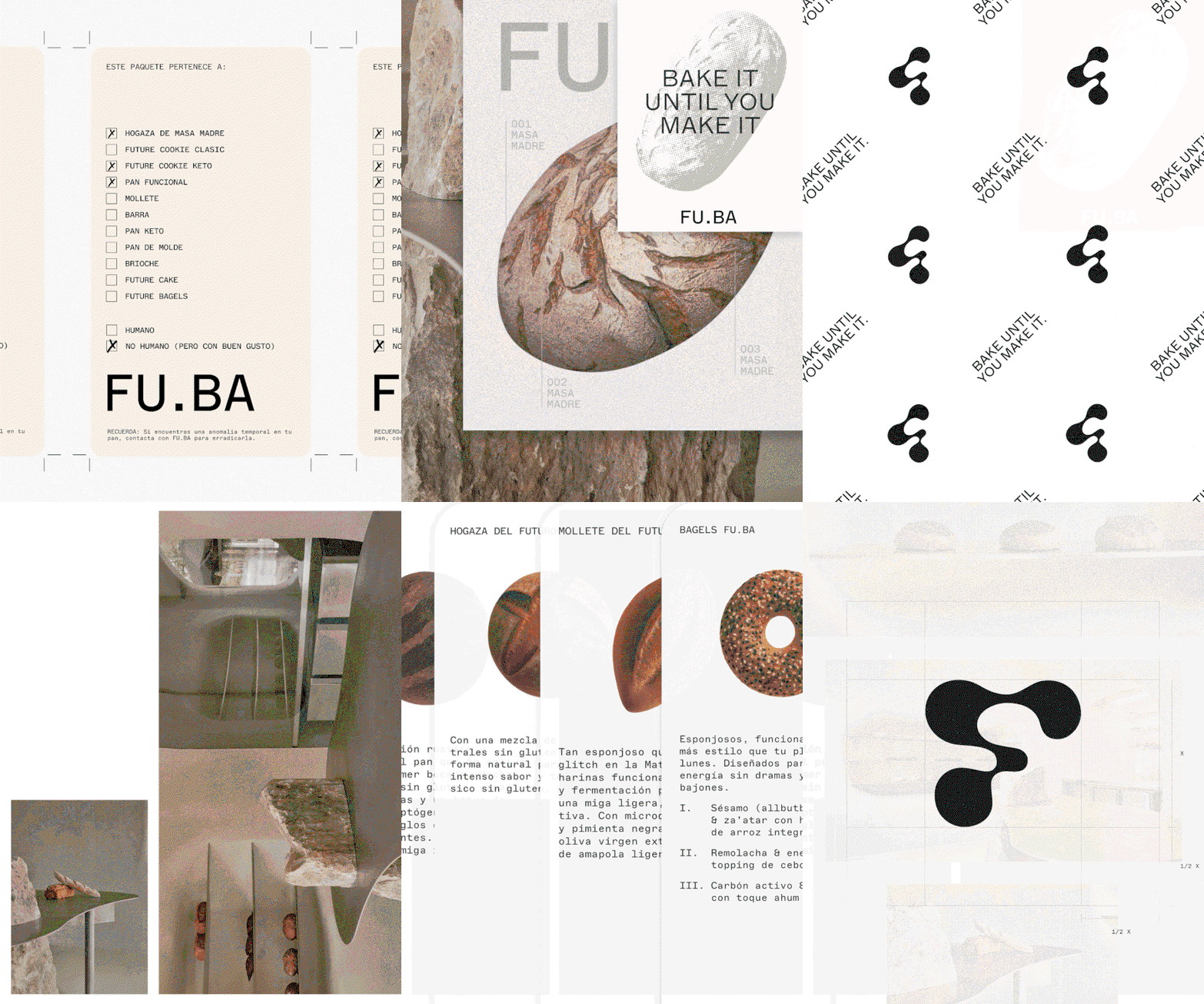
Phantasia: FU.BA (Copyright © Phantasia, 2025)
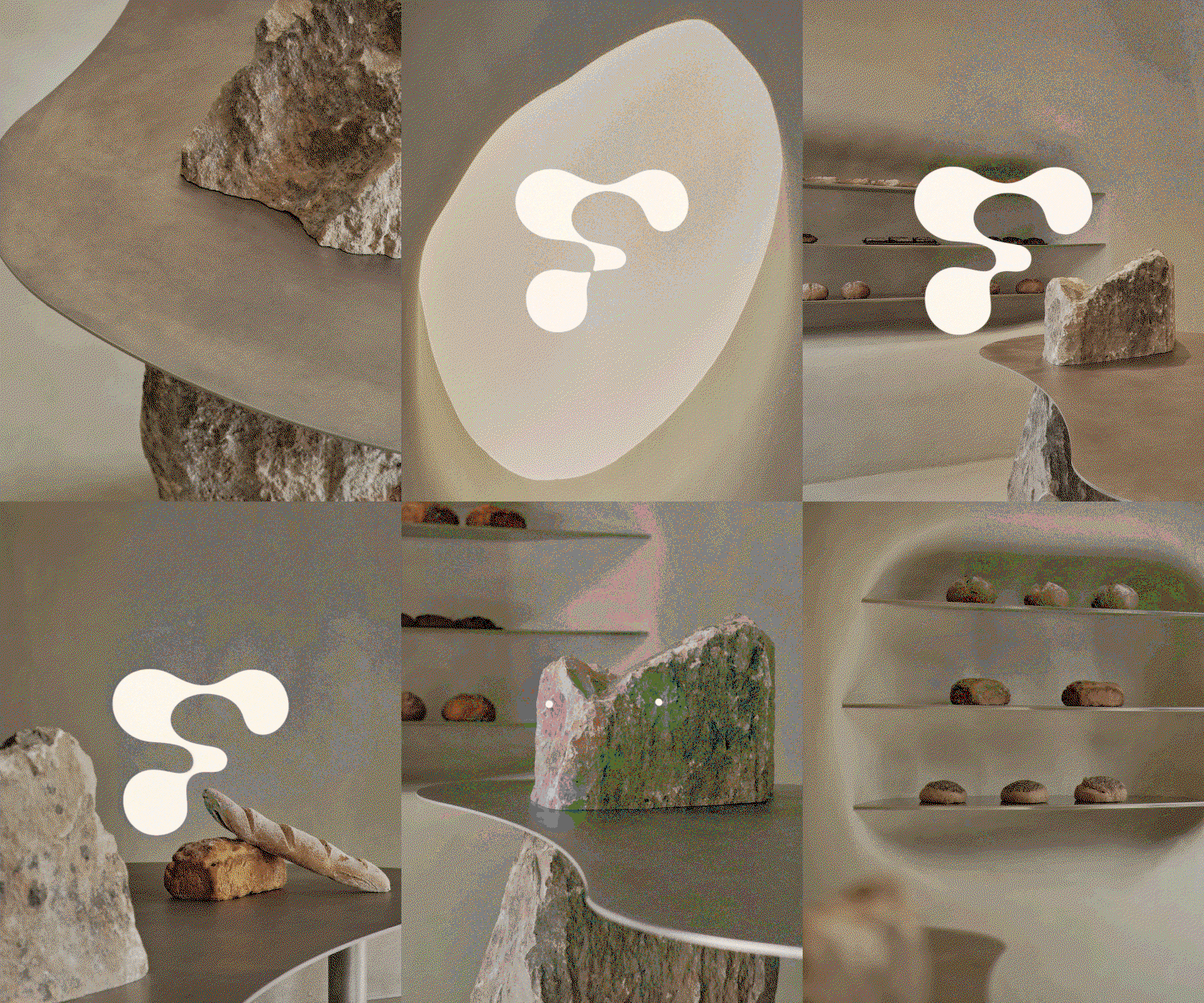
Phantasia: FU.BA (Copyright © Phantasia, 2025)
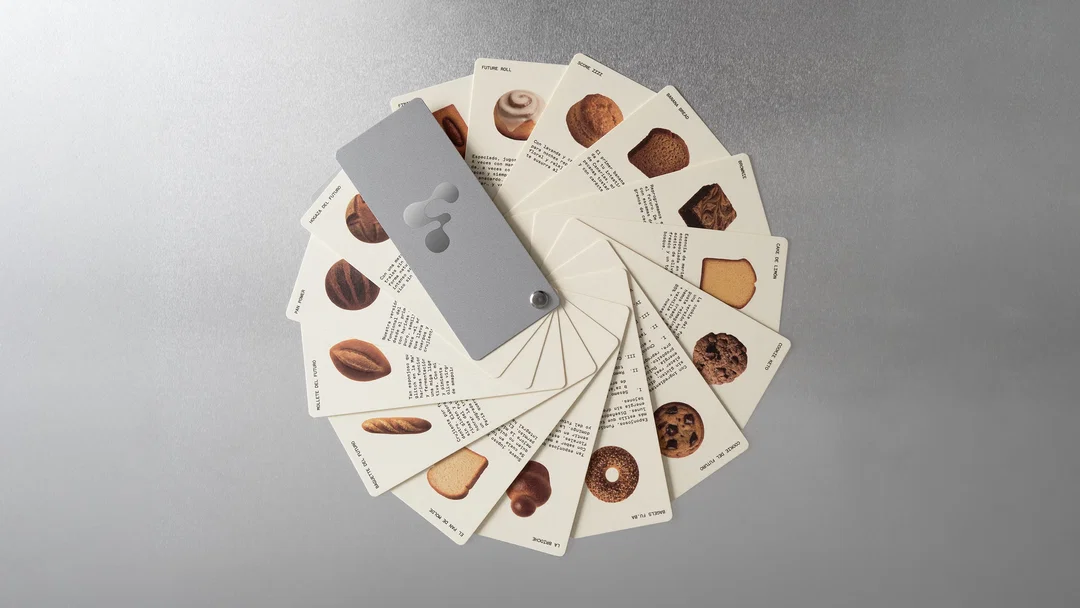
Phantasia: FU.BA (Copyright © Phantasia, 2025)
Hero Header
Phantasia: MACBA – Teresa Solar (Copyright © Phantasia, 2025)
Share Article
About the Author
—
Ellis Tree (she/her) is a staff writer at It’s Nice That. She joined as a junior writer in April 2024 after graduating from Kingston School of Art with a degree in Graphic Design. Across her research, writing and visual work she has a particular interest in printmaking, self-publishing and expanded approaches to photography. ert@itsnicethat.com
To submit your work to be featured on the site, see our Submissions Guide.