Nishant Shukla’s meditative series documents the hermits who live in the Himalayas
The origins of Seeking Moksha reside in India, home to Nishant Shukla’s grandfather, a Hindu priest. In 2011 after visiting his gradfather, the photographer embarked on a pilgrimage to collect untainted holy water from the source of the Gangotri Glacier, the source of the Ganga River.
The journey was, for Nishant, a way to connect with a then very frail man who had long been a distant and mysterious presence in his life. “As a young boy the only time I remember interacting with my grandfather was either when he read my palm or when I sat next to him as he performed a ritual at the small temple in his home,” he recalls. “The importance of bringing water was to find a way to engage with him as he suffered memory and identity loss.”
A pilgrimage taken by many before him, the Himalayan landscape through which the 150km journey extends, holds deep personal significance for Nishant and his grandfather. “My grandfather had always wanted to visit the glacier as it was the place to which his brother once disappeared, becoming a hermit only to emerge a couple of years later,” he explains.
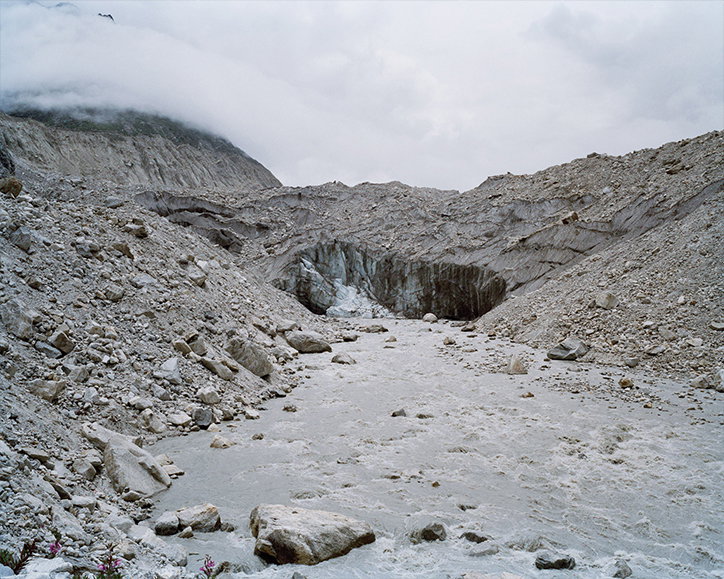
Nishant Shukla: Seeking Moshka
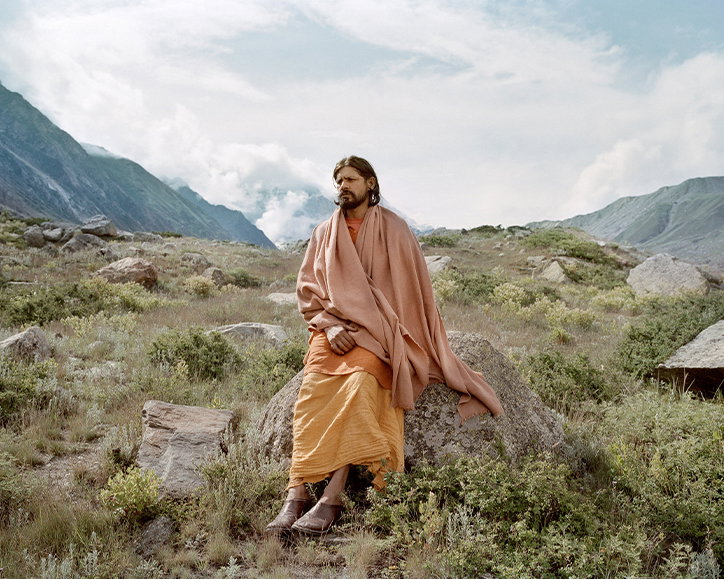
Leaving for the first time, and focused on the ties between himself, his grandfather and the sacred landscape, Nishant envisioned the project as form of introspection, self-reflection and closure. But as his journey progressed, this intention was eroded, sidelined by the individuals who lived along his route. “I had these unexpected encounters with the settlers on my walks – people who were living there in solitude and with a desire to make contact with God,” he recounts. “These encounters stayed with me and were the ones I was keen to revisit and explore.”
These men, hermits who had isolated themselves in search for spiritual elevation, became the project’s new focus. Initially intrigued by their choice to separate from society, what eventually interested Nishant the most were the paradoxes and illusions of their seemingly blissful existence. Despite living apparently idyllic lives these men seemed lost in the act of seeking and deeply troubled by their lack of contact with others. “I realised they were still just people like you and me, lost in the pursuit of their goals with absolute conviction,” he muses.
Back from his journey, Nishant’s thoughts returned to the men he’d met. “On my first visit I had certain conversations, invitations and offers by the hermits that I had encountered,” he recalls. “I didn’t really think I would return. That was never the plan.” But something was kept nagging at him: the thought of some offer, some conversation, some idea that needed exploring further. “My notes reminded me of the things I’d left there: the offer I had to come and live in a cave above the glacier or the promise that I could photograph someone’s bedroom if I came back again,” he says. “There were always more questions that needed answers and more experiences the needed to be had.”
Over the next five years, Nishant revisited the mountains multiple times, his meditative, solitary images capturing the tone of his encounters with these men and the spirit of place suffused with longing. Ultimately, by juxtaposing wide open landscapes with claustrophobic caves, the contrast in Seeking Moksha reinforces Nishant’s thesis: “these people seemed more lost than found in their search for transcendence, as perhaps I was too.”
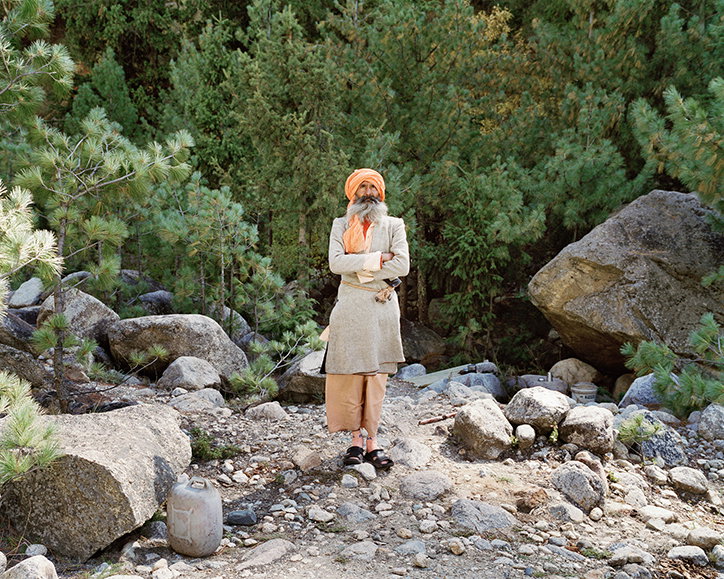
Nishant Shukla: Seeking Moshka
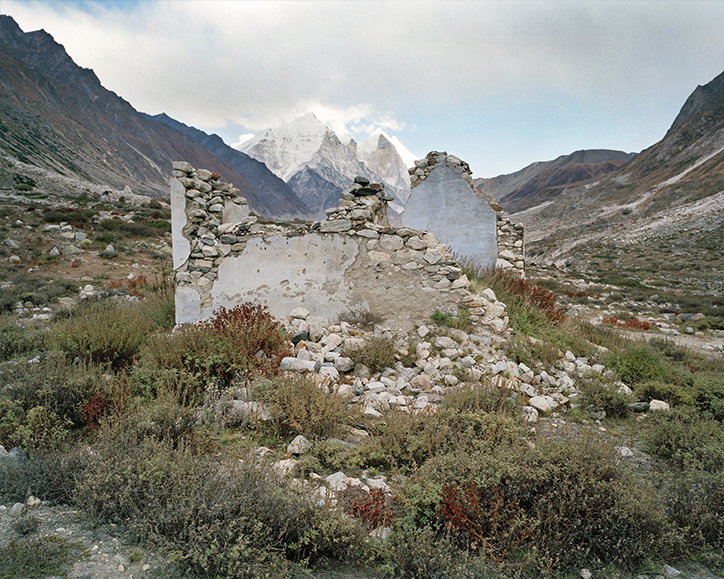
Nishant Shukla: Seeking Moshka
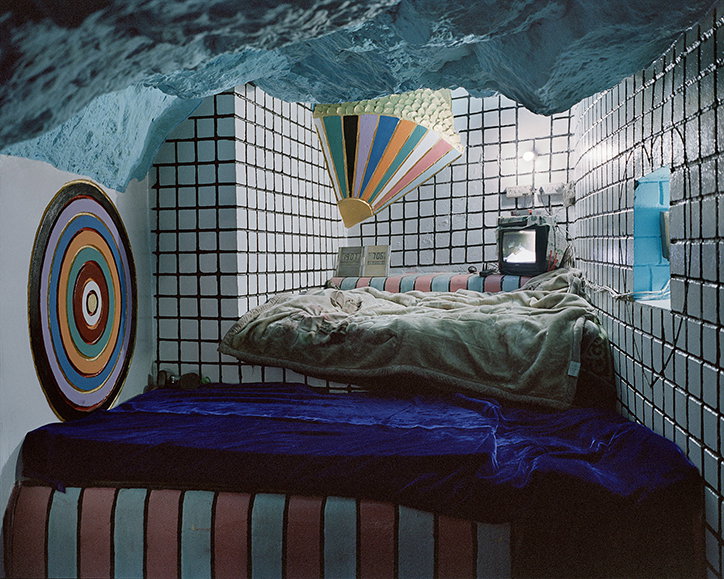
Nishant Shukla: Seeking Moshka
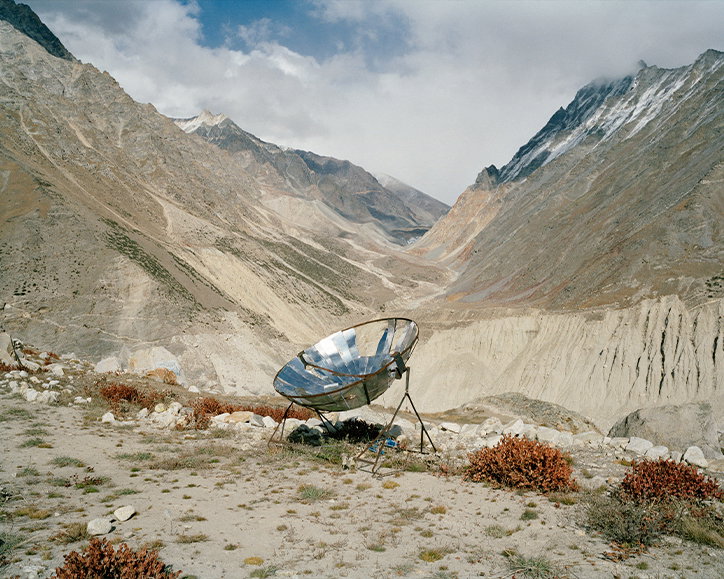
Nishant Shukla: Seeking Moshka
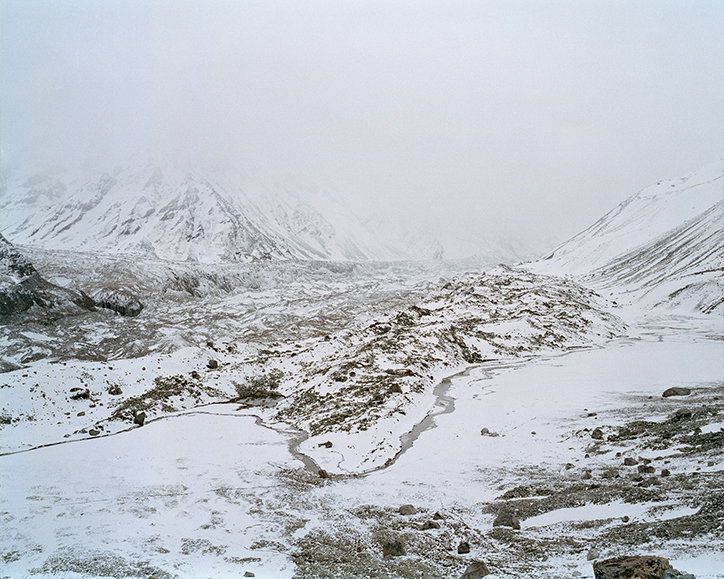
Nishant Shukla: Seeking Moshka
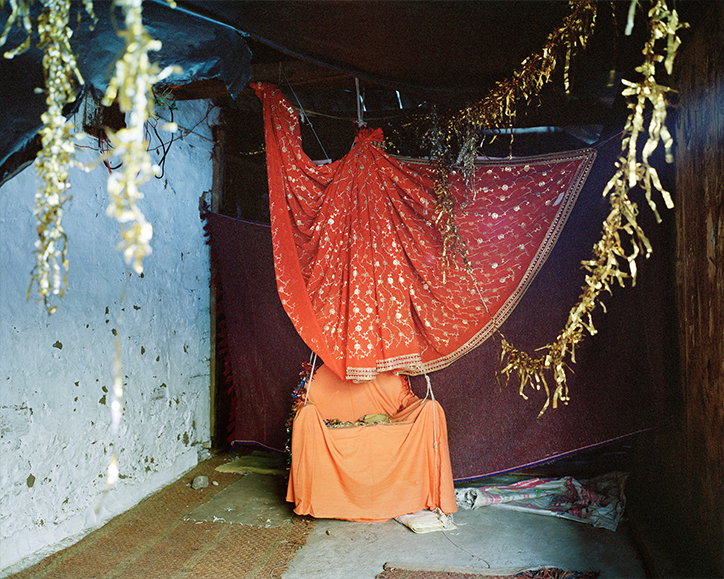
Nishant Shukla: Seeking Moshka
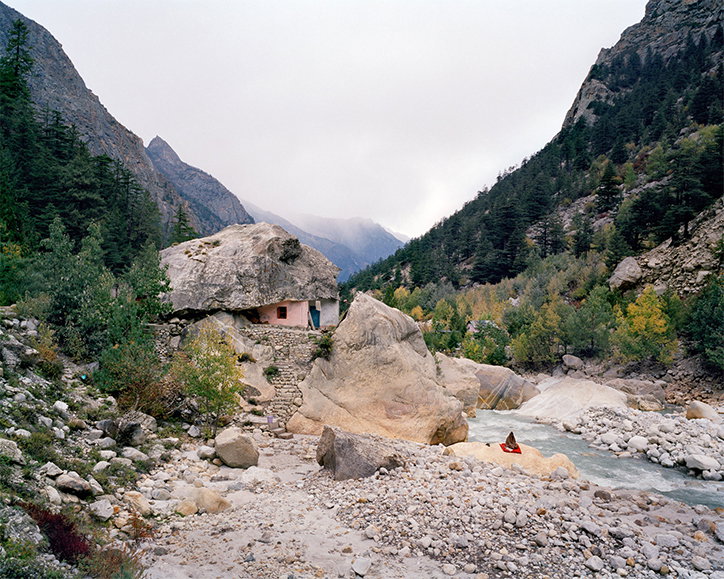
Nishant Shukla: Seeking Moshka
Share Article
Further Info
About the Author
—
Lorna Pittaway joined us in the summer of 2019 as an editorial assistant. She graduated from Edinburgh College of Art with a degree in graphic design and wrote stories for us on graphic design, film, art and everything in between.