This AI compass for “wandering” moves tech into gorpcore territory
Terra is making UI design feel “almost spiritual” with Hugo Bernier, an illustrator who couldn’t be further away from current tech aesthetics.
Share
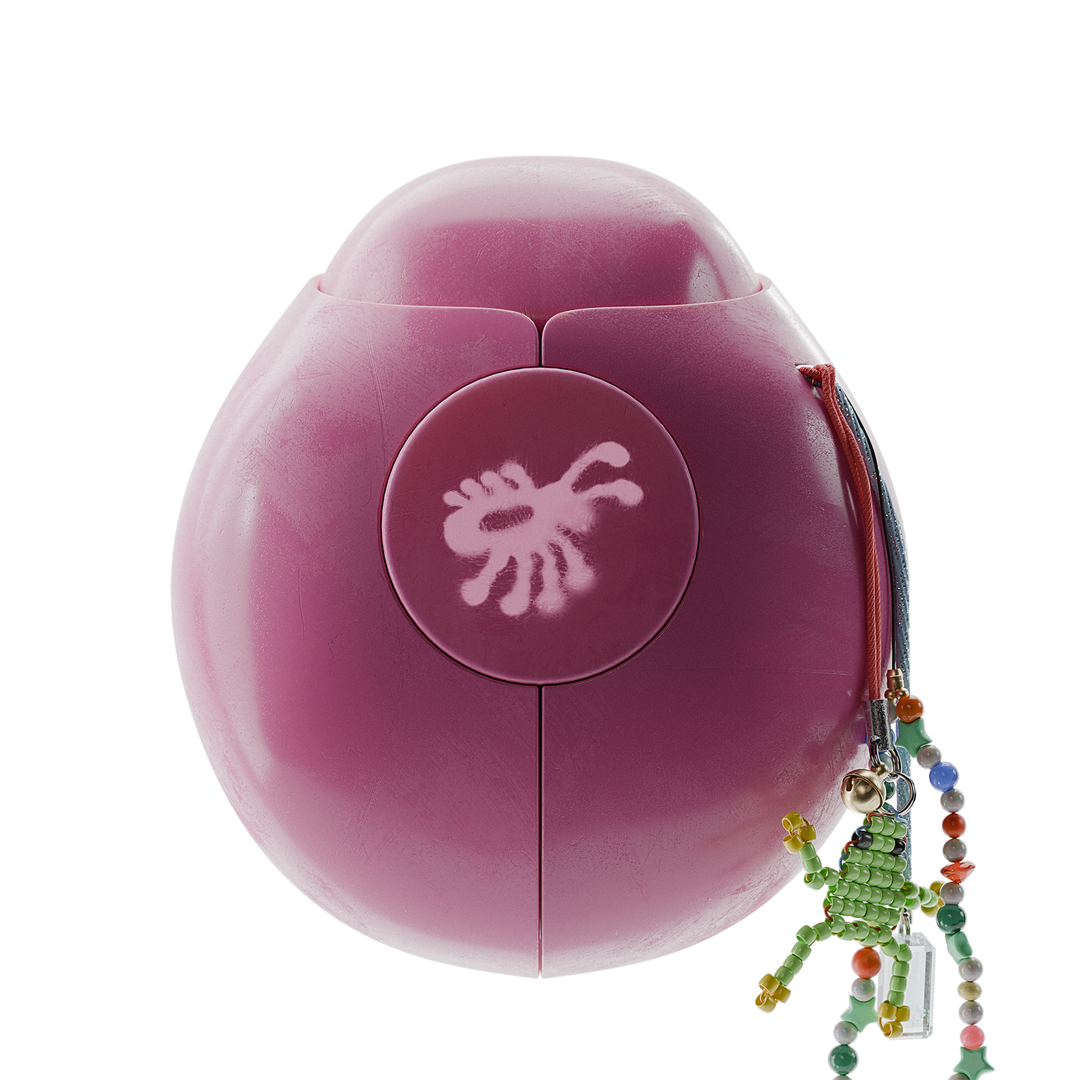
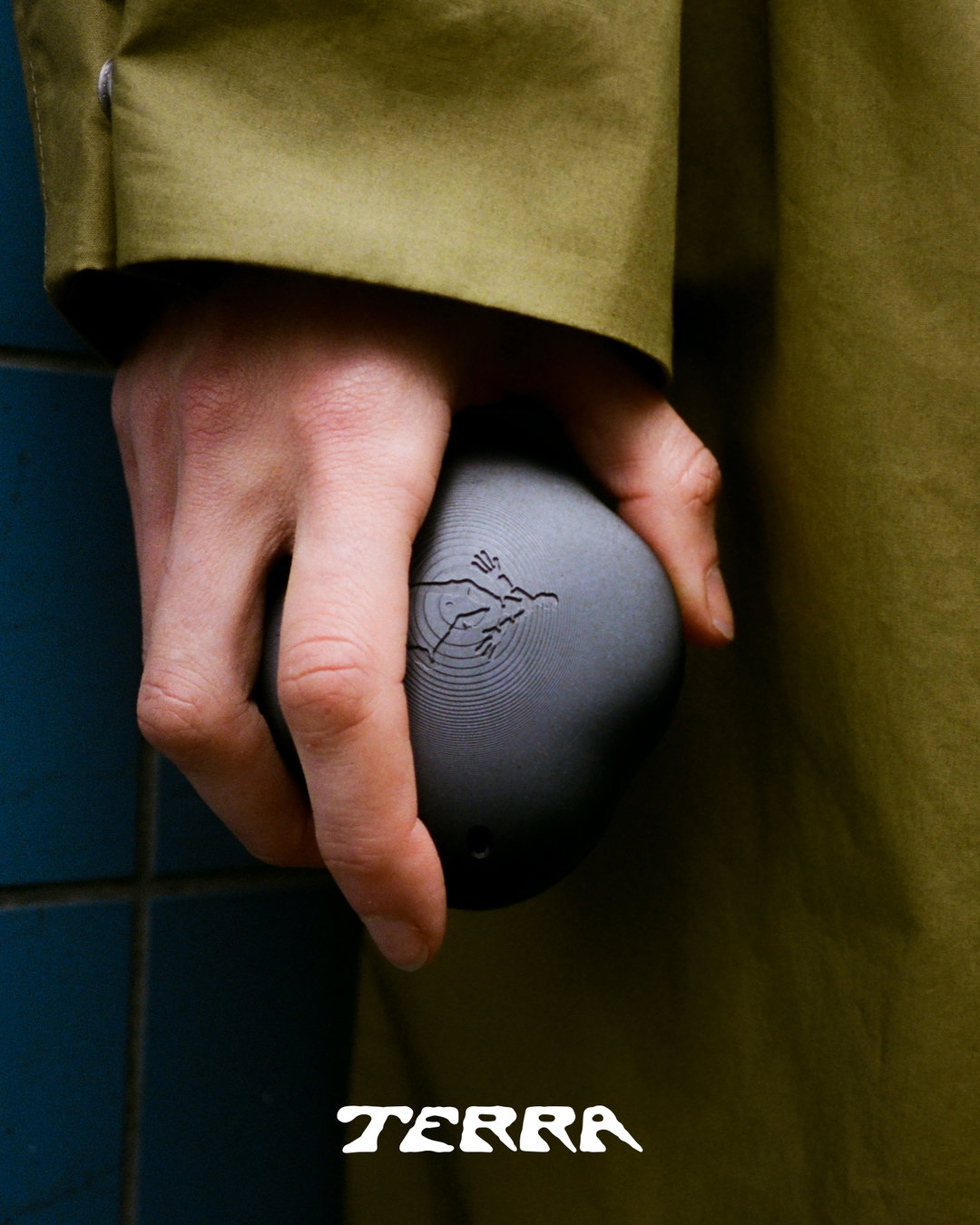
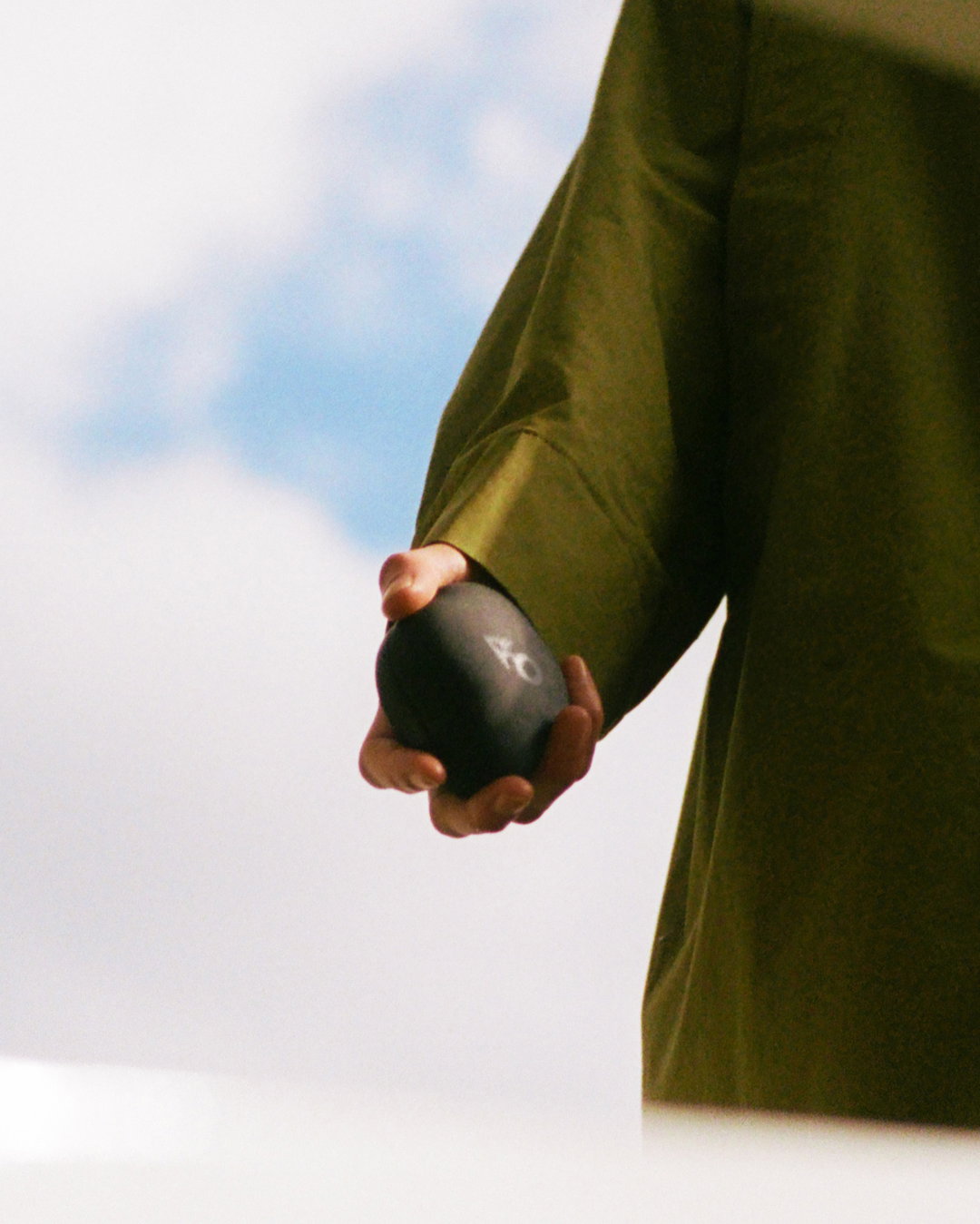
Terra looks more like a throwing stone than a navigation device. But that’s kind of the point for Modem and Panter&Tourron, the two design studios who have been pouring time into its creation of late. Unlike your smartphone, where one or more dedicated apps will map your route from A to B, accounting for traffic and mode of transport, Terra is a palm-sized compass that designs a “wandering” route, using AI to customise trails to such a degree that users can follow along without looking at their phone.
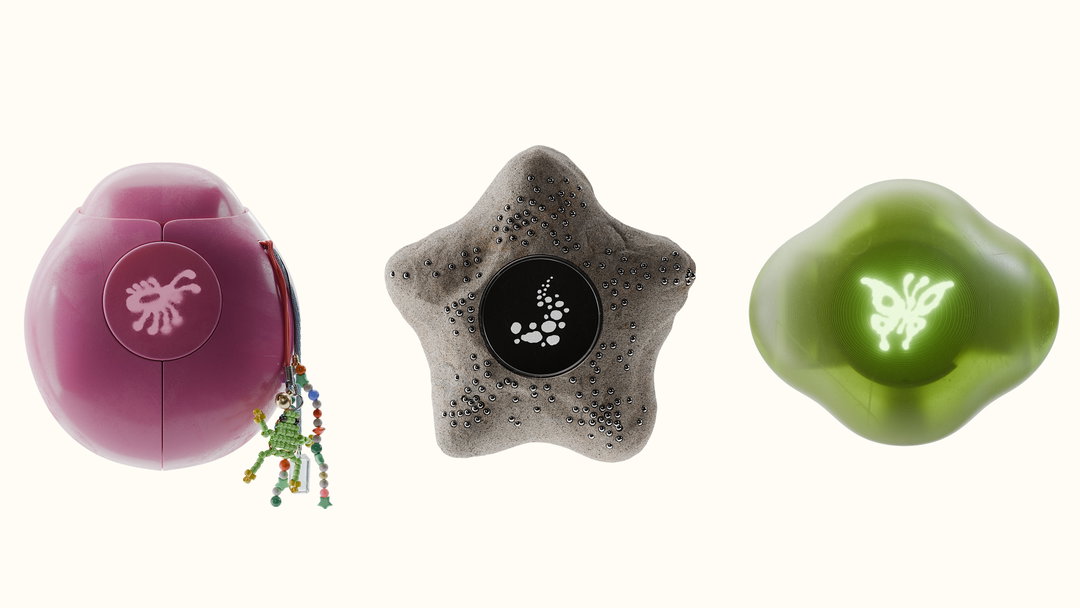
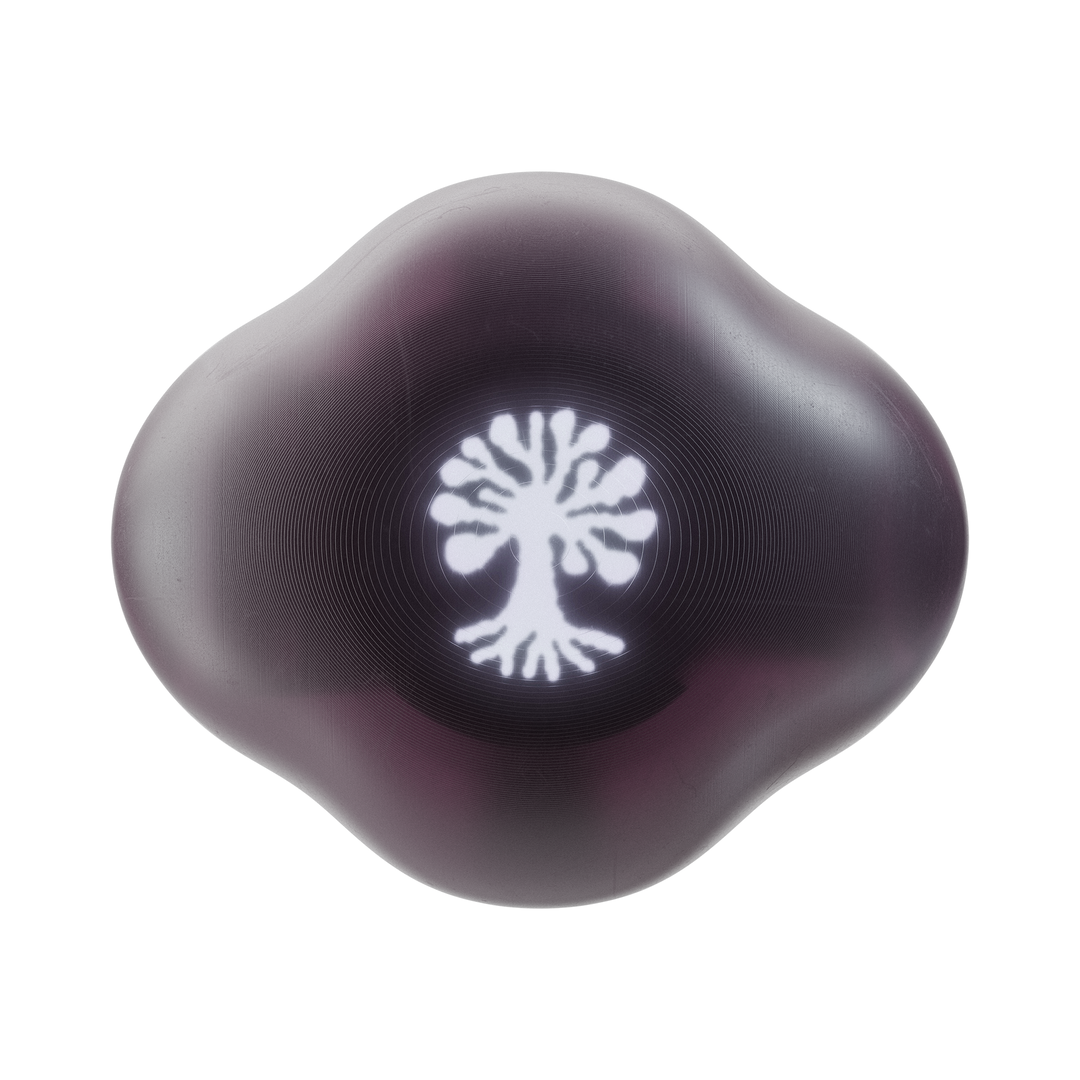
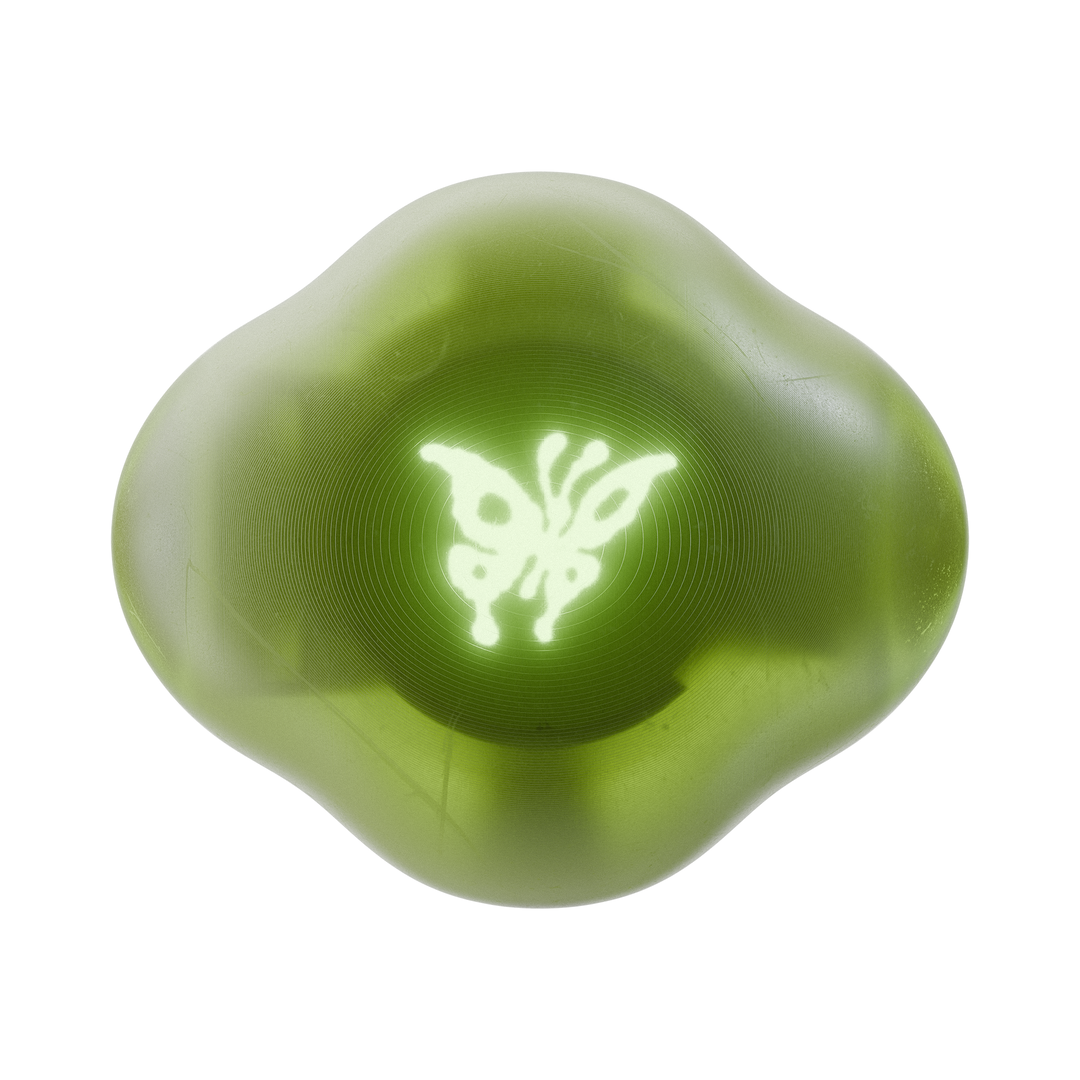
It’s also not real – or not a real purchasable product, we should say. Terra is actually an open-source software that anyone can download using the GitHub repository, by assembling hardware components and 3D printed the CAD files. Its designers have offered up the product for anyone to customise (the other Tamagotchi-looking colourways are there to give users an idea of the direction you can take the design in).
The designers behind Terra are Modem, who came up with the concept and vision, and Panter&Tourron, the industrial design. Both parties say the project came about from a desire “for a more mindful approach to our digital existence”, says Bas van de Poel, co-founder at Modem. “People urgently need mindful phone-free engagement with our environment.” AI helped the partners tackle “decision fatigue” by creating spontaneous trails with structure. Bas says the teams were inspired by the design principles of Enzo Mari and The Whole Earth Catalog to keep Terra open-source.
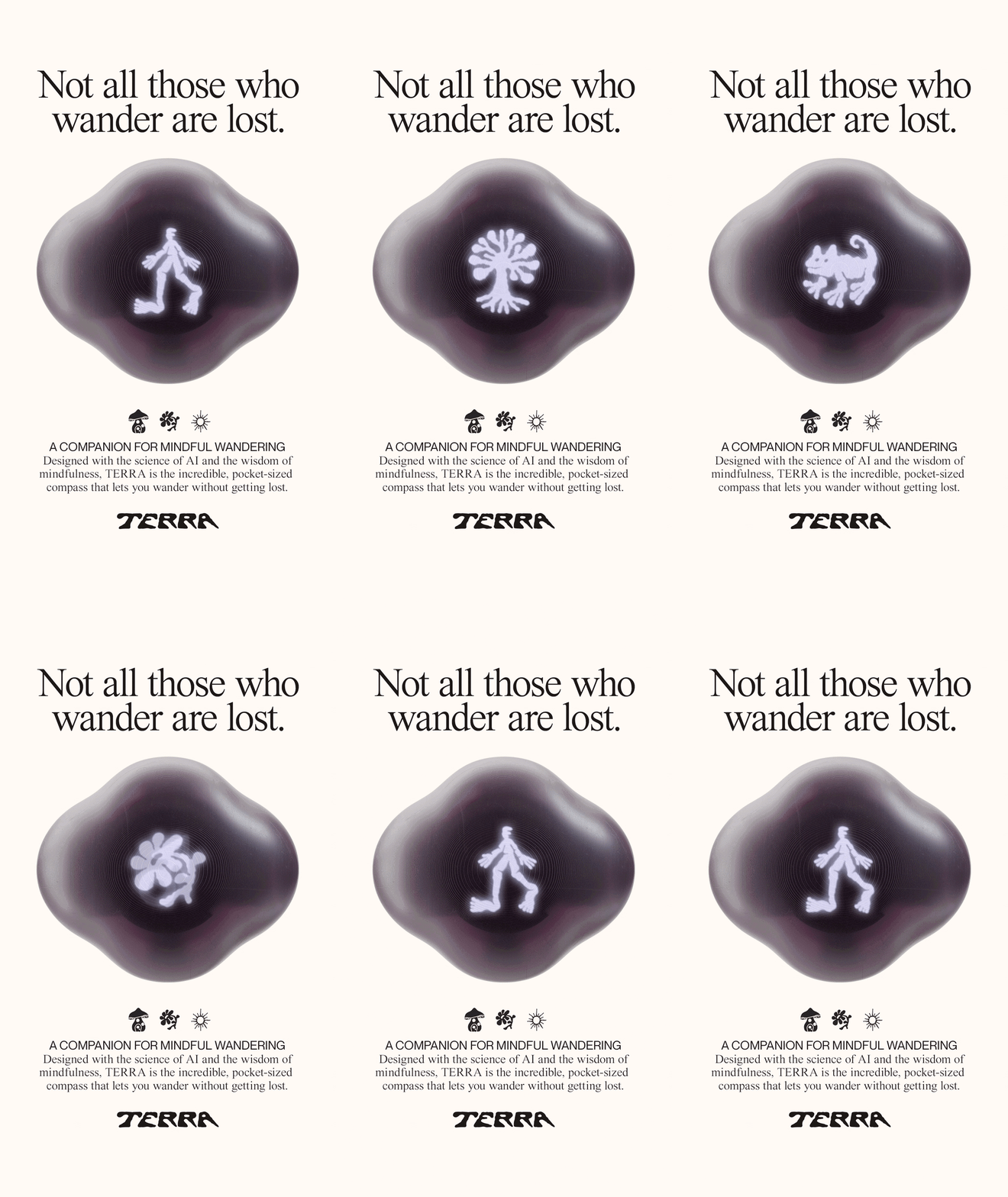
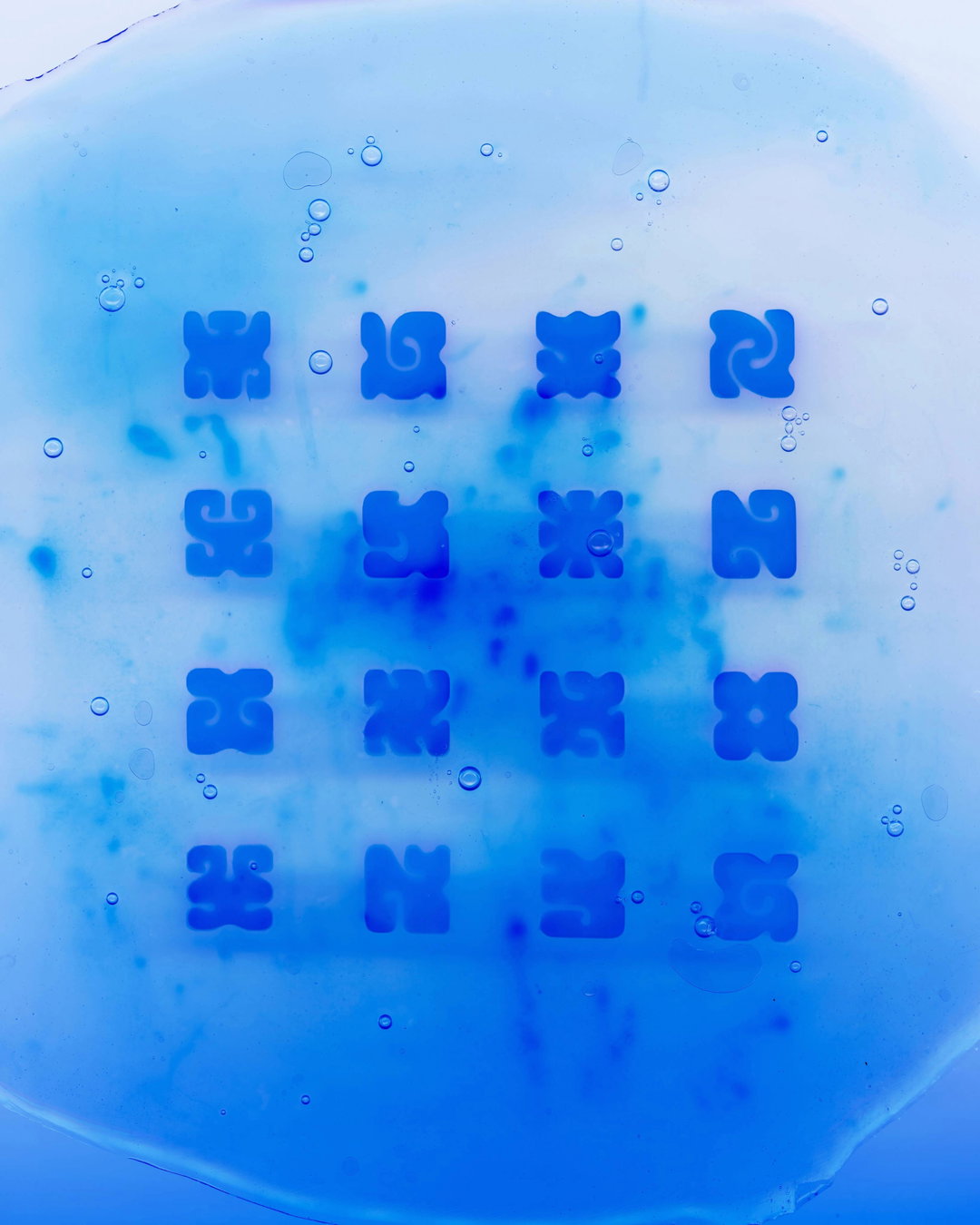
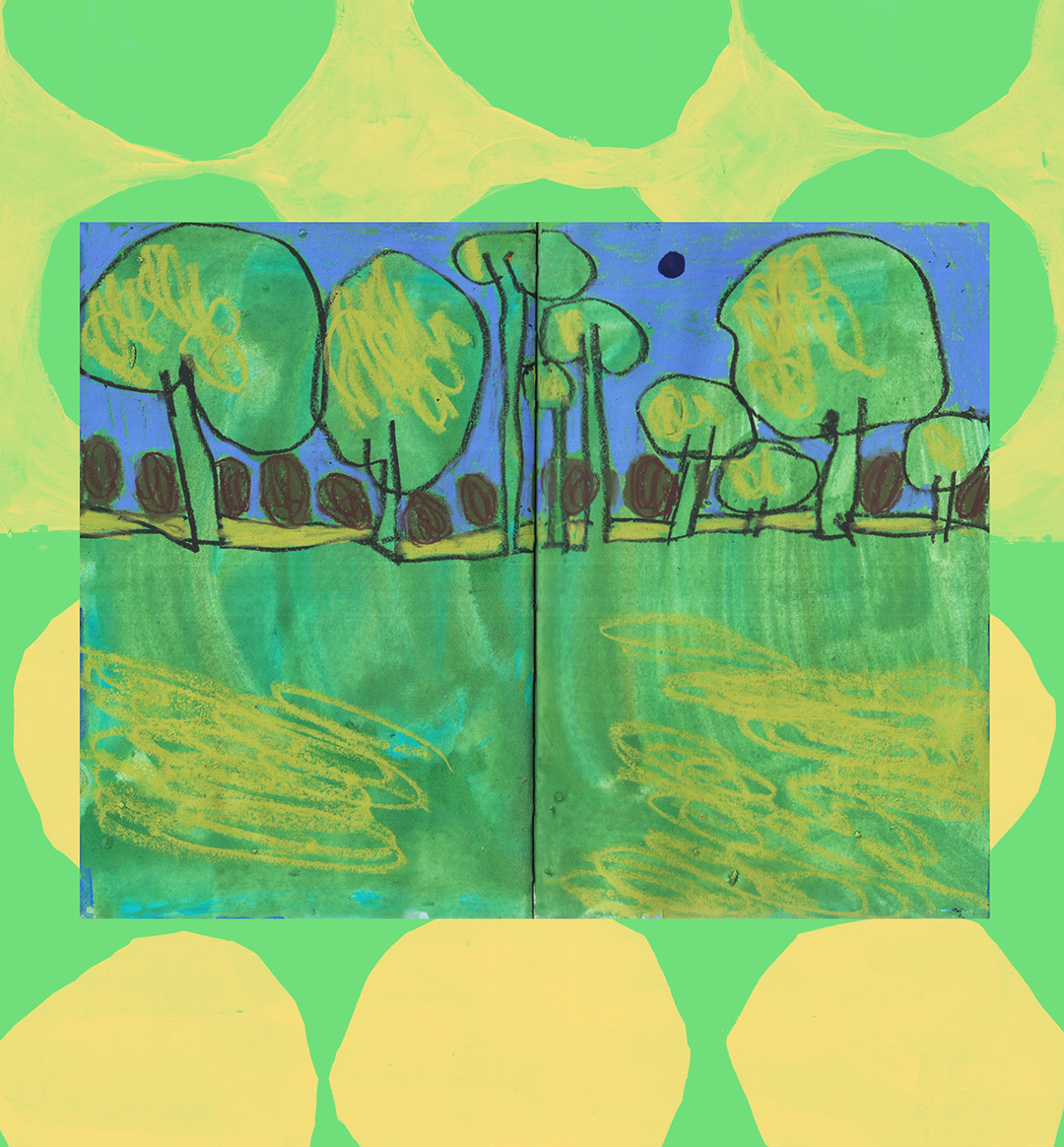
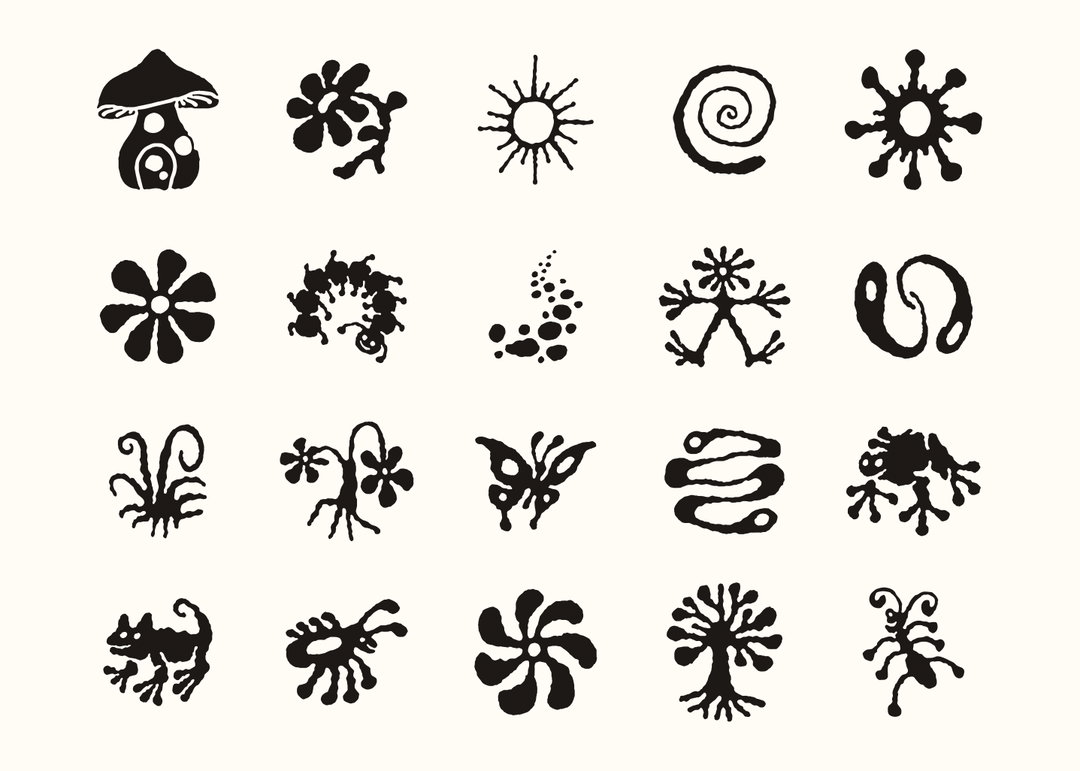
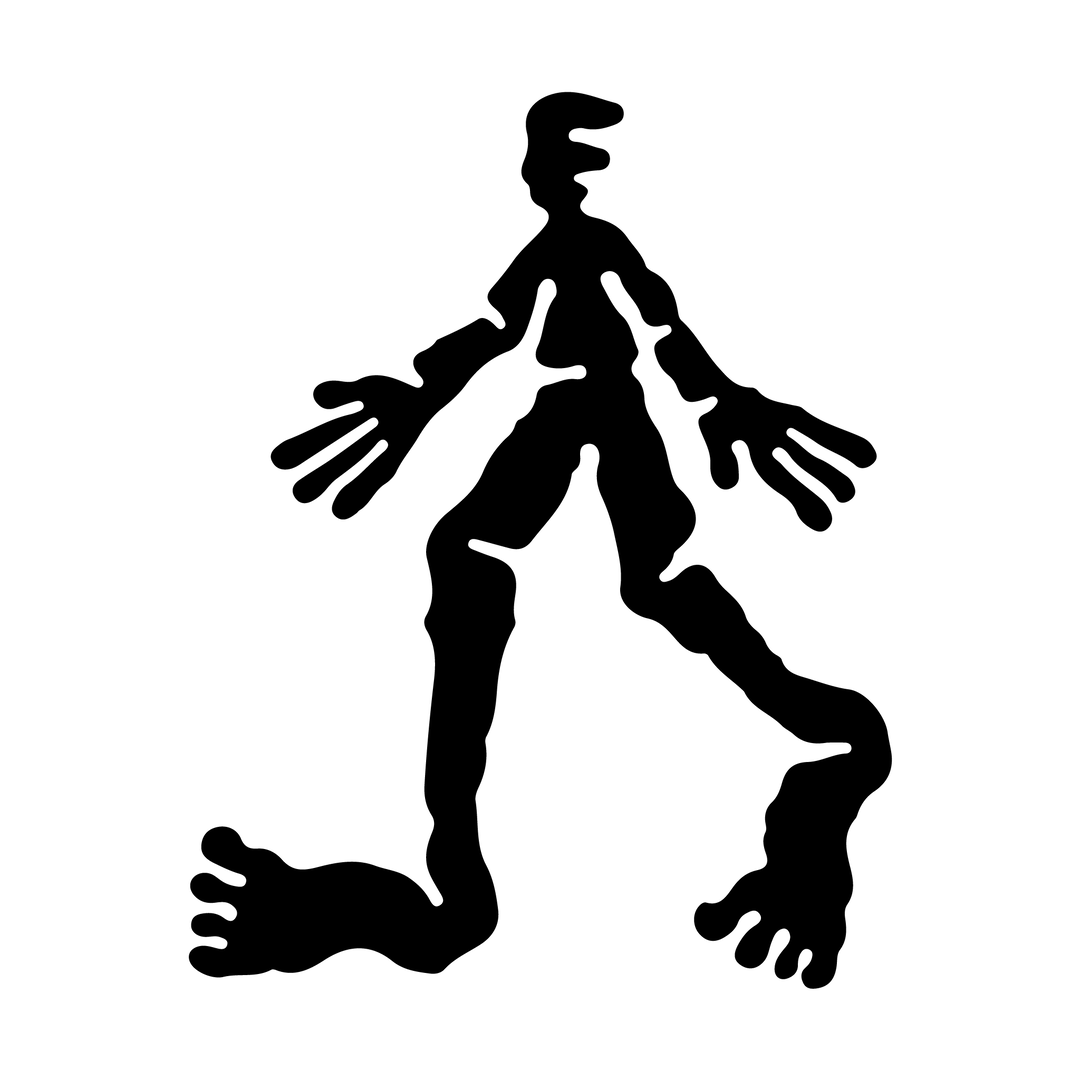
For a product that essentially exists on files online, branding is a major focus. There is no traditional screen, instead LED illustrations by Hugo Bernier appear at the centre of the stone, much like an AI Magic 8 Ball, to guide users along with gentle arrows, swirls and mushroom houses. A lot has been done to make Terra feel part gadget, part organic. “The tone of Terra is about feeling grounded and connected,” says Bas. “The branding and illustration play a crucial role in manifesting this philosophy visually and emotionally.”
Special considerations have been input into the design of Terra to keep its routes structured. When asked about the safety of the device, the teams replied: “Terra is designed with safety at the forefront, particularly concerning navigation through traffic and uncharted routes. The device boasts a minimalist interface, featuring a tranquil compass needle and gentle haptic feedback to ensure users remain engaged with the present moment, minimising distractions and enhancing safety while navigating unfamiliar or busy areas.”
Terra marks a notable shift in how product designers are visualising the technology that surrounds us. “We found that most products designed to connect us with nature still maintain a certain distance – either by being overly technical or by not seamlessly integrating with the natural environment,” says Bas. “Shifting from the traditional sleek and polished look, we opted for inspiration from the great outdoors and gorpcore aesthetic, along with the visual cues of new age culture.”
Hero Header
Modem / Panter&Tourron: Terra (Copyright © Terra, 2024)
Share Article
Further Info
About the Author
—
Liz (she/they) is the senior editor at Insights, a research-driven department within It’s Nice That. They previously ran the news section of the website. Get in contact with them for potential Insights collaborations or to discuss Insights’ public-facing reports.