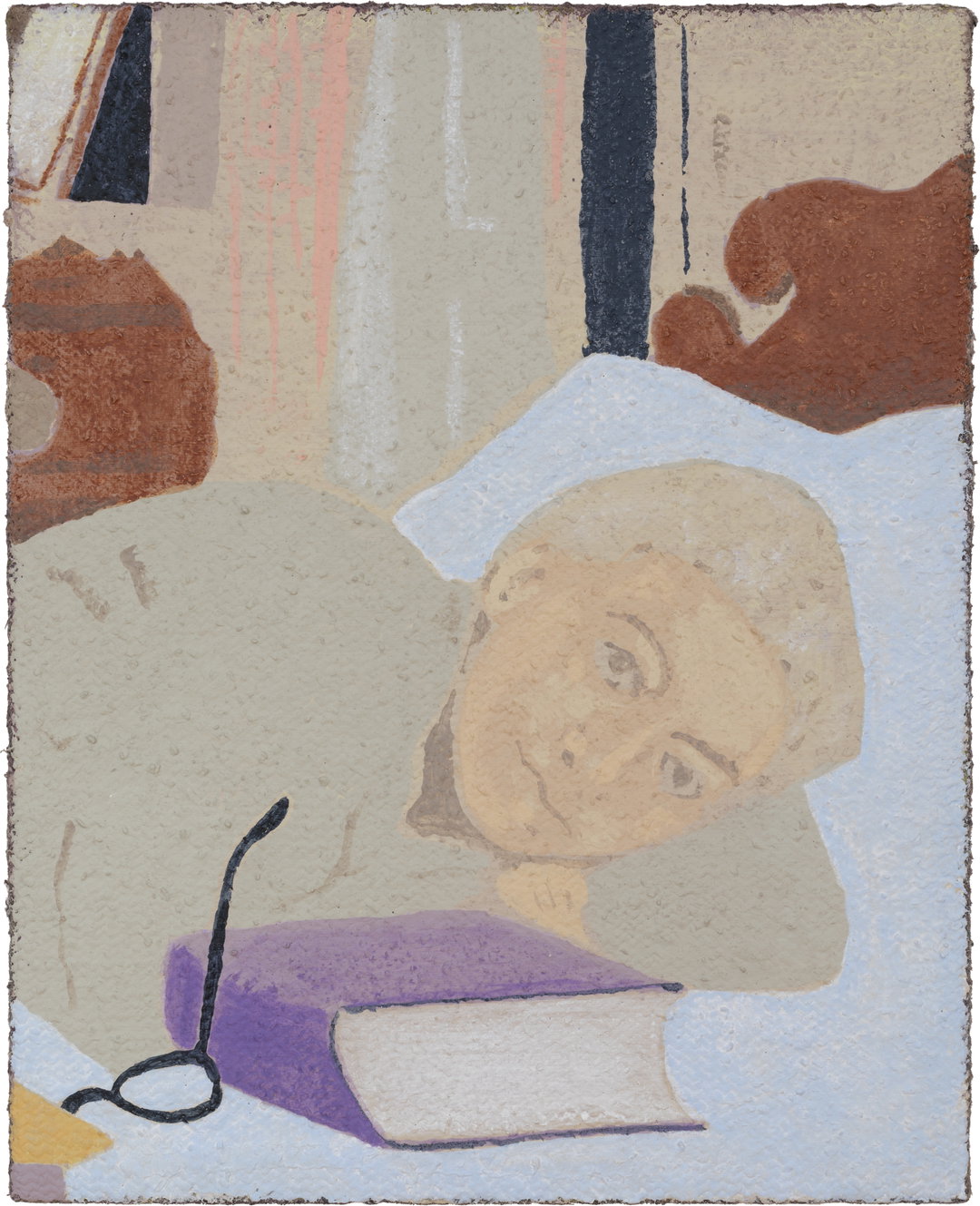
Lee Welch’s paintings are like inverted photographs that turn observation inside out
“Every painting carries the echo of its predecessors, each new position layered with the memory of what has already been risked, lost, or gained.”
“In chess, there is a word for the point at which any further move only unravels what has been built: Zugzwang,” says Lee Welch, a painter from Louisville, Kentucky currently based in Dublin, Ireland. “For me, that is the moment, the recognition that adding another mark would weaken the whole. To stop is not to abandon the game, but to protect its precarious balance.”
Lee’s paintings are about the margins of perception – how we relate to narrative, cultural memory and history. Inspired by classical tragedies, “not to restage grand narratives but to prove how its force of fate, blindness, and recognition continue to haunt contemporary experience”, Lee’s paintings use negative space and intelligent mark making to tell just enough of a story that allows the viewer to get lost inside of the imaginative possibilities. They often look like inverted photographs – a reversal of what is known – images that carry the foggy essence of the previous painting.
Nothing feels maximalist or too minimal in Lee’s paintings. That’s because Lee is trying to capture “the moment when things begin to slip, when perception falters and something unexpected is revealed”, which exists in slim margins. “I don’t want to pin things down so much as to create a space where the prosaic and the profound, the past and the present, can meet in uneasy proximity,” says Lee. The most vital part of painting, for Lee, is knowing when to stop – that Zugzwang – knowing when to protect the precious whole instead of adding another unnecessary mark.
The subjects of his paintings purposefully appear casual – a tennis match, a guitarist, a game of chess – to open up questions about the instability of meaning. “ I am less interested in direct representation than in how we receive images and stories through various filters. The result is work that feels both familiar and estranged, a delicate theatre of looking,” says Lee. Mundanity becomes poetic inside of the tension between the viewer and narrative. The colour palette in Lee’s paintings appear muted, washed out, faint – there’s always a semblance of worn out history that precedes the viewer’s arrival to the painting, connected only by a strand of cultural memory. Inspired by Jasper Johns’ “alchemical puzzles” and Marlene Dumas, “who proves a face is never just a face, but a silent siege”, Lee translates reflexes against “truly knowing” with a mature and deft artistic sensibility.

epochal defining while one creates beautiful problems (Copyright © Lee Welch, 2025)
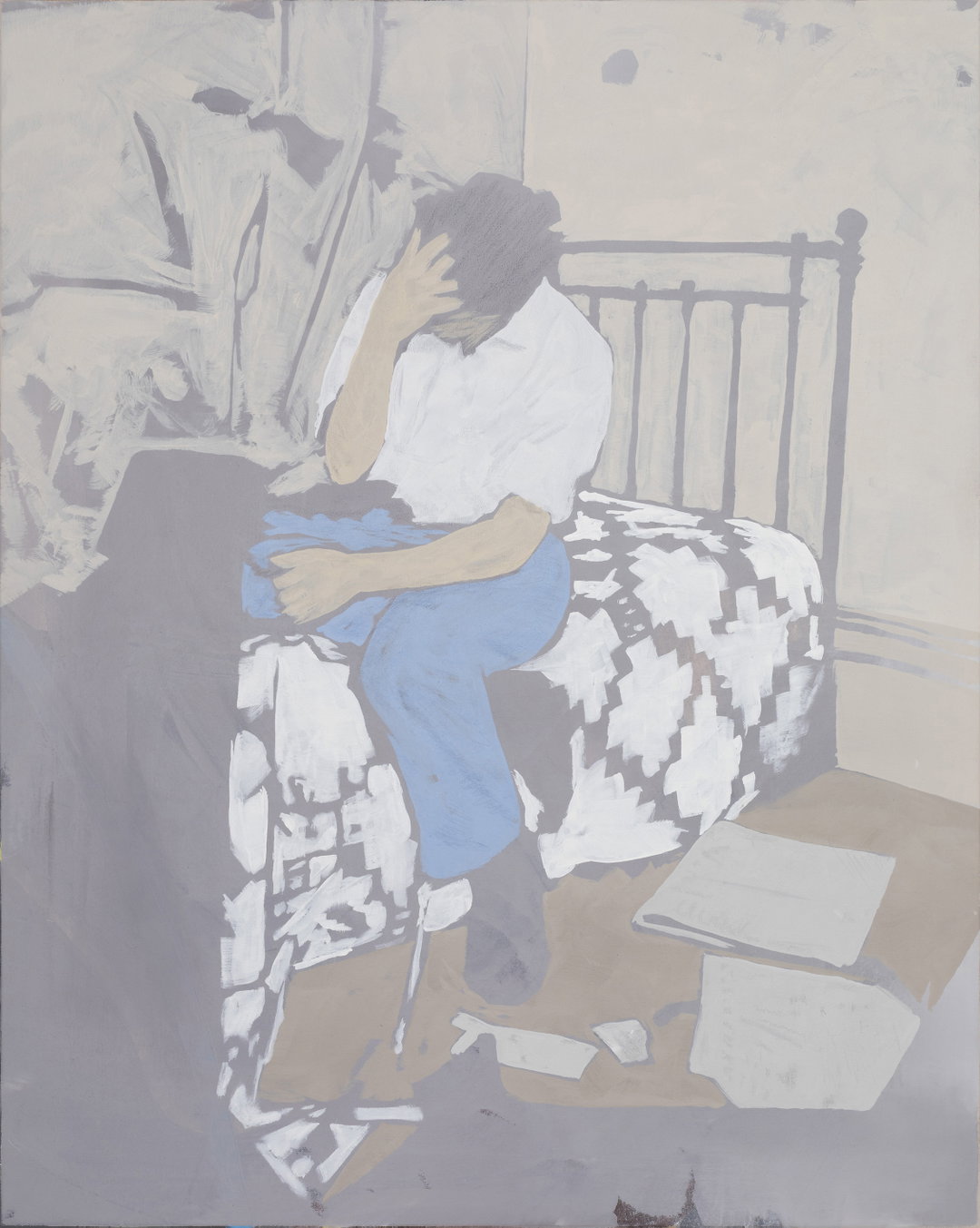
aqua seafoam shame (Copyright © Lee Welch, 2025)
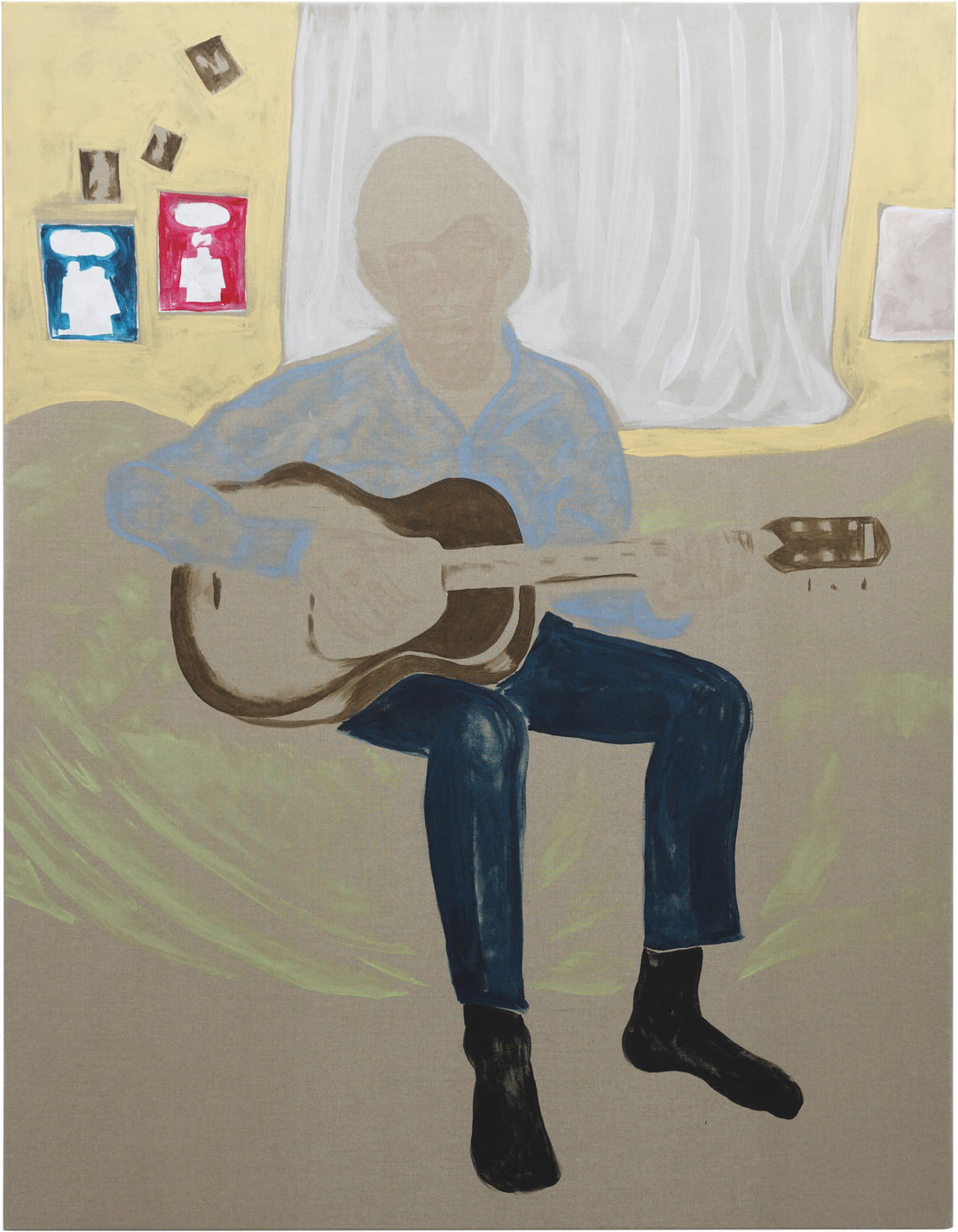
harmonicas, jujubes, aspirins! (Copyright © Lee Welch, 2019)
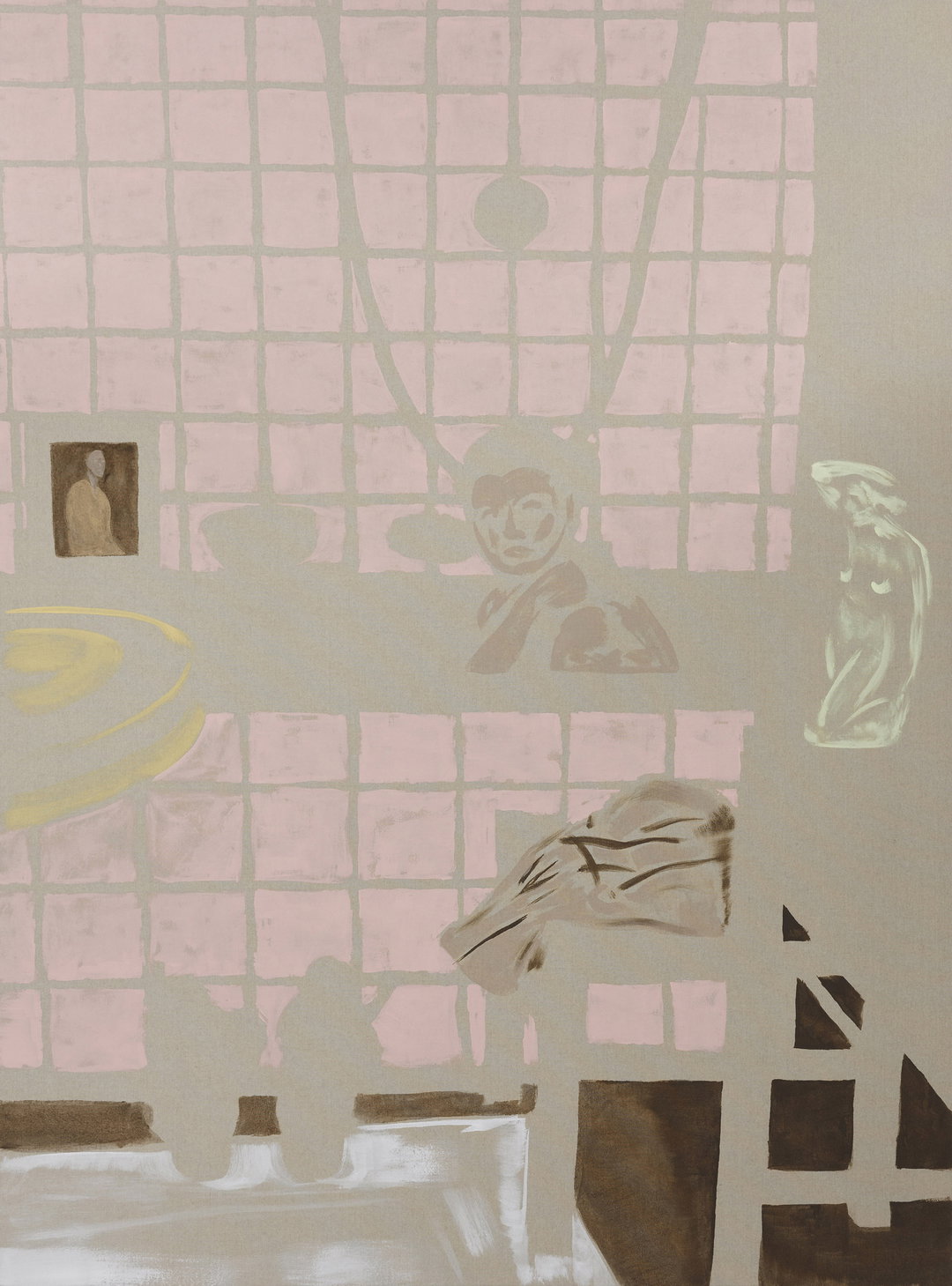
the seemingly uneventful and motionless moment (Copyright © Lee Welch, 2019)
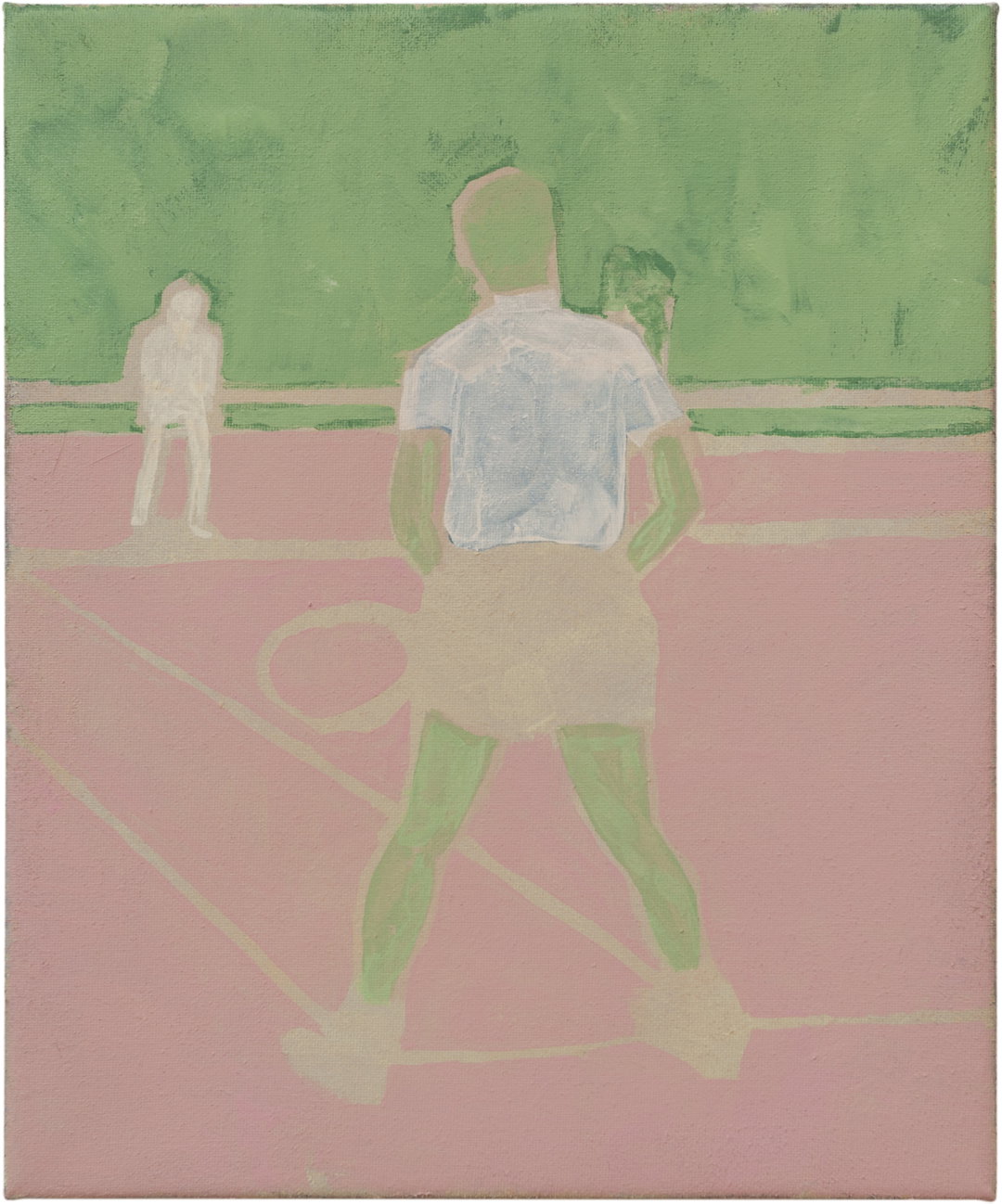
There's nothing metaphysical about it (Copyright © Lee Welch, 2021)
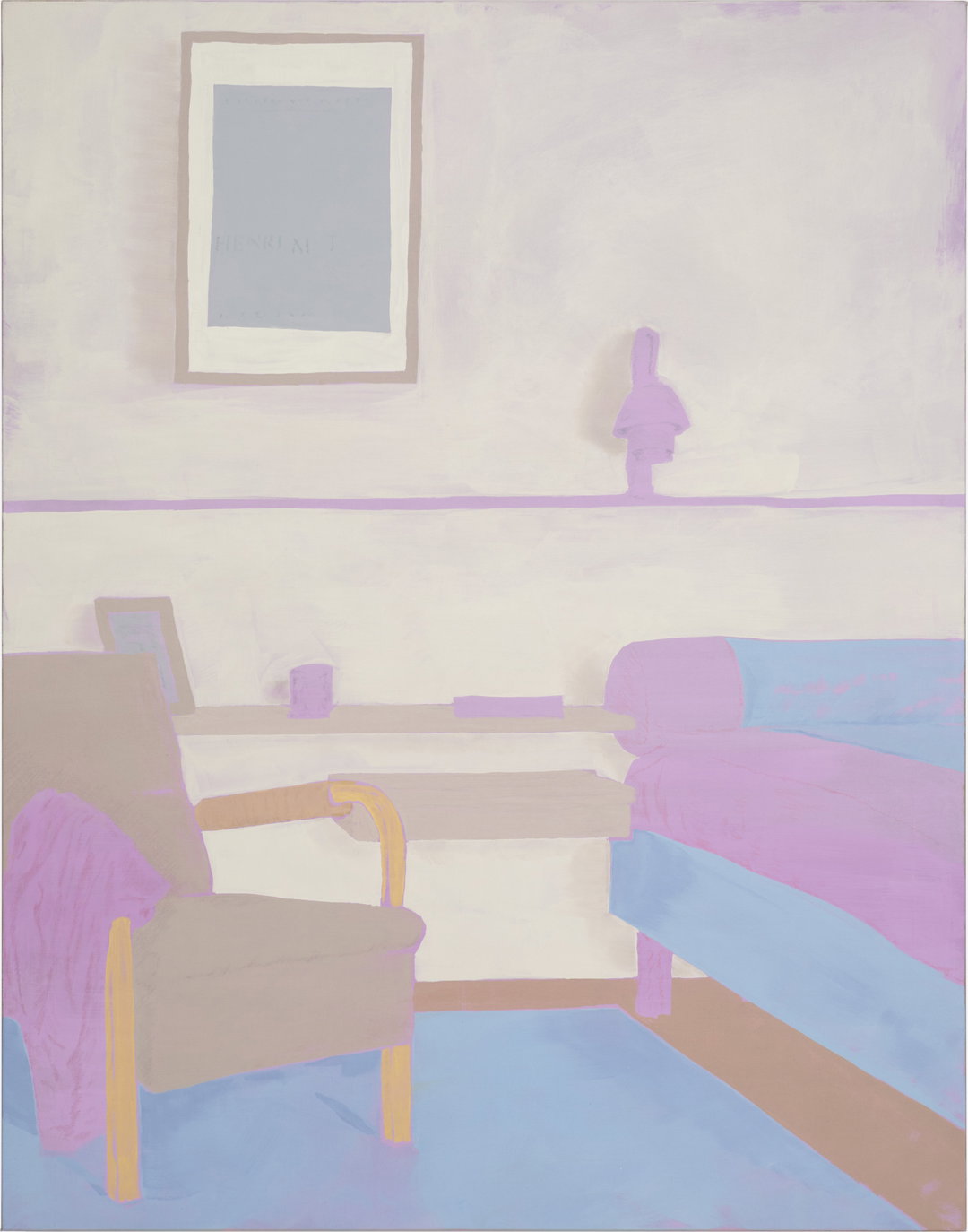
the smallest daily chore can be humanised (Copyright © Lee Welch, 2025)
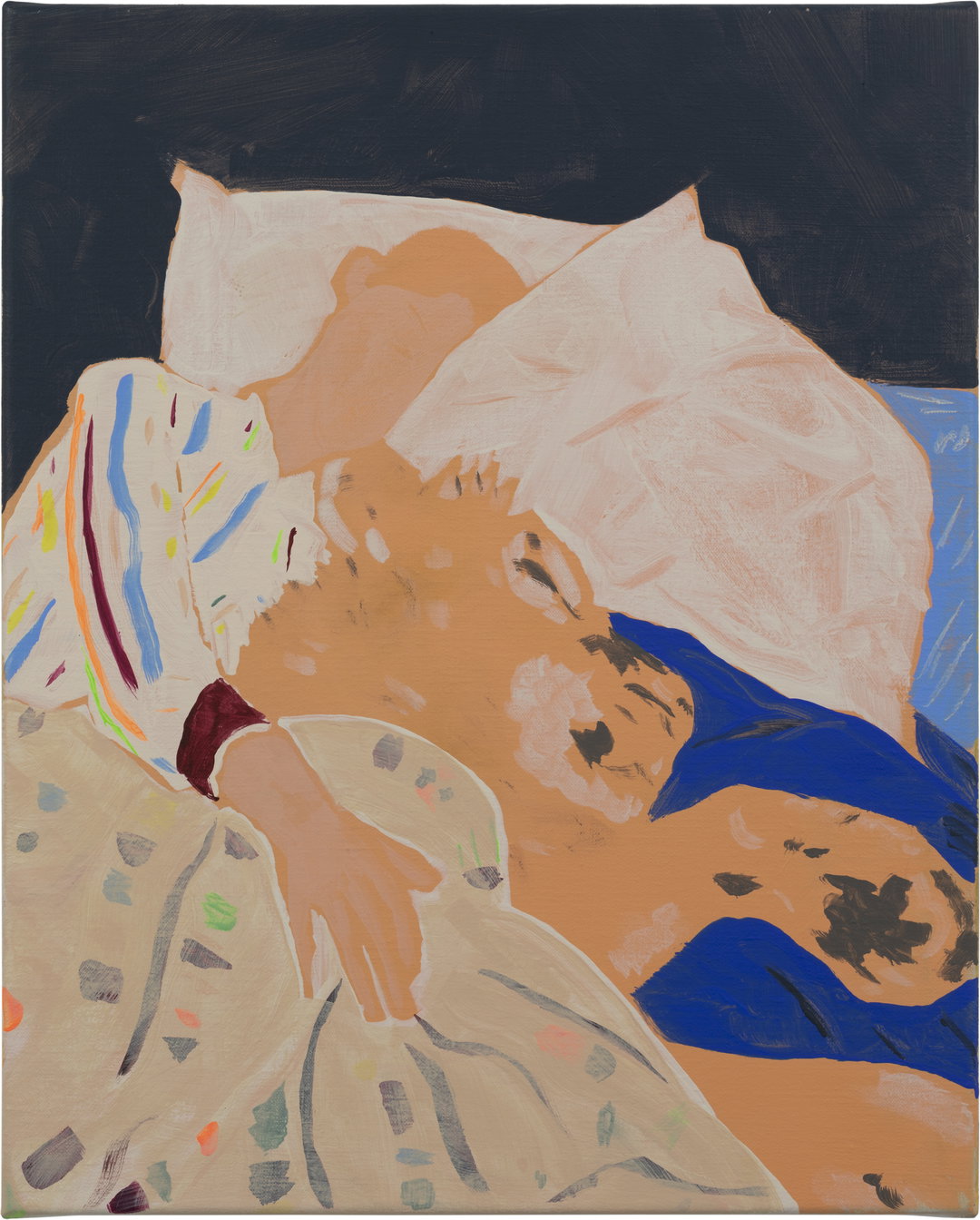
Sommeil Hollywoodien (Copyright © Lee Welch, 2023)
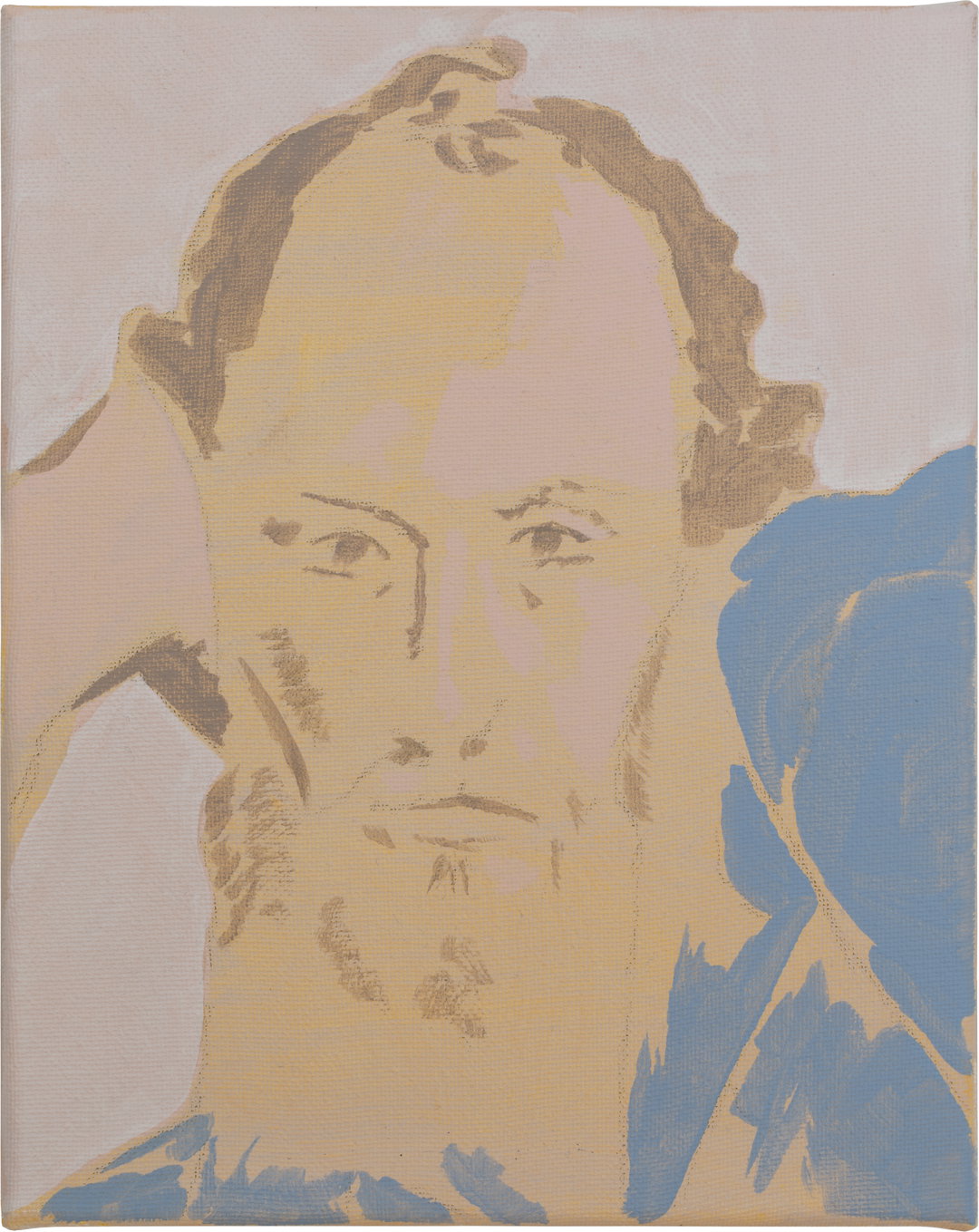
Boredom is an emptiness filled with insistence (Copyright © Lee Welch, 2024)
Pieta (Copyright © Lee Welch, 2023)
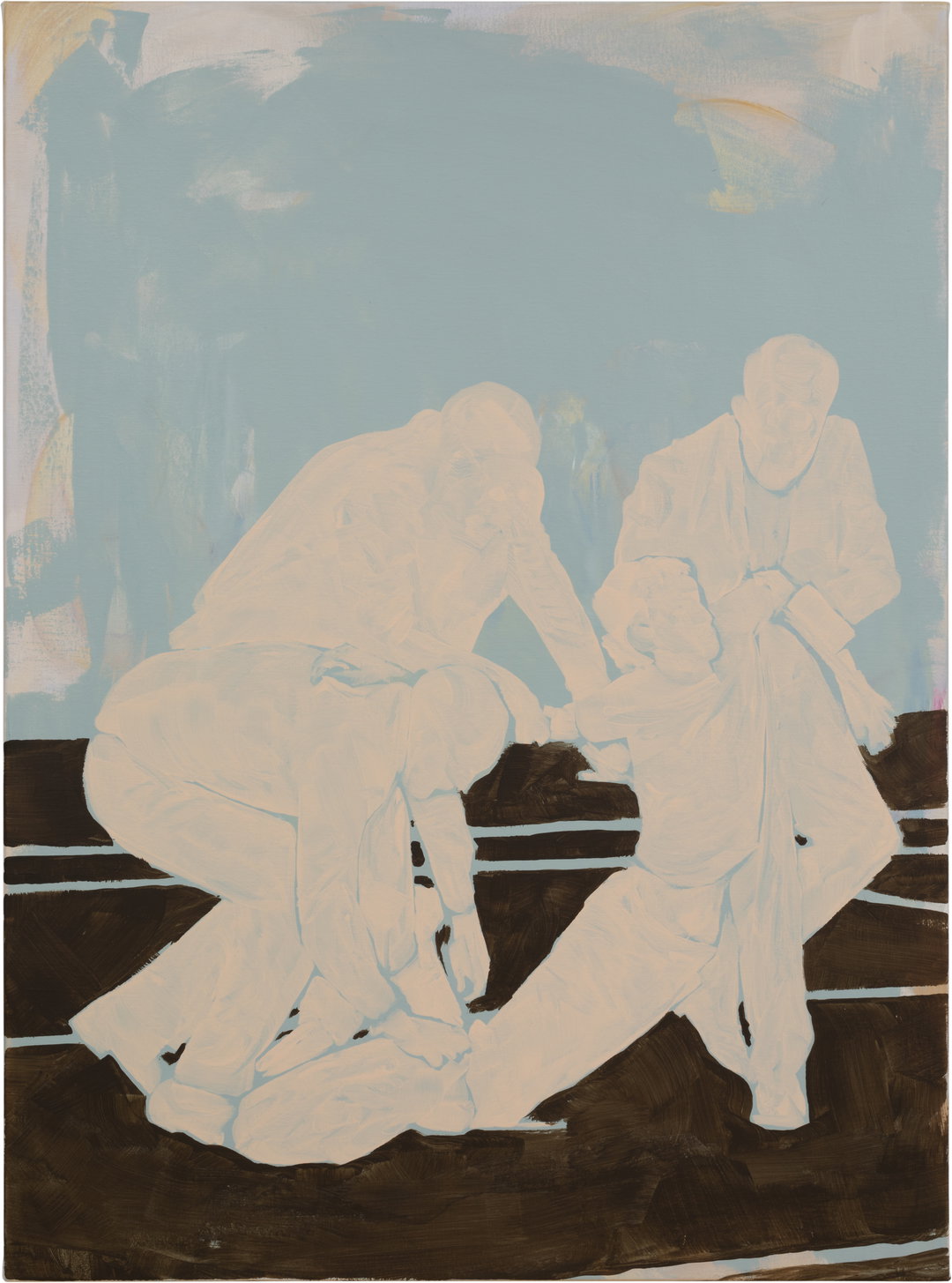
Pieta (Copyright © Lee Welch, 2023)
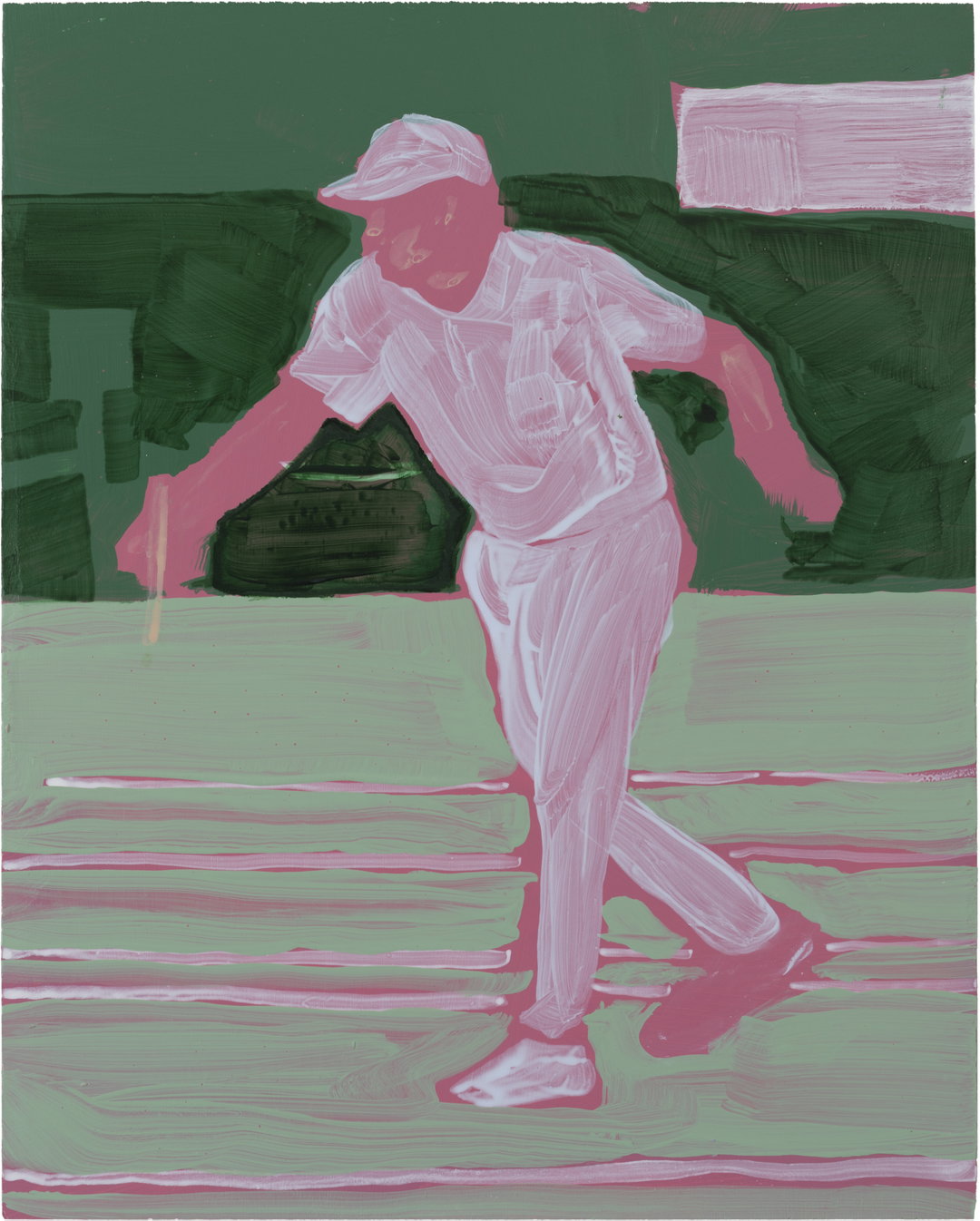
Tennis Ball (Copyright © Lee Welch, 2022)
Hero Header
January interior (Copyright © Lee Welch, 2024)
Share Article
Further Info
About the Author
—
Paul M (He/Him) is a Junior Writer at It’s Nice That since May 2025. He has a strong interest in graphic design, digital kitsch, multimedia painting, collage, nostalgia, analogue technology and all matters of strange stuff. pcm@itsnicethat.com
To submit your work to be featured on the site, see our Submissions Guide.