


Where are all the female falconers? Lauren Maccabee photographs the girls choosing bird-rearing over social media
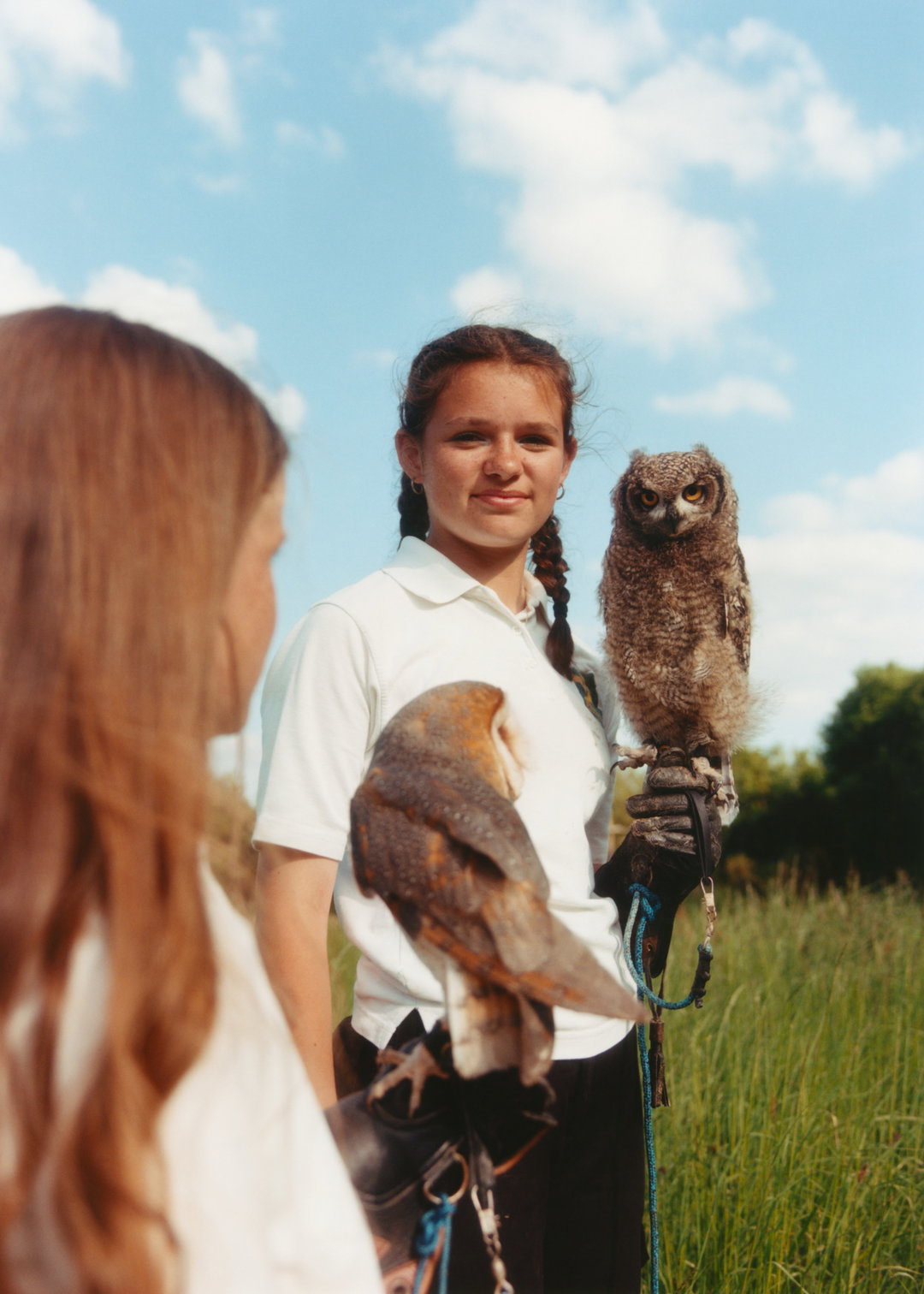
In Dorset, UK, there are two girls who practice the art of falconry: rearing, flying and caring for birds of prey. Lauren Maccabee visited them with her camera to uncover the day-to-day requirements of this unique interspecies relationship.
Ken Loach’s Kes is widely seen as one of the 20th century’s masterpieces of social realist cinema. The film, which is based on Barry Hines’ novel A Kestrel for a Knave, follows Billy, a boy from Barnsley who finds solace from bullies (both at school and within his own home) through his tender relationship with an injured kestrel who he heals, trains, befriends and christens Kes. It’s a film that proves the resonance of interspecies relationships, and it’s one that also struck a chord with the photographer Lauren Maccabee when she first watched it as a teenager. It’s stayed with her ever since, fuelling her own interest in falcons, falconry and birds in general. But, in the midst of this intrigue, there was one niggling question that the photographer just couldn’t shake: Where were all the female falconers?
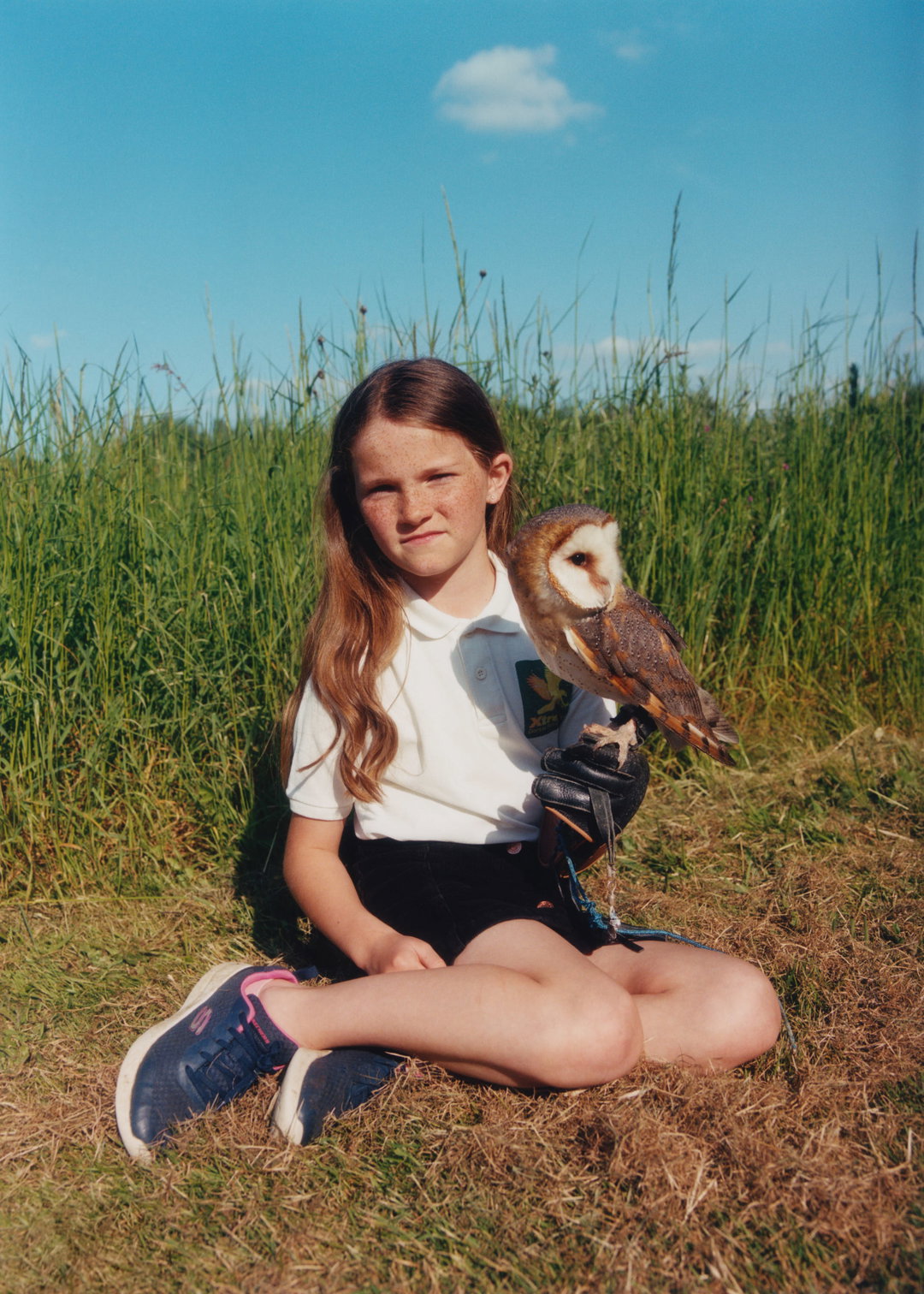
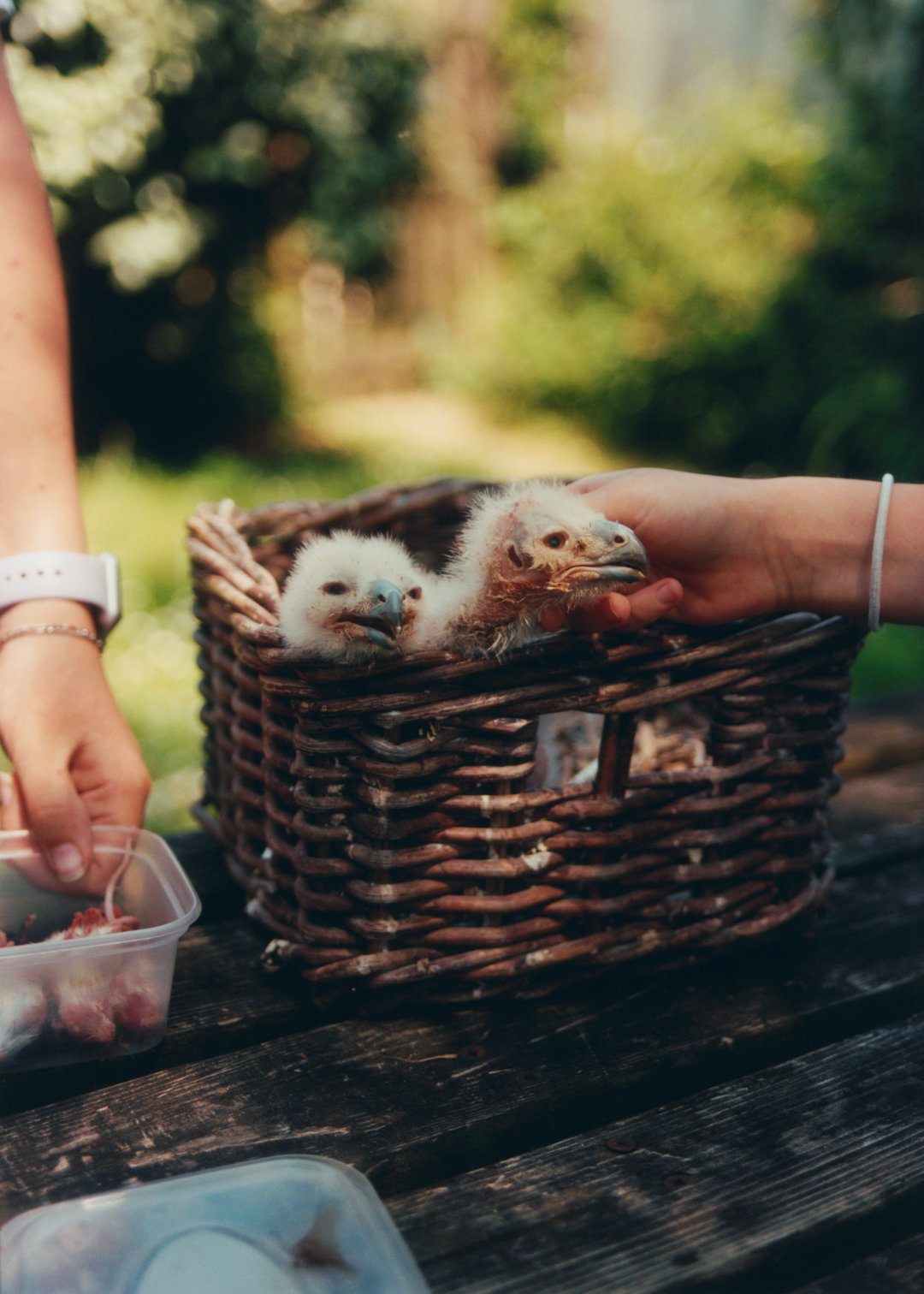
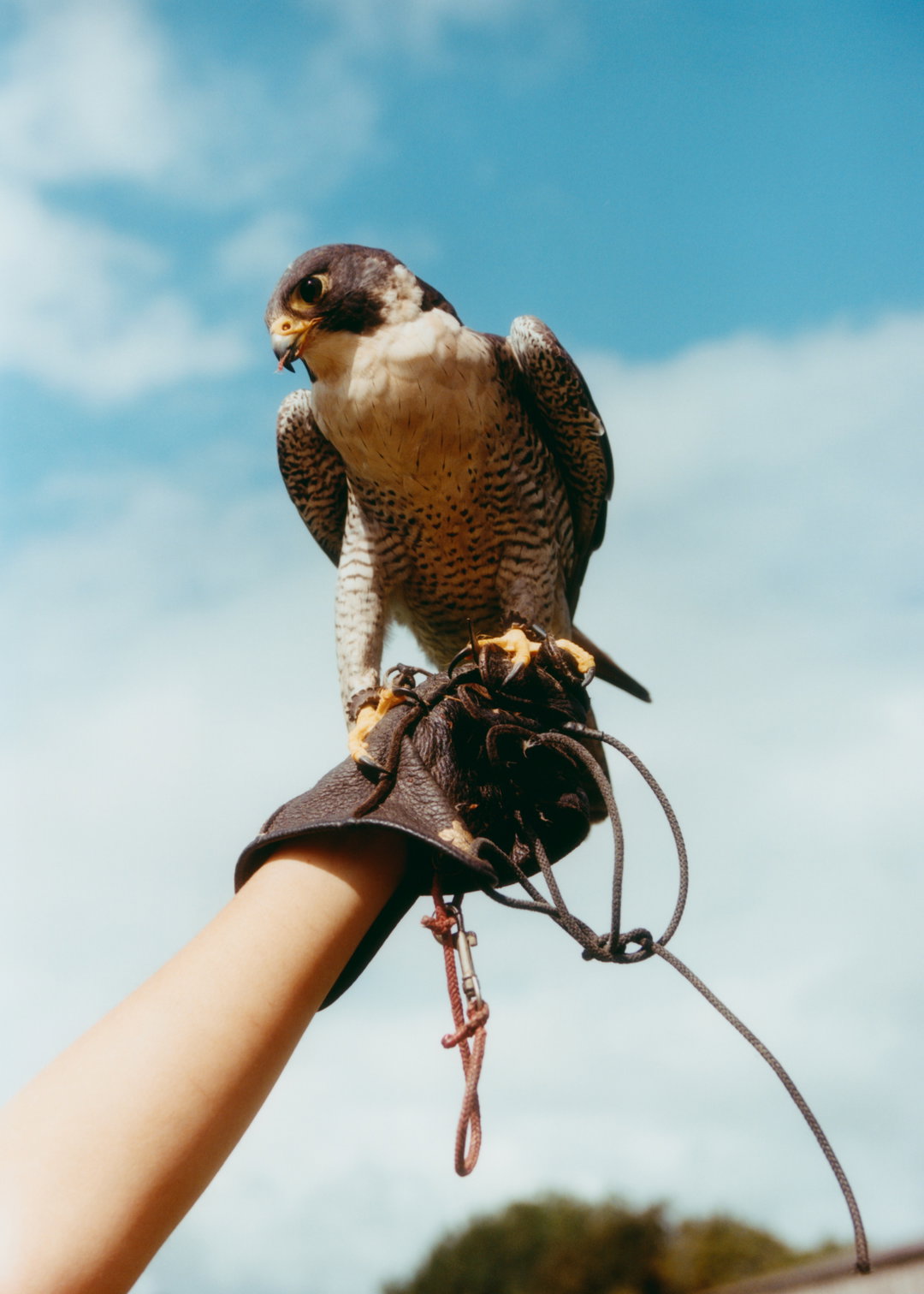
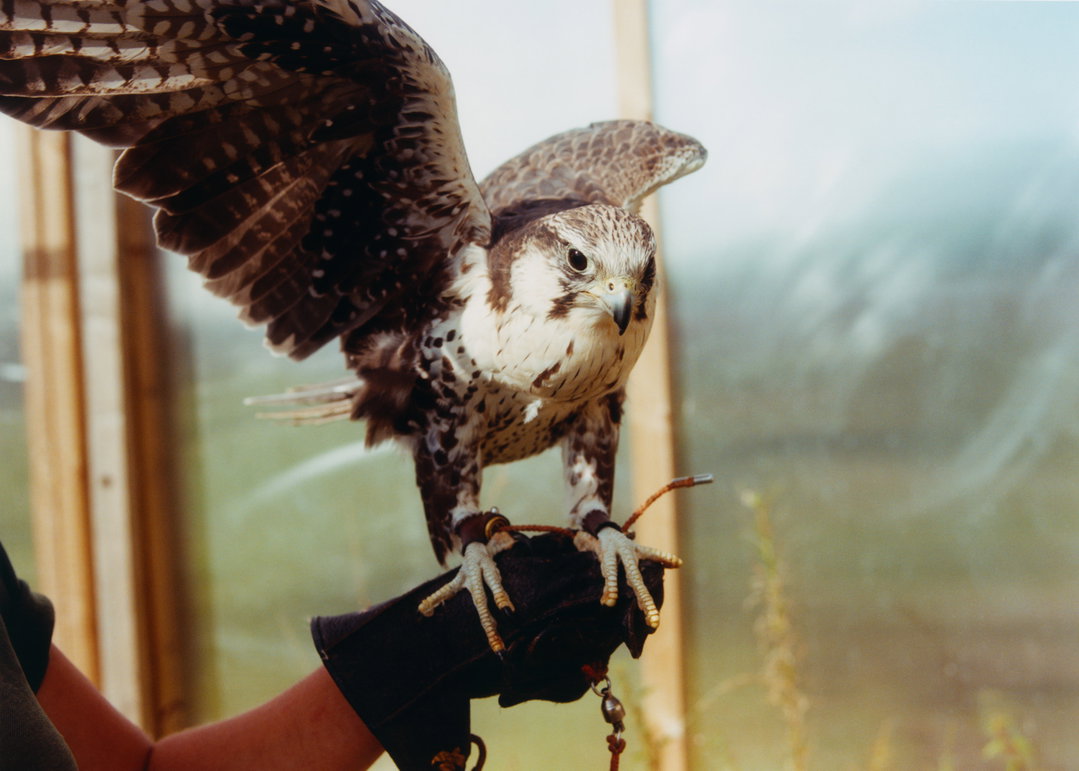
Lauren set out to answer the question herself and began searching for the women who were bucking the trend and “subverting this traditionally male practice”, the photographer tells It’s Nice That. At the end of a long rabbit hole of research, Lauren came across a family in Dorset, where two sisters, Connie and Elsie, had been learning the art of falconry from a very young age, taught by their father, himself an experienced falconer. Together, the trio work hard for the welfare of the birds they keep, primarily housing rescues, breeding critically endangered species and participating in projects to re-release birds into the wild.
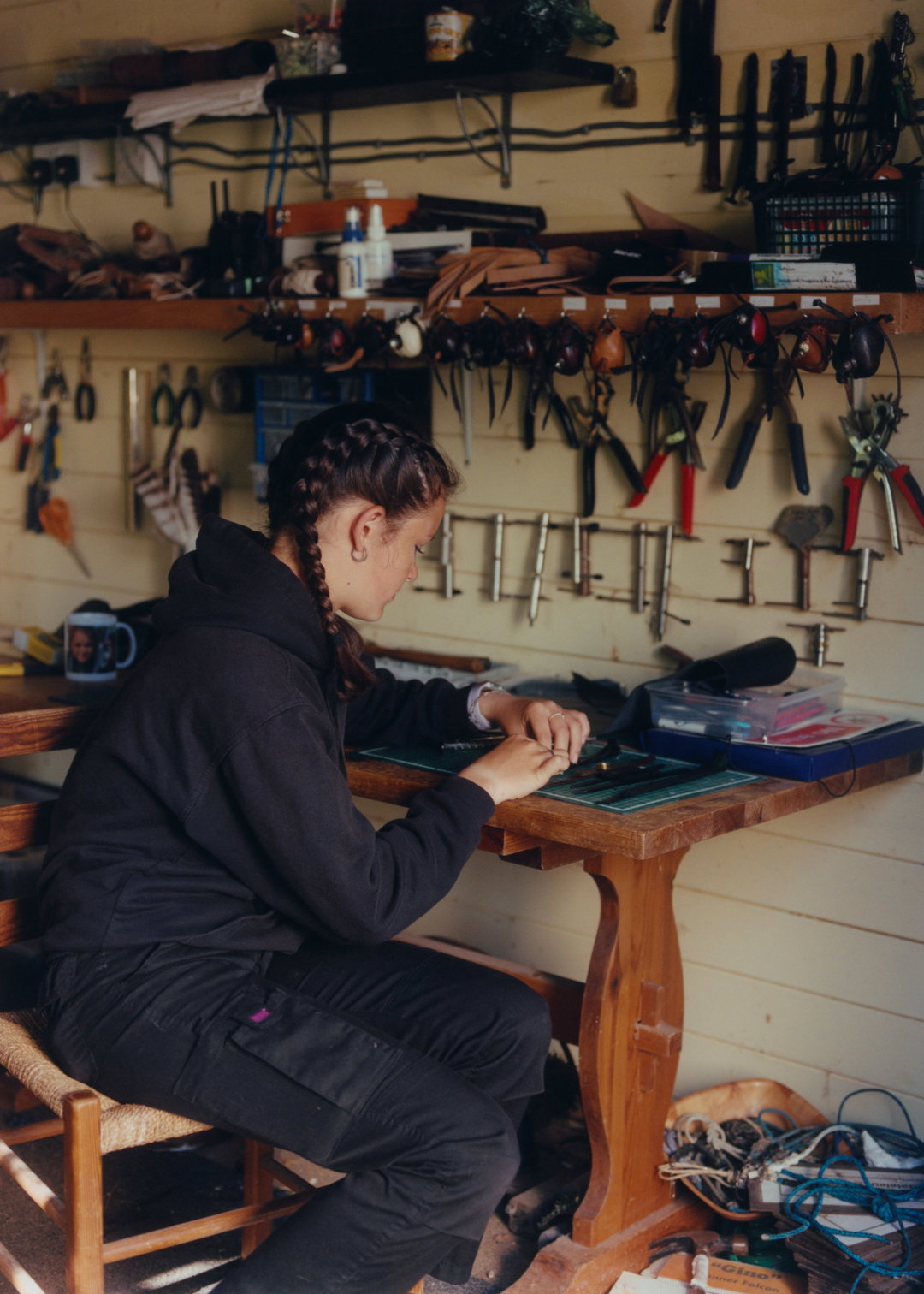
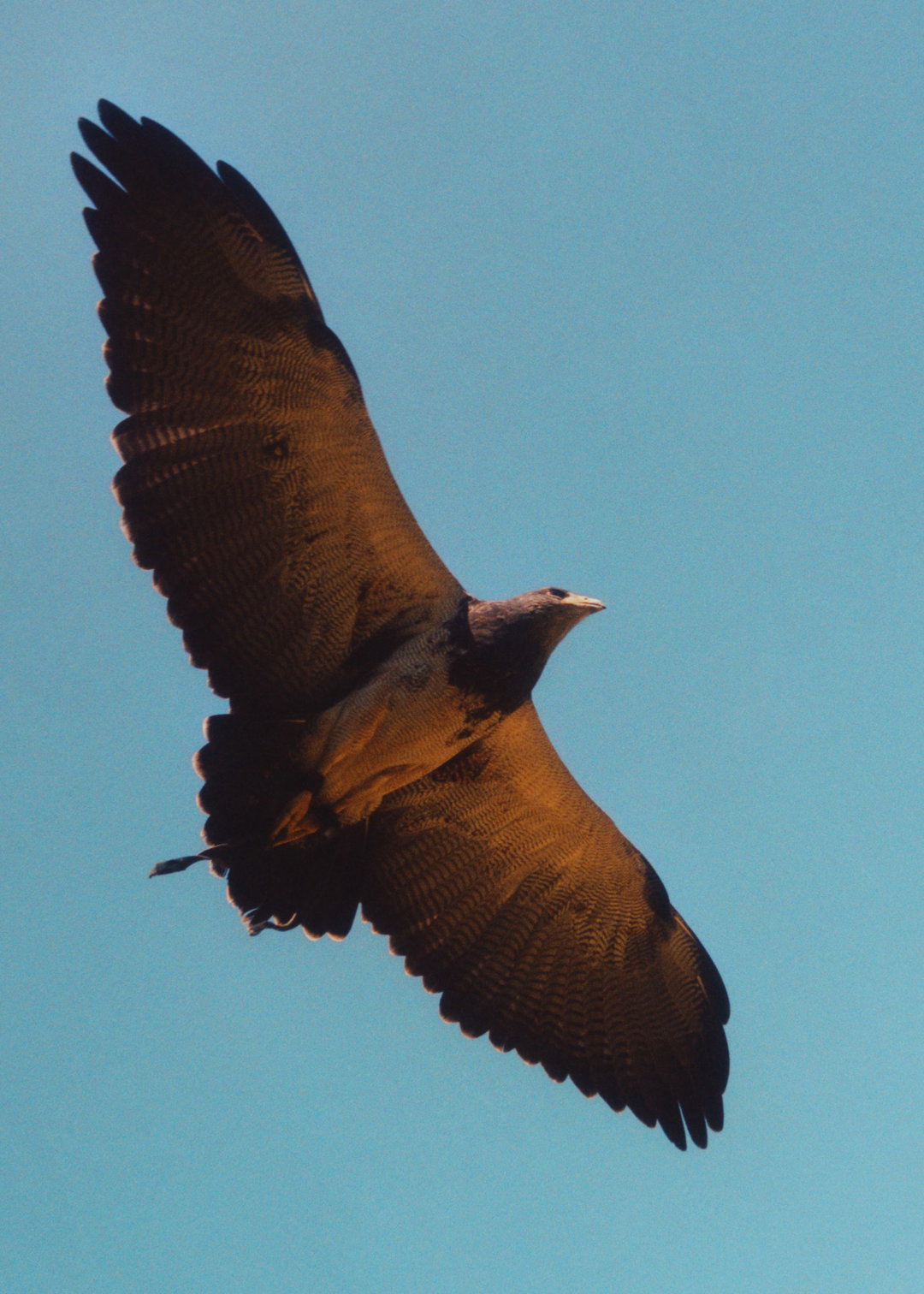
As well as capturing the girls with the birds, Lauren wanted to document the day-to-day needs of caring for birds (one shot shows Connie sat at a workshop table with various leatherwork tools for making and maintaining gloves, anklets, leashes and more), and upon seeing the long list, she realised multiple trips would be necessary to truly get to the heart of their dedication. On the shoots, Lauren says, “I was expecting more unpredictability from the birds – but it felt like the girls could almost tell what mood each bird was in before I photographed them. This was something I found particularly fascinating; their knowledge and understanding of the birds was much deeper than I could have imagined.” The depth of this bond shines in Lauren’s photographs.
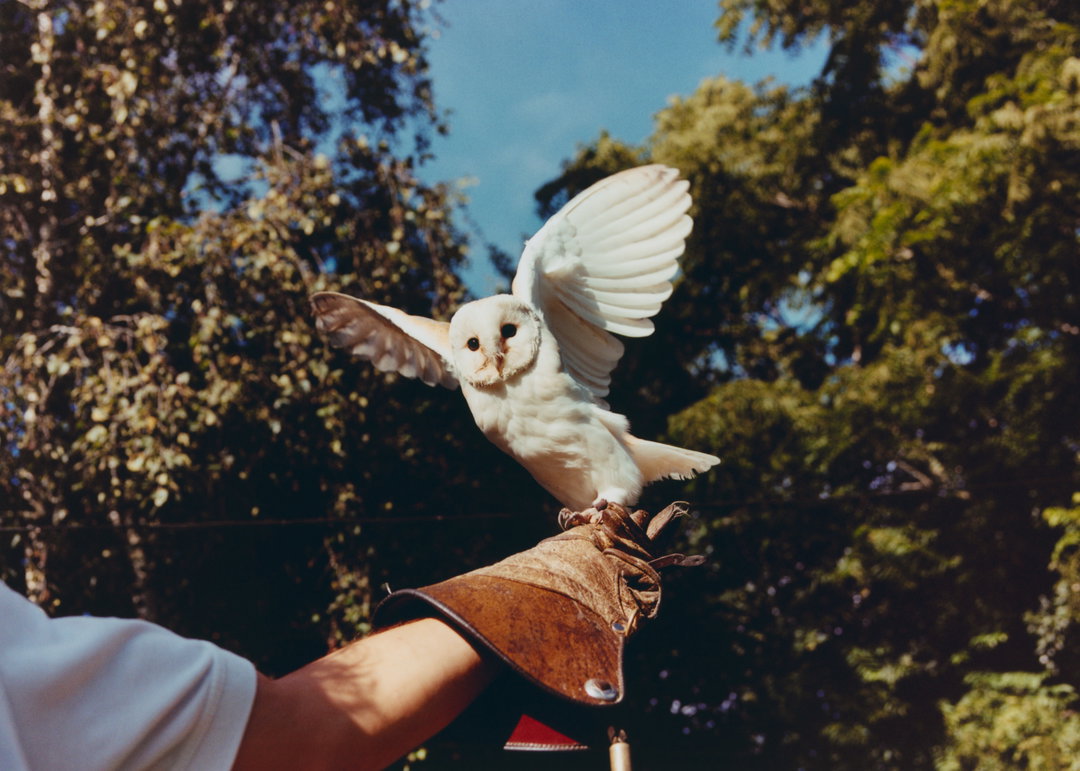
Lauren Maccabee: Young Falconers (Copyright © Lauren Maccabee, 2026)
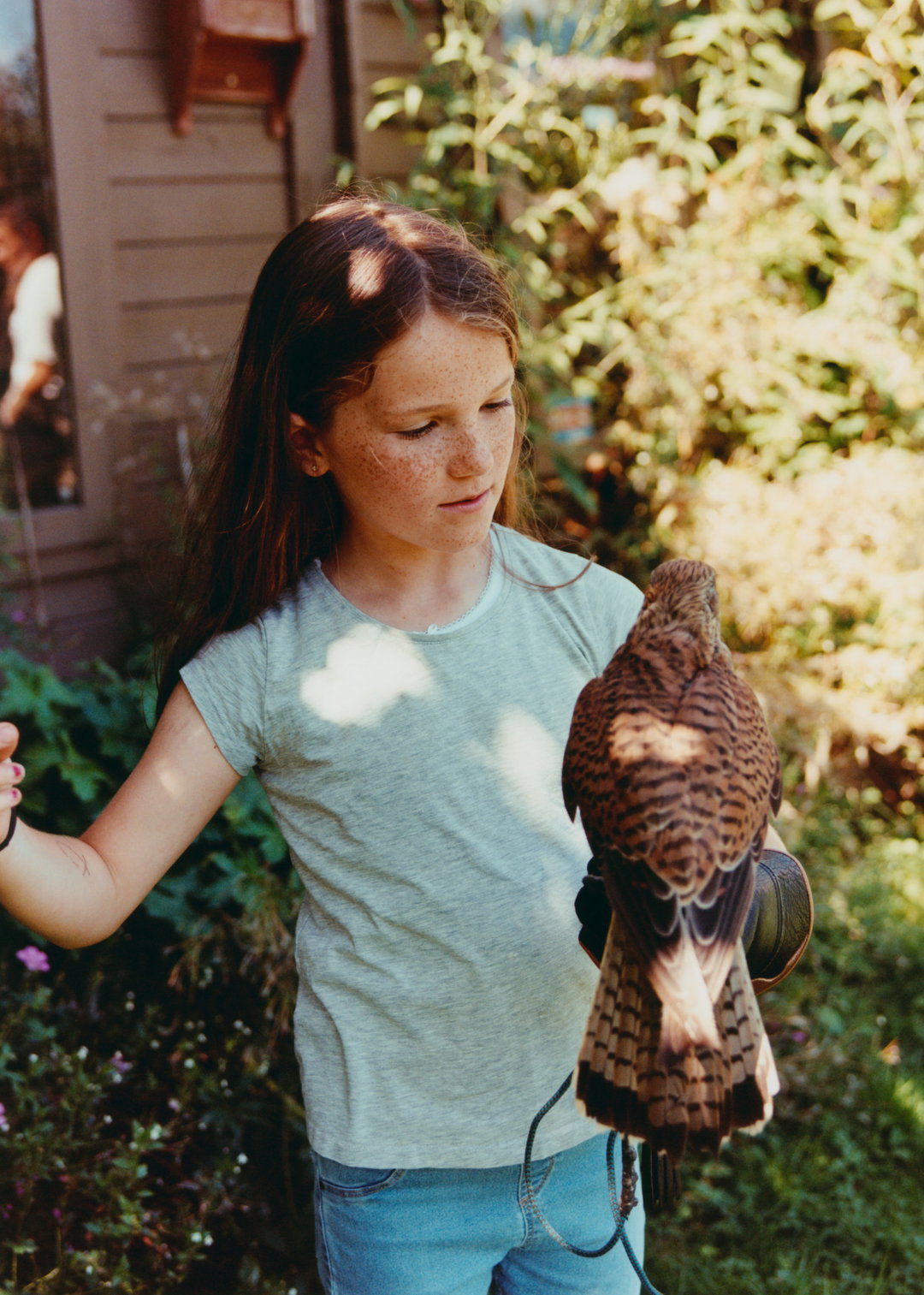
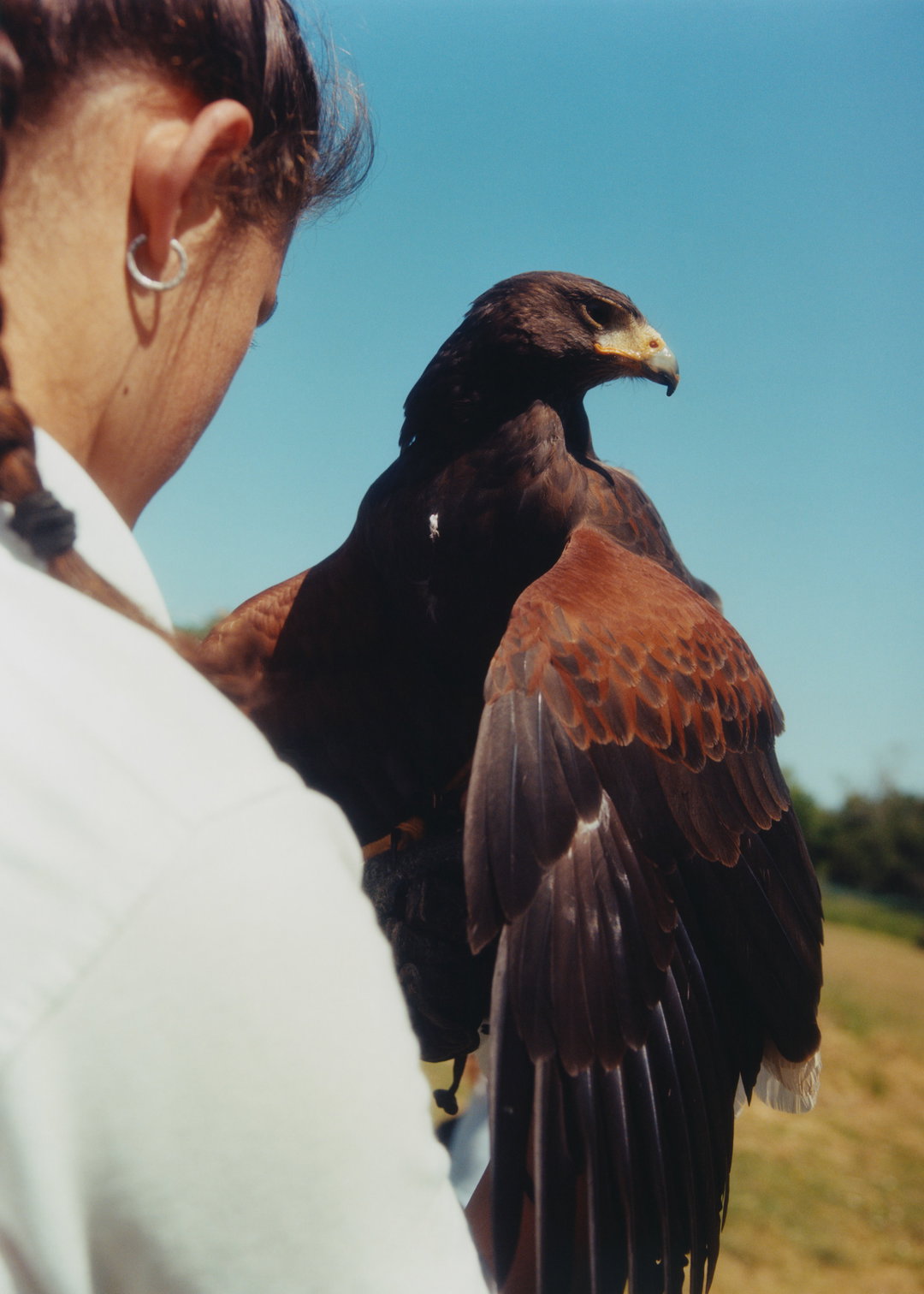
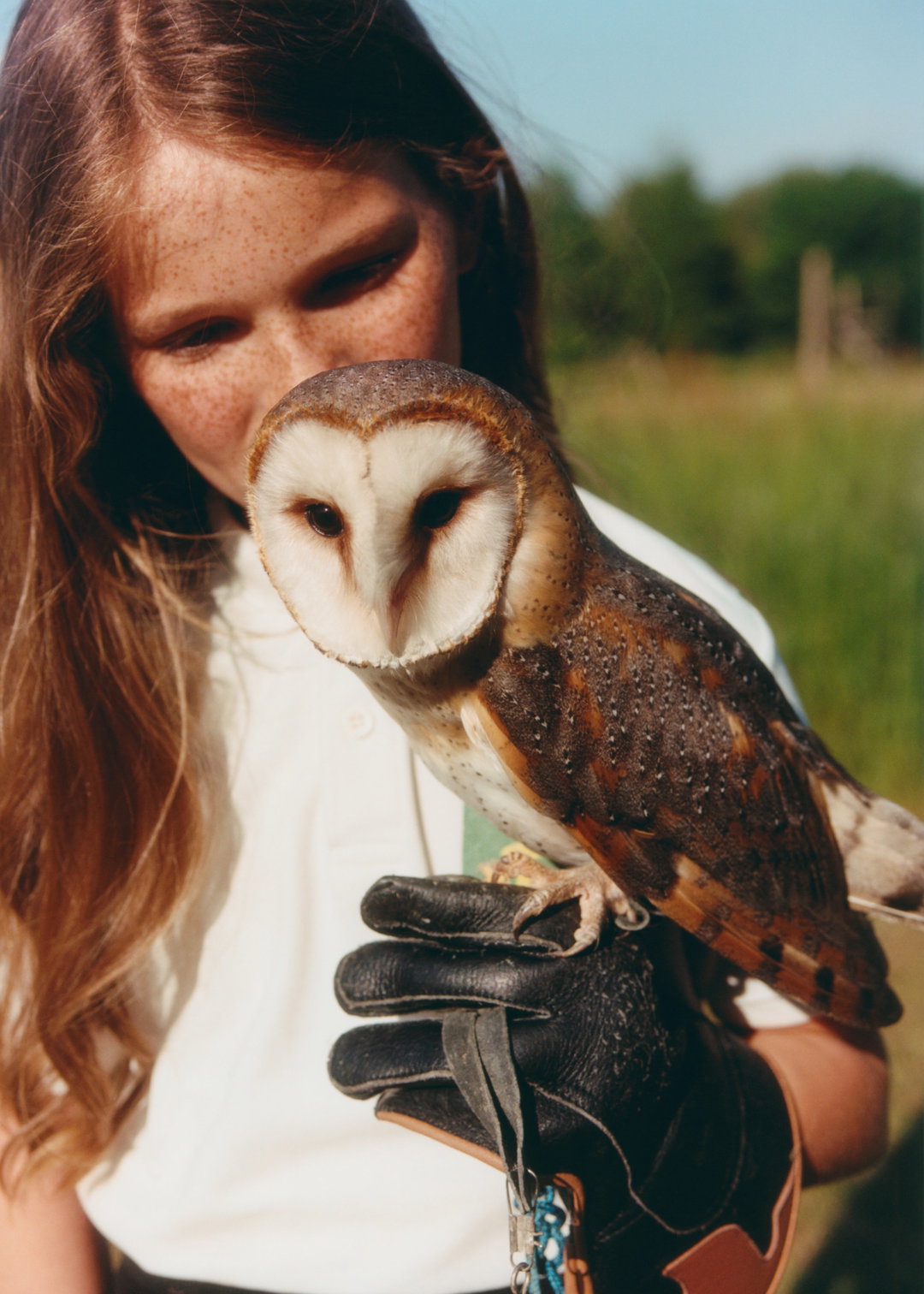
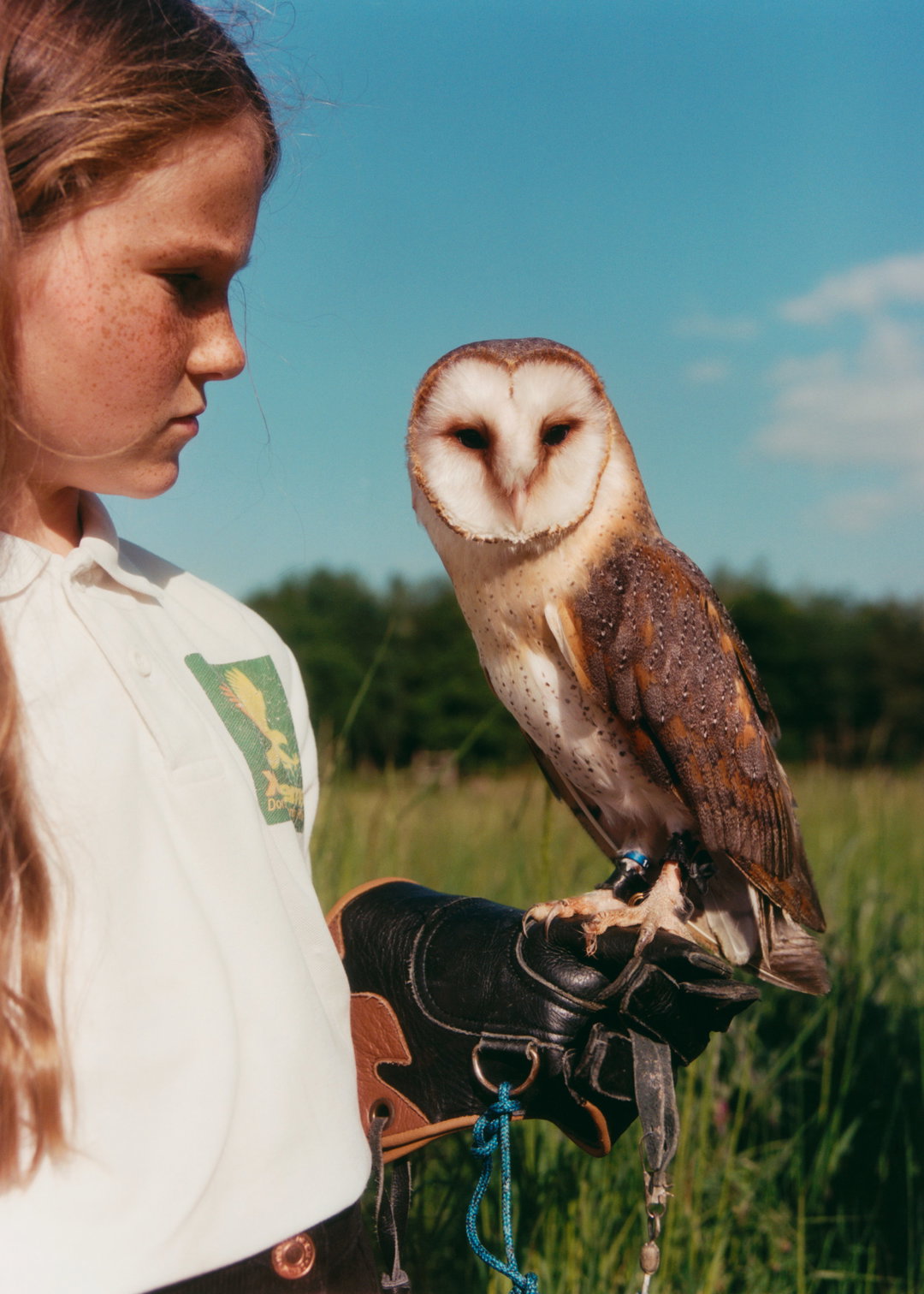
Take her shot of Connie and a Harris Hawk. While Lauren is “usually always drawn to a portrait of someone looking to the camera”, the unique shapes of the shot spoke to her – the way Connie’s downturned head contrasts with the forward-facing profile of the hawk. “I think it really shows the trust between them both,” she adds. Lauren also points to an image of Elsie and a kestrel called Hazel. After spending the whole day with the girls in the fields flying the birds, they took a moment to have lunch and chat, and Elsie left and returned with Connie. “They were just quietly looking at each other,” Lauren reflects. “I love the dappled light and the way Elsie’s freckles and hair match the colour and patterns of the kestrel.” It was a beautiful, quiet moment of rest in amongst the high energy octane of flight.
At one point in their meetings, Lauren asked the girls if they ever posted any of their falconry on social media. They responded that they didn’t, quite simply, because they couldn’t – neither of them had it. Lauren, in one moment, began to suggest they use Instagram, likely for how much others would benefit from seeing their unique world, before realising they were definitely much happier without it. “It felt so refreshing to know that there is nothing remotely performative about what they are doing,” Lauren says. It was being done purely for the love of it – no one else needed a phone-sized window in.
It feels like we could all learn a lot from the two girls in Dorset who’ve committed all their spare moments to birds, and this dedication to something solely for the joy of it proved an important reminder for Lauren. “I’m often in a world of treatments and briefs and shot lists – there is something very freeing about just turning up for a shoot and not knowing what you will come back with,” she ends. “It’s easy as a photographer to have an ongoing list of project ideas, but never actually executing them. These things take time – you have to build relationships, travel, invest money, things that are increasingly hard to make happen in a world of AI and financial instability. This project has reminded me of the importance of making personal work that you really care about – it brings so much curiosity, joy and human connection.”
GalleryLauren Maccabee: Young Falconers (Copyright © Lauren Maccabee, 2026)
Hero Header
Lauren Maccabee: Young Falconers (Copyright © Lauren Maccabee, 2026)
Share Article
Further Info
About the Author
—
Olivia (she/her) is associate editor of the website, overseeing the day-to-day editorial projects as well as Nicer Tuesdays events. She joined the It’s Nice That team in 2021. ofh@itsnicethat.com
To submit your work to be featured on the site, see our Submissions Guide.