Jeremy Liebman’s debut Apartamento book traces family life as language begins to disappear
After a decade shaping the publication’s visual identity, the New York-based photographer turns inward with a five-year photobook exploring family and mortality.
Jeremy Liebman is a New York-based photographer who, for the past decade, has been shaping the visual language of Apartamento. His work has graced 16 features for the magazine – from design legend Ingo Maurer to stylist Mel Ottenberg – and helped define the publication’s aesthetic of honest interiors. Before that, he wrote about his father’s photography archive for It’s Nice That. And now, he’s published his debut photobook, Coincidence, with Apartamento itself. It’s a full-circle moment, but not in the neat way you might expect.
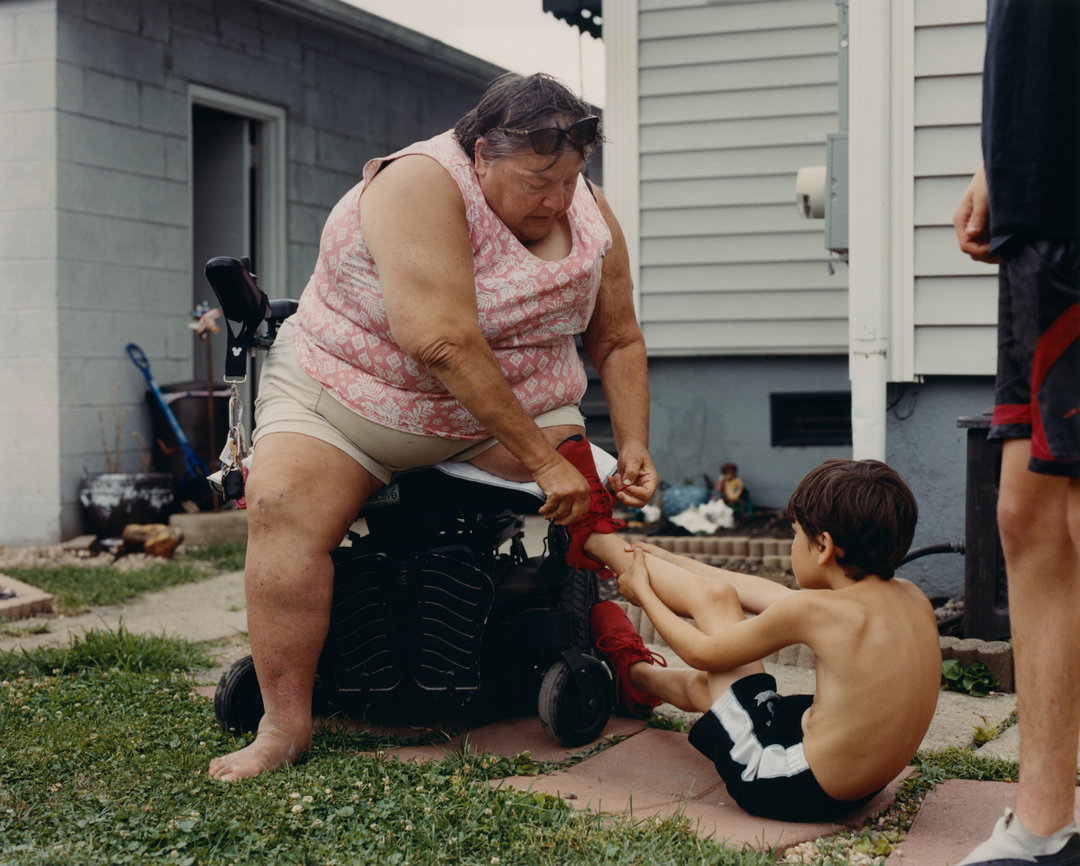
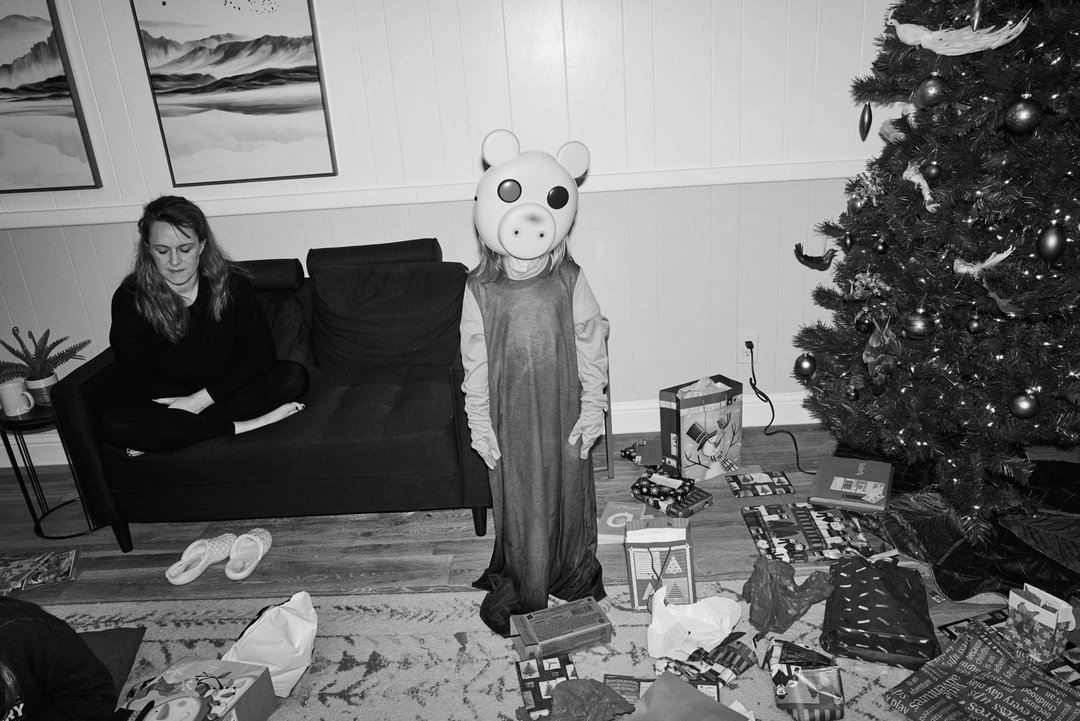
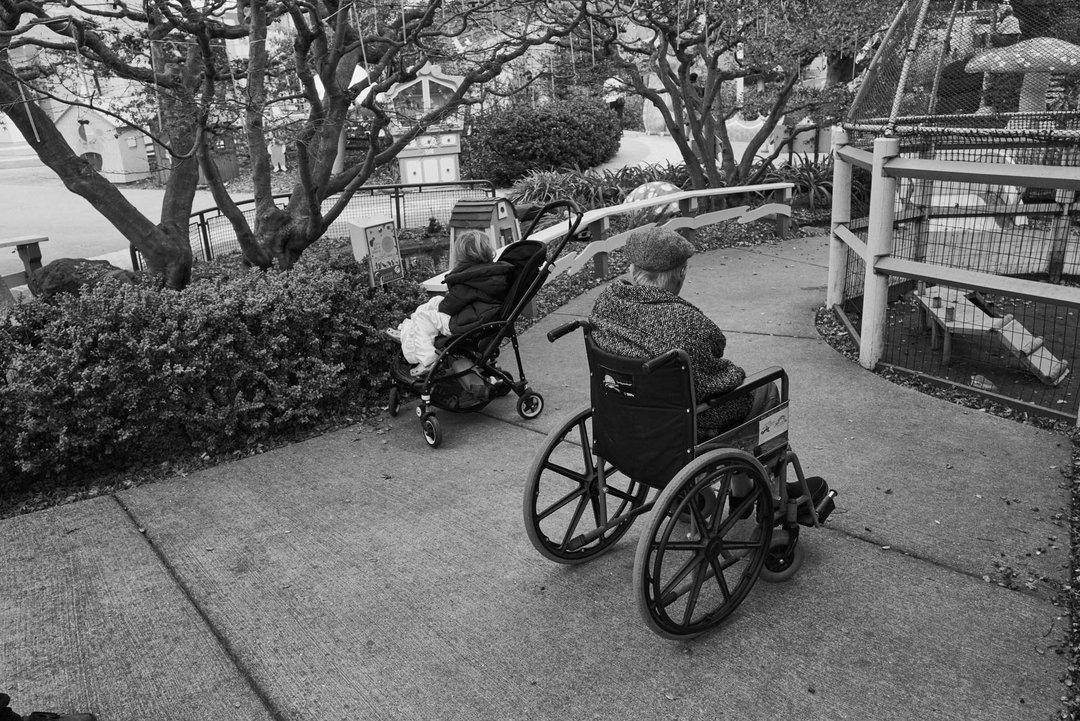
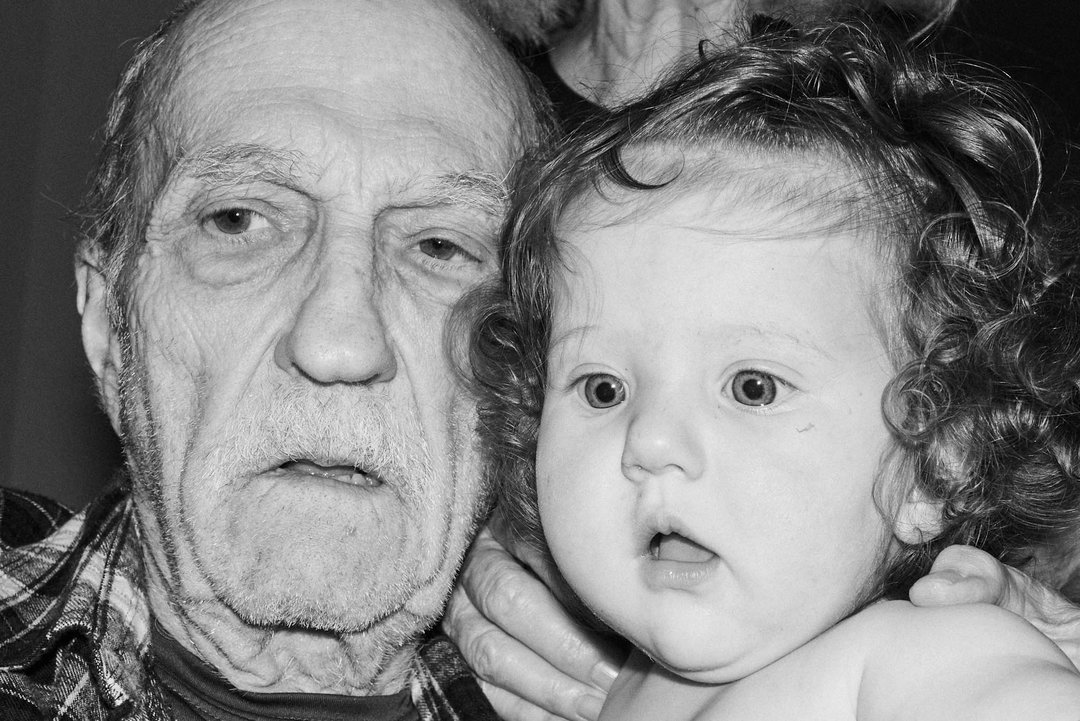
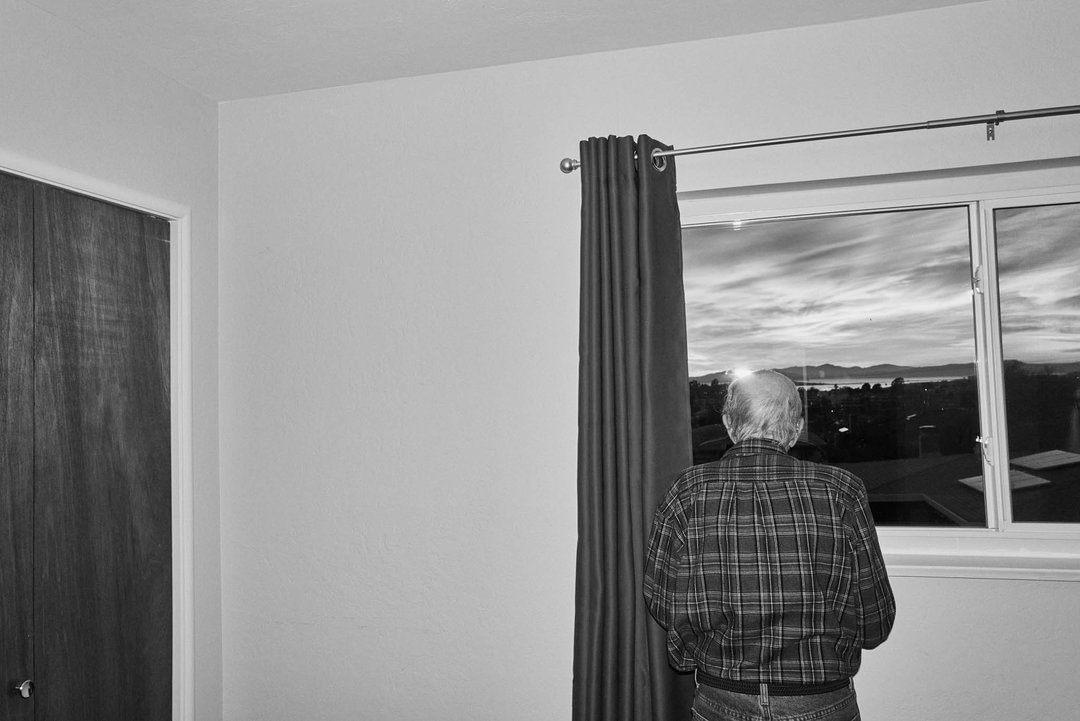
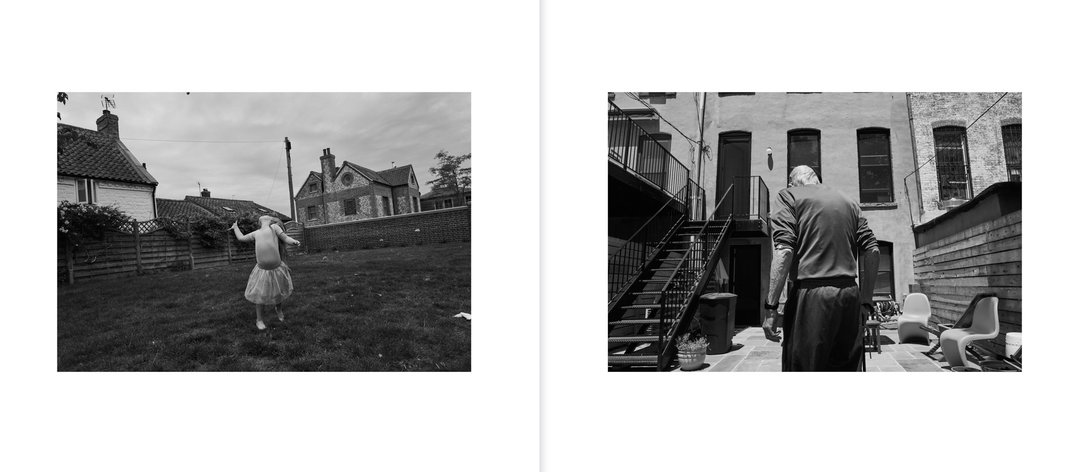
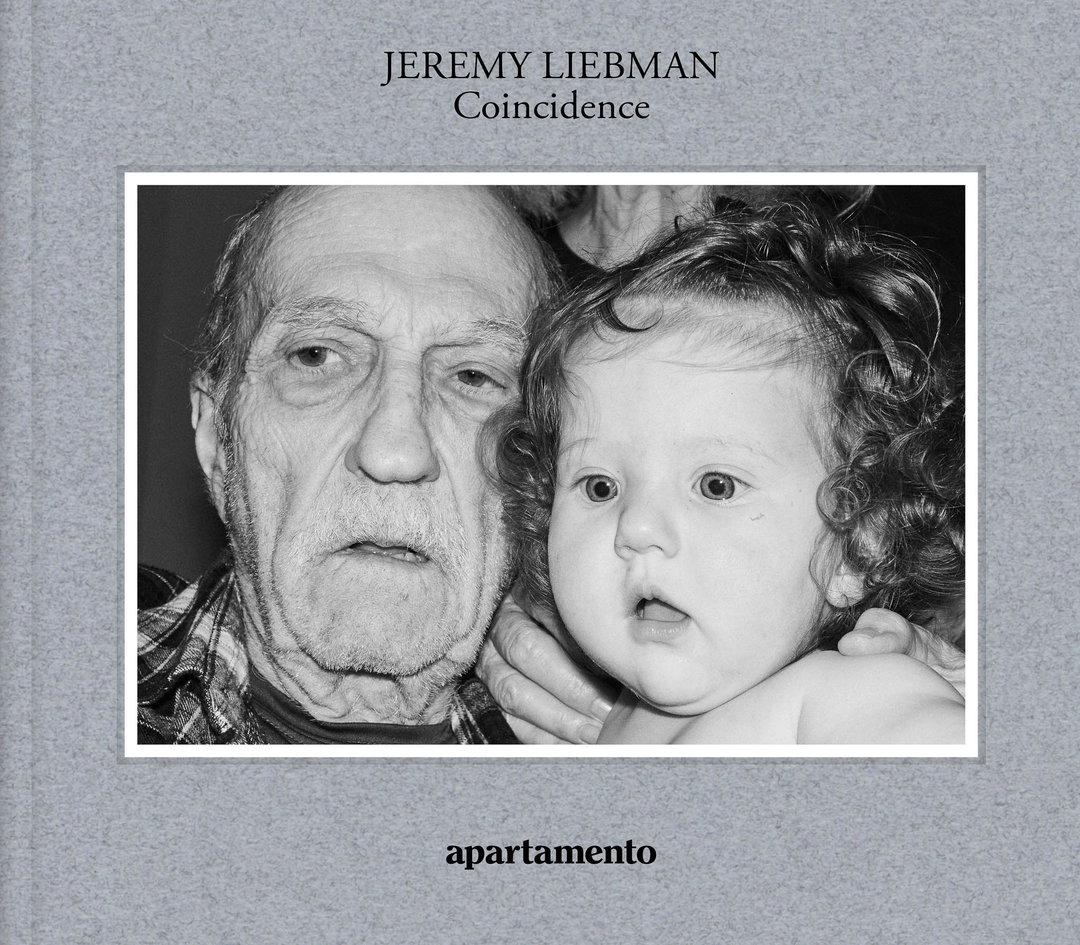
Coincidence is a black-and-white photobook spanning five years of Jeremy’s life across Dallas, Brooklyn and the English countryside. It contains 96 pages of candid photographs of the family on holiday, at birthday parties or caught in snow storms. We see his father Richard, who was also a photographer, after being diagnosed with Alzheimer’s; his two young daughters learning to make sense of the world; and the ripple effects that move through all three generations simultaneously.
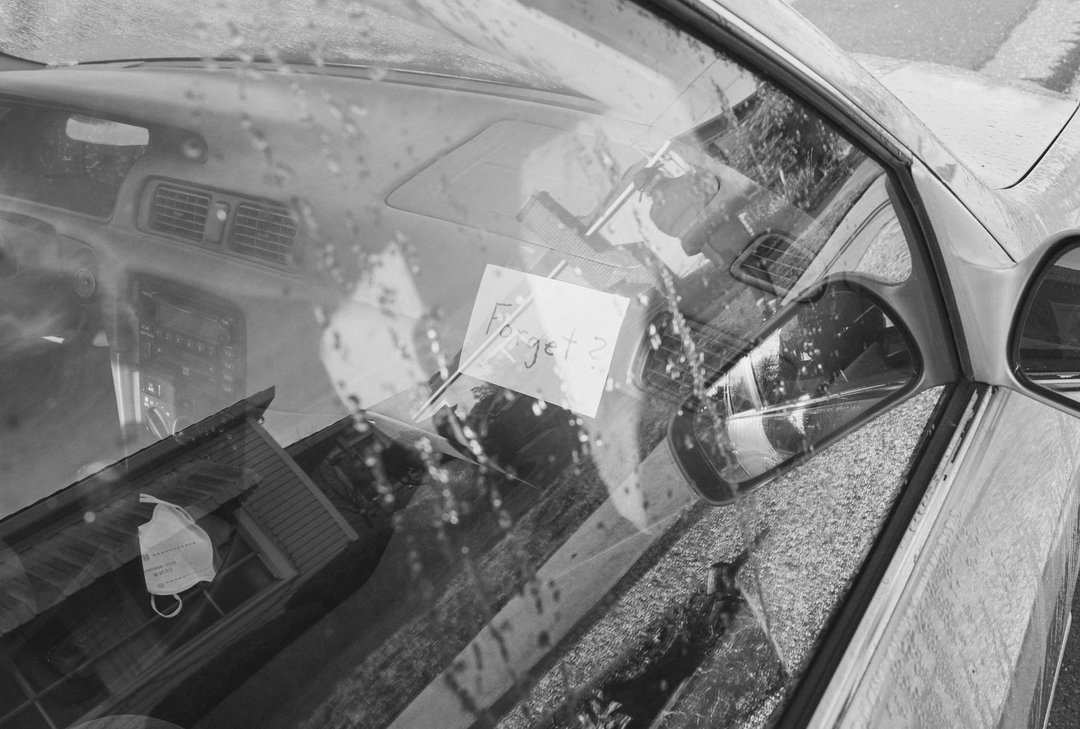
But it’s important to note that this book isn’t about dementia explicitly, or parenthood, or even ageing for that matter – at least not in any straightforward way. It’s fundamentally about language and what happens to the mind when it disappears. Jeremy explains it this way in the book’s press release: “When you’re a kid, and everything is just visual and internal, you’re flooded with the world – there’s this oneness. Then, as you develop language, a separateness emerges: you can say what things are, and therefore they become other than you. As my dad lost his ability to speak, to hear, to understand, there was a re-immersion into that world of pure inputs.”
Jeremy Liebman: Coincidence, published by Apartamento (Copyright © Jeremy Liebman, 2026)
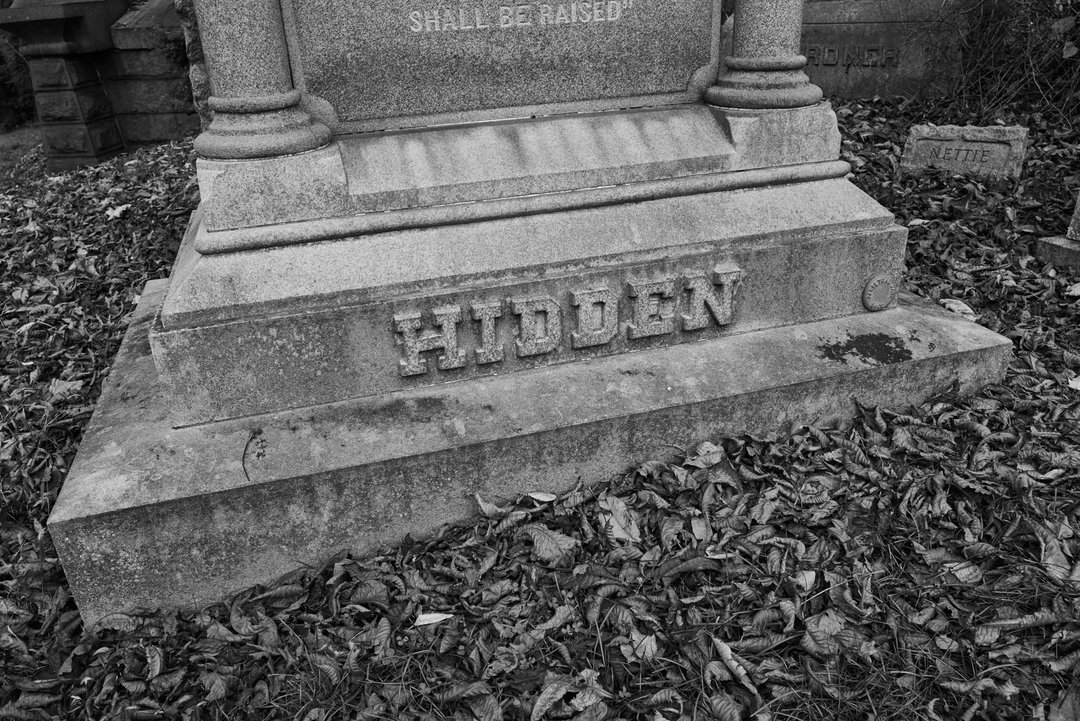
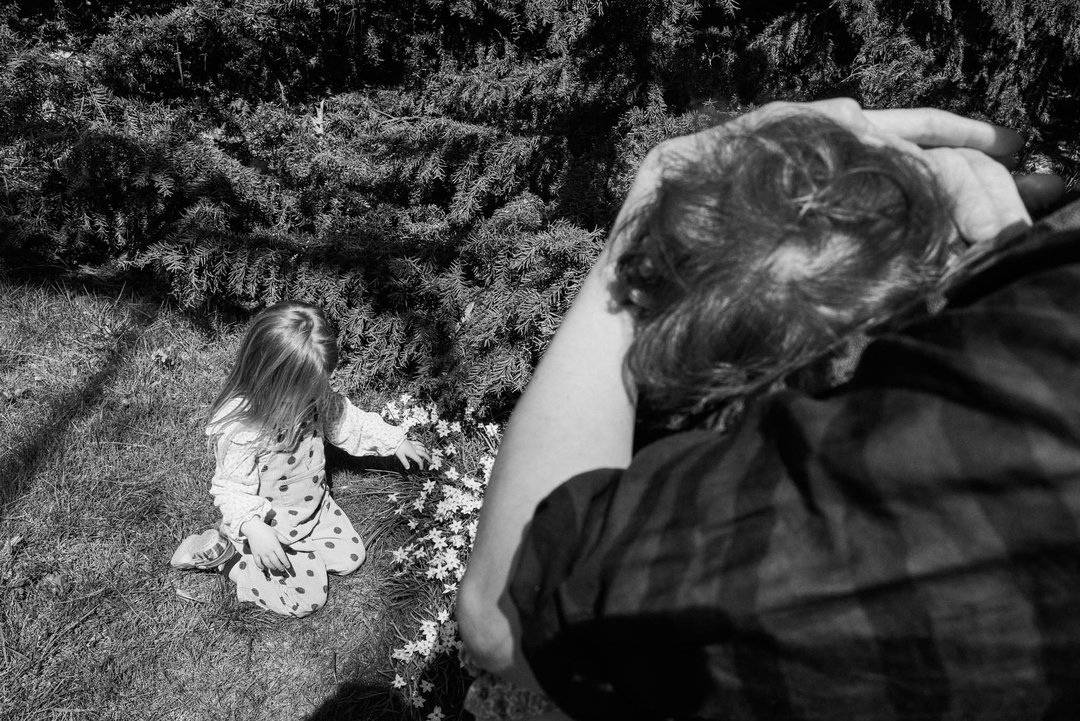
What makes this observation striking is that it’s happening in parallel with his daughter’s emergence into language. While his father loses the ability to name things, they’re just starting to discover it. We’re witnessing three generations and three different relationships with meaning and interpretation, captured in photographs that were never shot with that in mind. “There were images that I felt were interesting the moment I shot them, and others that I didn’t really pick up on until years later,” Jeremy tells It’s Nice That. “It was important to me to select images that retained a feeling of discovery, mystery or uncertainty. There’s an unresolved quality to most of the pictures that I think allows for more interpretation.”
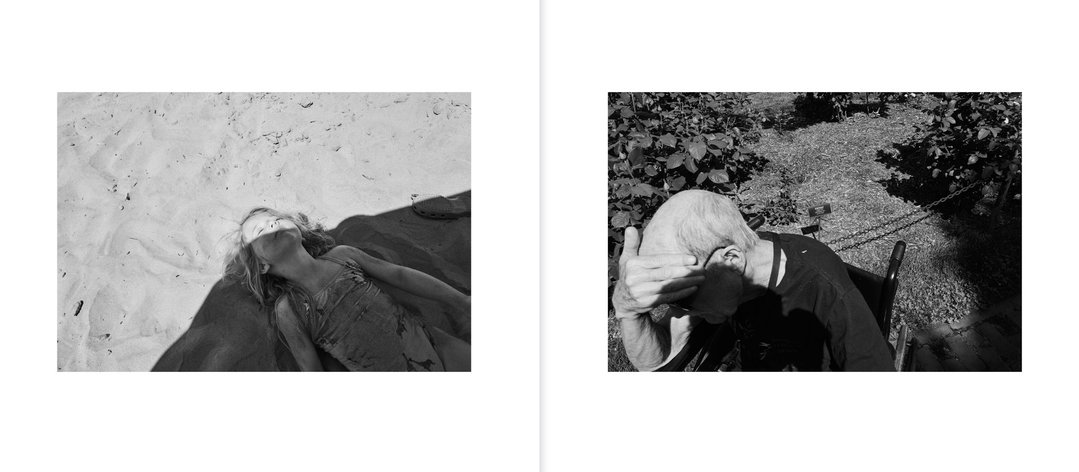
The sequencing unfolds like life itself – sometimes chaotic, other times beautiful, and a lot of the time completely unknown. The narrative was developed with Apartamento’s Nacho and Robbie, who helped draw parallels between the images. For instance, there’s a photograph of Jeremy’s daughter on the beach that appears opposite one of his father shielding his eyes from harsh sunlight. Both images are overwhelmed by light, but the emotional registers couldn’t be more different. In the daughter’s image, “the tone is more confident and confrontational”, says Jeremy, as she’s divided between shadow and brightness, her eyes clenched together. The father “seems more cowed and defensive”. Behind him, a garden is chained off, and a placard reads ‘Portrait’, the name of a rose planted there. “In both cases, the shade is insufficient; on the left, the shadow of the beach umbrella and on the right, my shadow.”
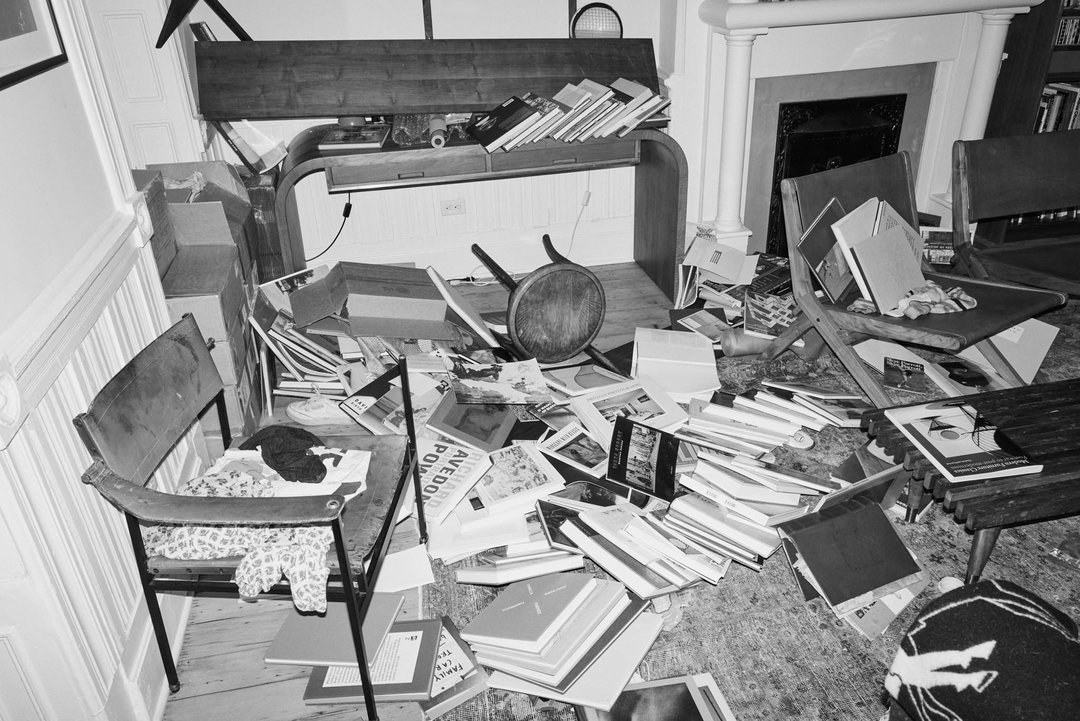
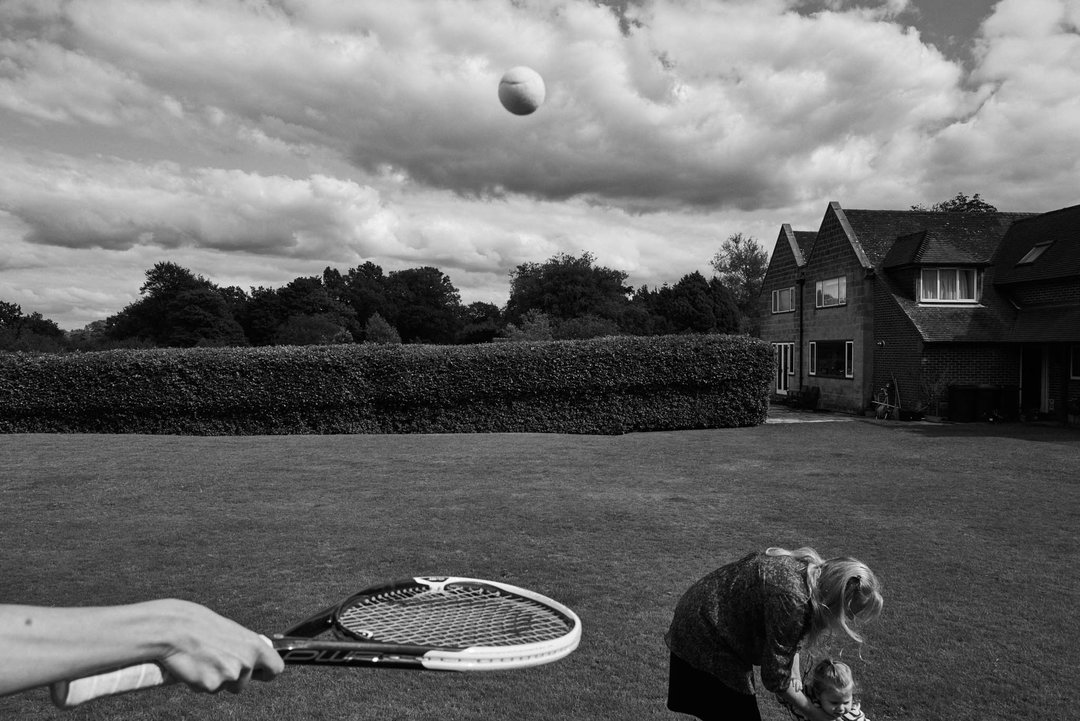
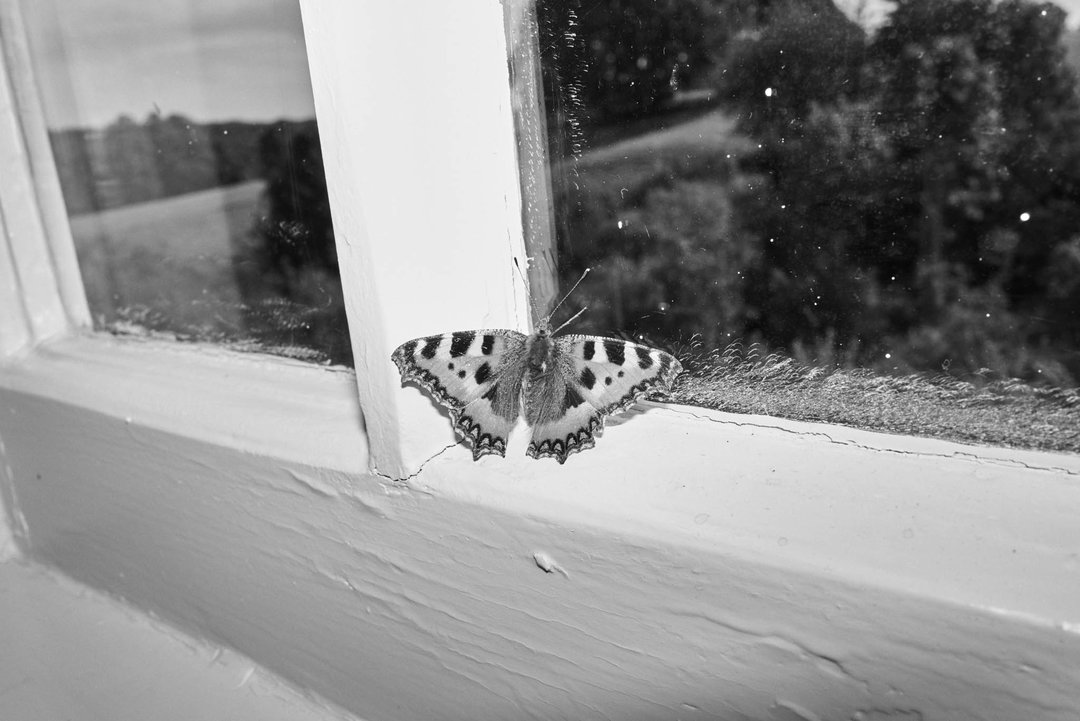
Elsewhere, the book drifts through spaces that hold these lives together – like the living room in the middle of a Christmas present unwrapping or the garden for a game of tennis. We also see the shift from the familiar childhood house to the strange and empty nursing home, while objects like a fallen book or a resting hand mirror one another across the page. They’re small and almost incidental moments, but together they build a visual language of a family.
GalleryJeremy Liebman: Coincidence, published by Apartamento (Copyright © Jeremy Liebman, 2026)
Hero Header
Jeremy Liebman: Coincidence, published by Apartamento (Copyright © Jeremy Liebman, 2026)
Share Article
About the Author
—
Ayla is a London-based freelance writer, editor and consultant specialising in art, photography, design and culture. After joining It’s Nice That in 2017 as editorial assistant, she was interim online editor in 2022/2023 and continues to work with us on a freelance basis. She has written for i-D, Dazed, AnOther, WePresent, Port, Elephant and more, and she is also the managing editor of design magazine Anima.