The Baldwin-Emerson Elders Project reimagines the possibilities of an oral history archive
Utilising intuitive design, dynamic visuals and interactive storytelling, the groundbreaking platform spotlights the stories of America’s elders.
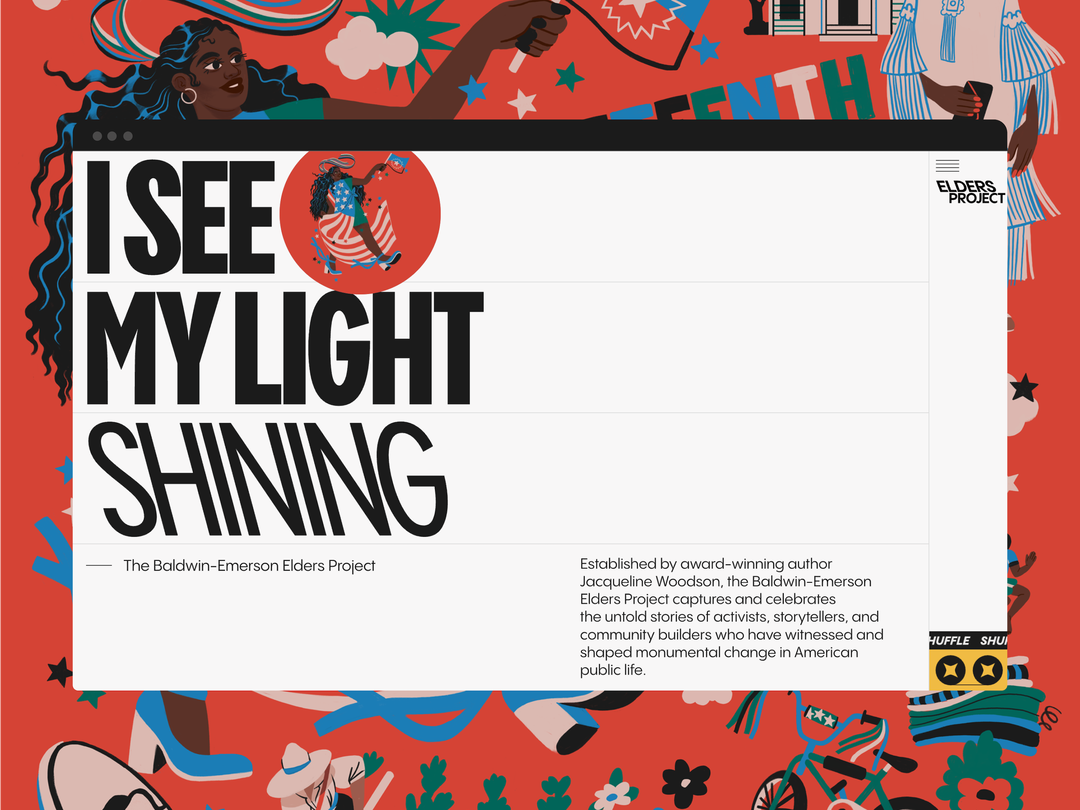
Earlier this year, The Baldwin-Emerson Elders Project was released following months of dedicated ideation, research and development. Initiated by award-winning author Jacqueline Woodson, the project captures the untold stories of America’s elders – activists, storytellers and community builders who have contributed to and shaped American society – and conveys them through a purpose-built online platform. Conceived by the Incite Institute at Columbia University and designed by Polish creative agency Huncwot, the platform seeks to shine a light on these often overlooked narratives, whilst pushing the boundaries of what oral history can look, feel and sound like.
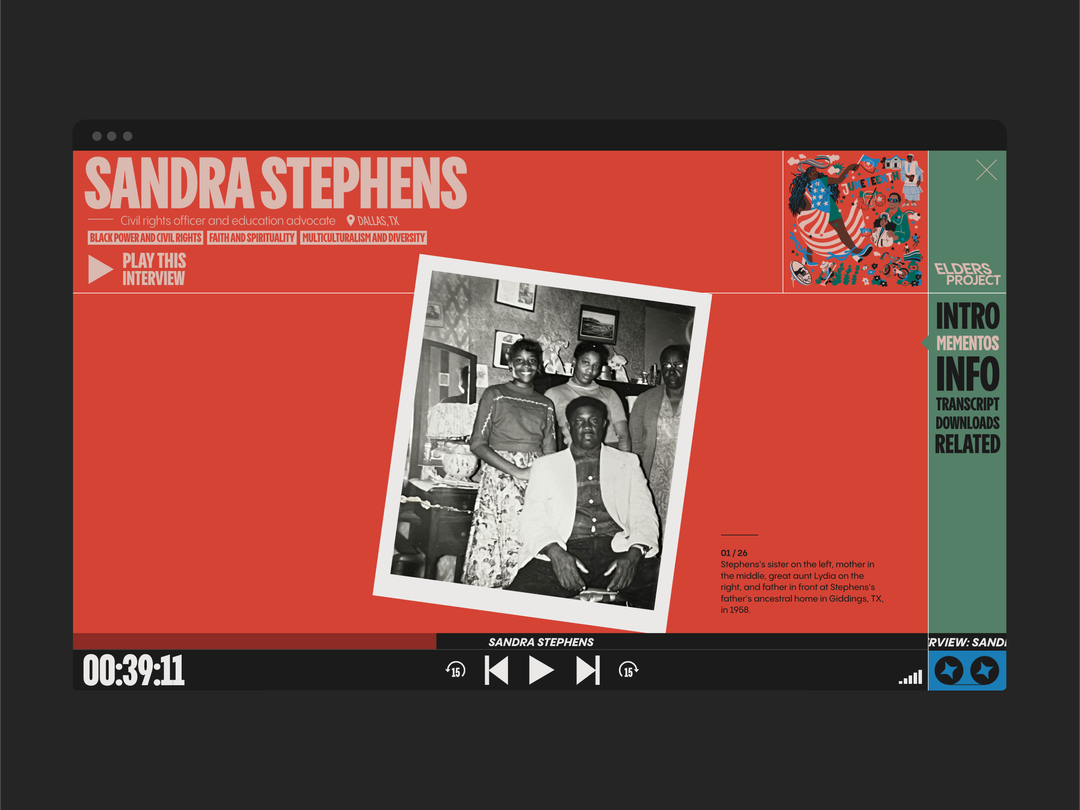
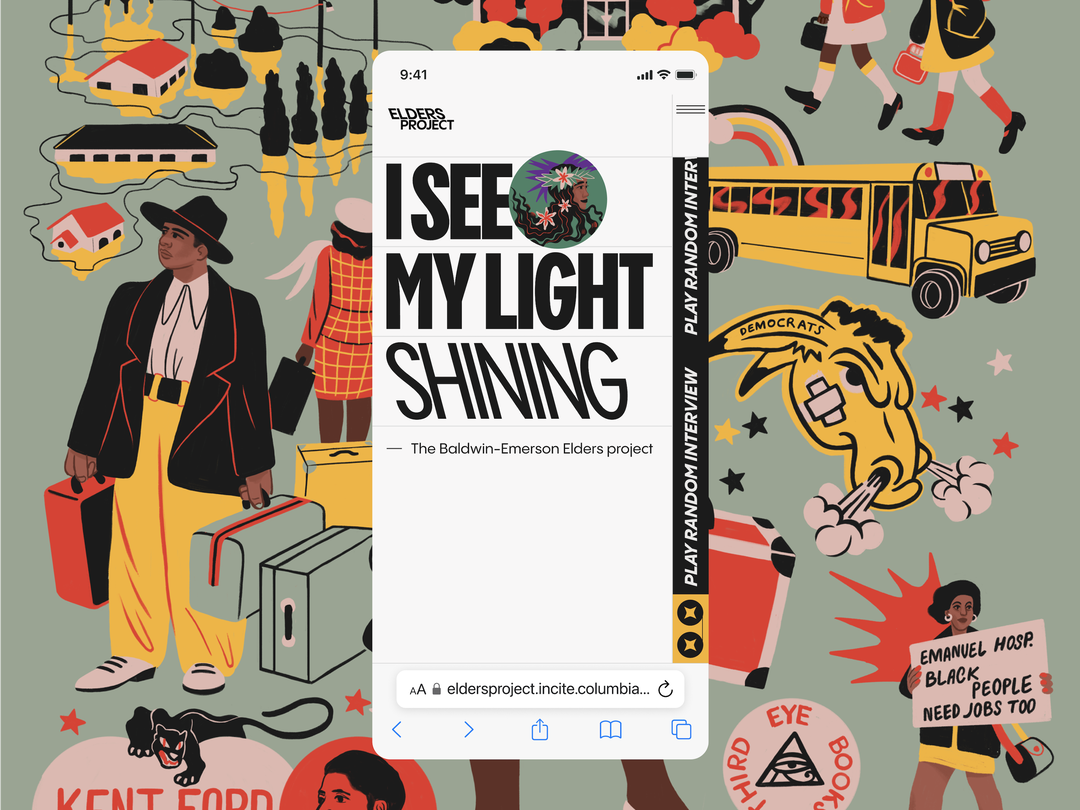
The website is centred around several collections of interviews with elders all around the country, each providing their own perspective on a series of topics, from cultural pride to movement and migration. These interviews were captured by a team of ten writers who visited Black, Brown, Latine and queer communities to document the important stories of nearly 250 participants. During this period, the writers also collated over 1,000 pieces of personal ephemera, including photographs, letters, newspaper clippings and collages – many of which are now on display on the website.
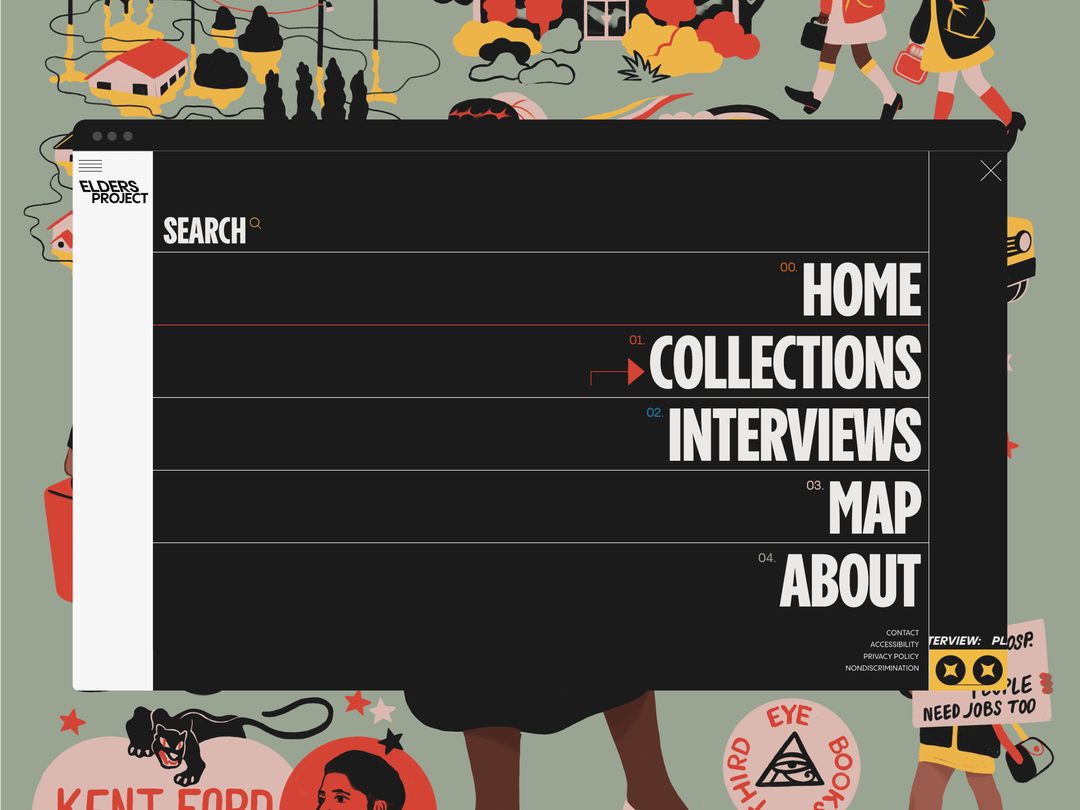
Huncwot: Baldwin-Emerson Elders Project (Copyright © Incite Institute at Columbia University, 2024).
Chris Pandza, communication designer at Incite, says “This project’s structure was inspired by the New Deal era Federal Writers’ Project (FWP). We were also visually inspired by the guidebooks that emerged from the New Deal, which had cover artwork that closely reflected the motifs of the regions they covered.” Eager to develop unique visual identities for the regions featured in their own project, the Incite team partnered with Huncwot to find a solution that could playfully celebrate the oral histories being showcased, whilst remaining respectful of their frequently “serious and consequential” subject matter.
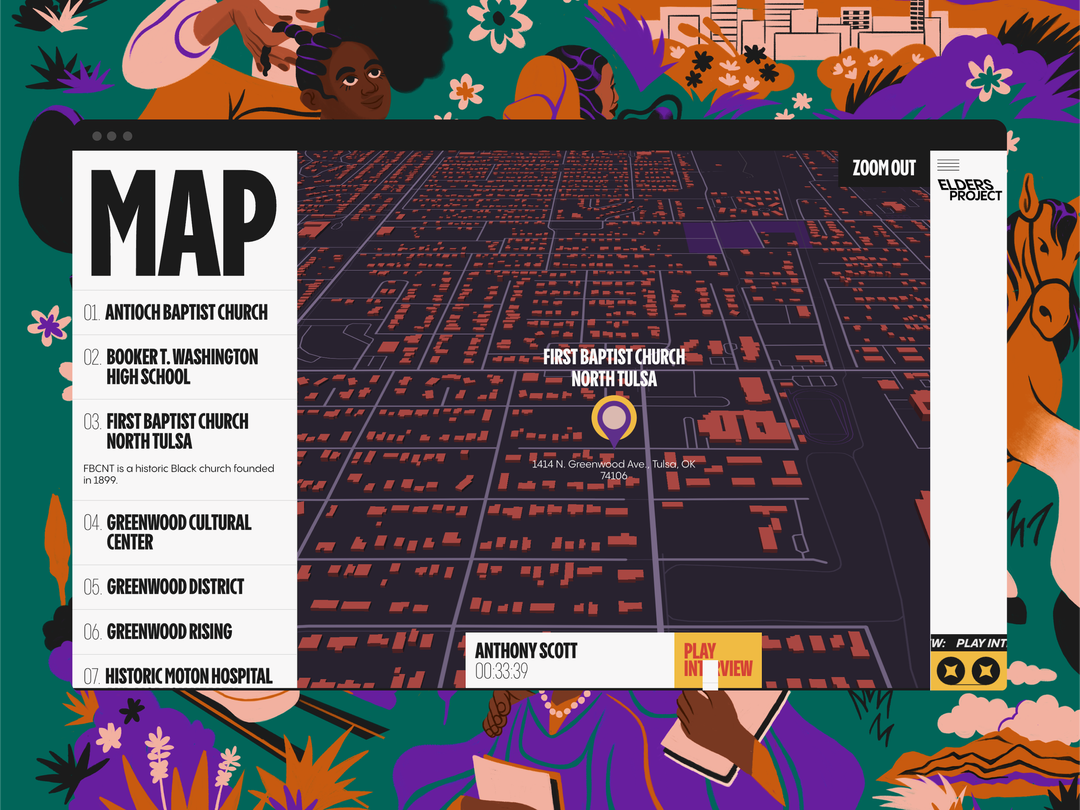
The result is a visual system that utilises vibrant design elements, from big, bold typography to colourful and dynamic illustration. It was important during this process to prioritise accessibility on the site, not only for general users wanting to navigate the content, but also for any elders trying to find their way through the collections. Equally, the structure of the site is thoughtful and intuitive, featuring multiple pathways for exploration, including a filtered catalogue of interviews, curated storytelling collections, and a geographical search feature via an intuitive map.
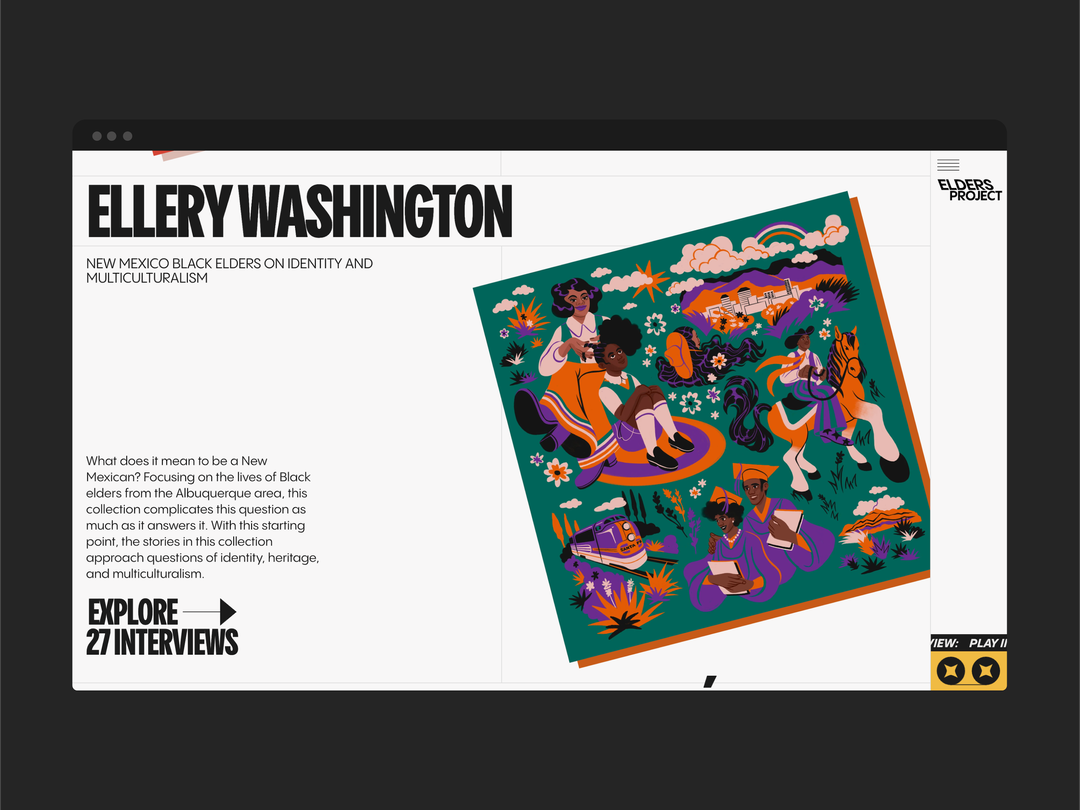
Huncwot: Baldwin-Emerson Elders Project (Copyright © Incite Institute at Columbia University, 2024).
Speaking on the design process, Arek Romanski, co-founder of Huncwot, says “Designing the assets for the Elders Project involved translating the themes of identity, geography, and migration into visual elements that enhance the user experience.” One such visual element is the audio player, which was crafted to resemble a small dictaphone that helps users feel connected to the narrator’s life as they listen to them speak. There are also other features inspired by physical objects, such as notebook paper that can be found across the identity, as well as in micro-animations and transitions. “These details add a layer of nostalgia while enhancing the overall storytelling experience, making the site feel like a bridge between generations,” says Arek.
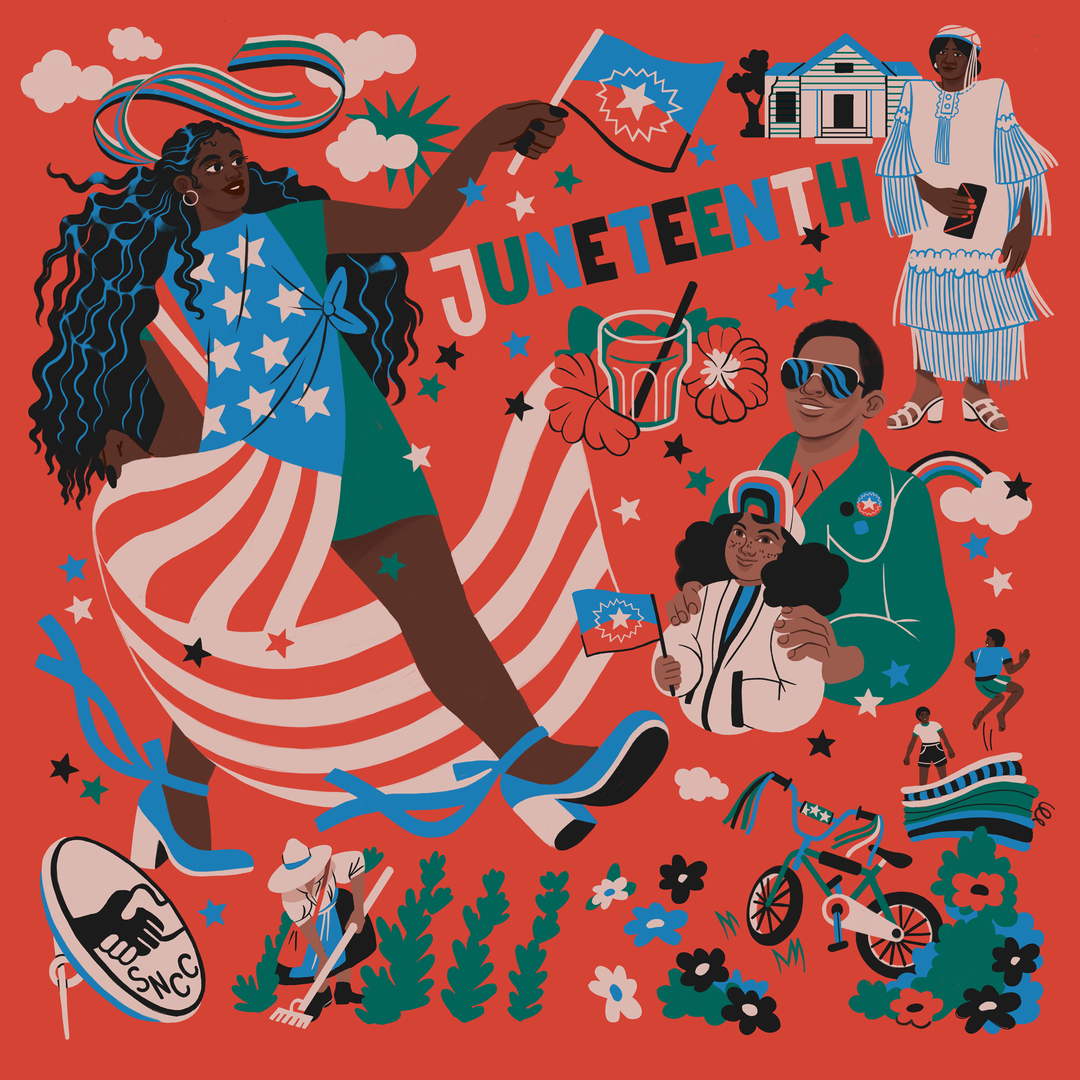
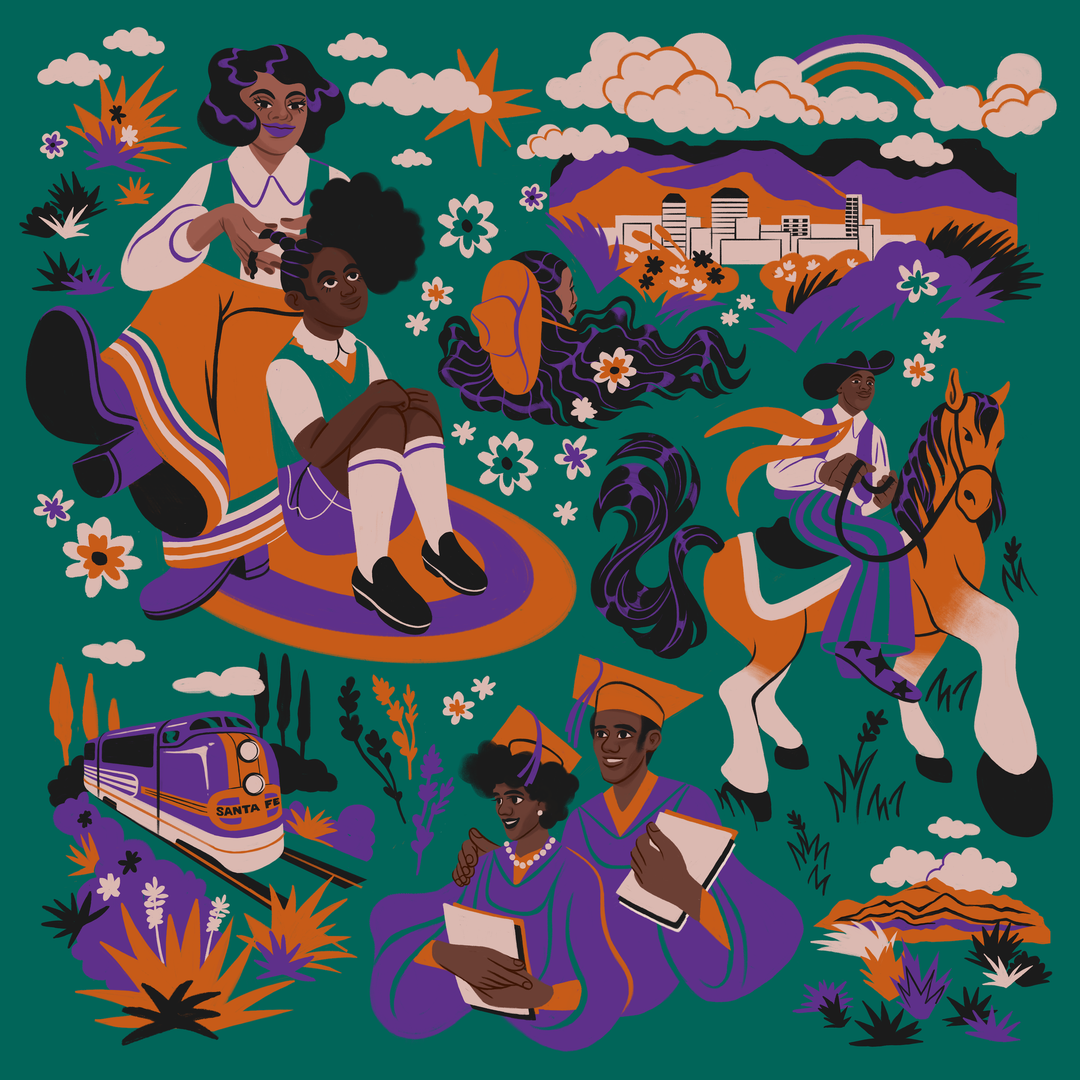
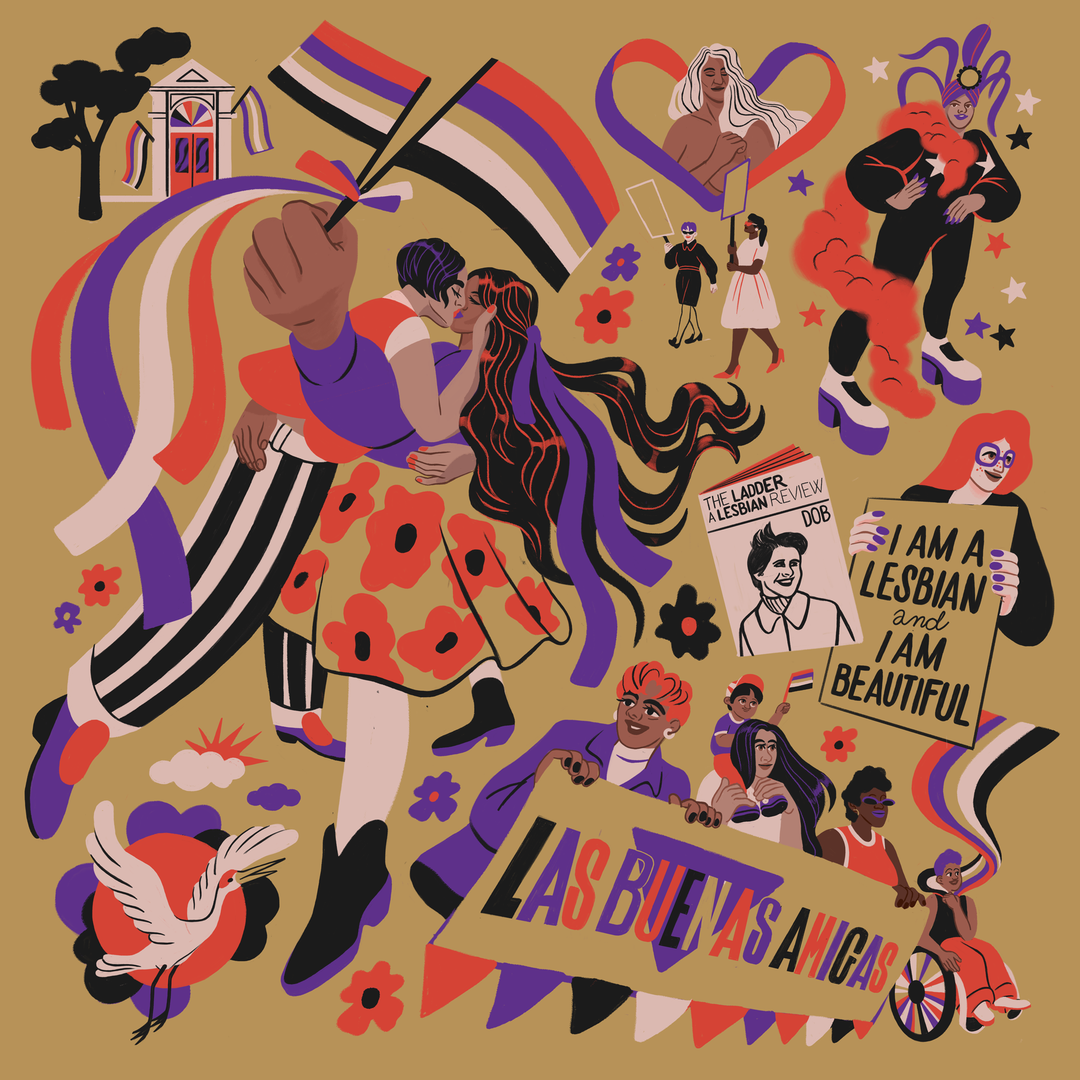
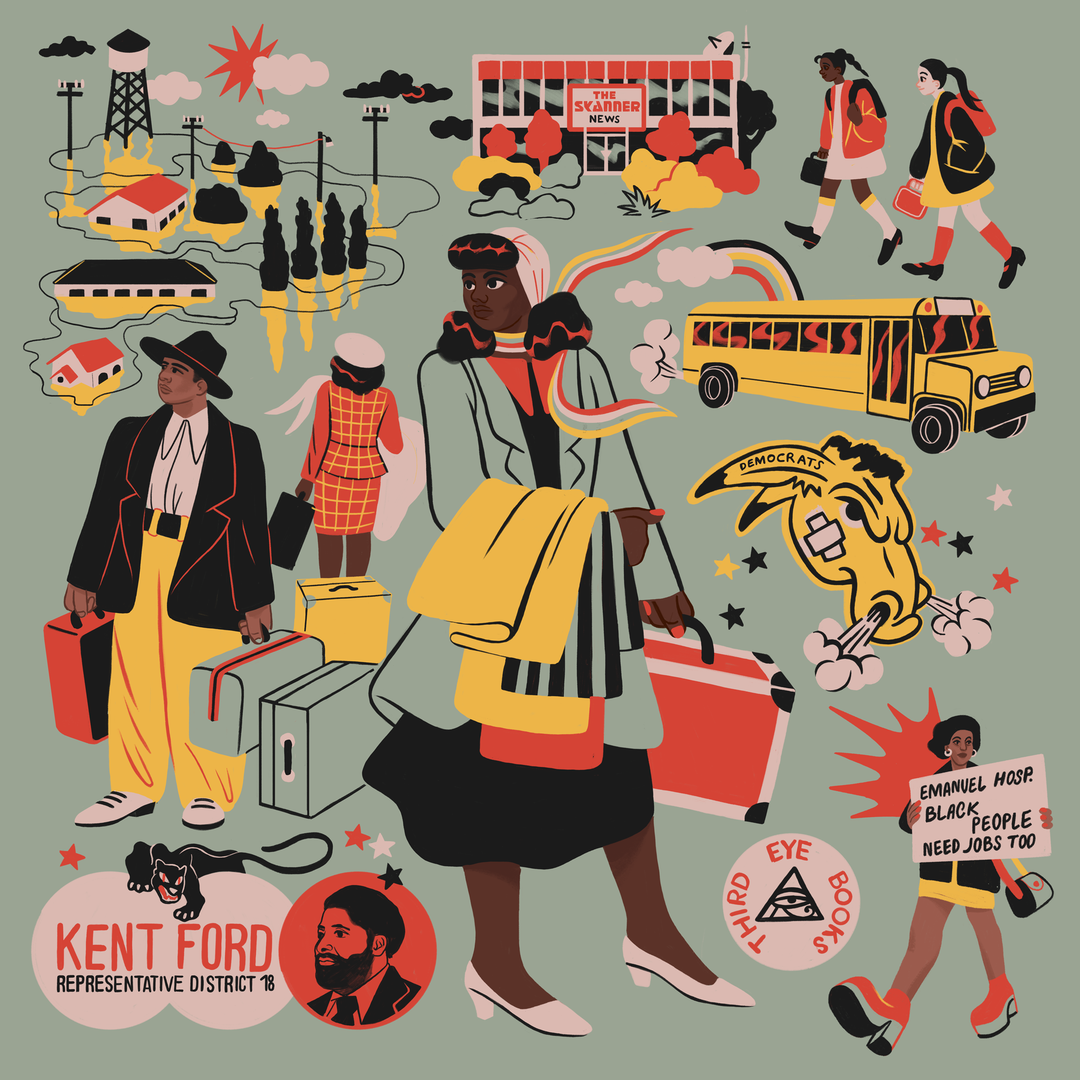
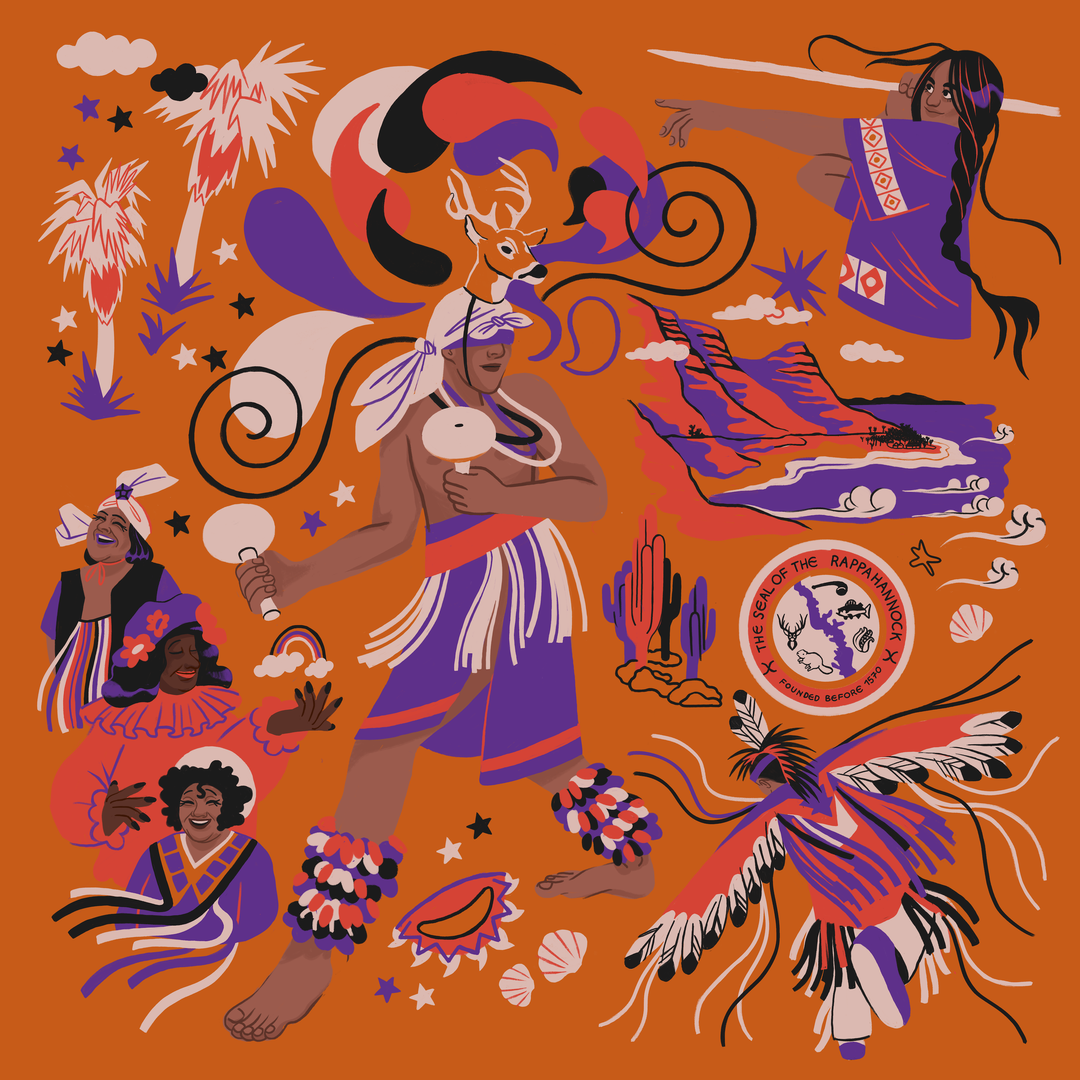
Illustration played a crucial part in setting the right tone for the project, and Huncwot entrusted this responsibility to Polish artist Ada Buchholc, who is known for her eye-catching, character-driven work. The brief for Ada was to create artwork that not only distinguished each collection but also celebrated the “kaleidoscope” of human stories featured within the project. Using the book covers from the FWP as a reference point, she developed a series of illustrations that “reflect the unique themes and regional differences among the narrators”, helping to ensure that each collection is visually distinct but also part of a cohesive whole. Reflecting on the task, Ada says “I can hardly remember a time when illustrating a project stirred such deep emotions within me. The stories I had known through books and documentaries came alive here, recounted by the very people who experienced them, becoming so much more vivid and deeply moving.”
“The design philosophy, symbolising the kaleidoscope of human stories, is evident in how we’ve intertwined visual elements with a thoughtful approach to content gradation and storytelling,” adds Arek. “This ensures that the site is not just a platform for preserving stories but also makes the journey of discovering the stories of elders intuitive and enjoyable for every user.”
GalleryHuncwot: Baldwin-Emerson Elders Project (Copyright © Incite Institute at Columbia University, 2024).

Share Article
About the Author
—
Daniel joined It’s Nice That as an editorial assistant in February 2019 and continues to work with us on a freelance basis. He graduated from Kingston University with a degree in Journalism in 2015. He is also co-founder and editor of SWIM, an annual art and photography publication.