


Gazier Marine makes her painstakingly detailed graphite drawings at night – and you can tell
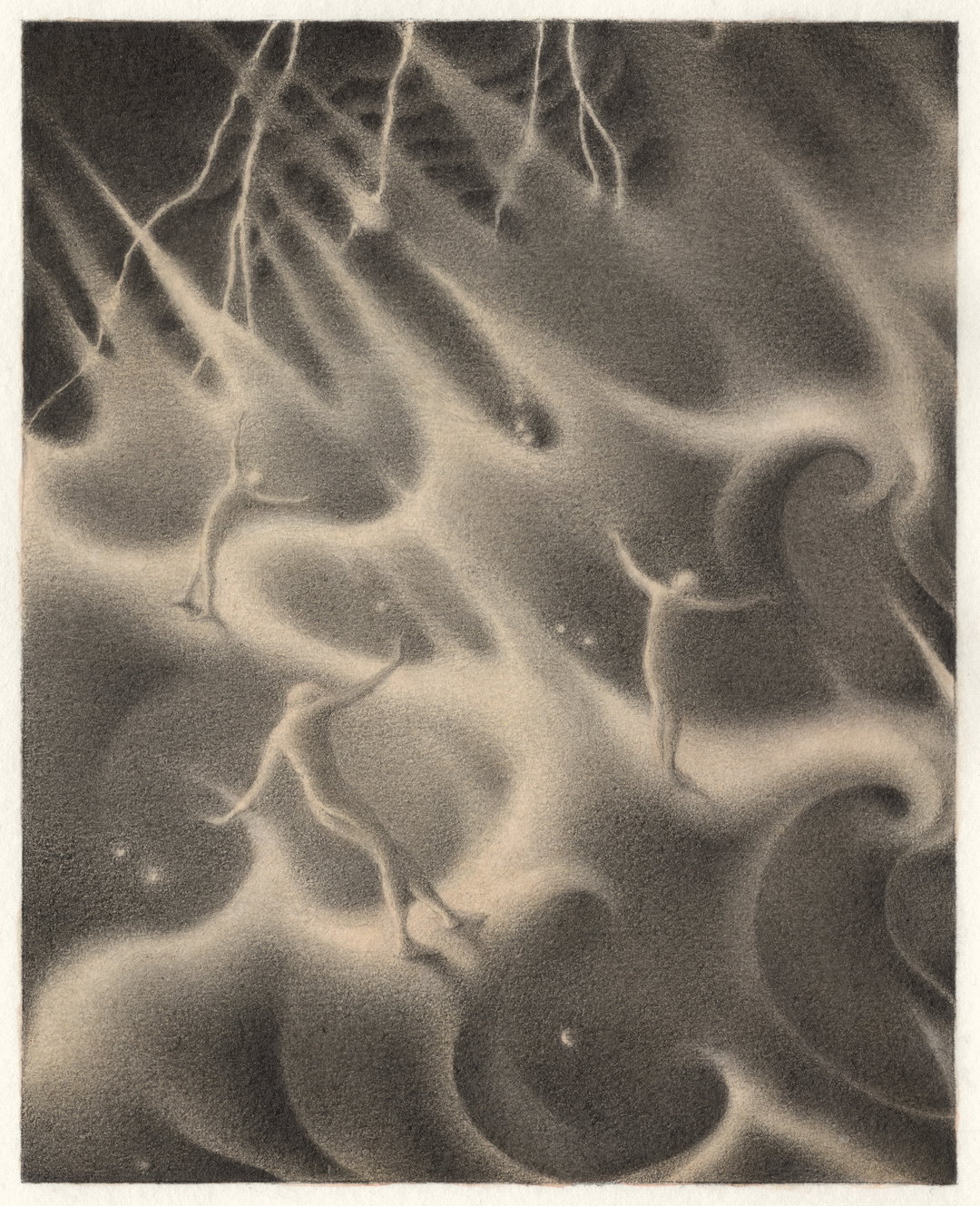
Inspired by Christian imagery, the Flemish Primitives, Maurice Sendak and H.R. Giger, the artist creates painstakingly detailed drawings that transform landscapes and figures into mysterious, otherworldly visions.
Despite being established in the 20th century with Dadaism, some of the first absurdist art can be seen in surreal imagery from The Bible. Just look at the seraphims covered from wing-to-wing in countless eyes brought to life by medieval mosaicists or Hieronymous Bosch’s The Garden of Earthly Delights – an explosive triptych of sin, judgment and hell. Look to Christian art and you’ll find something in its fascinating tetramorphs that have a commonality with Gazier Marine’s stunning graphite figurative drawings. Angels, demons, God or Satan don’t always appear as we may think, but more so as legions of horses spilling out of a bleeding star – or it’s an interdimensional snake with the head of a spiky haired boy.
“Material reality is too hard, too terrifying for me to face, and honestly, profoundly uninteresting. On the other hand, the immaterial world, the one I am trying to depict, with many difficulties, is the one that gives hope, that can allow us to live, precariously, with a heart full,” says Gazier. “I draw pictures that I use to give my reality the depth that allows me to bear being a part of it.” Depicting ghosts, unknown gods and the “monsters behind the clouds” – Gazier turns landscapes into something sentient, with its own silky smooth character and cosmic dustiness. Gazier says that most of her painstaking and ultra-detailed drawings come as visions at night, where the remnants of the day blur and fade away, leaving her with the stars as they open the sky to possibilities.
Gazier curiously doesn’t name her drawings, at least not in a conventional sense, usually giving them three capital letters. Perhaps the drawings feel larger than a simple title, perhaps they’re beyond language. Inspired by the Flemish Primitives, body of works created during the Northern Renaissance period, as well as Maurice Sendak’s whimsical characters and H.R Giger’s metallic hellscapes, Gazier shapes an undoubtedly unique style that spreads its wings in a Biblical expansiveness, filled with equal measures of faith and fairytale, while feeling familiar, like her drawings are from another time. Or have they escaped to the present from the future? The mysteriousness and sheer beauty of Gazier’s work leaves viewers with this impression: of being visited by an angel, even if it looks like something completely different.
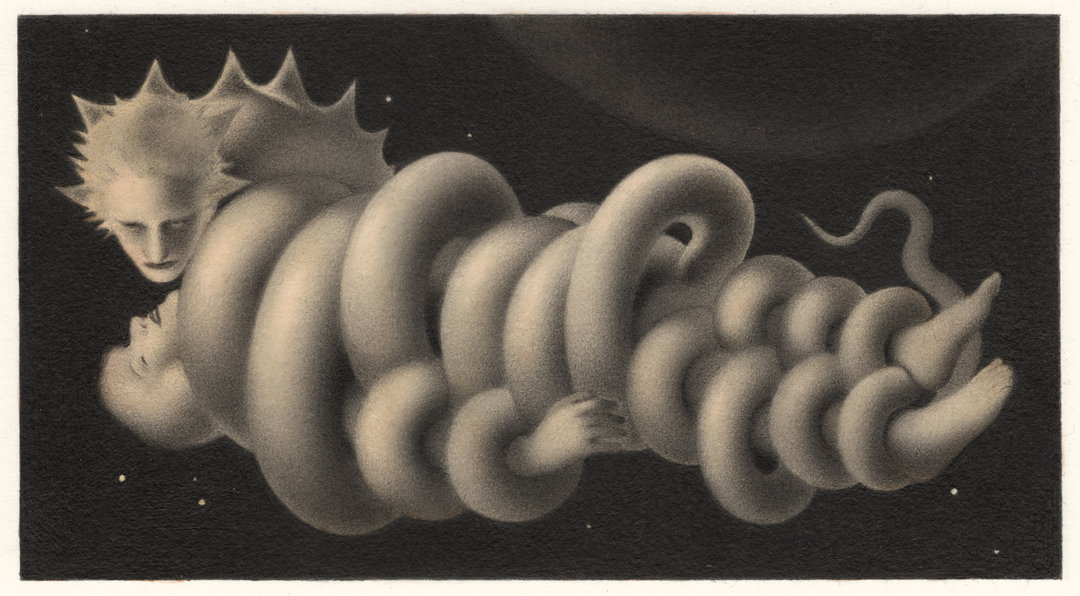
Gazier Marine: CPL (Copyright © Gazier Marine, 2026)
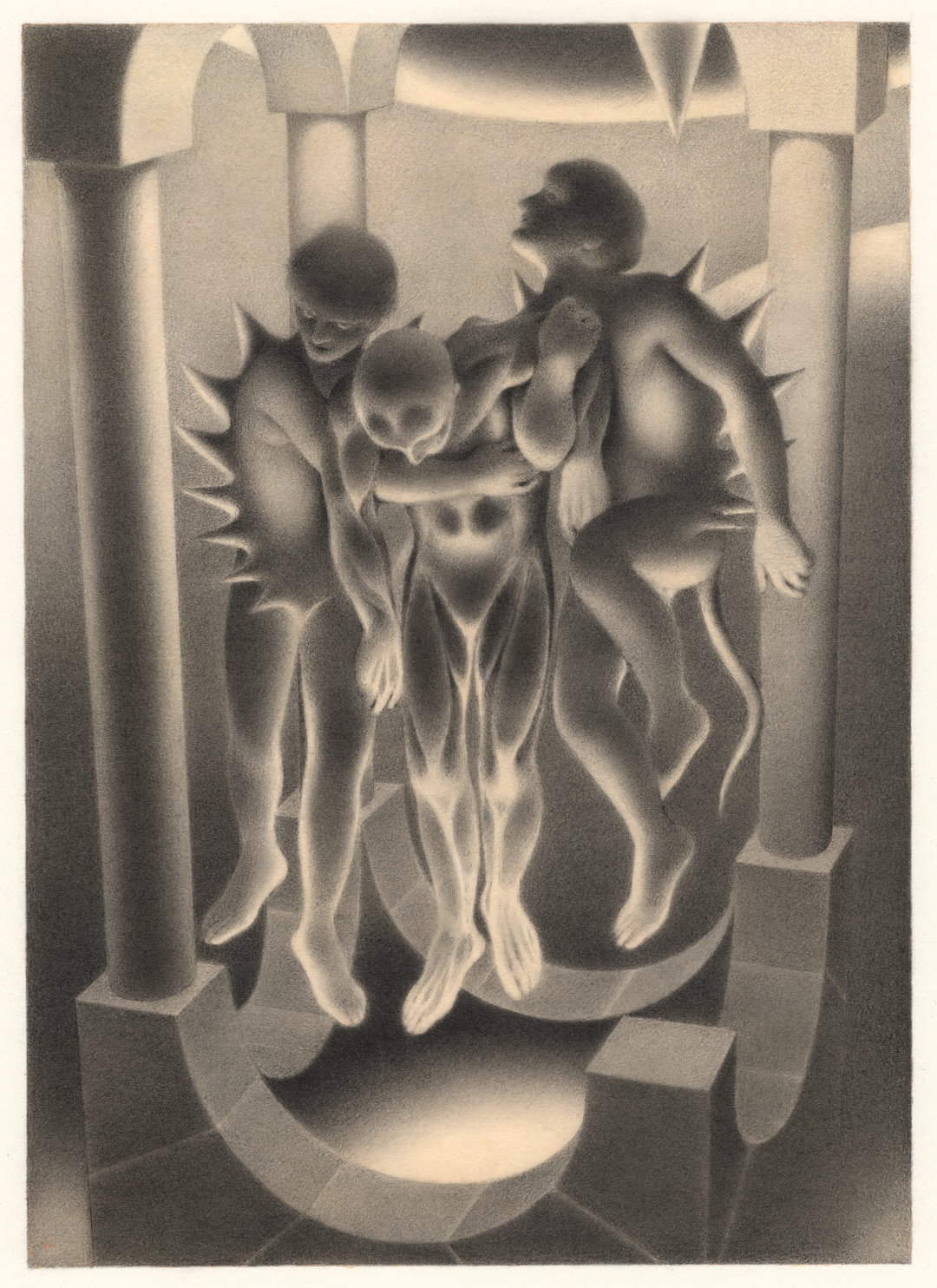
Gazier Marine: ALY (Copyright © Gazier Marine, 2026)
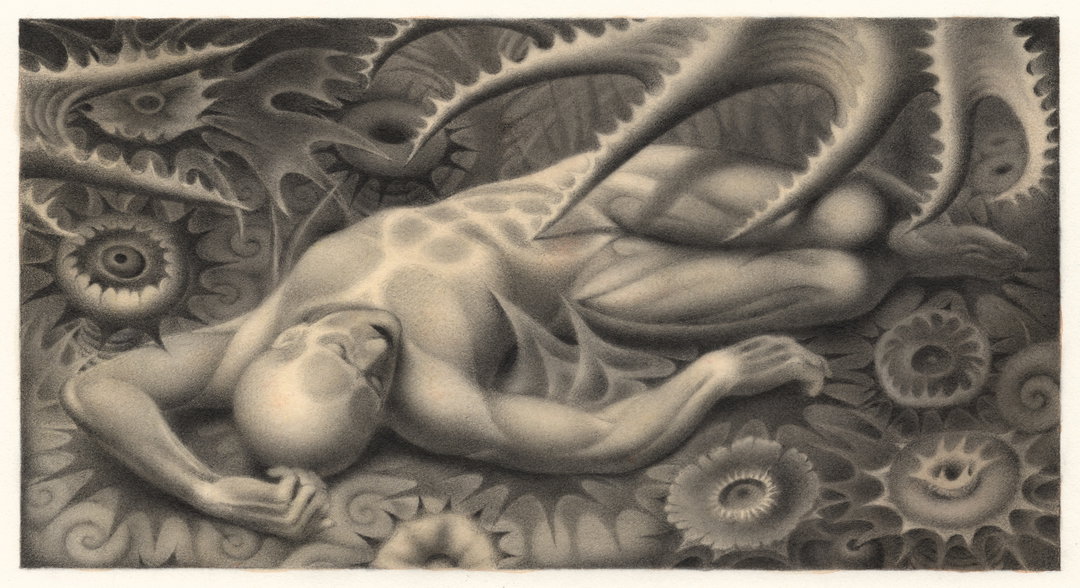
Gazier Marine: CJT (Copyright © Gazier Marine, 2026)
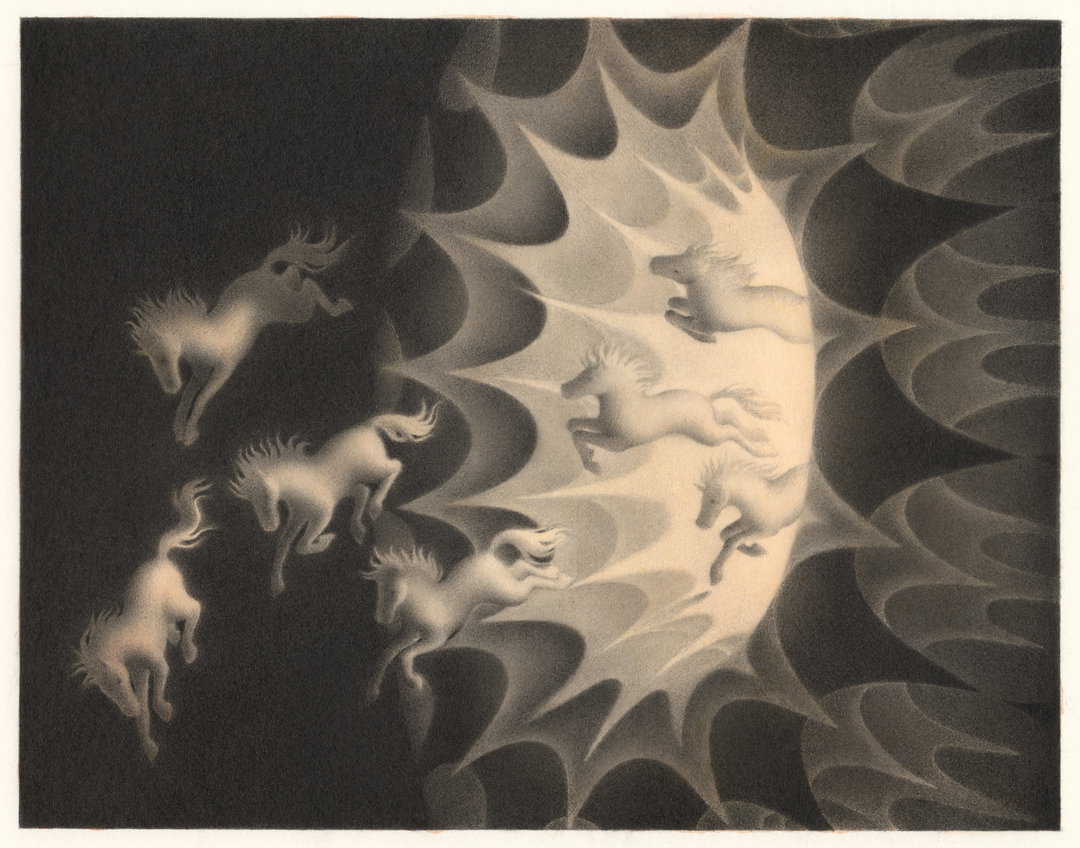
Gazier Marine: LIO (Copyright © Gazier Marine, 2026)
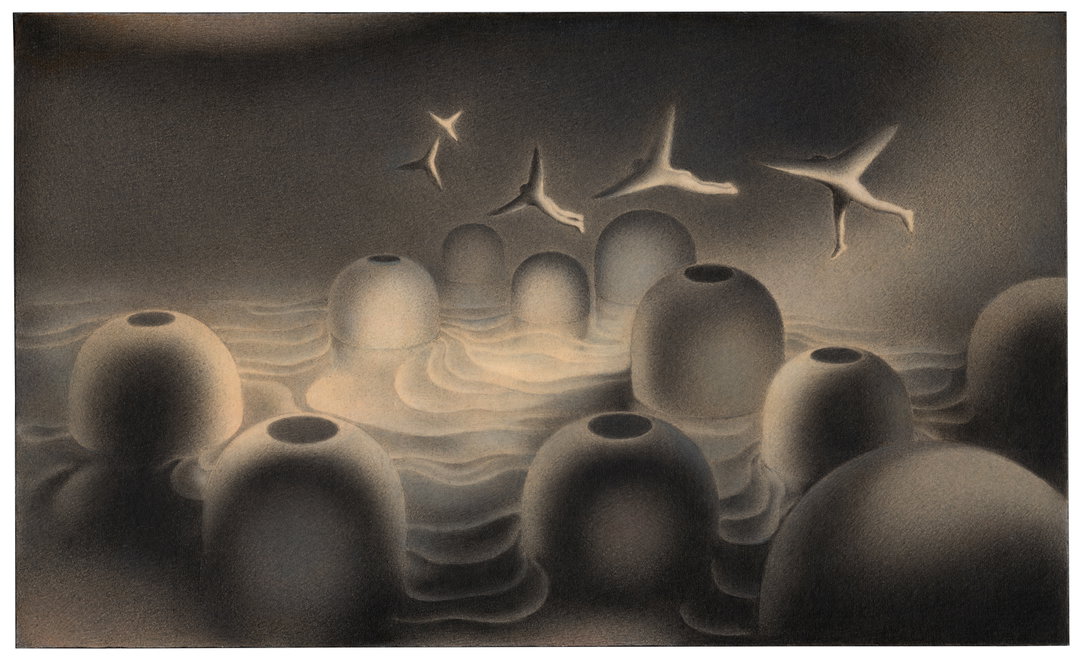
Gazier Marine: HMD (Copyright © Gazier Marine, 2026)
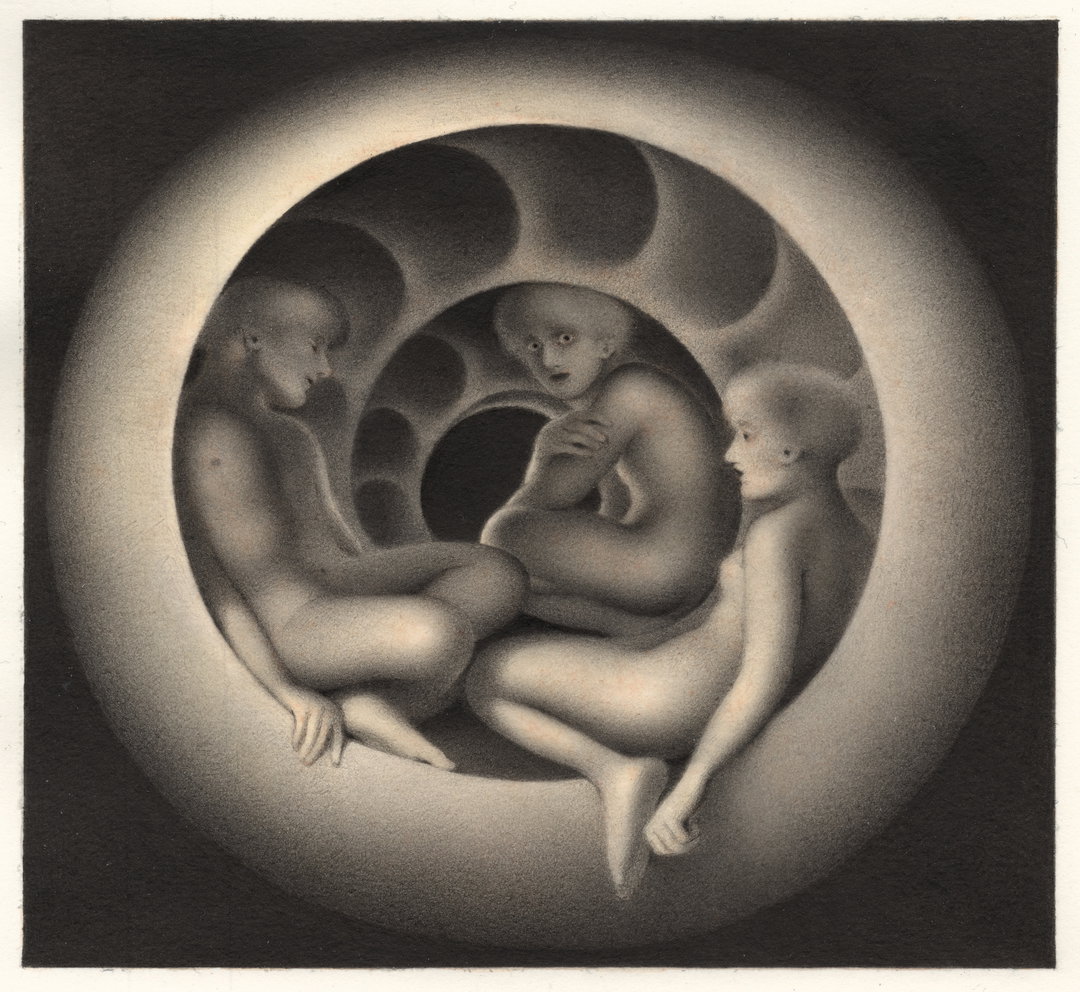
Gazier Marine: OZO (Copyright © Gazier Marine, 2026)
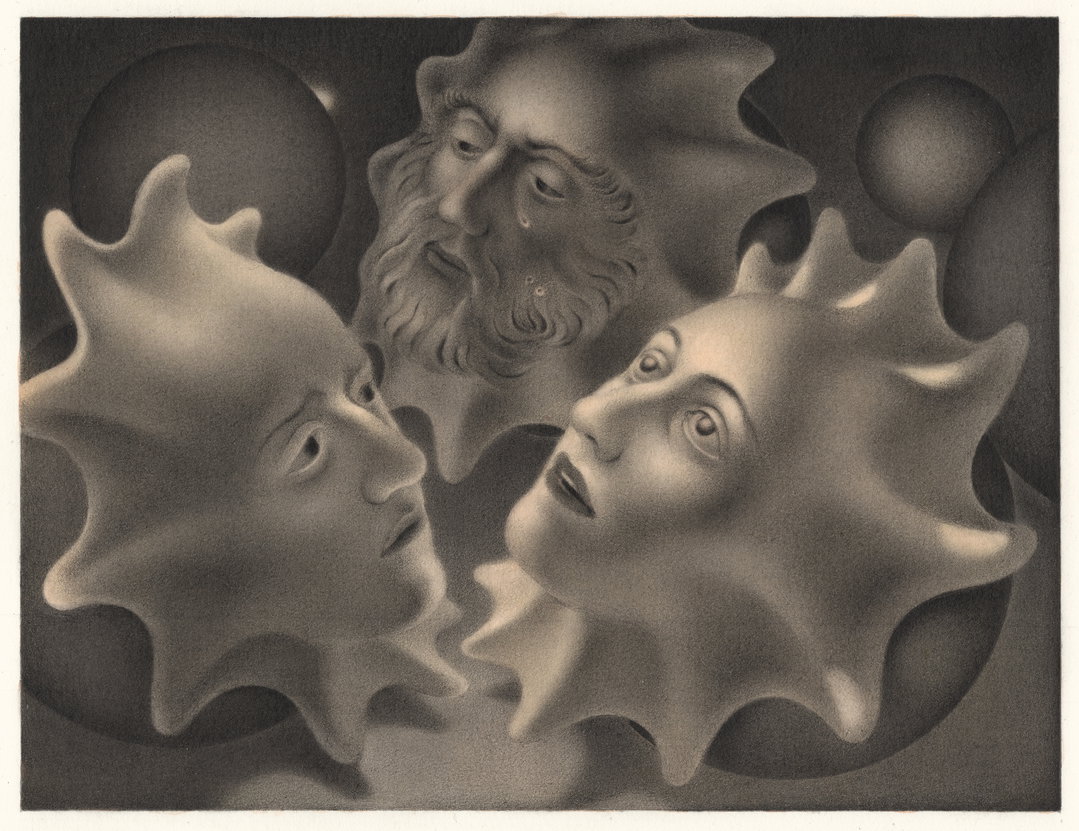
Gazier Marine: TUS (Copyright © Gazier Marine, 2026)
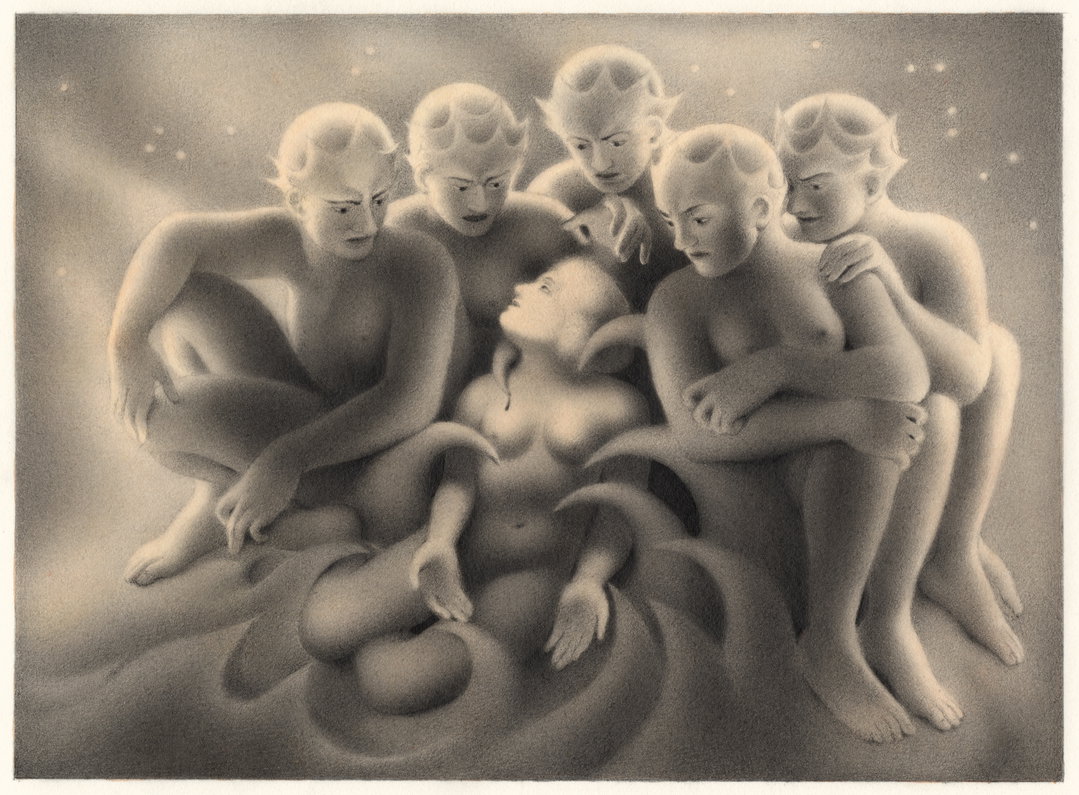
Gazier Marine: XGM (Copyright © Gazier Marine, 2026)
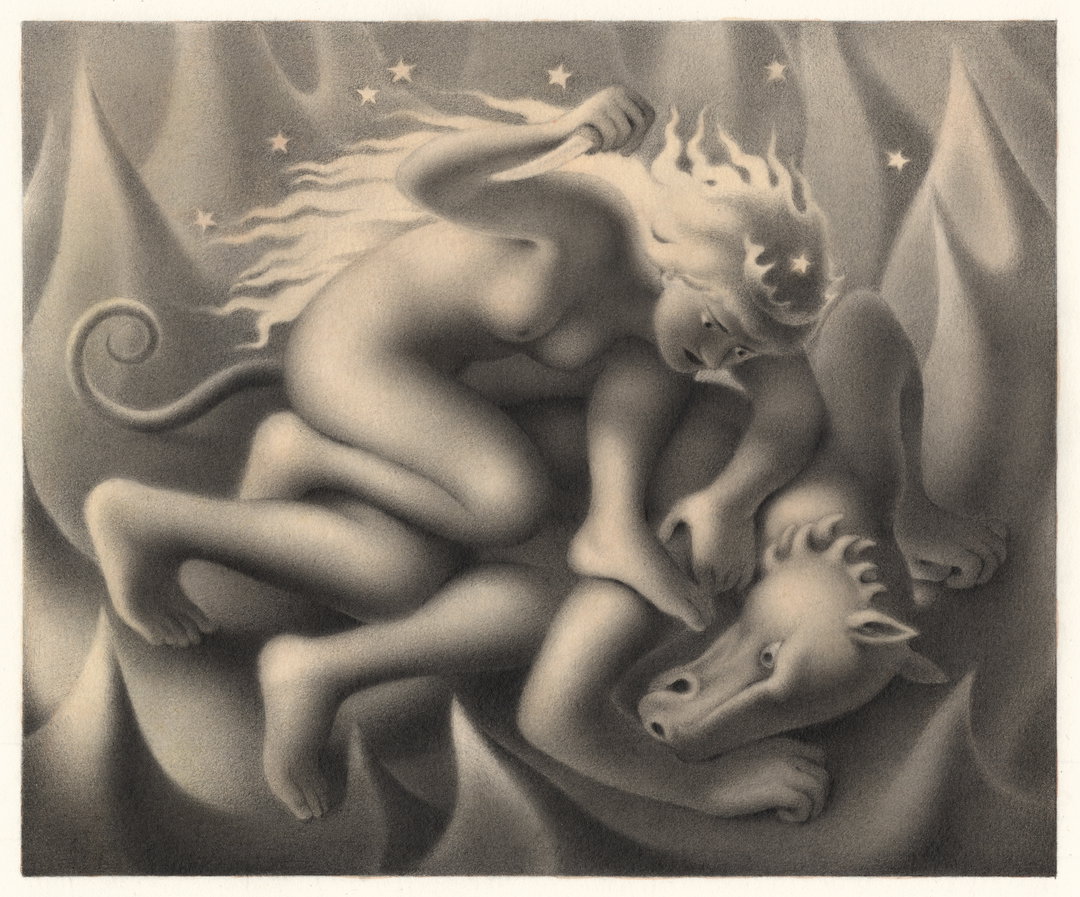
Gazier Marine: YDO (Copyright © Gazier Marine, 2026)
Hero Header
Gazier Marine: AJS (Copyright © Gazier Marine, 2026)
Share Article
Further Info
About the Author
—
Paul M (He/Him) is a Junior Writer at It’s Nice That since May 2025. He has a strong interest in graphic design, digital kitsch, multimedia painting, collage, nostalgia, analogue technology and all matters of strange stuff. pcm@itsnicethat.com
To submit your work to be featured on the site, see our Submissions Guide.