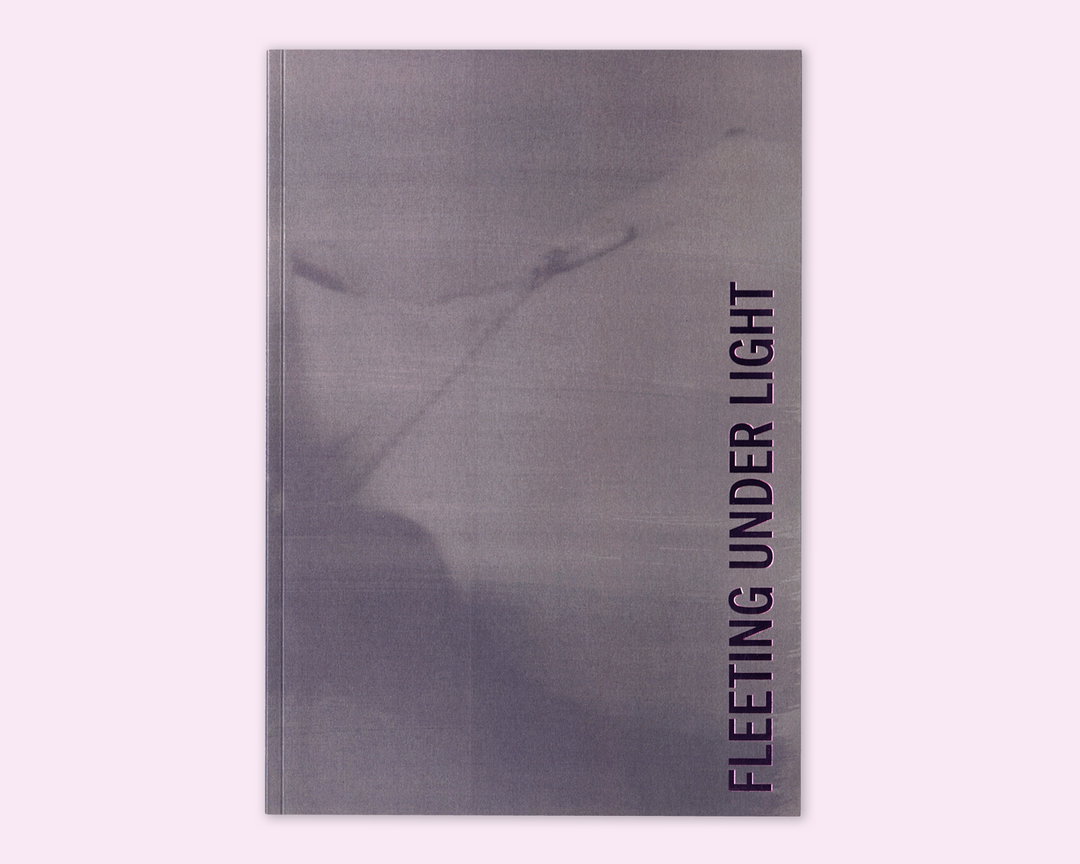
Fleeting Under Light is Diana Guerra’s exploration of the “shifting nature of memory, home and belonging”
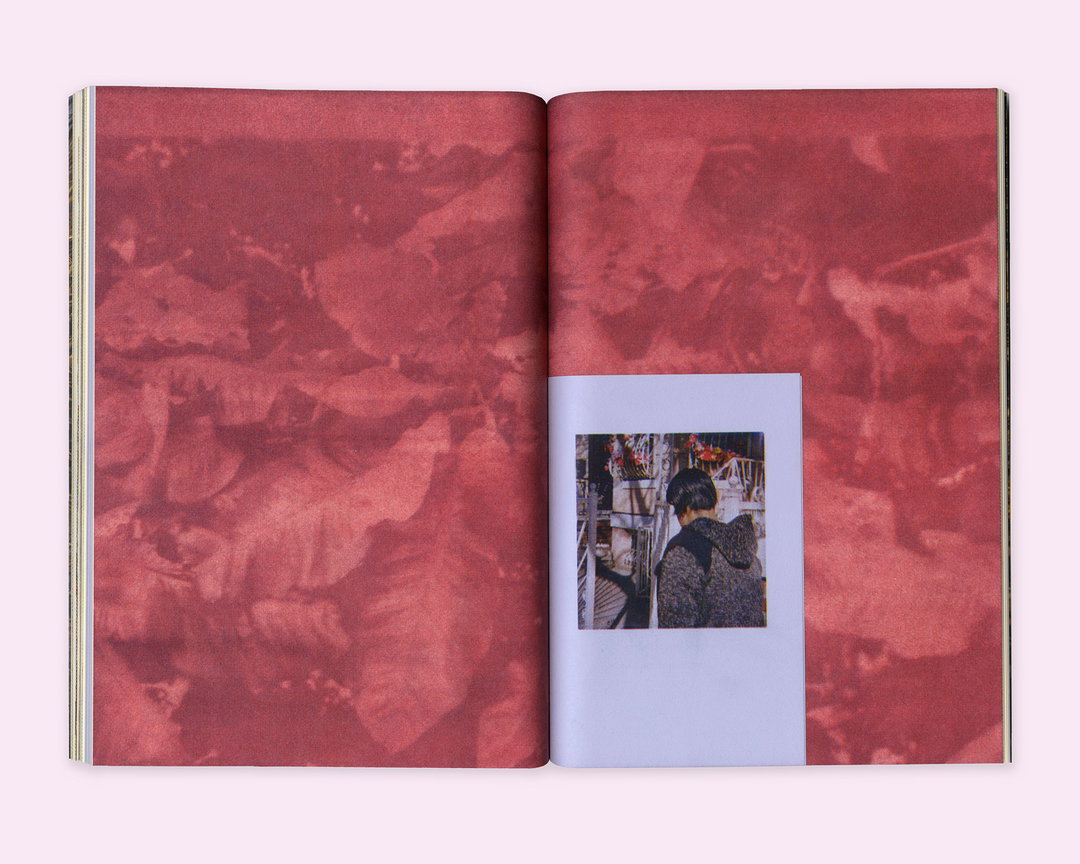
The Peruvian-American artist uses purple corn to make a photographic emulsion that connects the culinary traditions of her homeland with her image making.
Share
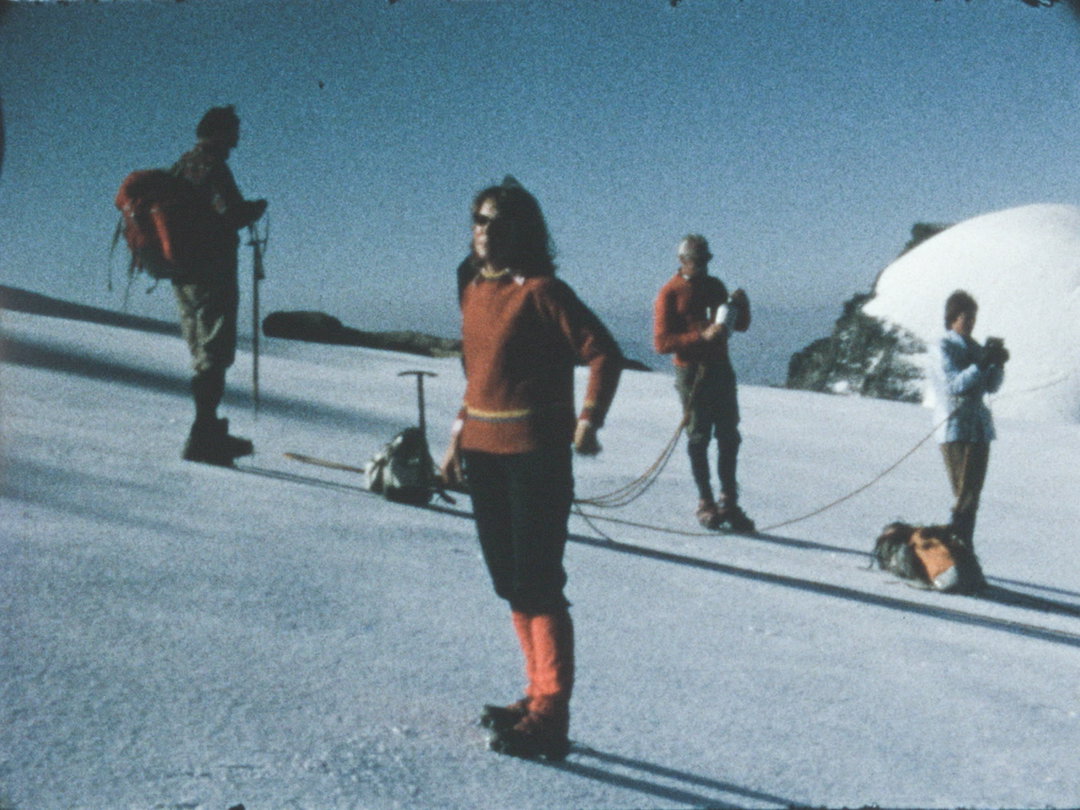
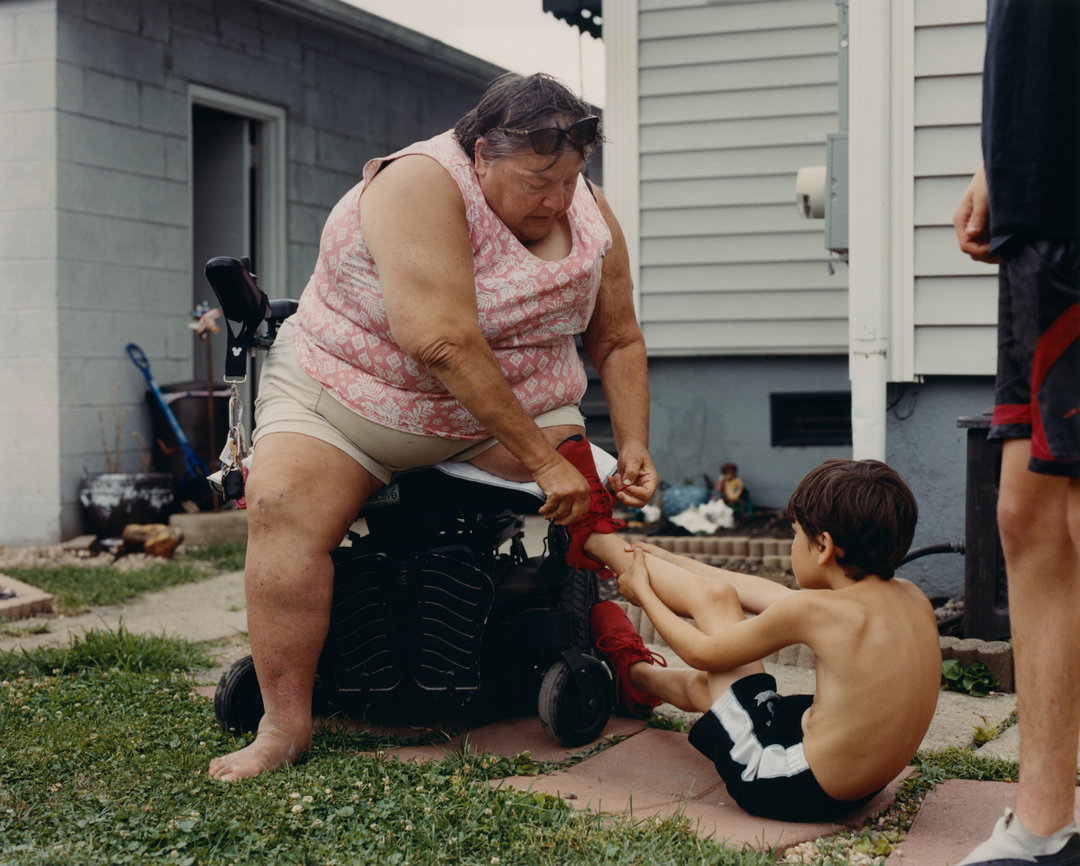
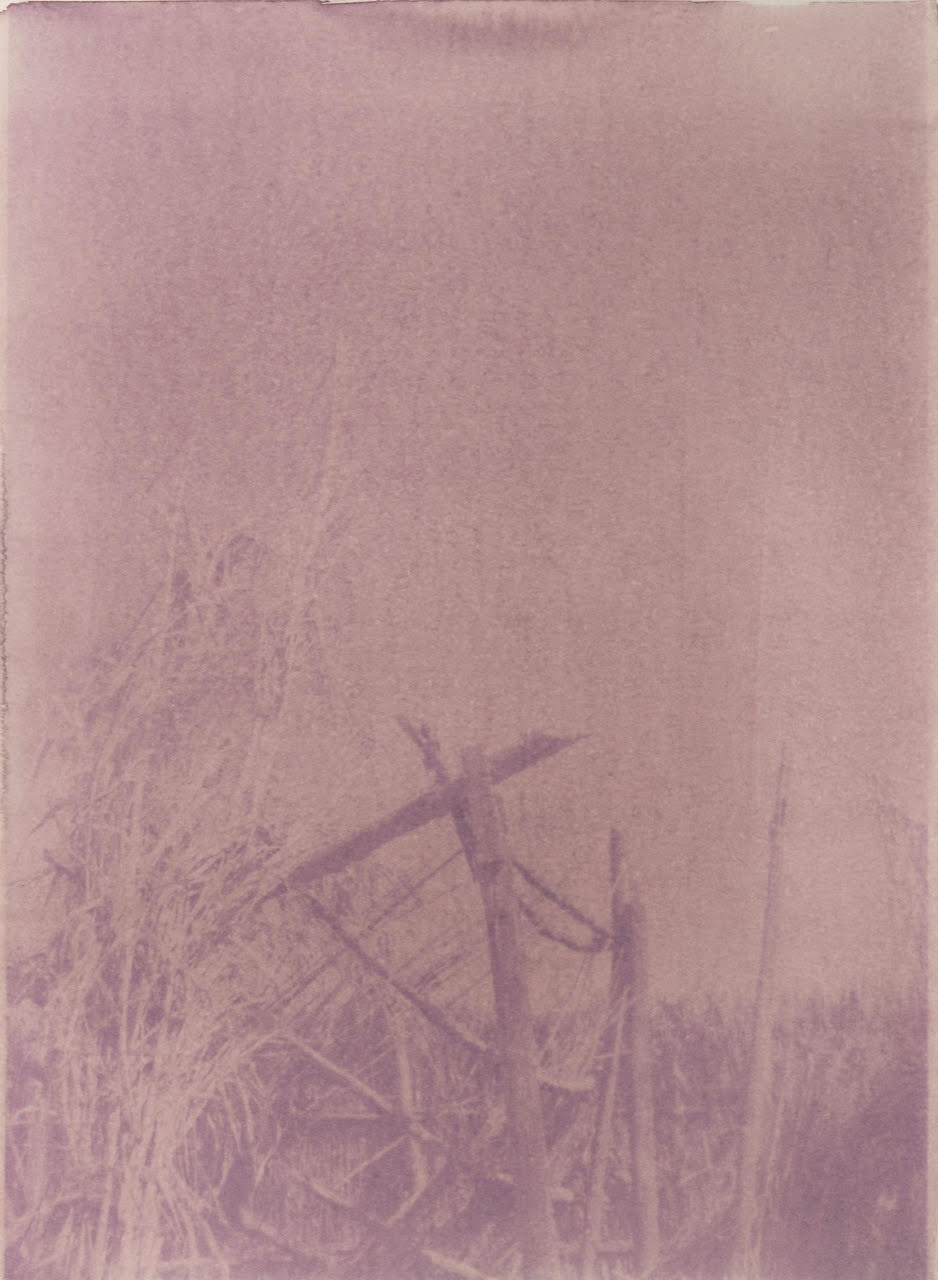
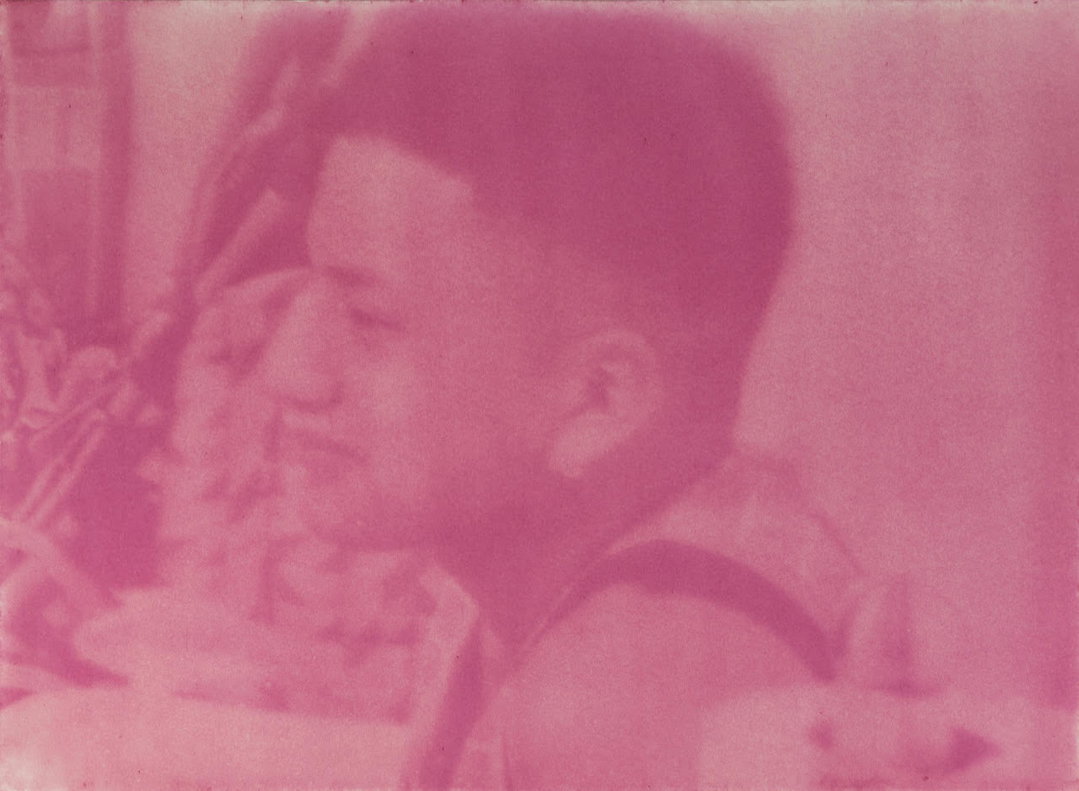
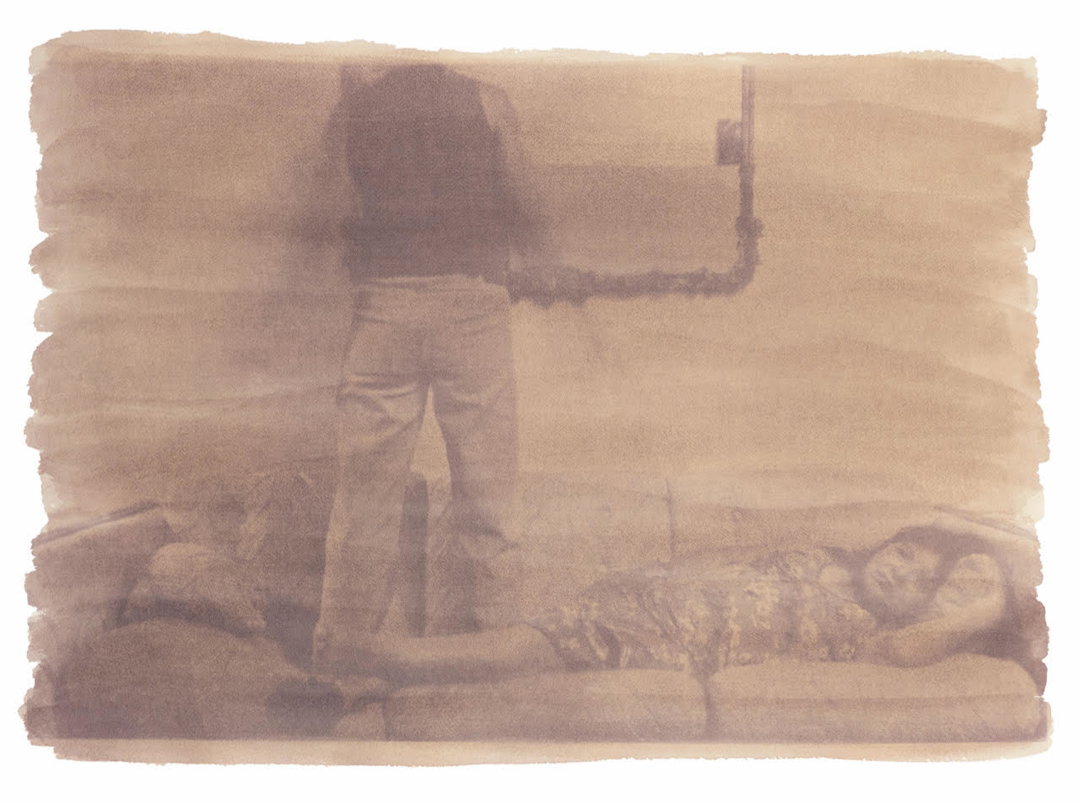
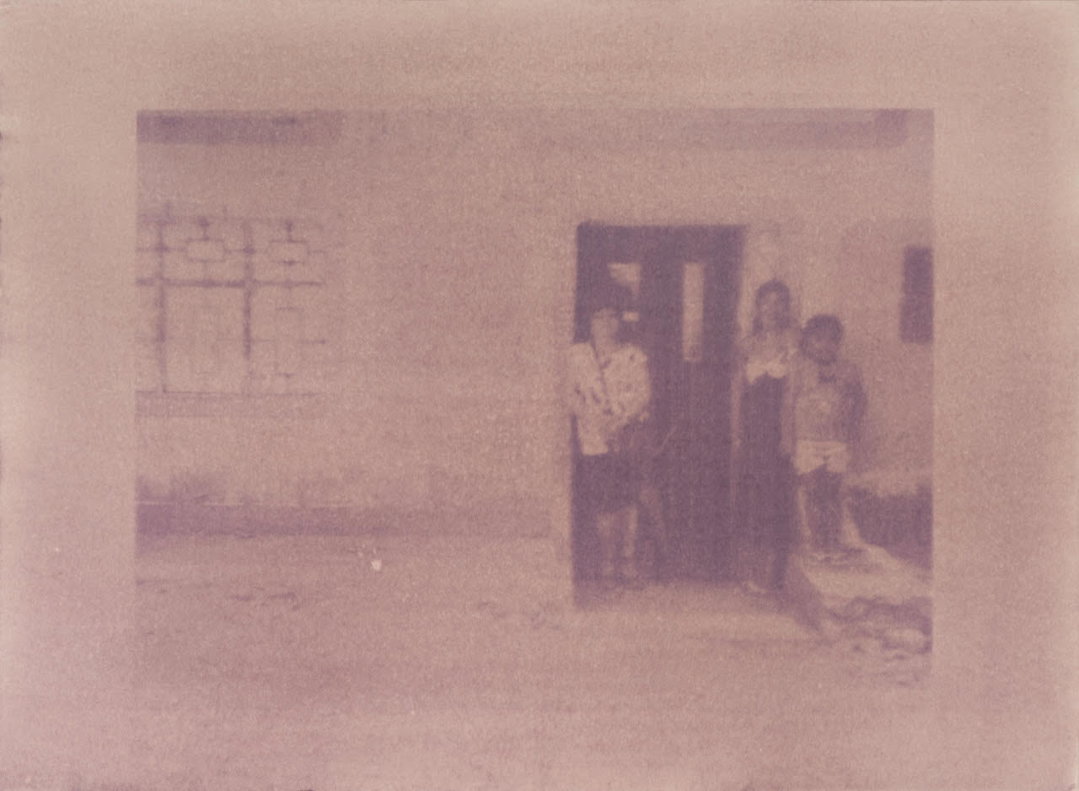
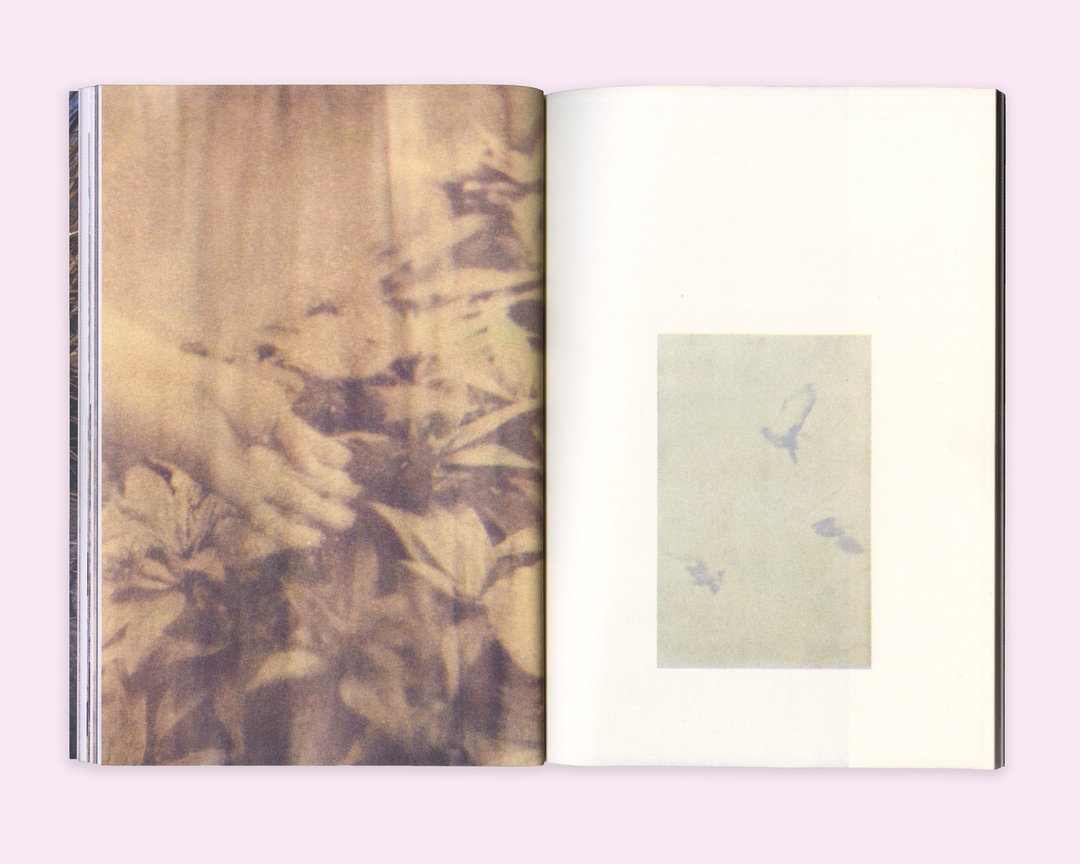
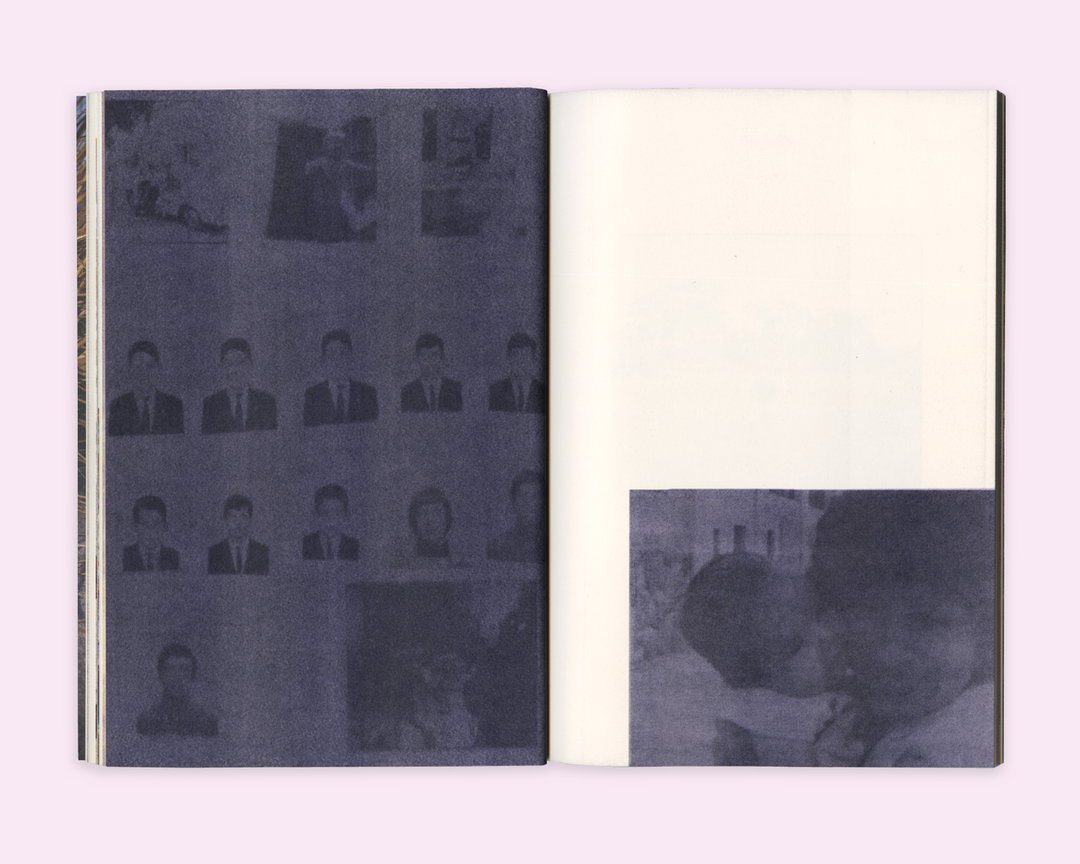
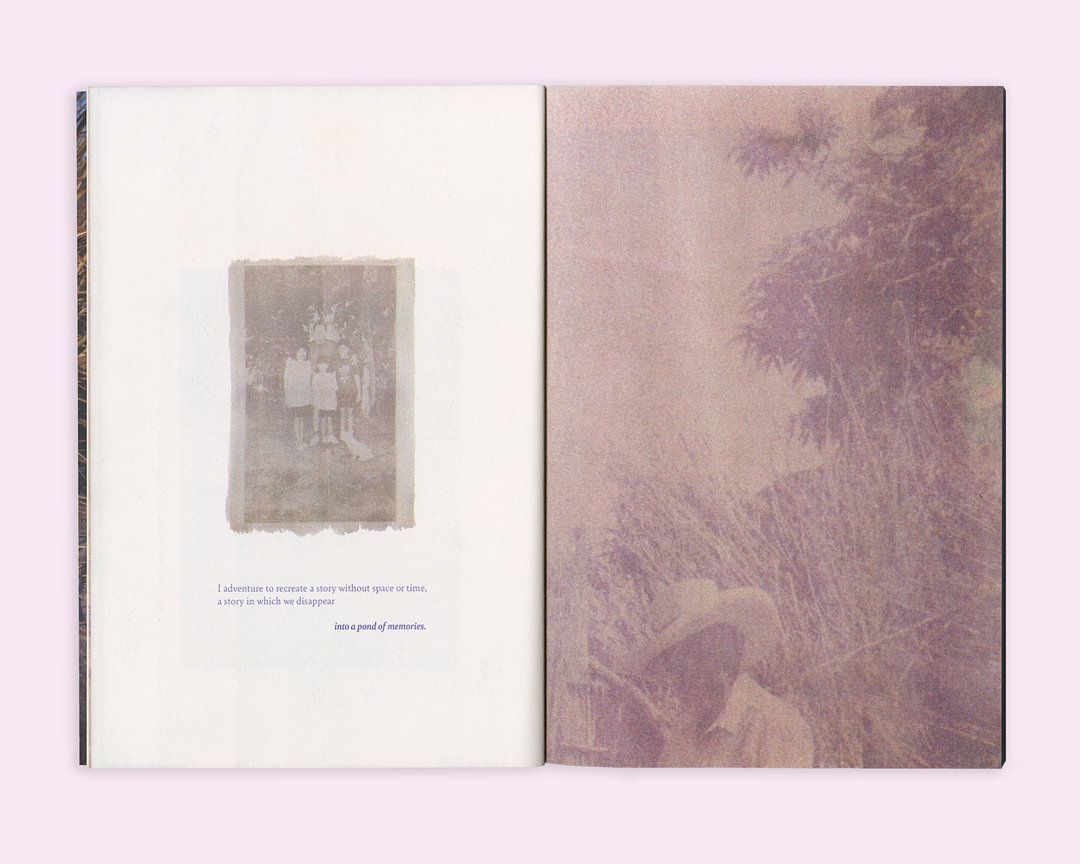
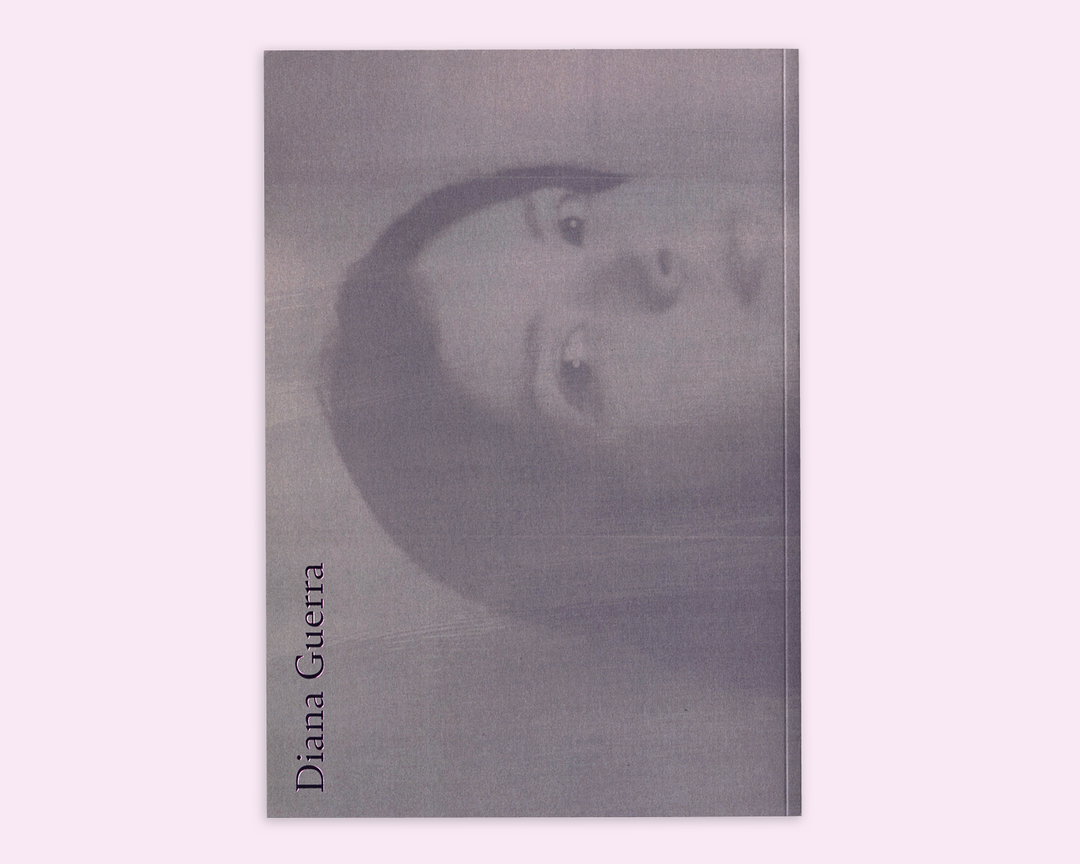
A container for “both grief and renewal”, Fleeting Under Light is a photo documentary series and publication that Peruvian photographic artist Diana Guerra has been working on alongside her family since 2018. Published by Seaton Street Press, the artist book sequences her delicate collation of “anthotypes” (an alternative photographic process in which photosensitive material is derived from plants and exposed with sunlight), exploring “the shifting nature of memory, home and belonging”. Delving into family archives, Diana’s series unpacks some of the complexities of the immigrant experience through the photographic process, “speaking both to and from the lives of the Latine Diaspora”.
The images that form Fleeting Under Light first began to develop when the artist received a research grant as part of her studies in photography at Parsons School of Design in 2017. With this funding, Diana was able to travel to Peru to photograph her mother’s homeland in the northern region of Piura. Having grown up in New York, the photographer was keen to use her lens to explore both her sense of distance and belonging in these visits to her birthplace. “I was curious to rediscover how my family looked and how it felt after years of separation,” she says. “I photographed the landscape and my relatives, reestablishing a sense of intimacy with them. In other words, my camera became a tool for renewing family bonds that had long been abandoned.”
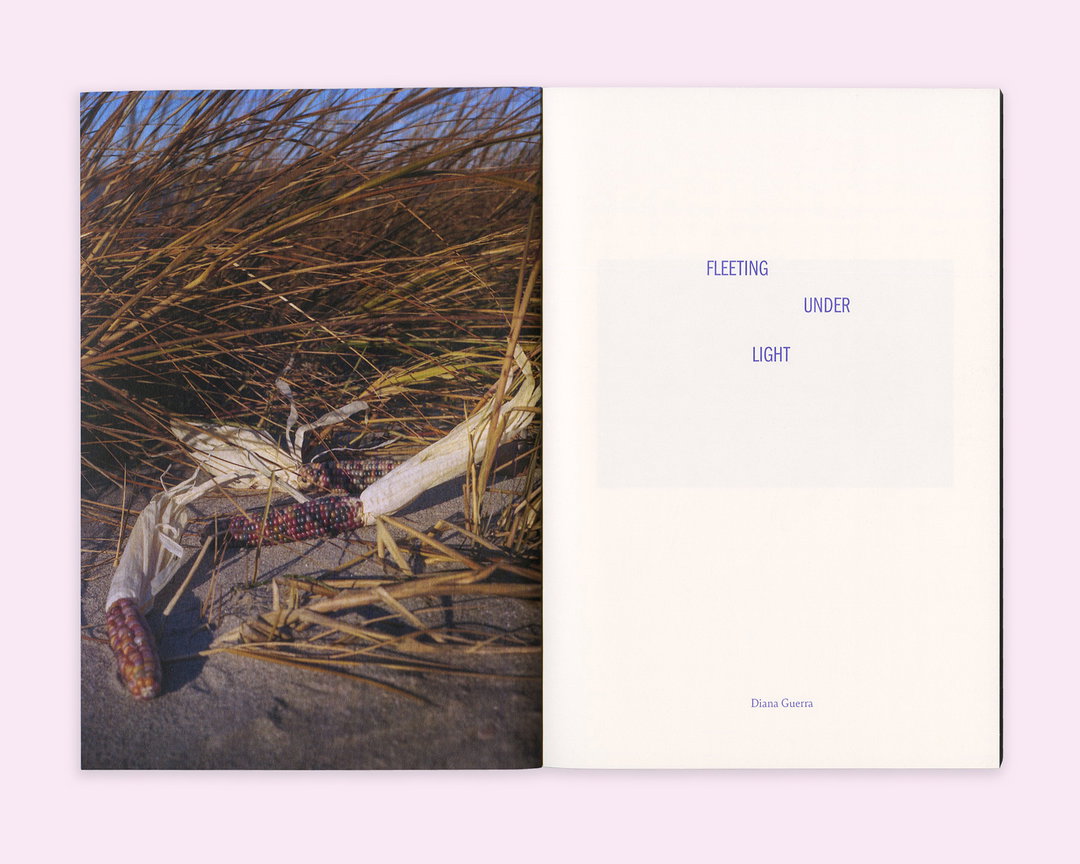
Diana Guerra: Fleeting Under Light, published by Seaton Street Press (Copyright © Diana Guerra, 2024)
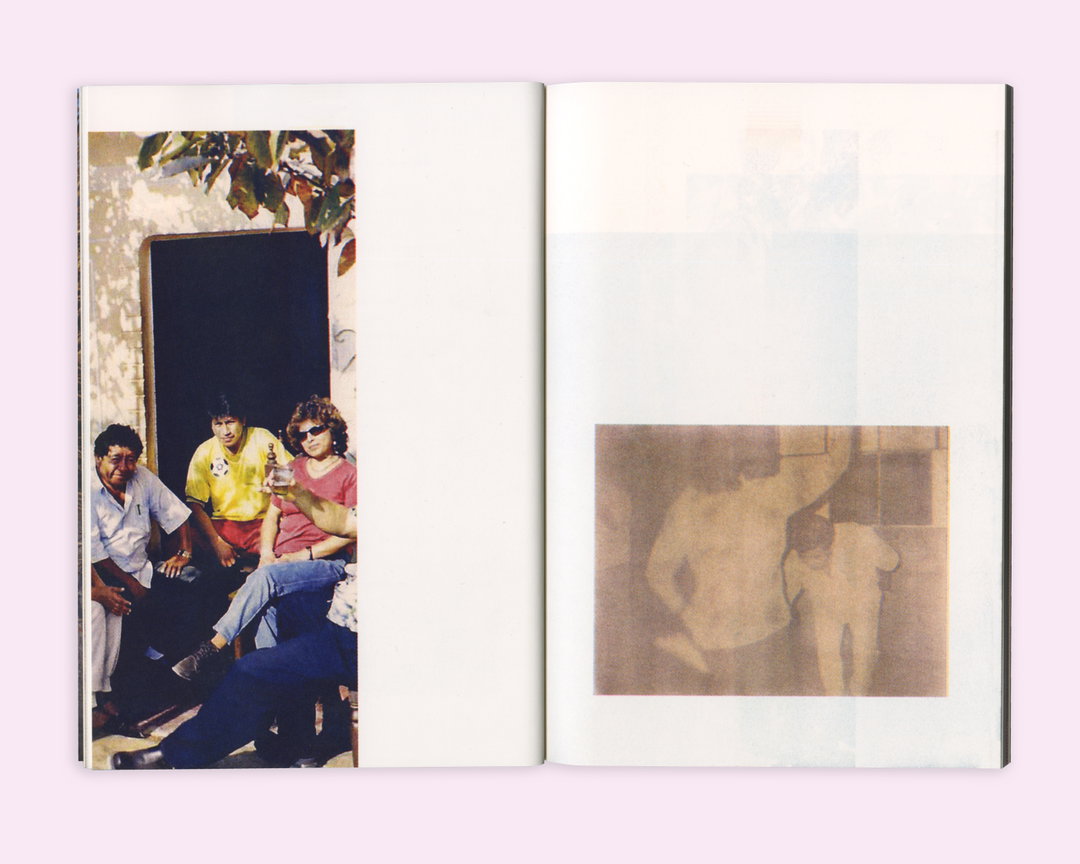
The photographer continued to capture intimate family moments on trips to Peru as well as portraits of her ‘found’ family and close friends in New York, capturing the duality of the immigrant experience and addressing questions that consistently appear in her image making: “What is family? What is home? — And ultimately,” she says, “after a significant transformation as an immigrant: Who am I?” Diana also wanted to question notions of identity by working directly with her family’s archive, weaving past worlds from family photos into the series.
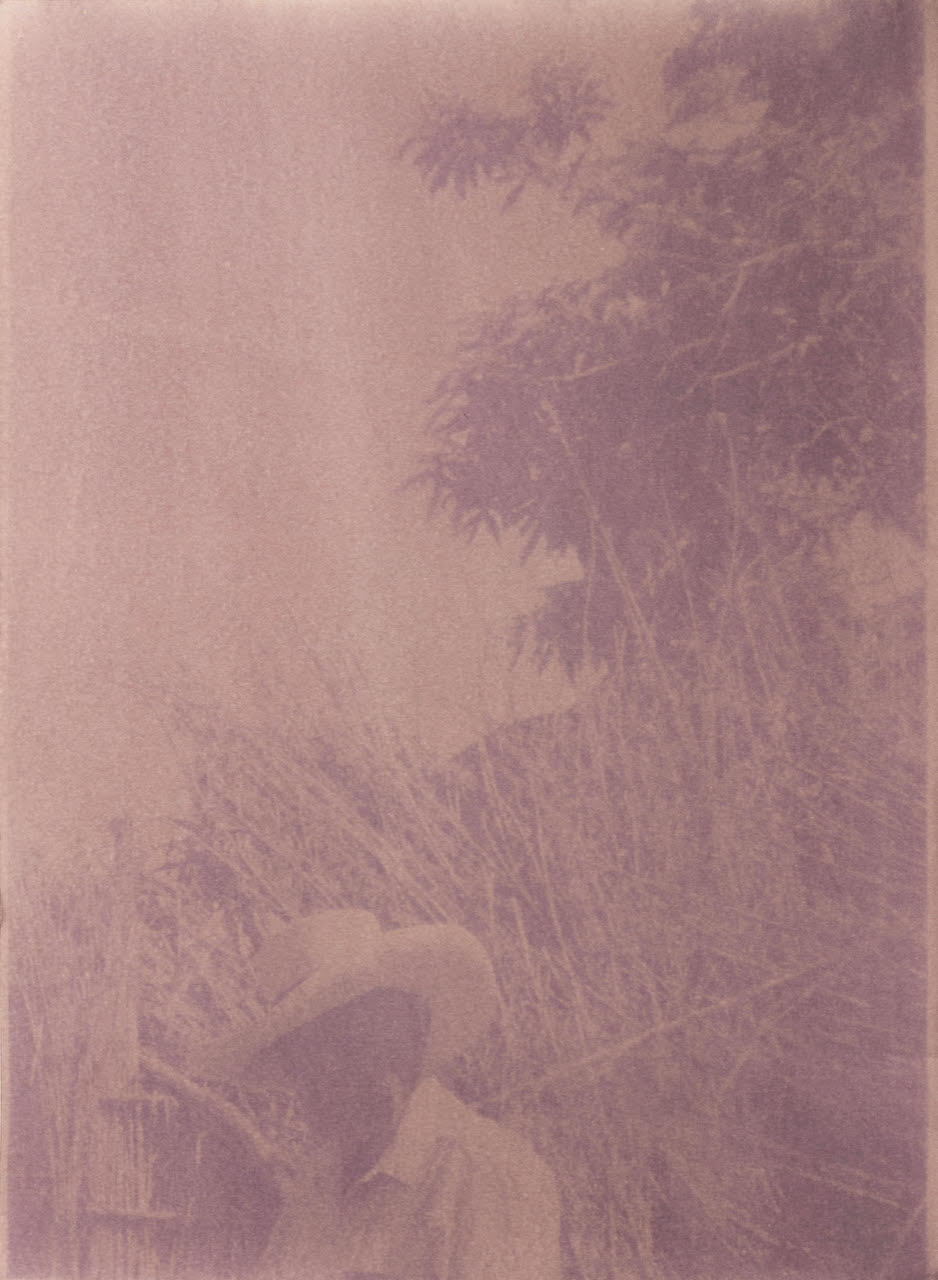
When it came to the development of her images, Diana drew directly from these visits: “I began making anthotypes after a trip to Cusco, where I learned about organic dyes used in textiles,” she tells us. “In Peru, there are different organic matter used for dyeing, such as cochineal beetles, indigo plants and tree barks.” Back home in New York, the artist was left wondering if it was possible to make photographic emulsions from the natural cornerstones of her country’s culinary heritage — like Peruvian purple corn. From an internet deep dive, Diana found that there was in fact no record of purple corn being used as a photosensitive material. This didn’t put her off, though, and the artist began a lengthy process of creating a corn emulsion. The result? Images that feel as if they are disappearing.
“A unique quality of anthotypes is their impermanence,” she says. “As they are exposed to natural light, they gradually fade as a process of photodegradation. This discovery was initially frustrating since the production of the work requires intensive labour. However, this characteristic led me to a deeper understanding of family, community, identity and, ultimately, life. I learned that the act of producing these works is the core of their existence.” Although the artist did trial other members of the vegetable family, she found that she “always felt inclined to work with purple corn, as the preparation to create the photographic emulsion follows the same traditional method used by Peruvian families to make chicha morada”.
Developing and printing images under the sun in the lengthy and hands-on process made the artist’s images all the more “intimate, organic and truthful,” she explains. “Creating the work provided a sense of comfort — a feeling I had rarely experienced as a newly arrived immigrant in the US and one that I deeply needed.” By turning this tradition into a part of her image-making practice, the artist hopes that these ‘impermanent’ images “draw attention to the systematic erasure of indigenous communities of colour in this country”. She concludes: “In embracing our cultural heritage and reclaiming our stories, my work challenges hegemonic narratives and asserts our rightful place in shaping American identity.”
GalleryDiana Guerra: Fleeting Under Light, published by Seaton Street Press (Copyright © Diana Guerra, 2024)
Hero Header
Diana Guerra: Fleeting Under Light, published by Seaton Street Press (Copyright © Diana Guerra, 2024)
Share Article
About the Author
—
Ellis Tree (she/her) is a staff writer at It’s Nice That. She joined as a junior writer in April 2024 after graduating from Kingston School of Art with a degree in Graphic Design. Across her research, writing and visual work she has a particular interest in printmaking, self-publishing and expanded approaches to photography. ert@itsnicethat.com
To submit your work to be featured on the site, see our Submissions Guide.