The Designs of The Year nominees are out – we look at the graphics category
The fearless mixing of disciplines in one show is one reason the Design Museum’s Designs of the Year show is so intriguing – offering up links between fields as seemingly diverse as transport and editorial design. However, sifting through more than 70 entires can be an exhausting task, so before we immerse ourselves in the multidisciplinary nature of the show when it opens next month, we thought we’d give you a run-down of the category closest to It’s Nice That’s heart, graphics.
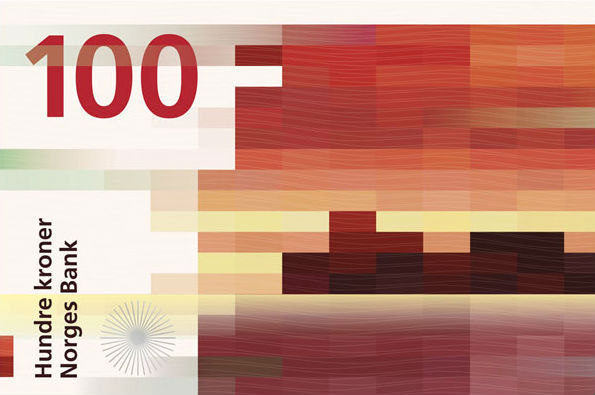
As ever, there are projects we’re very familiar with, and those that it’s a pleasure to discover for the first time. One that we spent a lot of time with last year is Snøhetta and Metric Design’s Norges Bank notes for The Central Bank of Norway. We were very taken with the pixellated Snøhetta designs that are used on the reverse of the note, which use images from Norway’s coastal landscape and translate them into wee blocks of colour.
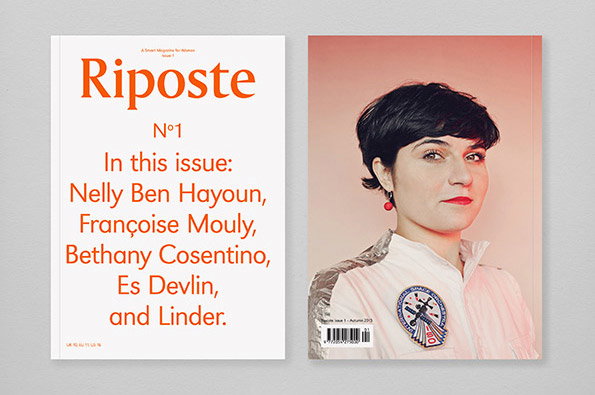
Danielle Pender and Shaz Madani: Riposte Magazine
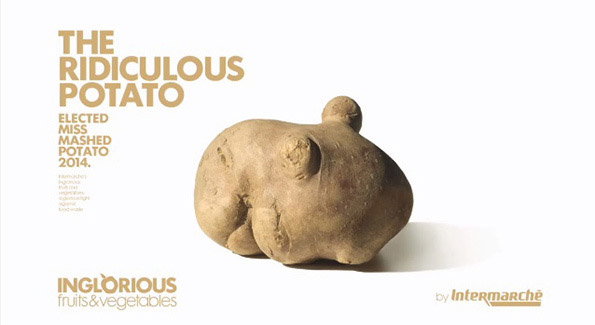
Marcel for Intermarché: Inglorious fruits and vegetables
Riposte Magazine is another name that’s very familiar to It’s Nice That, and likely to you too, and so it’s wonderful to see it make the shortlist. When it launched back in 2013 our editor-in-chief Rob Alderson demanded someone pass his exciting new magazine klaxon, and it didn’t disappoint. Aside from the mag’s great content (orchestrated by founder and editor Danielle Pender), it’s beautifully designed by creative director Shaz Madani, and provides a much-needed antidote to formulaic “women’s” publishing.
Last year had us gushing over sad, odd legumes, thanks to the Marcel-designed Inglorious Fruits & Vegetables campaign for Intermarché, which aimed to save ugly duckling fruit and veg from the bin, thus reducing food waste. Bless those funny little potatoes.
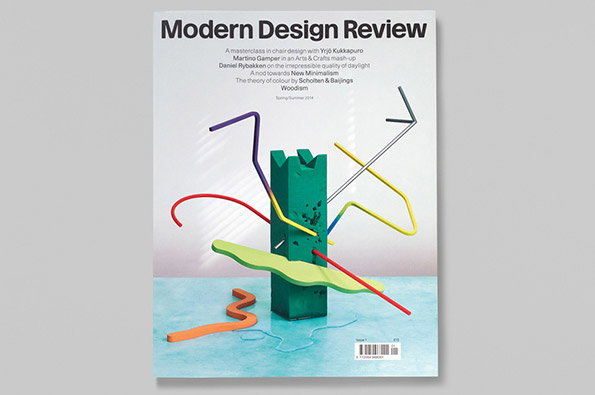
Graphic Thought Facility: Modern Design Review
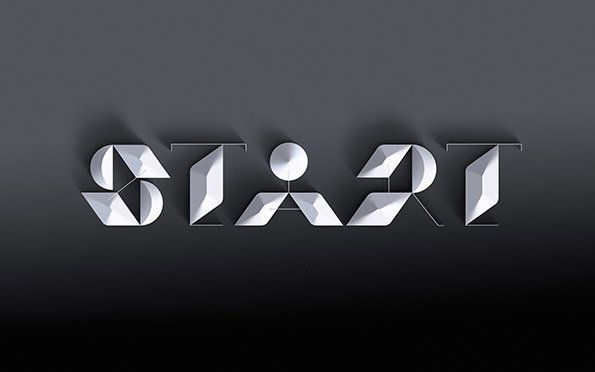
Sawdust: Wired typography
To quote Rob again, everything Graphic Thought Facility touches “turns to design gold,” and its design and art direction for Modern Design Review was no exception. The gorgeous cover features work from Martino Gamper, Yrjö Kukappuro and Muller Van Severen in a carved foam flower arranging block in a reference to the Japanese art of ikebana (flower arranging), all of which features inside as content.
Staying on an editorial bent, it’s also a pleasure to see Sawdust’s typography for WIRED make the shortlist. The type was created for the mag’s redesign last summer, and is used as section headers throughout the publication. Another typography nomination appears in the animated shape of collaborative animated typeface Franchise Animated, initiated by Jeroen Krielaars and designed by Derek Weathersby with music and sound design by Clark Rhee + Wesley Slover. The type features the work of 110 animators, each having animated a particular glyph.
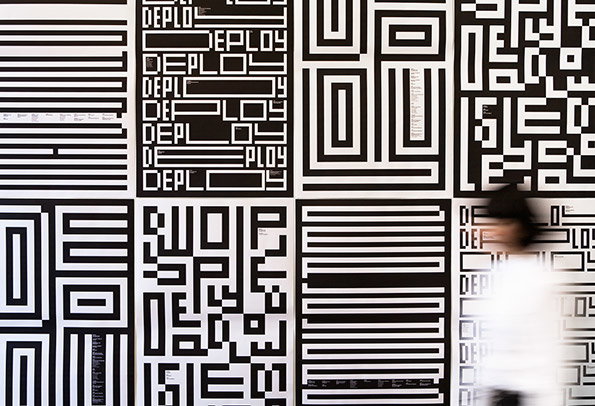
Pentagram: MIT Media lab identity
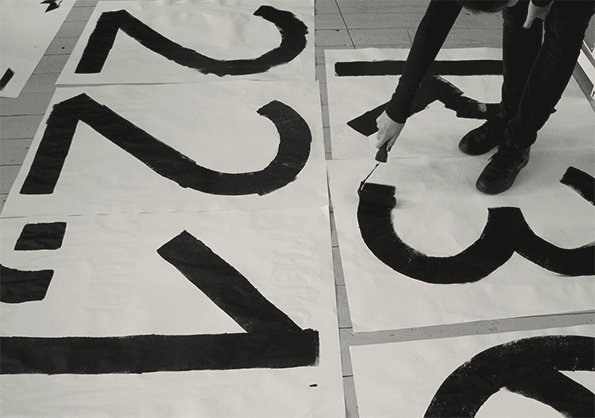
Kellenberger–White: Glasgow International identity
Pentagram also looked to individual characters as part of its identity for the Massachusetts Institute of Technology’s media lab, which uses a system of icons to represent each of the 23 research groups within the organisation. The identity, by Michael Bierut and Pentagram designer Aron Fay, takes a “ML” monogram as the main logo, building on the 25th anniversary logo designed by Richard The and Roon Kang in 2010. Another lovely identity project comes in the shape of Kellenberger–White’s work for the Glasgow International biennial, which saw large hand- painted lettering used on warehouses, docks and ships throughout Glasgow’s waterfront.
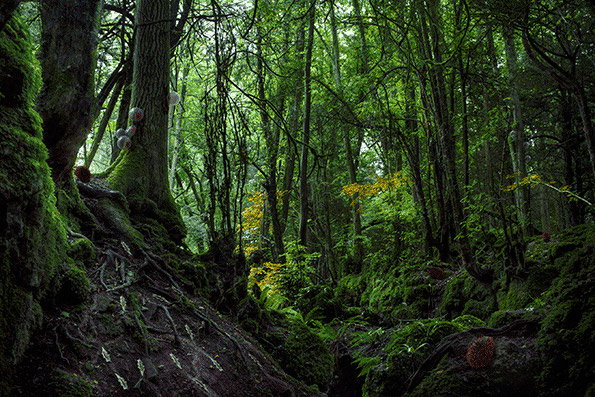
Alexandra Daisy Ginsberg: Designing for the Sixth Extinction
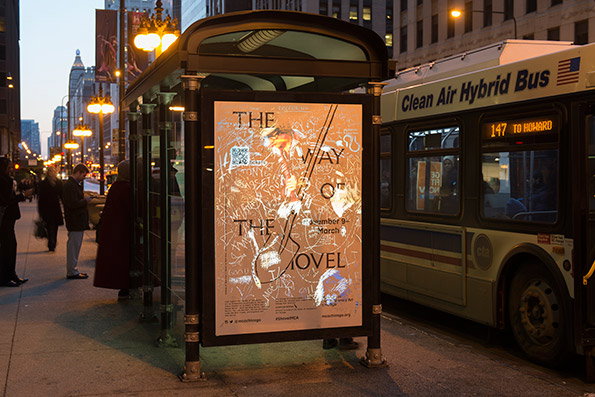
Romain André and Michael Savona: The Way of the Shovel: Art as Archaeology scratch-off campaign
Elsewhere in the nominations, we’ll see Romain André and Michael Savona’s Art as Archaeology scratch-off campaign, The Way of the Shovel, created for an MCA Chicago exhibition. The ads encouraged people to scratch off a silver layer to reveal images. Alexandra Daisy Ginsberg’s Designing for the Sixth Extinction project for Dublin’s Science Gallery “imagines a future in which new companion species designed by synthetic biologists support endangered natural species and ecosystems,” according to The Design Museum.
Naturally there are some beautiful examples of brilliantly-designed books on the shortlist, including Irma Boom’s No. 5 Culture Chanel; NORM’s 100 Years of Swiss Graphic Design and the Jaap van Triest and Karel Martens-designed monograph of Dutch graphic designer Jurriaan Schrofer. Last but certainly not least, the gorgeous Kenzopedia also has a nomination. Illustrated by Toni Halonen, the series was published online in spring last year, showing readers an illustrated insight into what inspired KENZO’s spring collection.
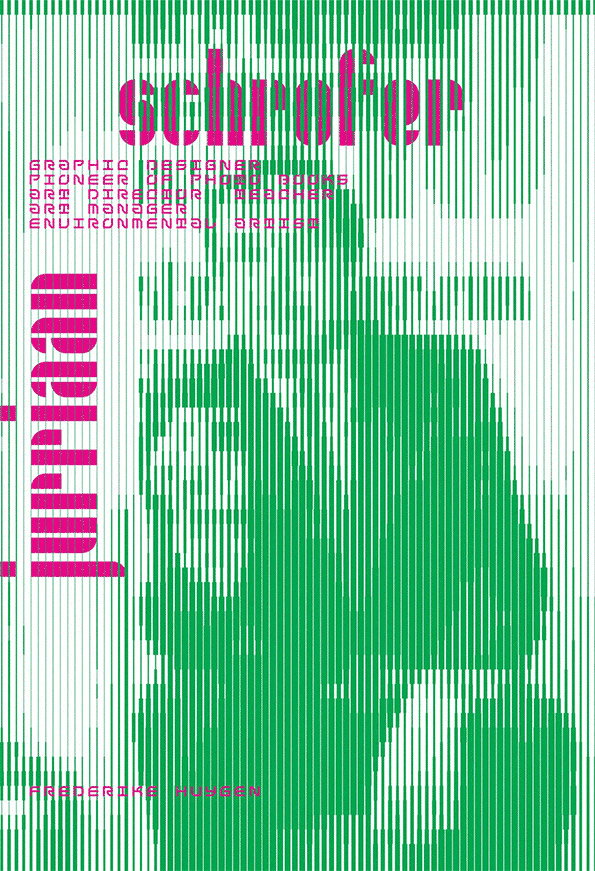
Jaap van Triest and Karel Martens (design), Frederike Huygen (author), Astrid Vorstermans, Valiz (publishers): Jurriaan Schrofer (1926-1990)
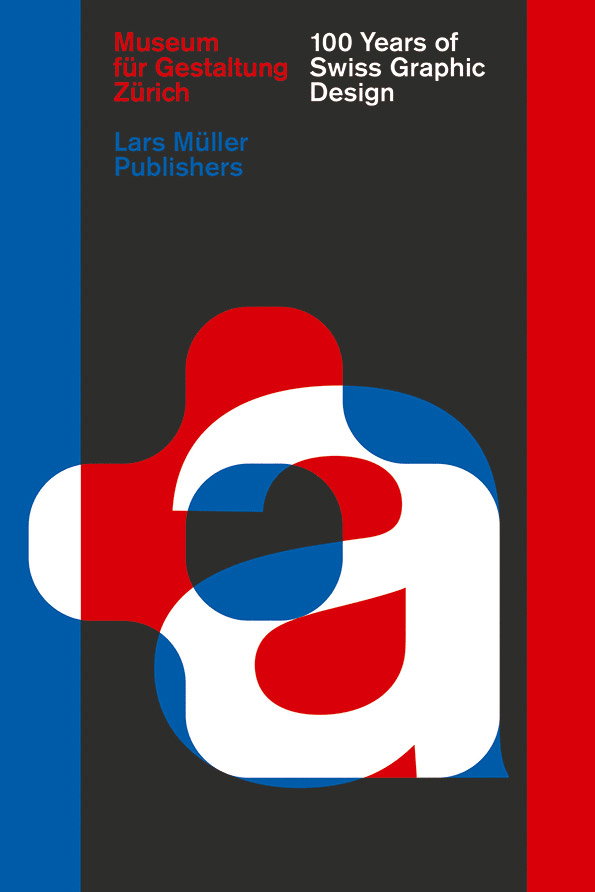
Christian Brändle, Karin Gimmi, Barbara Junod, Christina Reble, Bettina Richter (editors), NORM/Dimitri Bruni, Manuel Krebs, Teo Schifferli, Ludovic Varone (design), Martina Mullis (production), Lars Müller (publisher): 100 Years of Swiss Graphic Design
Irma Boom: No.5 Culture Chanel
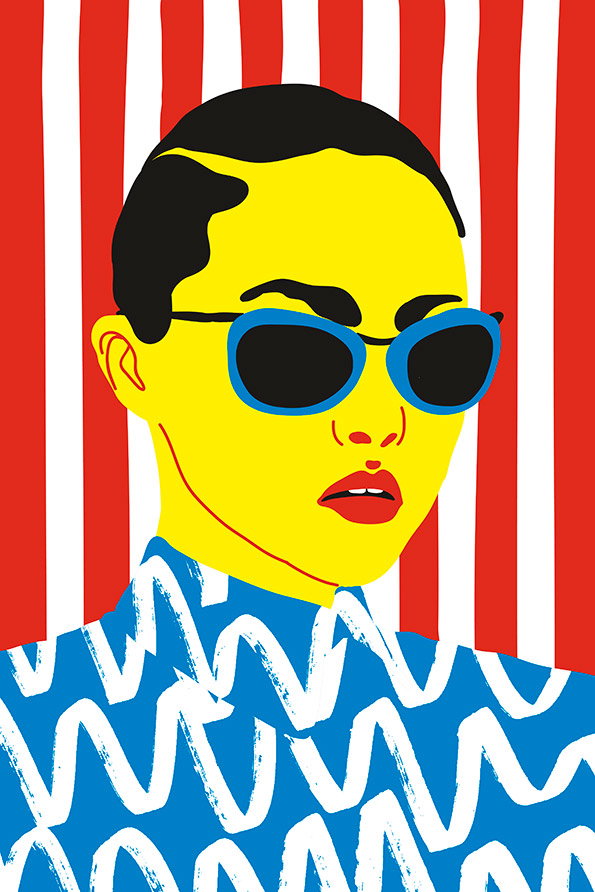
Toni Halonen: Kenzopedia
Share Article
Further Info
About the Author
—
Emily joined It’s Nice That as Online Editor in the summer of 2014 after four years at Design Week. She is particularly interested in graphic design, branding and music. After working It's Nice That as both Online Editor and Deputy Editor, Emily left the company in 2016.