WOW, aka a preview of Chris Ware's new and very brilliant magnum opus, Building Stories
It’s been a very long time since comics widened their scope beyond superheroes and science fiction for anyone to dismiss them as the creative property for only those interested in such stuff.
The illustrative vanguard for progressive, independent and socially challenging comics that Art Spiegelman spearheaded with RAW magazine and his own Maus graphic novel, drove this point home and into the collective literary psyche. It has since been followed-up by a number of key cartoonists who have widened its wake and filtered through some of the most extraordinary and genre-defying narratives that modern readers have had the pleasure of eyeballing. To them, we say thanks (and keep it up).
Chris Ware, who is widely-known to dismiss in self-deprecating tones any personal merit adjoined to his work (rumour has it he is collecting up and destroying one of his earliest published endeavours), is perhaps not ready to receive this thanks or the praise his latest, indubitable magnum opus Building Stories will inspire. But applause it will get (and probably stunned silence quickly followed by imaginative combinations of swear words, as was the case in our studio when this advance copy arrived).

Chris Ware: Building Stories. Published by Jonathan Cape.
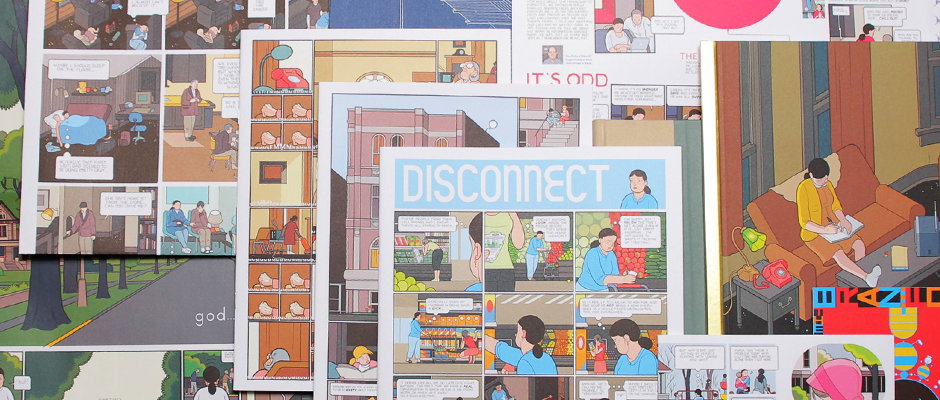
Building Stories is (insert swear-verb) lovely to look at. Ware delivers in many different bits of printed matter (pamphlets and broadsheets, hard- and cloth-bound books, one-pagers and a something like a games board), a collection of comics that has no real beginning or end because that is what regular books do and Chris Ware can do without.
In short (and it has to be that way even if my notes tell me something different) the story/one-big-“emotional prevarication” occupies a single building in Chicago and follows its inhabitants; a lonely landlady, a lonely-but-together couple, and a lonely woman. Isolation, both mental and physical is Ware territory – together with dry-or-die humour – this work reminds me how devastatingly beautiful it can be.
If you wanted to, you could work hard to read it chronologically but then that would do away with the memory-like quality of individual stories and their extraordinary, almost musical, handling of space and time. It is this, the way rhythm and movement is conducted through the various scales and formats in Building Stories and how it is played out in recurring graphic themes, that elevates Ware to master-status.

Chris Ware: Building Stories. Published by Jonathan Cape.
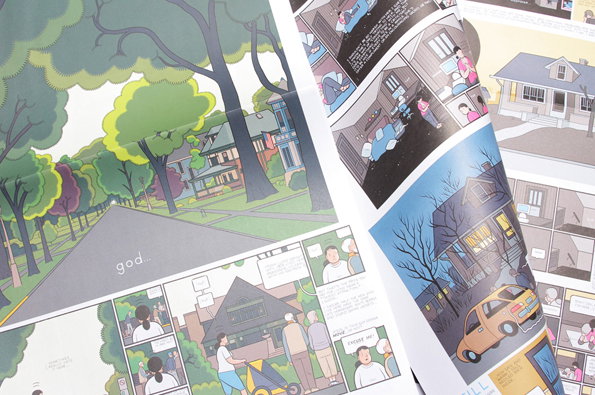
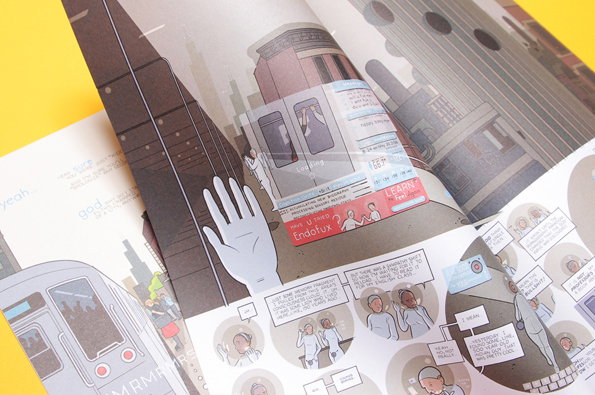
“I learned how to structure a page and how to think about comics in a language and not as a genre” he told Christoper Irving for NYC Graphic Novelists, and it’s a pretty good visual syntax – multi-directional type; sub-narratives that run down the edges or in the top corners of pages, the subjects of which appear and disappear in the lead stories which run in tandem across generations; huge floating heads in the centre of psychological, schematic illustrations; open-sided architectural renderings that perform like comic panelling and compliment a narrative which, like a home, knows that action is never exclusive to a single frame (or room).
If anything Chris Ware has written has pleased you (and we don’t see why they would not have. On paper his Fantagraphic bio reminds us he has won more awards, some of which never before bestowed on a cartoonist, than he has published comics), you will not be disappointed when this boxed collection arrives to make your hands sweat and your heart ache and your eyes bleed. Because, whether he likes it or not, that is how good comics can be and Chris Ware’s Building Stories is a prime example.
Chris Ware: Building Stories. Published by Jonathan Cape.

Chris Ware: Building Stories. Published by Jonathan Cape.
Chris Ware: Building Stories. Published by Jonathan Cape.

Chris Ware: Building Stories. Published by Jonathan Cape.

Chris Ware: Building Stories. Published by Jonathan Cape.

Chris Ware: Building Stories. Published by Jonathan Cape.
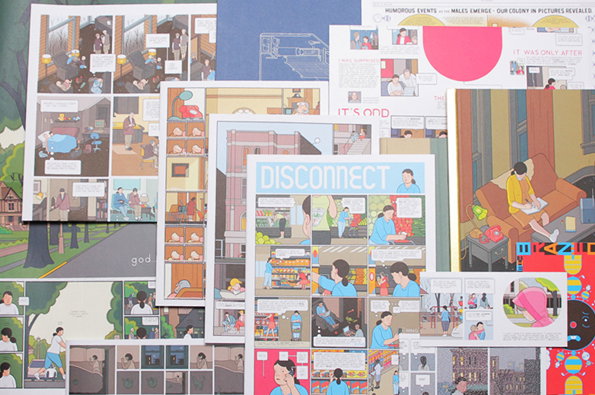
Chris Ware: Building Stories. Published by Jonathan Cape.
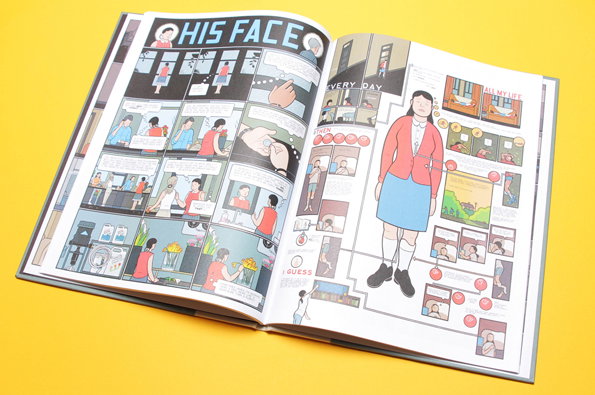
Chris Ware: Building Stories. Published by Jonathan Cape.

Chris Ware: Building Stories. Published by Jonathan Cape.

Chris Ware: Building Stories. Published by Jonathan Cape.
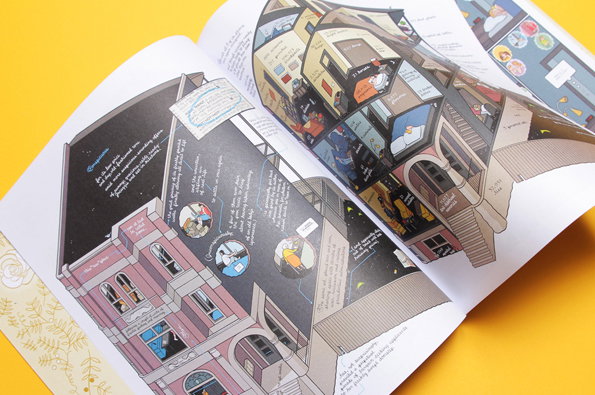
Chris Ware: Building Stories. Published by Jonathan Cape.

Chris Ware: Building Stories. Published by Jonathan Cape.

Chris Ware: Building Stories. Published by Jonathan Cape.
Building Stories is out in October.
Share Article
About the Author
—
Bryony was It’s Nice That’s first ever intern and worked her way up to assistant online editor before moving on to pursue other interests in the summer of 2012.