Take a trip into Brian Blomerth’s graphic history of psychedelic experiments
In the newest instalment of his illustrated series, Brian Blomerth explores the life of John C. Lilly – the scientist that used ketamine to speak to dolphins
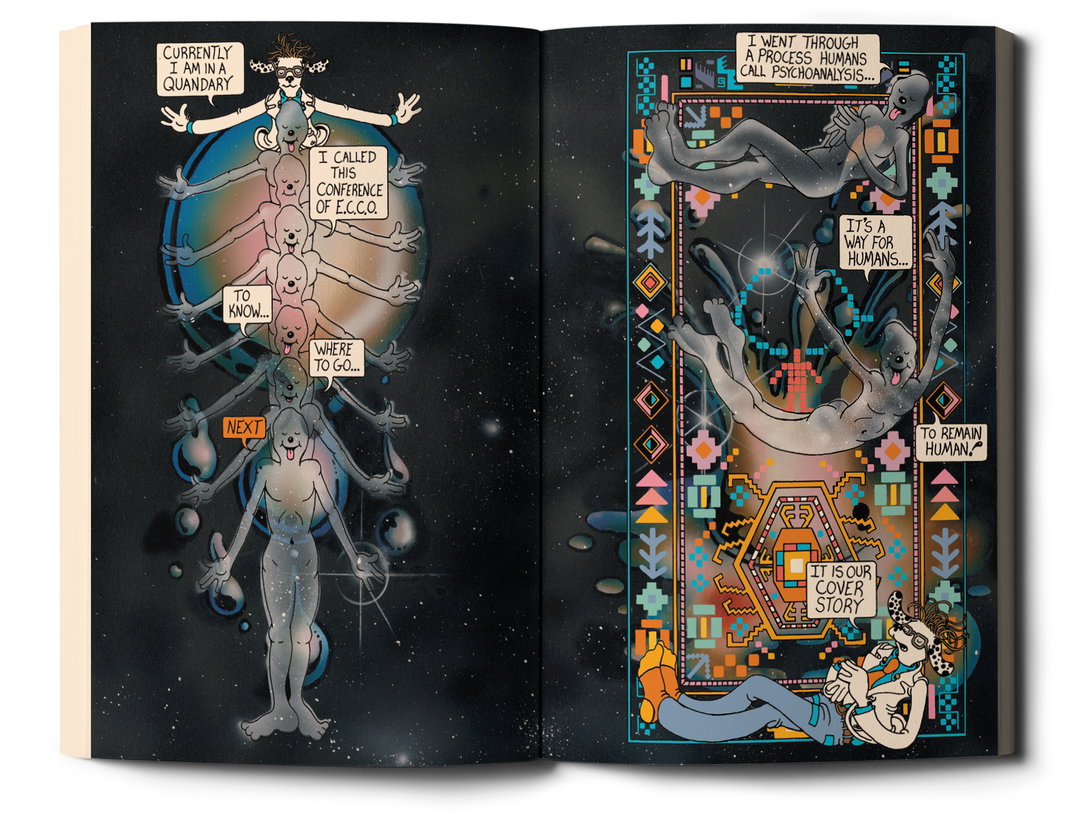
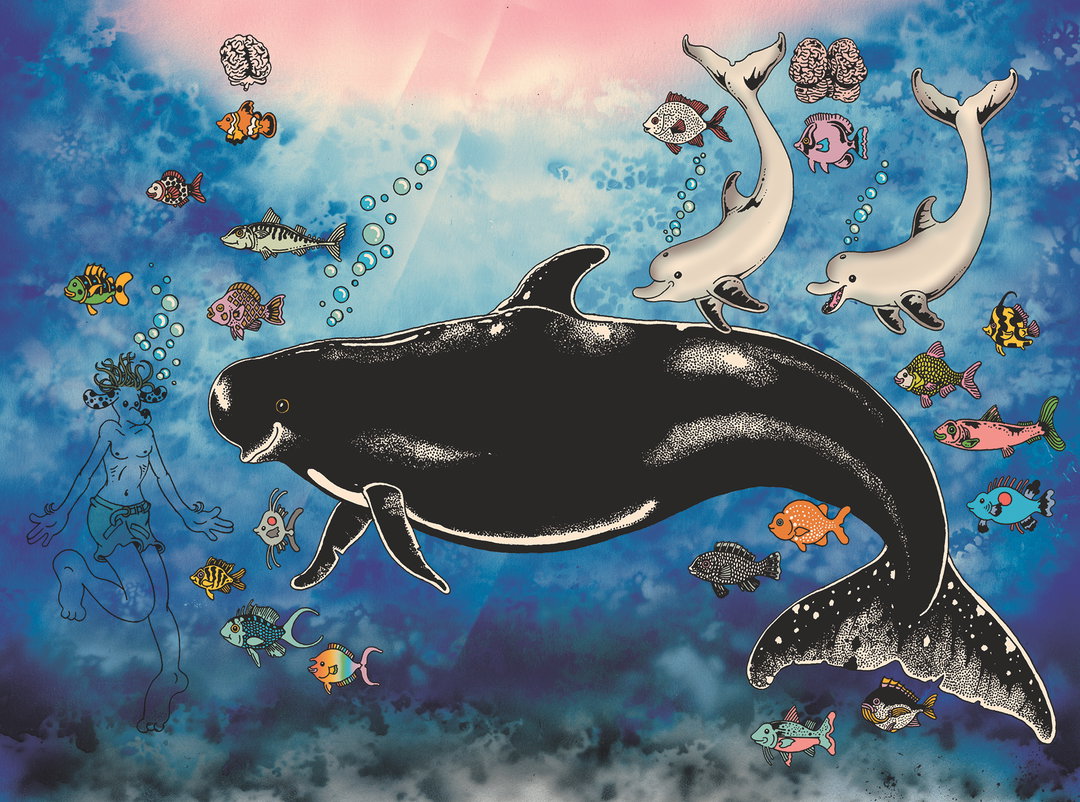
John C. Lilly was a man of many talents: scientist, philosopher, psychedelic explorer, and – most bizarrely – a dolphin whisperer. In the 1970s, he submerged himself into a sensory deprivation tank and loaded his system with ketamine. He believed he could talk to dolphins and map human consciousness, and fast became one of the most notorious researchers of the psychedelic era. His legacy is part science, part myth – and now the subject of graphic novelist Brian Blomerth’s third book on psychedelic experiments: Brian Blomerth’s Lily Wave.
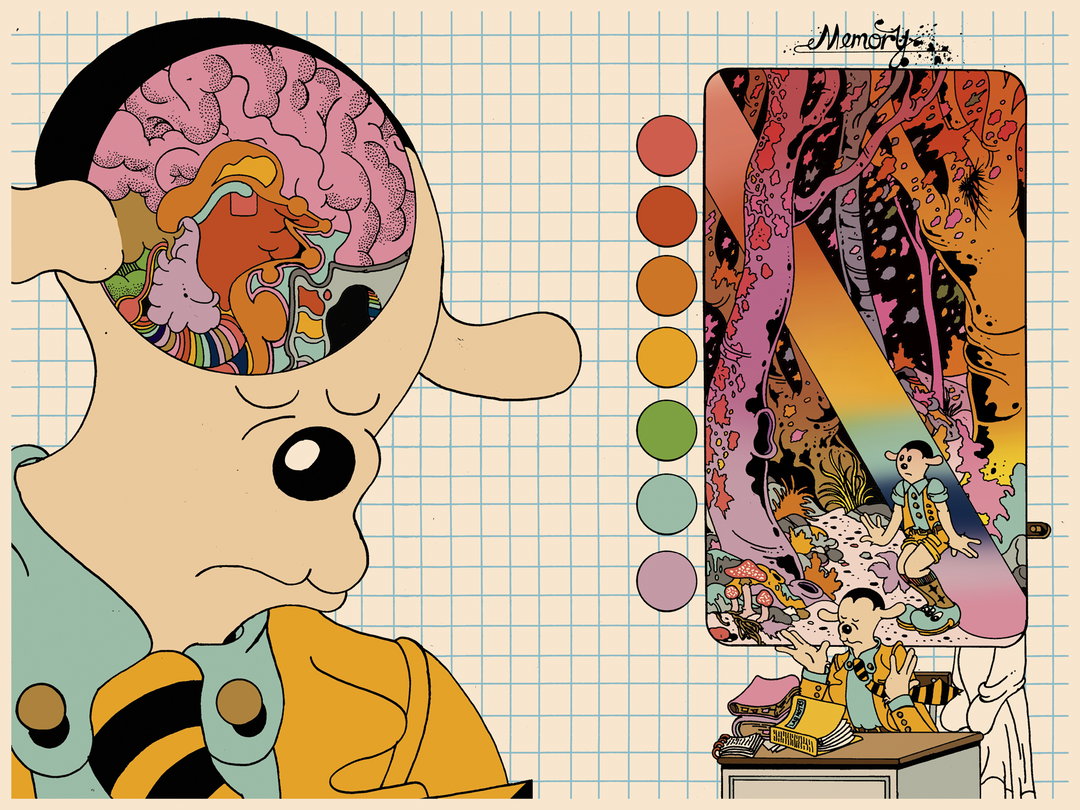
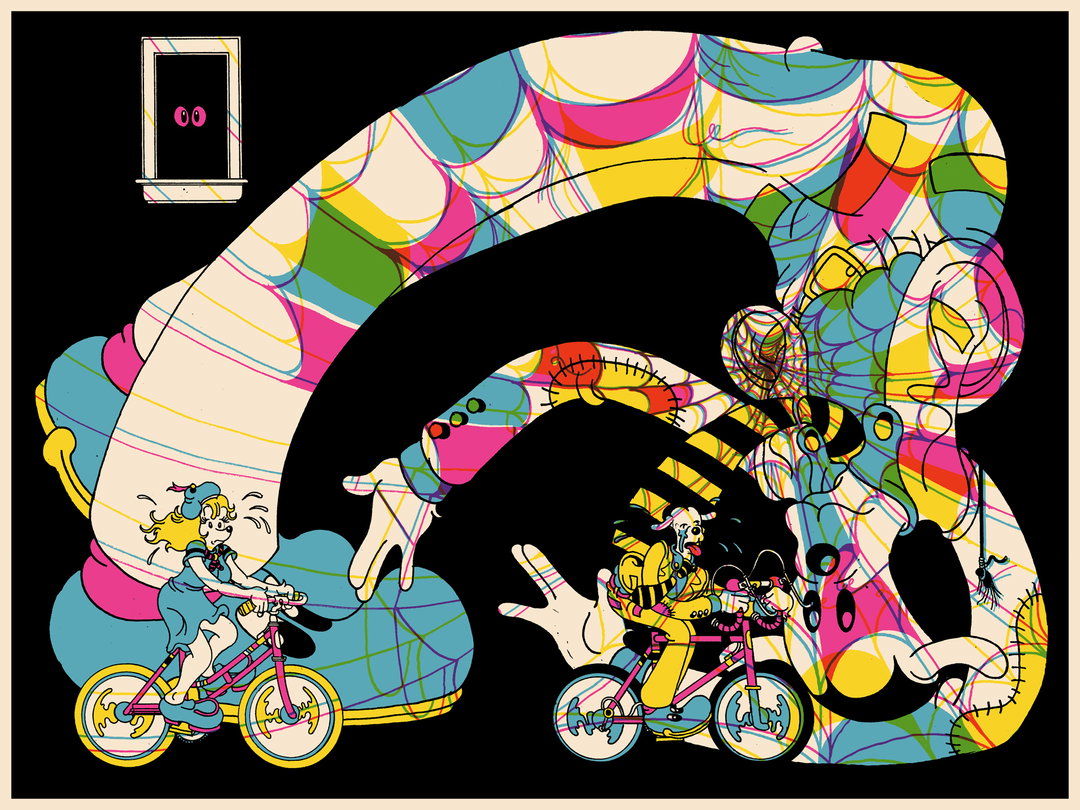
Brian’s previous publications unravelled the discovery of LSD and the popularisation of psilocybin mushrooms, all told through technicolour comics starring dog-headed characters in wild narratives that echoes a psychedelic trip in itself. “I thought it would be interesting to do a non-fiction series with my very particular, pretty idiosyncratic style,” he says, describing this as: “Adult contemporary dog-face and critter maximalist.” Speaking from his now-home in Brooklyn, New York, he says: “Life is good. Get the music going. Sit at the desk and draw, until I can feel the dog looking at me and it’s time to take him for a walk.” The dog’s name is Banana, he adds, a Pomeranian.
Brian has always loved drawing as a pastime; it was his favourite hobby as a kid. “My dad worked as a ship captain and would bring home expired maps,” he explains. “Nautical maps are really massive – whole table sized. I would stretch them across the kitchen floor and fill them up with drawings.” His mother was an electrical engineer, and Brian still uses some of her templates to draw too. Brian’s doesn’t sketch out his work, he draws directly onto Bristol Vellum paper with ink, and uses white-out for any mistakes. “I have a pretty clear idea of what the full page is going to look like when I start drawing…sometimes things change but for the most part stays pretty consistent with my original idea.”
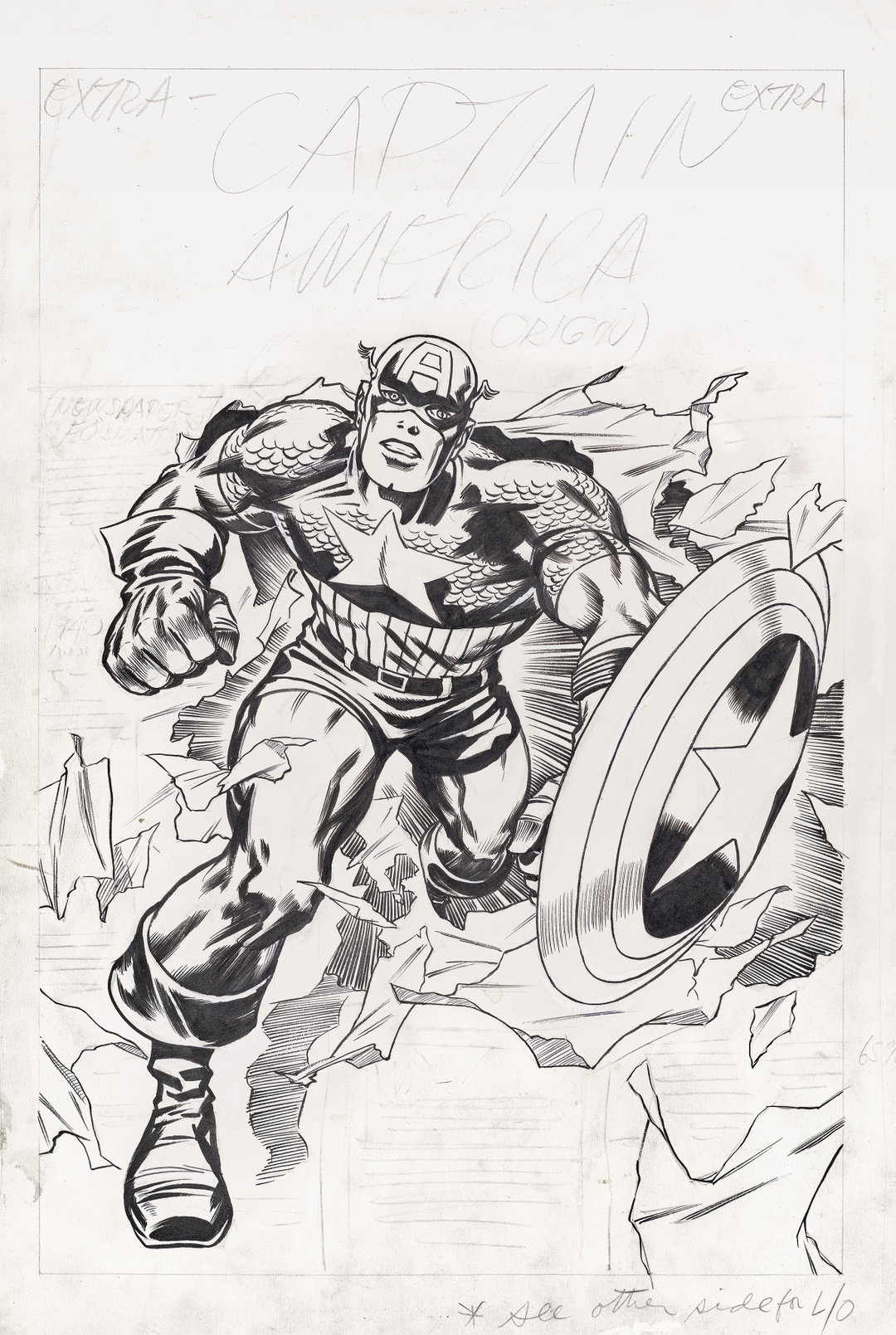
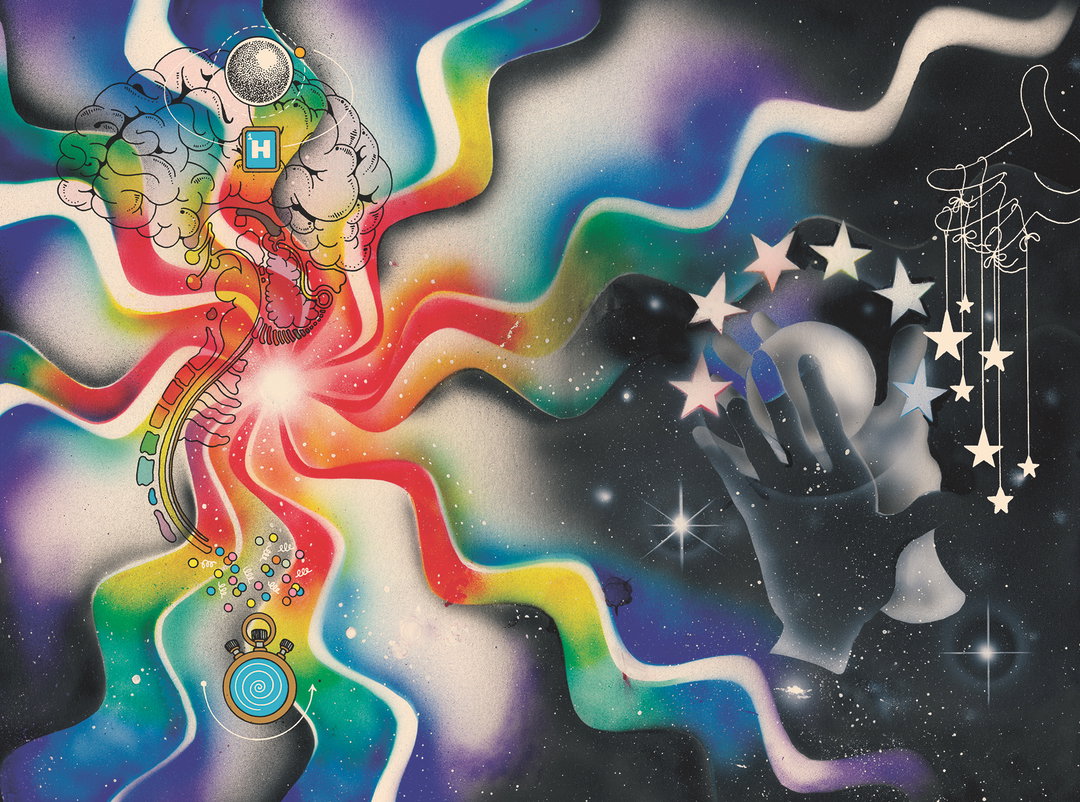
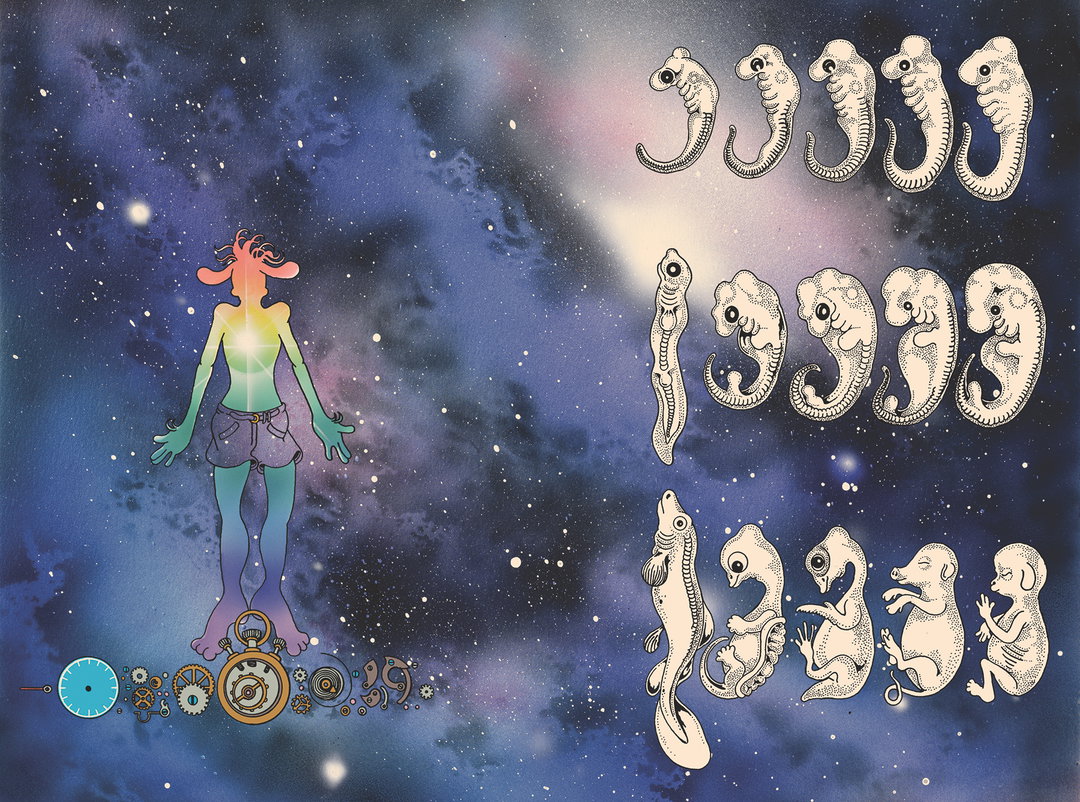
GalleryBrian Blomerth's Lily Wave, originally published by Anthology Editions (Copyright © Brian Blomerth)
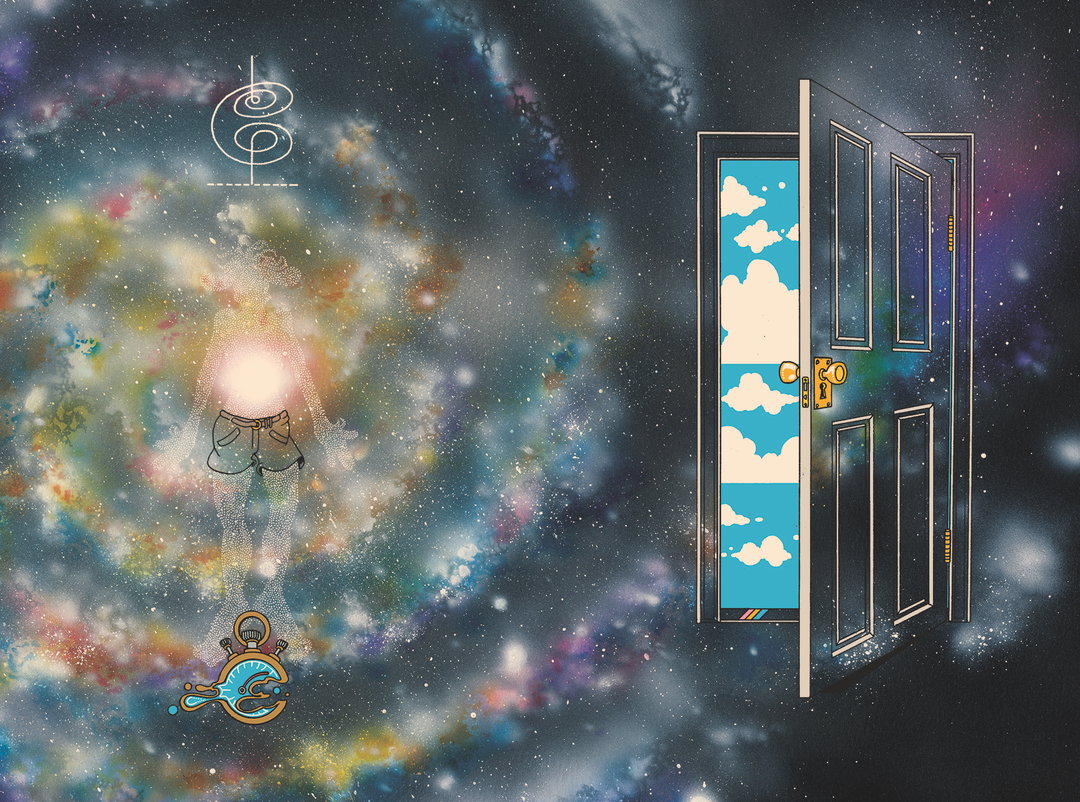
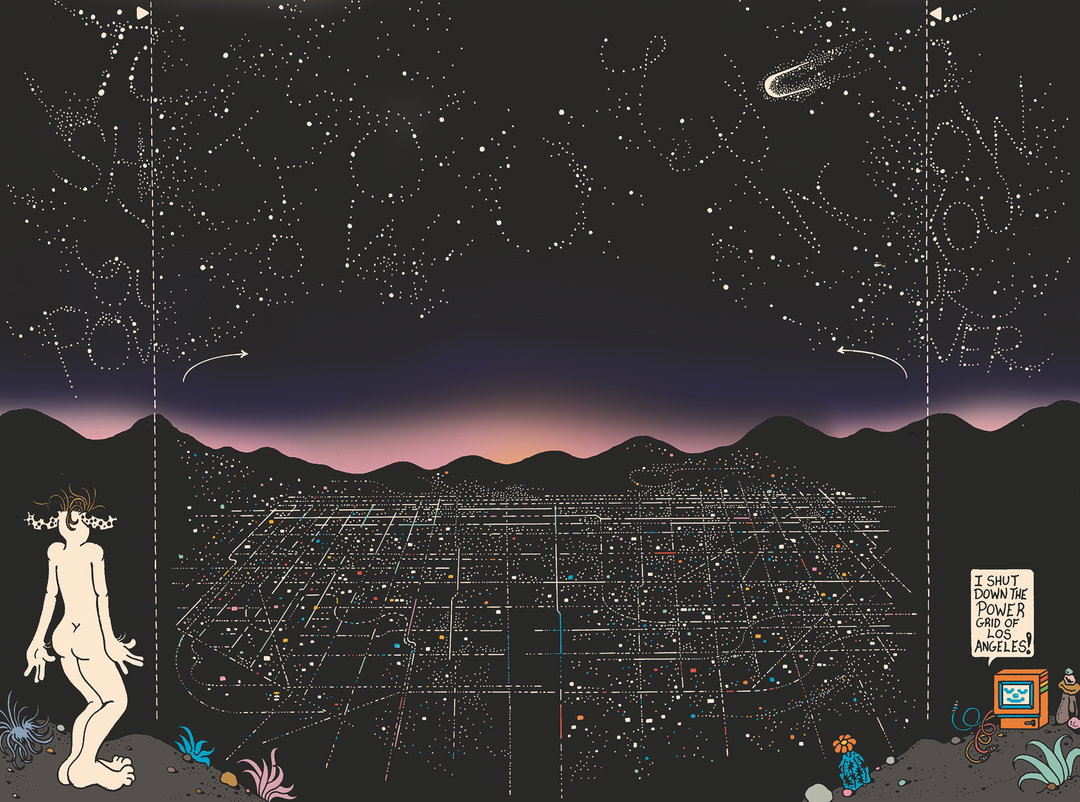
The books are a standard novel-size, but they’re thick, dense, and colourful. At first glance, they look like Riso prints, but Brian reveals that each project uses a custom process tailored to the themes and figures within. Bicycle Day used spot colouring – an extra set of plates added to the standard CMYK process – to create the trippy hues. Later in the book, when the acid trip kicks in, the printing flips entirely to neon inks. “Neon inks are synthetic and created in a lab – same as LSD,” Brian notes. “Both were first synthesised around the same time, so it felt in line.”
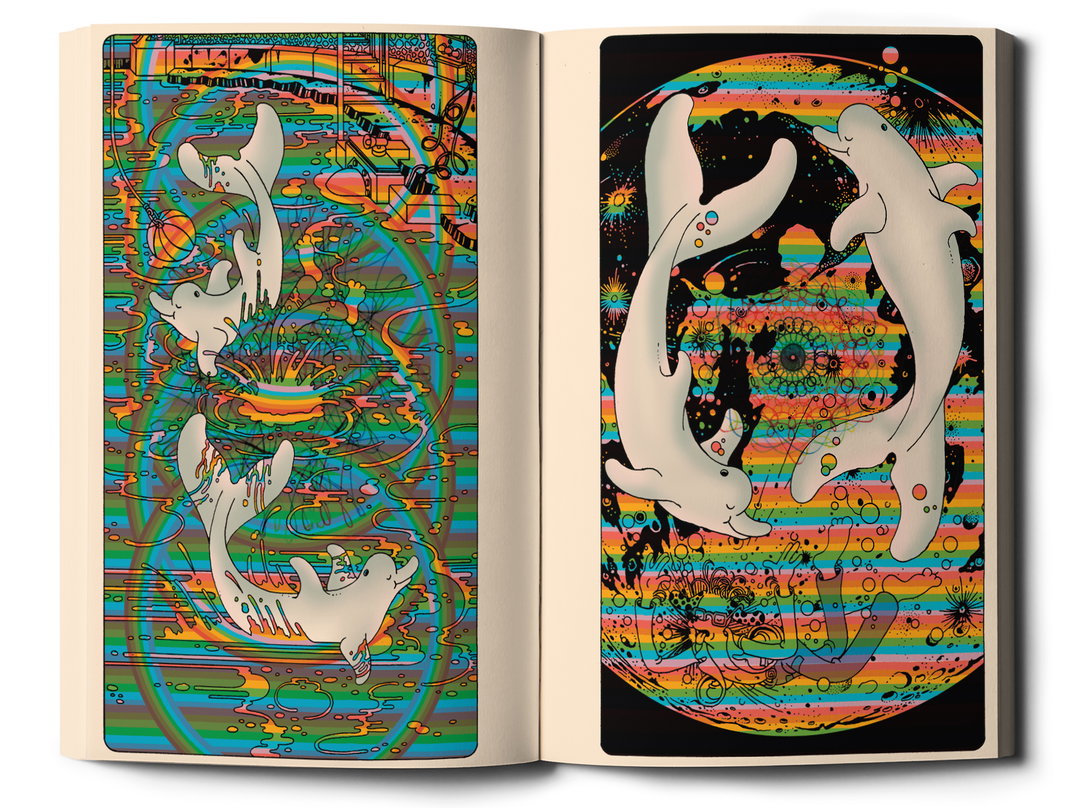
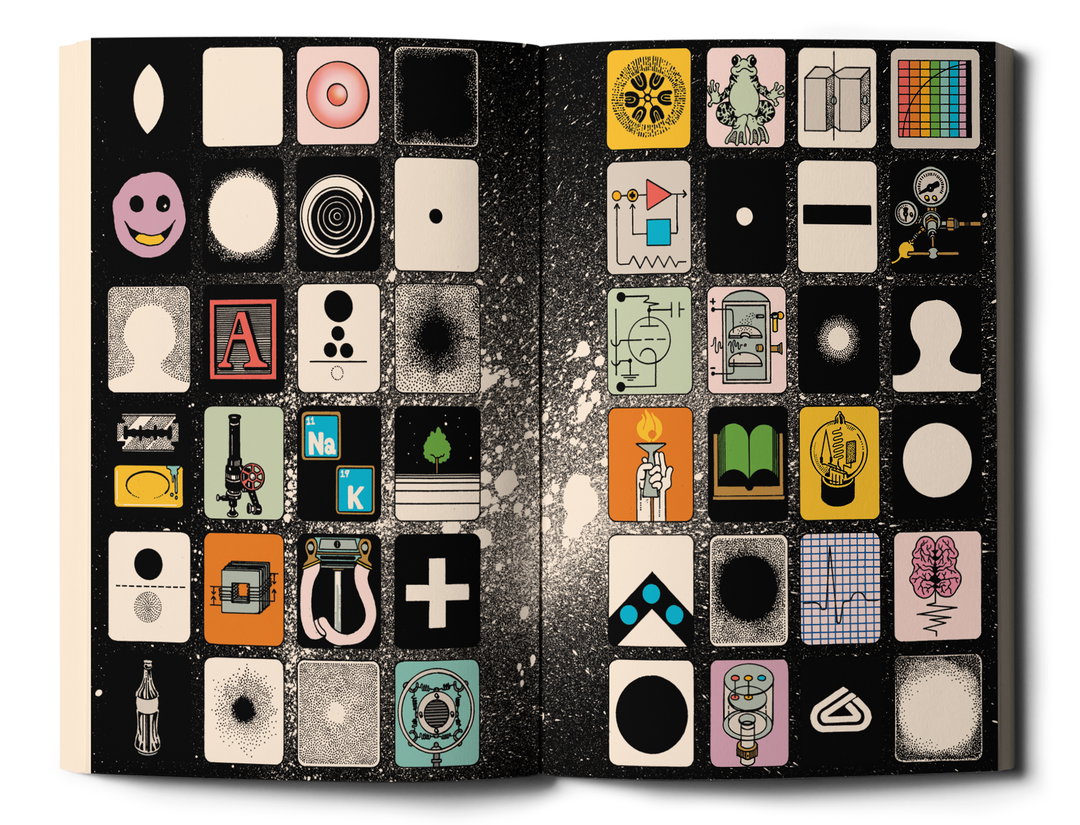
For Mycelium Wassonii, his story about amateur mycologists, the visuals were rendered entirely in watercolour. A conscious nod, he says, to the medium of choice for botanists and naturalists. In the latest book Lily-Wave, the textures change again: cosmic airbrush effects, spirograph patterns, dot-matrix splatter and NTSC colour distortions. “I was trying to reference the high-tech aesthetic of the 1970s,” he explains – the era that shaped John C. Lilly’s experiments.
“I try to marry the visual catalogue to the biography,” he says, explaining how he hopes to build an aesthetic language that relates to the subject’s world. That means no shortcuts: “To get a book done, I try to do a spread every day,” he says. Each book includes a text by an expert – Rick Doblin, an advocate for psychedelic drugs, wrote the foreword for Lily Wave. “I hope people learn a bit, and enjoy these silly books,” he says.
GalleryBrian Blomerth's Lily Wave, originally published by Anthology Editions (Copyright © Brian Blomerth)
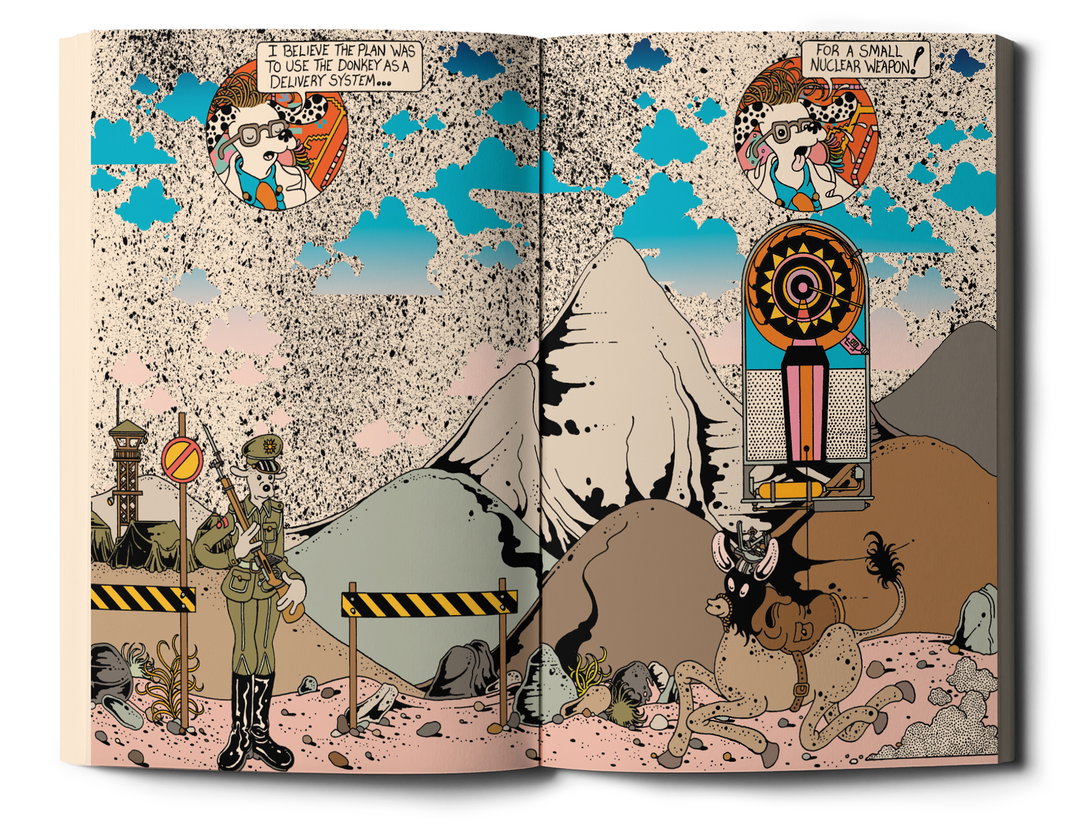
GalleryBrian Blomerth's Mycelium Wassonii, originally published by Anthology Editions (Copyright © Brian Blomerth)
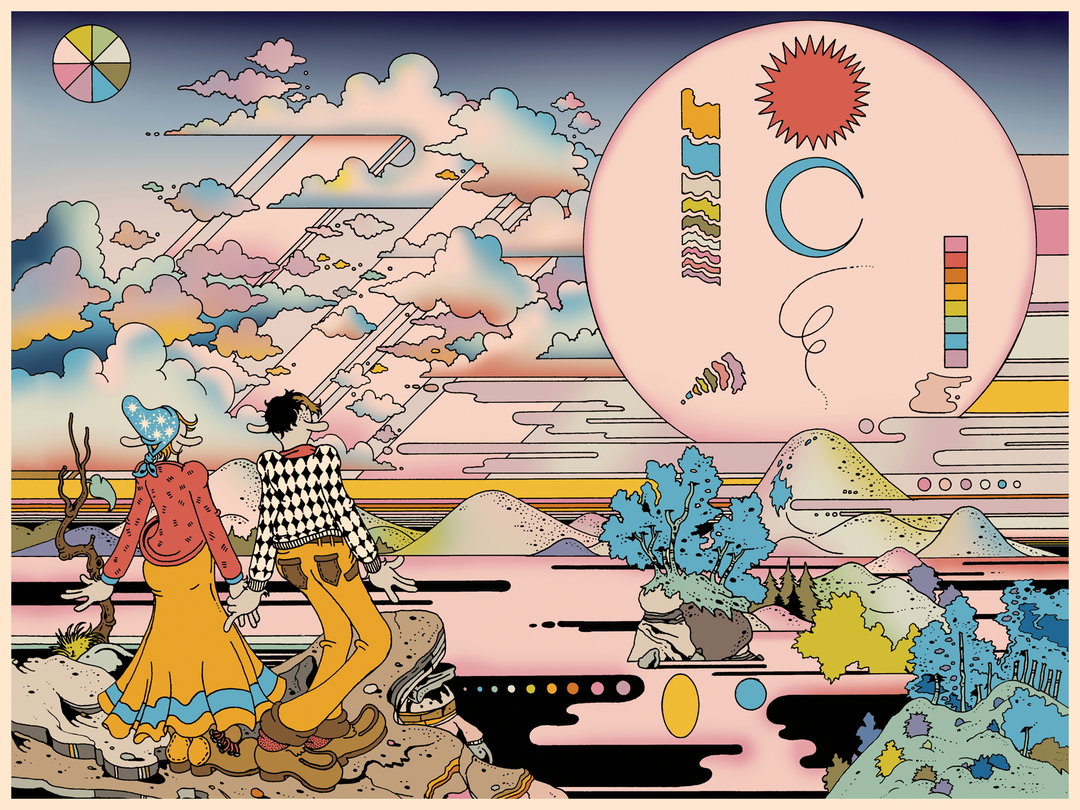
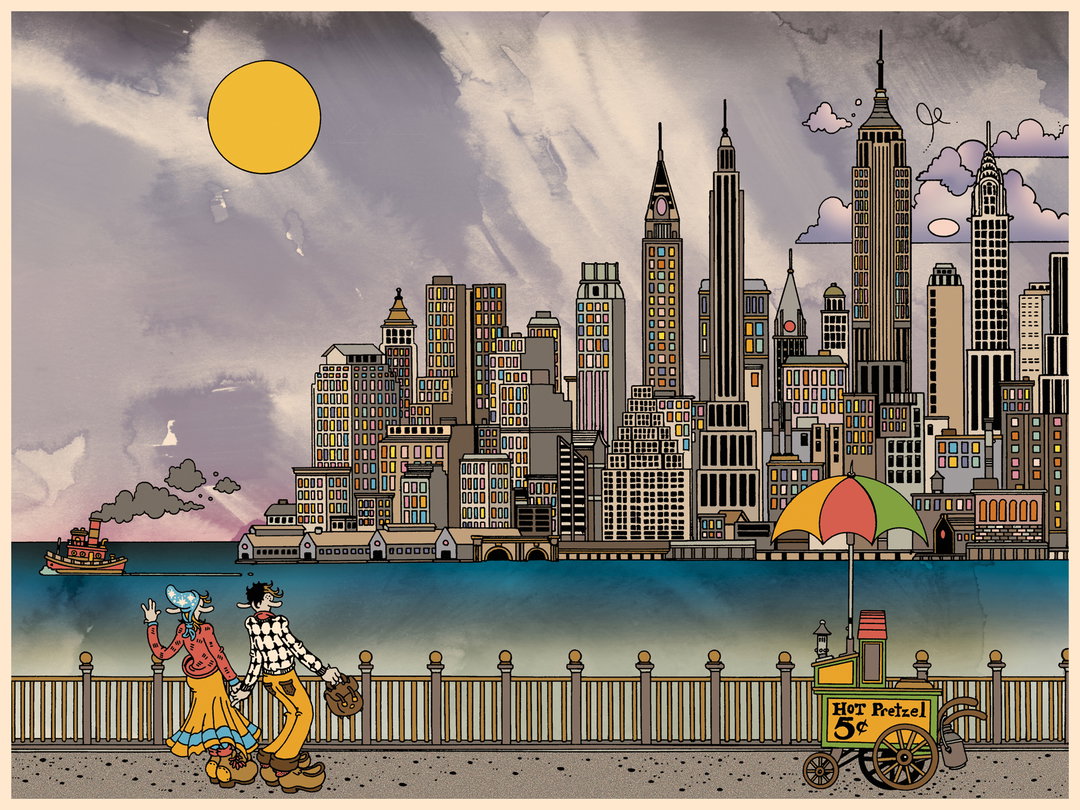
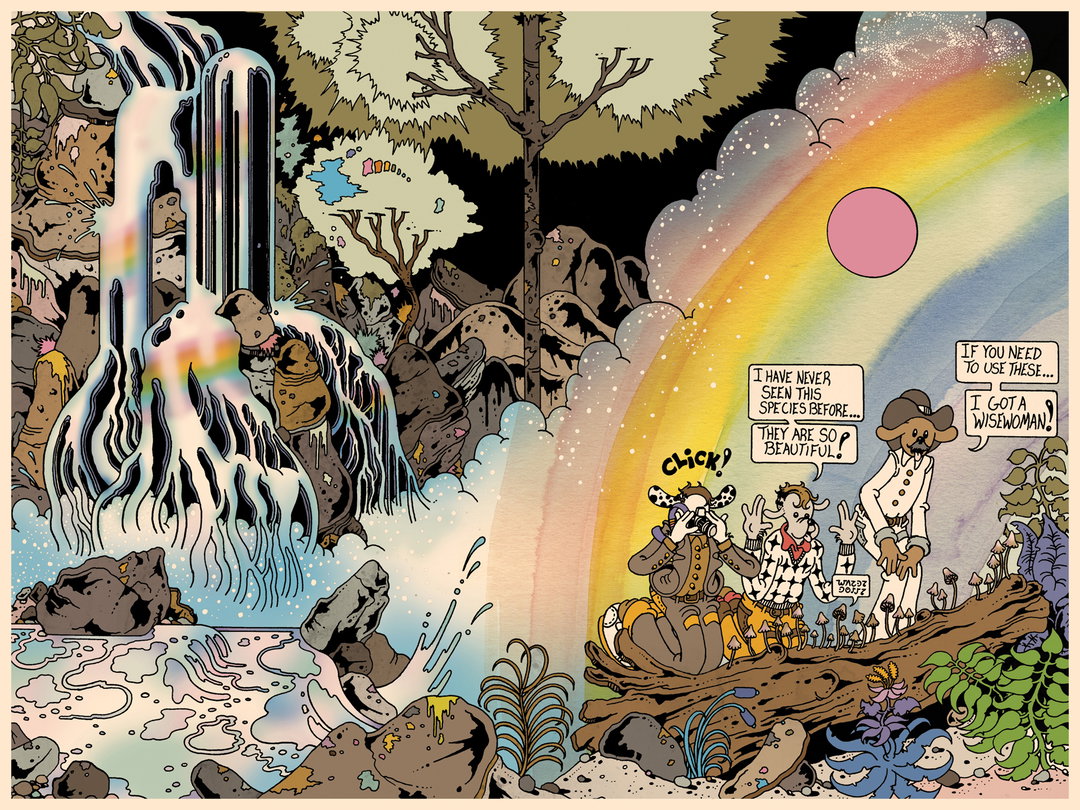
GalleryBrian Blomerth's Bicycle Day, originally published by Anthology Editions (Copyright © Brian Blomerth)
Hero Header
Originally Published by Anthology Editions (Copyright © Brian Blomerth)
Share Article
Further Info
About the Author
—
Marigold Warner is a British-Japanese writer and editor based in Tokyo. She covers art and culture, and is particularly interested in Japanese photography and design.