Benedict Brain’s photography “raises yet more questions around environmental issues”
British photographer Benedict Brain’s portfolio of work is unorthodox. Although his life was deeply rooted in photography from a young age, Benedict’s creative practice includes a conceptual degree in photography from Derby School of Art and commercial projects, as well as working as a photography journalist and on cruise ships.
His latest series, The Lost Frontier, which explores the complex relationship between humans and their natural surroundings, came about because of a photography workshop Benedict organises for a large international cruise line. “This work has taken me all over the world over the last 18 months including four or five trips to Alaska,” Benedict tells us. “In Alaska, I was mainly visiting the port towns and cities along the Inside Passage. I became increasingly interested in the contradictions I could see. Against a backdrop of the epic natural beauty of the Alaskan landscape lies an undercurrent of poverty and a range of social challenges such as alcohol abuse and drug addiction. There is an overt religious presence and a highly charged macho culture of big trucks, guns and so forth, alongside the influences of mass tourism and all that that entails.”
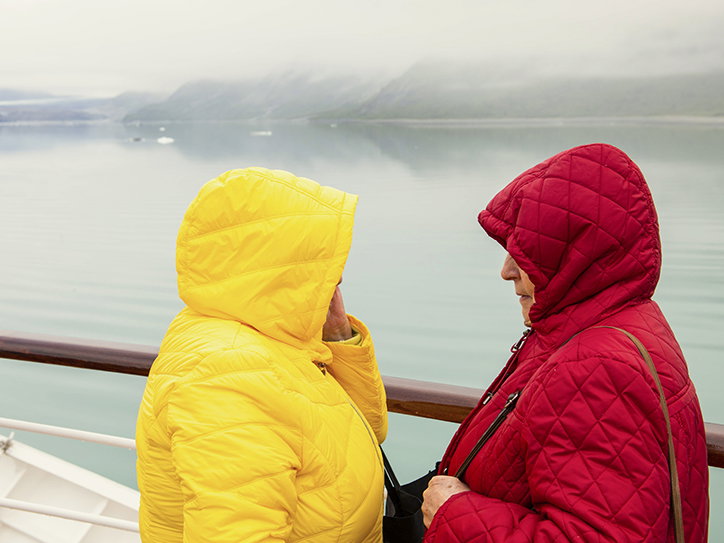
Benedict’s photographs are immaculately framed and thought-provoking. Often, Benedict’s images are made up of natural features – like giant mountains and expansive lakes – that loom over the people who inhabit the land. “On an aesthetic level, I’m looking for harmony and balance and sometimes tension,” the photographer says. “I’m mainly working with medium format cameras so I have a slightly ‘slower’ and considered approach. I have certain aesthetic sensibilities that I enjoy on a superficial level. However, I’m mainly looking for elements that help add to the overall story of the human relationship with the environment.” Even in instances where urban and natural life is depicted separately, the relationship between the two is still implied. By repeatedly juxtaposing shots of boats, houses and other human-made objects with environmental photographs, The Lost Frontier points to the symbiotic relationship people have with nature.
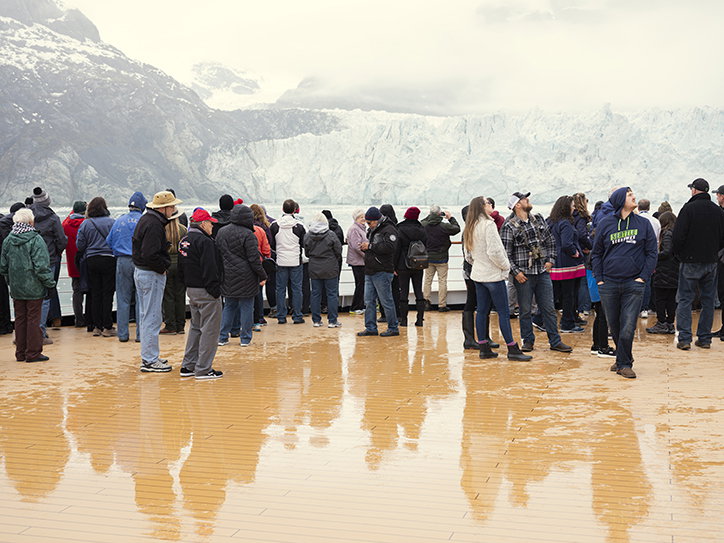
The series can be described as a study on the way humans interact with their surroundings. “In Alaska, this relationship seems particularly amplified, especially as tourists are drawn to visit the region to see the epic vistas,” Benedict says. “This raises yet more questions around environmental issues and the impact of mass tourism as the glaciers literally melt in front of our eyes.” One particularly poignant photograph, for example, shows a mass of travellers curiously looking at and photographing the region’s giant glaciers. The image works as a subtle reminder of people’s tendency to consider vital natural resources as a spectacle that can be bought and subsequently consumed.
“In just about every sense, this work is a massive departure from the work I had been doing in the world of commercial photo magazines,” Benedict reflects. “However, the concerns and aesthetic have been bubbling away in the background for years. The global nature of my current ‘day-job’ takes me to many places that enable me to develop and build on this project – beyond just Alaska. I see similar contradictions, curiosities, delights and disasters in the human relationship between the land and environment around the world and this interests me greatly. The themes that run through The Lost Frontier are global, so I’m exploring ways to expand the scope of the project into a larger body of work.”
Benedict Brain: The Lost Frontier.
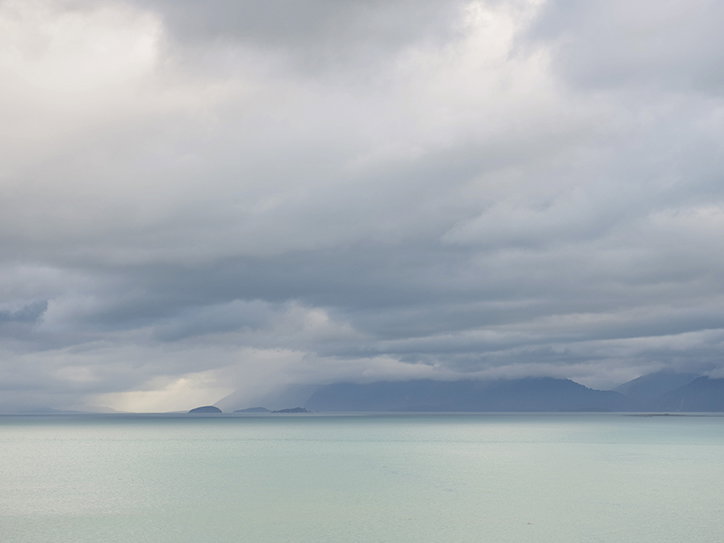
Benedict Brain: The Lost Frontier.
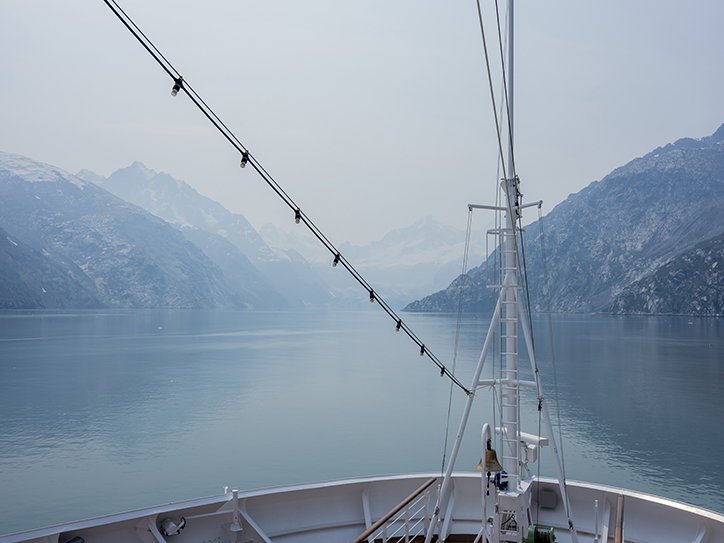
Benedict Brain: The Lost Frontier.
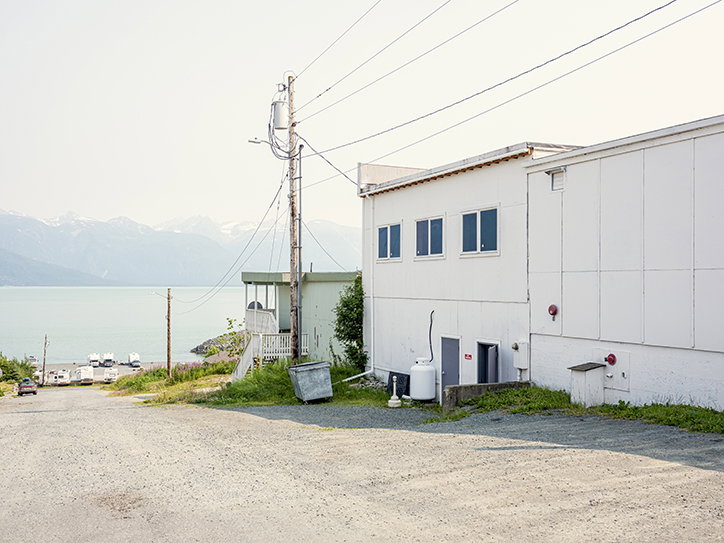
Benedict Brain: The Lost Frontier.
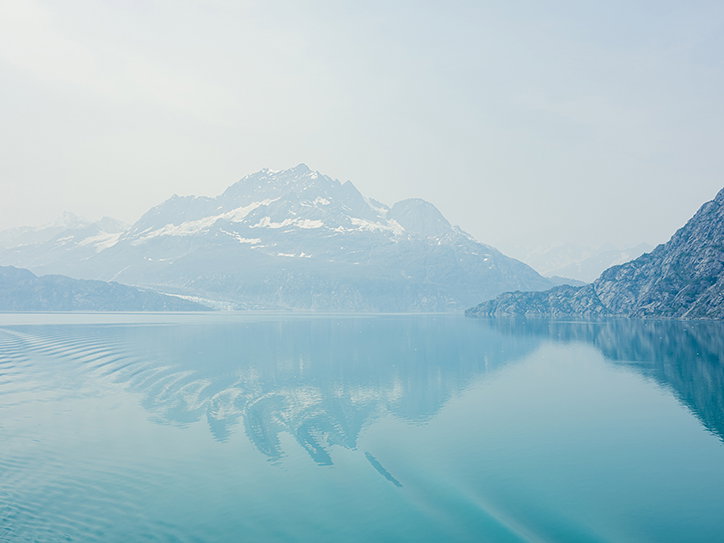
Benedict Brain: The Lost Frontier.
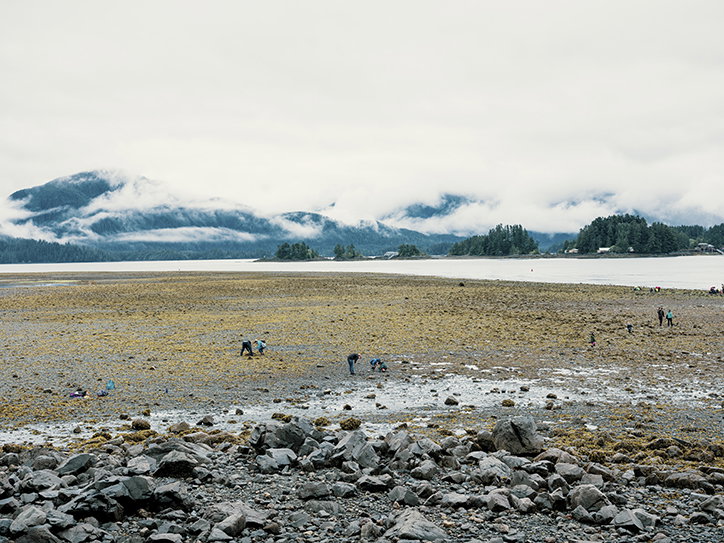
Benedict Brain: The Lost Frontier.
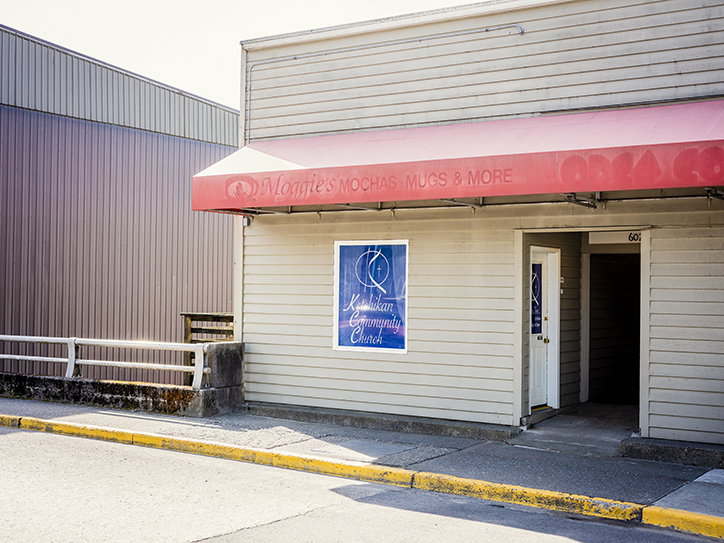
Benedict Brain: The Lost Frontier.
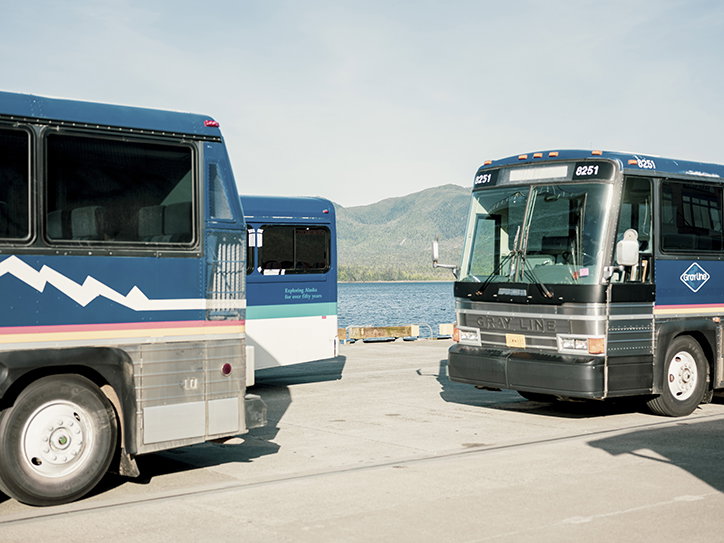
Benedict Brain: The Lost Frontier.
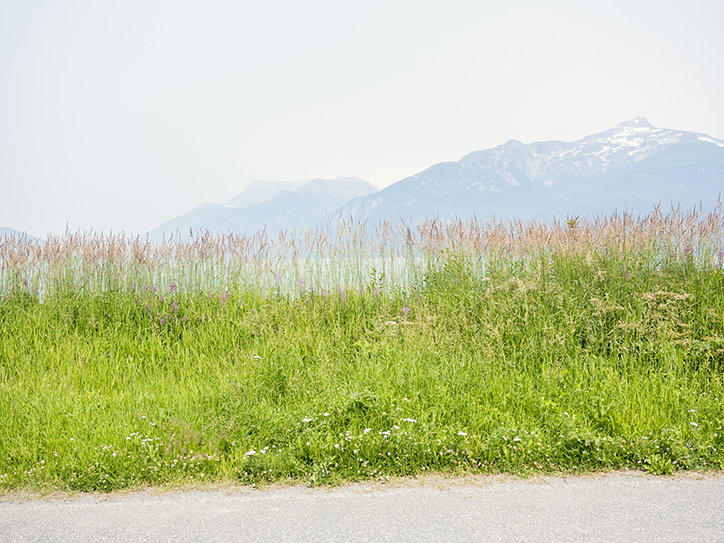
Benedict Brain: The Lost Frontier.
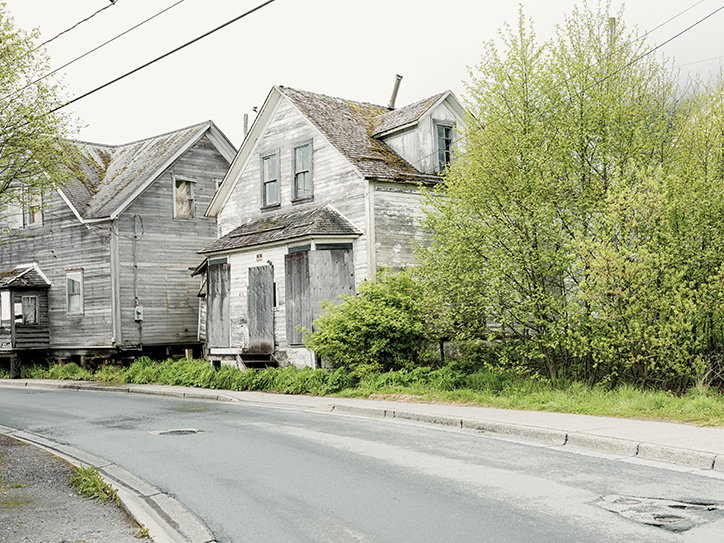
Benedict Brain: The Lost Frontier.

Benedict Brain: The Lost Frontier.
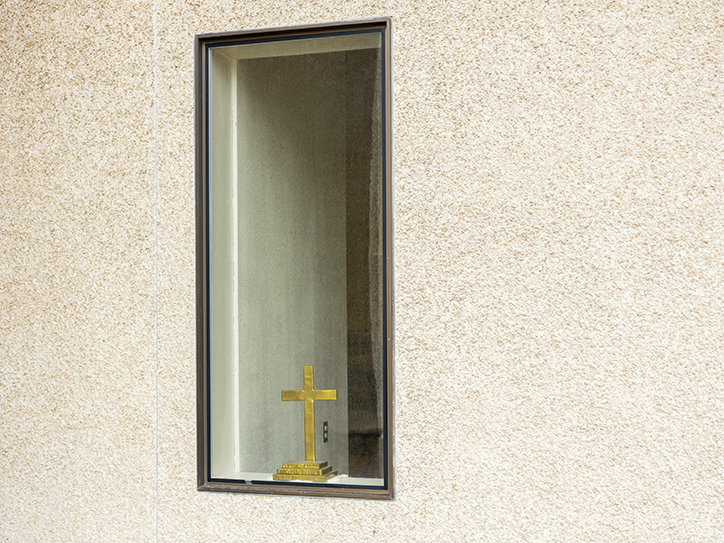
Benedict Brain: The Lost Frontier.
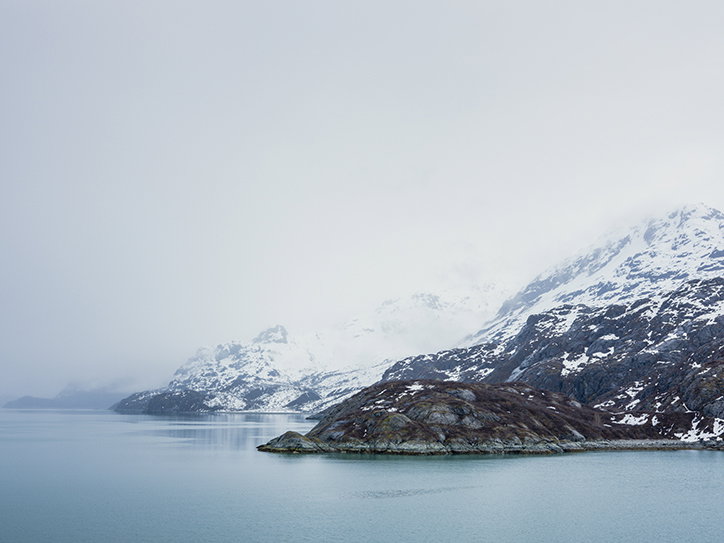
Benedict Brain: The Lost Frontier.
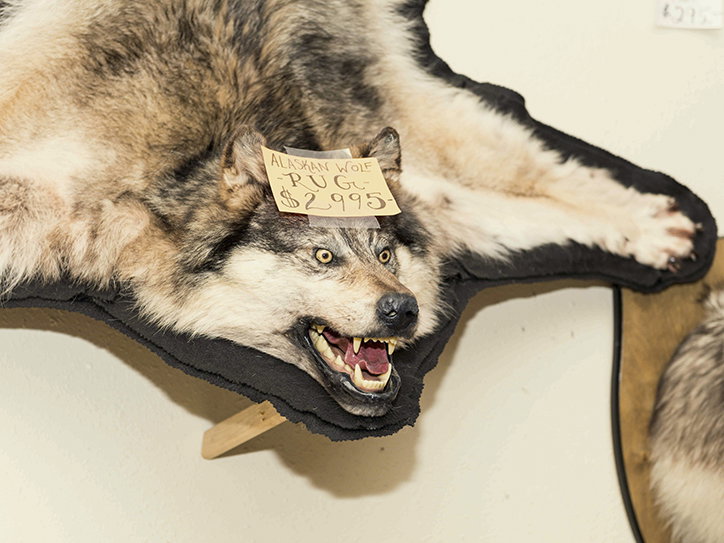
Benedict Brain: The Lost Frontier.
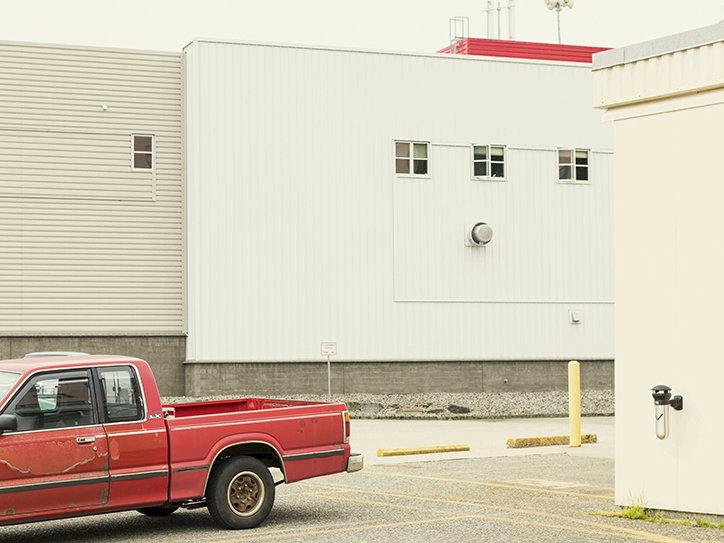
Benedict Brain: The Lost Frontier.
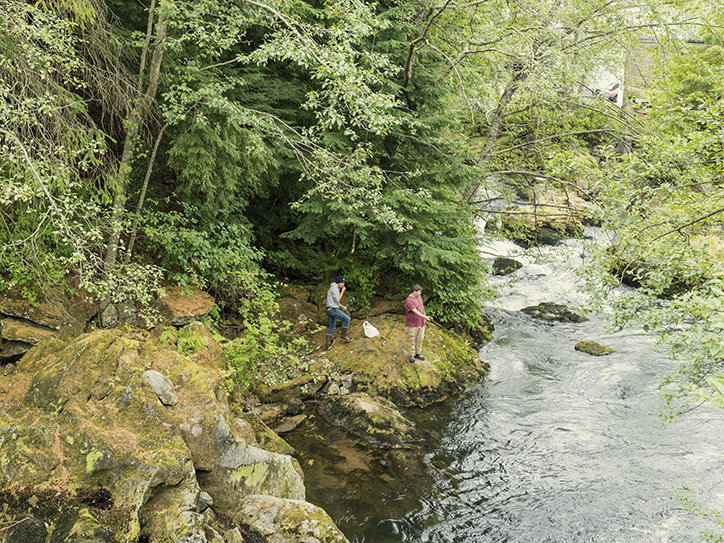
Benedict Brain: The Lost Frontier.

Benedict Brain: The Lost Frontier.
Share Article
Further Info
About the Author
—
Daphne has worked for us for a few years now as a freelance writer. She covers everything from photography and graphic design to the ways in which artists are using AI.