

What we learned about immersive tech, fan experiences and storytelling at Belgium House
This influential industry event brought together leaders and innovators to discuss our creative and technological futures, and the importance of keeping designers at the centre of the conversations.
From the clean-lined worlds of Tintin and the Smurfs to the boundary-pushing music of Angèle and Stromae, Belgium has a rich history of storytelling which has made an impact the world over. Today, this legacy is expanding within Southern Belgium’s burgeoning cultural hub, Wallonia-Brussels: a territory emerging as a hub for the intertwining of design, technology and creative entrepreneurship.
Across audiovisual production, fashion, architecture, music, performance and immersive media, the region’s creative industries are being shaped by collaboration as much as craft. After all, Belgium is home to three official languages and communities from around 180 nationalities, so cultural overlap is embedded – and Wallonia-Brussels has become a place where cultural exchange naturally feeds experimentation, resulting in projects that often blur the boundaries between art, technology and experience.
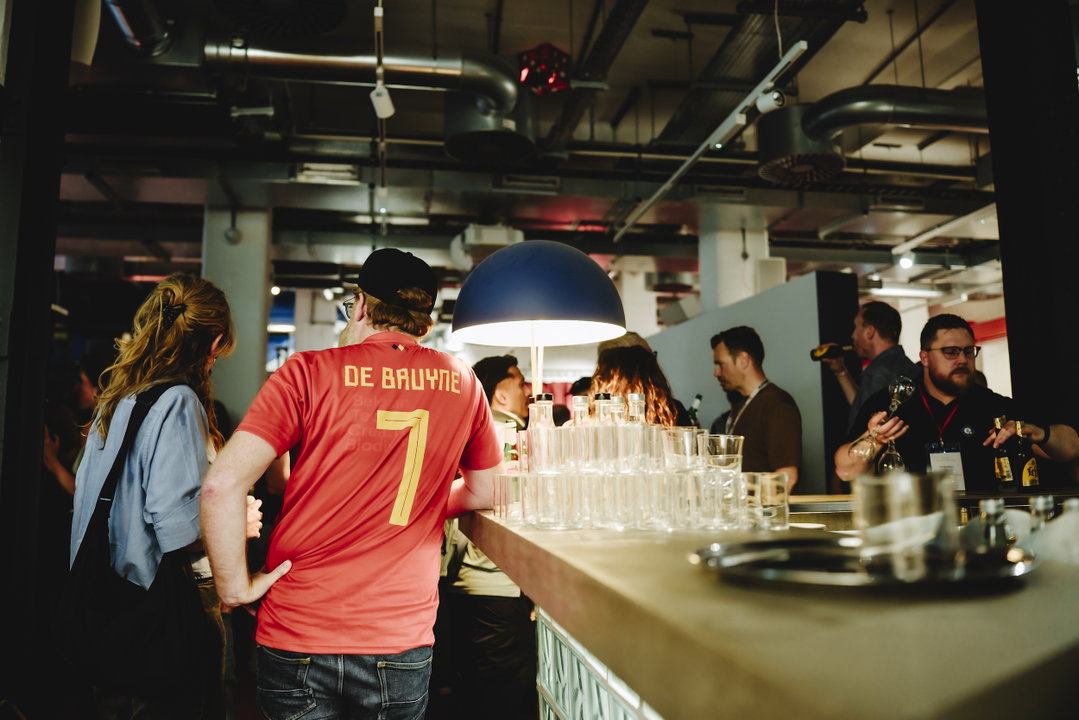
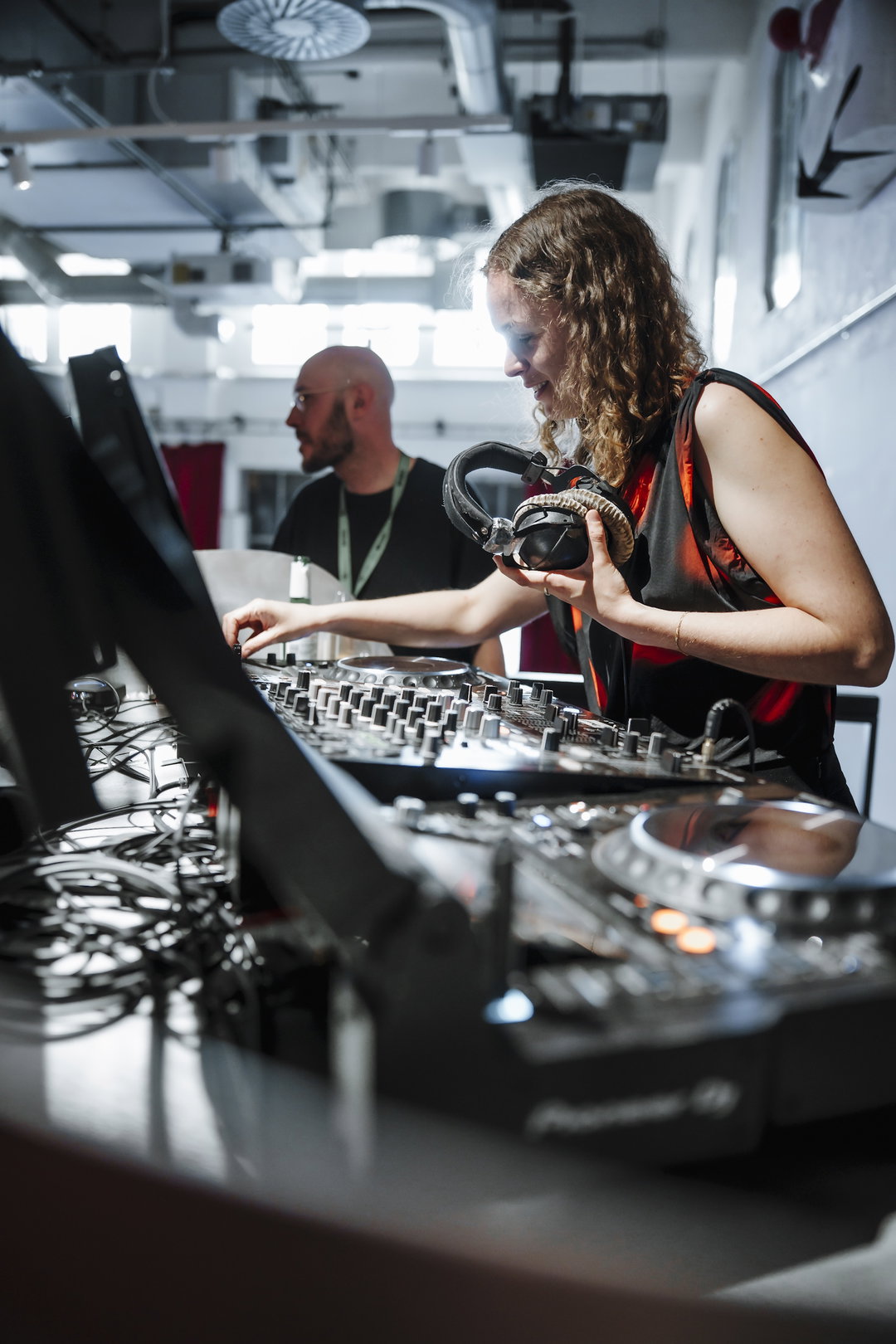
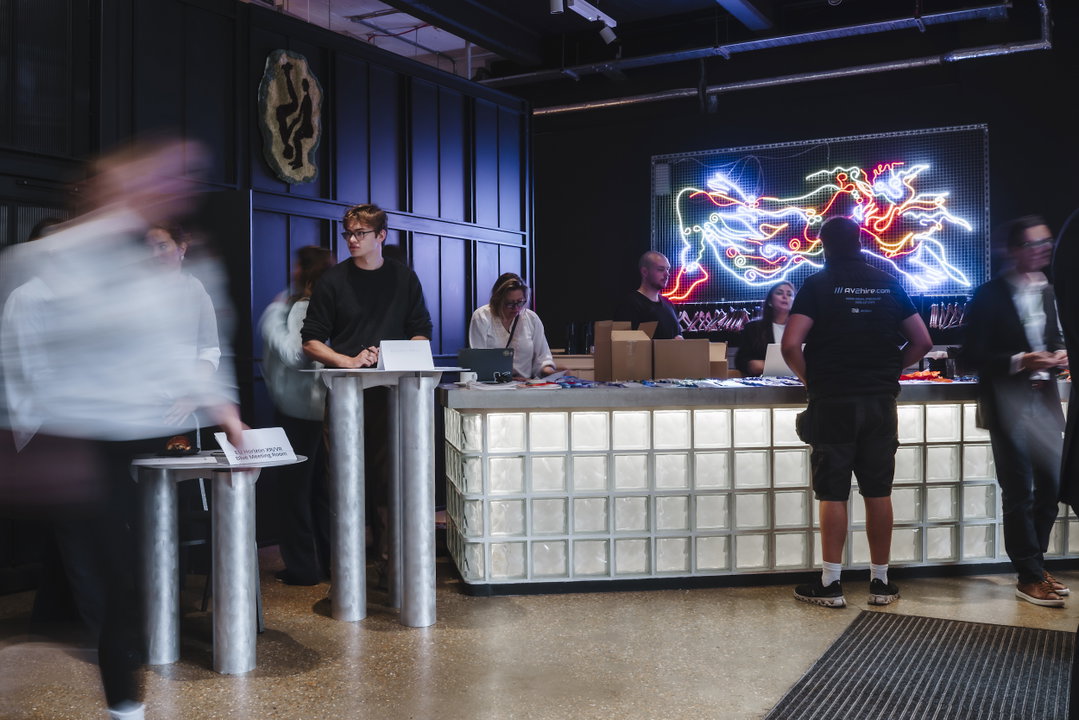
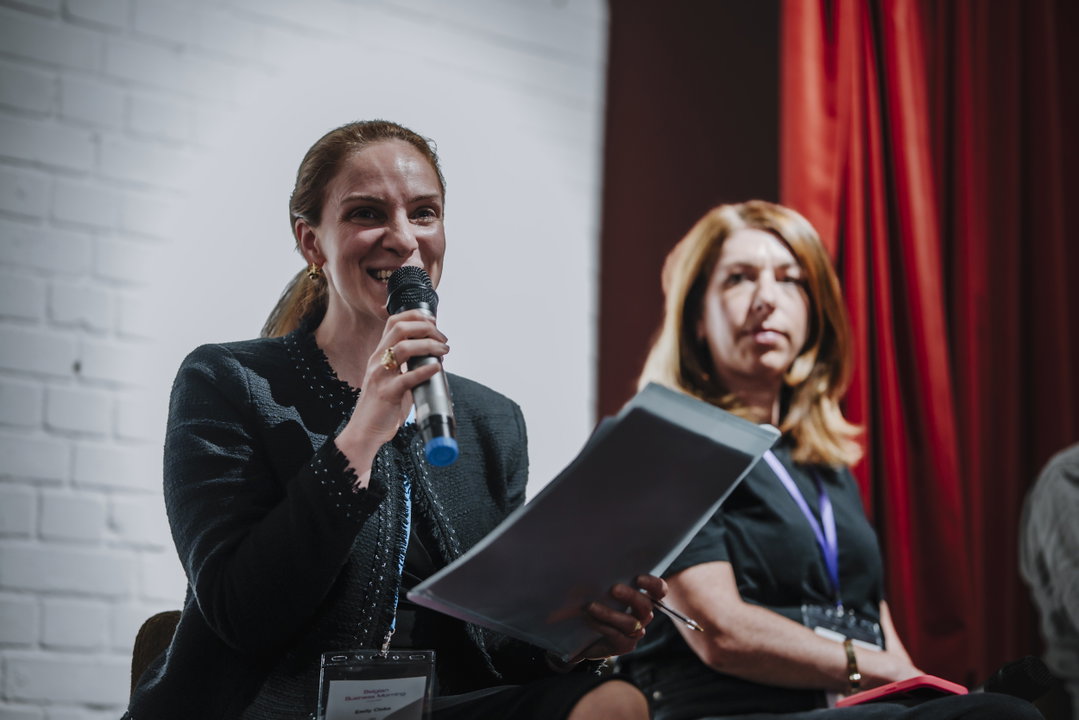
That growing ecosystem was the focus of Belgium House 2026, which returned to London’s Shoreditch Arts Club following its inaugural edition last year. Organised by Wallonia-Brussels International, the event brought together creatives, cultural organisations, researchers and industry leaders from Belgium and the UK for a day of conversations exploring immersive storytelling, creative technologies, music, design and cross-border collaboration.
Copyright © J. Van Belle - WBI
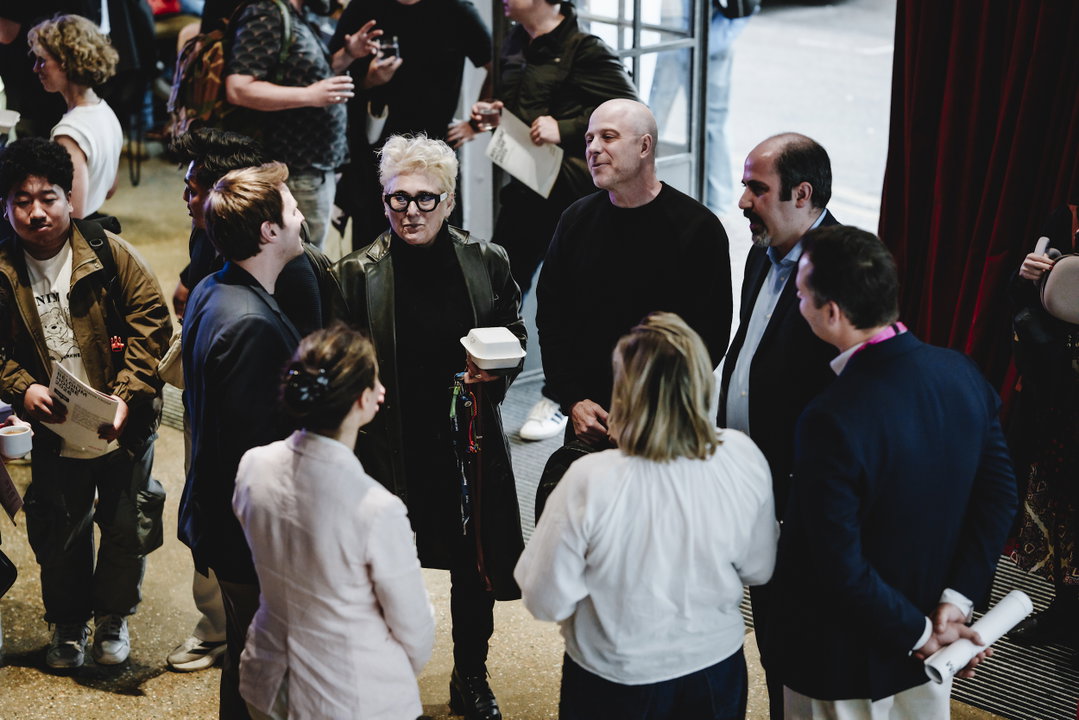
Rather than simply showcasing Belgian talent, Belgium House served to connect creative communities and promote discussion around the topics currently shaping Europe’s cultural industries: how immersive technologies can move beyond novelty, how storytelling evolves through participation, and how designers can continue to influence technological development as new tools emerge. Part of the discussions were representatives from initiatives such as Kikk Festival, XR4Europe and Ikii studio, which have been integral to building the ecosystem of artists, researchers and creative entrepreneurs across the Wallonia-Brussels region. Imagine a world where Wallonia-Brussels is a European creative tech valley – that is the future these initiatives, and others like Wake! By Digital Wallonia, are working towards.
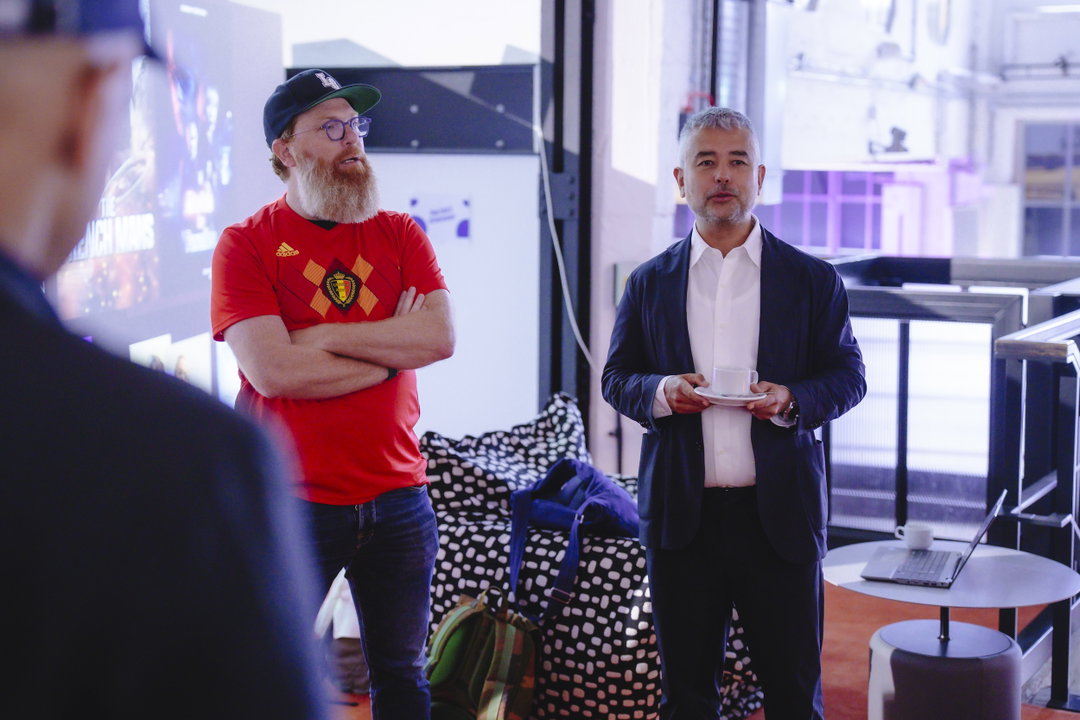
“Belgium is setting the pace for Europe’s next creative wave,” says Motonobu Kasajima, general representative of Wallonia-Brussels to the UK. “From three major awards at Cannes to Belgian designers shaping the vision of the world’s leading fashion houses, to the unmistakable voices of Angèle and Stromae resonating across continents, our artists are proving that creativity knows no borders.”
“Belgium may be a small country,” adds Belgian ambassador to the UK Jeroen Cooreman, “but it’s a country of remarkable creativity. From Tomorrowland, which has become one of the world's most iconic music festivals, to EVS, whose live video production technology helps bring major international events such as the Olympic Games, the UEFA Champions League, Wimbledon and Formula 1 to audiences around the world, Belgian innovation and talent continue to make an impact far beyond our region.”
Dig into what went down at the design-focused panels below.
Copyright © J. Van Belle - WBI
From lab to impact: translating immersive research into real-world adoption
The opening panel explored how immersive research can make the leap from innovation labs into everyday cultural experiences. Bringing together speakers from XR4Europe, Digital Catapult and Eirmersive, the conversation centred on collaboration across Europe, digital sovereignty and the role immersive technologies can play across sectors ranging from culture to healthcare. According to Camille Donegan (CEO of Eirmersive and director of XR4Europe), what bridges the gap between research and adoption is the core idea that “narrative-driven experiences stick. We resonate with other humans.”
Copyright © J. Van Belle - WBI
From screen to stepping inside: turning global IP into living worlds
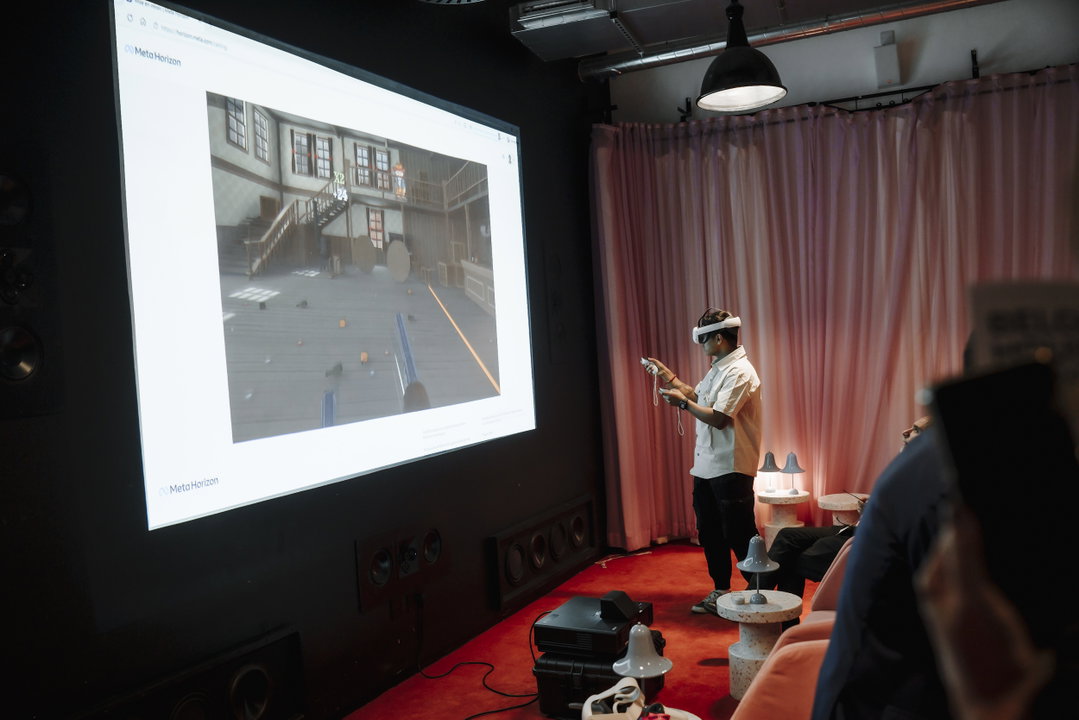
The next discussion segued into fandom, participatory experiences and the future of storytelling as an elevated experience. Among the speakers was Etienne Sainton from Belgian experience design company Alterface, whose work with Mycotoo on Stranger Things: The Experience demonstrates how interactive design can transform familiar intellectual property into physical environments. Dawn Foot, from Katapult and TEA EME Division, shared a few eye-opening statistics on immersive experiences: that 65 per cent of people imagine themselves in a TV show and 72 per cent of people want more enjoyment in their lives – reinforcing the growing appetite for immersive experiences that feel personal rather than passive.
Copyright © J. Van Belle - WBI
Beyond Van Gogh: rethinking the future of immersive experiences
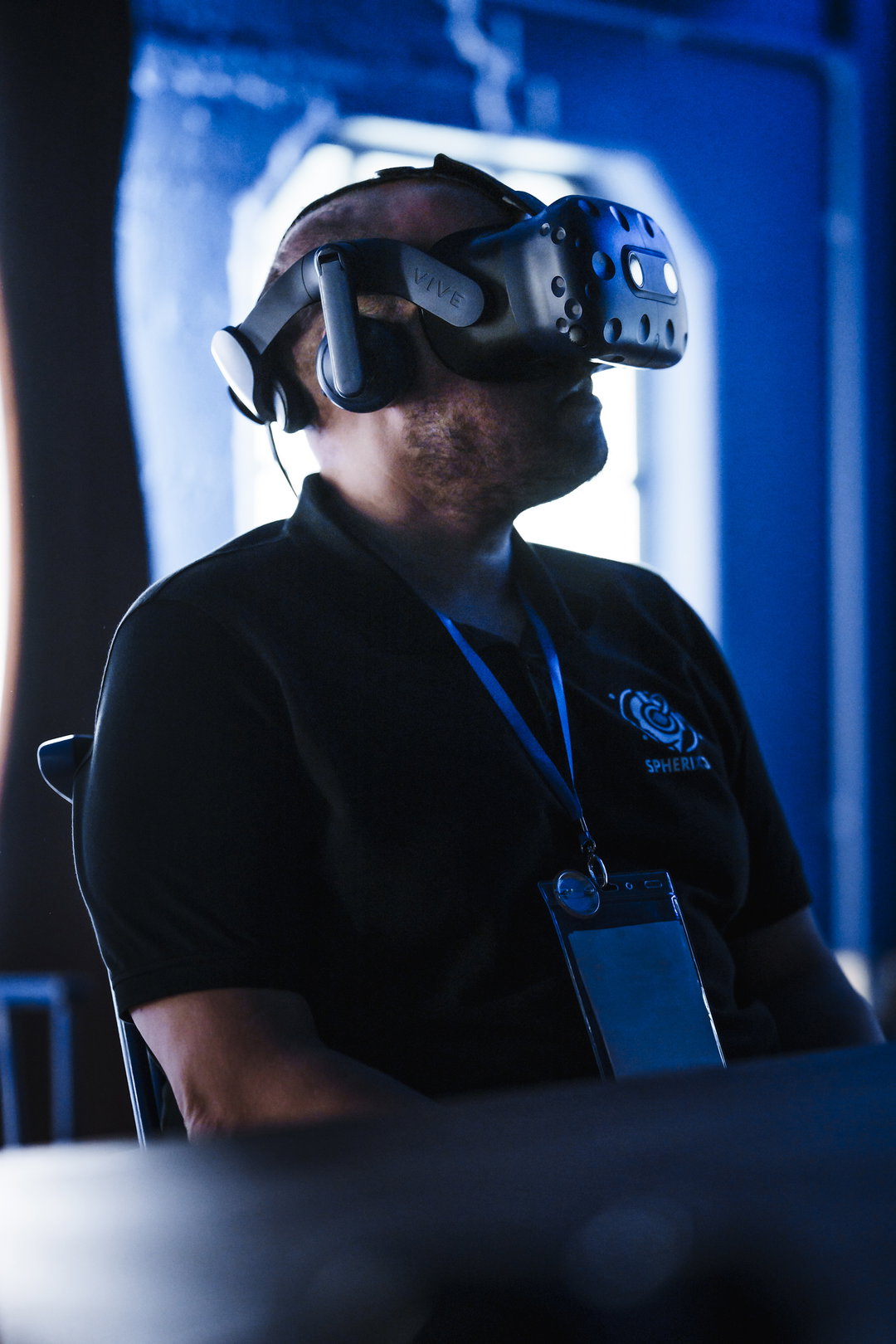
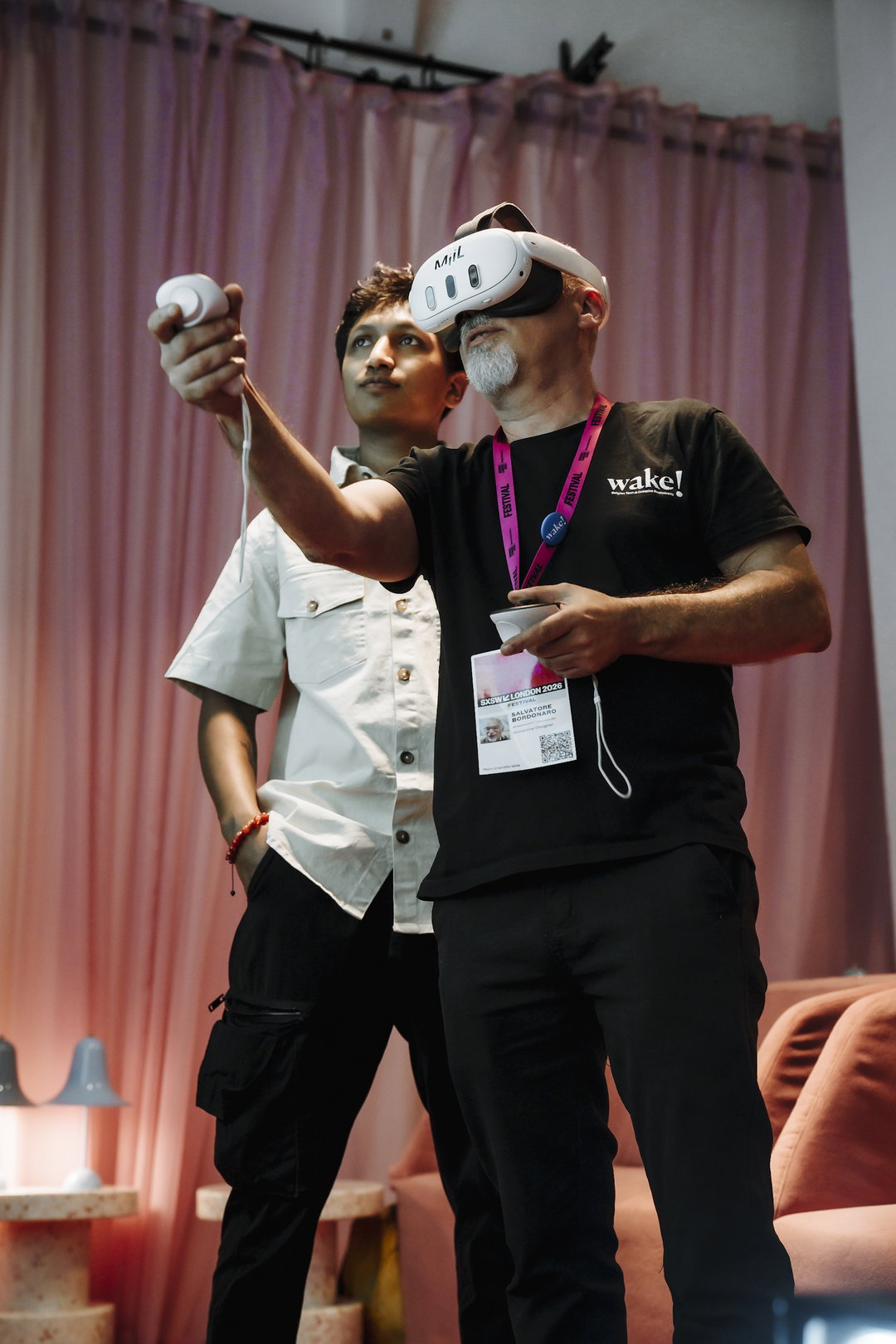
The final panel explored how immersive exhibitions can be revealing and meaningful experiences rather than ones driven purely by spectacle. Moderated by Marie du Chastel of Kikk Festival and Ikii studio, the discussion questioned how commercial investment is shaping the sector, and whether experiences driven primarily by return on investment leave enough room for artistic risk. “What do we lose in terms of diversity, boldness and artistic vision?” du Chastel asked, a question that resonated far beyond immersive exhibitions alone.
GalleryCopyright © J. Van Belle - WBI
Kanal-Centre Pompidou
Belgium House also offered attendees an early look at one of Brussels’ biggest cultural developments. Set to open in November 2026, Kanal-Centre Pompidou will transform a former Citroën factory into one of Europe’s largest museums dedicated to modern and contemporary art, housing works on loan from Paris’ Centre Pompidou while establishing its own programme rooted in Brussels’ cultural landscape.
Taken together, the conversations at Belgium House reflected a region thinking beyond individual creative disciplines. Whether through immersive technology, exhibition-making or music, the focus remained on creating meaningful connections between people, ideas and industries.
As Jeroen Cooreman put it, the event was ultimately about “bringing together creative minds, innovators, entrepreneurs and decision-makers to exchange ideas, build new partnerships and strengthen the ties between Belgium and the United Kingdom” – and, in turn, making a case for creative collaboration across Europe.
Sponsored by
Wallonia-Brussels
Wallonia-Brussels presents Belgium House 2026 - the one-day creative collision bringing together influential innovators across art, media, tech, and science to transform the Shoreditch Arts Club into a hub of immersive innovation, cutting-edge talks, and meaningful networking.
Hero Header
Copyright © J. Van Belle - WBI
Share Article
Further Info
About the Author
—
This article was written by the It’s Nice That team. To find our editors and writers, please head over to our Contact page.