Understanding a place or idea: Assemble co-founder Maria Lisogorskaya on how storytelling shapes its work
The Turner Prize winning collective is known for its co-operative methodologies with a social conscience. Here its co-founder tells us how stories are carried through the work from the creation of a spreadsheet to a playground.
Assemble first came to the fore of the creative industry when the multi-disciplinary collective won the Turner Prize in 2015. Known for its work overlapping architecture, design and art, the collective made a name for itself with its unique working methodologies: retaining democratic and co-operative processes with a social focus which in turn, allow Assemble to both make things and make things happen. Previously, it’s created a new public art gallery for Goldsmiths, University of London, using its Grade II listed former Victorian bathhouse as a site, as well as converted a few derelict terraced houses in Granby, Liverpool, into a freely accessible local hub for the neighbourhood.
With community at the heart of the collective’s work, Assemble takes into consideration history, function and aestheticism in the design process. As is key to this week’s theme, this is where storytelling comes in. For Maria Lisogorskaya, one of Assemble’s founding members, the notion of storytelling is broad. She tells us: “I guess stories are a way of understanding a place or an idea.” It doesn’t have to be the cementing foundation of a project, it can be in as simple an interaction as getting to know someone or through the materials we work with, the person behind an object and why they made it.
In Assemble’s body of work so far, storytelling is hinted in a range of experiences. Currently, as Maria points out, it’s working on a project which sees the former house of artist and activist Annette Pedrtti, transformed into a space that provides resources for grassroots movements and local people in Spitalfields, London. Titled House of Annetta, Assemble is collaborating with not-for-profit Merseyside-based company Rule of Threes to develop this social centre, research platform and resource, in the hopes of aiding housing justice and land rights in the UK. A complex project balancing logistical practicalities alongside design details, Maria explains how the building off Brick Lane is riddled with Annetta’s story. “It’s about telling her story and her interests in beekeeping, social rights activism and plastering,” she says.
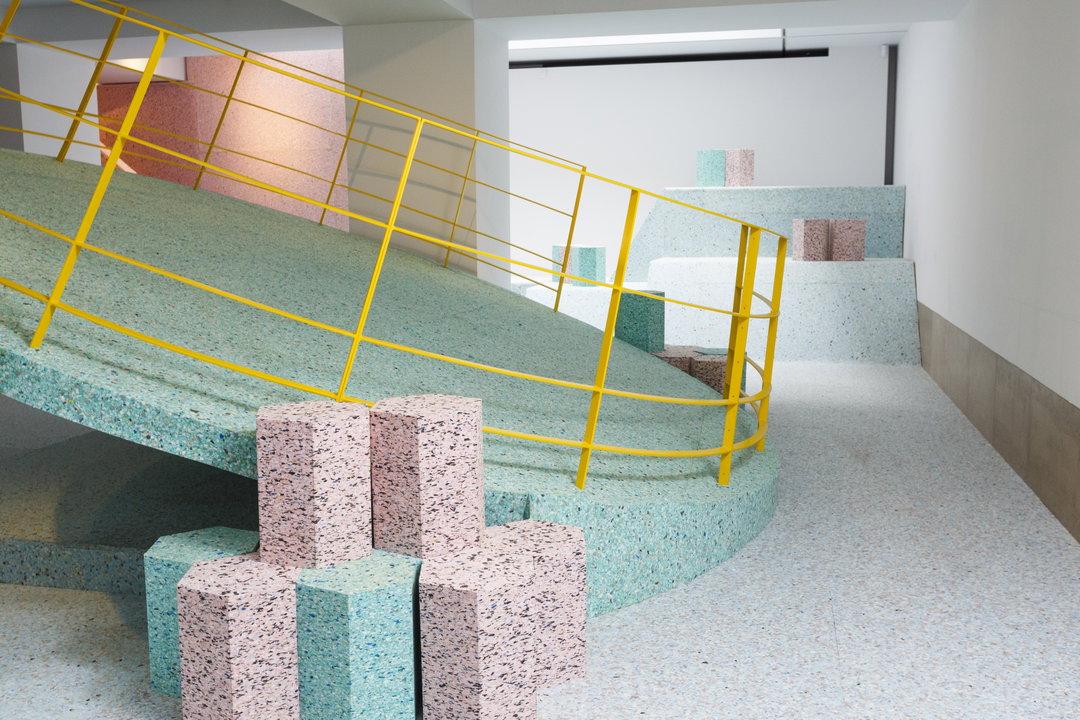
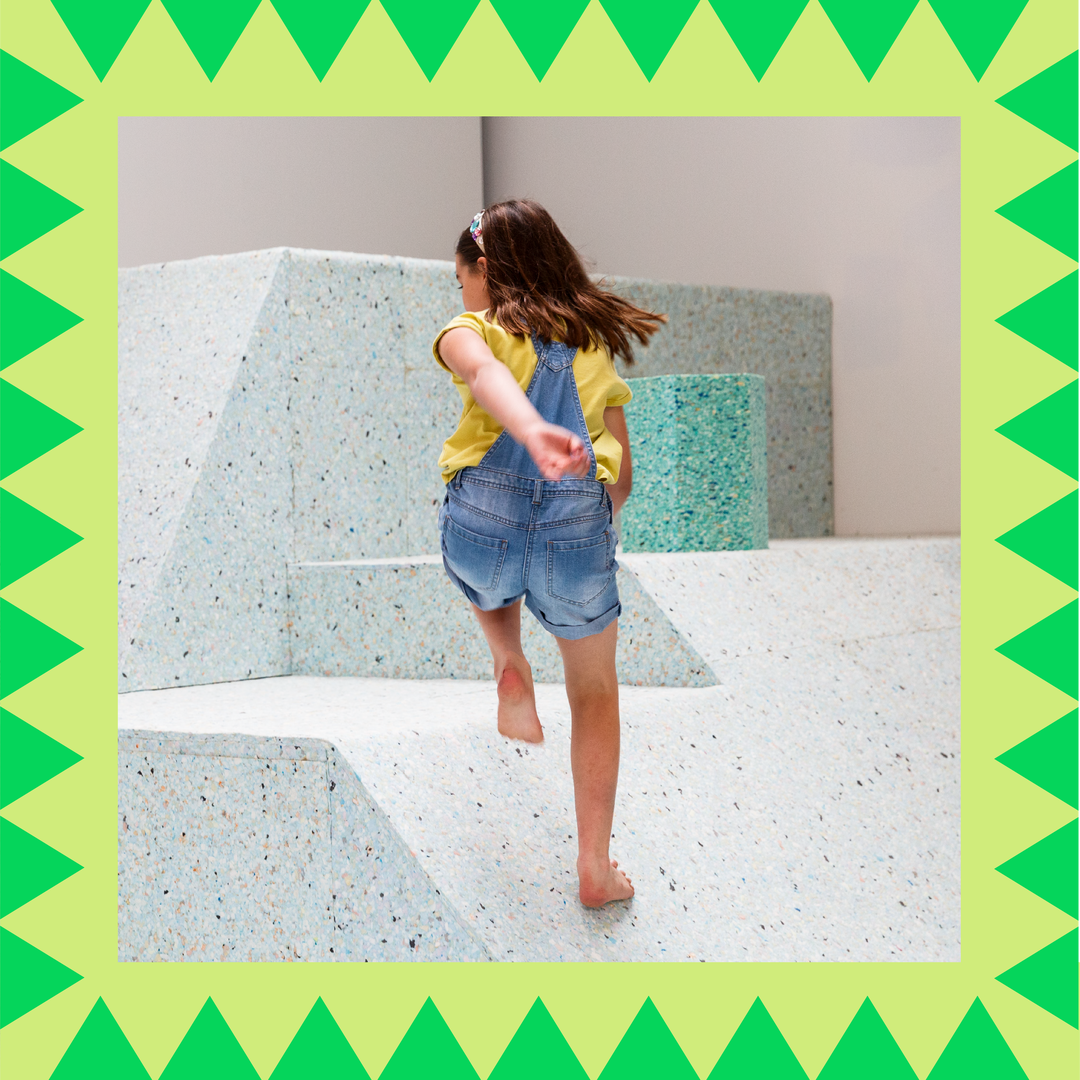
Assemble: The Brutalist Playground by Assemble and Simon Terrill, Photo by Tristan Fewings_Getty Images for RIBA (Copyright © Assemble, 2021)
Elsewhere, Assemble recently finished the design for the Design Museum’s latest exhibition, shining a light on renowned product designer Charlotte Perriand. Through the spatial design of the space, Assemble relays Charlotte’s story and a career overshadowed by male counterparts and sexism. A pioneering designer of the 20th century, whose modern ideas can be found dotted in today’s approaches to materiality, and the idea that ‘good design is for everyone’, Charlotte’s creative ethos comes through in the use of utilitarian materials transformed into beautiful chic objects.
“Everything can tell a story,” says Maria. “All that we make, say an experience is an accumulation of stories.” Stories are transpired through an events programme, a built object or, as the co-founder points out, a tiny chip rupturing the corner of a stone bench which tells us about the material, the labour, use and people who interacted with said bench. For Maria, almost any physical object can be a platform for new stories – a home, playground or school – and even though they may not be read or heard in the same way by everyone, there is an understanding that an element of design has gone into all manmade objects; meaning there is a story to be told.
In turn, storytellng is a vital part of the creative process for Assemble. In order to understand or enjoy anything, there is a process of digestion which allows the viewer to take in information. Whether it’s a spreadsheet or ceramic tile, stories can be carried through any medium, communicating back to the audience as a result. Maria leaves us with some imparting advice for anyone hoping to tell their story using creative means: “Follow your intuition, what interests you and what would you like to commit time and energy to. Being into something is important. See where that takes you and then the story can evolve. Sometimes it’s fragments of an idea, a sketch, a feeling, a passion, a strong experience or intellectual pursuit. And patience and time, the story builds.”
GalleryCopyright © Assemble, 2021
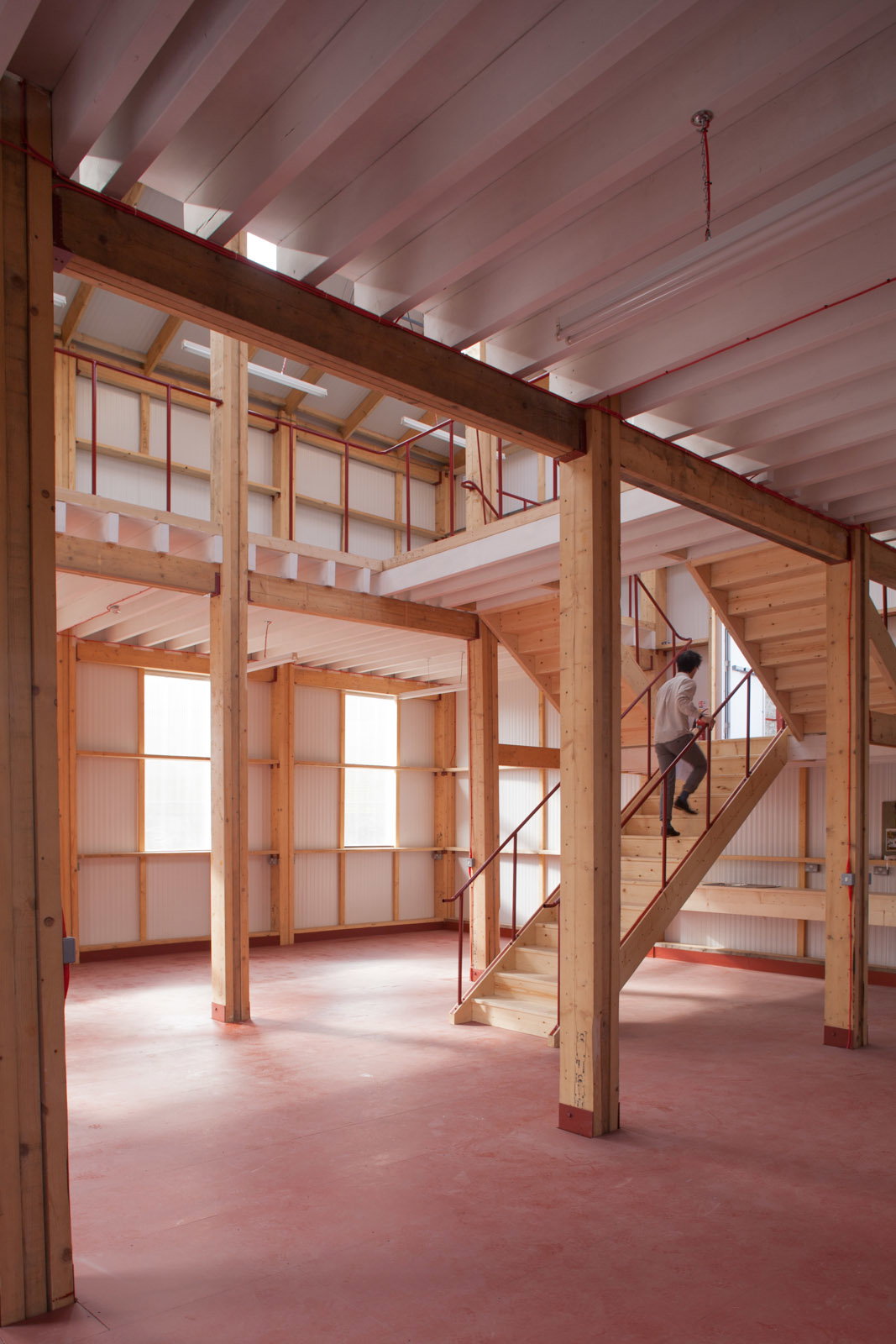
Yardhouse 2014 Atrium interior empty
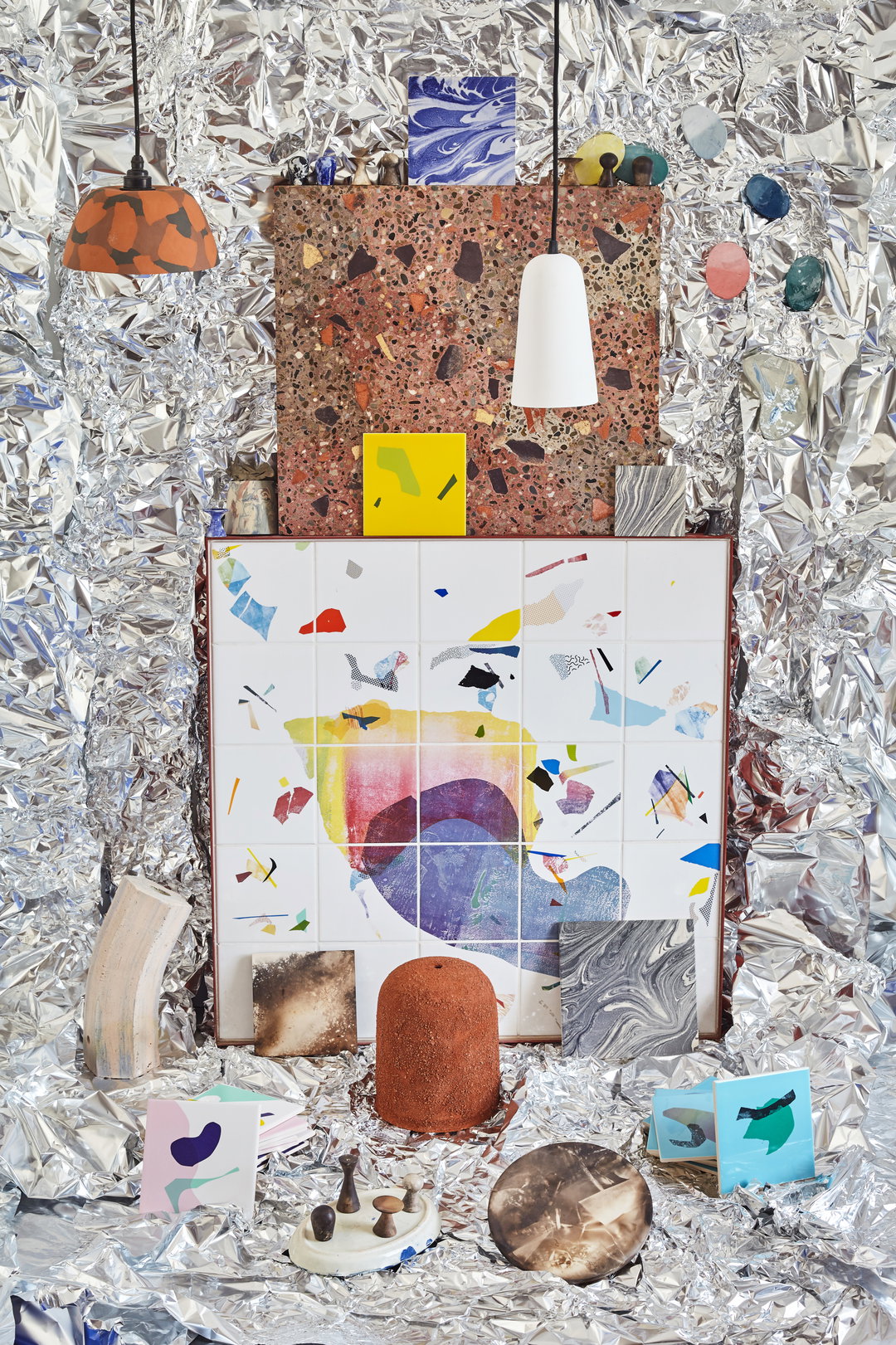
Assemble: Granby Workshops products
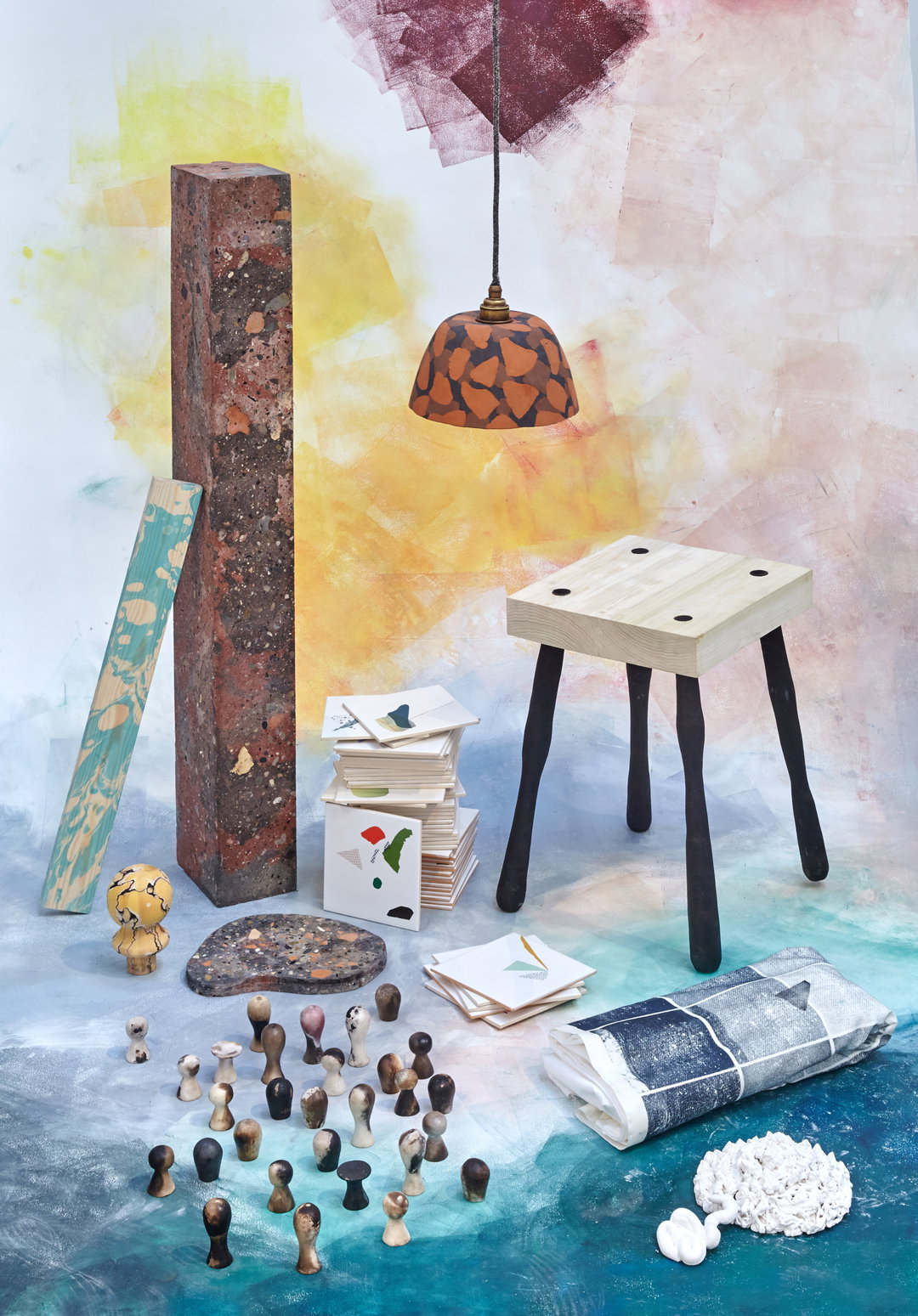
Assemble: Granby Workshops products
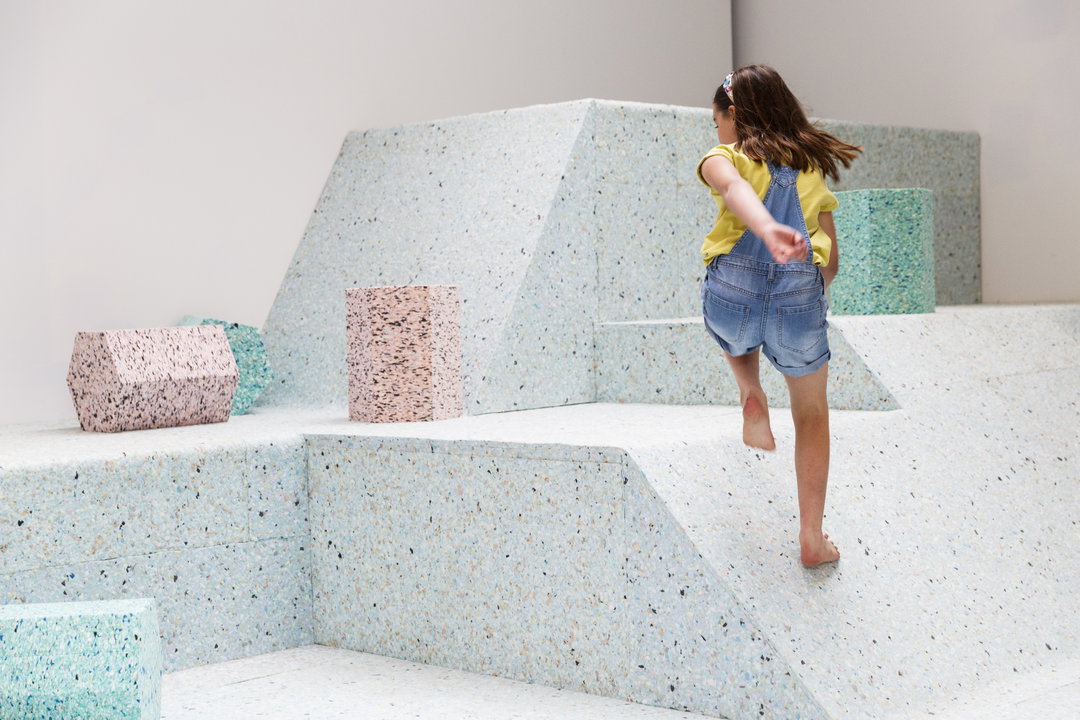
Assemble: The Brutalist Playground by Assemble and Simon Terrill, Photo by Tristan Fewings Getty Images for RIBA
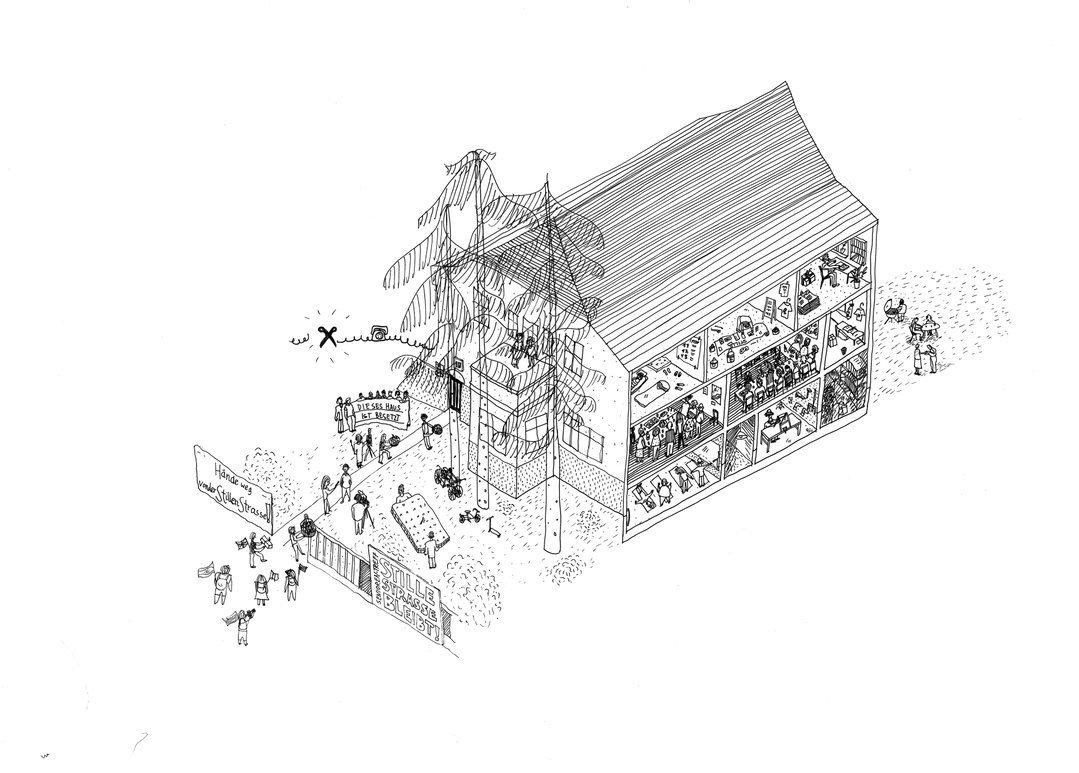
Assemble: Stille Strasse squatting
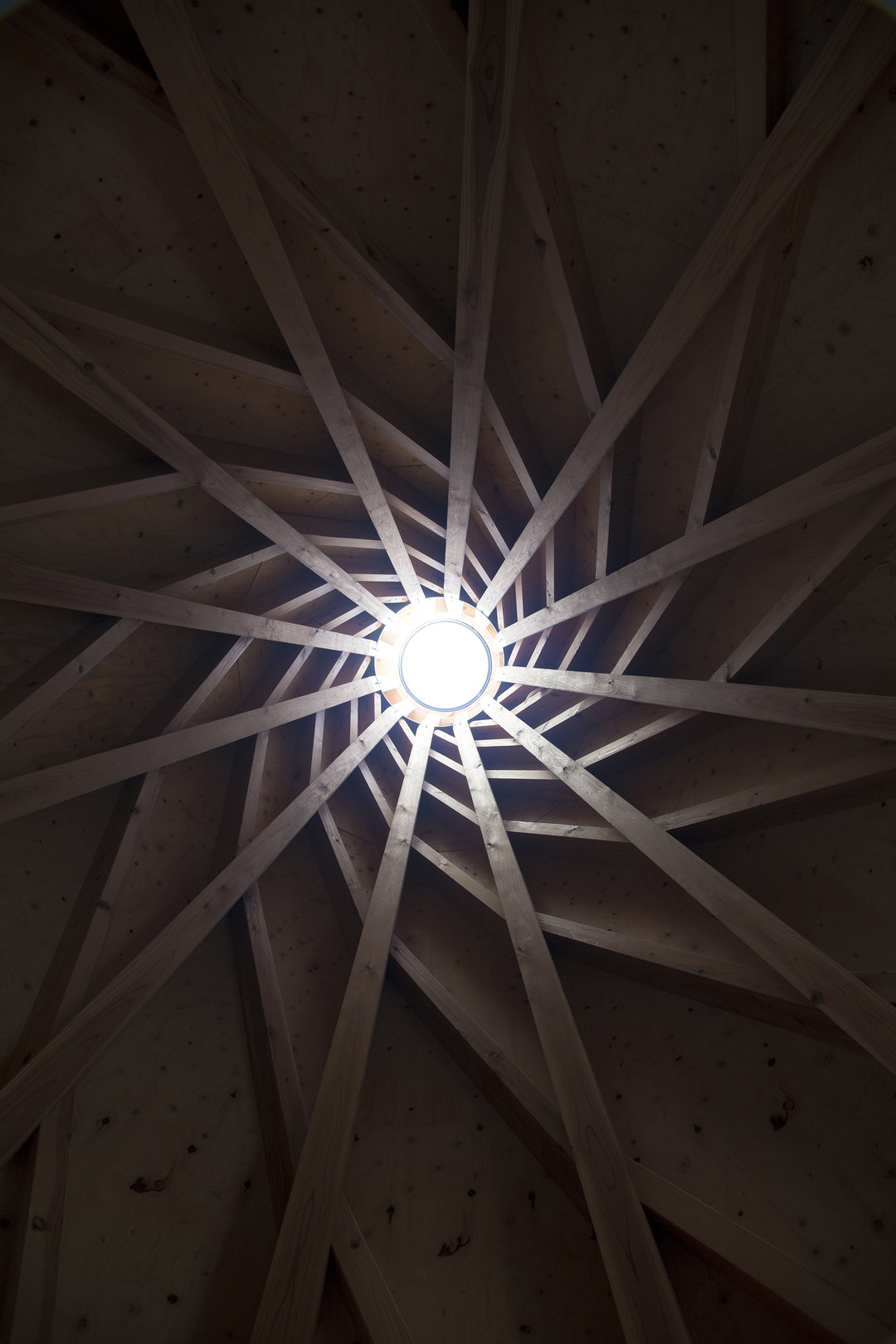
Tokushima Brewery inside
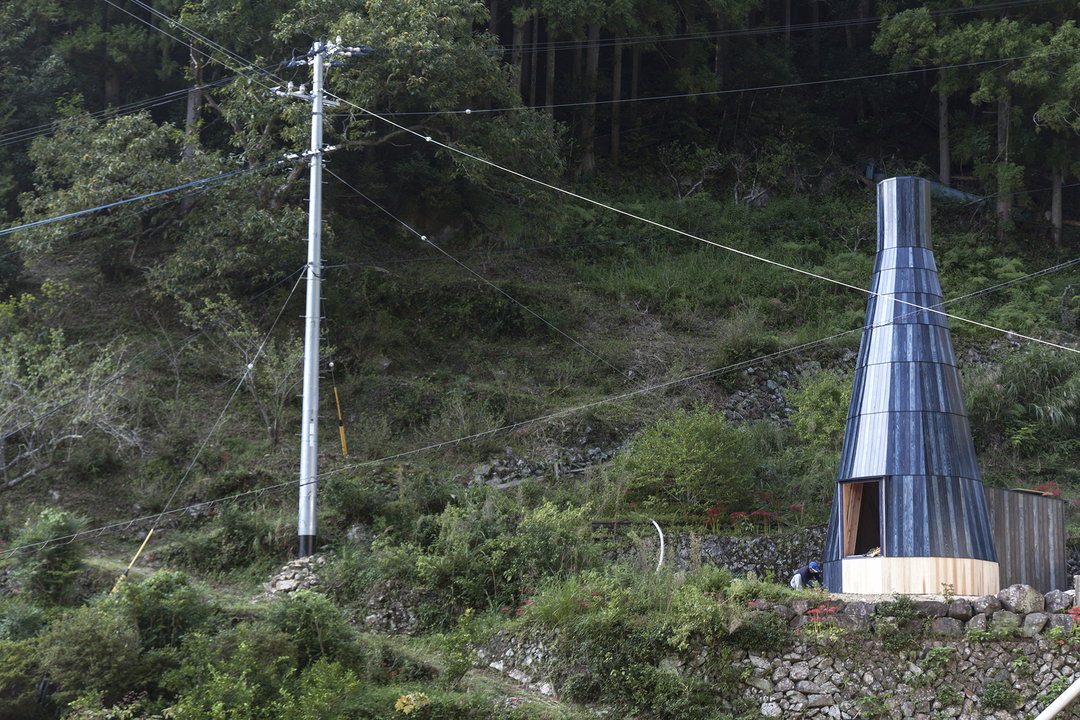
Tokushima Brewery
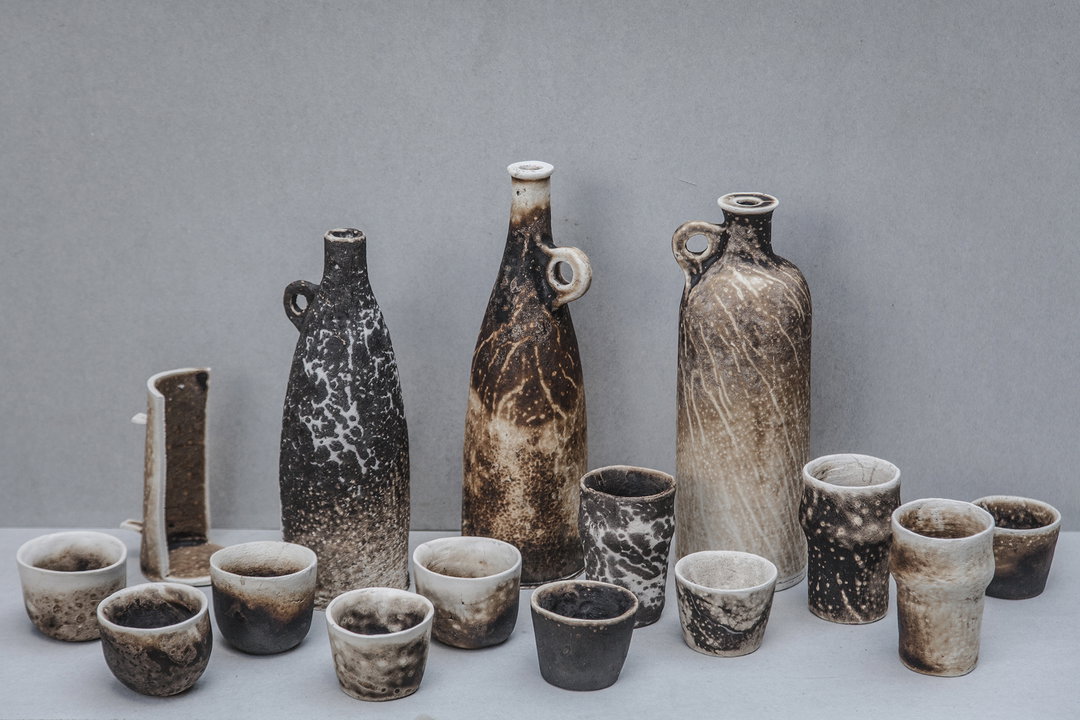
Tokushima Brewery Ceramics

The Power of Storytelling with Yinka Ilori
This story along with many others are part of a guest edit of It’s Nice That by the artist, Yinka Ilori. To read further pieces from Yinka’s curation click on the link below.

Become an Extra Nice Supporter
The story, and the entire of Yinka Ilori’s guest edit series were made possible by Extra Nice and our supporters. To become a member and unlock an inspiring new way to explore It’s Nice That, and get your hands on some exclusive perks, head below.
Hero Header
Assemble: Yardhouse 2014 Elevation cloudy day (Copyright © Assemble, 2014)
Share Article
Further Info
About the Author
—
Jynann joined It’s Nice That as an editorial assistant in August 2018 after graduating from The Glasgow School of Art’s Communication Design degree. In March 2019 she became a staff writer and in June 2021, she was made associate editor. She went freelance in 2022.