How brands and creatives can get along better, and make more authentic work
Where tons of brands try and fail to connect with the creative community, WeTransfer succeeded in abundance. Here, Andreas Tzortzis offers some insight as to why.
Share
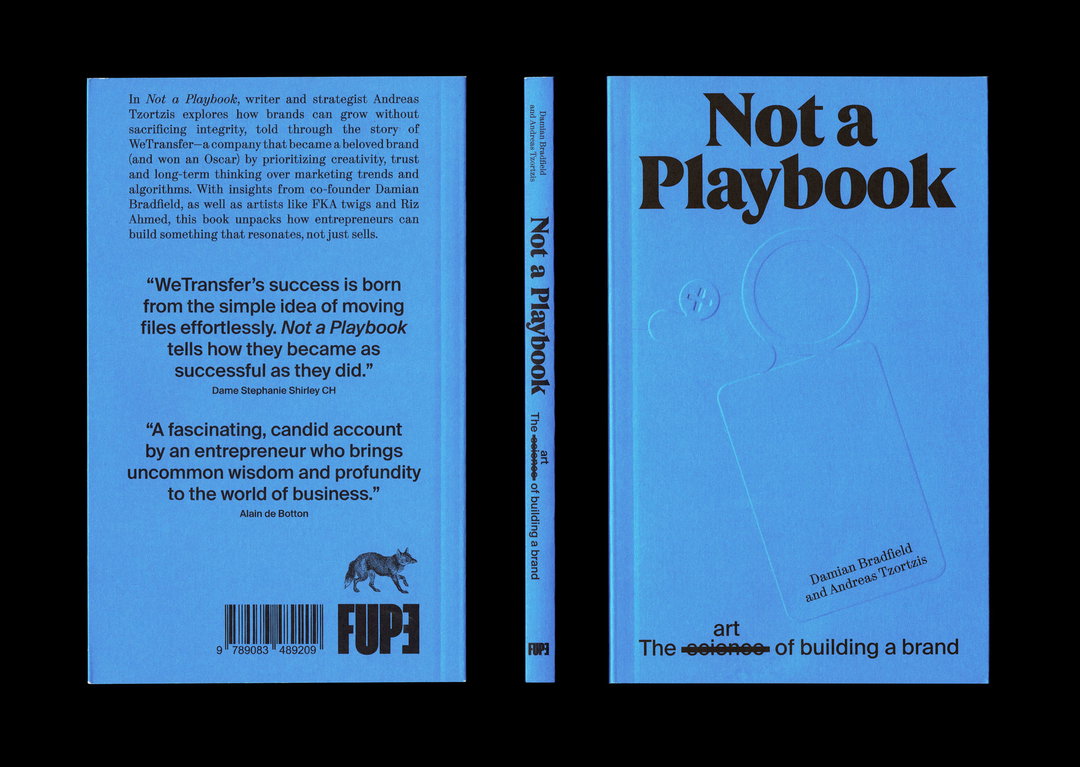
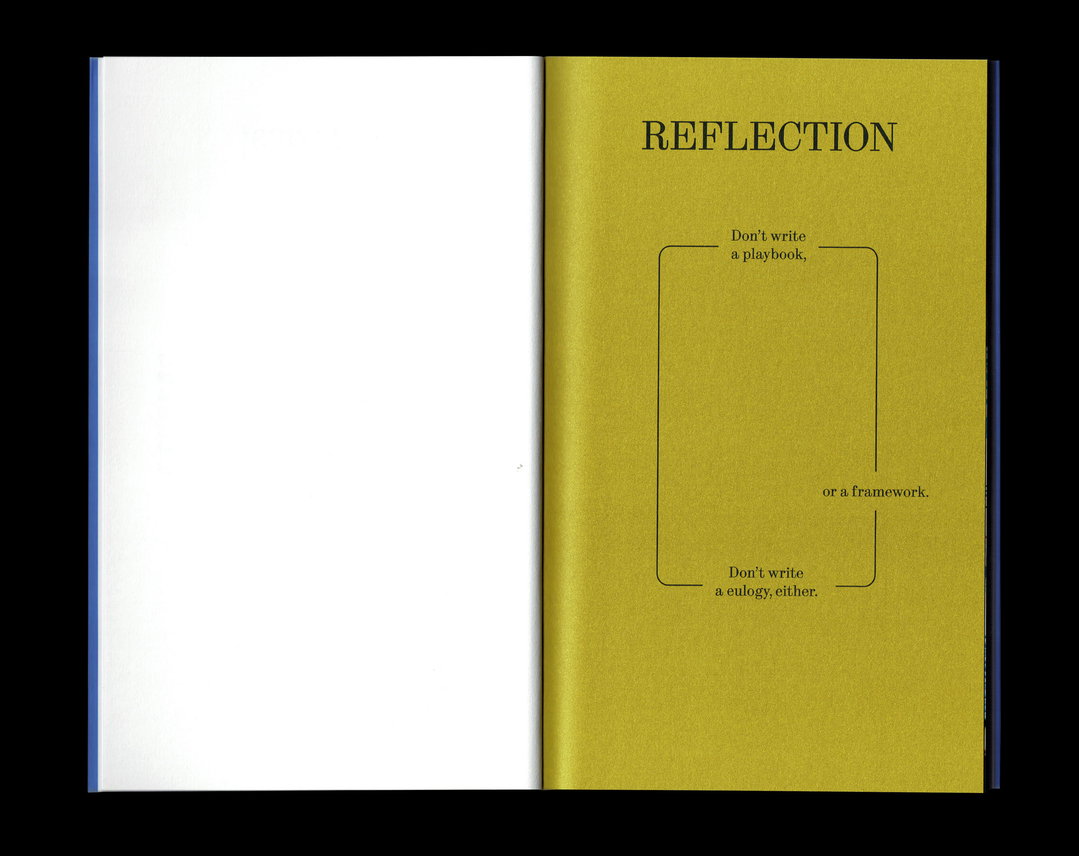
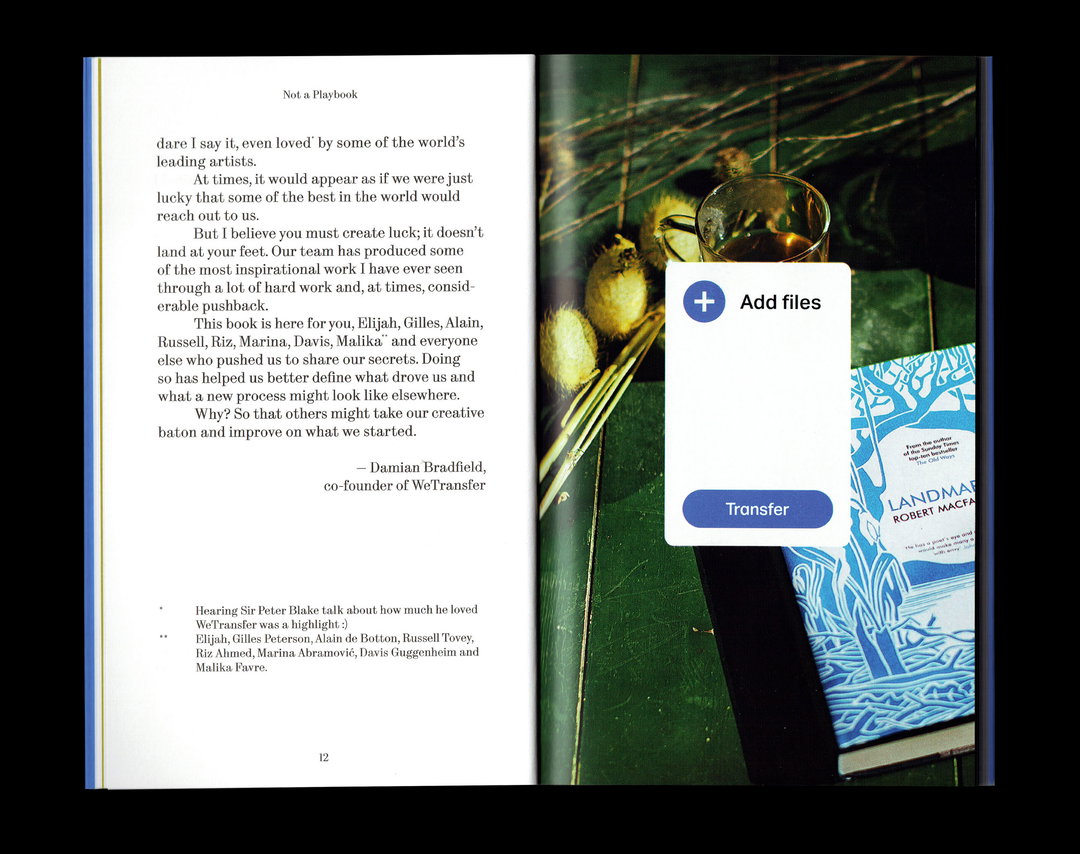
Not a Playbook is a book of advice for brand-building with creative soul. Authored by WeTransfer CCO and founding shareholder Damian Bradfield, and journalist-turned-brand strategist Andreas Tzortzis, it isn’t quite a business manual, nor the story of WeTransfer’s history, but a bit of both.
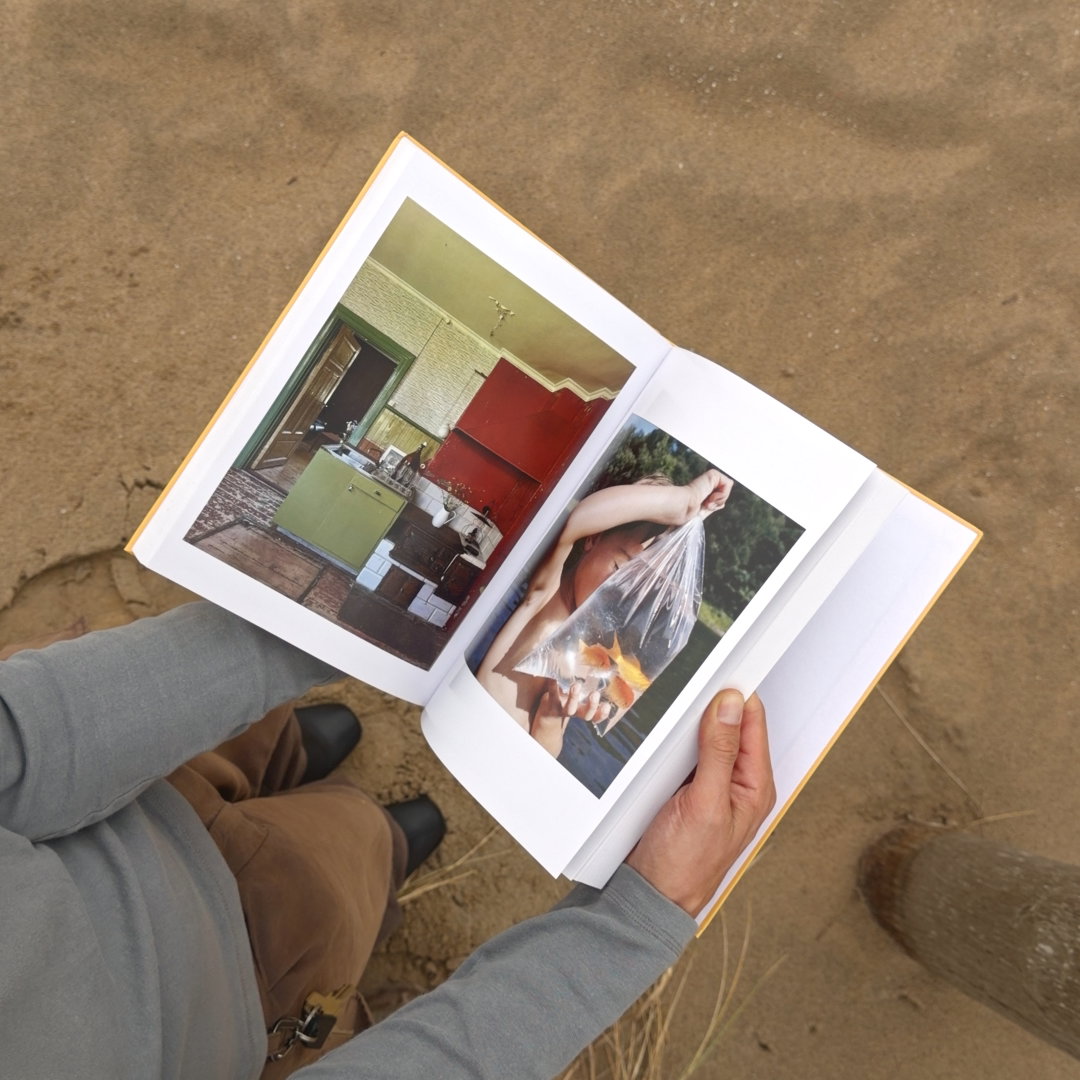
Through stories from its founding, the book is a guide to actions you can take if you truly want creativity rooted in your brand, authentically, not just for credibility or attention grabbing. It features insights from FKA Twigs, Moses Sumney and Riz Ahmed, and is billed as a “homeopathic guide to marketing for entrepreneurs, marketers and creatives who want to build something that resonates, not just sells”, with endorsements from the likes of Thomas Heatherwick, Alain de Botton and Gilles Peterson, no less. The beautifully put together, pocket-sized book is designed by Kris Pyda, of Studio Pyda in Berlin, who Andreas says “took Pages documents and turned them into the tactile expression of an unconventional brand”.
Below, co-author Andreas Tzortzis writes for It’s Nice That about how WeTransfer built trust within the artistic community, and grew without sacrificing integrity. “The weakness of many brand and creator collaborations,” he says, “is their focus on the short term – the next campaign, the next product launch. And both sides suffer. WeTransfer showed the merits of thinking of the relationship not as a transaction, but (hopefully) the beginning of a friendship. The strategy helped define their core audience, grow their business, and turn a file-sharing company into a beloved brand.”
Here, he shares five top tips from the book:
Damian Bradfield and Andreas Tzortzis: Not a Playbook (Copyright © Kris Pyda) Designed by Studio Pyda.
Damian Bradfield and Andreas Tzortzis: Not a Playbook (Copyright © Kris Pyda) Designed by Studio Pyda.
The 30 Per Cent Rule
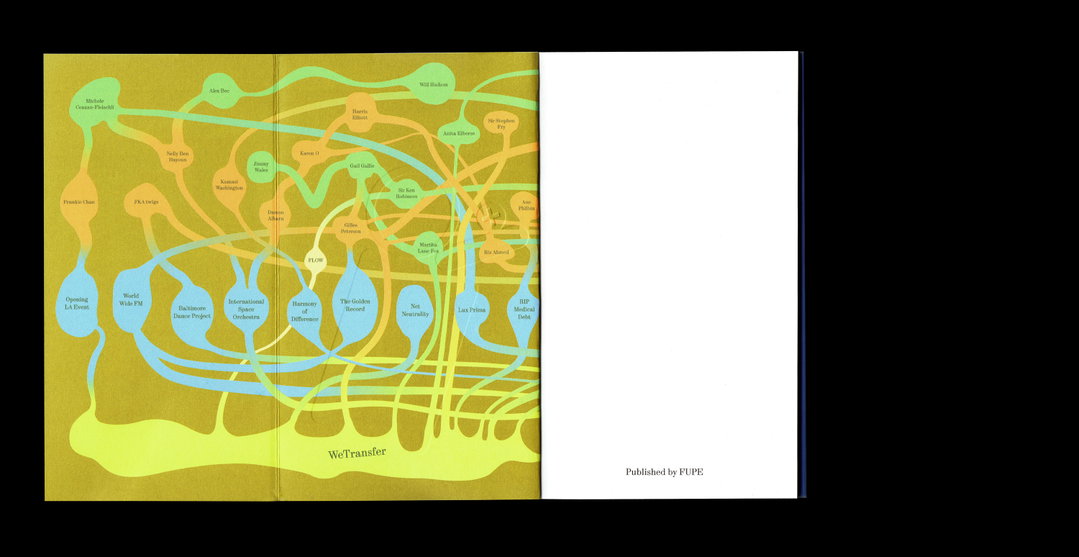
“Let’s not forget that WeTransfer is a bog-standard SAAS company, used for file-sharing. But it was founded by creatives, which is why – early on – it began featuring the work of artists they liked on the download wallpaper (no one was buying ads back then). That approach endeared them to creatives, who became their biggest customers (and brought advertisers with them). To this day, 30 per cent of all yearly annual ad inventory is given over to artists and arts non-profits.”
Damian Bradfield and Andreas Tzortzis: Not a Playbook (Copyright © Kris Pyda) Designed by Studio Pyda.
Damian Bradfield and Andreas Tzortzis: Not a Playbook (Copyright © Kris Pyda) Designed by Studio Pyda.
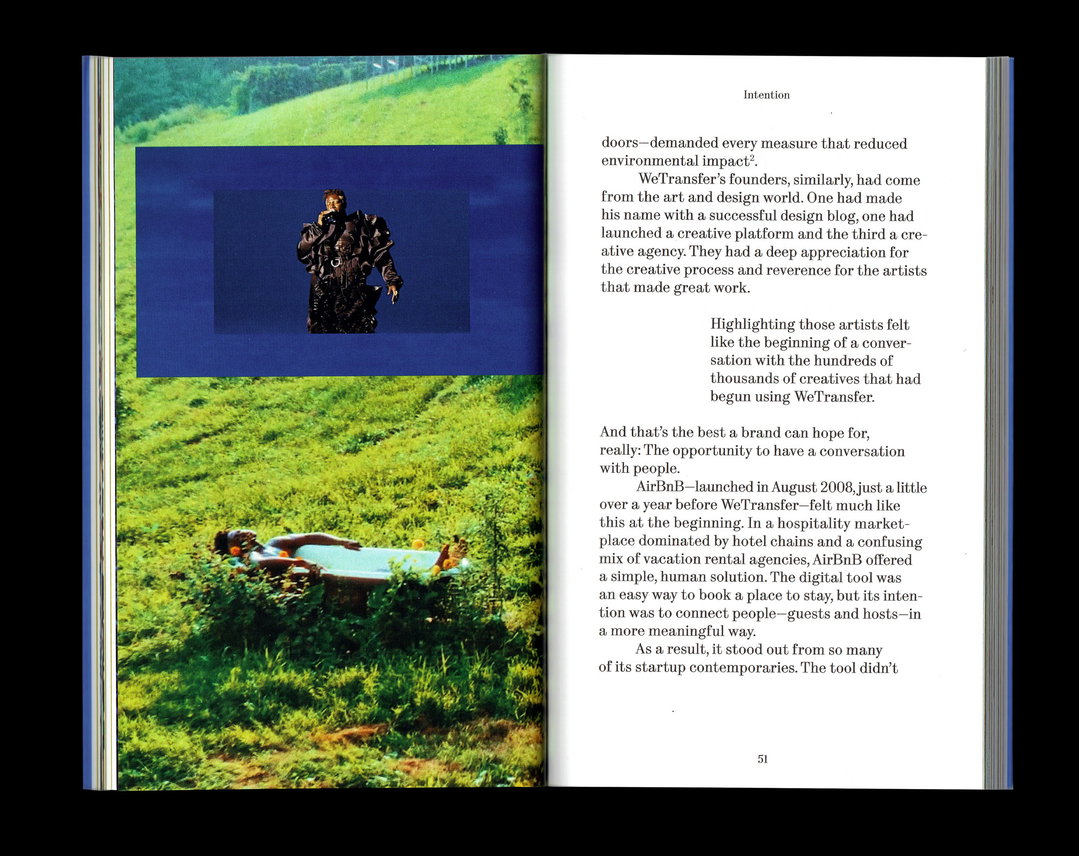
Believing in best intent
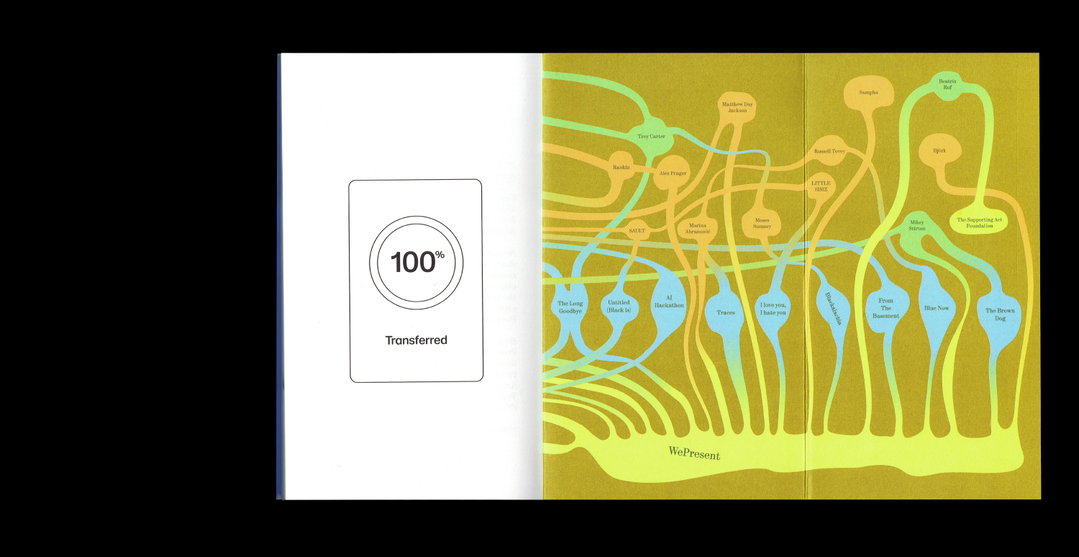
“Brands are so obsessed with being “in culture” that they focus on what’s cool now as opposed to trusting their collaborators to look ahead. Even the major creatives the brand worked with (Bjork, Little Simz, FKA twigs) knew that WeTransfer would support the edgier passion projects that put them out of their comfort zone. That trust led to WeTransfer building a glowing reputation with some of the world’s most interesting artists.”
Damian Bradfield and Andreas Tzortzis: Not a Playbook (Copyright © Kris Pyda) Designed by Studio Pyda.
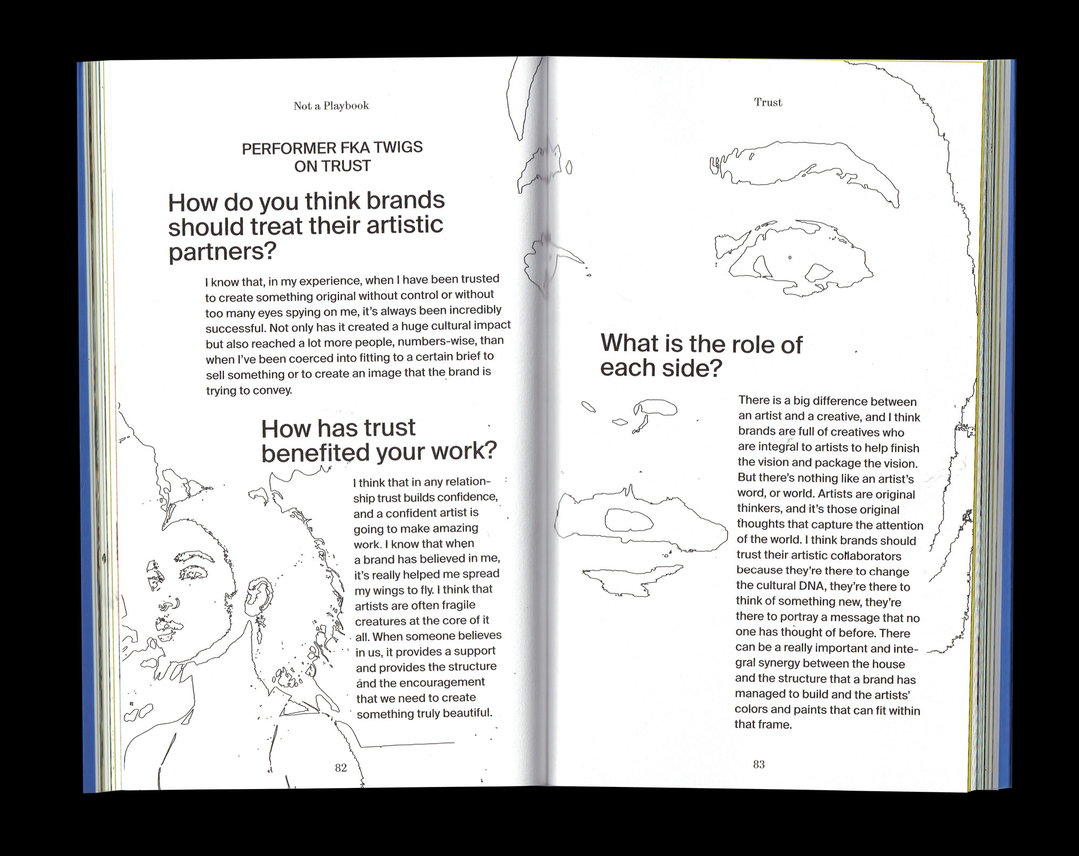
Hijack platform dynamics
“Almost all brands are beholden to the cynical algorithmic whims of a few social media behemoths. This is the reality. But hopefully there are alternatives blooming on the horizon. Like WePresent. WeTransfer’s arts platform not only provided the brand the digital real estate to champion artists (on its terms), it offered WeTransfer users, who maybe only needed to send files occasionally, another reason to keep them engaged with the brand.”
Damian Bradfield and Andreas Tzortzis: Not a Playbook (Copyright © Kris Pyda) Designed by Studio Pyda.
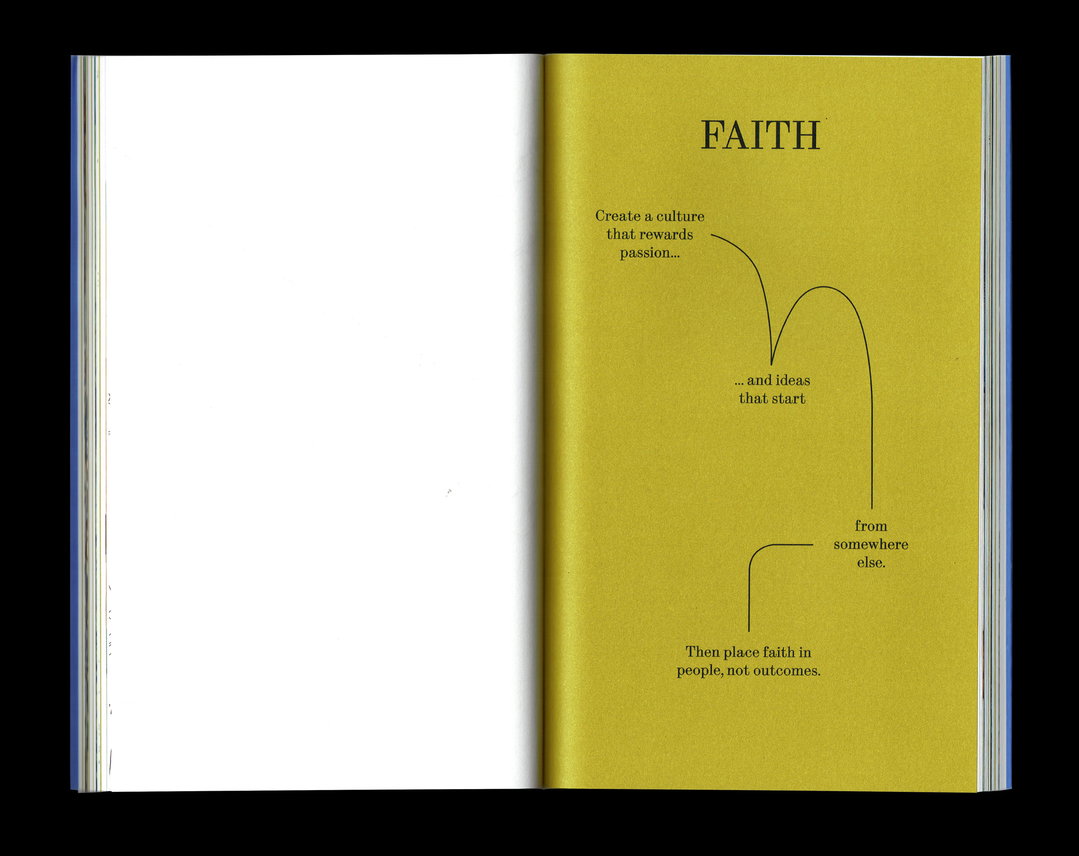
Authenticity means letting go
“Authenticity is a word that consumes brand managers and marketers alike. But it’s incredibly hard to capture with one-off campaigns and short-term relationships. To win authenticity, they would be better served to find collaborators they align with intrinsically, ask them what they want to do, and enable it. Artists, WeTransfer found, were that much more keen to promote the collaboration as a result. Authenticity, then, was earned.”
Damian Bradfield and Andreas Tzortzis: Not a Playbook (Copyright © Kris Pyda) Designed by Studio Pyda.
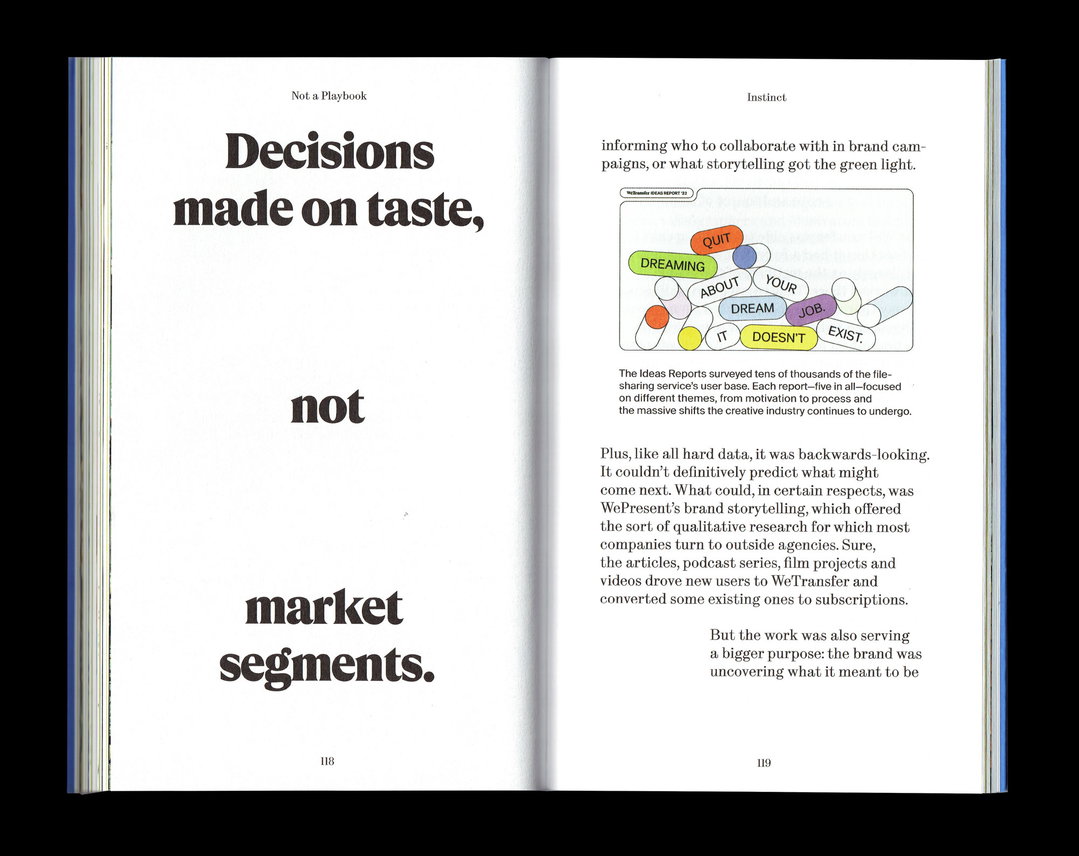
“Ideas that will get me fired”
“In brainstorming sessions, Damian often used the above quote to motivate his brand and marketing teams to come up with new collaboration, partnership, and creative ideas. The culture encouraged unconventional thinking, which led to campaigns that were unpredictable but never incoherent in the brand narrative. Even when some ideas flopped, WeTransfer continued to place their faith in their people, not the outcomes.”
Damian Bradfield and Andreas Tzortzis: Not a Playbook (Copyright © Kris Pyda) Designed by Studio Pyda.
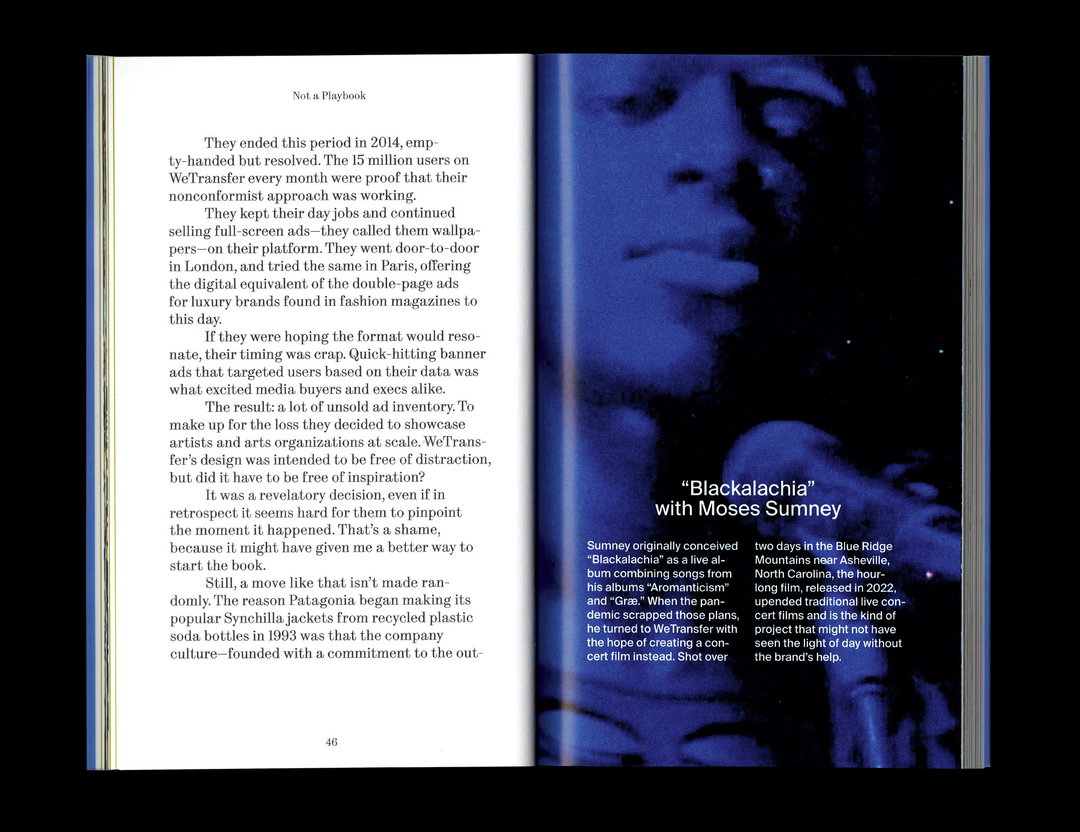
Damian Bradfield and Andreas Tzortzis: Not a Playbook (Copyright © Kris Pyda) Designed by Studio Pyda.
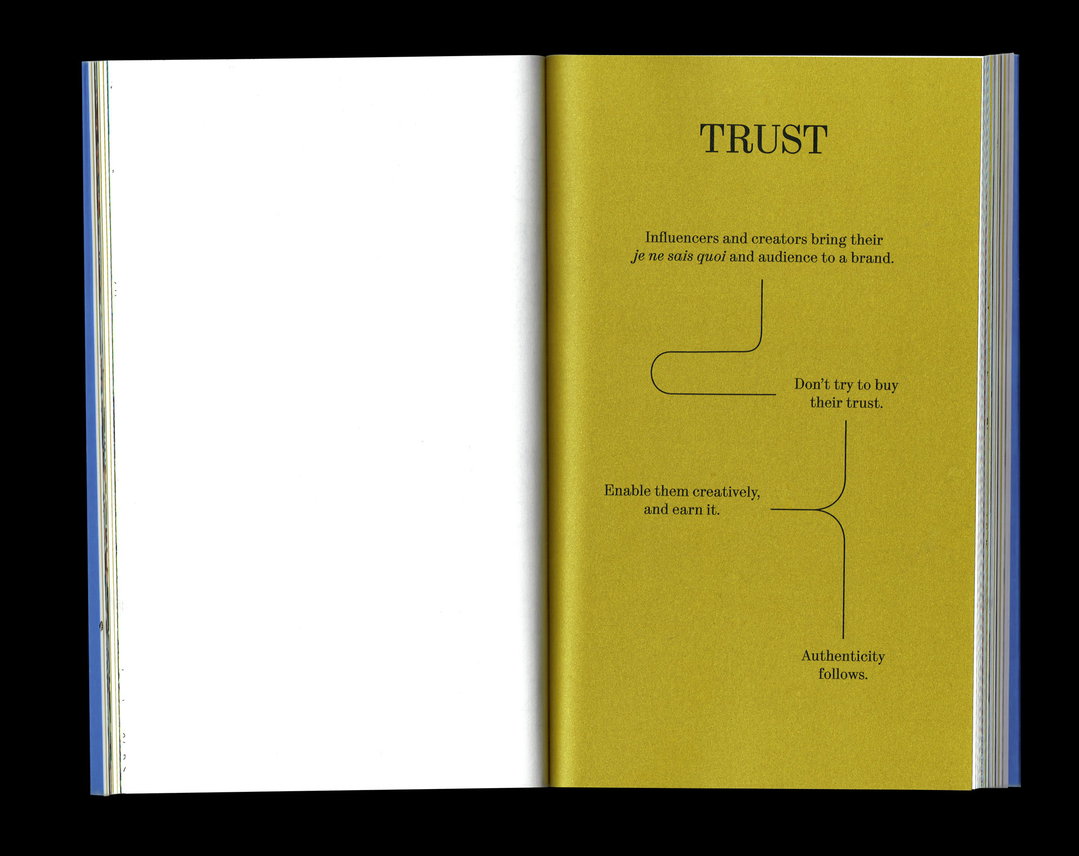
Damian Bradfield and Andreas Tzortzis: Not a Playbook (Copyright © Kris Pyda) Designed by Studio Pyda.
Hero Header
Damian Bradfield and Andreas Tzortzis: Not a Playbook (Copyright © Kris Pyda) Designed by Studio Pyda.
Share Article
Further Info
About the Author
—
Jenny oversees editorial output across It’s Nice That. Get in touch with writing pitches for features or opinion pieces, big creative story tips, or questions about all things editorial. jb@itsnicethat.com
To submit your work to be featured on the site, please see our Submissions Guide.