Alice Yuan Zhang’s digital creations examine “consumption, relational politics and ancestral memories”
The LA-based artist and designer talks us through her practice, spanning art direction, graphic design, web design, coding, 3D modelling, AR and VR.
Alice Yuan Zhang is a digital artist and designer that grew up on ascetic Buddhist values, “unspoken traditions of mutual aid and the practicality of hard work as survival,” she tells It’s Nice That. Now based in Los Angeles, that upbringing taught her that to be an artist, she’d need to remedially find her voice and navigate her traumas. “The idea of ‘home’ is especially tender to me as not just a nuanced sense of a place, but also as a knowing of our physical body, ancestral memories, ecological community, the evolving social fabric we are implicated in and reincarnations of ourselves when we die.”
Alice was raised by two creative immigrant parents, yet despite these artistic tendencies, they discouraged her to pursue art as a career. Rather, Alice opted for cognitive science and business administration at University of California, Berkeley – a field which continues to inspire her today and resultantly saw her work in strategy consulting after graduation. “It’s been a fiery metamorphosis (or exorcism) since then, with my father’s passing in 2016 as a stark reminder that the artist in him was made wholly unattainable by the ‘American dream’. I think of Ocean Vuong’s interview with Krista Tippett for On Being, in which he describes this great paradox of immigrant parents and kids: ‘So many of us immigrant children end up betraying our parents in order to subversively archive our parents’ dreams.’” Alice continues to state how this is likely a familiar story for fellow immigrants who might be reading this, and she hopes to shed light on these perspectives, in turn leading an “empathetic, community-oriented practice” from a first-generation Chinese-American woman working in new media.
Having left a career in the corporate world to pursue her interests in the arts, Alice now works across multiple mediums including art direction, graphic design, web design, coding, 3D modelling, AR and VR and strategy consulting. Alongside her freelance pursuits, she’s also the co-founder of Virtual Care Lab, was a 2020-2021 resident artist at CultureHub and is the facilitator of Digital Matterealities research group with Navel. Additionally, she's an adjunct professor of media design at Sarah Lawrence College, and has given talks at Pepperdine University, Emerson College, USC Media Arts and Practice, University of Toronto, Emily Carr University, CAA New Media Conference and 3HD Festival by Creamcake Berlin. A foot firmly rooted in new media and digital art, Alice’s work is challenging just as much as it is thought-provoking and visually enticing. “If it’s your first dive into my work, expect breath, tactility, grassroots honesty, interactive 3D richness, whole visions stemming from the seeds of Bayo Akomolafe, Adrienne Maree Brown, Legacy Russell, Robin Wall Kimmerer, Octavia Butler and enveloping you in critical thought and joy.”
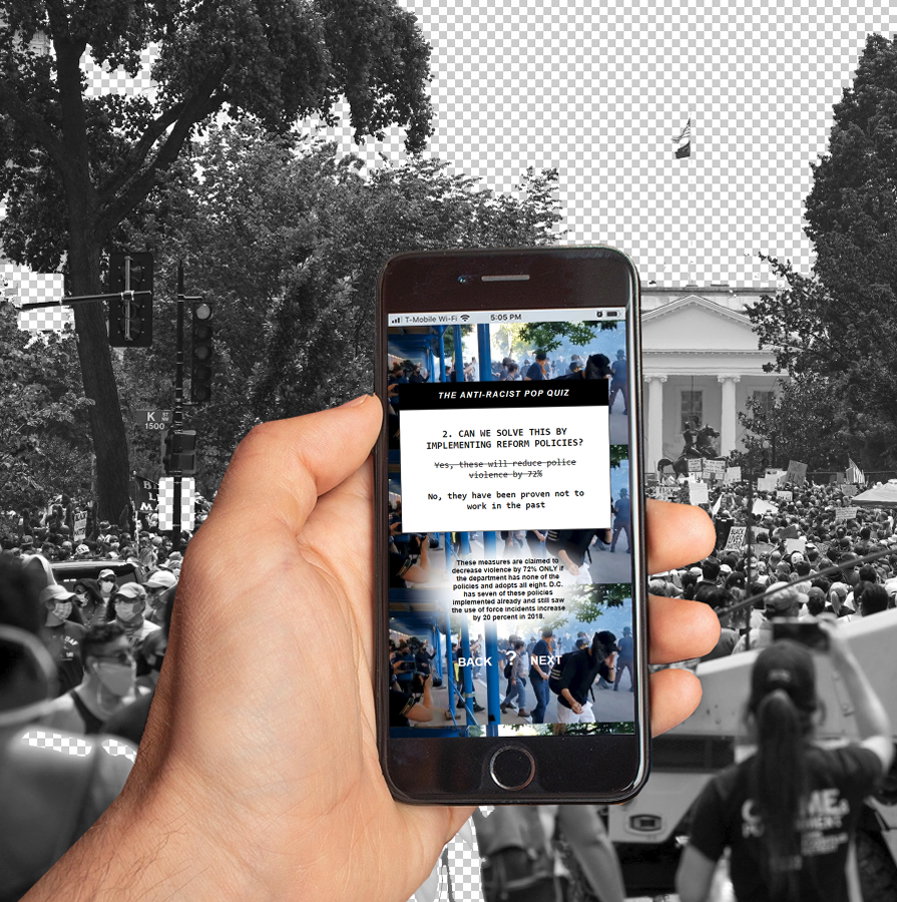
Alice Yuan Zhang: Anti Racist Pop Quiz (HTML artwork) (Copyright © Alice Yuan Zhang, 2020)
This ethos has manifests across a plethora of outcomes, be it a “spicy shareable anti-racist pop quiz” to
an “interspecies speed dating” piece or even an interactive community garden on the decentralised web. Most recently, she was part of a show in the New Art City Festival which saw the artist collate all of her interests. “A voice-guided, slow journey through the intestinal tract, Eat Me is designed for weary cyborgs to ‘load into slow, somatic intelligence’,” she notes. Navigating through the insides of a body, the piece is an odd and technical study into the notion of consumption. “The goal of the meditative narrative is to actually distance the visitor from the virtual immersion, inviting them to notice the pixel-to-pixel materiality of the content, and to re-instil somatic grounding in the physical body. That’s something I feel has been so missing, as evidence of the lack of care in our digitally-mediated spaces.”
This is just a small example of the ways in which Alice utilises the digital sphere for communication, imagination and building power. In fact, if used responsibly, the digital realms behold the ability to steer positive change – a move away from the fields of social media, a space that often spreads misinformation and negatively affects our mental health. Virtual Care Lab, the experimental open collective that she co-founded with Sara Suárez last March, aims to combat these spheres: “I trust in the many grassroots technology doulas and theorists who are creating decentralised care-based tools, and I also believe we need to create a culture of agency around our content and devices, backed by digital literacy education and mental health resources,” she says.
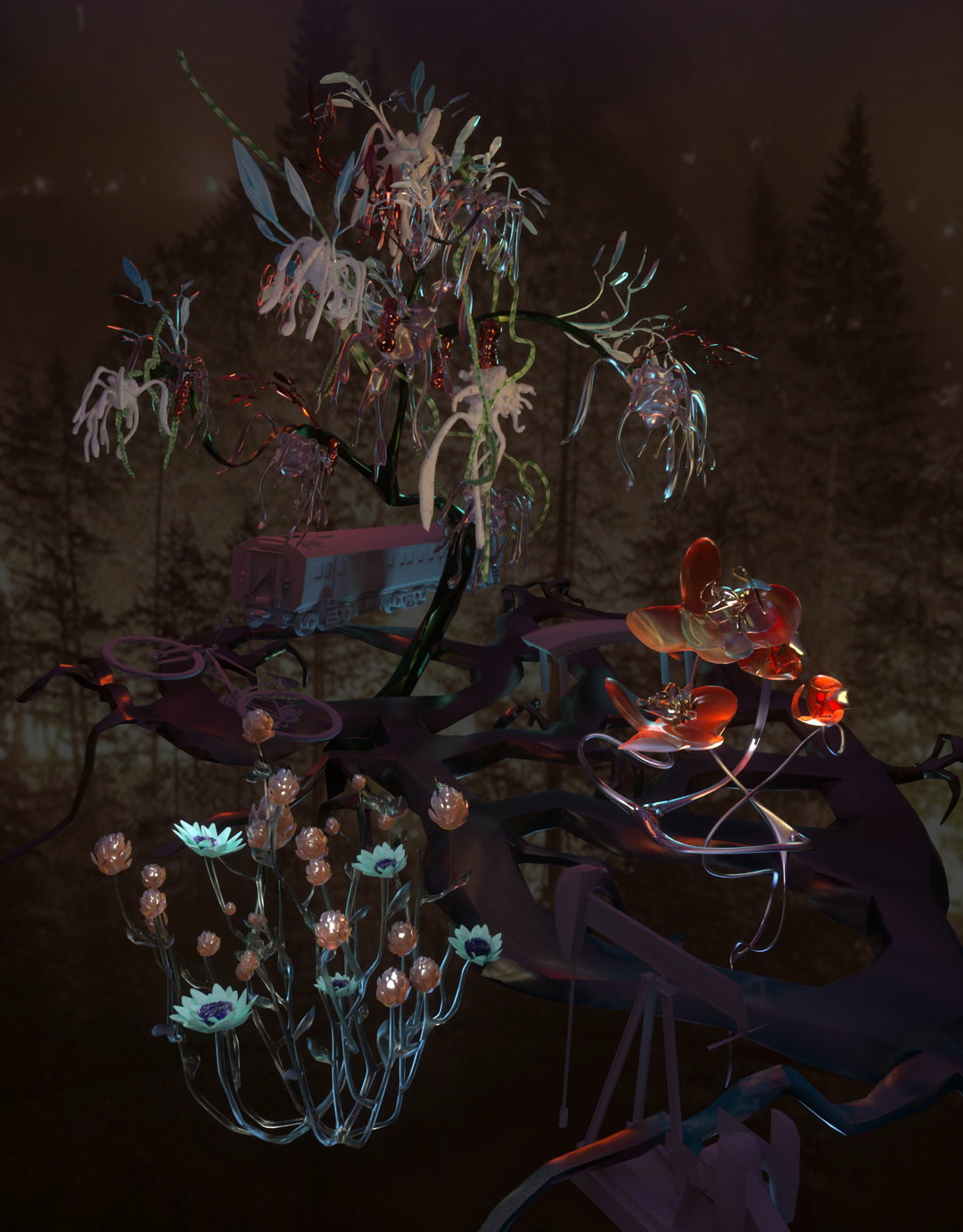
In the very near future, Alice will be continuing this critical quest of hers and plans to release new AR projects about migrant stories and ecology. “Through the research process for Requiem for Lost Plans, an immersive 3D project honouring indigenous plant elders here on Tongva, Chumash and Kizh land, I have become curious about relational politics, in particular, my own roots and responsibilities as an immigrant,” she concludes. “It’s common practice for folks leaving home for faraway lands to bring seeds of their traditional foodways with them, for example.”
“As both humans and our ecological kin are increasingly displaced out of ancestral lands (80 million people last year and a whole half of the world’s species), we need to root into deeper intersectional understanding. I’m excited to dedicate the next months of my practice to these tender themes.”
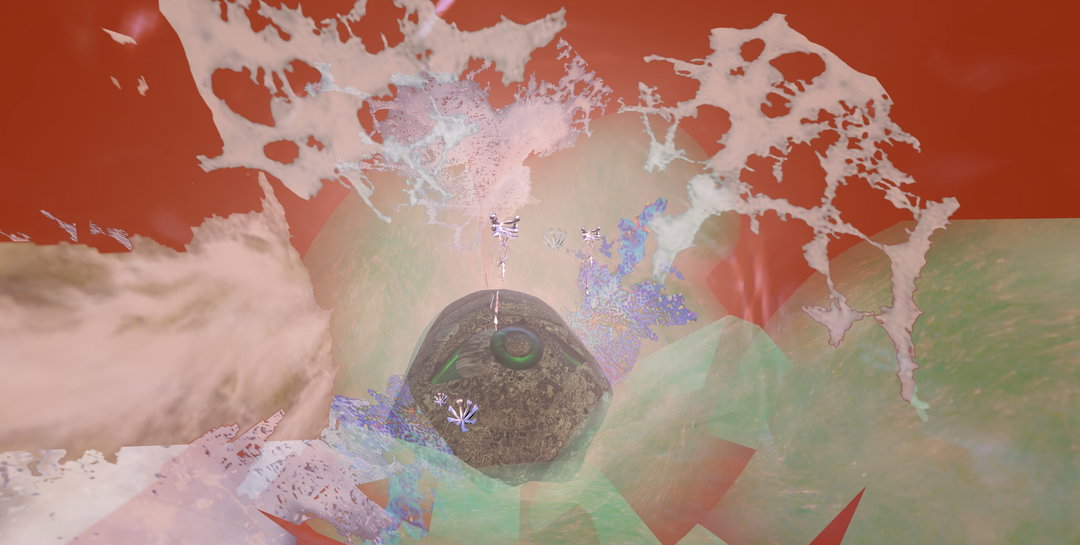
Alice Yuan Zhang: Eat Me (Copyright © Alice Yuan Zhang, 2021)
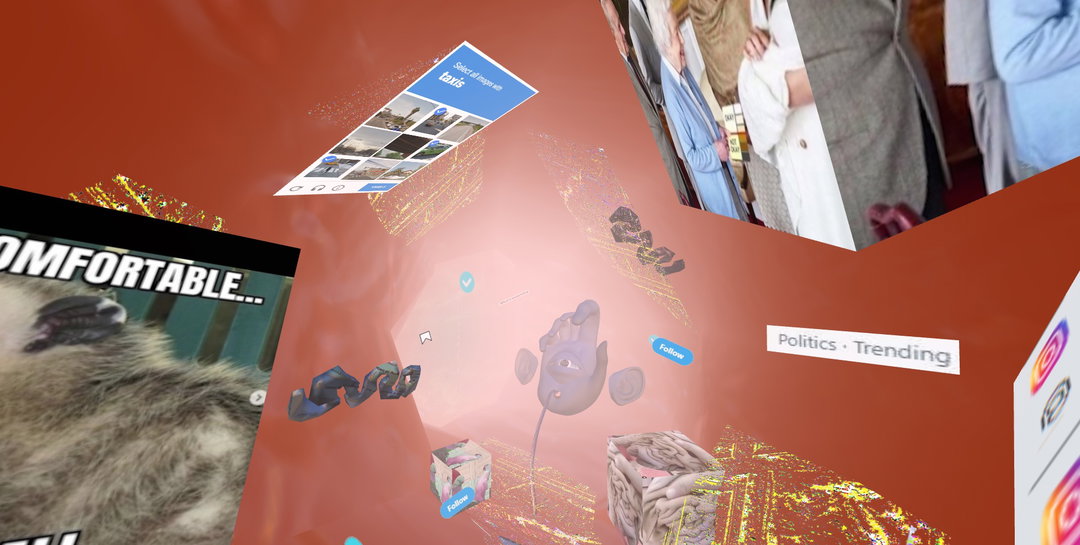
Alice Yuan Zhang: Eat Me (Copyright © Alice Yuan Zhang, 2021)
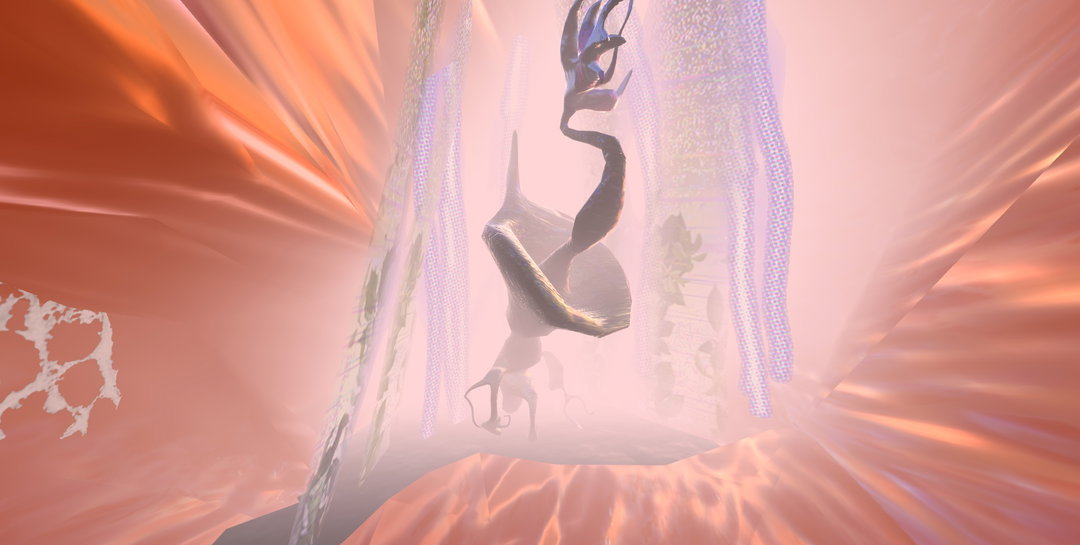
Alice Yuan Zhang: Eat Me (Copyright © Alice Yuan Zhang, 2021)
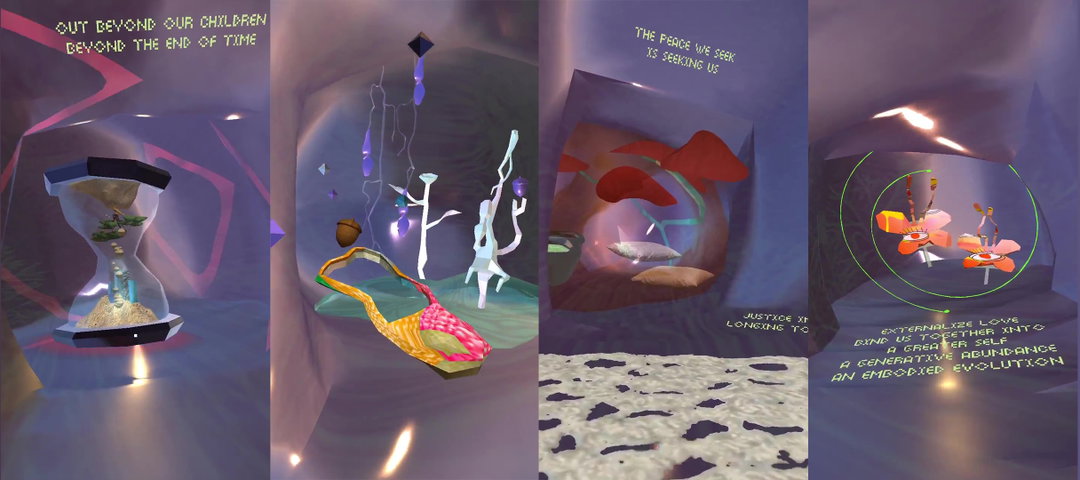
Alice Yuan Zhang: The Womb (AR artwork) (Copyright © Alice Yuan Zhang, 2020)
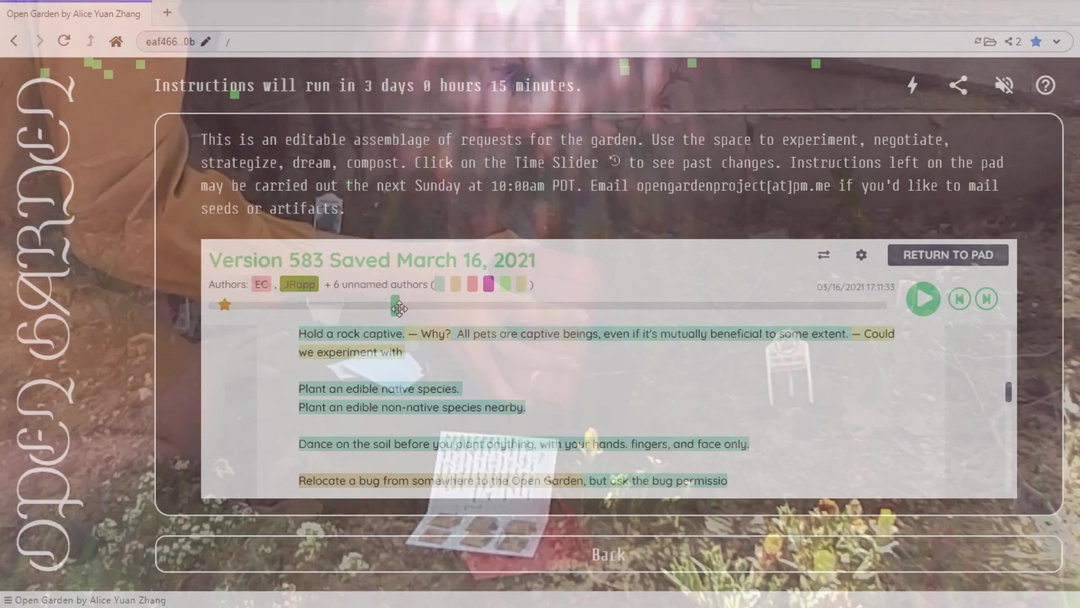
Alice Yuan Zhang: Open Garden (Copyright © Alice Yuan Zhang, 2021)
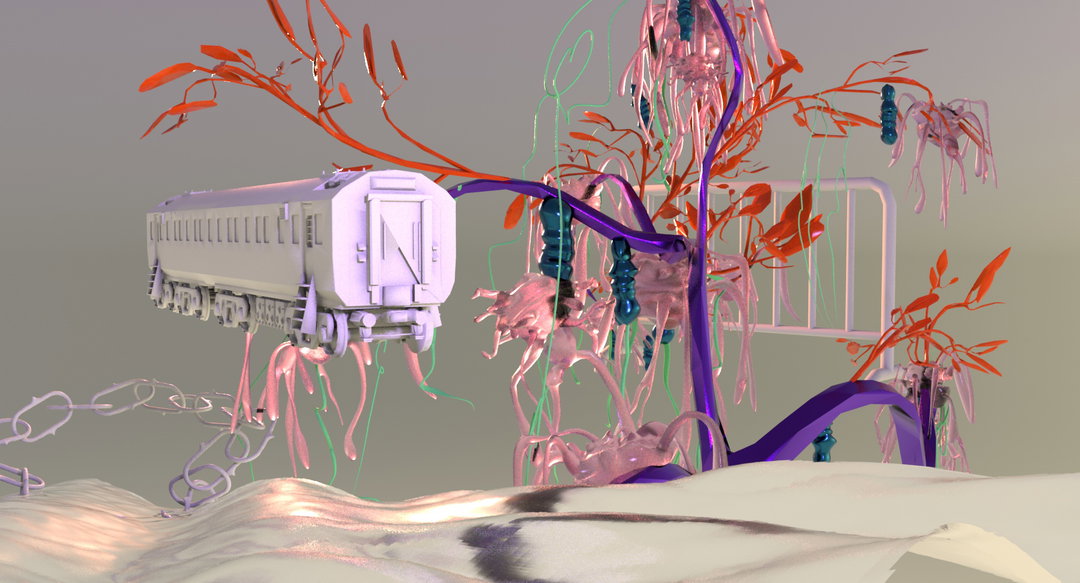
Alice Yuan Zhang and Alexander Kaye: Requiem for Lost Plants (Copyright © Alice Yuan Zhang and Alexander Kaye, 2020)
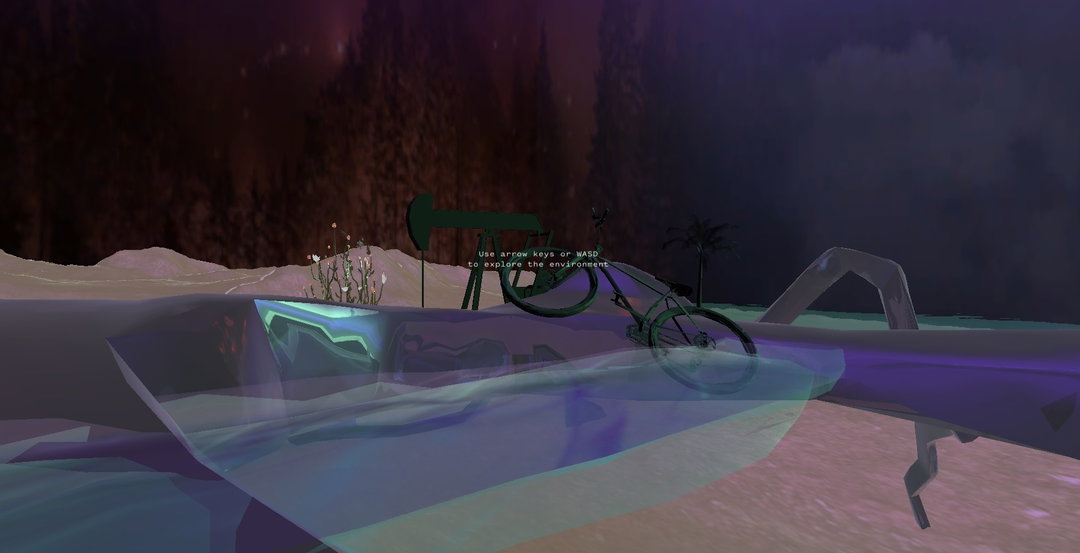
Alice Yuan Zhang and Alexander Kaye: Requiem for Lost Plants (Copyright © Alice Yuan Zhang and Alexander Kaye, 2020)
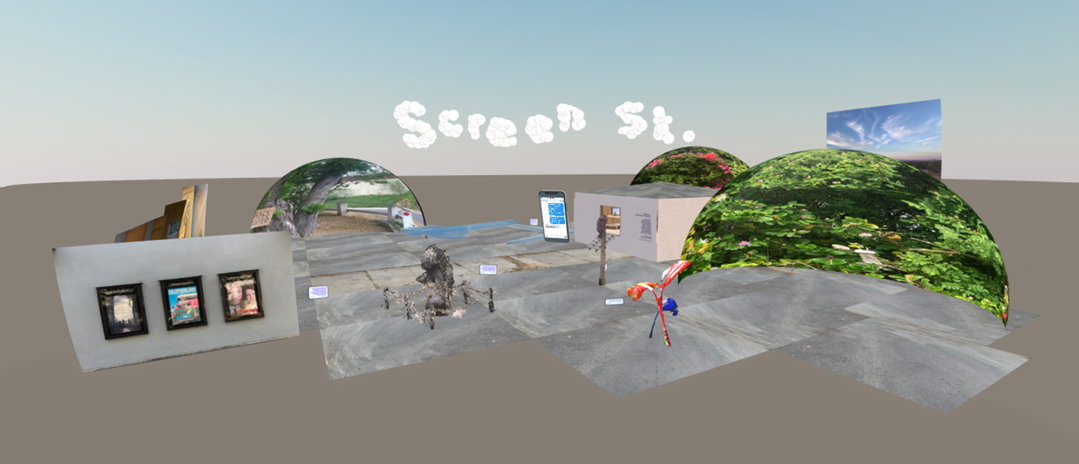
Alice Yuan Zhang: Screen St, Our Habit@t of the Now (Copyright © Alice Yuan Zhang, 2020)
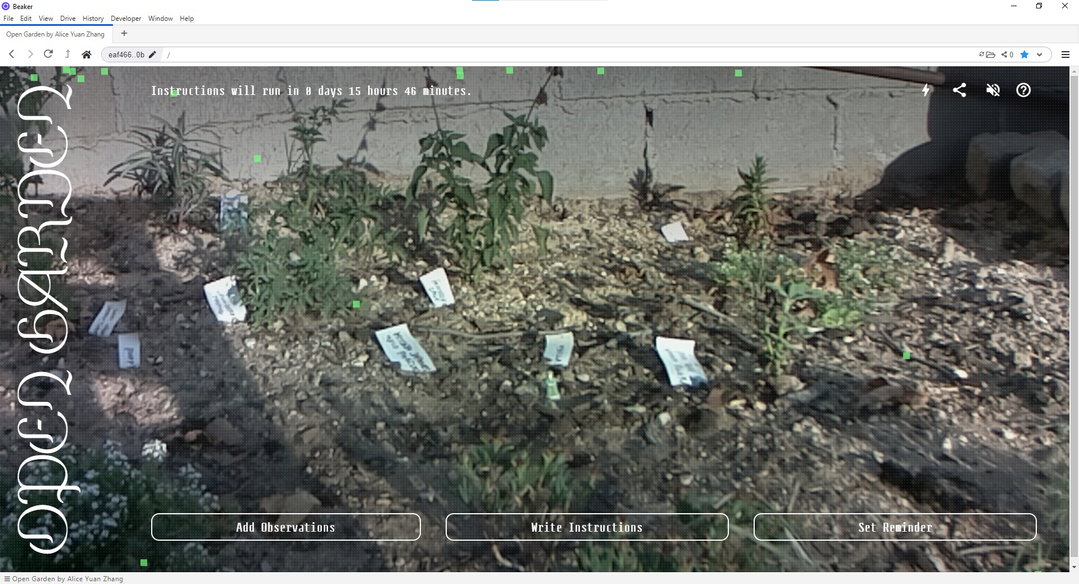
Alice Yuan Zhang: Open Garden (camera on) (Copyright © Alice Yuan Zhang, 2021)
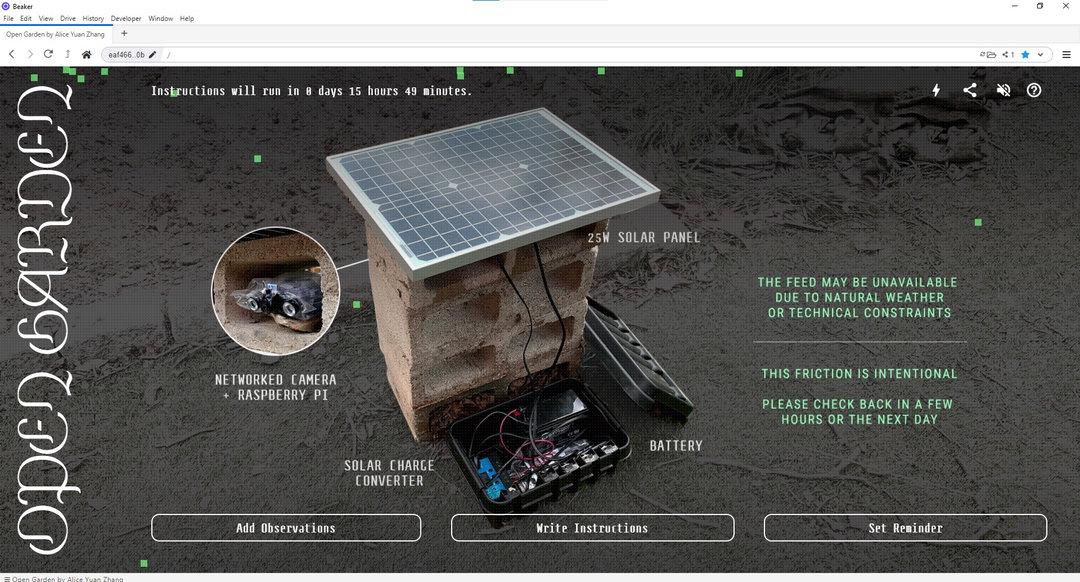
Alice Yuan Zhang: Open Garden (camera off) (Copyright © Alice Yuan Zhang, 2021)
Hero Header
Alice Yuan Zhang and Alexander Kaye: Requiem for Lost Plants (composite) (Copyright © Alice Yuan Zhang and Alexander Kaye, 2020)
Share Article
About the Author
—
Ayla is a London-based freelance writer, editor and consultant specialising in art, photography, design and culture. After joining It’s Nice That in 2017 as editorial assistant, she was interim online editor in 2022/2023 and continues to work with us on a freelance basis. She has written for i-D, Dazed, AnOther, WePresent, Port, Elephant and more, and she is also the managing editor of design magazine Anima.