Long before Giorgia Lupi and Mona Chalabi, these were the infographic visionaries of our time
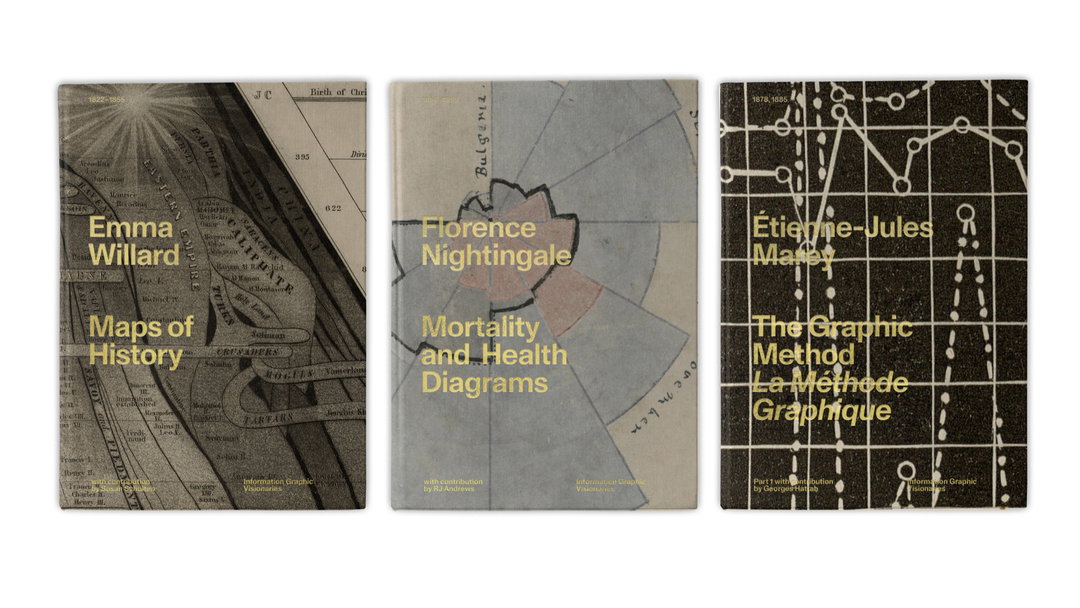
A new book series celebrates the work of three innovators in organising and communicating information: Florence Nightingale, Étienne-Jules Marey and Emma Willard.
Share
Information Graphic Visionaries is a new book series celebrating historical figures who changed the way data is organised and communicated. Each book looks in-depth at the work of activist Emma Willard; statistician and founder of modern nursing Florence Nightingale; and scientist Étienne-Jules Marey, and their lasting impact on the way we understand and depict information. The team behind the book includes RJ Andrews, author of Info We Trust, art director and designer Lorenzo Fanton, and an expert team of data visualisation researchers and professors.
Emma Willard: Maps of History explores how Willard changed how we view time, her inventions defining chronology for millions of Americans. Florence Nightingale: Mortality & Health Diagrams looks at how her data stories persuaded royals and generals to adopt health reforms, preventing thousands of needless deaths. Étienne-Jules Marey: The Graphic Method, La Méthode Graphique was the first book about data graphics, and is being translated to English for the first time.
The books were compiled by researching collections around the world, creating complete visual catalogues of work comprising everything from sketches to final drawings, and along the way discovering long-lost graphics and new material. Archival photography has allowed the reproduction of these findings to be printed to scale, revealing details often overlooked.
The Information Graphic Visionaries series has been launched on Kickstarter, looking for $46,225 backing in order to publish and is already halfway to its goal.

Emma Willard: Temple of Time (Courtesy Information Graphic Visionaries and David Rumsey Map Collection)
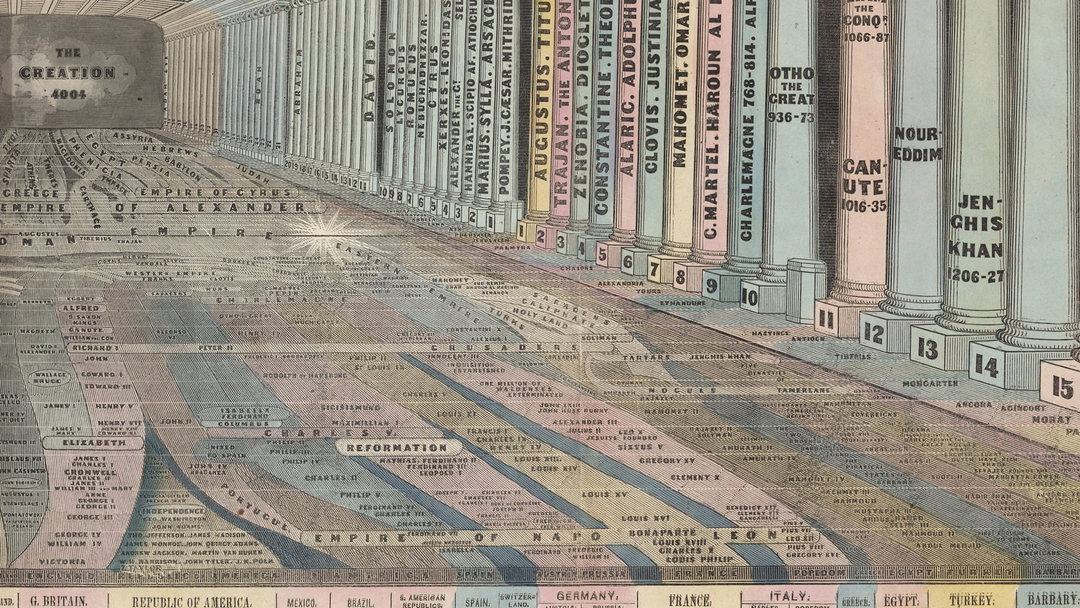
Emma Willard: Temple of Time (Courtesy Information Graphic Visionaries and David Rumsey Map Collection)
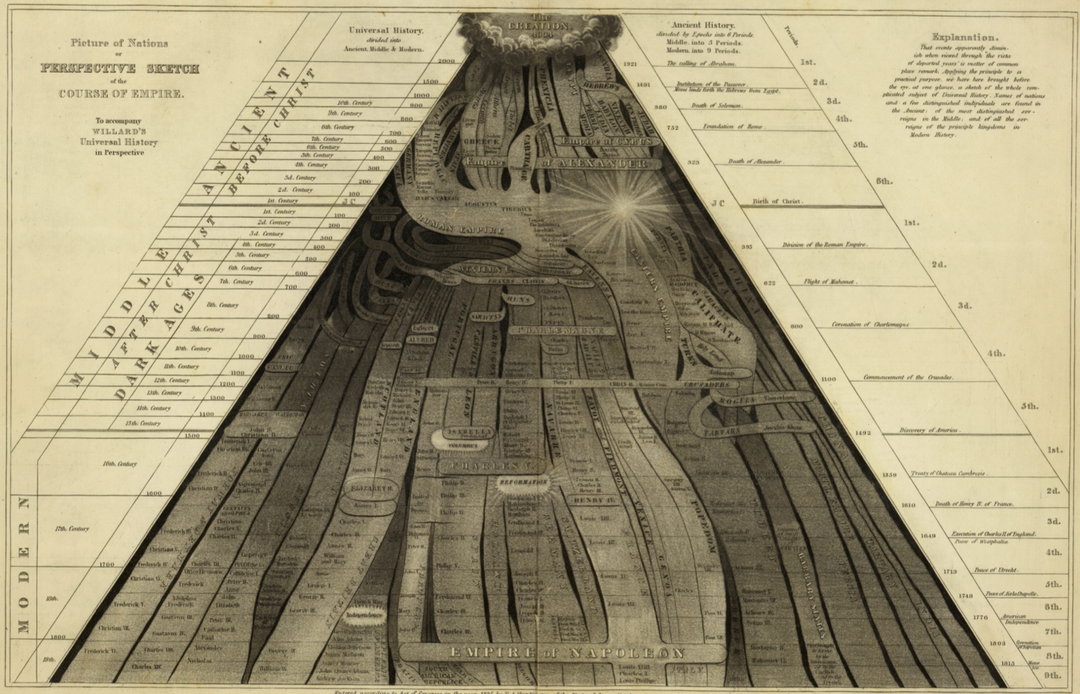
Emma Willard: Perspective sketch (Courtesy Information Graphic Visionaries and David Rumsey Map Collection)
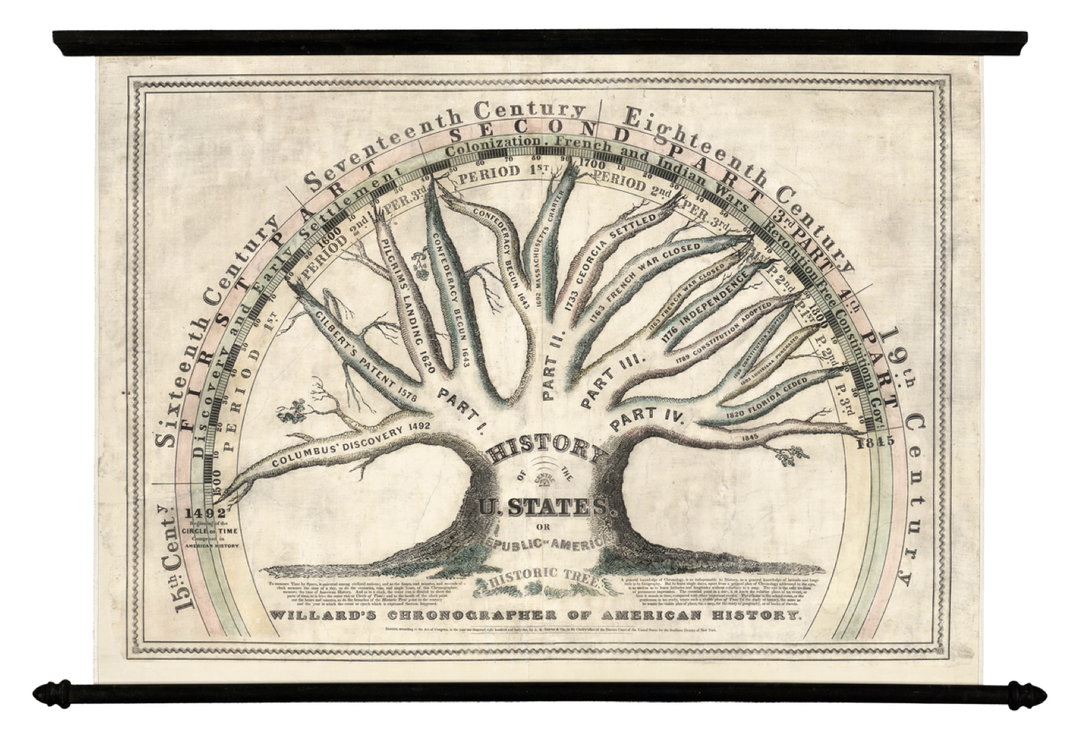
Emma Willard: Chronographer of American History Emma Willard: Temple of Time (Courtesy Information Graphic Visionaries and David Rumsey Map Collection)
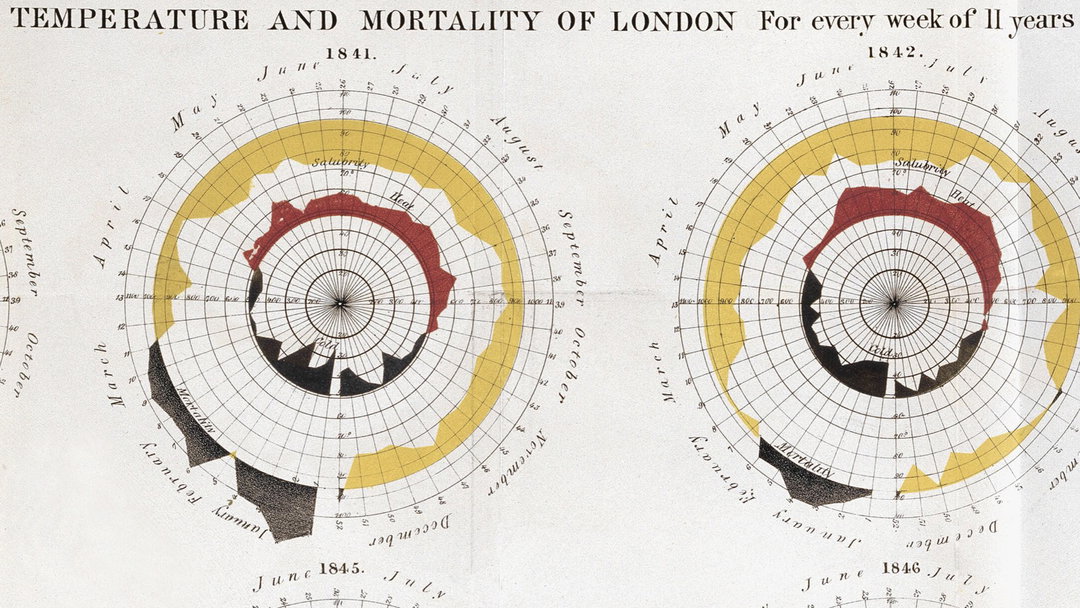
Florence Nightingale: Temperature and Mortality of London (detail) by William Farr (Courtesy Information Graphic Visionaries and the Wellcome Collection)
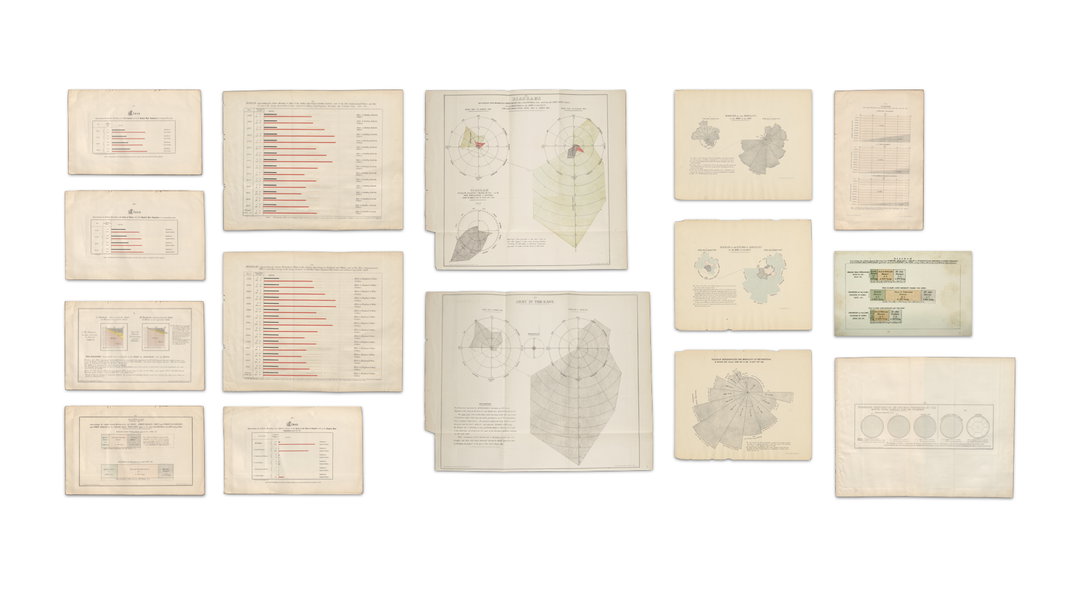
Florence Nightingale: Catalogue (Courtesy Information Graphic Visionaries)
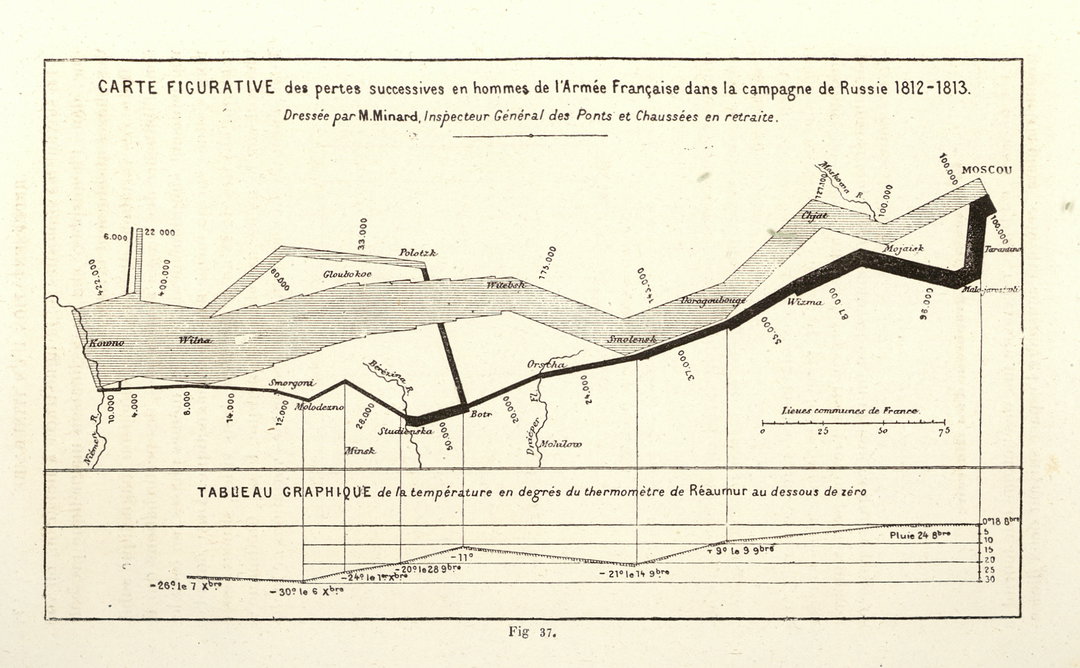
Étienne-Jules Marey: Graphical representation of a route, after Minard (Courtesy Information Graphic Visionaries)
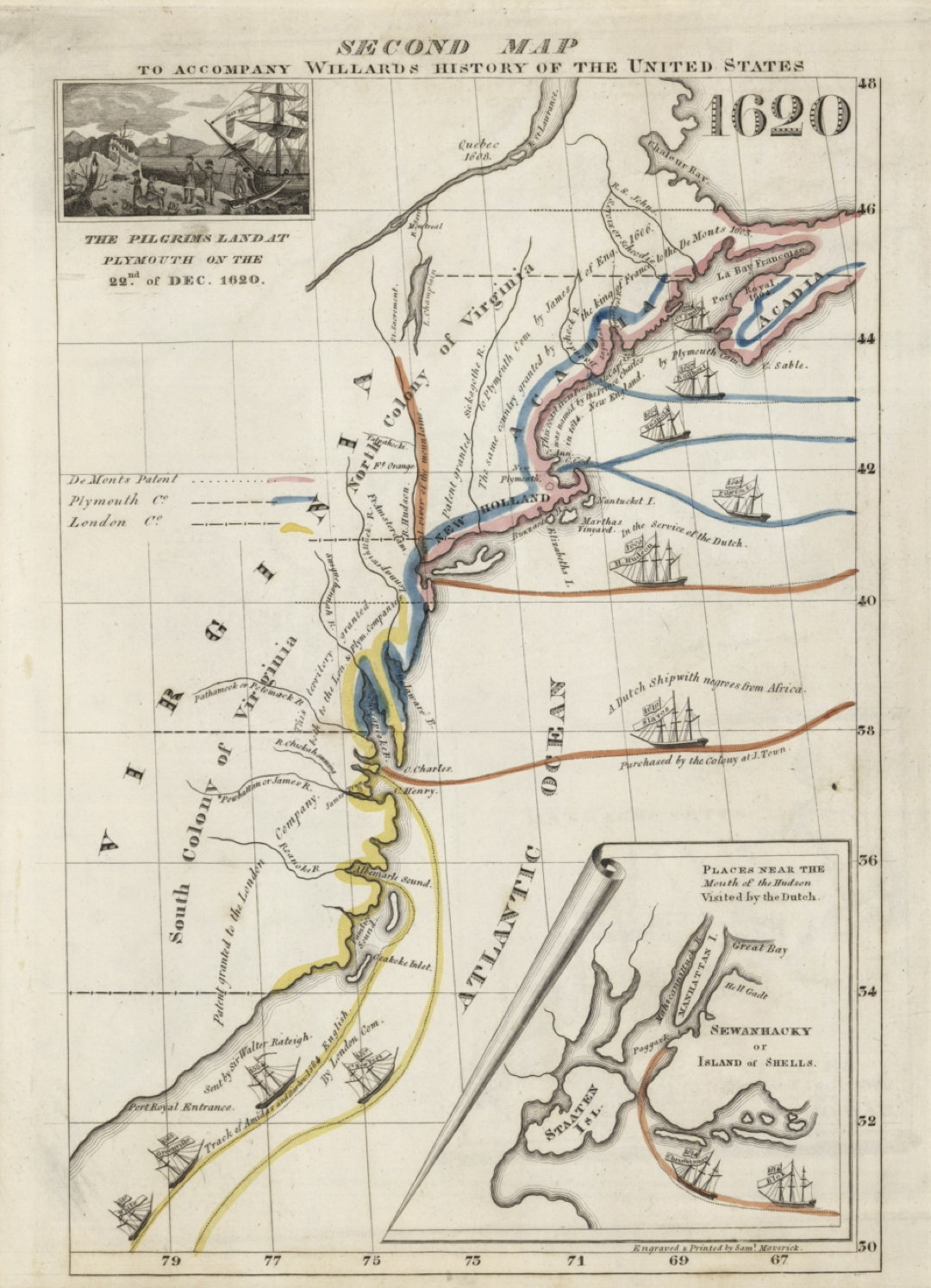
Emma Willard: Map of 1620 (Courtesy Information Graphic Visionaries and David Rumsey Map Collection)
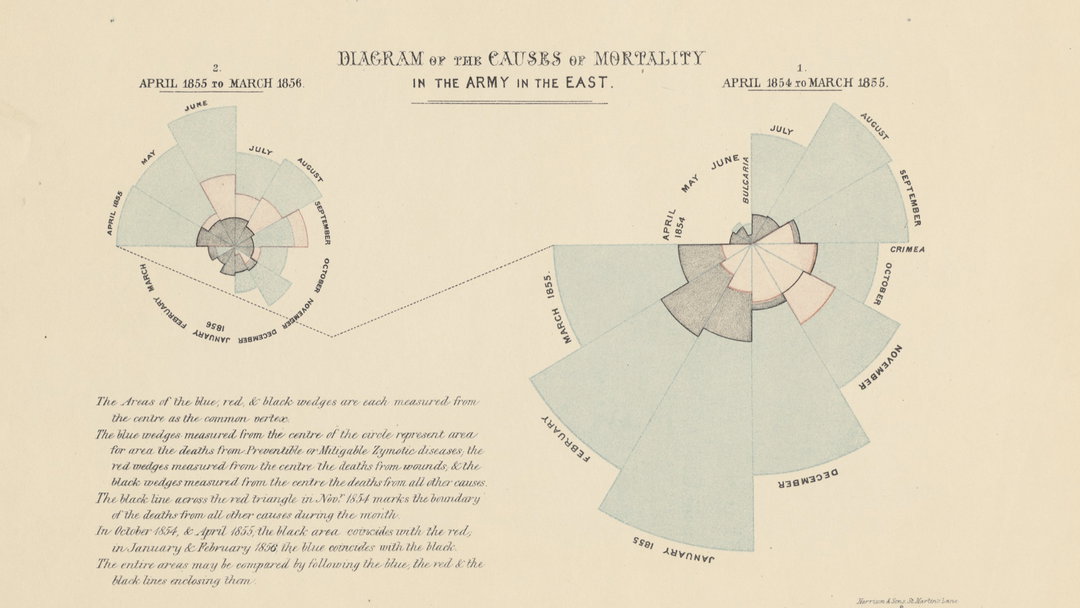
Florence Nightingale: Diagram of the Causes of Mortality (Courtesy Information Graphic Visionaries and the Wellcome Collection)
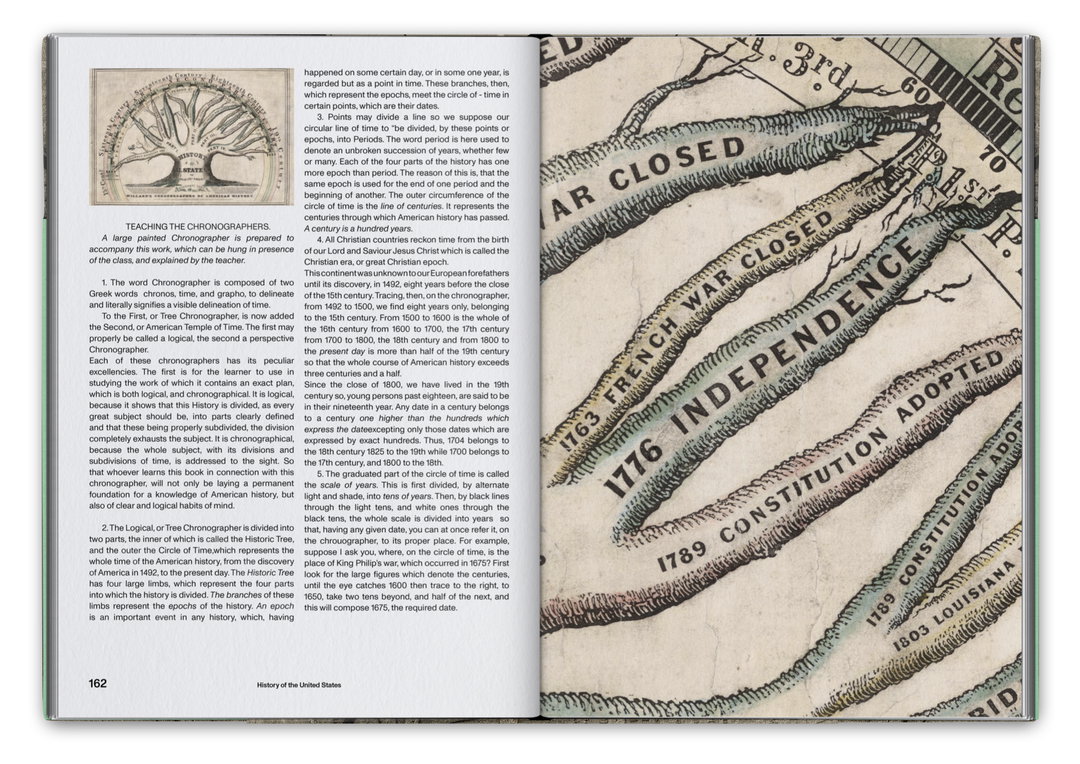
Emma Willard: Chronographer of American History detail (Courtesy Information Graphic Visionaries and David Rumsey Map Collection)
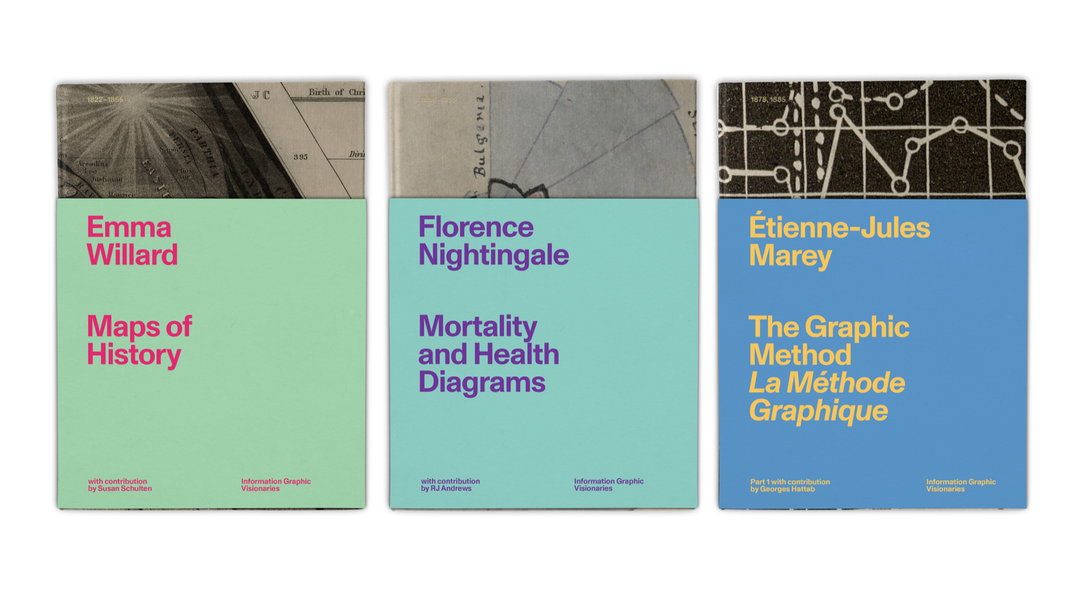
Book covers, courtesy Information Graphic Visionaries, 2021
Hero Header
Book covers, courtesy Information Graphic Visionaries, 2021
Share Article
About the Author
—
Jenny oversees editorial output across It’s Nice That. Get in touch with writing pitches for features or opinion pieces, big creative story tips, or questions about all things editorial. jb@itsnicethat.com
To submit your work to be featured on the site, please see our Submissions Guide.