

Launch Recite Me assistive technology
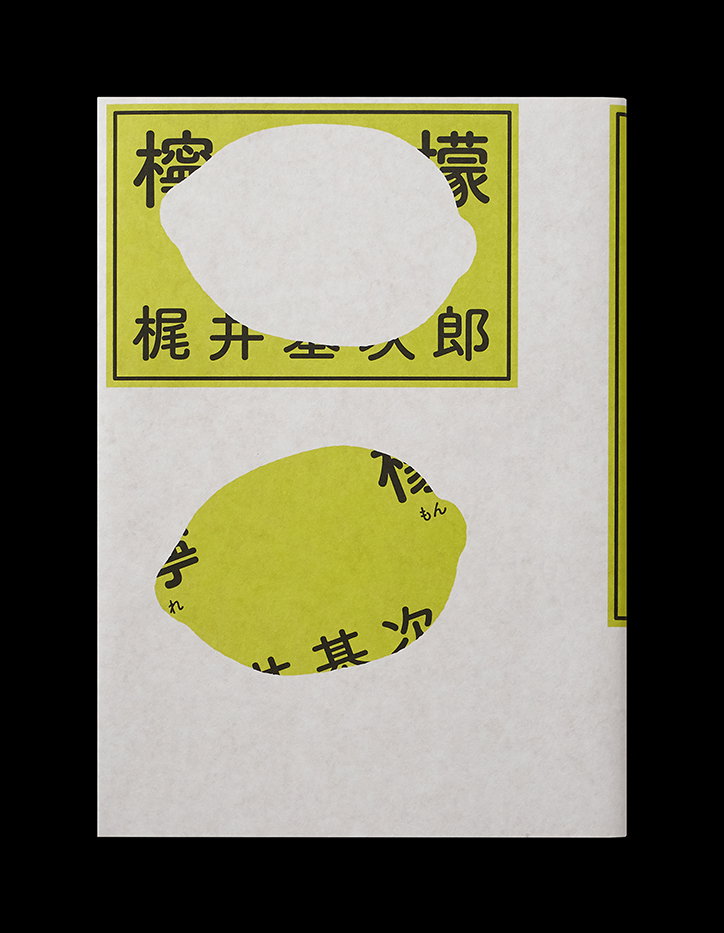
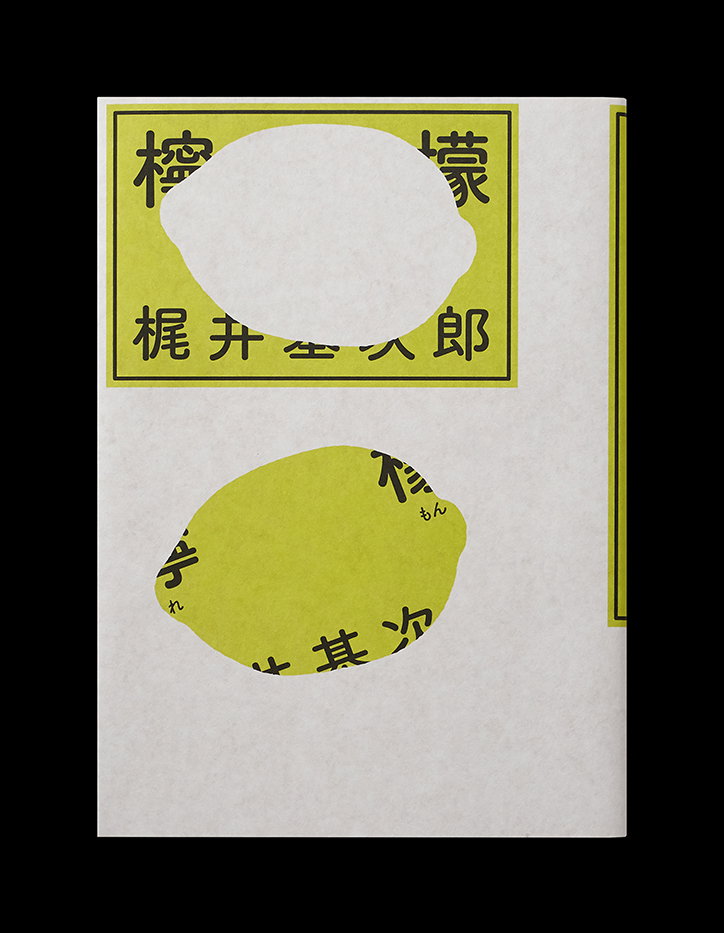
A book cover with a pale grey background. A yellow rectangular block at the top contains black Japanese characters, partially obscured by a white organic shape. Below, a similar yellow shape reveals fragments of black text.

Wang Zhi-Hong on his shifting approach of “hiding information” in graphic design

—
Date
16 September 2019

It’s been over two years since we last wrote about the elegant work of Taiwanese graphic designer Wang Zhi-Hong. A leading designer in his field, Wang’s designs have always centred on books – and still do – but the past year or so has seen him opening up his practice to include “other collaboration possibilities”. For example, in 2018, he designed visual identities for Hong Kong International Photo Festival and for an exhibition by Lars Müller Publishers in Taiwan. One thing has remained the same throughout his shifting practice, however, and that’s an appreciation of typography, particularly of Chinese characters.

A flick through Wang’s portfolio is satisfying for anyone with a penchant for graphic design, as he cleverly combines shape, image and text, often treating the latter as an illustrative element. It’s a style his eponymous studio has become well known (and loved) for over its 19 years of existence.

With that much experience under his belt, Wang is now starting to look at different ways he can approach designing. “In recent years, I’ve tried to adjust how much information is included in the design, or the way to speak out, hoping for more focused results,” he tells us. This has resulted in more synthesised designs, often with a more pared-back colour palette or a more considered use of letterings on a page. Wang himself describes this as a “hiding of information”.
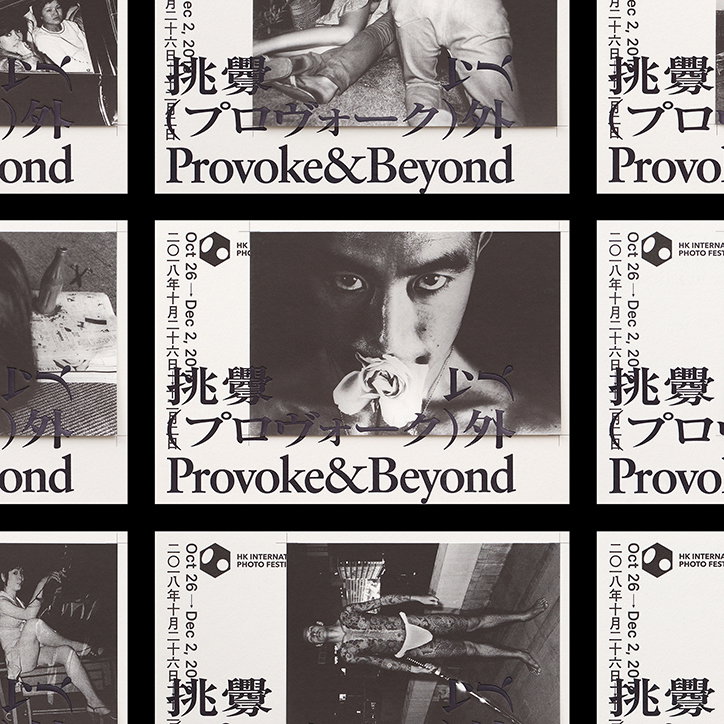
A grid of black and white exhibition posters for “Provoke & Beyond”. Each poster features a different grainy photograph and Japanese text alongside the English title.
Above

Wang Zhi-Hong: Provoke & Beyond, Hong Kong International Photo Festival

Still using his main interests of “photography, architecture, art, etc” as starting points to inspire projects, Wang cites his identity for the Hong Kong International Photo Festival as a recent favourite project of his. “Because for a very long time I’ve been paying close attention to the photographers and their explorations into redefining the aesthetics of photography this festival signifies,” he adds on why this is. “And I’ve helped publish several books about this movement. That’s exactly why HKIPF assigned me to design for the project.”

Largely monochromatic in black and white, the identity sees the words “Provoke & Beyond” set in both English and Chinese and overlapping work from the festival. There’s a haphazardness to the design as different elements collide, almost as if misprinted. This, Wang explains, was done to invoke “disorder and carelessness”, ideas representative of the Provoke movement in 1960s Japan. It’s a solution which shows the awareness Wang approaches his projects with, turning research into nuanced design decisions which embody a concept, although not always in the most forthright way.
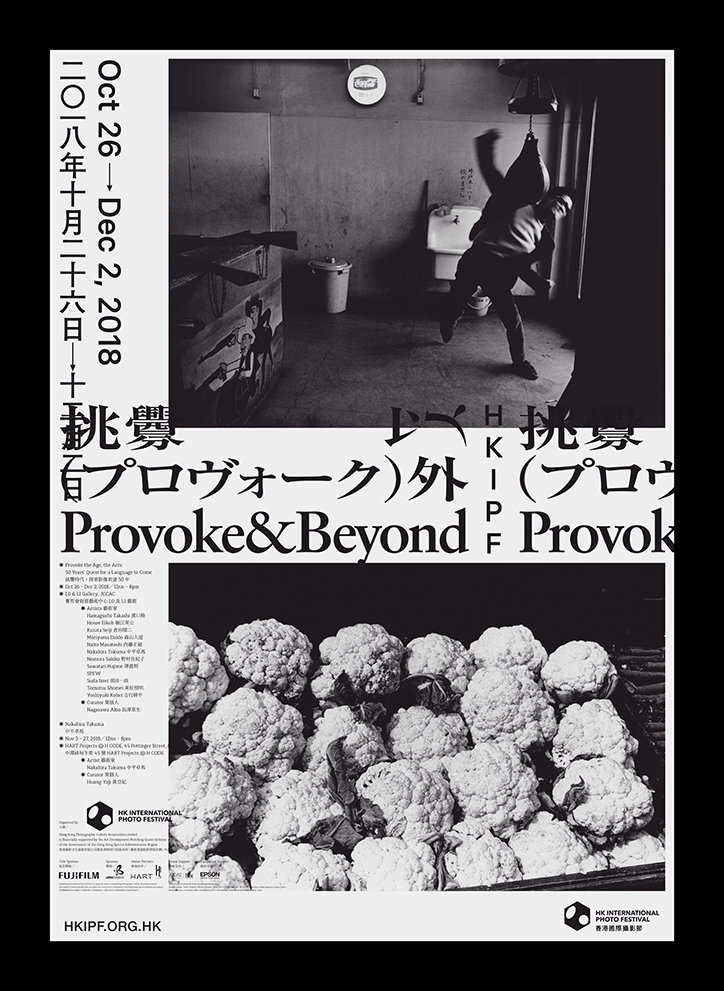
A black and white poster for the “Provoke & Beyond” exhibition. The top half features a photograph of a person leaping in a small, tiled room next to a sink. Below, a pile of cauliflowers is layered over bold Japanese and English typography. The bottom section lists exhibition details and the “HK International Photo Festival” logo.
Above

Wang Zhi-Hong: Provoke & Beyond, Hong Kong International Photo Festival
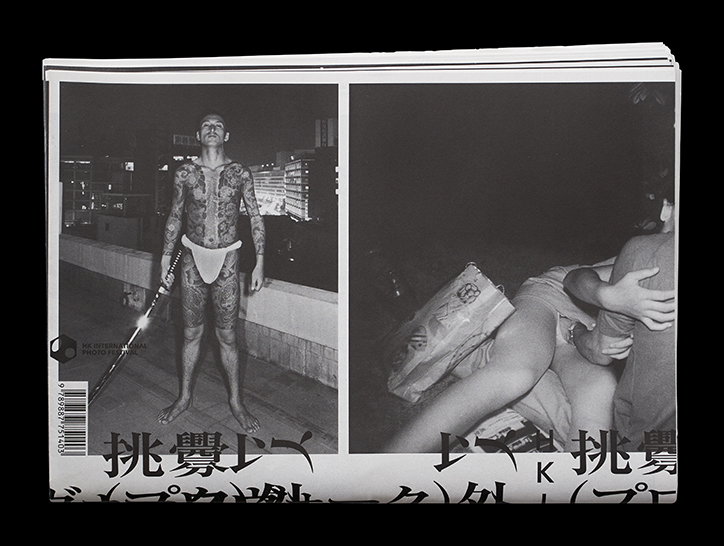
A black and white zine spread featuring two photographs. On the left, a person with extensive tattoos stands on a rooftop at night, wearing a white loincloth. On the right, two people embrace in a dimly lit room. Bold Japanese text and a barcode run across the bottom of the pages.
Above

Wang Zhi-Hong: Provoke & Beyond, Hong Kong International Photo Festival
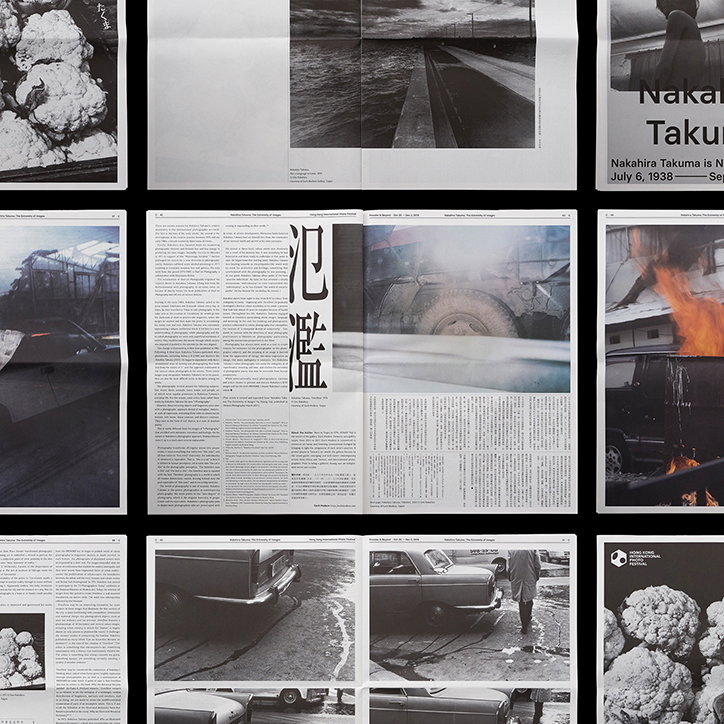
A grid of open pages from a book featuring black and white photography and Japanese typography. The layouts combine dense columns of text with grainy images of landscapes, cars and organic forms.
Above

Wang Zhi-Hong: Provoke & Beyond, Hong Kong International Photo Festival
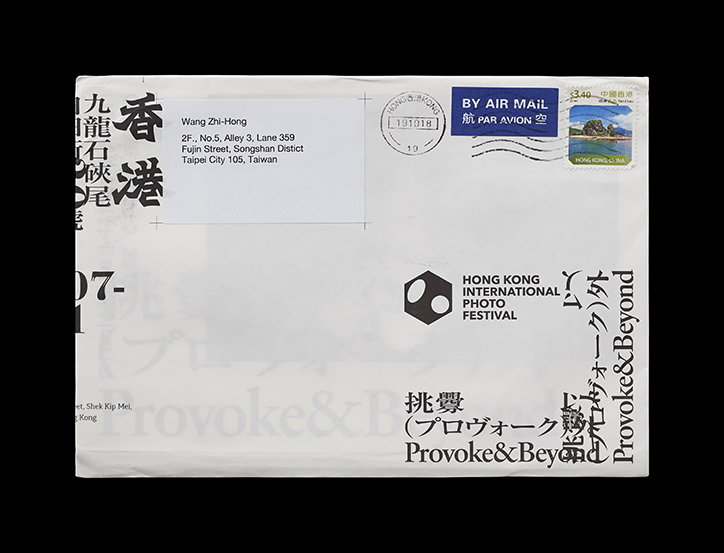
A white envelope addressed to Wang Zhi-Hong in Taipei City, Taiwan. It features a Hong Kong postage stamp and a logo for the “Hong Kong International Photo Festival” alongside the text “Provoke&Beyond”.
Above

Wang Zhi-Hong: Provoke & Beyond, Hong Kong International Photo Festival
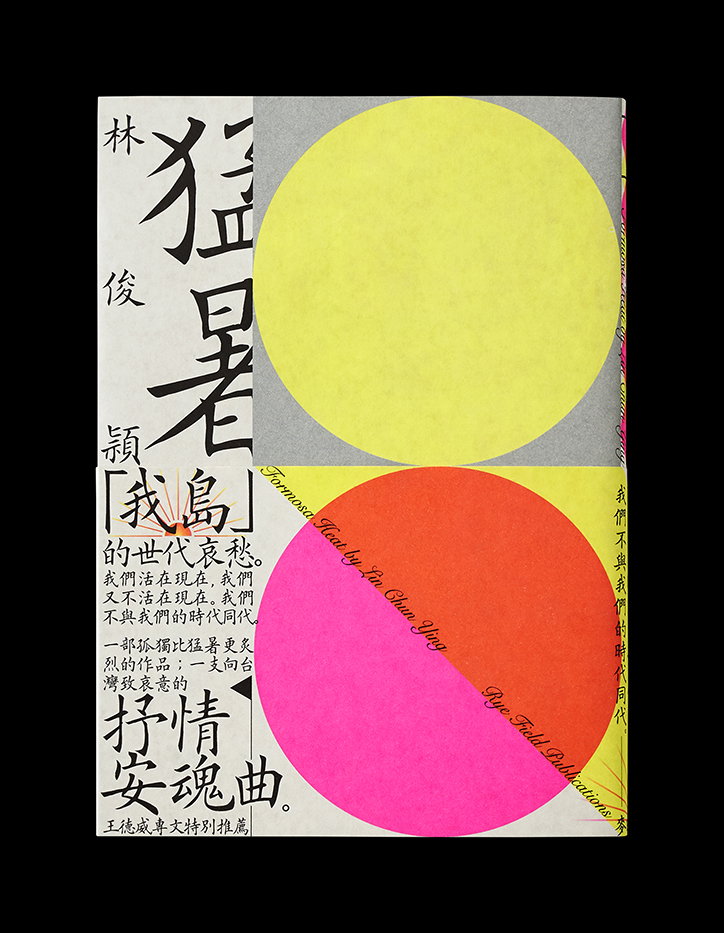
A book cover featuring two large, overlapping circles in yellow and orange against a grey and white background. The left side contains vertical columns of black Chinese characters and the English text “Formosa Heat by Lin Chun-Ying” and “Rye Field Publications”.
Above

Wang Zhi-Hong

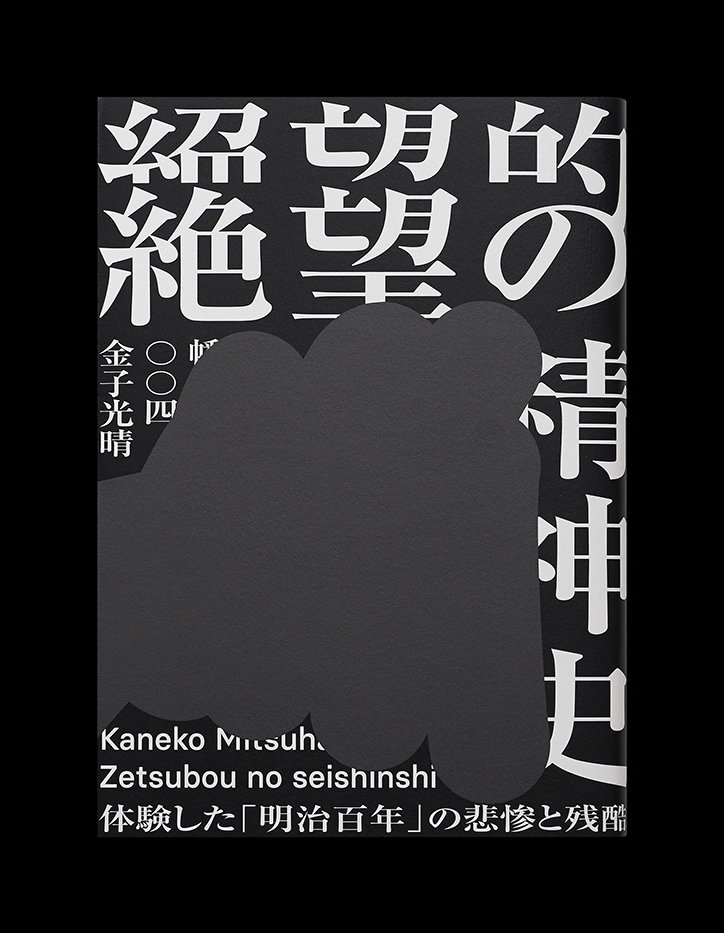
A book cover featuring bold white Japanese typography against a black background. A large, dark grey organic shape sits in the centre, partially obscuring the text. At the bottom, white text reads “Kaneko Mitsuh,” “Zetsubou no seishinshi” and a line of Japanese characters.
Above

Wang Zhi-Hong

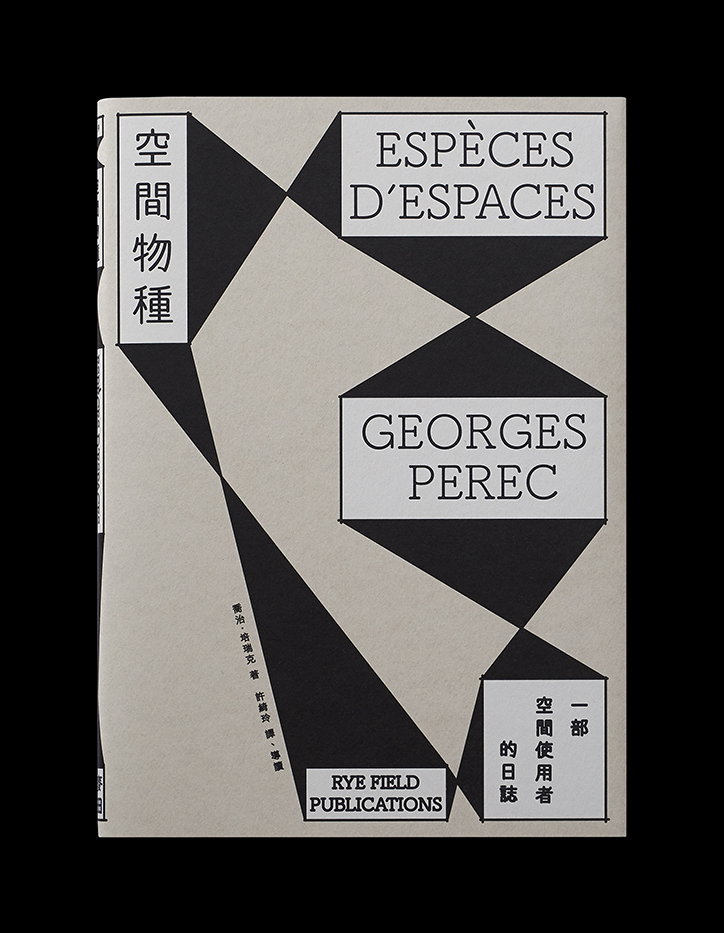
The cover of a book by Georges Perec, featuring a grey background with sharp, black geometric shapes. The title “Espèces d’espaces” and the author’s name are printed in clean, sans-serif capitals. Japanese text appears in vertical white boxes, and the bottom reads “Rye Field Publications”.
Above

Wang Zhi-Hong

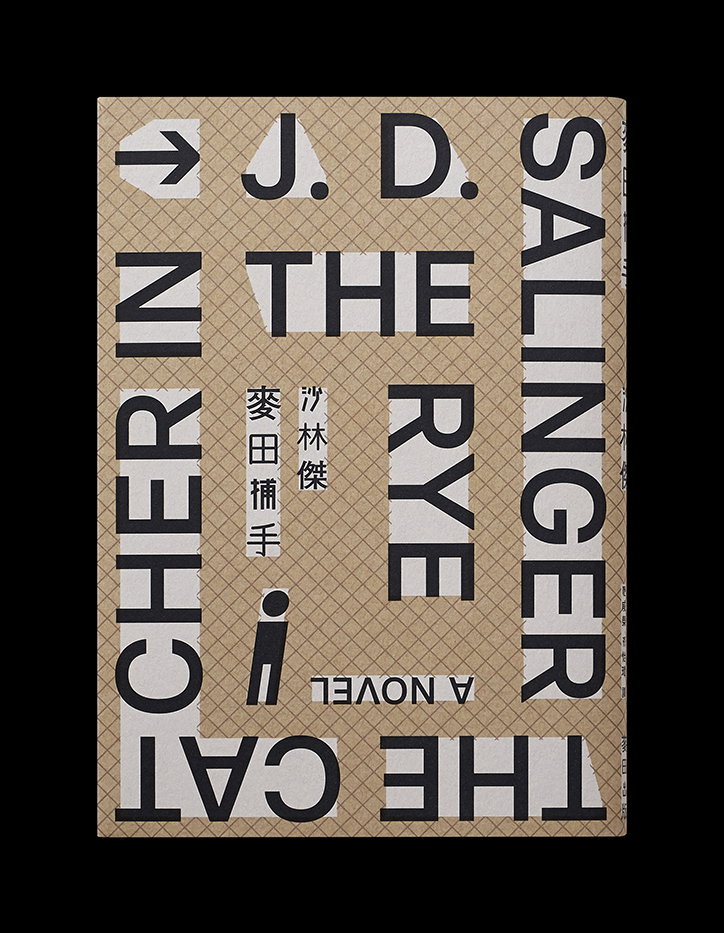
A book cover for a Japanese edition of The Catcher in the Rye by J. D. Salinger. The title and author's name are arranged in a fragmented, typographic grid over a tan, quilted background.
Above

Wang Zhi-Hong

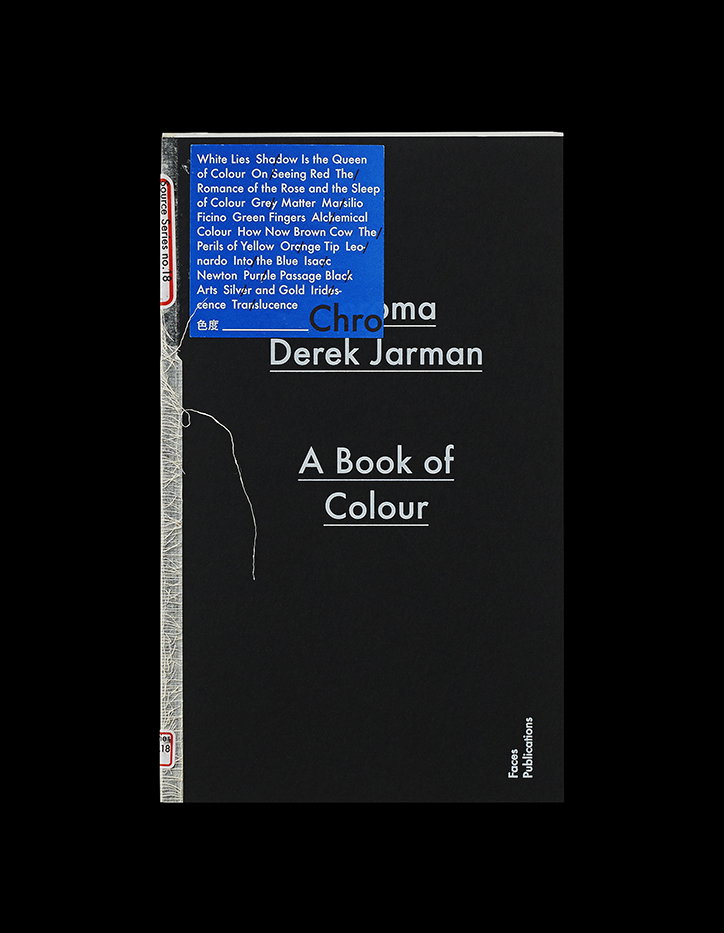
The cover of a book titled “Chroma” by Derek Jarman, subtitled “A Book of Colour”. A blue rectangular block of text in the top left lists various colours and phrases, including “White Lies” and “Silver and Gold”.
Above

Wang Zhi-Hong

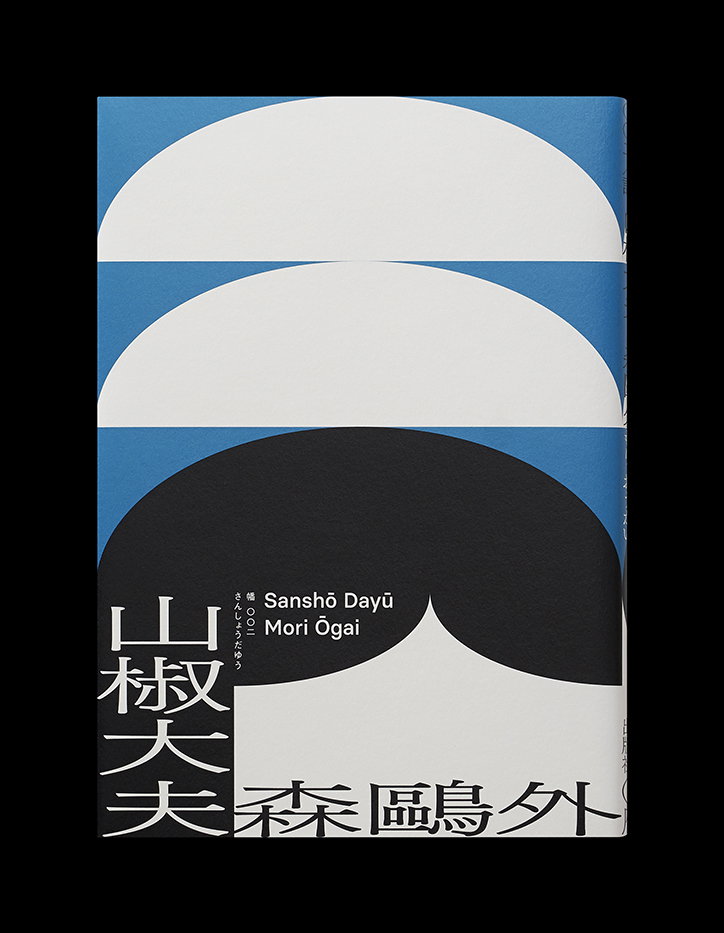
A book cover featuring a graphic composition of three stacked semi-circles in white, white, and black against a blue background. Text on the cover reads “Sanshō Dayū” and “Mori Ōgai”, alongside Japanese characters.
Above

Wang Zhi-Hong

Share Article

Further Info

About the Author

Ruby Boddington

—

Ruby is Senior Creative at It's Nice That, overseeing our visual output across platforms and projects. Before that, she was associate editor on the editorial team, after joining in September 2017 following graduation from Central Saint Martins.

It's Nice That Newsletters

Fancy a bit of It's Nice That in your inbox? Sign up to our newsletters and we'll keep you in the loop with everything good going on in the creative world.