Bail bonds and trade shows: Steph Foster explores the US prison-industrial complex
For the sixth consecutive year, It’s Nice That has been a media partner of Design Indaba. Earlier this year we travelled to Cape Town for the three-day creative get-together. One of the speakers at this year’s event was American photographer Steph Foster.
Like so many Detroit natives, Steph Foster’s early years were shaped by his post-industrial surroundings. “I was always influenced by cars and automotive culture,” he tells us. “I actually grew up aspiring to be an automotive engineer and enrolled in an engineering programme for high-school students.”
Feeling ostracised by a lack of diversity in the field, he dropped out of the course, taking up art classes instead. It was then that photography started to appeal, as the young man from Michigan found a medium which allowed him to explore the “perfect harmony” between the rigour of engineering and the sense of autonomy and expression that art offers.
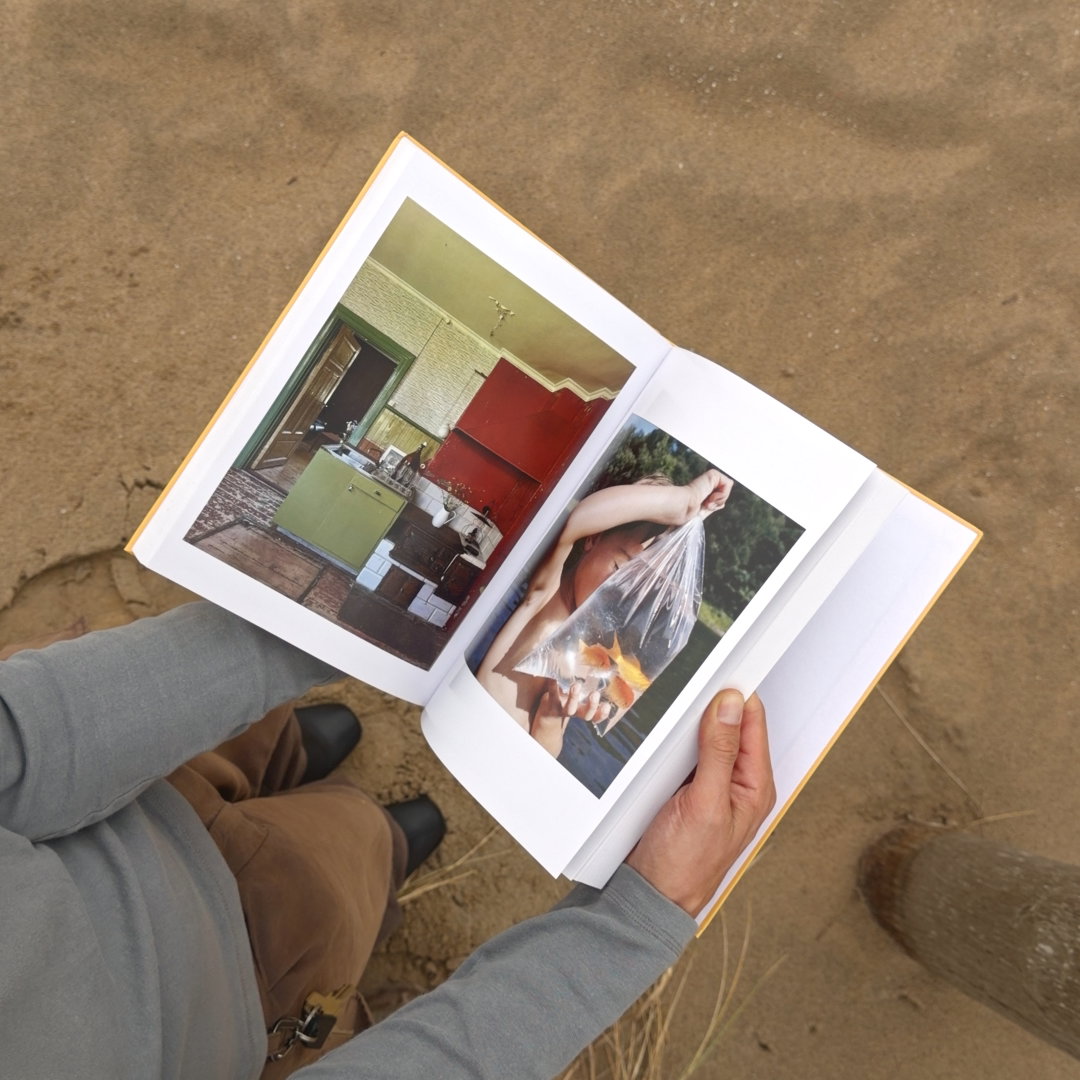
Now an MFA student at the prestigious Rhode Island School of Design (RSID), Steph recently took part in this year’s Design Indaba conference, where he exhibited work from 8, his multidisciplinary examination of the intimate experiences of incarceration in the American justice system. Comprising of photography, film, poetry, music and audio narratives, 8 is both the culmination of Foster’s work to date and an attempt to frame the African-American prison experience within the larger contexts of racism, slavery, surveillance, and capitalism.
Steph Foster: 8
The desire to document the system to such an extent stems, partly at least, from Steph’s familial dealings with it; several years back now, his aunt was incarcerated. “After coming to RISD, and accessing all of these very powerful resources the institution has to offer, including the brilliant faculty, I was able to look at the issue of mass incarceration from a different scale and witness the system as a profitable business,” Steph says. “You could say my personal investment in the issue led me to think about it from many different angles, which is why my work showcases both the intimate and the structural aspects of incarceration.”
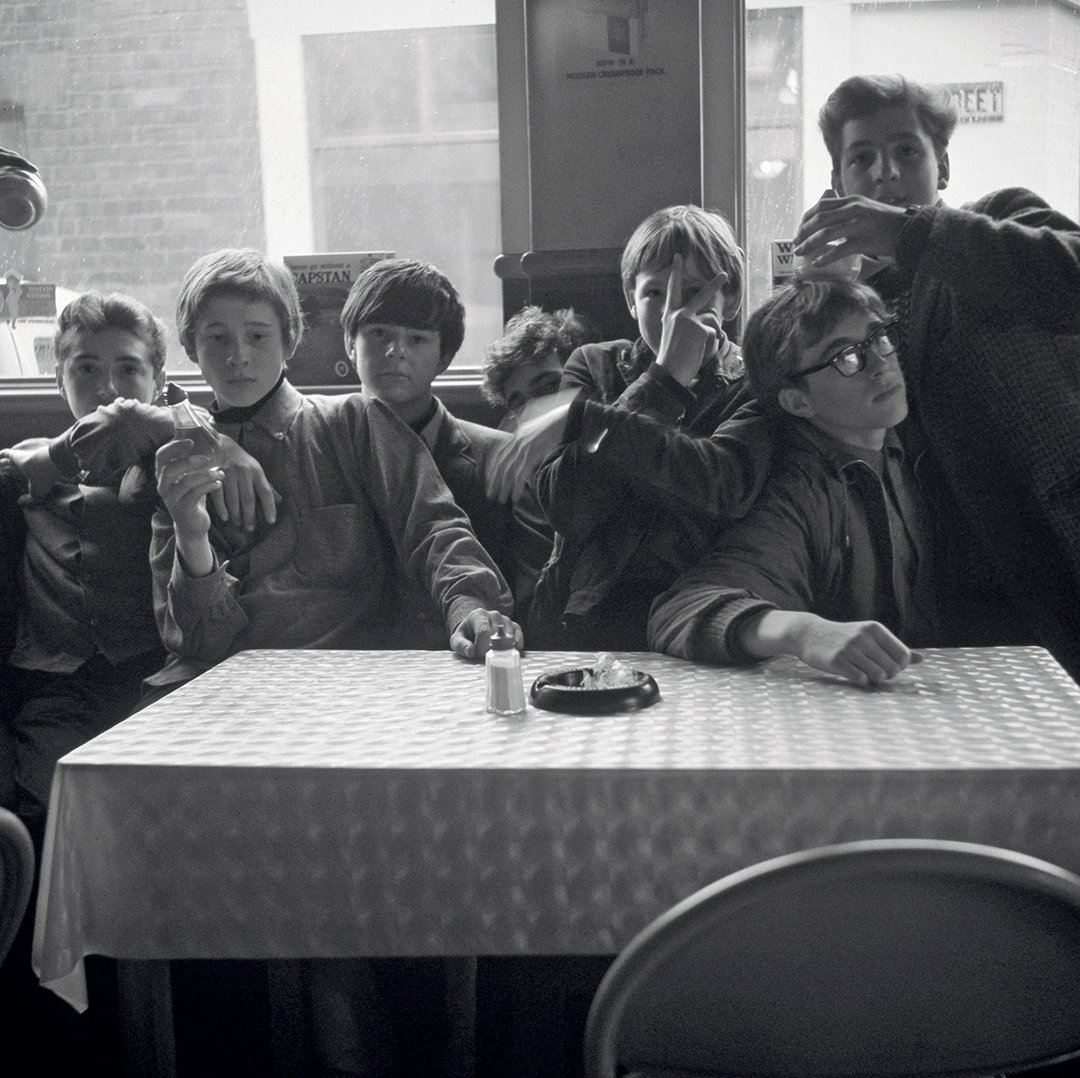
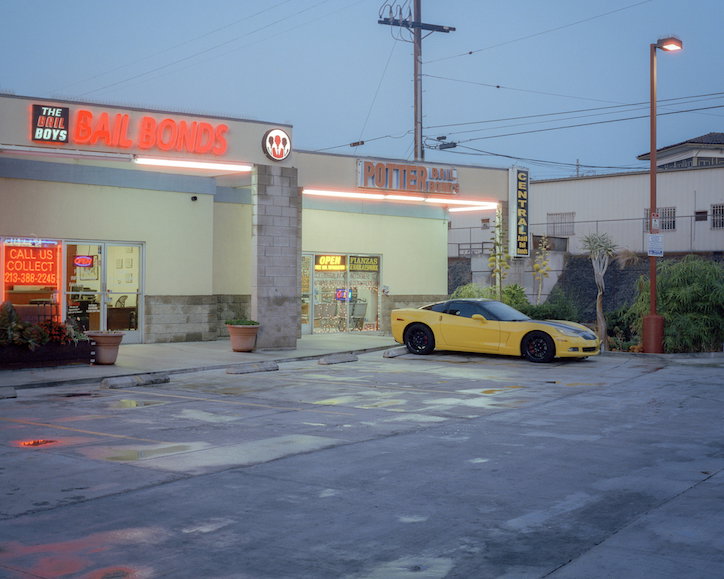
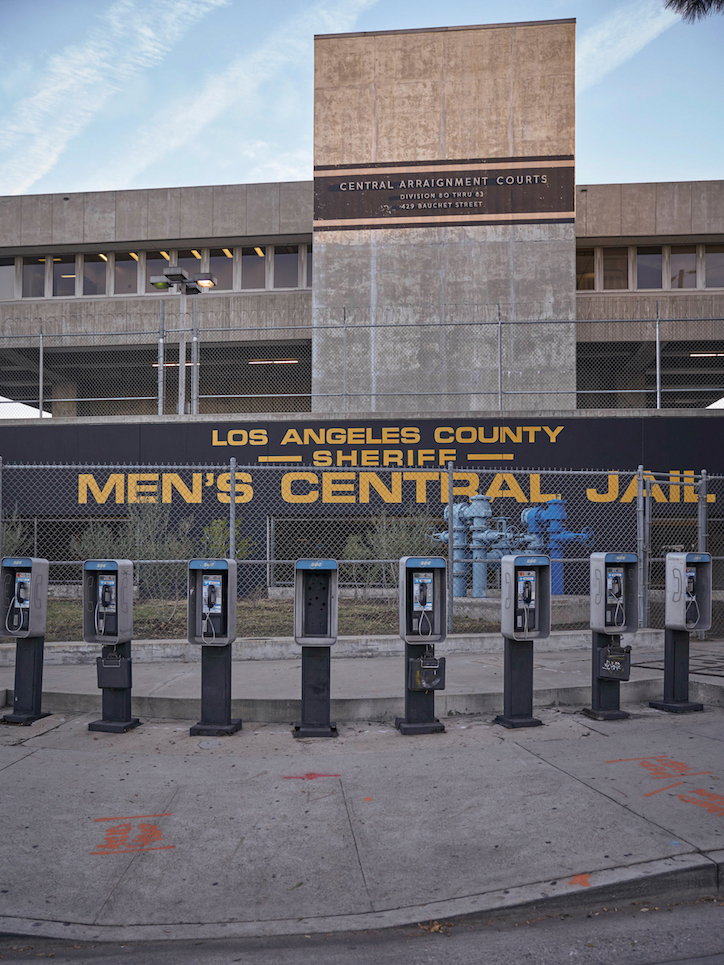
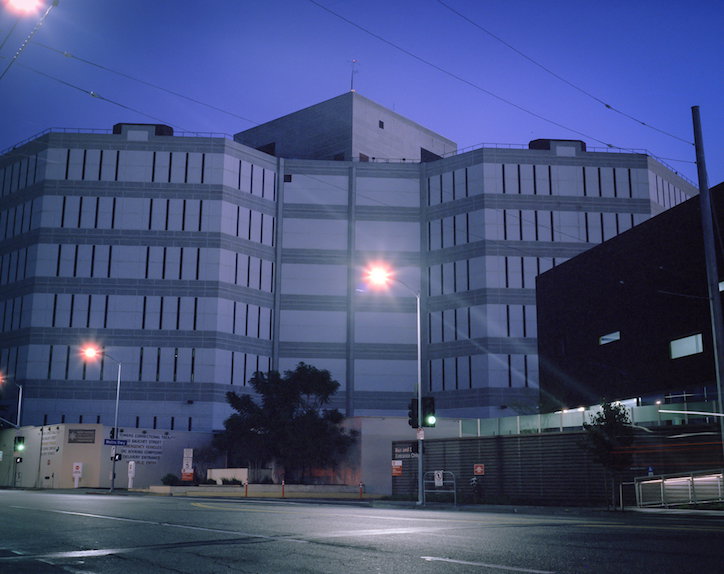
His camera roves between conference complexes and car parks, always concerned with the fact that the marks the justice system leaves on those who inhabit it never truly fade. Deliberately flat, they’re an intriguing example of sensational content being presented in a manner which suggests that nothing we see should perturb or disquiet us; it is photography as pure fact.
“I think all artists have some type of responsibility to interrogate the present moment, although that can manifest in a variety of ways,” Steph says when we ask if he feels photographers are duty bound to consider contemporary concerns as a primary means of artistic being. “My work focuses on blackness, and the black experience, but within a specific context that stems from my own knowledge and experience. I am personally invested in deconstructing white supremacy, because it impacts my life on a daily basis, and so I try to use my art to tell stories that will support the fight for liberation, and contest the dehumanisation and erasure of black people.”
Steph Foster: 8
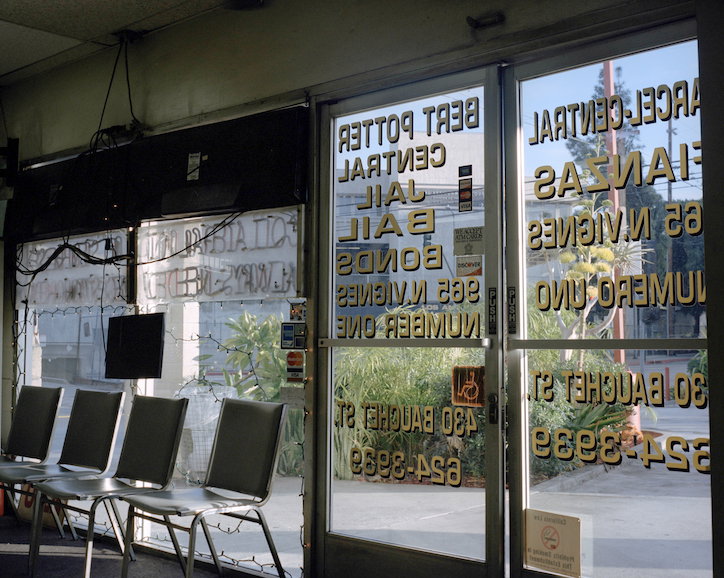
One of the more unusual aspects of the system which dominates Foster’s work to date, to British viewers at least, is that of bail bonds. “Bail bonds,” Steph tells us, “are short-term loans for those who can’t afford bail money, and come with a fee or added interest. The issue is that since the bail system ties freedom to the ability to pay, it is inherently unequal.”
What this means is that in America, many of those who find themselves entered into the prison-industrial complex are in jail for a non-payment of bail, as opposed to any crime-related conviction. He goes on to note that people of colour are more likely to get arrested, thus more likely to be issued bail, and less likely to be able to afford it. What we have, in essence, is a for-profit industry in which a cycle of racialised oppression is consistently upheld.
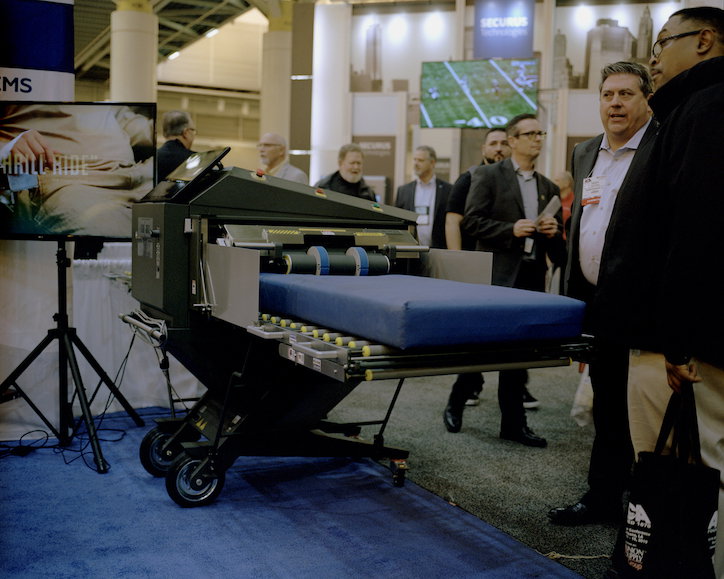
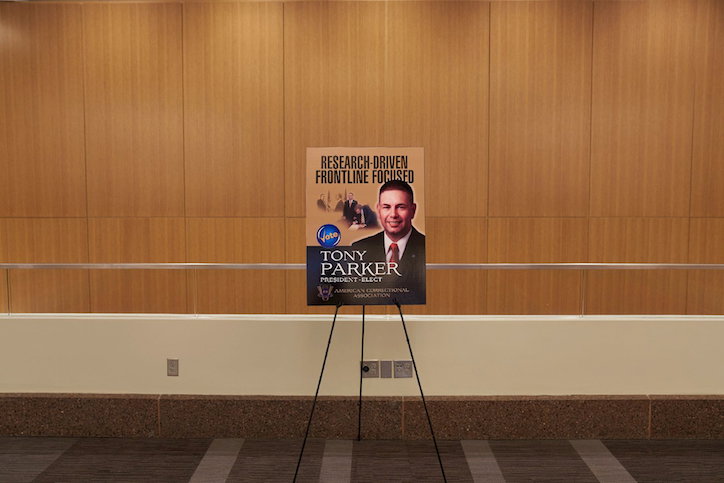
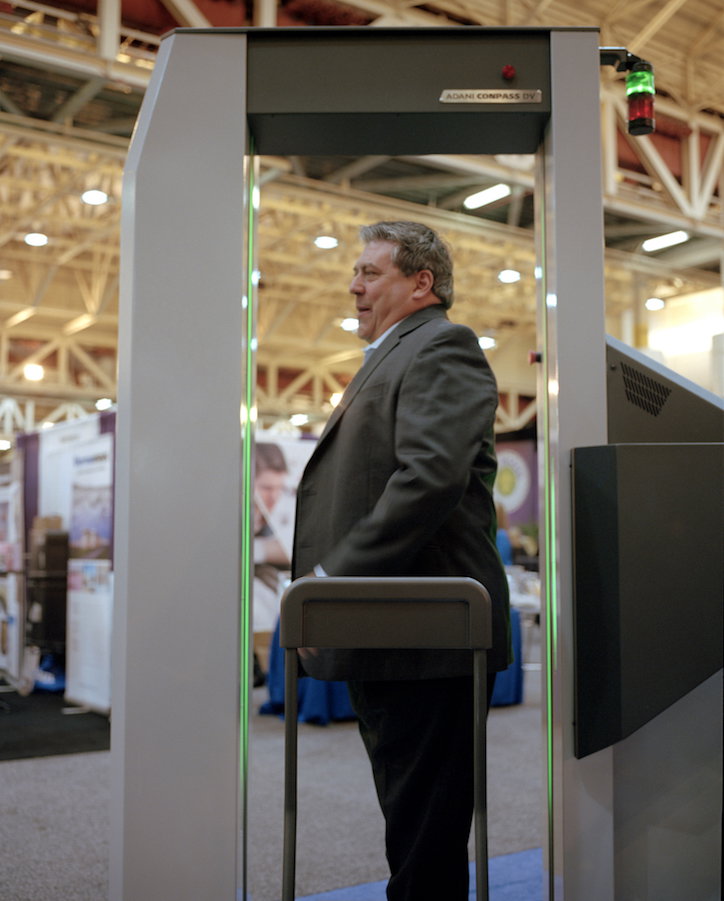
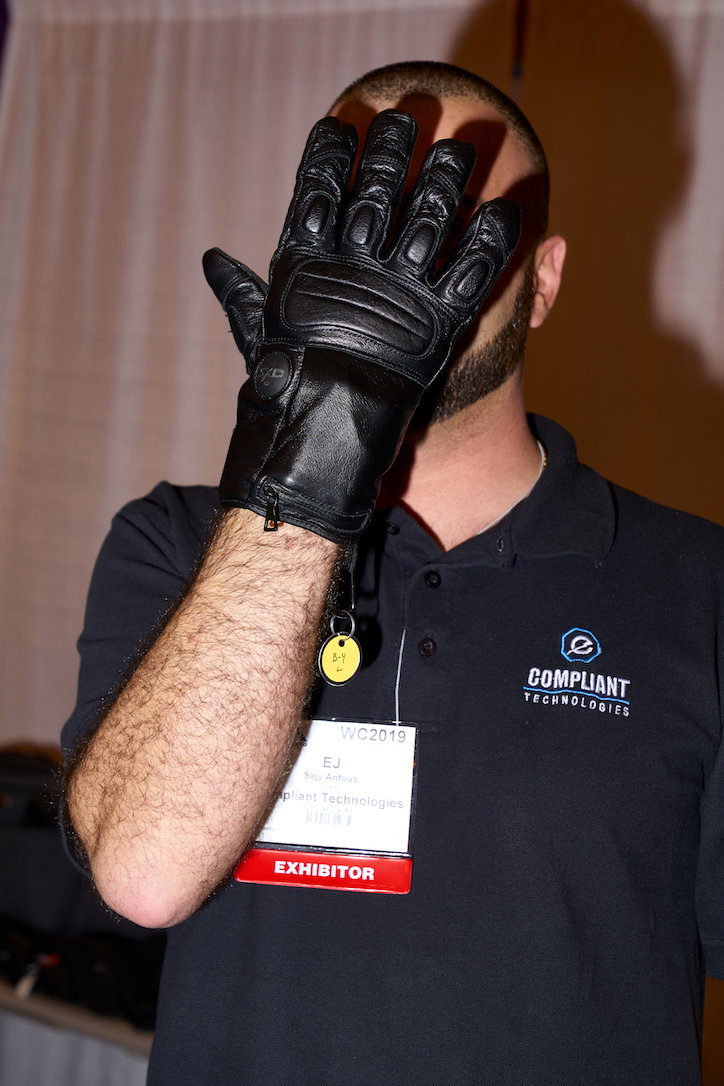
The feeling that the bodies behind bars are little more than costs to be balanced comes to life in Steph’s (paradoxically and intentionally) lifeless photos taken at prison trade shows in the US. “Entry to the shows requires certain organisational affiliations, and the tickets aren’t cheap,” the photographer says. “At these trade shows, you really see the economy that has been built around mass incarceration.” The shows offer what Steph describes as “a unique opportunity to see, touch and experience the technology, food, and security” being developed to make prison jobs more “efficient and more productive”.
Steph Foster: 8
Steph Foster: 8
Steph Foster: 8
Steph Foster: 8
Steph Foster: 8
Share Article
Further Info
About the Author
—
Josh Baines joined It's Nice That from July 2018 to July 2019 as News Editor, covering new high-profile projects, awards announcements, and everything else in between.