Jori Komulainen on the importance of finding the right collaborators in fashion photography
The London-based photographer talks to us about his fashion photography practice, producing images that are closer to snaps of friends than sleek magazine spots.
Fashion photography, as a primarily commercial-first pursuit, once took a back seat to other forms of photography that are considered more serious – documentary, portraiture and conceptual photography. But it would be foolish to deny the sheer power that it has, from the fact that it is the source of some of the most iconic cultural images of the past few decades to how it enveloped Rankin’s career under its umbrella. It may be bothersome that we have to dig a little deeper to find the critical concept or the photographer’s intention in fashion photography – things that are often immediately obvious in a documentary series – but that buys entirely into the prevailing idea that the photographer is always in control of what happens in the moment of capturing the ephemeral.
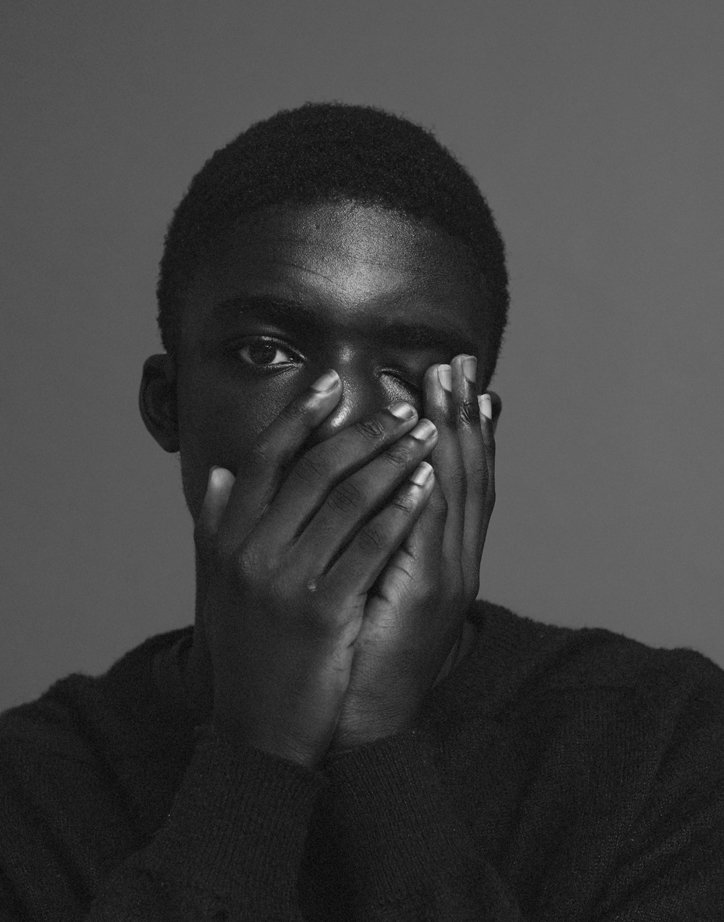
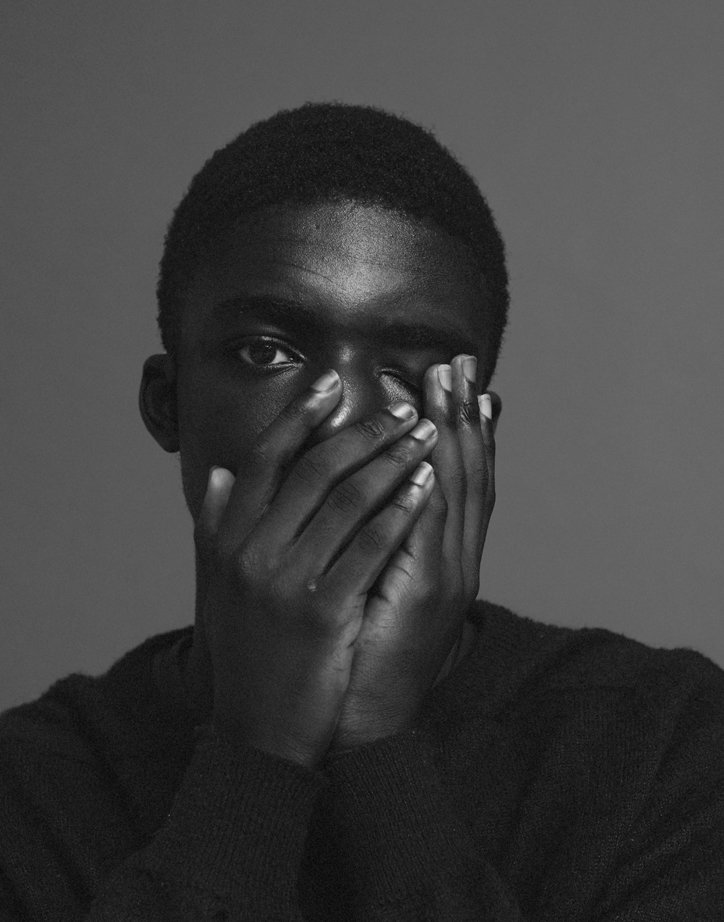
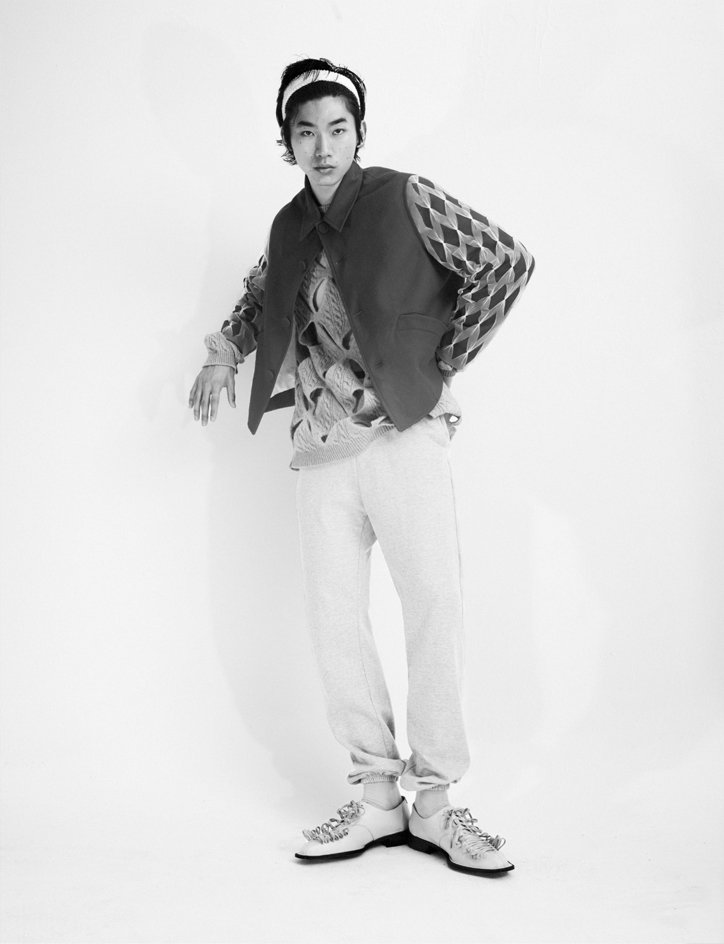
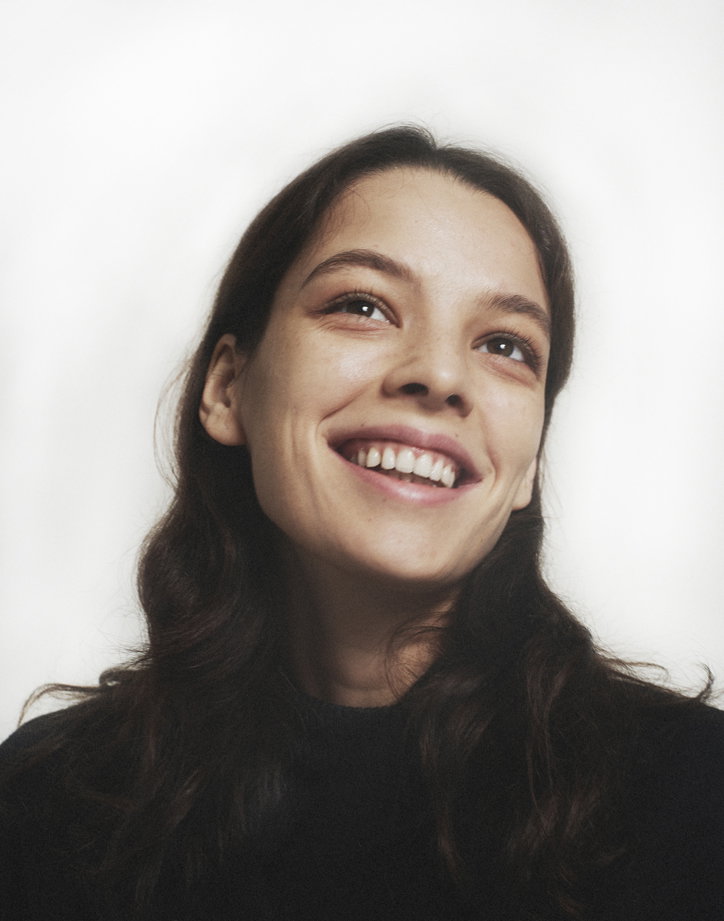
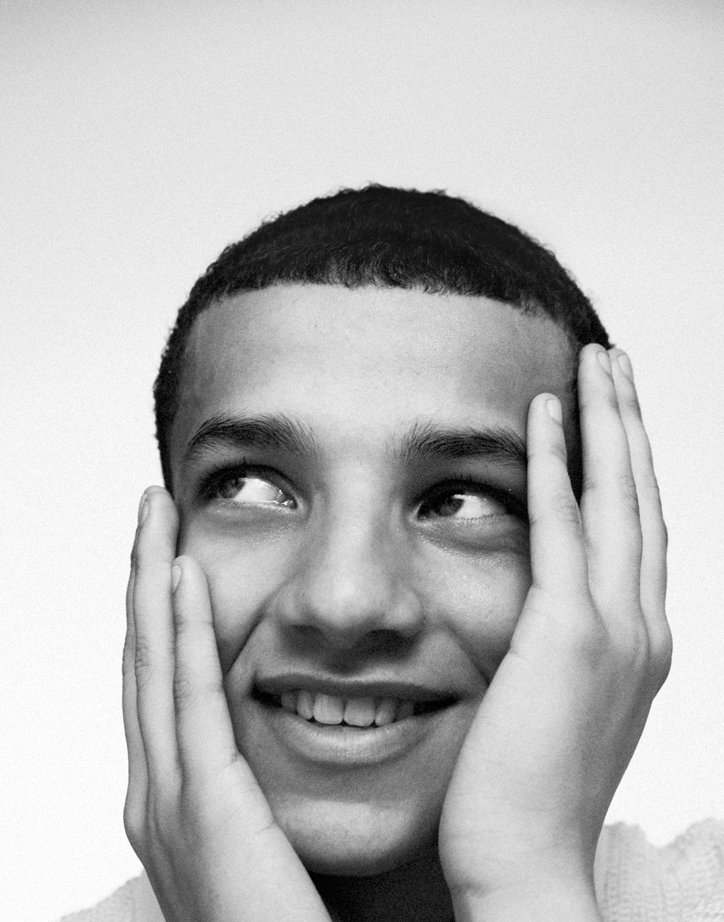
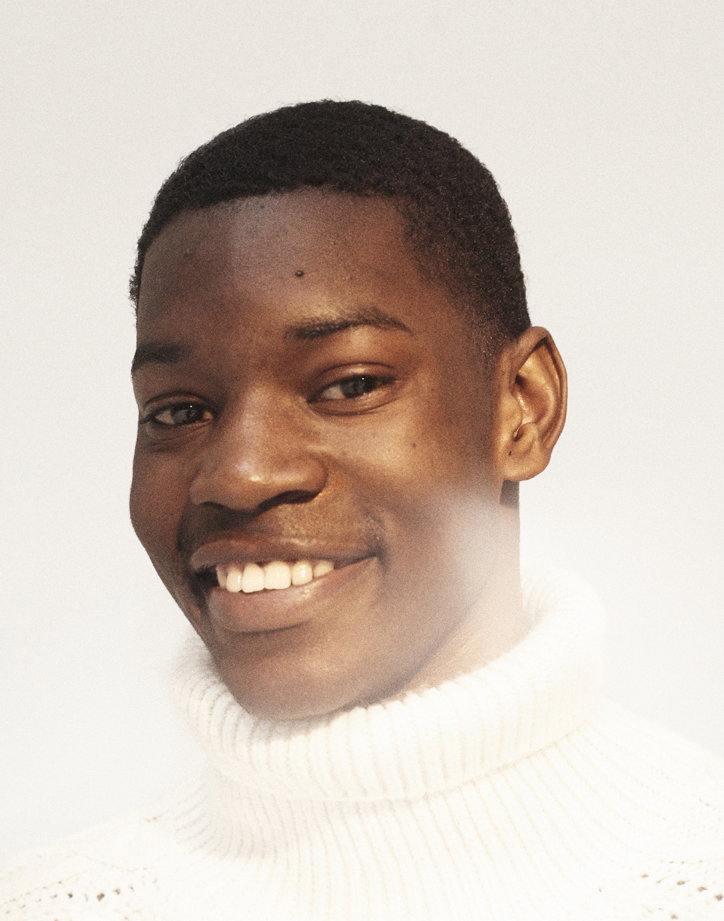
For London-based Jori Komulainen, fashion photography comes closer to portraiture. His understated and intimate imagery – more like a collection of friends than hired models – is the result of his people-focused photography as well as the intensely collaborative space of a fashion shoot. “As far as the fashion shoot process goes, it’s all about teamwork,” Jori, the Finland native, tells It’s Nice That. “It’s all about finding the right people to work with whose style compliments your style. Always a creative collaboration between photographers, stylists, hairstylists, make-up artists, set designers and casting directors,” he adds.
“Every time you see a fashion photo, there’s usually a handful of creative people who’ve been involved and the same amount of assistants and producers and so on. It’s never only just the photographer,” Jori says. Surely enough, this is also entirely true in documentary photography – the introduction of a camera in the scene changes people’s behaviour and shifts the relationship between the photographer and the subject, even if the photographer was not an outsider, changing the moment into a series of independently acting agents whose negotiations eventually result in a photograph.
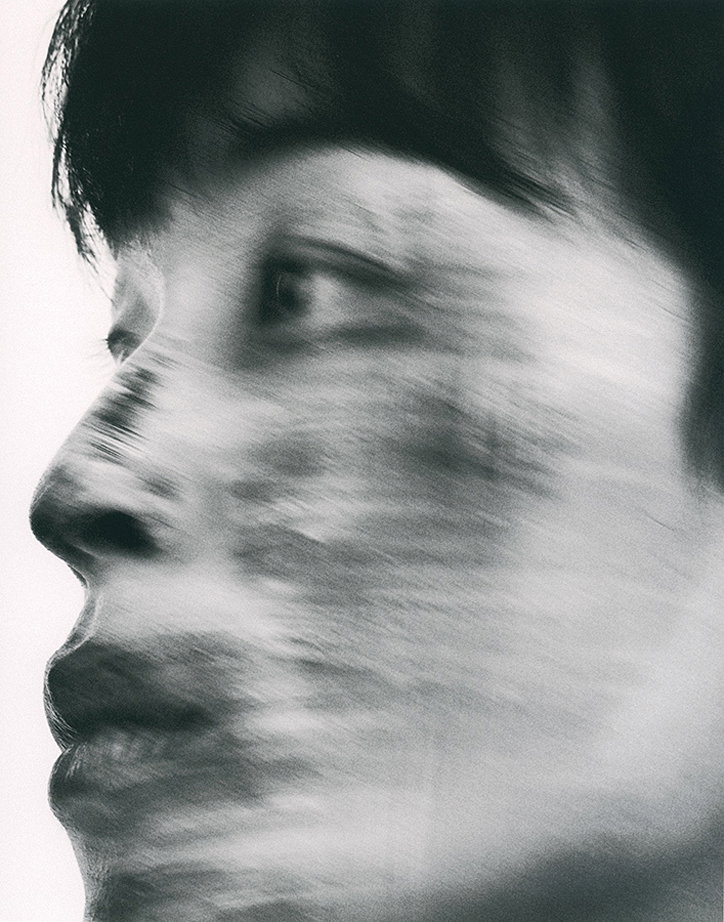
Jori Komulainen
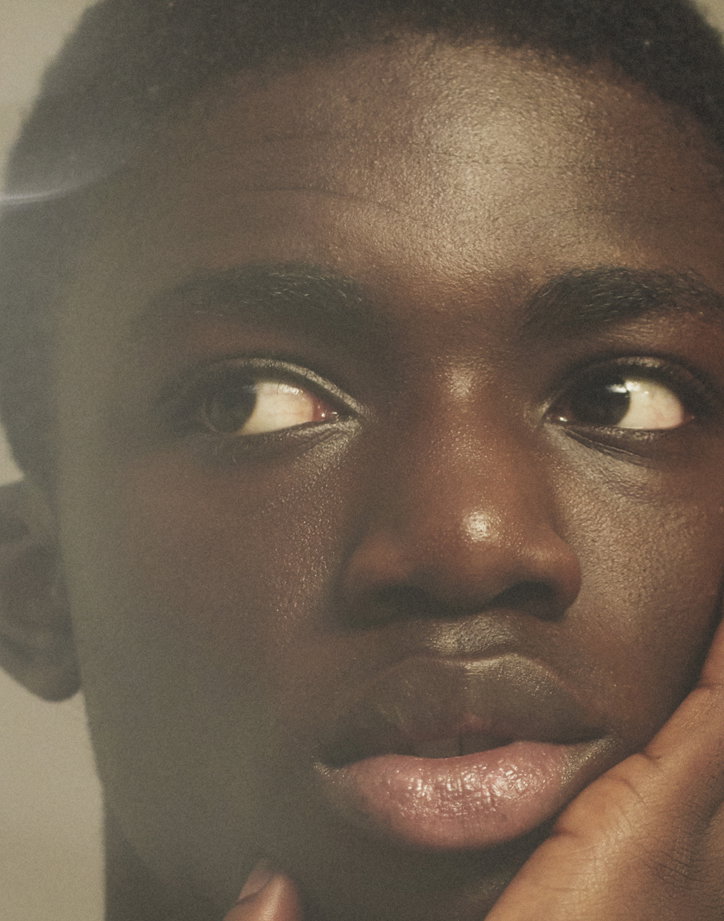
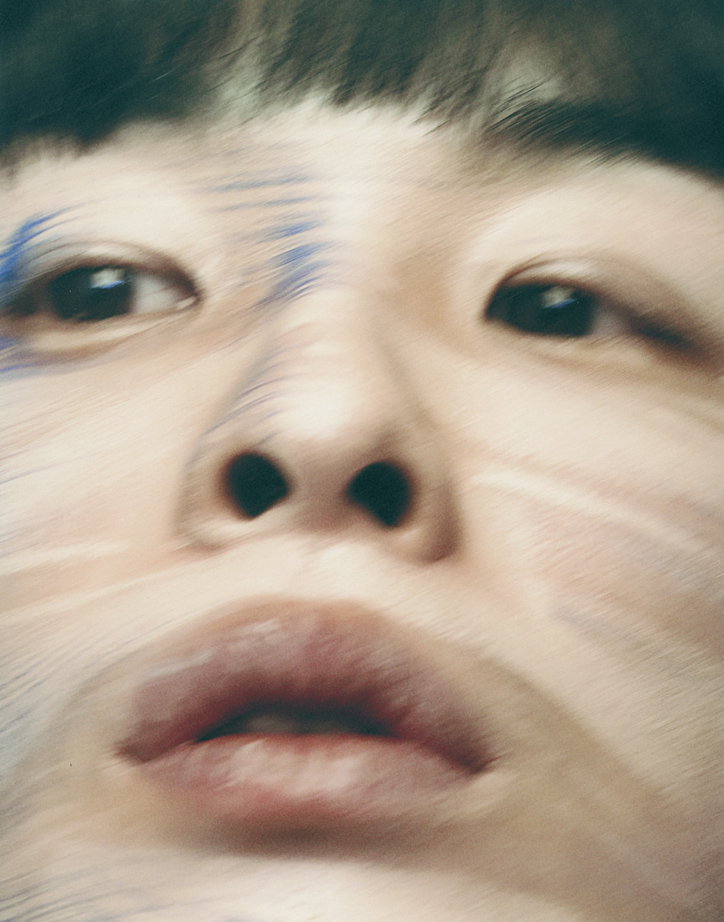
Jori’s considered work, often shot with a very tight angle with subdued warm tones – if not shot in black and white – is always people first. “Even when shooting fashion, I always try to make the person I’m shooting the centre of attention; I keep it simple and they don’t hide behind extravagant hair and make up,” he says. “I like to show people as they are as much as I can, and not shy away from getting really close to try to see inside the person in a certain way.”
“I loved shooting everything and everyone around me. After a while, I realised it was really the people in the photos that attracted me the most, so I started focusing more on portraiture. From there, I slowly shifted my focus towards fashion photography,” Jori adds. After a two-year photography course that led to an internship and a few years as an assistant, Jori now shoots editorial work for Nike, Vogue.it, Hero, Office Beauty and Contributor magazine. Jori’s body of work and photographic voice is a fantastic place to start if you want to consider a more serious approach to reading fashion photography.
GalleryJori Komulainen
Share Article
Further Info
About the Author
—
Alif joined It's Nice That as an editorial assistant from September to December 2019 after completing an MA in Digital Media at Goldsmiths, University of London. His writing often looks at the impact of art and technology on society.