Starting Out and Making It - what we learned at A/D/O
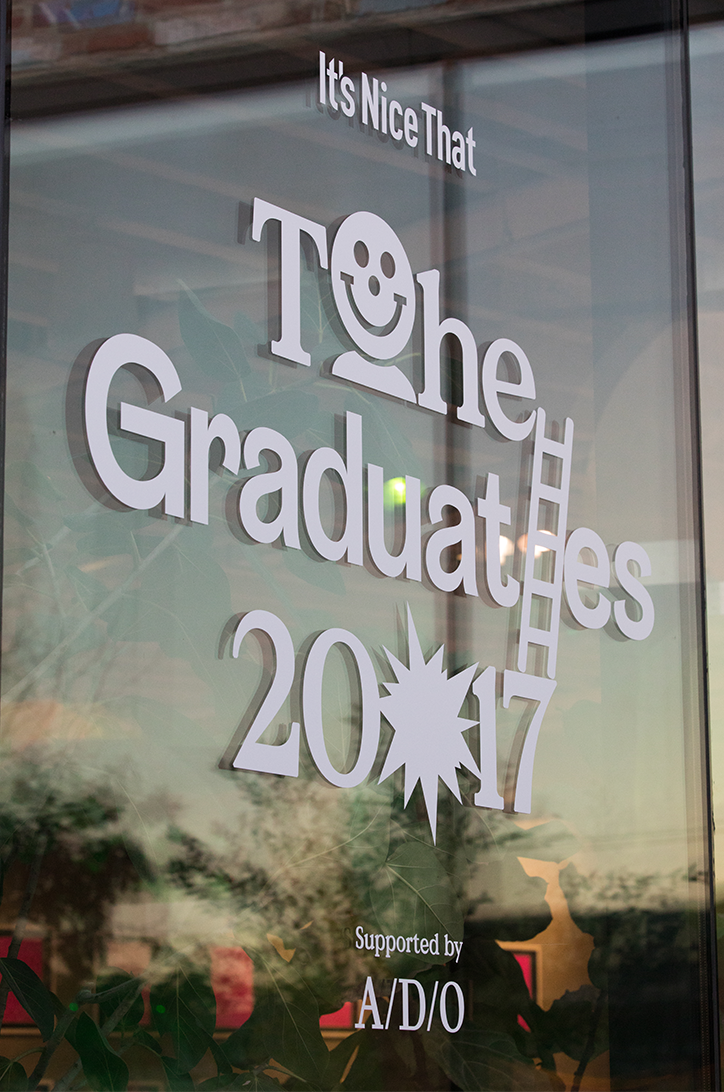
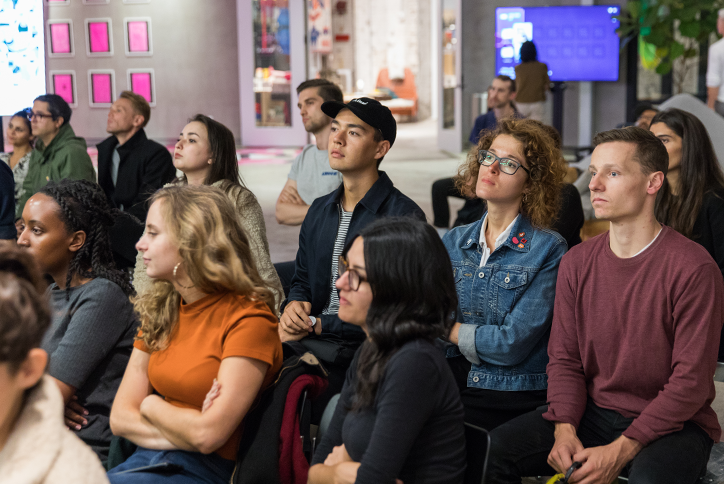
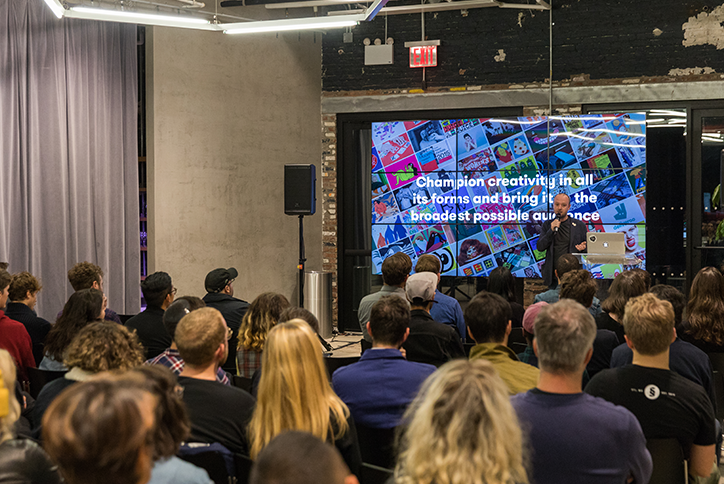
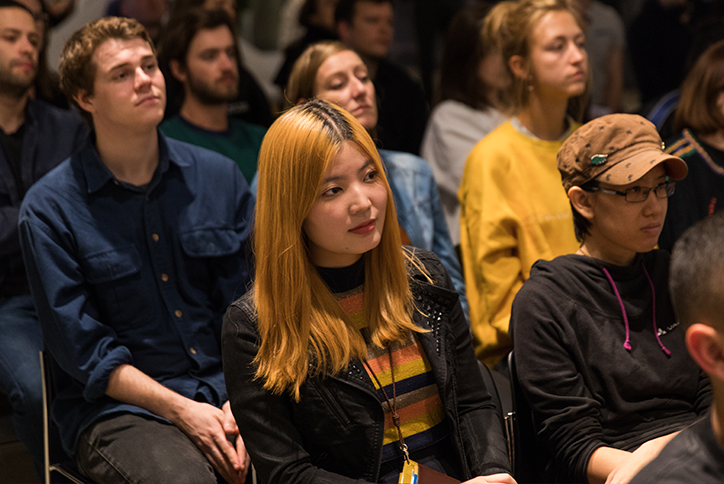
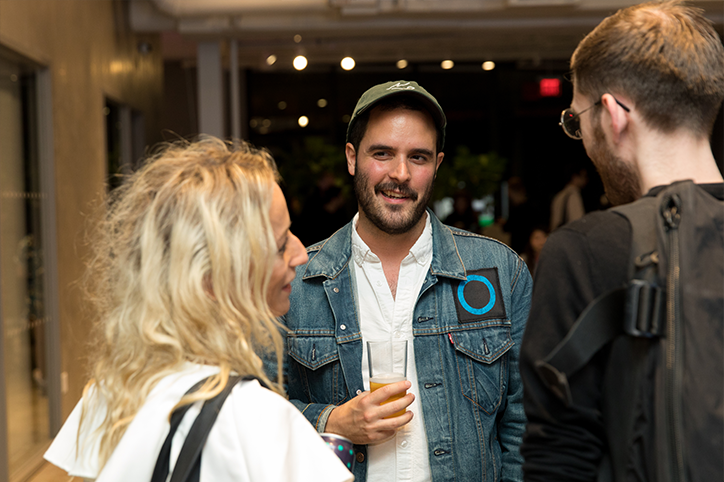
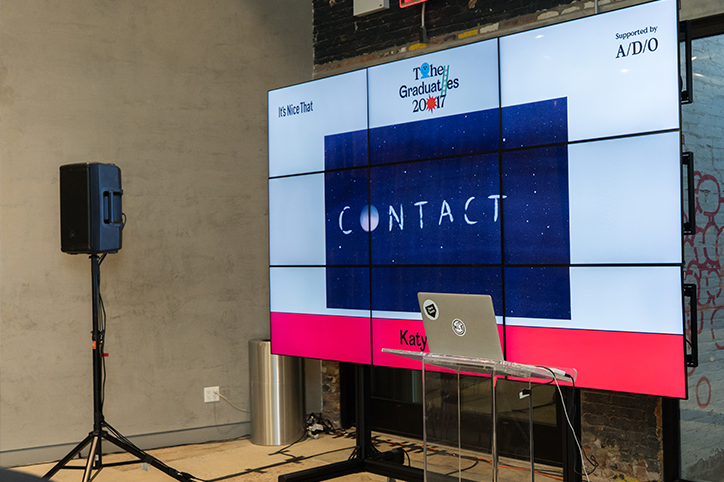
Earlier this month It’s Nice That pitched up at A/D/O in Greenpoint, Brooklyn to present an evening of talks by two of our Graduates 2017 and two fantastic creatives who live and work in New York. Illustrator and animator Katy Wang and graphic designer Ben Hutchings were joined by graphic designers Anna Kulachek and Braulio Amado to share insights into their work and processes with short, punchy presentations.
The evening was themed Starting Out and Making It and saw Ben and Katy offer an overview of their fantastic graduate work and their aspirations for the future. Then, Braulio and Anna showed some projects from earlier on in their career before showing more recent work that had helped establish their stellar reputations.
Here, we share some of the memorable insights from the evening. Thanks to everyone who joined us on the night and to A/D/O for supporting The Graduates 2017.
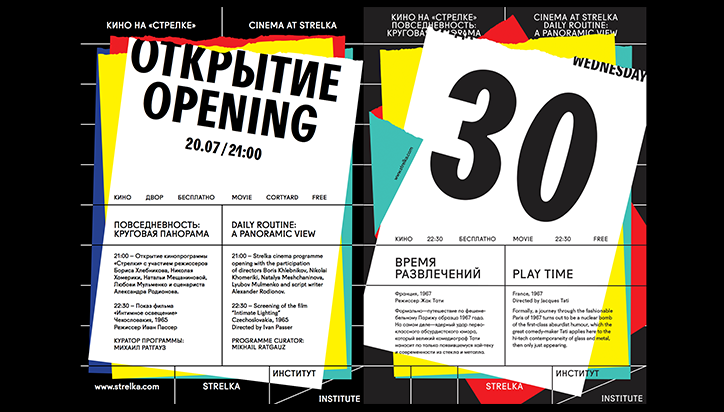
Anna Kulachek: Strelka
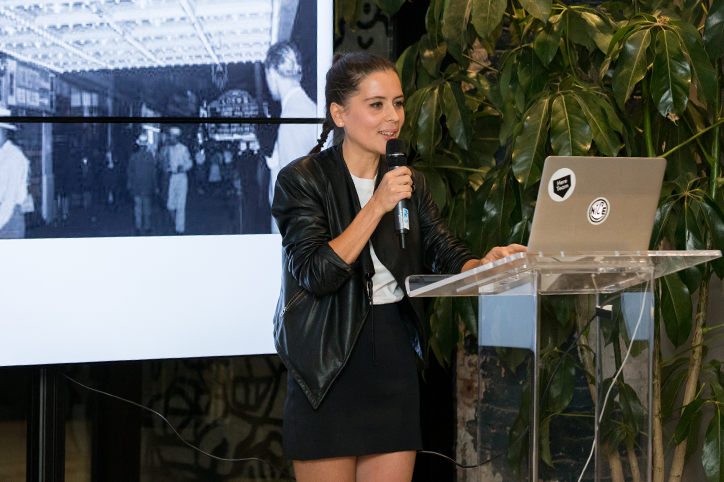
Anna Kulachek
Make your own rules then break your own rules
Anna reflected on her ongoing work as art director of the Strelka institute in Moscow and her development of the identity that was first created by London-based OK-RM. Anna’s designs are ordered by a strict grid that was developed by the studio before it appointed her. “The first time they asked I said no, because Strelka had an amazing identity and I felt that there was nothing for me to do with it,” she explained. “But they explained more about what Strelka wanted to become, and I said yes.” Anna set herself three simple rules for working with the existing identity – allowing herself a simple change, a double layer or using the grid as a design – and was able to manipulate it to create a versatile and engaging set of projects. “I became crazy and started to collect anything that had a grid to use as a reference,” she explained. After three years developing an understanding of what was possible, Anna has broken the rules that she created, creating posters and projects that do away with the grids altogether and finding inspiration in more unlikely places – even going so far as to replicate fruit labels for a tropics themed party. “Sometimes I go super crazy and I’m confident enough now to do away with the grid,” Anna stated boldly.
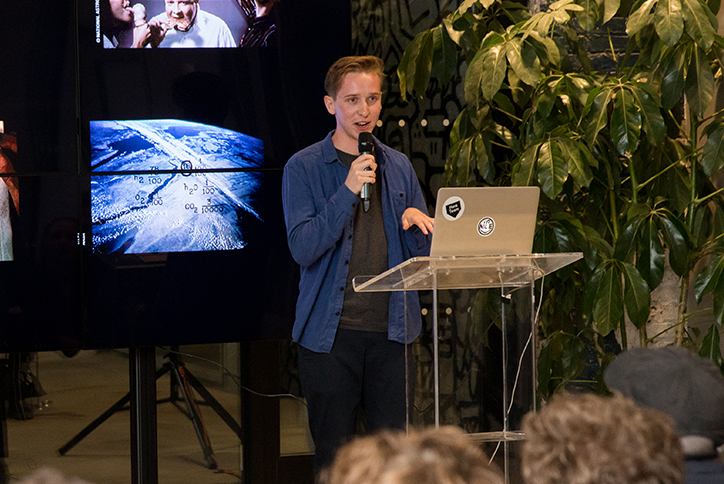
Ben Hutchings
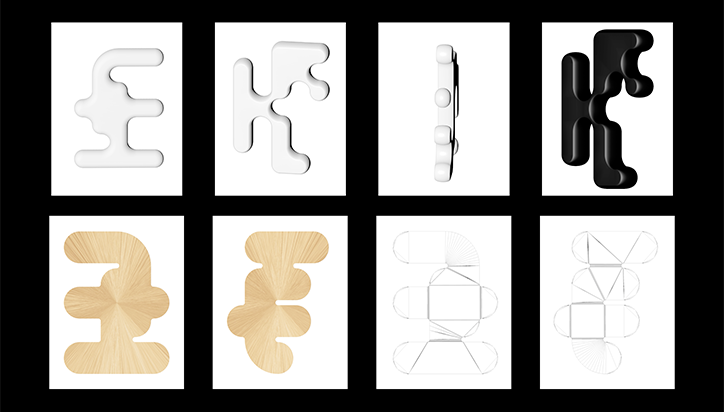
Ben Hutchings: Degree Project
Communicating with the unknown allows for infinite creative freedom
In 2003 NASA sent out the Cosmic Call, a series of binary ideoglyphs that are intended to communicate what life on earth is like with as yet undiscovered beings. “I started using this existing glyphs as the basis to conduct my own graphic experiments,” said Ben Hutchings as he explained his final degree project. As there is no clue how the binary data might be read, he began to lay out the code in a new pattern and in turn created a new graphic language. Finding inspiration in the cosmic messages and the work of Sol Lewitt, Ben started to search for meaning through deliberate abstraction of already abstract messages by trying to put himself “in the shoes of this unknown audience we’re trying to communicate with him.” His final outcomes are realised digitally and physically, hinting a a new language that is realised in ways unbound by regular conventions.
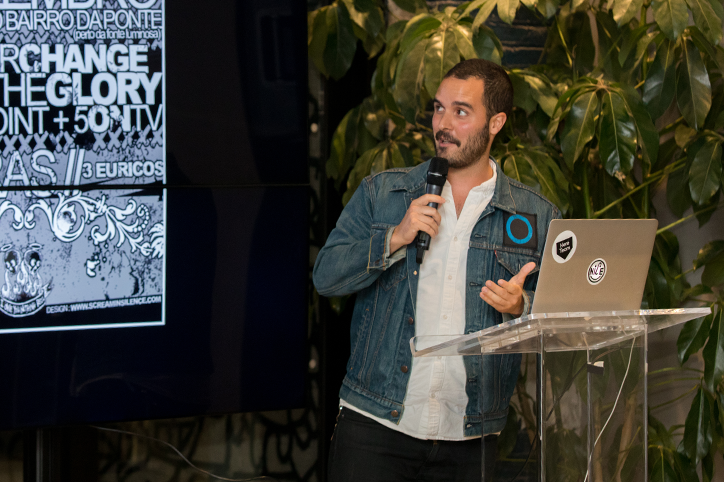
Braulio Amado
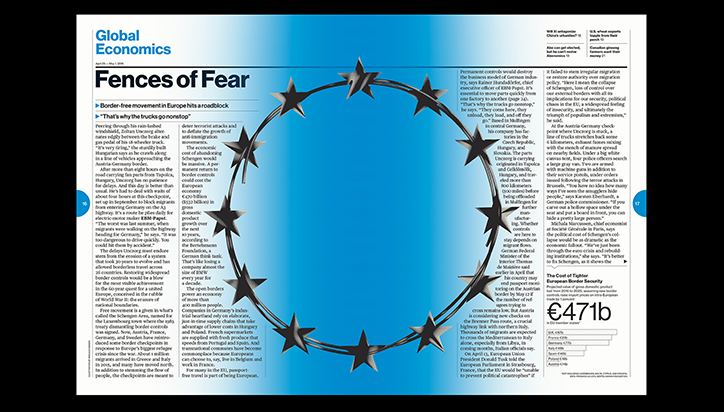
Braulio Amado: Bloomberg Business Week
If a message is serious, it doesn’t necessarily mean that it can’t be funny
After getting into punk rock and hardcore while at high school Braulio started to produce flyers and zines for local bands. This got him interested in graphic design and eventually studying the subject at university. This punk rock attitude served the designer well, eventually landing a job with Richard Turley on the creative team at Bloomberg Business Week. “Opportunity comes from taking risks,” said Braulio. “The creative freedom was part of the job. I didn’t know much about economics. I still don’t, but the fact I was so dumb led me to do crazy stuff.” One of the cover stories Braulio was briefed to produce was about the love affair between Wall Street traders and oil stocks. The issue was to be published on Valentine’s day. “I sketched this really dumb love story about a business man and a barrel,” he explained. “There were a lot of sketches. The challenge was trying to say something visually when there wasn’t really a visual story to tell. Translating something boring into something fun and visual allowed us to try different styles of design and illustration.” It’s an ethos that Braulio carries to this day: “I just use the same work ethic: experiment,” he said.
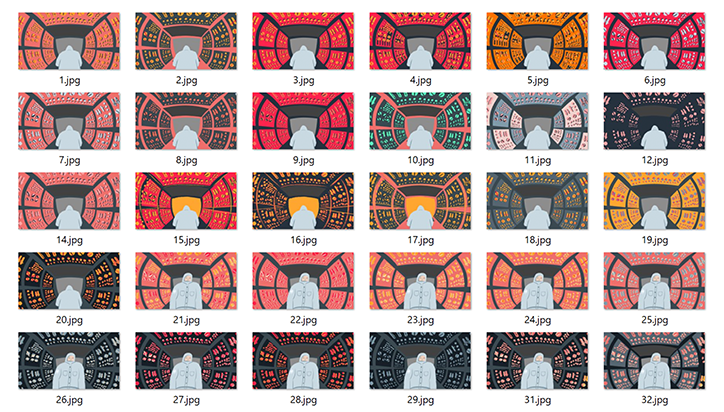
Katy Wang: Contact
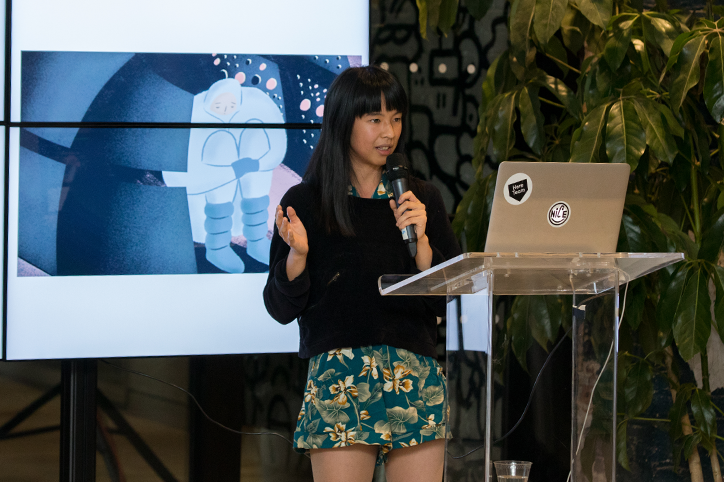
Katy Wang
Tugged heartstrings remain a fruitful muse
Katy’s seven-and-a-half-minute film Contact stars a lonely astronaut looking for interaction on an ill-fated space mission. “The idea for the film came from wanting to make something inspired from my experience of being in a long distance relationship and the feelings of loneliness and the desire for contact that come with it,” explained Katy. By doing away with dialogue and having just one character, the story relies on gesture and facial expressions to evoke empathy. The film took six months to make, at a painstaking pace of 5 seconds a day – “on a good day” – Katy found the hard work rewarding. “I created experimental films and light-hearted work in the first years of my degree,” reflected Katy. “So I wanted to challenge myself to make a purely narrative film that was a bit more serious and character-driven.”
Supported by A/D/O
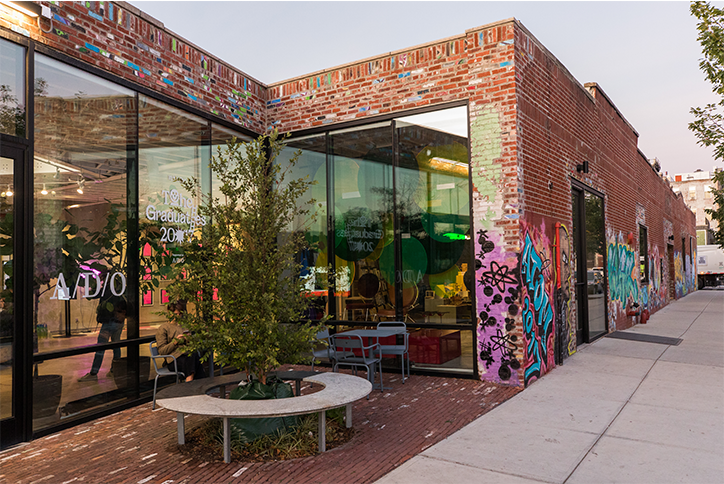
Founded by MINI, A/D/O is a creative space in Greenpoint, Brooklyn dedicated to exploring new boundaries in design. At its heart is the Design Academy, which offers a range of programming to professional designers, intended to provoke and invigorate their creative practice.
Share Article
Further Info
About the Author
—
This article was written by the It’s Nice That team. To find our editors and writers, please head over to our Contact page.