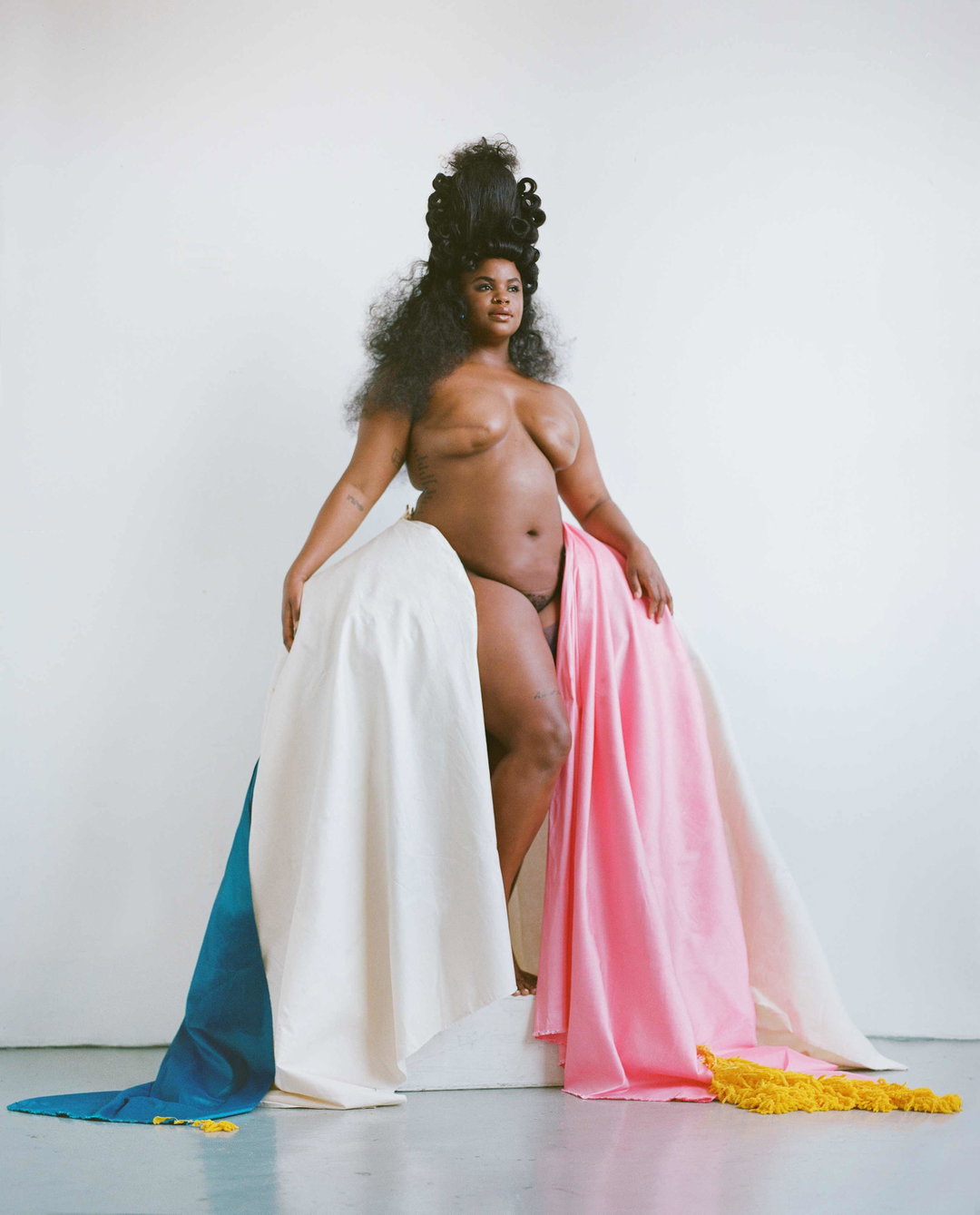
Confronting social narratives, Camila Falquez's impactful photo project celebrates beauty and power in all forms
The photographer talks us through her year-long project that spans portraits, stories, large-scale murals and a print sale raising funds to protest the lives of trans women of colour.
A Colombian, Mexican and Spanish photographer and filmmaker living in New York, Camila Falquez turned to image-making for its ability to transcend our beliefs in reality. “Photography has the power of manifesting the impossible,” she tells It’s Nice That. “It has the power of creating a reality we haven't seen before.” With this ethos in mind, Camila – alongside an array of personal works – has been published widely in Vogue, The New York Times, Dream Magazine, Sleek, Perdiz, The Fader among others, and she’s also taken on commissions for brands such as Nike, Hermes and Loeffler Randall.
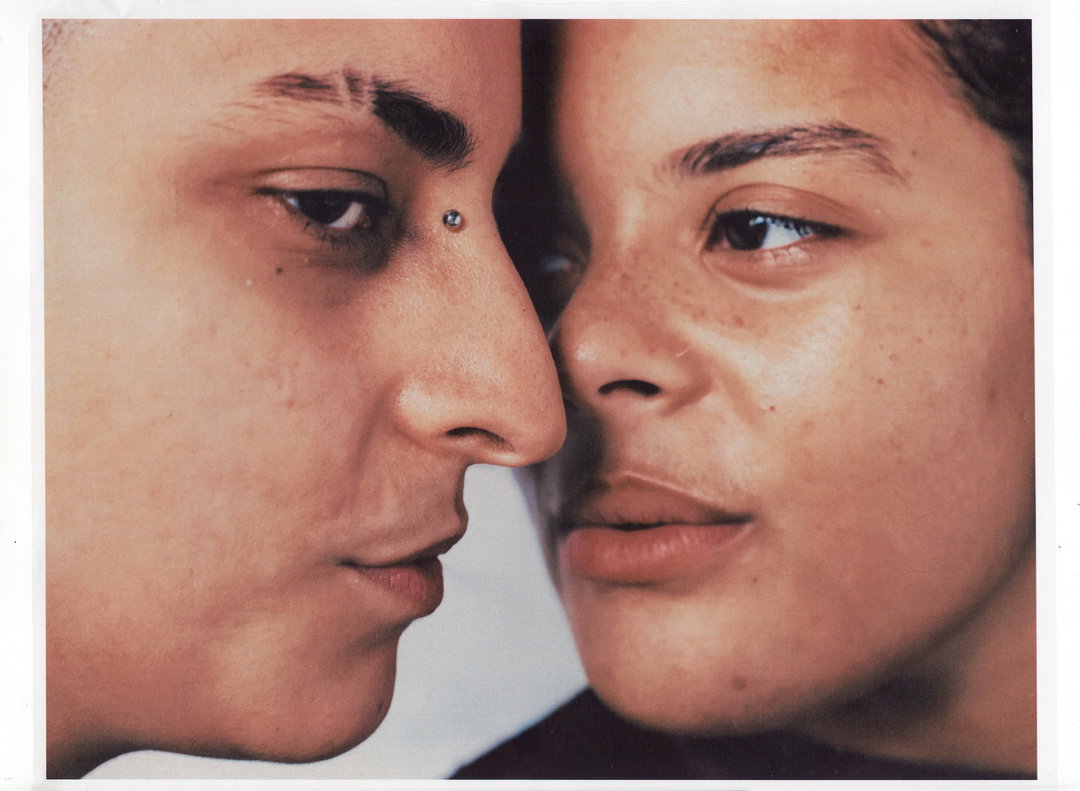
Inspired solely by humans, Camila’s work resultantly presents the human form in all its multifarious glory – perhaps something that’s inspired by her former life as a ballet dancer. Take her previous project Humanidad aqua arriba as an example; two models – one of black skin and one of white – are presented together in a soft embrace. Showing the tactility and indifference of a person’s skin up-close, her intimately framed shots are there as a reminder of our connectivity, no matter what we look like. Among many captivating portraits and documentations of community – particularly those that are unrepresented and marginalised within society – there’s also her series titled Geiko, that sees Camila photograph her subject in full traditional Geisha attire as she wanders the disparate city streets in the rain.
Most recently, however, Camila has launched Being in History. With what initially started over a year ago in her studio, Camila had invited some friends over to shoot a portrait series. Upon retrieving the film, she soon realised the breadth of the project. “I realised I had something way bigger than myself in my hands,” she tells us. “Those first portraits were these strong and present entities telling a story we have not been told in the history of beauty.” With this in mind, she embarked on a personal quest to investigate and learn not only about queer history, but also about art.
GalleryCamila Falquez: Being In History, Alok Menon
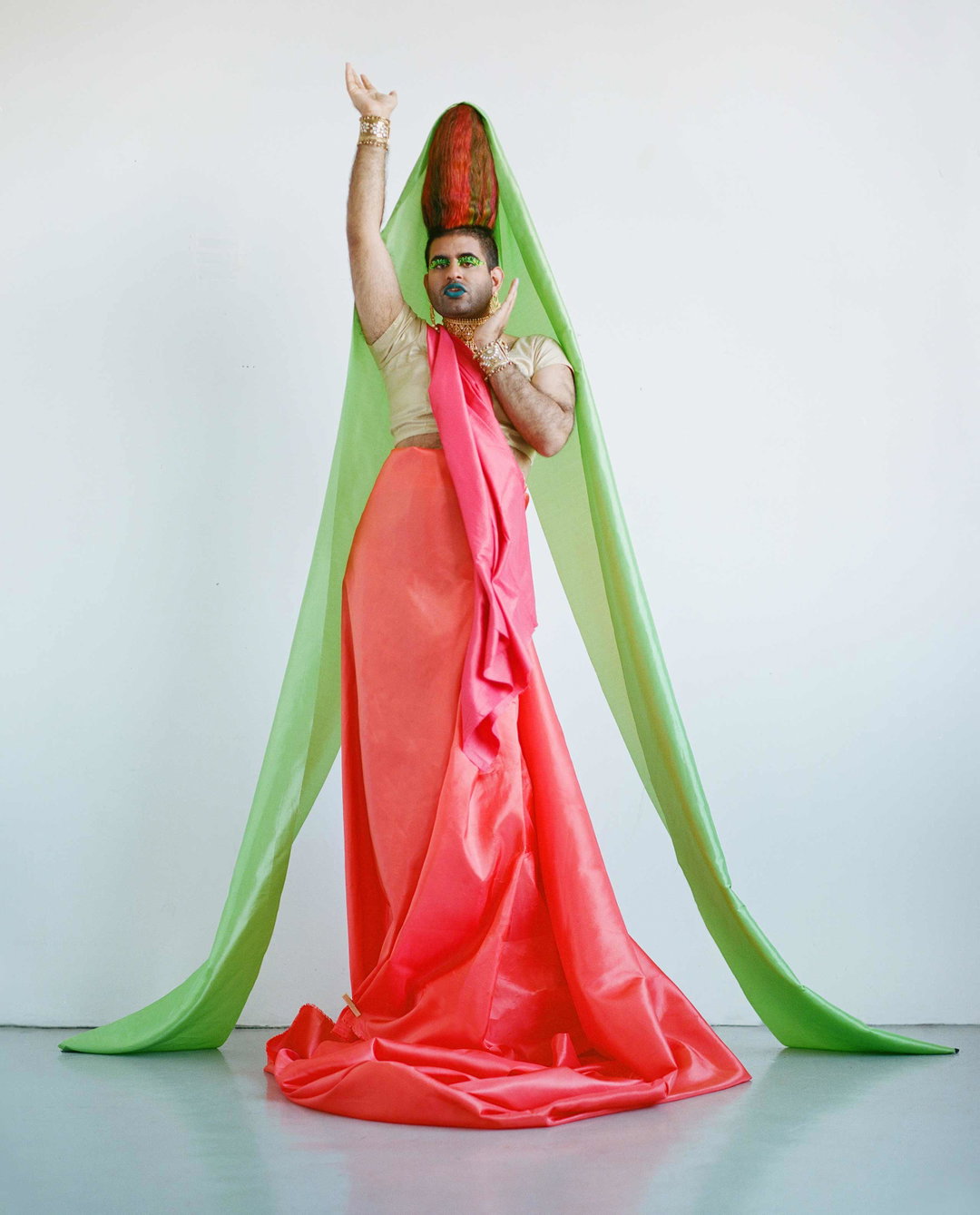
Her learnings of such resulted in the realisation that there is a strong connection between power and beauty: “That it’s the same people in the paintings we admire in the museums that are in positions of power,” she says, “and I understood that by changing the definition of who is beautiful, who owns dignity and regality, we will change the social understand of power.” Her quest resulted in the awareness of her responsibility as an image maker, which grew alongside her education on the matter and how she would proceed to put these images out into the world. Best behold that Camila never expected these pictures to come out in this manner but, she adds: “when this global crisis started, I realised I could no longer hold on to them.”
Setting out to complete the series, Camila decided to self-release the photographs and to present each with the stories of her subjects at the “centre of the narrative of the project.” This was fulfilled by sending each subject their own photograph, before deciding how to create the manifesto (which is written by Anisa Tavangar), as well as including the subjects’ thoughts on power, beauty and history. “We also created a print sale to raise funds to protest the lives of trans women of colour,” she adds. Next, in “an attempt to occupy space between the algorithm on Instagram”, Camila explains how she cycled to Manhattan every day for two weeks in search for the perfect walls to cover in the imagery, sealed with wheat paste. “After speaking to over 50 landlords, I managed to find six beautiful walls to paste a selection of the photos from the project,” she says. “And so with the help and determination of my friends, we pasted the beautiful photos in the streets of the West Village and Chelsea – the same streets where The Stonewall riots started 50 years ago.”
As for the imagery included within this project, Camila notes how important the self-releasing aspect of it really is – particularly as it means it positively lacks the editing and curatorial process. “Being is a mixture of forms of existing, all beautiful and full of power,” she says. Each and every portrait is “worth the attention”, with each and every subject releasing their own narrative to share within this wonderful project. Describing it as a “movement created by us, for us,” Camila’s main goal with Being in History is that she hopes that her subjects will feel seen and beautiful.
“I hope these photos can penetrate the social narrative of beauty and power, and I hope people confront their own fears and paints about gender," she concludes. "I hope they help those who live above the gender binary and those who live in it; I hope they go beyond this project, and that soon these subjects (and everyone that sees themselves in them) exist in the walls of the museums, in states, in positions of power, in regular jobs. Lastly, I hope the subjects of the photos can just exist, and simply be.”
GalleryCamila Falquez: Being In History
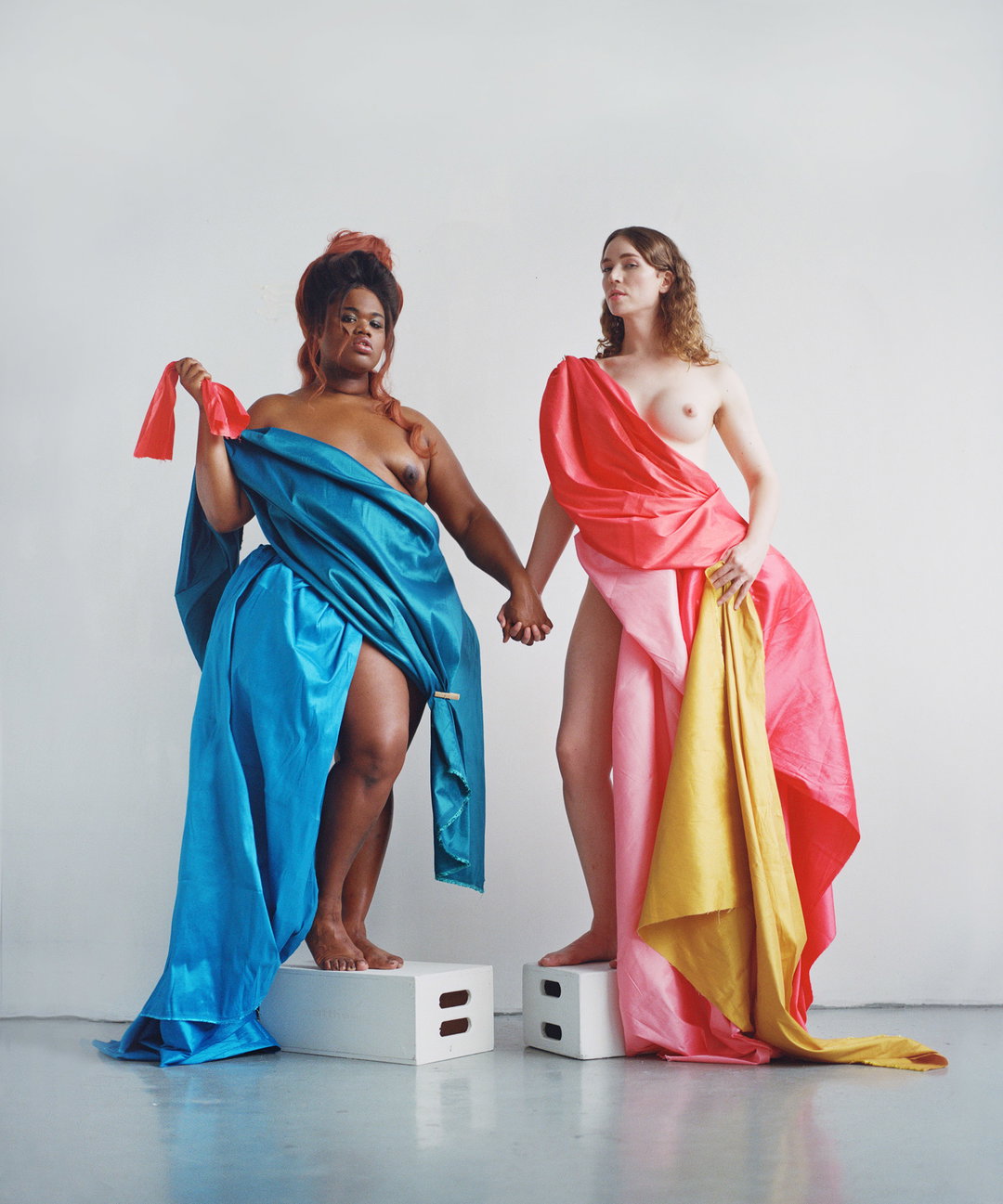
Jari Jones and Corey Daniella Kempster
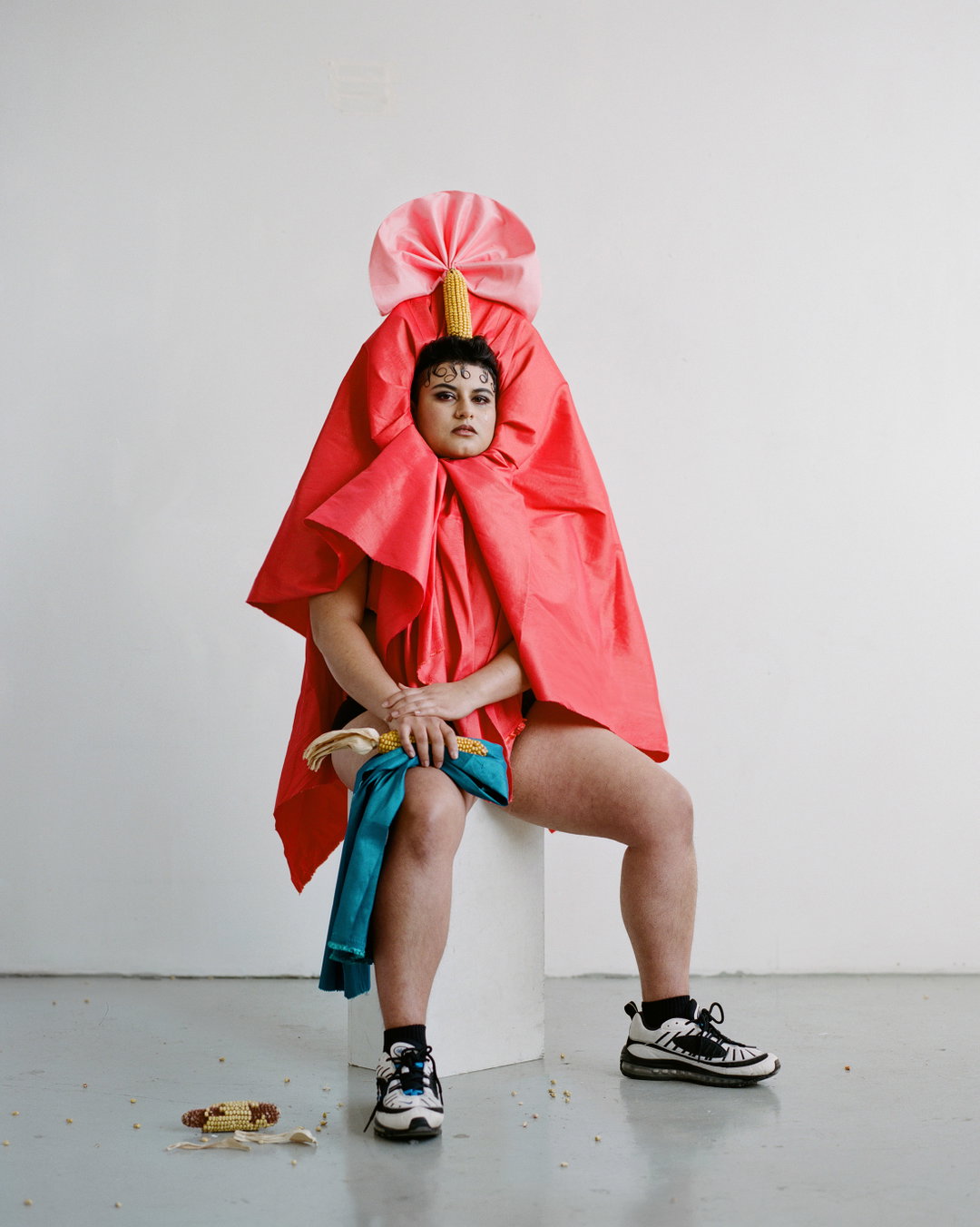
Amarise Carreras
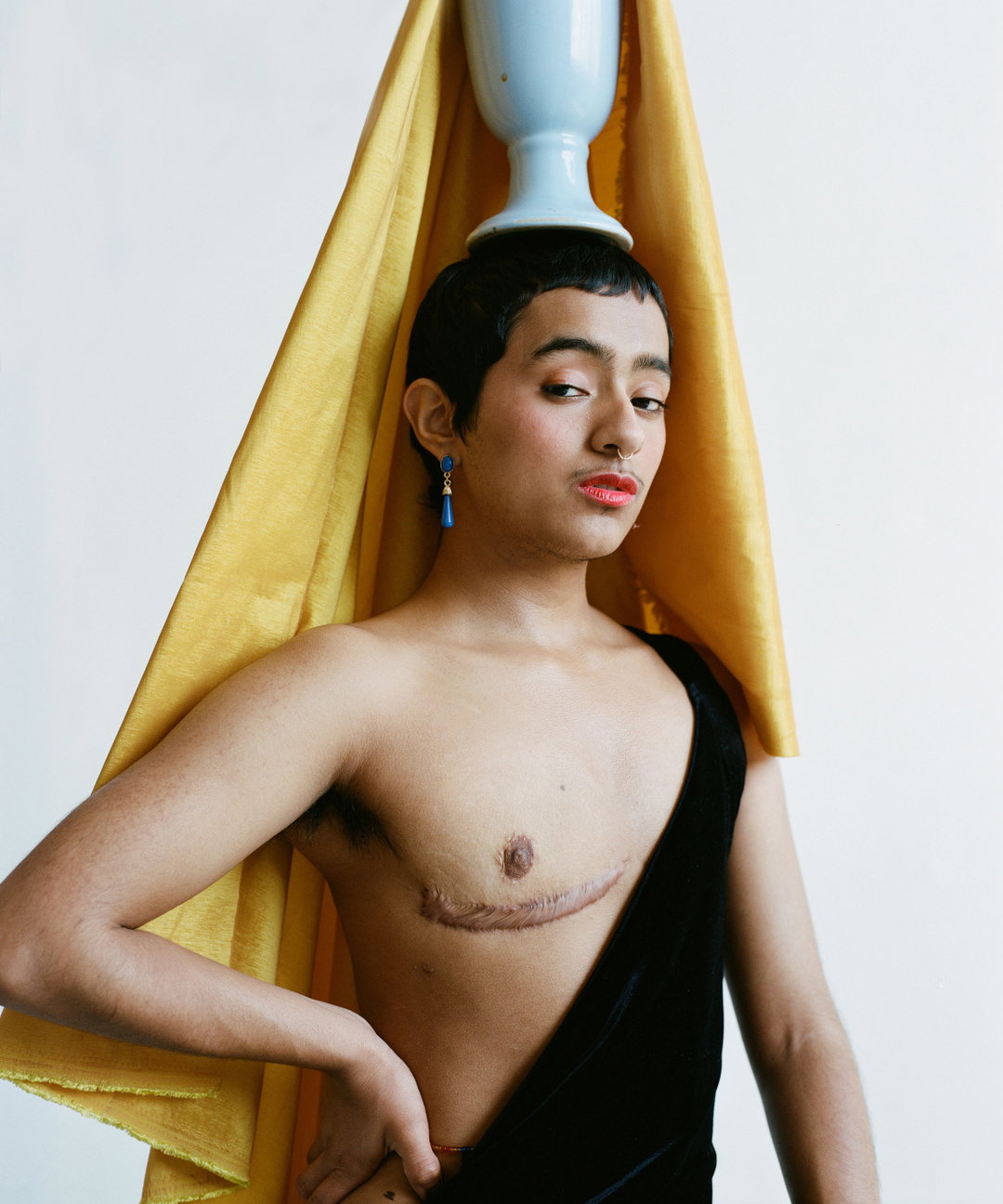
Artemis
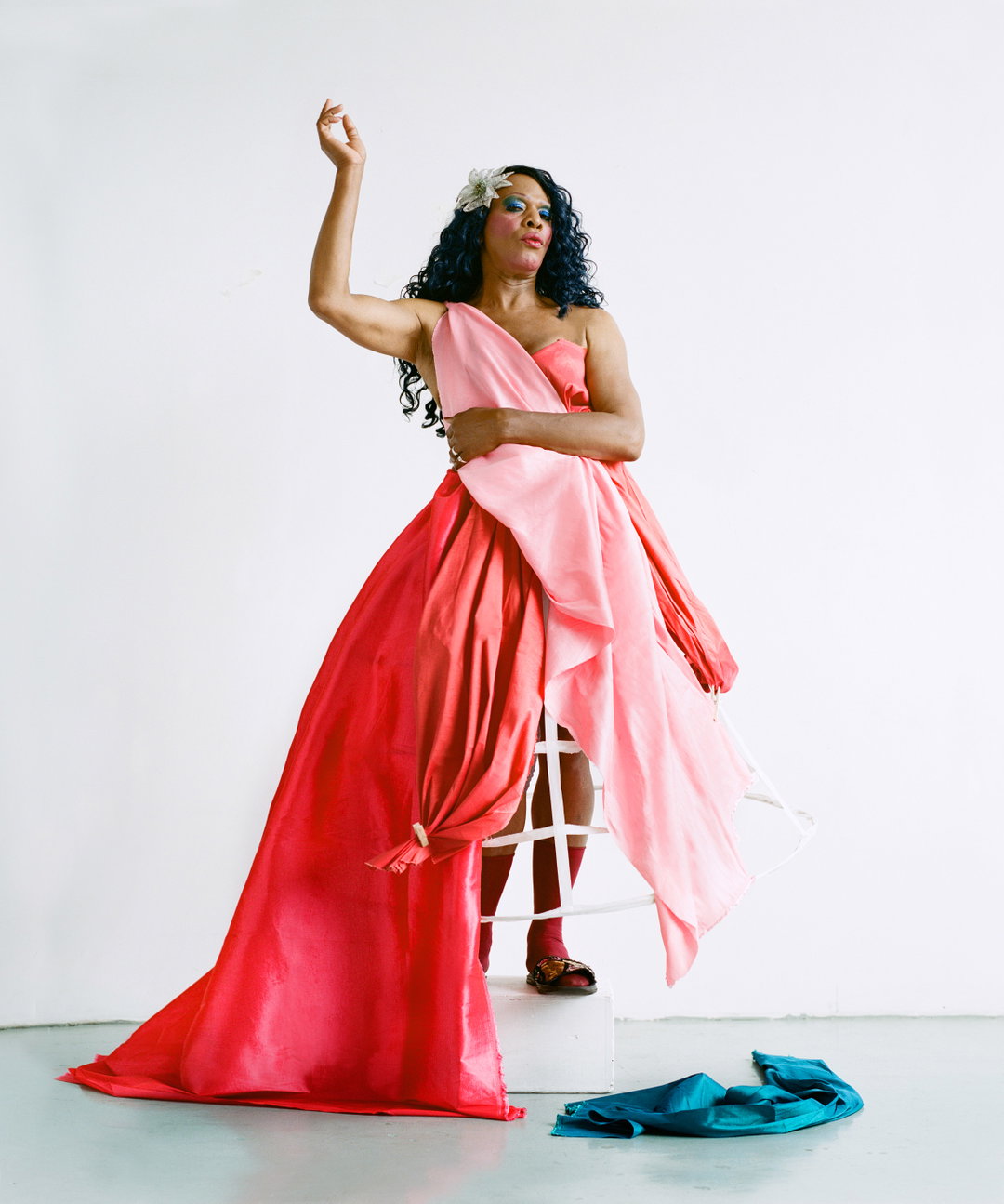
Simone
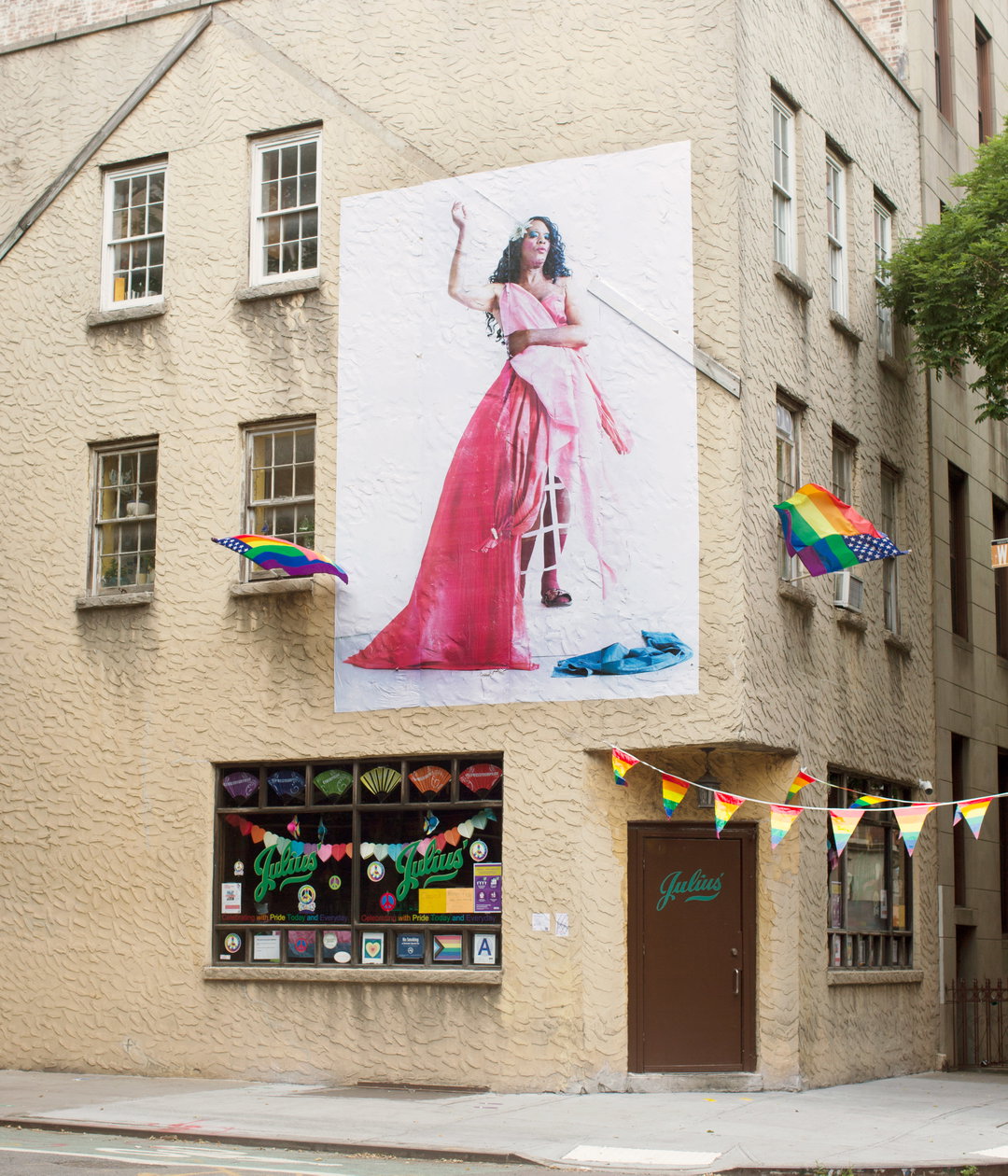
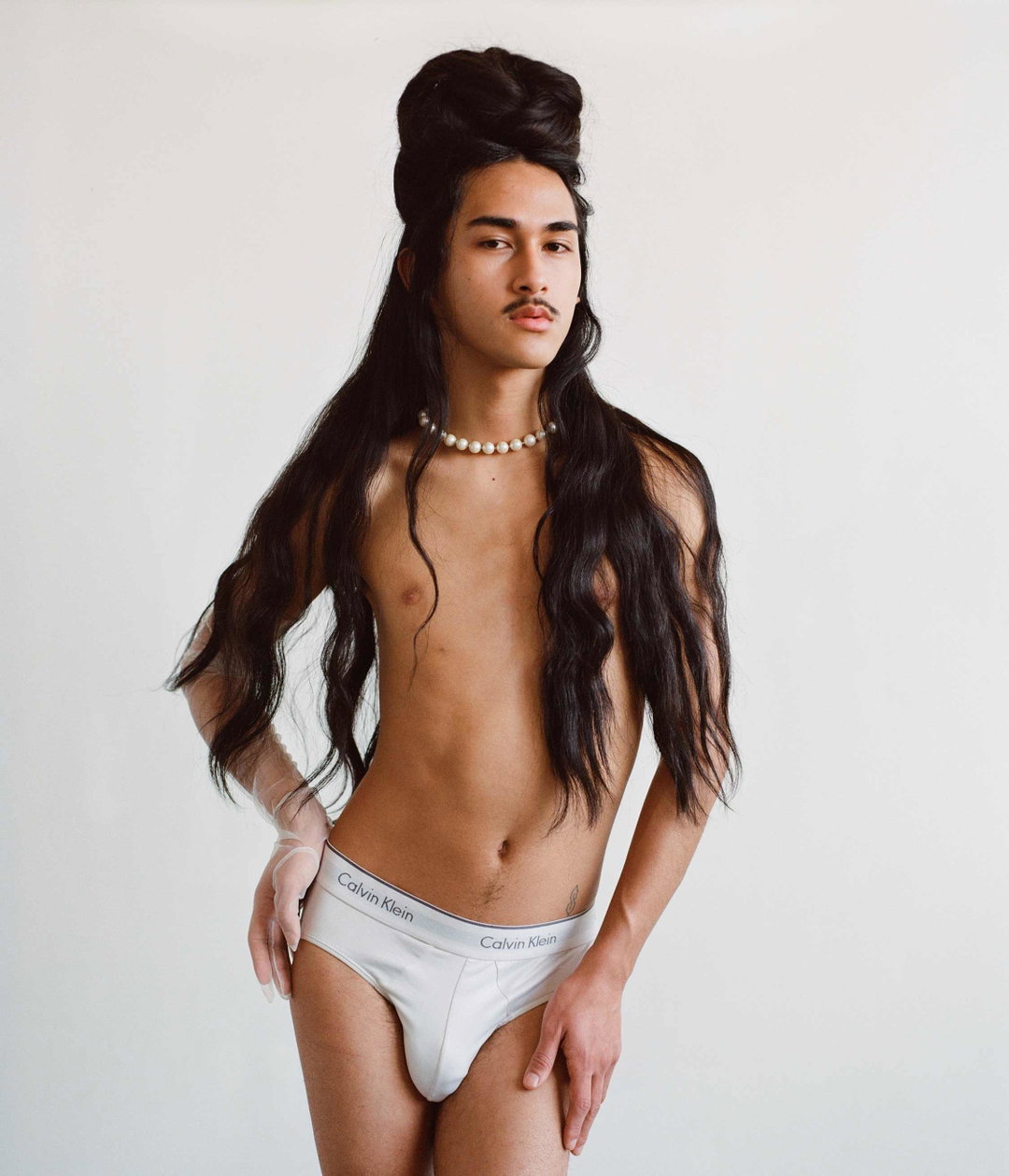
Jeffrey Prada
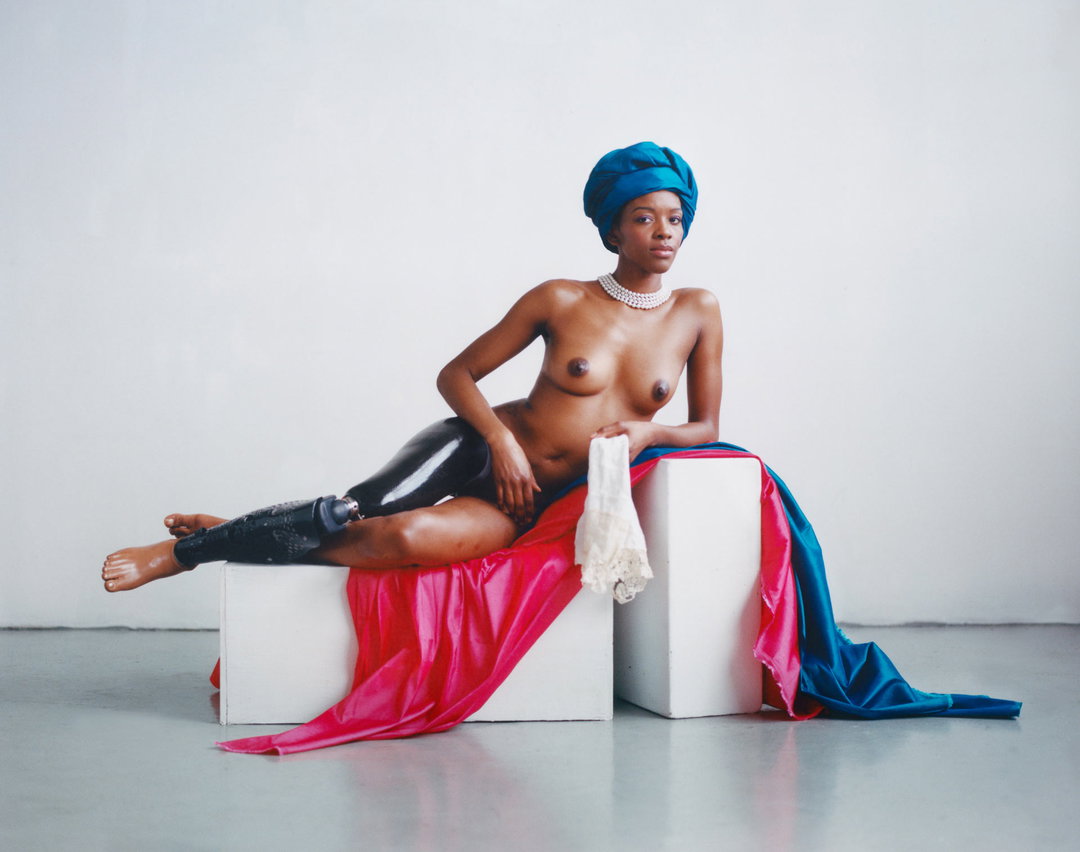
Kiara Marshall
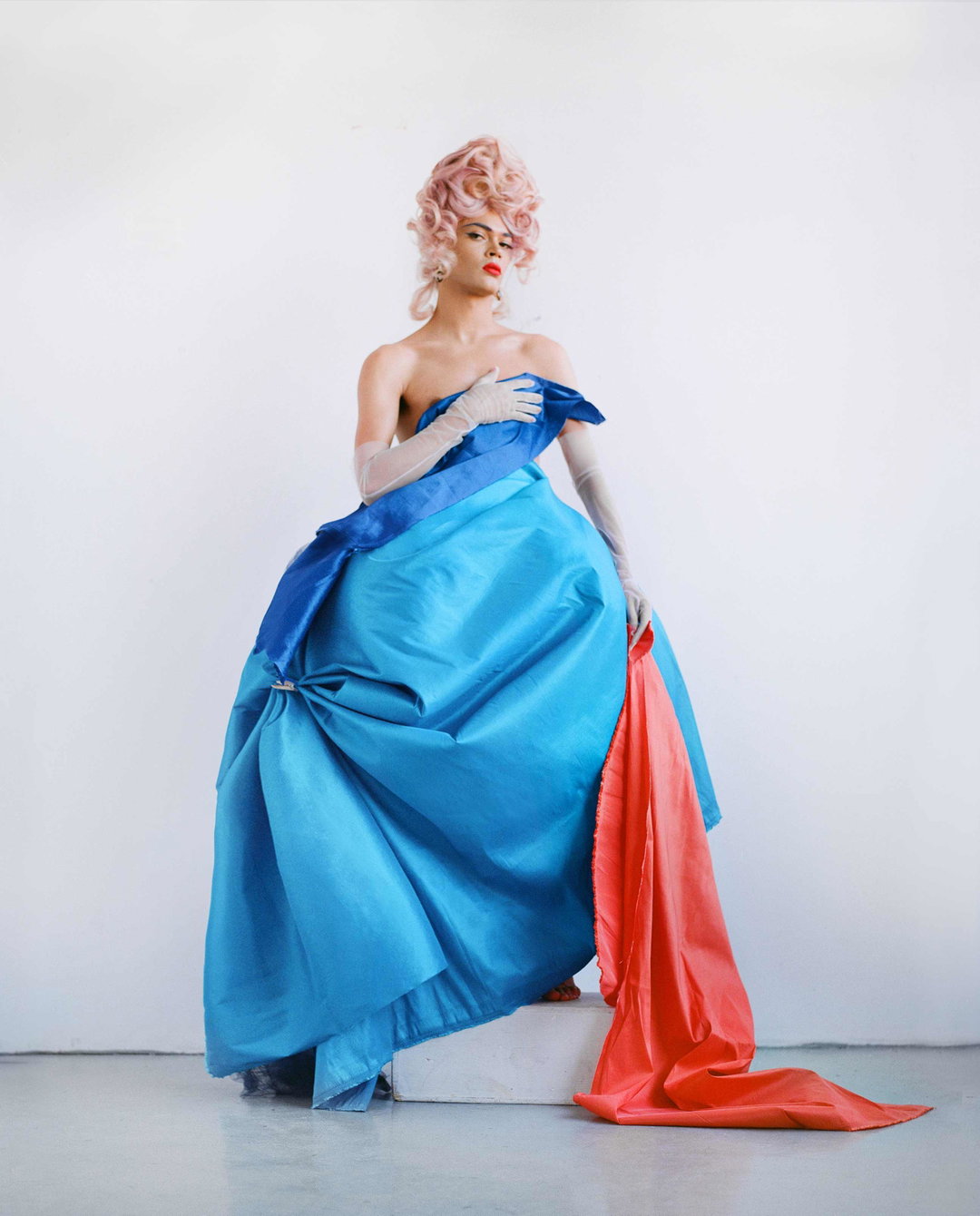
West Dakota
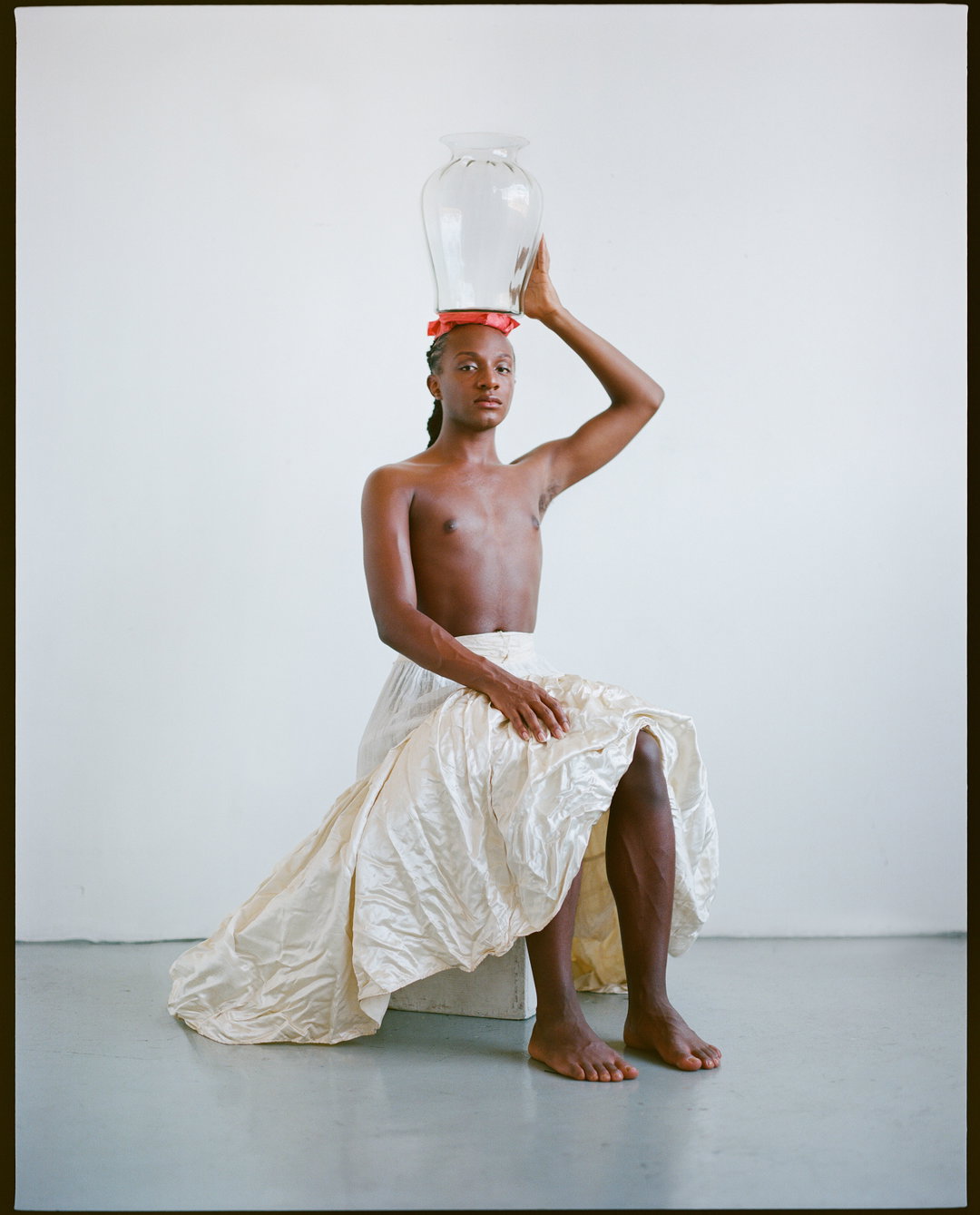
Joshua Allen
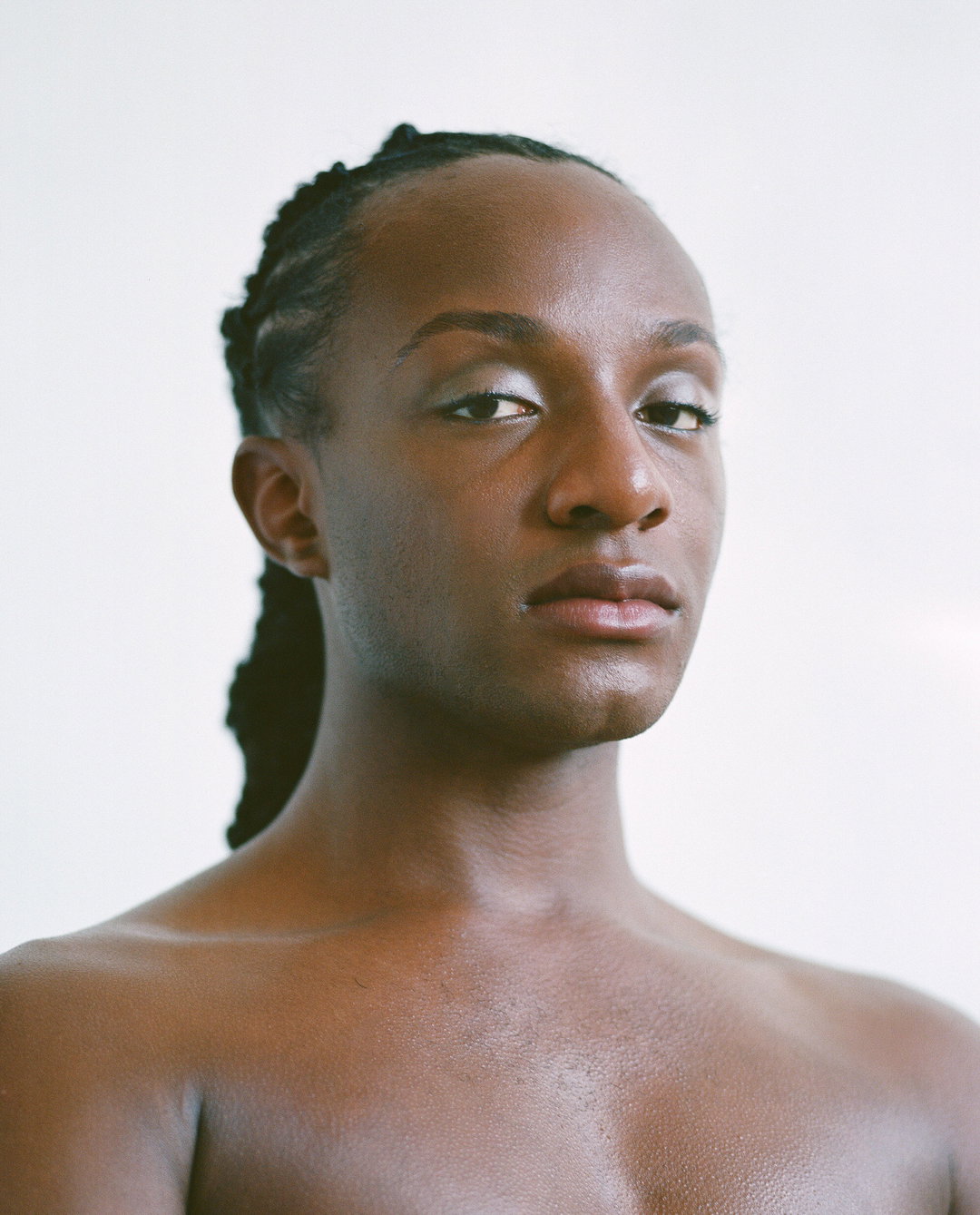
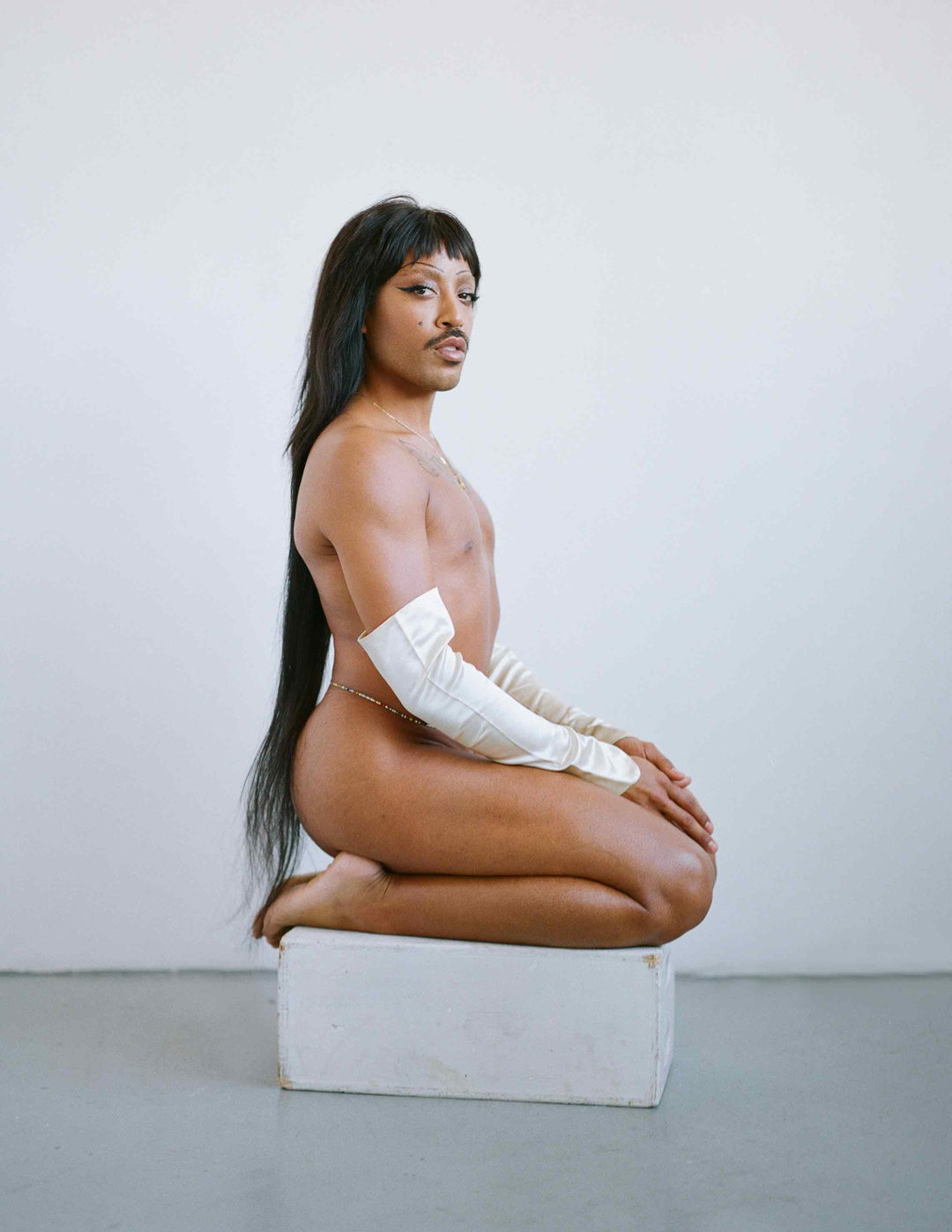
Jeffhova
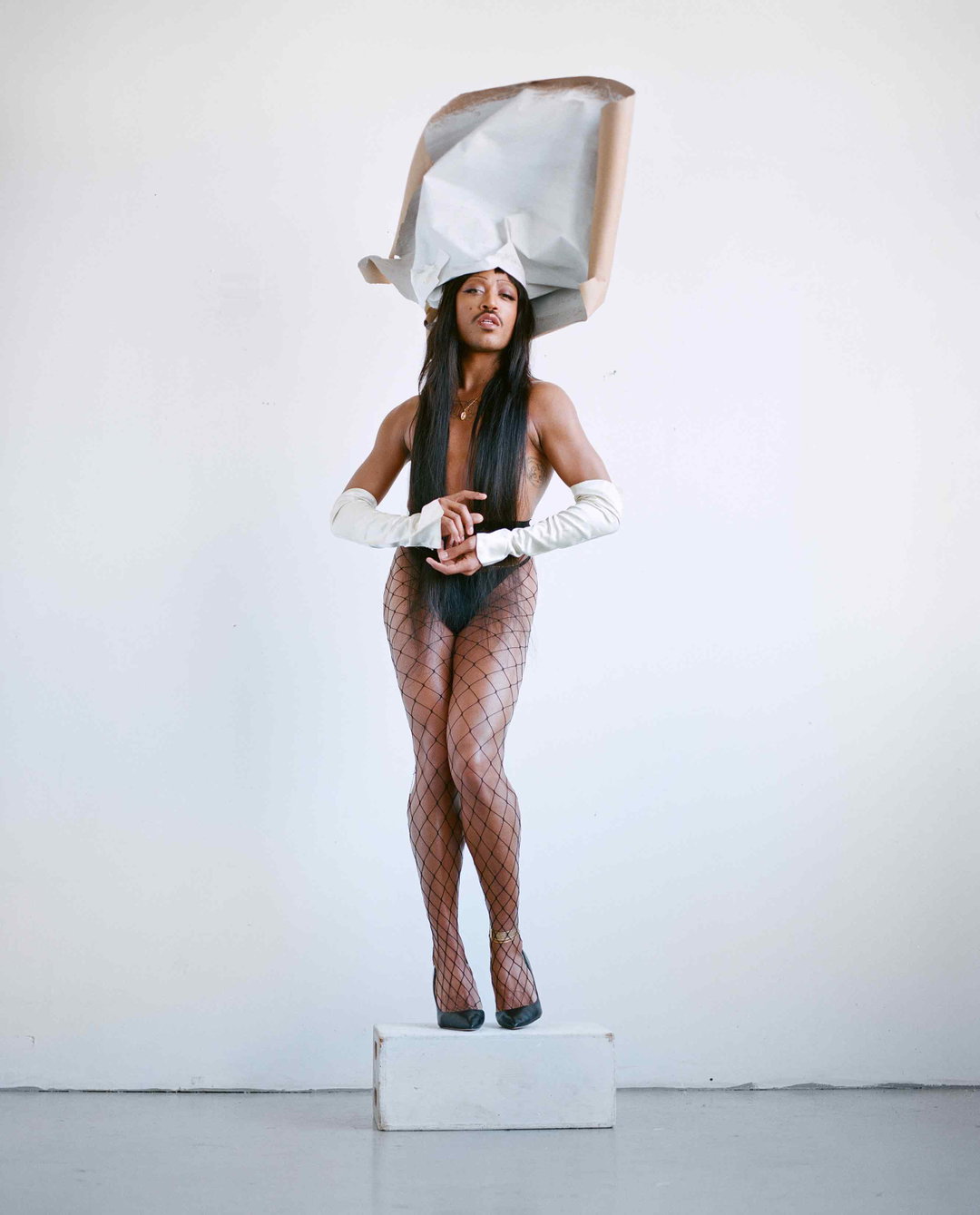
Jeffhova
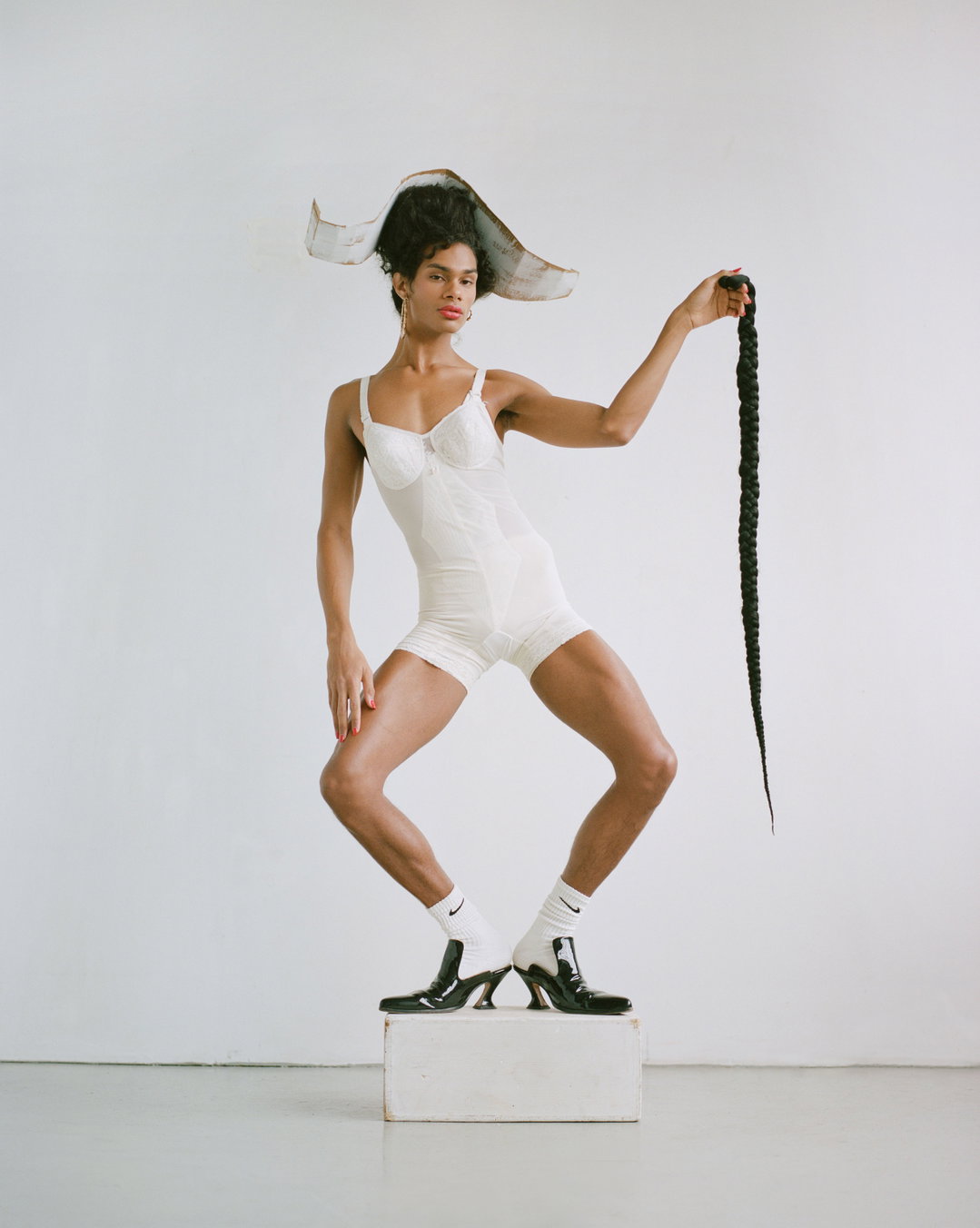
Zachary Tye Richardson
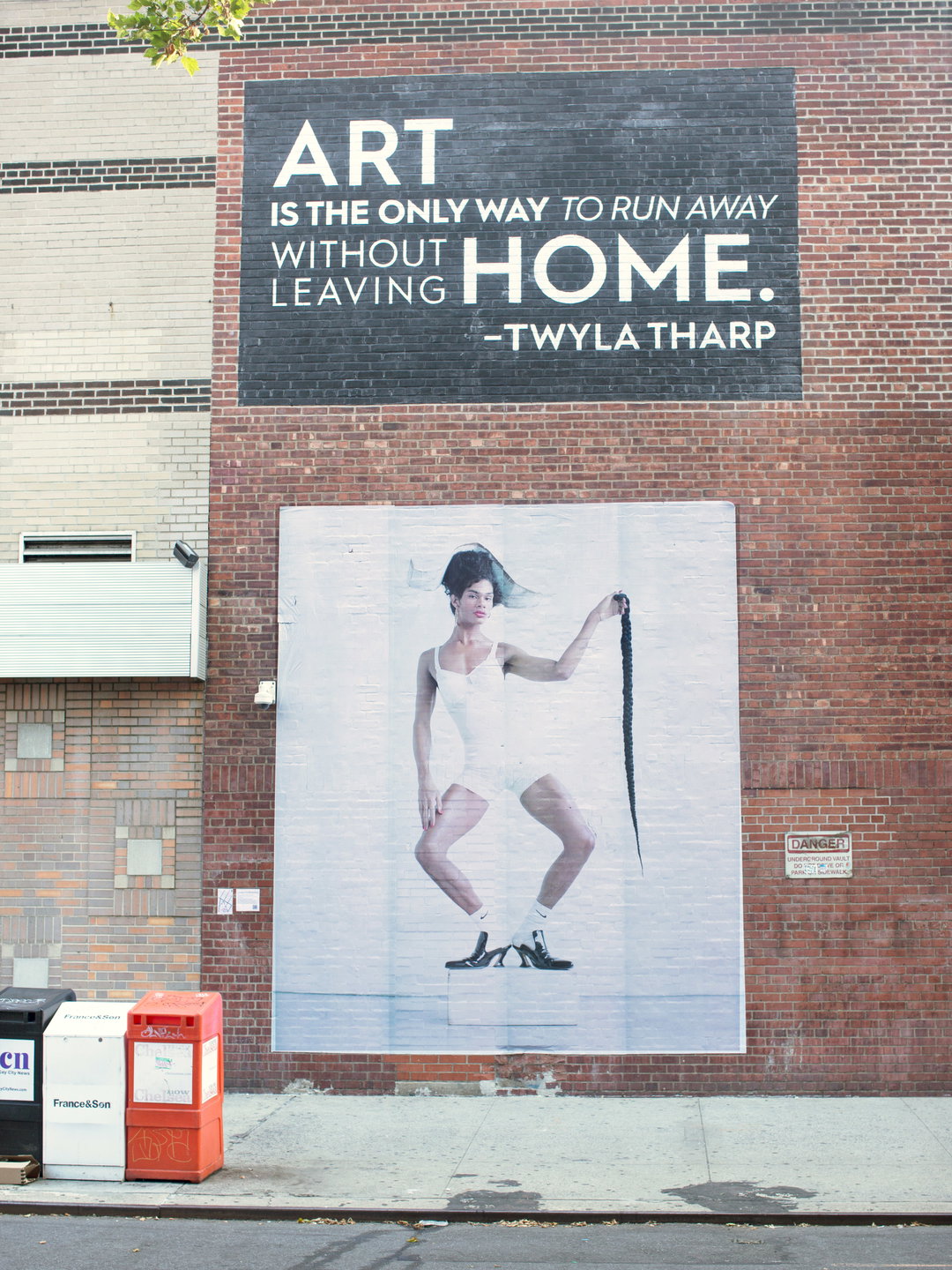
Share Article
About the Author
—
Ayla is a London-based freelance writer, editor and consultant specialising in art, photography, design and culture. After joining It’s Nice That in 2017 as editorial assistant, she was interim online editor in 2022/2023 and continues to work with us on a freelance basis. She has written for i-D, Dazed, AnOther, WePresent, Port, Elephant and more, and she is also the managing editor of design magazine Anima.