Sonder: Adam Lin’s affectionate depiction of masculinity in domestic spaces
The photographer explores masculinity within domestic spaces in Taiwan and the UK, blurring the lines between performance and documentary.
Share
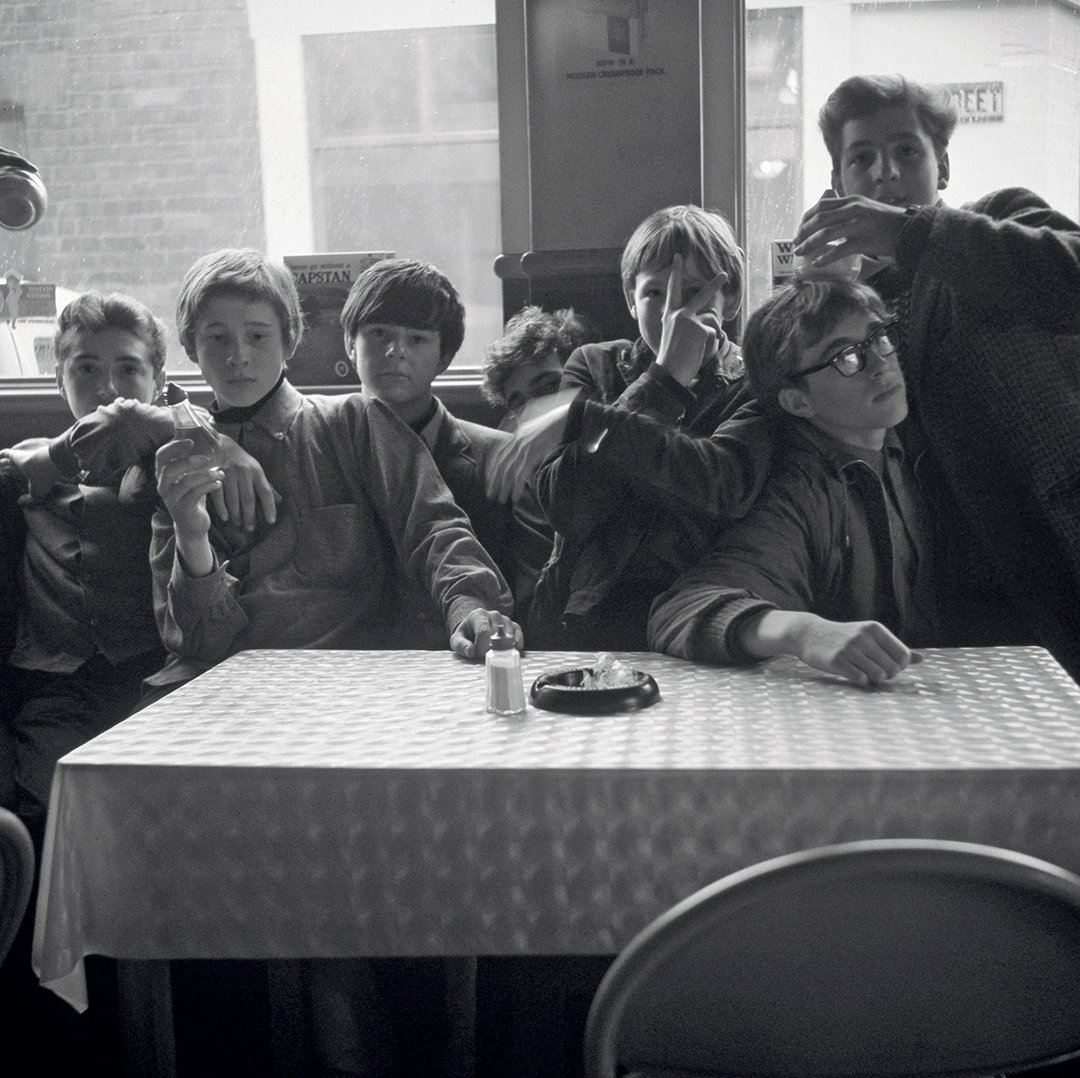
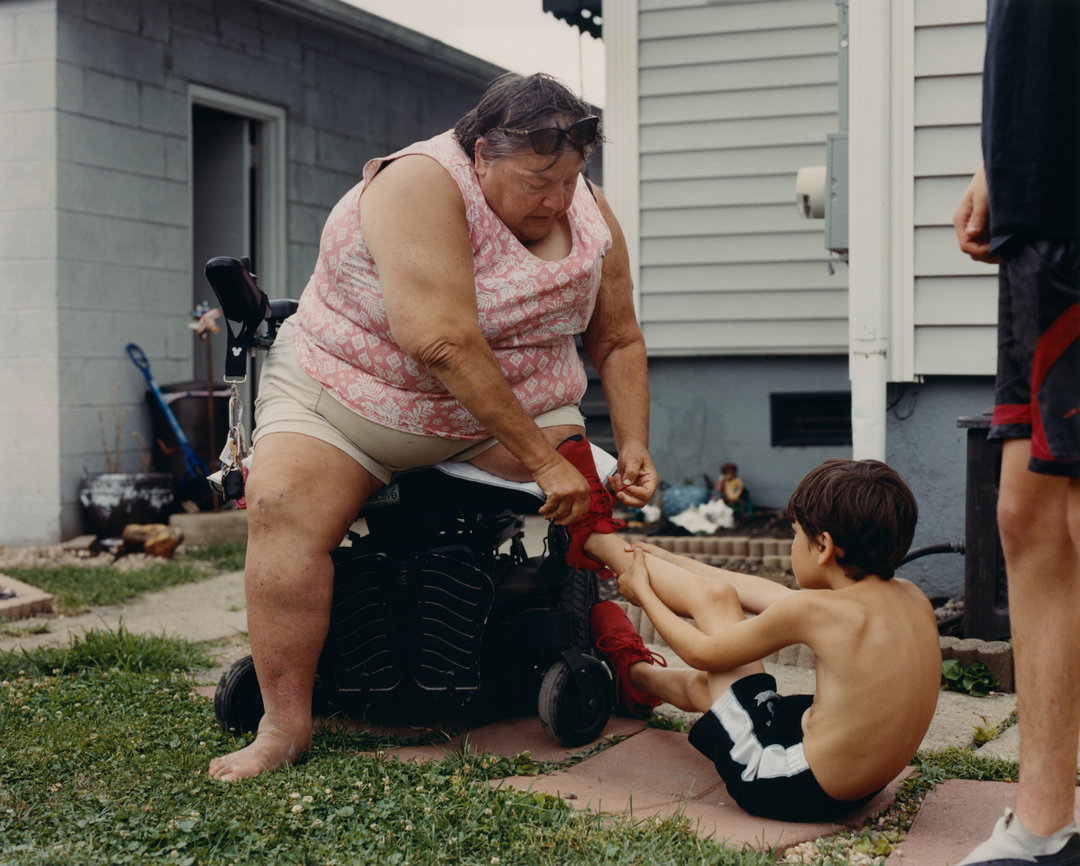
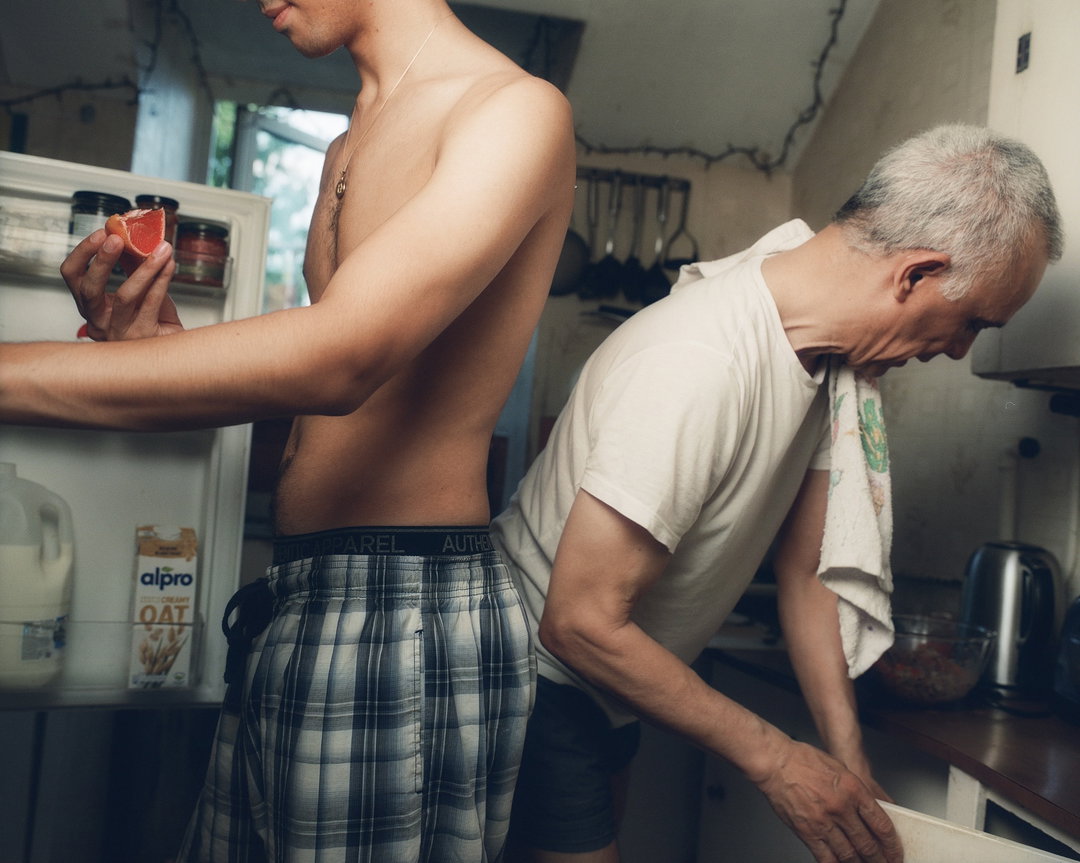
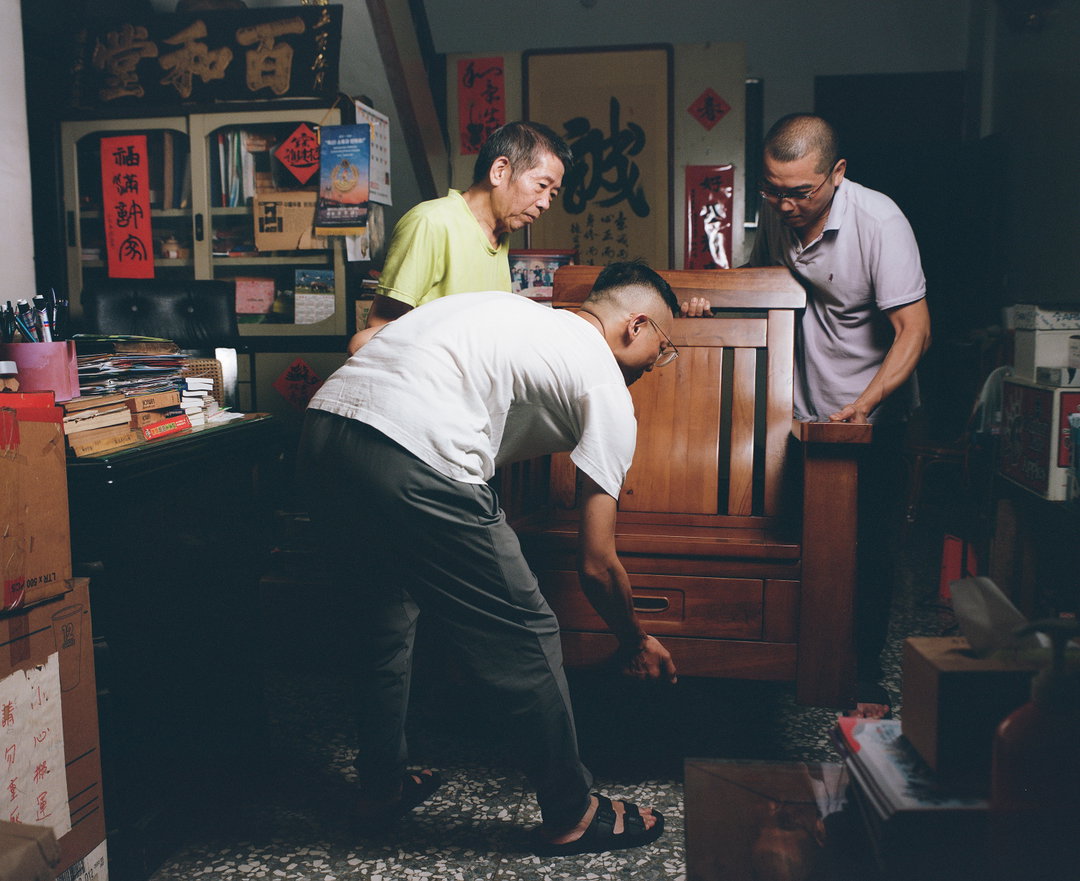
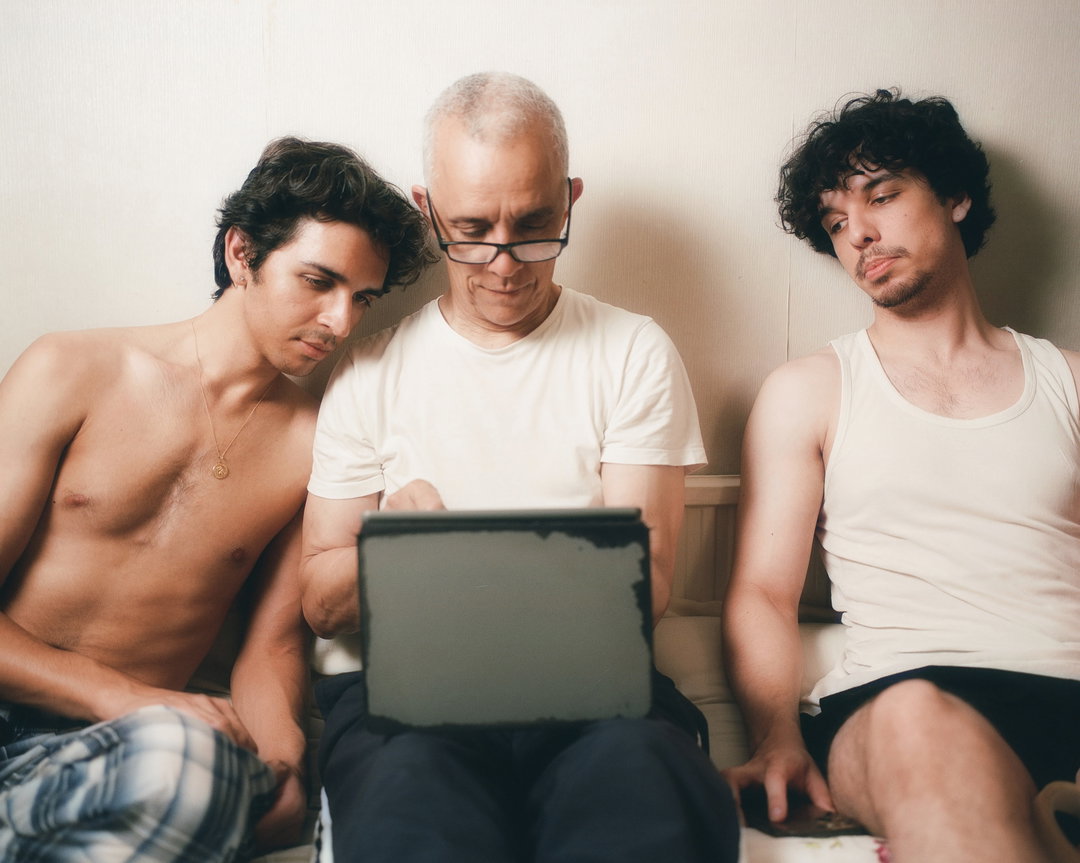
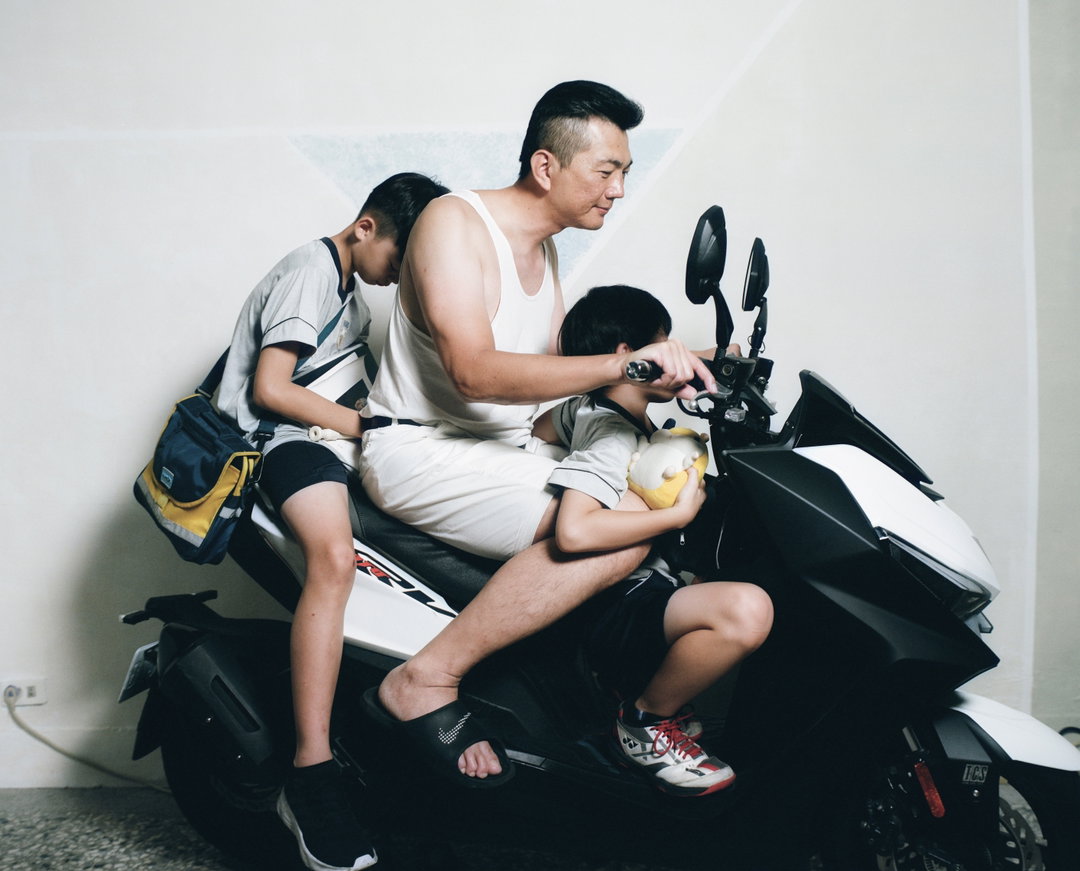
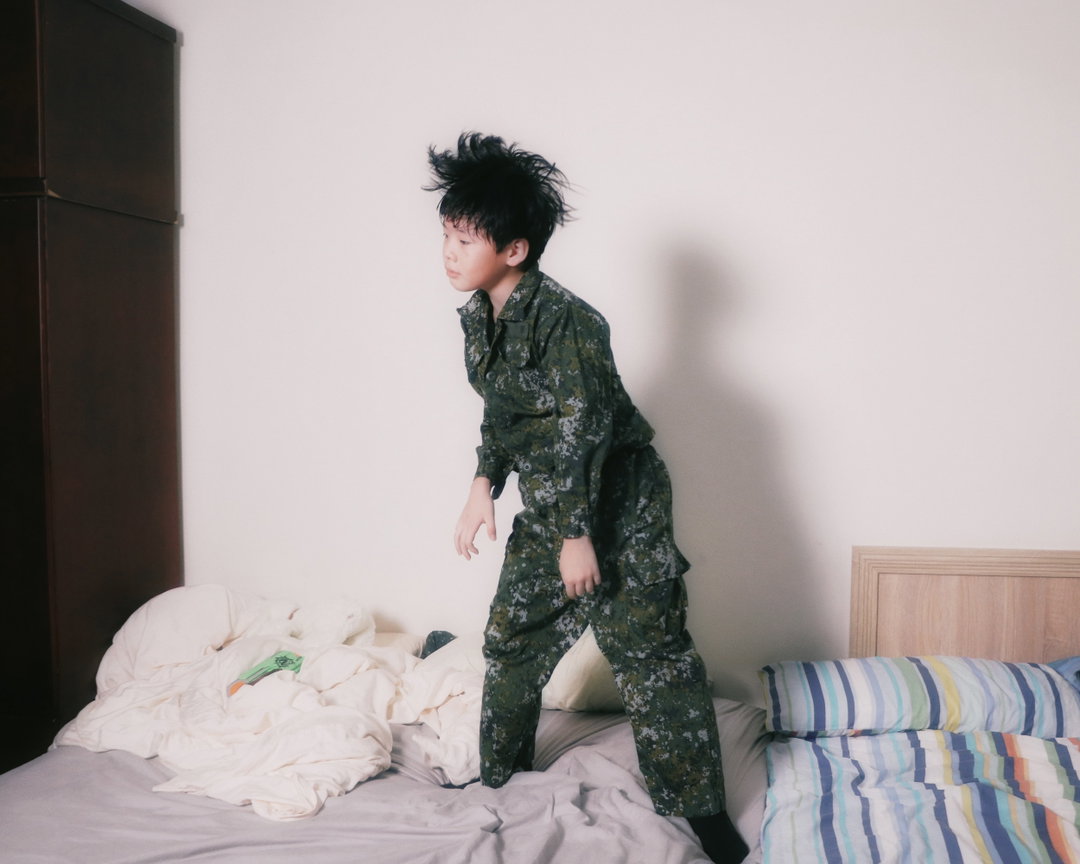
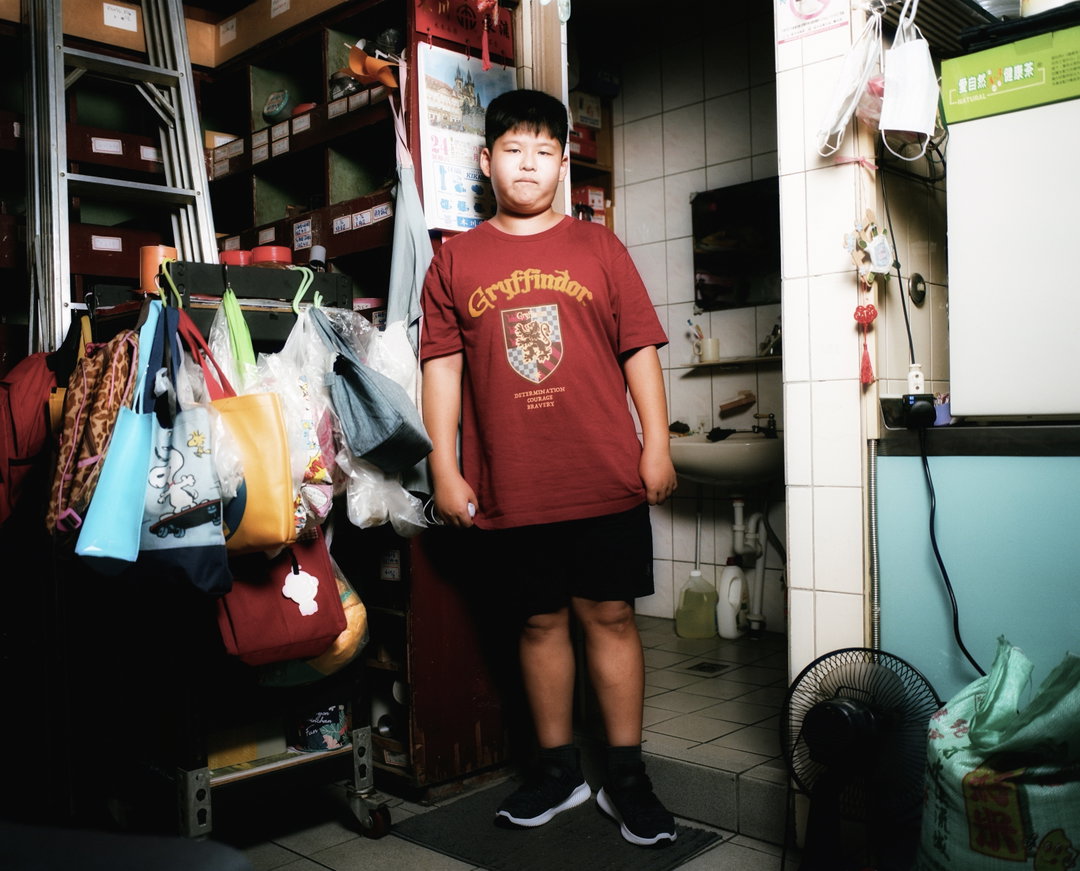
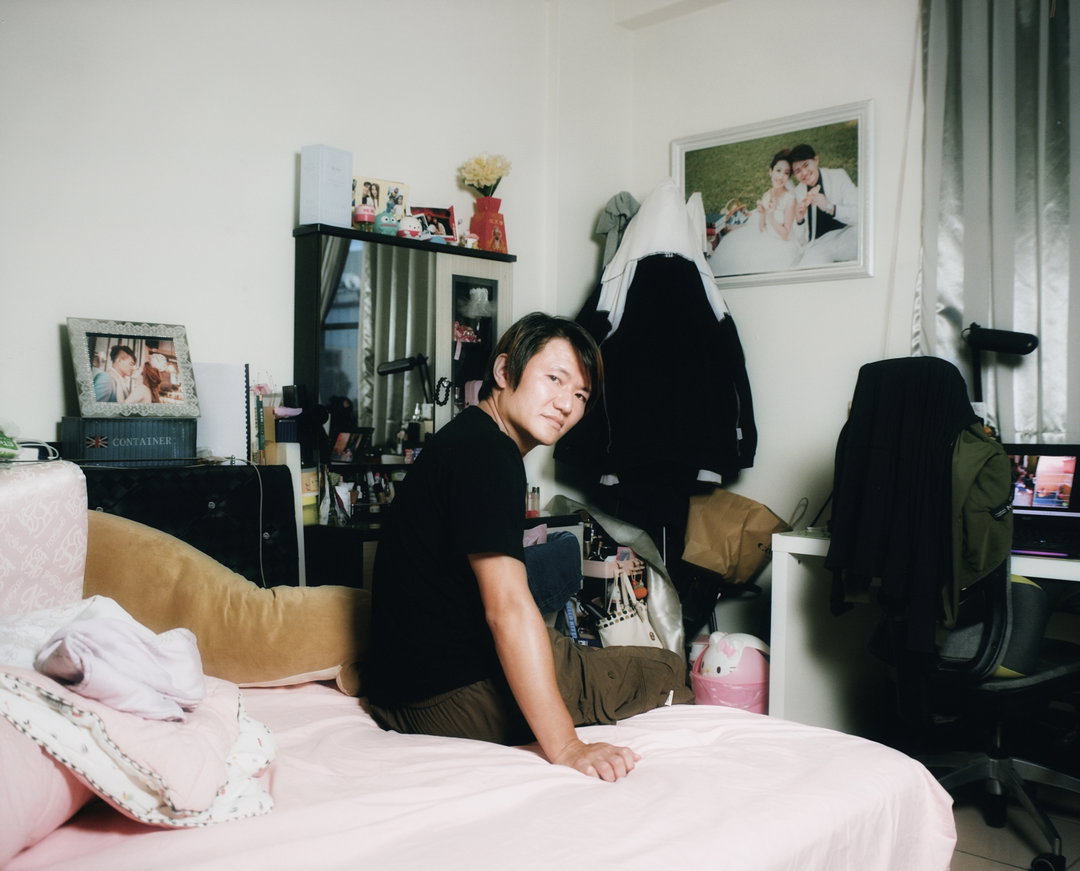
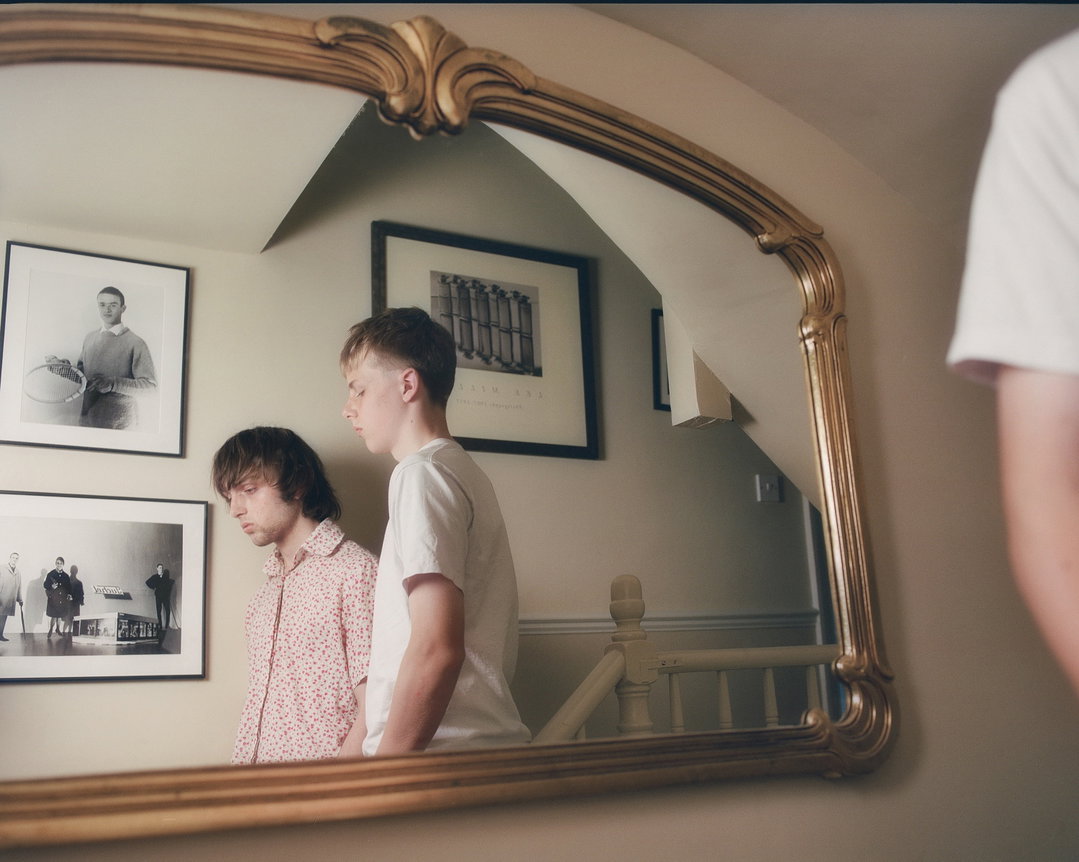
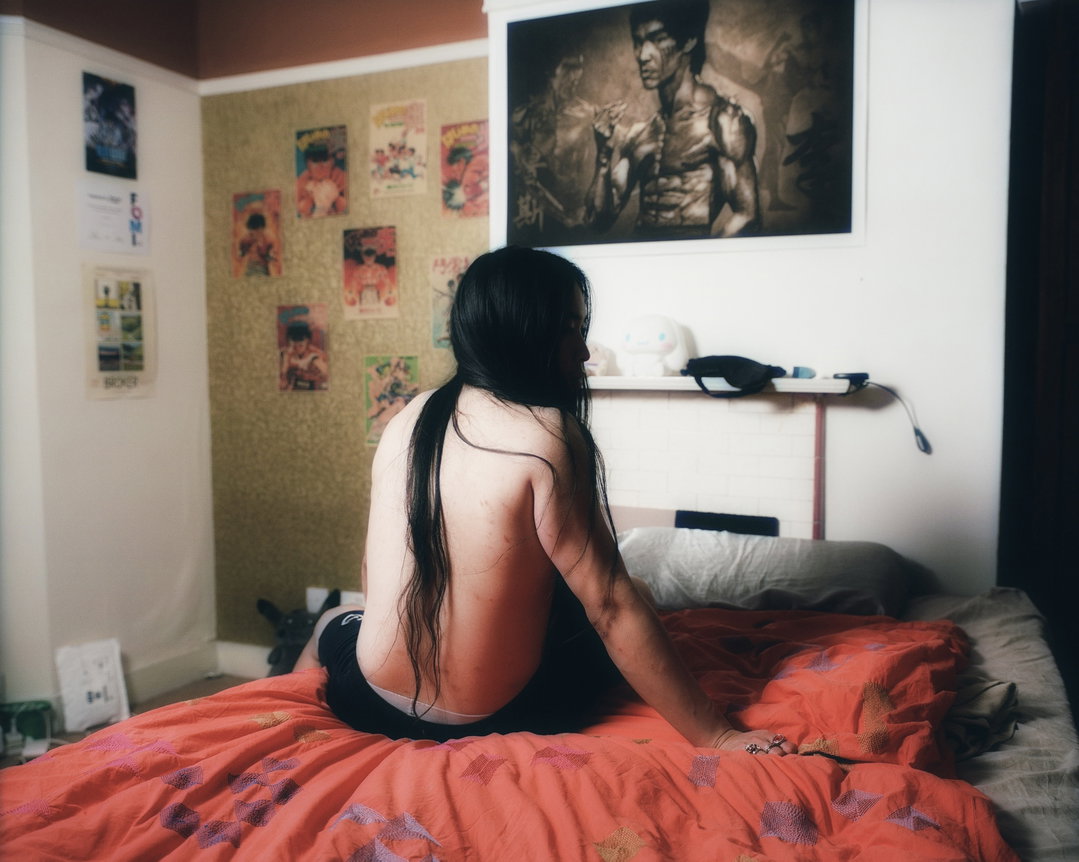
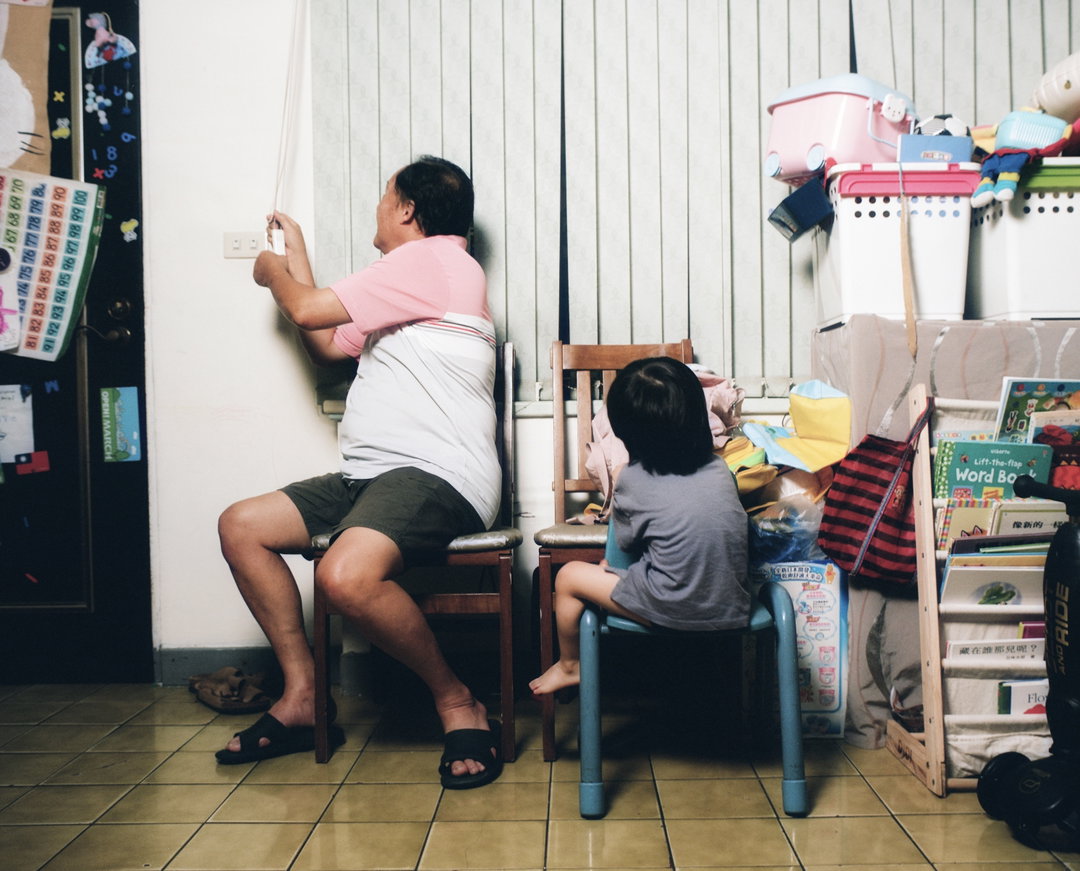
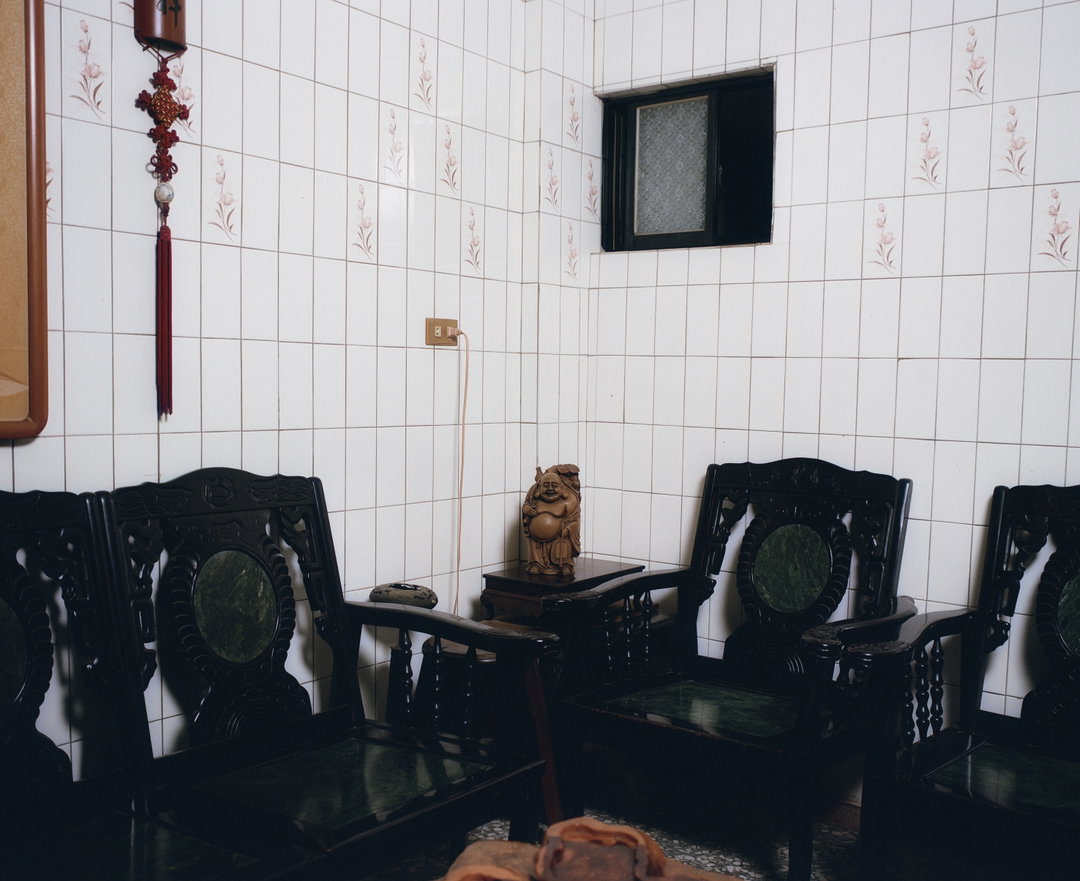
Adam Lin’s tender series Sonder documents a number of male family members families across Taichung, Taiwan, and London, UK. Through the series, Adam explores not only two distinct cultural approaches and expectations of home and connection but two cities that he, too, is deeply connected to. “Sonder explores masculinity through the lens of domesticity,” the Taiwanese photographer says, “examining not only how men interact with one another but also their relationships with the spaces and objects around them.”
“The family home is a site rich with memories and cultural heritage,” Adam says. It‘s a space that, whilst typically burdened with more feminine associations, is shaped by multiple generations of people. “It’s filled with traces of the past and deeply personal in its organisation and spirit,” he adds. Meanwhile, in contrast to domestic spaces, masculinity is more often attributed to external, public spaces. “Workplaces, sports fields, battlefields,” Adam lists, “by centring masculinity within domestic settings, I wanted to challenge this binary.”
Adam’s exploration of identity, men and masculinity is not a new intrigue. When studying an MA in Fashion Image at Central Saint Martins in London, he dove into “often-overlooked dimensions of intimacy, masculinity, family, queerness, and cross-cultural identities”. Sonder, however, is an altogether more personal expression in both a pragmatic and creative sense. “I have been refining my visual language, which blurs the boundaries between portraiture, fashion, and documentary photography,” he says. In merging the two spaces – fiction and documentary – Adam becomes both the onlooker and a participant. As with Sonder, he says, “my goal wasn’t to simply capture reality but to collaborate with the families to create images that convey something larger”.
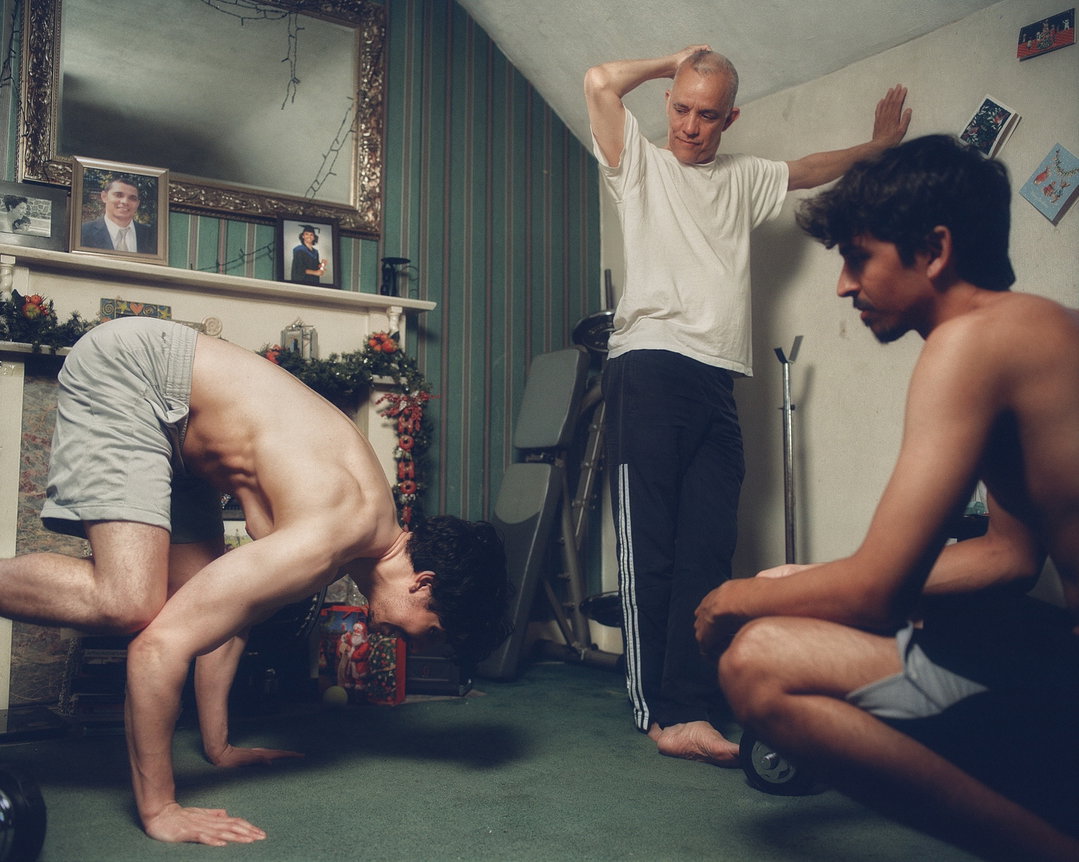
Adam Han-Chun Lin: Sonder (Copyright © Adam Han-Chun Lin, 2025)
To kickstart the project, Adam began with conversations, “learning about the family’s history, their relationships, and the way they navigate their domestic space.” This, in essence, encapsulates the theory behind the series’ name; ‘sonder’ is a word used to describe the realisation that everyone around you has a complex life of their own.
What Adam is achieving, through both the series and the manner in which it’s made, is recognition of others’ vivid lives. But, he goes one step further by revealing these lives. “I’m particularly intrigued by spaces that feel culturally ambiguous,” showing an in-betweenness which, as Adam explains, “mirrors my own experience of navigating two cultures.” He continues: “Through globalisation and immigration, cultural aesthetics have become increasingly fluid, you can easily find homes in London that feel somehow Taiwanese and vice versa.” Sonder takes this idea a step further by removing any geographical hints to where each home actually is. “I want viewers to wonder about the images: was this moment staged or spontaneous?” Adam asks. “Did the photographer direct the subject or capture a fleeting interaction?” In doing so, he invites reflection and interaction with the scenes on show.
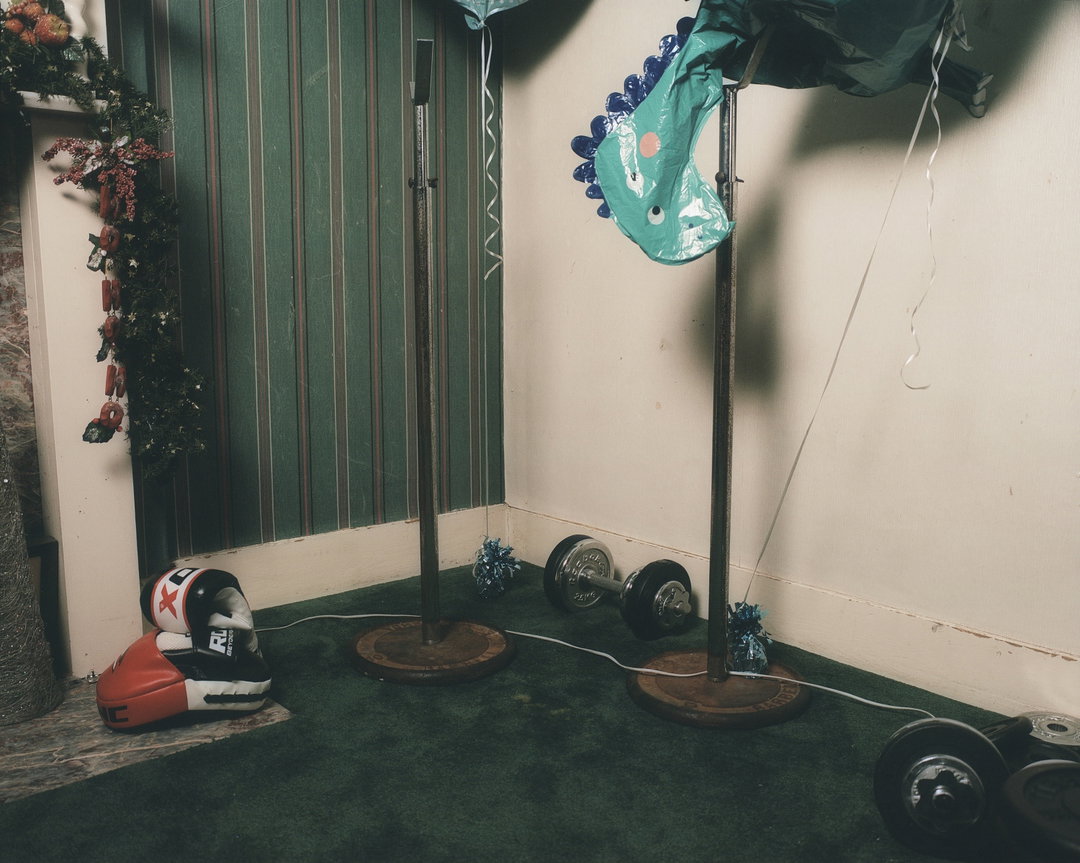
Adam Han-Chun Lin: Sonder (Copyright © Adam Han-Chun Lin, 2025)
The series has a distinctive rhythm, dancing between the notions of performance and routine, punctuated with a palpable tension between the two. There’s an earnestness to each scene, where relationships and expectations of character are put front and centre for us to interpret and interrogate.
The sincerity of each scene comes from Adam’s investment and dedication to the subject matter. Having grown up with two brothers and multiple male family figures, but also lots of female friends he’s interested in the unique dynamics between genders. He’s spent much time “observ[ing] the contrast in how different genders express affection and vulnerability,” particularly the restrained affection of men. “Largely due to an ingrained homophobic gaze, it makes us more conscious of how we express closeness and affection,” Adam says, something not only between friends but also within male family dynamics. In using photography as a tool to explore this intimacy and vulnerability, Adam translates this curiosity into startling, engrossing imagery.
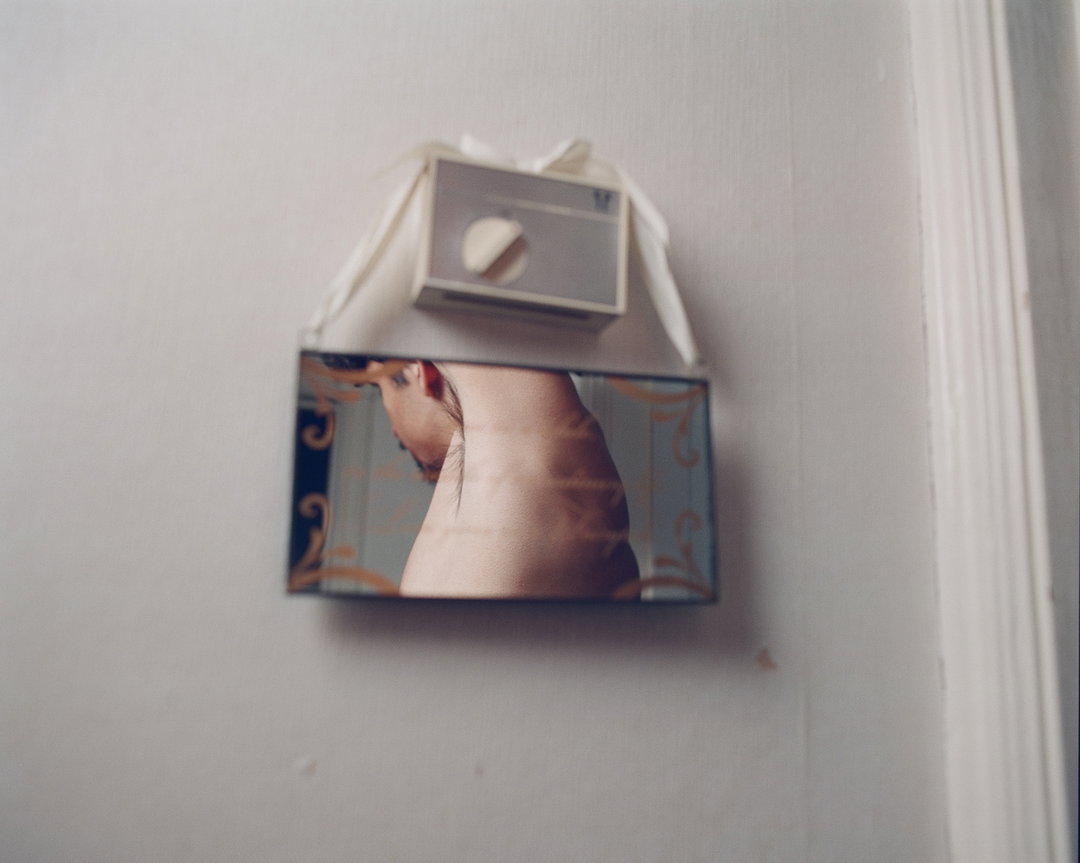
“The male form has always been a constant theme in my work and has fascinated image-makers throughout history,” Adam reflects. However, he wanted to approaching this representation differently, noting the male body’s oversaturation in visual media. “Instead, by layering in elements of family, domesticity, and cultural heritage,” he says, “I hope to offer a more nuanced gaze, as masculinity is intersectional and deeply complex according to one's social, economic and cultural conditions.” This is something achieved through the diversity of scenes, individuals, and intimacy celebrated across the series, providing a fluid spectrum, encapsulated within that single term. “To redefine masculinity is to break down its traditional associations with qualities such as strength, aggression, and emotional detachment,” Adam ends. “Perhaps everything men do, feel, or be – whether tender or assertive – is inherently masculine as long as they identify as men.”
GalleryAdam Han-Chun Lin: Sonder (Copyright © Adam Han-Chun Lin, 2025)
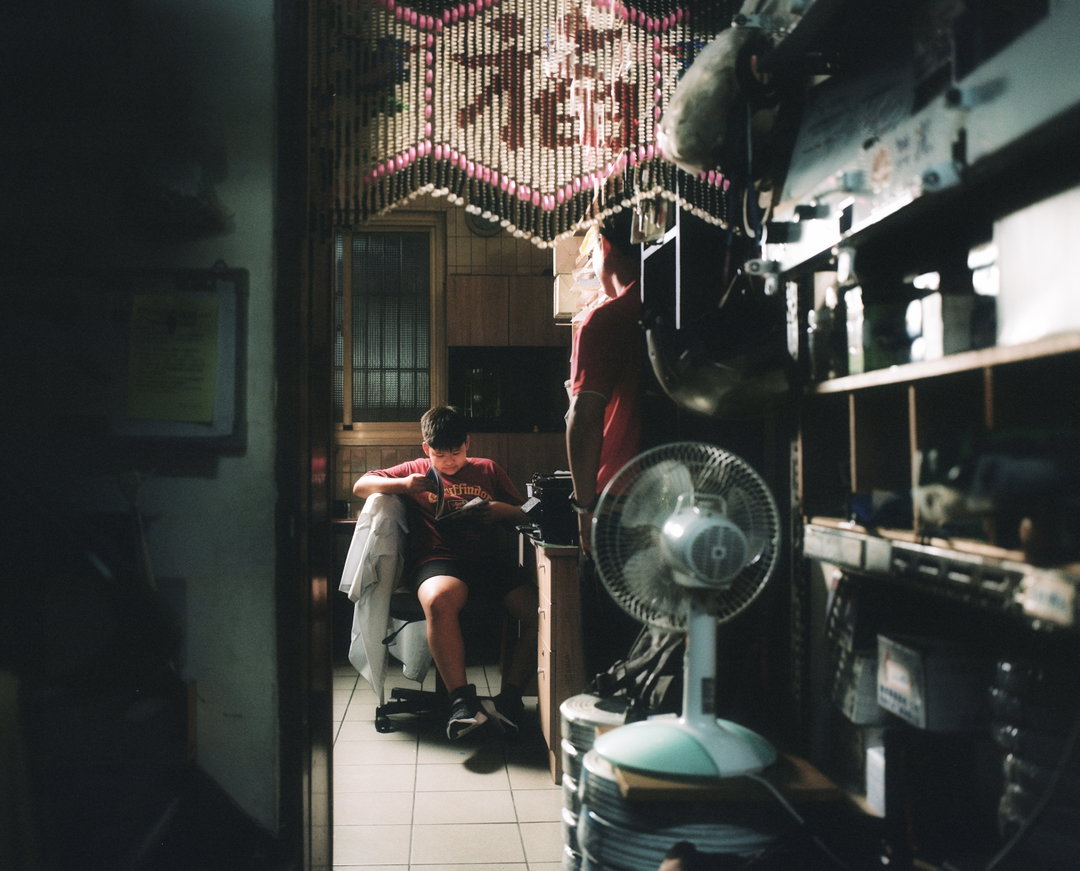

Hero Header
Adam Han-Chun Lin: Sonder (Copyright © Adam Han-Chun Lin, 2025)
Share Article
Further Info
About the Author
—
Hailing from the West Midlands, and having originally joined It’s Nice That as an editorial assistant in March 2020, Harry is a freelance writer and designer – running his own independent practice, as well as being one-half of the Studio Ground Floor.